Categories
Health

With the Coronavirus Keeping Millions at Home, Uber Is Giving Free Rides to Help Survivors of Domestic Violence Flee to Safety


During a worldwide pandemic, the safest place to be is home.

But for people enduring domestic violence, home is never safe. The coronavirus pandemic—and the stay-at-home orders, social distancing measures, and quarantining that have been instituted in an attempt to keep the disease at bay—have the unintended side effect of trapping domestic violence survivors with their abusers.

As if escaping an abusive situation isn’t painfully difficult under regular circumstances, attempting to leave during a pandemic means either braving public transportation or coordinating with friends or relatives who could themselves be at an elevated risk. Domestic abuse, which disproportionately affects women and children, turns the drudgery of waiting out a pandemic from home into a day-to-day hell.

But for some survivors, one part of the process is about to get a little easier. Uber is providing 50,000 free rides to domestic violence shelters and safe havens. Through shelters and other groups that have partnered with Uber to hand out the codes, free rides will be available in over 35 cities across 16 countries. When survivors contact shelters and help lines, those organizations will be able to share a code from Uber that will allow them to take a free, fast ride to safety.

“Many survivors of domestic violence have no access to a car, and the COVID-19 pandemic has reduced public transportation options,” Allison Randall, Vice President for Policy and Emerging Issues at the National Network to End Domestic Violence (NNEDV) said in a statement. “Local domestic violence programs are still open and available to help survivors, but without transportation, survivors have no way to get there, much less to a doctor’s appointment, grocery store, or courthouse. We are so grateful to Uber–our longstanding partner–for providing these lifesaving free rides to survivors.” In addition to the free rides, the company has announced it will donate 45,000 meals to survivors in need.

The initiative, part of a larger pledge by the ridesharing company to provide 10 million free rides and food deliveries to people in need during the pandemic, is led by Tracey Breeden. The head of Women’s Safety and Gender Based Violence Programs at Uber, Breeden previously worked as a police officer and a detective for nearly 15 years, focusing on violence against women. “It doesn’t matter what’s going on in the world—violence against women and children doesn’t stop,” Breeden tells Glamour. “It just shows up differently sometimes. Domestic violence is not a new crisis, and everybody can play a role in working to help create safe spaces and helping people get help safely. It’s critically important to take COVID seriously by sitting at home, but it’s also important to not forget that for some people being at home is not safe.”

Of course, the kind of help that Uber is offering isn’t entirely risk-free either, particularly for its drivers. The company will be paying workers a full fare for these rides, but it’s the workers who will be driving to the homes of potential abusers, and sharing small spaces with strangers in their cars, despite the CDC’s social distancing recommendations. And, of course, Uber drivers are independent contractors, which means that despite functioning as a kind of first-responder in this and other crises, they don’t get benefits like Social Security, health insurance, or paid sick days, and they’re responsible for damage to their own vehicles.

Still, for survivors with few options, the initiative could be a lifeline. Breeden says that Uber’s partners at domestic violence organizations have shared that given the constraints of shelter-at-home, many survivors are utilizing chatrooms to speak with advocates privately. “What will happen is that shelter, that advocate will work with that survivor to find the safest way to provide them help and get them to another location,” Breeden says, “They certainly aren’t going to send a driver into a situation that they know is potentially harmful.” She also notes Uber apps have an easy-access 911 button for drivers, and that the app allows survivors to enter cross streets instead of their exact address in case an abuser has access to their account as well.
Source link

Categories
Health

Kate Middleton Shares Personal Portraits of Holocaust Survivors In Honor of International Holocaust Remembrance Day


In honor of International Holocaust Remembrance Day, held on January 27 each year, Kate Middleton did more than show up to the annual U.K. Holocaust Memorial Day Commemorative Ceremony in Westminster. The Duchess of Cambridge also shared poignant photos of two Holocaust survivors and their grandchildren that she captured for an upcoming exhibition.

Middleton, who has taken some of the formal portraits of her children released to the public, photographed survivors Steven Frank and Yvonne Bernstein and their families at Kensington Palace to mark the somber occasion. And in honor of the 75th anniversary of the liberation of Auschwitz-Birkenau, Middleton’s photos will be part of a larger show of 75 total images that the Holocaust Memorial Day Trust, Jewish News, and the Royal Photographic Society have assembled.

“The harrowing atrocities of the Holocaust, which were caused by the most unthinkable evil, will forever lay heavy in our hearts. Yet it is so often through the most unimaginable adversity that the most remarkable people flourish,” read the caption of the official Kensington Royal Instagram page.

“Despite unbelievable trauma at the start of their lives, Yvonne Bernstein and Steven Frank are two of the most life-affirming people that I have had the privilege to meet,” Middleton continued. “They look back on their experiences with sadness but also with gratitude that they were some of the lucky few to make it through. Their stories will stay with me forever.”

The duchess photographed Frank with his granddaughters, Maggie and Trixie. According to the post, Frank was sent to the Theresienstadt camp where he and his brothers were three of just 93 surviving children. 15,000 children were sent there in total.

The second photo is of Bernstein with her granddaughter Chloe. Yvonne was one of France’s “hidden children,” escaping the Holocaust by “frequently changing homes and names” with her aunt and uncle.

“I wanted to make the portraits deeply personal to Yvonne and Steven—a celebration of family and the life that they have built since they both arrived in Britain in the 1940s,” the duchess added.

“The families brought items of personal significance with them which are included in the photographs. It was a true honour to have been asked to participate in this project and I hope in some way Yvonne and Steven’s memories will be kept alive as they pass the baton to the next generation.”

Frank said in a statement, “I would hope that the people who look at these pictures not only look at the beauty of the photography, but they will also think of the people behind the photos and their families that they lost in the Holocaust.”

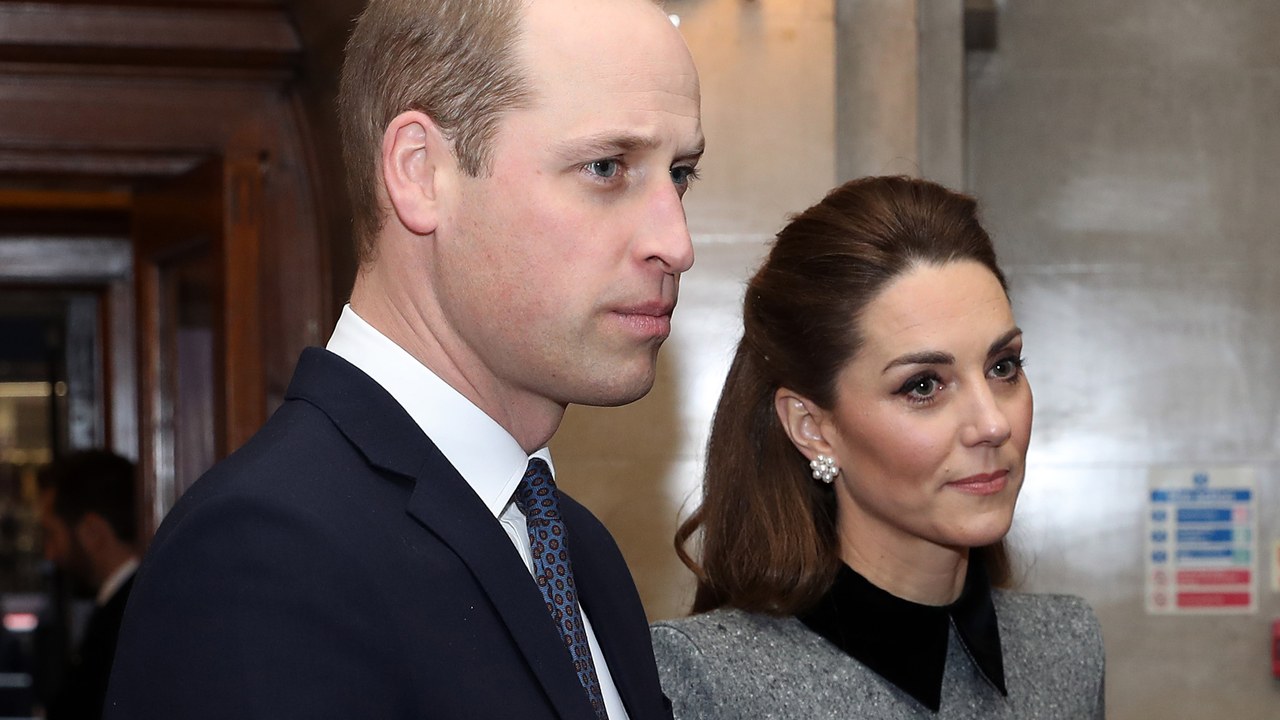
The Kensington Royal Instagram account also released photos from today’s ceremony, where Kate and William spoke to survivors of the Holocaust and lit candles in memory of those who lost their lives.


Source link

Categories
Health

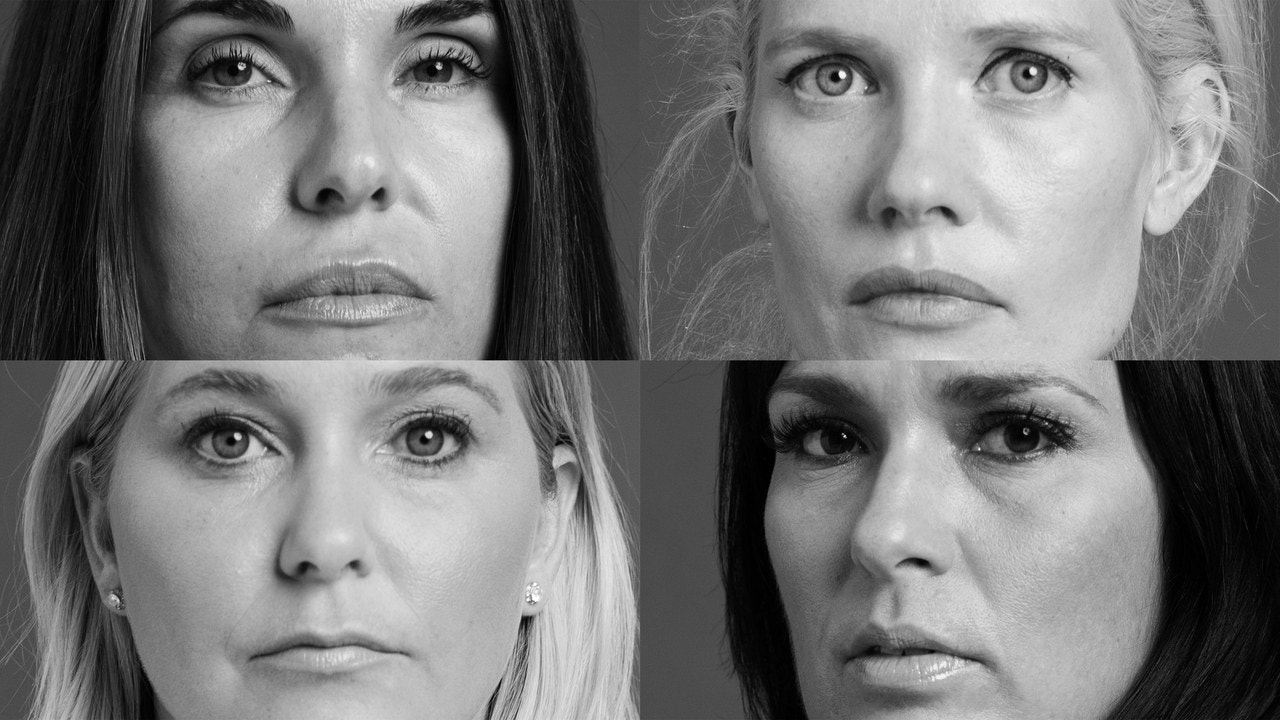
5 Survivors of Jeffrey Epstein’s Abuse on Trauma, Justice, and Sisterhood


Rachel Benavidez: This is important stuff, and this is an important sisterhood that we have. And Virginia said, “Well, we want to focus on moving forward,” which absolutely, I do. I want to move forward with this, and help other women and children.

Virginia Giuffre: That’s what we were.

Rachel Benavidez: So, it’s very important. For me, I’m still in that phase of healing and trauma, and processing that. But I want to move forward. And I feel like with my sisterhood, with these women, and all the other hundreds who aren’t here, that that can really help me. So, thank you, Virginia, for putting yourself out there on all levels, and providing this opportunity for all of us.

Virginia Giuffre: It means the world.

Rachel Benavidez: You’re beautiful. And you’re so strong. And I love when you speak, you’re like, “Yeah, and what about going after that bitch” [laughter]. It was like, yeah, yes. I’m just happy to be here, and I’m happy to share my story. But I’m very teary, so I’m sorry. And I’m a ugly crier.

Virginia Giuffre: Don’t worry!

Rachel Benavidez: It’s not too pretty.

Teresa Helm: Speaking about the sisterhood of everyone gathering throughout these, this time? I don’t even know how to put it. These times, this time? What is this?

Rachel Benavidez: It’s a time warp. It feels like I’m in a time warp, actually.

Virginia Giuffre: It’s a past, present, and future topic.

Teresa Helm: It is. It is a past, present, and future. I mean, it’s been nearly two decades since this all began. Who knew that nearly two decades later, I would be sitting around discussing this now, going through it, seeing the events unfold as they have? And who knows how they’re going to continue to unfold?


Source link

Categories
Health

In Refugee Settlements in Uganda, Survivors of Sexual Assault Grapple with How to Raise Children Born of Rape


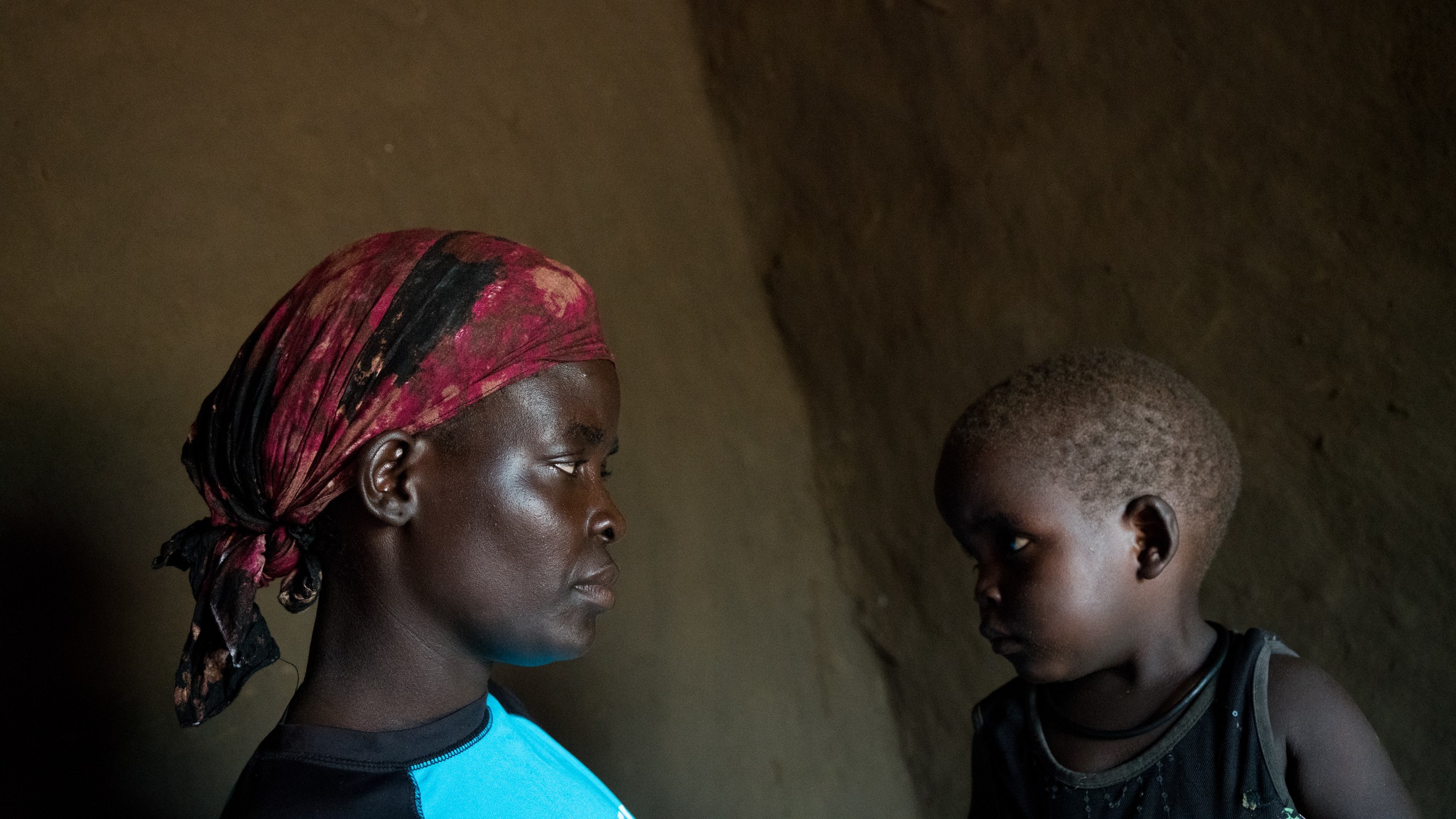
The war came to the Equatoria Region, where Diria lived, in 2016. That area sits at the bottom tip of South Sudan, and Diria resided in a village called Lasu Payam. When the fighting broke out, she, her four children, her sister-in-law, and some other women in the community hired two vehicles to drive them to the Ugandan border. Diria sat with about seven other people, including her sister-in-law. Her children were in the car ahead. She recalls to Glamour that the group had been driving for three days, inching past checkpoints, when soldiers blocked the path around Mugo Payam, about 50 miles from Uganda, directing their guns at the vehicle transporting her. It was early afternoon.

The soldiers’ faces were covered. They told everyone to get out of the car. Then the men were taken. Diria hasn’t seen them since. The soldiers separated the women into two groups. As she remembers it, the soldiers took the women to the bush and hit them with their guns. Diria still has back pain from the abuse. She heard shouting in Arabic, commands directed toward her to lie down. All the women were gang raped. Her sister-in-law, killed. After Diria had been sexually violated by five men, there was a cascade of shooting and the soldiers ran. Diria and three other women struggled back to the roadside and saw the driver of their car, shot. They managed to wave down a driver in another car headed for the border who let them hitch a ride. It took another two days to cross into Uganda.

In Keri, the transit center where refugees stay for days or weeks for processing before getting settled in one of 11 areas allocated to South Sudanese refugees in Uganda, Diria started throwing up. She went to the health center and took a pregnancy test. It was positive. The doctor offered to sell her a pill that he said would make the baby “go away” for 200,000 Ugandan Shillings (about $54), but she couldn’t afford that price. She tried drinking two cups of herbs she mixed together, hoping the cocktail would make her bleed. Nothing happened. She told her husband. He beat her. He went back to South Sudan. Now, he’s blocked her from calling him. Twice she almost hung herself. Then, she figured that after giving birth, she’d kill the child.

But when Abraham was born, he went to her to nurse. After he drank from her breast, she says couldn’t bring herself to kill him. Three months later he started to smile. That’s when she says she started to love him. During the first of three interviews with Glamour, Abraham toddles over to his mother and throws himself in her lap, face down, little arms splayed across her thighs. She looks down and the corners of her mouth tick up; her face is thick with affection. At church she holds him close throughout the entire service.


Source link

Categories
Health

Chanel Miller’s New Short Film Is a Moving Tribute to the Strength of Survivors Everywhere


Until a few weeks ago, Chanel Miller was known to the public as Emily Doe. A sexual assault survivor—whose powerful impact statement addressed to her assailant, Brock Turner, went viral—Miller chose not to speak out under her own name but instead to let her words stand on their own. That decision, Miller told the New York Times, “let me have a life in which this never happened,” giving her time to still be Chanel and not “the nameless, faceless, half-naked body from this case.”

But earlier this month, the former 2016 Glamour Woman of the Year (then still known as Emily Doe) came forward and announced the release of her memoir, Know My Name. The memoir focuses not just on the trial or its immediate aftermath, but on her life before and since as she’s worked to figure out where she goes from here. With Know My Name now available in bookstores nationwide, Miller has released a short companion film about her experience as a survivor that she wrote and codirected.

Chanel Miller finishing up an illustration in 2017

Courtesy of Chanel Miller

“I Am With You” is a five-minute film in four acts, with animation created from Miller’s original illustrations. It’s both an exploration of Miller’s journey to reclaim her voice and a moving love letter to the strength and power of survivors everywhere. “While writing Know My Name, I was constantly drawing as a way of letting my mind breathe, reminding myself that life is playful and imaginative. We all deserve a chance to define ourselves, shape our identities, and tell our stories,” Miller said in a statement. “The film crew that worked on this piece was almost all women. Feeling their support and creating together was immensely healing. We should all be creating space for survivors to speak their truths and express themselves freely. When society nourishes instead of blames, books are written, art is made, and the world is a little better for it.”

You can watch Miller’s beautiful tribute to her healing process in its entirety, below.

[embedded content]


Source link

Categories
Health

Sexual Assault Survivors on 'The Bachelor' Sharing Caelynn Miller-Keyes' Story


The following article, based on this week’s episode of The Bachelor, could be triggering for anyone who’s experienced sexual assault. If you or someone you know need help, call RAINN’s hotline at 800-656-HOPE (4673).

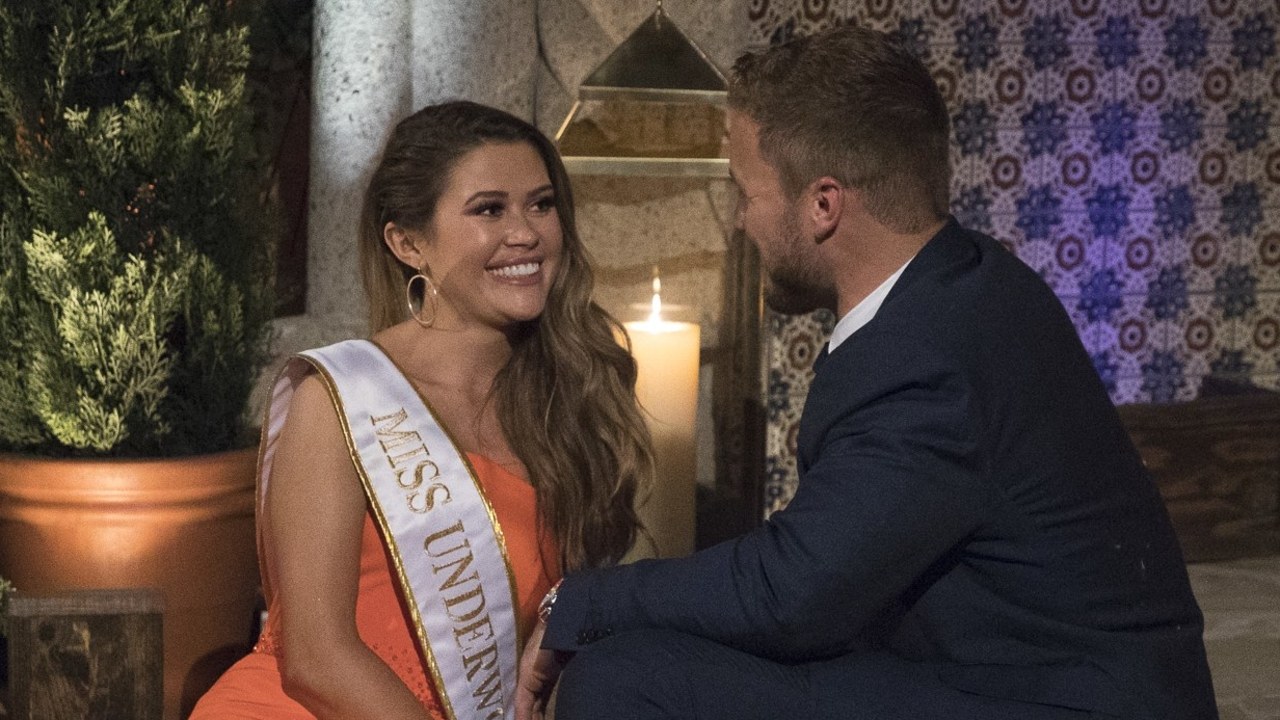
On the surface, the fourth episode of Colton Underwood’s season of The Bachelor was entirely typical. There were two romantic one-on-one dates, a chaotic group date, a trip to a stunning location, and the usual “villain” drama. That all shifted, though, when contestant Caelynn Miller-Keyes opened up to Colton about being sexually assaulted in college. This was different from anything we’ve seen from the franchise before, and The Bachelor got this #MeToo moment right.

During her date with Colton, Caelynn shared every painful detail of her story as she described being drugged and assaulted at a party during her sophomore year of college. “I woke up the next morning completely naked in my bed and had no memory of the night before,” she says. “I had a small vision of a guy in my bed, and I just had this pit in my stomach that something really bad happened last night.” Caelynn says she later learned through a friend what had happened, and that another student allegedly lifted her skirt and took Snapchat photos. “It was horrible,” she says. Her assailant, she says, was expelled from school but faced no other charges.

Caelynn explained that she tried to get a rape kit but said she was turned away from the first hospital she visited. “The reporting process is a lot more difficult than people realize. I had no idea what to do,” she told People in a later interview. “I was completely stranded, I was completely alone. I didn’t even think it was possible to be turned away from a hospital. Thankfully, I had a good support system and people went to a second hospital with me and I was able to get a rape kit and speak to authorities and go through that process. But it’s a lot more difficult than it seems.” (In addition to Caelynn’s experience, there’s a noted backlog of untested rape kits across the country, which interferes with prosecuting perpetrators of rape and assault.)

Caelynn’s story matters for a lot of reasons—but in the context of The Bachelor, it hopefully marks a turning point for how the franchise will address issues of sexual assault going forward. After all, this show doesn’t have the best track record. In 2017 the spinoff series Bachelor in Paradise was steeped in controversy when a producer brought forward sexual assault allegations regarding two contestants, Corinne Olympios and DeMario Jackson. Much of the public discourse surrounding Olympios was full of slut-shaming, and while the series did attempt to clear the air with a televised conversation about consent led by host Chris Harrison, the entire situation left a bad taste in many viewers’ mouths.

Last year news broke that The Bachelorette contestant Lincoln Adim had been convicted of indecent assault and battery. Warner Bros., the studio behind the franchise, issued a statement saying the production was unaware of the charges when he was cast. But the show never addressed the controversy; Adim was excluded from the “Men Tell All” special.

But Monday’s episode was poignant for many viewers, especially those who are sexual assault survivors—and there are likely many of them. According to RAINN, one out of every six American women (and three percent of men) have been the victims of an attempted or completed rape. What’s more, the vast majority of sexual assaults go unreported; out of every 1,000 sexual assaults, only 230 are ever reported to the police.

Anna, 25, a sexual assault survivor who asked Glamour to withhold her name for privacy reasons, said she “couldn’t breathe” while watching Caelynn tell her story. Like the Bachelor contestant, Anna woke up after a party with no memory of the previous night’s events but later had flashbacks of being assaulted by a coworker. “I never got a rape kit done, and I still have no solid conclusion as to what happened that night,” she says. “I fell into a deep depression for a couple years, but I’ve been able to slowly come out of it more recently.”


Source link