Categories
Health

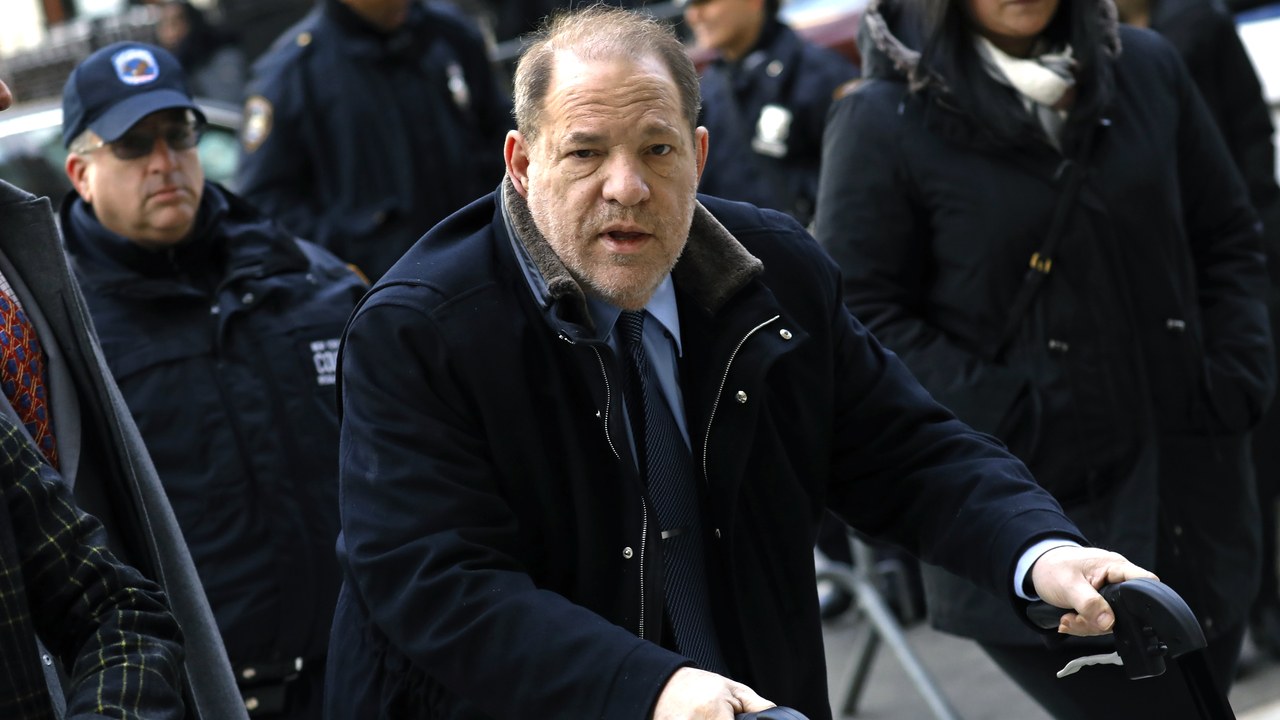
Harvey Weinstein Has Been Found Guilty of First Degree Sexual Assault and Third Degree Rape


A New York jury has returned a verdict in the Harvey Weinstein trial. The disgraced movie mogul has been found guilty on two counts—a criminal sexual act against former Project Runway production assistant Miriam Haley and rape in the third degree of an unnamed victim. He was acquitted of two counts of predatory sexual assault and one count of rape in the first degree against Jessica Mann, according to CNN.

The jury of seven men and five women took five days to deliberate before the verdict was announced on February 24. Weinstein will face a minimum five-year sentence on the charges.

It was the stories of Weinstein’s harassment and abuse of women, as documented by Megan Twohey and Jodi Kantor for the New York Times and Ronan Farrow for the New Yorker, which set off the new era of #MeToo. (The hashtag was first coined by activist Tarana Burke.) Weinstein denied their claims, but the prosecution called numerous witnesses during the trial, including actors like Annabella Sciorra and Mann to discuss their own allegations against Weinstein.

On Friday afternoon, according to the Hollywood Reporter, the jury was seemingly deadlocked on the two most serious charges of predatory sexual assault, which carried a possible life sentence, but was unanimous on the three lesser charges. Weinstein was ultimately acquitted of the two counts of predatory sexual assault, and an alternative count of rape in the first degree.

“Thank you for the care and concentration, concern, and attention you have given to your deliberations,” Judge James Burke reportedly told the jury before their dismissal.

Weinstein faces a minimum of five years in prison with a 25-year maximum for the sexual assault charge and 18 months to four years for the third-degree rape. Sentencing for Weinstein in this case is scheduled for March 11, and Weinstein still faces four charges of sexual assault in Los Angeles.


Source link

Categories
Health

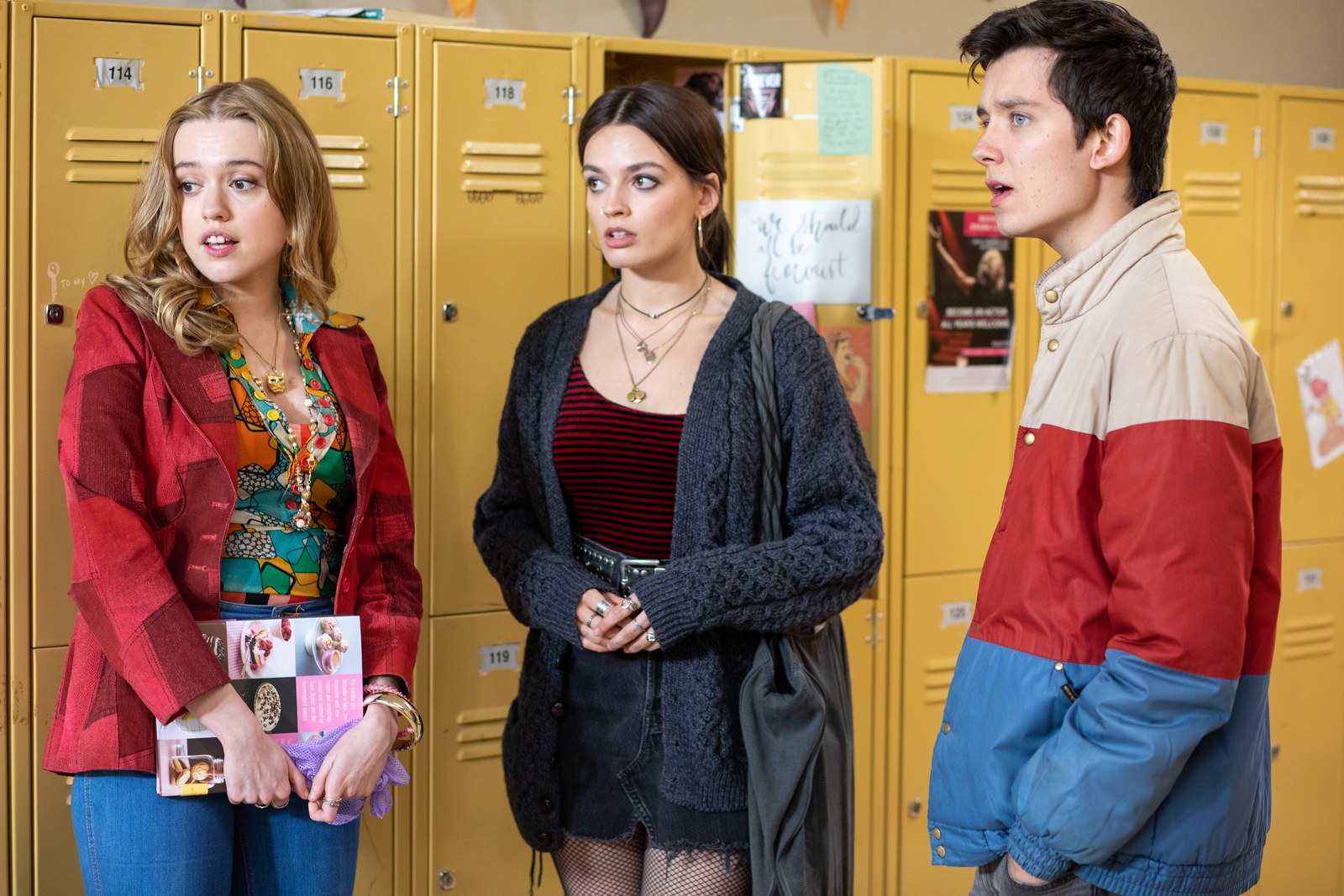
Sex Education Season Two: We've Seen Sexual Assault on TV Before—But Never Like This


She continues, “Unless it is rape, [many of us] feel like we can’t really talk about it or that we have to take it in our stride and even laugh about it. We’ve turned them into little funny anecdotes rather than actually dealing with the fact that might have traumatized us on some level.” It’s like society has given us a hierarchy of sexual assault, she explains. “If you’re somewhere near the top then it’s like, ‘Oh, that’s OK. You’re allowed to be upset by this one.’ But anything lower you feel like maybe you’re a bit of a drama queen.”

TV shows have shown sexual assault before, of course, but this Sex Education storyline is new: Rarely does a series take an incident that isn’t rape and spend so much time over the course of a season unraveling the emotional layers that follow. Aimee’s experience isn’t relegated to a one-episode arc. Instead, the whole rest of the season checks in on her well-being and healing after the incident. It sends a clear message: Whatever the circumstances, any sexual assault is traumatic.

“It’s about what happens when you suppress that trauma and you don’t deal with it,” Wood says. “And it’s about women coming together and being that support system as Maeve, Ola, and many of the others do for Aimee at the end. Sometimes you need people to give weight to your problems and to give you permission to feel the damage of something. Sometimes you just need someone to go, ‘You’re allowed to feel shit about this.'”

Sam Taylor/Netflix

The way that Aimee’s boyfriend, Steve, responds is also key. She has trouble being intimate with him—even cuddling is hard—but he never pressures her and invites her to open up when she’s ready, on her terms. That support only makes their relationship stronger, Wood says.

“Even though it’s such an unfortunate way to grow, it’s a huge turning point in her life,” she explains. “Much like what she learnt in season one by taking ownership of her body and that masturbation montage, this does the same, even though it stems from an awful situation. She becomes so much more empowered because of it…but it takes a long time.”

After season one, Wood says women would often come up to her to talk about the female orgasm and masturbation. Now, she’s ready to hear from women who have buried their own trauma. “I’m so grateful we’re telling this story,” she says. “The conversations that I’ve had with young women is just so incredible. I’ve had so many conversations, even with my friends, that I would never have had if not for this show. We never spoke about [these things]. And now we do.”

Season two of Sex Education is now streaming on Netflix. Jessica Radloff is the Glamour West Coast editor.


Source link

Categories
Health

How a Grey's Anatomy Episode Led to an Increase in Sexual Assault Awareness


We may be living in the age of too much content (because really, who can get to it all?!?), but a new study shows that one single episode of popular television can still make a big impact on the world. Grey’s Anatomy has been in our lives since it premiered on ABC in 2005, and over the past 15 seasons fans have seen many powerful and emotional episodes. But one, in particular, from last March is proving to have a lasting effect on awareness around sexual assault.

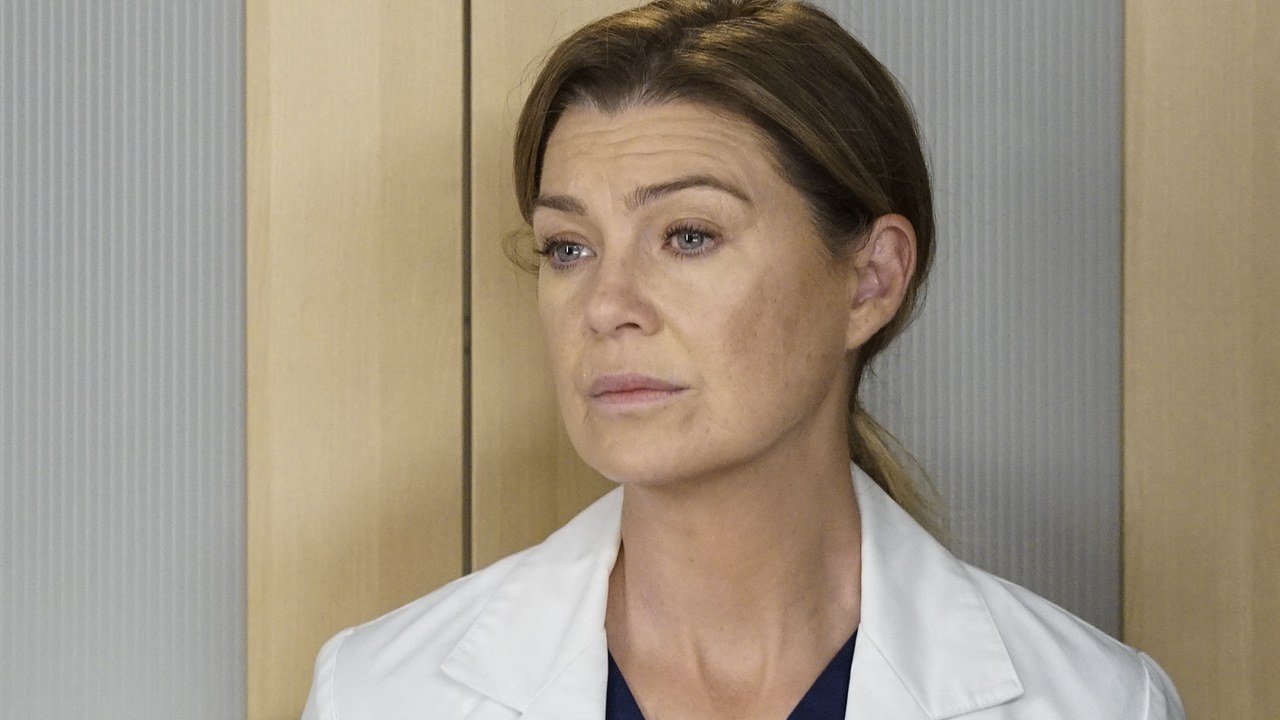
“Silent All These Years” first aired on March 28, 2019 and featured a storyline with a patient named Abby, who Dr. Jo Karev and Dr. Teddy Altman learn has been sexually assaulted. At the time, I wrote about how sensitively the show handled the issue of consent on many levels, but particularly how the doctors treated Abby as they examined her. The episode culminated in an emotional moment where female doctors, nurses, and other hospital staff line the hallway as Abby was taken into surgery because every male face she sees reminds her of her attacker.

At the end of the show, Ellen Pompeo did a PSA for viewers about reaching out for help if they had been affected by sexual violence, and gave information about contacting the National Sexual Assault Hotline operated by the Rape, Abuse & Incest National Network, or RAINN (800-856-HOPE or via online chat hotline.rainn.org/online/). And now a new study is showing the real-life impact of the show.

Researchers at the Oklahoma State University Center for Health Sciences studied search trends on Google and Twitter for two weeks before and one week after the episode aired. They monitored terms like “Rape, Abuse, and Incest National Network,” “RAINN,” “sexual assault,” “rape,” “sexual assault hotline,” and tweets mentioning @RAINN. They also collected data from RAINN on call volumes in the 48 hours after the episode aired.

“Engagements with the @RAINN Twitter account and tweets mentioning ‘sexual assault hotline’ increased by 1,097% the day after the episode,” researcher Trevor Torgerson told Reuters Health. They also found the National Sexual Assault Hotline call volume increased by 43% in the 48 hours after the episode, and the volume of searches for the term “RAINN” was 41% larger than expected, and search volumes for “rape” and “sexual assault” were 8% and 9% higher, respectively. In addition, the number of tweets mentioning “sexual assault hotline” and “RAINN” were 1,995% and 292% higher than usual.

“An adored actress, such as Ellen Pompeo, may be able to convince someone to seek help in a way that ‘only’ flashing the hotline number may not be able to. That being said, if flashing the hotline number is all that can be done, we would agree there is a benefit to it,” Torgerson said.

Whatever the factors, it’s incredible to see the impact that one episode of television (in this case, Grey’s Anatomy) can have on the world.


Source link

Categories
Health

‘Reiki Helped Me Heal from the Trauma of Sexual Assault’


Trigger Warning: This article contains descriptions of sexual trauma.

I’ve recently become one of those people who is into reiki—aka “energy healing,” a form of alternative medicine. This is a complete shock to me—I generally raise my eyebrows at mentions of “chakras” and “attuning”—but I’m now that girl. Whenever it comes up in conversation that I’ve not only tried reiki but actually find it really powerful, I tend to get one of two responses (both of which involve raised eyebrows). Version one goes, “Oh, I’ve always been interested in trying that!” Version two goes, “Oh, wow,” accompanied by a studious sip of a drink.

I first encountered reiki two years ago—about nine and a half years after I was raped at a party. I didn’t tell anyone because I didn’t realize that’s what it was (I told myself it was my fault for drinking underage, for going to his room). I chalked it up to a Bad Night.

For seven years, I didn’t think about it much until it hit me while getting sunburned on a beach in Málaga: Of course it was rape; I had just been conditioned to see it otherwise.

This was right before the start of #MeToo in late 2017, and as the movement rose like a tidal wave, its presence was constant in my life: In my weekend work editing and writing, in group messages with friends, on the news screens in the subway as I rode to yoga. It felt like something real, something wild, was happening. But the rape, something I had thought about only occasionally for all that time, suddenly began to persistently haunt my thoughts—always pacing, waiting for a vulnerable, split-second lull to barge in. And when it did, it took up the room.

Yoga, which I once looked forward to as a way to slow down my thoughts, devolved during this time into a game of roulette: Either I would find peace during the vinyasa flows or deep yin sequences, my mind swaddled in calm—or frames from the Bad Night and the morning after would replay, visual and emotional impressions looping like a nightmare GIF. Once, I had a panic attack; a few times, I cried.

I did think about seeing a therapist several times throughout 2018, but I always found an excuse not to: I was tending to a fledgling start-up I co-founded, I was trying to build a travel writing career, I was navigating a long-distance open relationship. I just didn’t have the energy to figure out finding a therapist in a foreign country (I live in Germany)—and my insurance, very much basic-need coverage at the time, wouldn’t have covered it anyway.

A year and a half later, I and my mental defenses were worn down. Thoughts about my assault were breaking through more and more often, to the point where the traumatic memory GIF was an almost-constant presence in the back of my head. I felt drawn out. So I booked a week-long yoga retreat in Thailand. I told friends and family I was taking a social media-free vacation, doing yoga, reading a Kindle-pile of books, and drinking gin on the beach. Privately I was also intent on an exorcism of the trauma. I was hoping that by putting myself through six days of yoga, I’d somehow have a breakthrough, whatever that looked like. I signed up for yoga and pilates classes, and on a whim, a reiki session.

What Is Reiki?

Reiki is a Japanese “energy healing” practice. During a reiki session, a practitioner stands around you, hovering their hands over you and sometimes placing them gently on you. I was skeptical but I figured it was worth a try.


Source link

Categories
Health

PTSD After Sexual Assault: ‘I Had to Practice Saying I was Raped. Now I Have to Practice Saying I Have PTSD’


Trigger warning: This post contains descriptions of sexual trauma.

I got a UTI two to three times a month when I was being repeatedly raped. I went to a doctor, and they asked if I was bathing enough, and then prescribed a preventative antibiotic to take before I had sex. Though my body was clearly rebelling against what was happening, no one listened to it—including me. The doctor didn’t ask if my sexually active relationship was consensual or not, and I didn’t have the language to tell them otherwise.

In the years since, I’ve practiced saying the word rape. It happened to me more than once and by someone I know—details I haven’t quite worked out how to relay in one sentence. Again, saying I was raped at all took practice.

Now, years later, I’m physically far away from my abuser but my body still doesn’t feel safe, which often results in panic attacks during or after sex. Without warning, I can’t breathe, think, or override my physical reactions of crying and hyperventilation. My skin crawls until I wrap it up tight, usually in a sweatshirt or blanket. Sometimes my vision goes, or my ears ring. The worst of the episode can last anywhere from three to five minutes; the residual feelings of urgency and shame usually continue all night, often into the following day.

Sometimes I avoid sex for weeks or even months afterward. Other times I seek it out, subconsciously hoping, I’m sure, for a way to release the trauma my body still holds. I wear heavier clothes. The assaults are a constant, aching presence in the back of my mind, as if I’ve forgotten to lock my front door, turn off the oven, or set my alarm. I think about rape when I drink. Sometimes I drink too much because of it. When I’m feeling up to the challenge, I practice looking at my body in the mirror and naming each part—arm, leg, torso—as something that belongs to me, a technique some therapists recommend.

Three months ago, I sat in my therapist’s office recapping an almost idyllic Fourth of July weekend: a trip to upstate New York, farm-to-table meals—oh, and a panic attack that left me sick and hyperventilating in the bathroom for an hour. “I think EMDR could really help you,” she said.

EMDR stands for eye movement desensitization and reprocessing therapy. What it looked like in my case was holding a buzzer in each hand, their alternating vibrations ping-ponging between my palms as my therapist prompted me to close my eyes and conjure certain memories. She asked me to notice how I felt—physically and emotionally—when remembering those moments.

The session lasted 90 minutes. Afterward I was disoriented and raw. I couldn’t bring myself to do it again.

A few weeks later, I had lunch with a friend who told me, without so much as a flinch or a nervous blink, that she had PTSD, or post-traumatic stress disorder. She too was in the midst of EMDR therapy—a treatment that’s shown promise for those living with PTSD. When I thought of the condition, I thought of veterans and the survivors of violent crime, people who’d had knives held to their throats, guns to their backs. People who certainly weren’t me.

“Do I have PTSD?” I asked my therapist in our next session. She pulled out her DSM-5, a manual that defines and classifies mental disorders, with the caveat that diagnosis is an inexact science; then she read off the criteria for PTSD. There are eight, five of which have between two and seven subcriteria. I met each of the main criteria and all of the subs except for three.

In that moment, I realized I’ve had imposter syndrome about my own mental health; somehow the years I spent in a body that at any moment might betray me didn’t feel like enough evidence to warrant a serious diagnosis. In a twisted way, my panic attacks and struggling for intimacy with myself and partners for years didn’t feel significant enough to qualify for PTSD. Why did I need the DSM-5 to tell me what my body had known all along?


Source link
Categories
Health

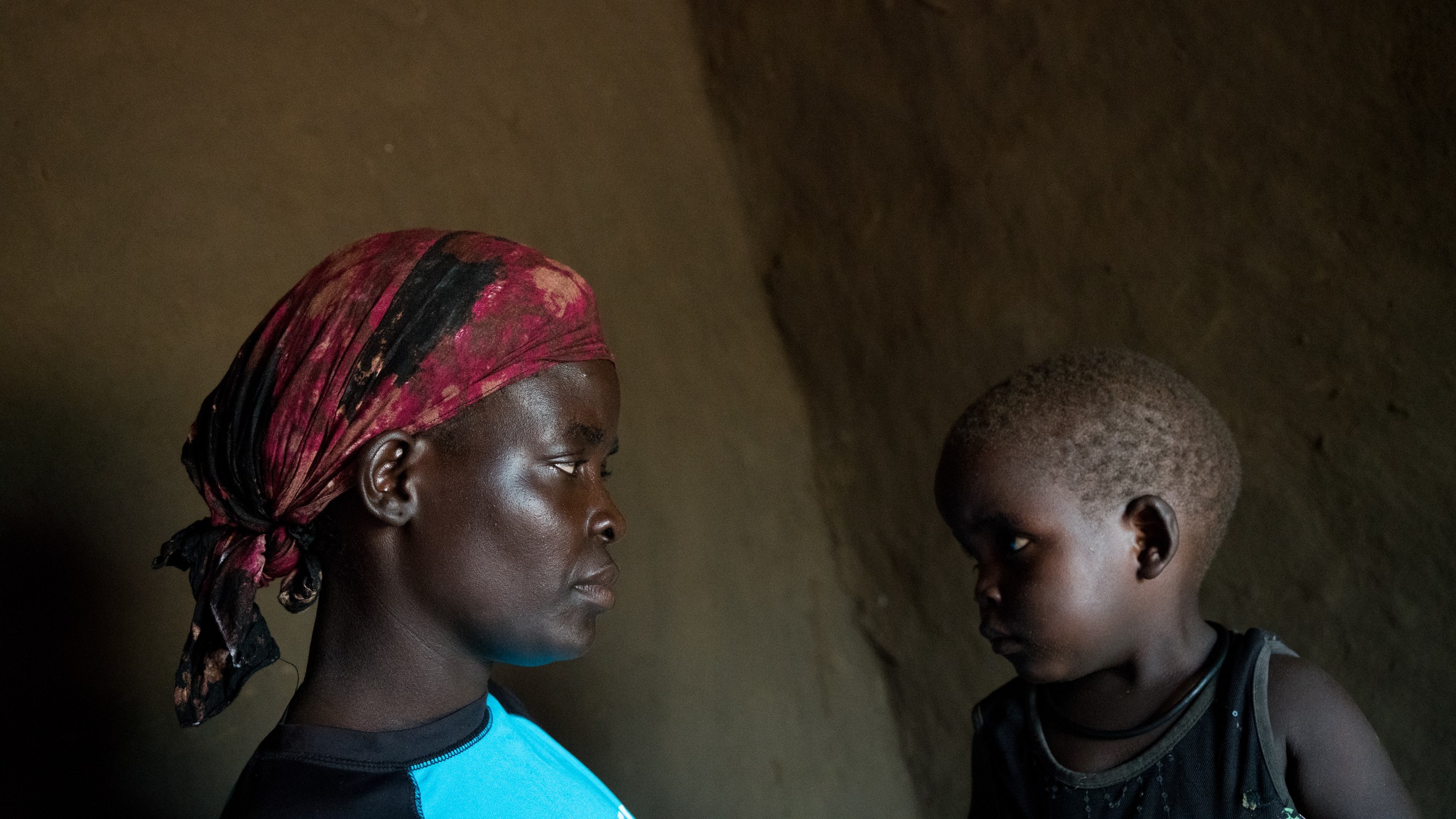
In Refugee Settlements in Uganda, Survivors of Sexual Assault Grapple with How to Raise Children Born of Rape


The war came to the Equatoria Region, where Diria lived, in 2016. That area sits at the bottom tip of South Sudan, and Diria resided in a village called Lasu Payam. When the fighting broke out, she, her four children, her sister-in-law, and some other women in the community hired two vehicles to drive them to the Ugandan border. Diria sat with about seven other people, including her sister-in-law. Her children were in the car ahead. She recalls to Glamour that the group had been driving for three days, inching past checkpoints, when soldiers blocked the path around Mugo Payam, about 50 miles from Uganda, directing their guns at the vehicle transporting her. It was early afternoon.

The soldiers’ faces were covered. They told everyone to get out of the car. Then the men were taken. Diria hasn’t seen them since. The soldiers separated the women into two groups. As she remembers it, the soldiers took the women to the bush and hit them with their guns. Diria still has back pain from the abuse. She heard shouting in Arabic, commands directed toward her to lie down. All the women were gang raped. Her sister-in-law, killed. After Diria had been sexually violated by five men, there was a cascade of shooting and the soldiers ran. Diria and three other women struggled back to the roadside and saw the driver of their car, shot. They managed to wave down a driver in another car headed for the border who let them hitch a ride. It took another two days to cross into Uganda.

In Keri, the transit center where refugees stay for days or weeks for processing before getting settled in one of 11 areas allocated to South Sudanese refugees in Uganda, Diria started throwing up. She went to the health center and took a pregnancy test. It was positive. The doctor offered to sell her a pill that he said would make the baby “go away” for 200,000 Ugandan Shillings (about $54), but she couldn’t afford that price. She tried drinking two cups of herbs she mixed together, hoping the cocktail would make her bleed. Nothing happened. She told her husband. He beat her. He went back to South Sudan. Now, he’s blocked her from calling him. Twice she almost hung herself. Then, she figured that after giving birth, she’d kill the child.

But when Abraham was born, he went to her to nurse. After he drank from her breast, she says couldn’t bring herself to kill him. Three months later he started to smile. That’s when she says she started to love him. During the first of three interviews with Glamour, Abraham toddles over to his mother and throws himself in her lap, face down, little arms splayed across her thighs. She looks down and the corners of her mouth tick up; her face is thick with affection. At church she holds him close throughout the entire service.


Source link