Categories
Health

Meghan Markle and Prince Harry Had an Emotional Day Meeting Kids With Serious Health Needs


Are you having as tough a reentry to work after the long weekend as I am? Well, I’ve got just the thing to help you through the rest of the afternoon: Prince Harry, Meghan Markle, and tons of adorable children.

Today the duke and duchess of Sussex are attending one of Harry’s favorite events, the WellChild Awards. WellChild is a national U.K. children’s charity with the mission to make it possible “for children and young people with exceptional health needs to be cared for at home instead of hospital, wherever possible,” according to the organization’s site, and the annual event honors these children and their caregivers. Prince Harry has been a patron since 2007, and this is his first year attending with Meghan. “I have been a patron of the organization for 11 years now, and this year I am especially grateful to be able to share the scope and magnitude of this work with my wife, who joins me here this evening,” he said, according to reporter Lizzie Robinson.

Royal reporters describe it as a special and inspirational event for everyone there, royalty or not.

Before the official ceremony, though, the newlyweds attended a private reception where they met with some of the children and their families. Of course, anyone who’s followed Prince Harry over the years knows that he’s at his best around kids—fittingly, Meghan is too.

Case in point: Watch as she meets Matilda, who has spina bifida and has had 40 surgeries in her short life. She dreams of becoming a nurse one day.

“I’ve just bumped into Matilda at the @WellChild awards – she told me that she gave #meghan a posy of white roses. Meghan took one out gave it back to her and told her to put it in her memory box ?,” tweeted reporter Rebecca English. “Harry made her ‘pinky promise’ to never stop smiling ?”

Evie, 16, also has spina bifida and now mentors young people with health problems.

Next up, balloon animals and some advice on how to deal with photographers from Prince Harry.

PHOTO: WPA Pool/Getty Images

They also met with Jacob, age 17, who cares for his sister Melissa. Melissa requires 24-hour care, but with Jacob’s help she’s achieved goals doctors said she wouldn’t reach, like walking.

They also met with 10-year-old Jamie, who completed the 2017 Parallel London 1K Super Sensory Run in his walker.

And Jake, aged 12, who was told he couldn’t audition for theater roles because of his spinal muscular atrophy. He landed the lead role in The Christmasaurus last December.

Meanwhile, Chloe, 10, didn’t miss the opportunity to show off her fabulous dress to the duchess.

Scarlett, 10, cares for her older sister, helping with her feed pump, medicine, and more.

Winner Cameron, 16, spent his first three years in the hospital. Now he’s a junior political editor for a magazine.

And for old time’s sake, Kensington Palace even tweeted some photos of Prince Harry at the event in years past:

Need more heartwarming royals content? Follow these accounts.

Related Stories:

Prince Harry Skipped This Royal Tradition Because That’s How Much He Loves Meghan Markle

Meghan Markle Wore a Suit (Again!)

Meghan Markle Flew to Canada for a Weekend, and Nobody Knew About It


Source link

Categories
Health

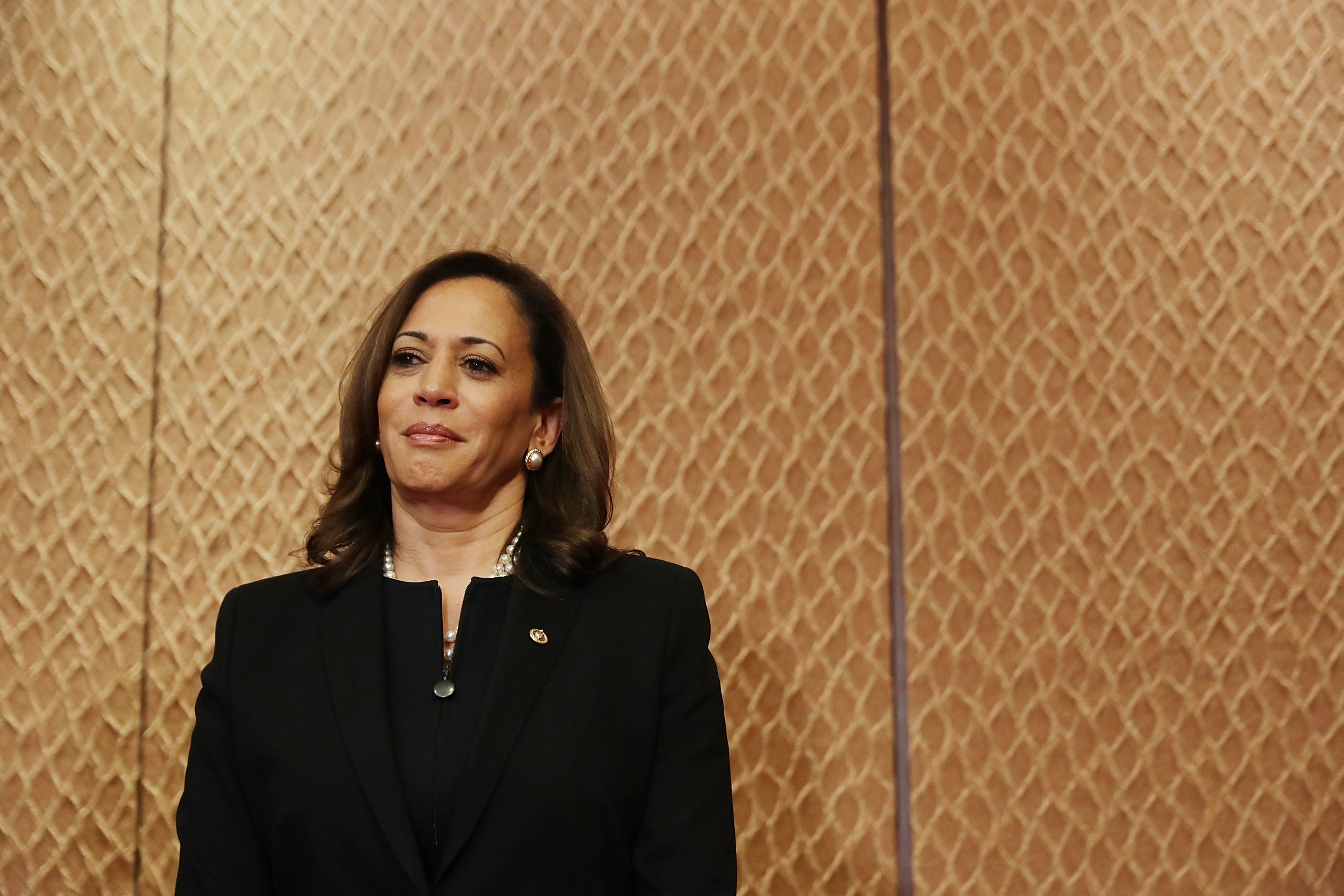
Senator Kamala Harris Introduces Bill To Combat Racial Disparities in Maternal Health Care


The U.S. is one of 13 countries in the world where maternal mortality rates are worse than they were two decades ago. And that alarming statistic hits one group of women the hardest.

For women of color, pregnancy and childbirth are often a matter of life and death. The risk of death from pregnancy-related causes for black women is three to four times higher than for women of other races. It’s something California Senator Kamala Harris has been vocal about in the past. And she’s pushing to make sure this maternal mortality crisis is being recognized and rectified through new legislation, as well.

Harris (along with 13 Democratic colleagues) introduced a bill Wednesday that she hopes will help lessen the discrepancies in treatment. The Maternal Care Access and Reducing Emergencies (CARE) Act would create two grant programs. One will address implicit bias based on stereotypes by supporting special training programs in medical, nursing, and other training schools. The other will incentivize maternal health care providers to offer integrated health care services to pregnant women and new mothers and reduce adverse maternal health outcomes, maternal deaths, and racial health disparities.

“Health equity for Black women can only happen if we recognize and address persistent biases in our health system,” Harris said in a press release.

The maternal health of black women has long been suffered in the dark, but in recent months we’ve heard harrowing stories of pregnancy and childbirth complications from two of the most famous women in the world: Serena Williams and Beyoncé.

Williams has been incredibly open about her emergency C-section, followed by blood clots in her lungs that threatened her life and required further surgery. And the intensely private Beyoncé revealed in Vogue‘s September issue that she had been on bed rest prior to the birth of twins Rumi and Sir due to toxemia (or preeclampsia) which causes swelling and hypertension. She, too, required an emergency C-section as her life, and the lives of her twins, were at risk.

For Harris, the bill is a continuation of her fight to bring black women’s maternal health care front and center. Earlier this year, she introduced a resolution to designate April 11-17 Black Maternal Health Week.

According to the CDC, the cause of an increase of pregnancy-related mortalities in America is unclear. For women of color, who face a myriad of health care disparities from access to racial bias perpetuated by stereotypes, the combination has proved life-threatening. Racism, researchers say, is at the center of this crisis.

“For example, even when we take medical history into account, black women are two to three times more like to die from pregnancy-related complications than white women with the same condition. And while maternal mortality rates are certainly greater for poor women than wealthier women, poverty alone can’t explain these disparities either. An analysis of maternal deaths in New York City found that black women who had at least a college degree still had greater mortality rates than white women who had not graduated high school,” obstetrician and gynecologist Jamila Perritt wrote for Glamour after Williams came forward with her childbirth experience.

“The bottom line is, black women are dying wholly preventable deaths.”

The Los Angeles Times notes that Sen. Harris’ bill could face an “uphill battle” given that Republicans currently control Congress and few bills may pass in an election year. Other sponsors of the bill include U.S. Senators Kirsten Gillibrand (D-NY), Ben Cardin (D-MD), Ron Wyden (D-OR), Richard Blumenthal (D-CT), Bill Nelson (D-FL), Doug Jones (D-AL), Jeff Merkley (D-OR), Tammy Duckworth (D-IL), Tom Carper (D-DE), Sherrod Brown (D-OH). Tammy Baldwin (D-WI), Mazie Hirono (D-HI) and Debbie Stabenow (D-MI).

“This bill is a step towards ensuring that all women have access to culturally competent, holistic care, and to address the implicit biases in our system,” Harris said.

Related Stories:

Serena Williams’ Childbirth Experience Should Be a Wake-up Call About the Medical Treatment New Moms Are Getting—Especially Women of Color

Beyonce’s Historic September Vogue Cover Is Here


Source link

Categories
Health

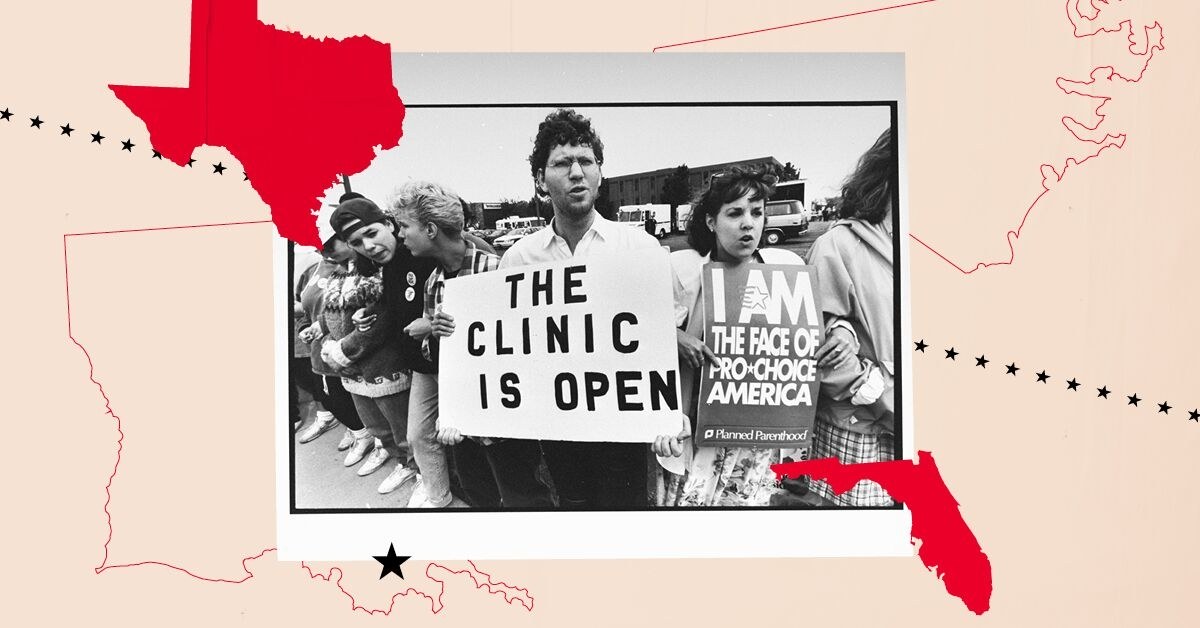
Planned Parenthood to Open 14 New Health Centers Across the American South


Most news events aren’t met with a consensus reaction, but the announcement of Supreme Court Justice Anthony Kennedy’s retirement from the bench last month seemed to solicit one: his departure, the New York Times predicted, would not just jeopardize Roe v. Wade, the 1973 decision that legalized abortion nationwide, but promised to “reshuffle the landscape” of reproductive freedom in the United States. (If that fact was in doubt, President Trump’s nominee Brett Kavanaugh put an end to them. Sen. Kirsten Gillibrand (D-N.Y.) called him “more dangerous than any previous justice nominee…ever.”)

Of course, the battle didn’t start this summer. The anti-choice movement has laid this groundwork for decades. A few more recent examples: In 2015, House Republicans grilled now-former Planned Parenthood President Cecile Richards for almost five hours in an effort to discredit the organization, which is the country’s largest provider of reproductive health services. (It didn’t work. In 2017, a national poll found that 75 percent of Americans support federal funding for Planned Parenthood.) Between 2011 and 2016, 288 abortion restrictions—including bans on later-term procedures, mandated wait periods, and laws requiring clinics to meet burdensome, non-medical standards—were enacted, according to the Guttmacher Institute. The Trump administration has also announced a proposal that would strip federal support (which total $260 million) from women’s clinics that perform abortions or tell women where they can go to get them.

Such efforts prove it: The struggle isn’t ahead. It’s here.

And since there’s no evidence that this Trump pick will crash and burn, or that cooler heads will prevail the next time the GOP tries once more to defund Planned Parenthood, advocates believe it’s critical to do more than secure the reproductive rights we have now—the movement needs to gain ground.

Quietly, Planned Parenthood has set in motion plans to do just that—with a particular focus on the southern (and for the most part, deep red) United States. By the end of 2017, even as Richards prepared to step down, Planned Parenthood opened nine new centers, with five more in the pipeline. The facilities are in some less-than-expected states, some of which have laws on the books now that would ban abortion if Roe v. Wade were overturned: Oklahoma, Texas, Louisiana, Alabama, Mississippi, Tennessee, Kentucky, North Carolina, and, just last month, Florida.

The expansion makes a statement—that no matter the partisan winds, Planned Parenthood intends to ride out the storm. It’s a commitment that was underscored in late June when, less than 48 hours before news of the Supreme Court retirement broke, Planned Parenthood cut the ribbon at one of its newest facilities: a state-of-the-art health center in Tallahassee, Florida. The outpost will provide the full spectrum of sexual and reproductive services; patients can receive birth control prescriptions, breast exams, treatment for STIs, information on safe sex practices, and, also, abortion services.

In our current climate, the centers have political reverberations. But their purpose isn’t to treat just Democrats or Republicans. Each exists to meet a need. In Florida, for example, the area around the new location has some of the worst health outcomes in the state, including the highest number of newly diagnosed chlamydia cases statewide. (Similar problems are endemic in the South; Mississippi, Louisiana, Georgia, North Carolina, South Carolina, and Oklahoma are six of the 10 states with the highest rates of gonorrhea and chlamydia in America, based on 2016 data from the Center for Disease Control.)

“Georgia, Mississippi, Alabama—women will cross state lines to come to us.”

And while the mere fact that a clinic has opened can’t drive STI rates down, the numbers mount a persuasive case: Between 2015 and 2018, just after Planned Parenthood at last replaced the small, two-exam-room clinic it used to operate in New Orleans with a new, much bigger location, reproductive health care visits swelled from 500 a month to 800, according to Planned Parenthood Gulf Coast President and CEO Melaney Linton. The new location in Tallahassee expects to be able to serve four times the number of patients, both from in the state and surrounding states, as it has in the past, according to Lillian Tamayo, President and CEO of Planned Parenthood in South, East, and North Florida. “Georgia, Mississippi, Alabama—women will cross state lines to come to us,” says Tamayo. All three states have ruled that women must have at least two appointments with their providers to get an abortion; Georgia and Mississippi enforce a 24-hour wait period. Alabama insists on 48 hours between visits. Thanks to a recent decision from Leon County Circuit Judge Terry Lewis, Florida has none, despite its current conservative leadership.

Given the national mood, Tamayo adds, her mission is more important than ever: “We want to be a beacon.”

That’s been Richards’ mission on a national level, but the native Texan is attune to the unique needs of the South. Under her leadership, Planned Parenthood committed to increase access there, despite fierce political opposition to its presence.

“Of course I’ve ‘officially’ left,” she explains of her tenure that ended in April 2018. “But these are the last two acts I will do for Planned Parenthood.” The recent dedications of new centers in Charleston, South Carolina, and, now, Tallahassee, are her encore appearances. Richards is too polite to revel in how broadened access to care trolls Planned Parenthood’s critics, but she will admit that the new centers deliver not just affordable health care in “state-of-the-art facilities,” but also “demonstrate that even in some of the most politically challenging states in the country, we’re here and we will expand.”

She isn’t alone. In state houses nationwide, likeminded lawmakers seem to have taken a similar tack. In 2017, 645 bills were introduced to protect access to reproductive health care services, a marked uptick in the wake of the presidential election. And earlier this month, Oregon passed the Reproductive Health Equity Act, which includes a mandate that all insurers cover abortions. Like the proposed laws, Planned Parenthood’s new centers “are part of an effort to remove the stigma and shame that has surrounded reproductive health care,” Richards says. The facilities are open to the street, filled with sun and framed photos. Each detail is meant to telegraph respect and warmth. Richards is insistent: “The people who walk in here should leave and feel like, ‘Oh, that’s what it’s like to be honored and cared for.’”

That said, Richards is all too aware of this administration’s commitment to undo decades of hard-won victories. She isn’t one to “rest on our laurels,” she says. With millions of people unable to access affordable health care and a federal government committed to anti-choice policies, all the work Planned Parenthood has done, all the bricks that have been laid—so much of it could disappear.

Roe v. Wade has been the law of the land for 40 years. There are millions of women in the United States who have never lived under a government that’s outlawed it,” she says. “I think it’s important that we show we’re not going back, and we do that when we expand access to health care in the toughest parts of America.”

To find a local Planned Parenthood, visit https://plannedparenthood.org/health-center.


Source link

Categories
Health

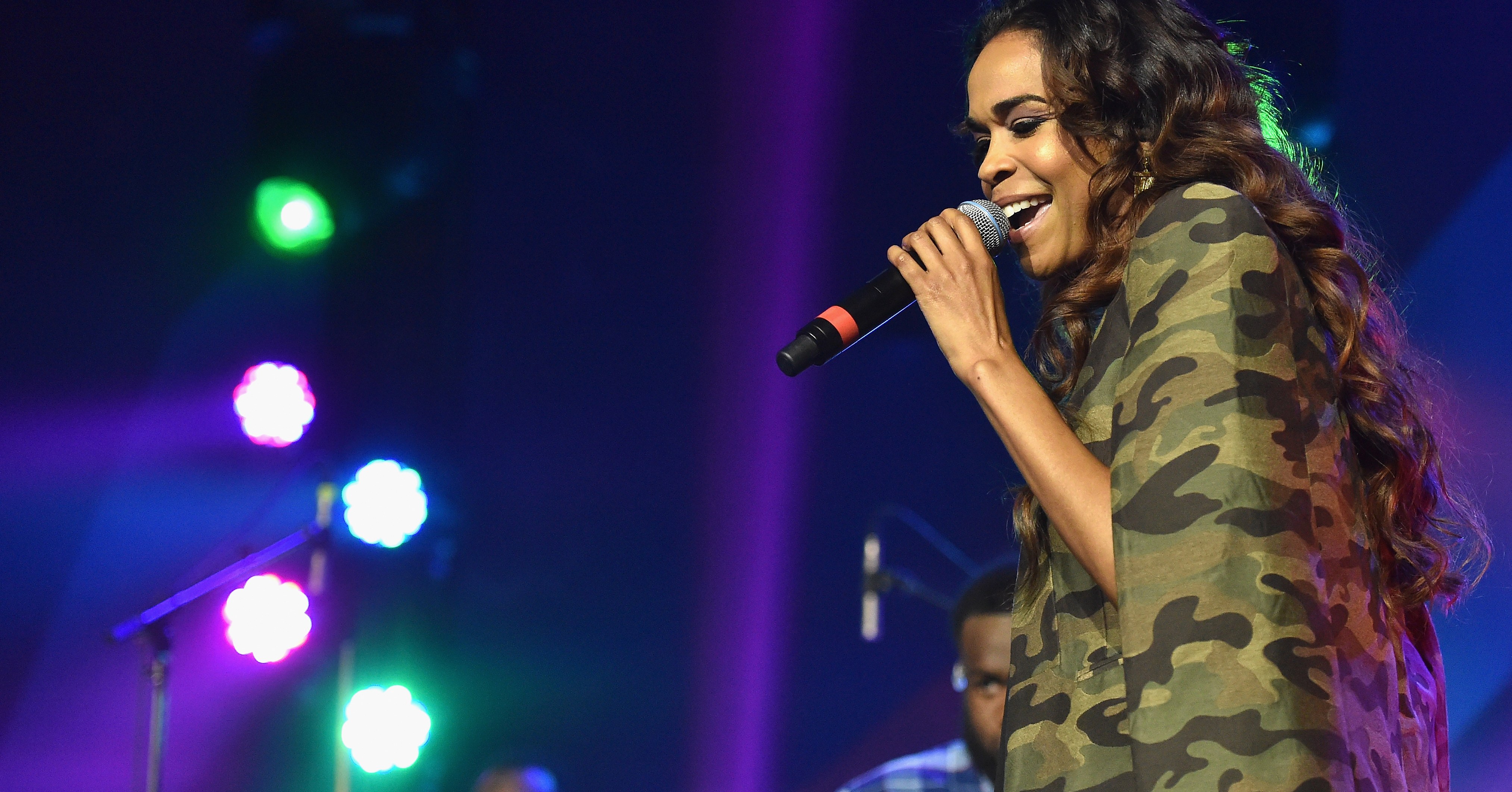
Destiny's Child Member Michelle Williams Pens an Emotional Post About Seeking Mental Health Help


Former Destiny’s Child member Michelle Williams hasn’t shied away from her struggles with depression. Last year, she opened up about battling mental health issues while being a member of one of the top-selling female groups of all time. But on Tuesday, she revealed even more when she posted a statement on social media sharing her experiences seeking help to stay healthy, explaining that she would continue to be a mental health advocate by practicing what she preached.

“For years, I have dedicated myself to increasing awareness of mental health and empowering people to recognize when it’s time to seek help, support and guidance from those that love and care for your wellbeing,” she wrote in a post that she shared on Twitter and Instagram. “I recently listened to the same advice I have given to thousands around the world and sought help from a great team of healthcare professionals. Today I proudly, happily and healthily stand here as someone who will continue to always lead by example as I tirelessly advocate for the betterment of those in need.”

According to TMZ, Williams—who made headlines following her reunion with DC3 during Beyonce’s historic Coachella performance—checked herself into a mental health facility outside of Los Angeles for a few days before releasing the statement on Twitter.

According to studies, most Americans have been affected by mental illness, but they often don’t get the help they need due to social stigmas. Williams, aware of that stigma, shared her struggles on the CBS show The Talk last year, saying that she had battled symptoms of depression since she was a teenager, but didn’t realize she was suffering until her mid-30s. She also said that at one point, she had suicidal thoughts.

“So many people are walking around acting like they’ve got it all together and they’re suffering,” she explained on the show.

On social media, Williams was met with an outpouring of support. Beyoncé’s mother Tina Knowles Lawson shared some encouraging words, writing on her post: “Michelle My Bell, I’m soo proud of you! You have given unselfishly of your time and support to so many and I know that you will be the best example of self care which we all need.” Missy Elliott and Solange also chimed in with uplifting messages.

Williams joins a growing list of celebrities who have used their platforms to speak honestly about mental health. Meghan Trainor recently discussed her battle with anxiety and depression, while stars like Demi Lovato, Selena Gomez, and Lena Dunham have all publicly taken time off for self-care.


Source link

Categories
Health

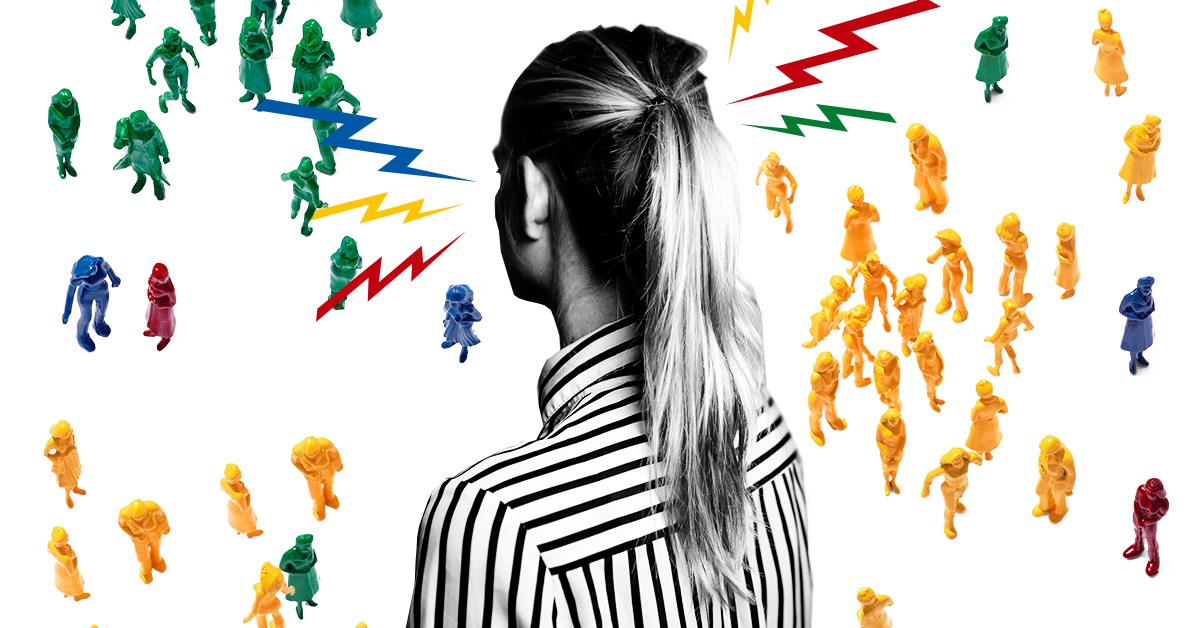
Is Your Tribe Helping Or Hurting Your Mental Health?


I spent my twenties going to clubs that had mean bouncers and sports bars where I drank too much beer. I felt aimless and uninspired (and lonely and a little drunk). When I turned 30, I looked around at my drinking buddies and realized I just didn’t belong. As they stared zombielike into their phones, I could tell they weren’t exactly feeling their best either. Maybe we just weren’t meant to be together.

Research has shown that when we’re connected to other people, our health thrives. Brigham Young University researchers found social isolation is as much of a threat to longevity as obesity is, and loneliness is about as risky as alcoholism or smoking 15 cigarettes a day. To me, not having a core group of friends who cared about me and whom I cared about, respected, and felt inspired by was an emotional drain. I wasn’t getting much out of my social group. (I wasn’t giving, either, which turns out to be pretty necessary.) I had to make some changes.

“Feeling a sense of belonging is a fundamental human need,” says William Chopik, Ph.D., assistant professor of psychology at Michigan State University. “Throughout all of human history, social groups are what helped us survive. They give us psychological benefits, like the sense that there are others we can depend on and turn to when we need it. That security translates to all sorts of good outcomes, including higher self-esteem and better relationships. The benefits are seemingly endless.”

Yet we busy ourselves rounding up followers and likes and pretending we’re just fine going it alone, rather than focusing on the depths of our connections. We have more ways to connect with one another than ever (virtually, at least), but somehow we’re still leaving each other hanging. And it’s hurting us. Research at the University of California, Berkeley, found that twenty-somethings report feeling lonely twice as often as people in their fifties and sixties, despite having large social networks. Perhaps worse: We’ve forgotten about the importance of the collective we, as if belonging was just the icing on the cake.

Experts have recognized this. The Mayo Clinic lists friendship as part of an adult’s healthy lifestyle; it reports that friendships can boost happiness and reduce stress, improve self-confidence and self-worth, encourage people to change or avoid unhealthy habits, and help them cope with trauma—from job loss to illness. That sounds pretty crucial to mental well-being.

If you’re feeling lonely or unfulfilled, I challenge you to shake up your social circle and see what else changes.

After my epiphany at the bar, I felt more alone than ever, but also more determined to be intentional about my friendships and what I had to offer a community. I wanted friends who were adventurous, who shared ideas; I wanted to be a better listener and not such a workaholic. So I started being proactive: I went to Burning Man as well as entrepreneurship conferences; I’d meet people and then actually make plans. In time, I cultivated a group where I am truly able to be myself.

The strength and courage that gave me saved my life. So to share that feeling, I started Daybreaker, an early-morning dance party that reimagines the fun of a nightclub as something before work and with green juice, yoga, and hugs—all the wildness and joy, no judgment or hangovers. This tribe has fueled and healed me (and a lot of others; it’s now in 23 cities). Now I serve my community, and they serve me. I give them energy. They give me energy. When I’m feeling down, they pick me up. When they’re feeling down, I pick them up. Happiness, given and received.

I may have built my community around 6:00 A.M. dance parties, but yours could be less extra—maybe it’s two really solid friends. To find those connections, you need to know what you care about and what you have to offer; you have to make yourself vulnerable and communicate. Start with a few simple questions: What do I value in life? What are the qualities I’m looking for in a friend or ones I’d like to avoid? What can I contribute? We do this kind of audit for our careers and our love interests but rarely for our friendships. It takes effort, but the rewards are big.

I didn’t launch a global business by swearing, “I’m good! I’ve got this on my own!” I wasn’t able to envision my personal and professional goals—much less achieve them—until I started seeking out people who are as invested in my whole well-being as I am in theirs. And sure, making friends won’t cure anxiety or depression, but it can help you grow. If you’re feeling lonely or unfulfilled, I challenge you to shake up your social circle and see what else changes.

Today we can get wrapped up in self-care and the notion that to unwind we have to prioritize ourselves over others. There’s nothing wrong with a long run or a sheet mask after a tough day. But there are a lot of forces keeping us alone, especially those shiny little pocket computers we can’t put down. It’s up to us to take a break, look up, and make time for other living, breathing humans. Because the best way to feel happy and whole, I believe, is being in the presence of others.

Radha Agrawal is the cofounder of Daybreaker and Thinx, and author of Belong: Find Your People, Create Community & Live a More Connected Life, out September 2018.


Source link

Categories
Health

While the Internet Was Focused on the Shutdown, the HHS Paved the Way for Health Care Discrimination


Last week, news of a potential government shutdown kept the Internet’s metaphorical ear to the ground—a “Will they or won’t they?” question for 2018’s rather trying political times. But amid all the hubbub that overtook much of the news cycle during the latter part of the week, something flew under the radar when it might not have otherwise: a major change in the Department of Health and Human Services that could have a huge impact on women and those who identify as LGBTQ+.

On Thursday, the HHS Department announced that they were adding a unit called the “Division of Conscience and Religious Freedom,” which, yes, does sound like something out of a dystopian paperback. It’s essentially the Trump administration’s way of protecting health care workers who, because of their religious or moral beliefs, would prefer not to treat certain patients.

The division was created by Roger Severino, who is the director for the HHS’s Office for Civil Rights and a former expert in “religious liberty, marriage, and life issues” at the conservative Heritage Foundation. This has been his thing for a while: consider 2016, when he coauthored an article for the foundation that undermines the concept of gender identity and literally contains a sentence that implies identifying as transgender is a mental health issue (“They effectively require controversial procedures, such as ‘sex-reassignment’ surgery, that respected medical professionals argue have not been proven to be effective in treating serious mental health conditions.”)

His remarks on the Department of Conscience and Religious Freedom’s unveiling present something of a 1984 “War is peace” paradox: “Never forget that religious freedom is a primary freedom, that it is a civil right that deserves enforcement and respect,” he said during a ceremony to announce the new division. Unfortunately, the U.S. seems to be the only developed nation still yet to agree on whether access to health care is a civil right as well.

Much like many of the Trump administration’s policies, the division’s creation rolls back an Obama administration policy stipulating that health care workers were required to treat all patients, even those with whom they disagreed on moral or religious grounds. Prior to installing this division of the HHS, says acting HHS Secretary Eric Hargan: “[The government] hounded religious hospitals and the men and women who staff them, forcing them to provide and refer for services that violate their consciences.”

Two of the most likely examples of these possible patients would be women needing or wanting an abortion and transgender people.

“This administration has taken a very expansive view of religious liberty,” Louis Melling, the deputy legal director of the ACLU said. “It understands religious liberty to override anti-discrimination principles.”

She gave examples to NPR of cases of care refusal, including a fertilization specialist who didn’t want to help a lesbian couple, a nurse who wouldn’t provide care to a woman who’d just had an abortion, and a pediatrician who wouldn’t examine the child of two lesbians.

However, according to NPR, the Division of Conscience and Religious Freedom seems “primarily aimed” at abortion: It found that the division mentioned a seven-year-old federal regulation “guiding the enforcement conscience protections” more than 30 times.

On the department’s homepage under a heading titled “Civil Rights,” government text reads, “HHS ensures that people have equal access and opportunities to participate in certain health care and human services programs without unlawful discrimination.” Melling added that, of course, under federal law, gender discrimination is banned. However, it’s not clear whether Trump’s administration—not exactly the wokest—”includes gender identity and sexual orientation in the definition of gender,” according to NPR.

One thing’s for sure, though. Severino certainly doesn’t, according to that 2016 co-authored article: “Gender identity and sexual orientation, unlike race or sex, are changeable, self-reported, and entirely self-defined characteristics. Government should not grant special privileges on such bases when legal recognition of a group as a ‘protected class’ is, with few exceptions, reserved for groups with objectively identifiable immutable characteristics.”

And welcome to 2018. Or 1918.

Related Stories:
The Trump Administration Just Quietly Cut $214 Million From Teen Birth Control Programs
A Female Judge Just Blocked Trump’s Attempt to Rescind the Birth Control Mandate
Trump Reportedly Banned the Words ‘Transgender’ and ‘Diversity’ in CDC Documents


Source link