Categories
Health

After Abortion Ban in Alabama, State Representative Rolanda Hollis Introduces Bill Requiring Vasectomies for Men at Age 50


In May 2019, lawmakers in Alabama passed a wide-ranging abortion ban that would, among other things, punish doctors who performed the procedure on women at any stage of pregnancy with up to 99 years in prison. (A federal judge blocked the ban from taking effect in October 2019 until the matter is settled in the courts.)

Now, in response, a Democratic state representative in Alabama has introduced a bill that would require men to get vasectomies within a month of turning 50, or after their third child is born—whichever happens first. Per HuffPost, Rep. Rolanda Hollis acknowledges the bill is not a serious proposal, but rather a symbol meant to “send a message that men should not be legislating what women do with their bodies”—either through a straightforward abortion ban or through smaller incursions into women’s reproductive freedom.

“Year after year the majority party continues to introduce new legislation that tries to dictate [rules for] a woman’s body and her reproductive rights. We should view this as the same outrageous overstep in authority,” she said in a statement.

Senator Ted Cruz (R-Texas) responded to the proposed legislation on Twitter—and was then summarily mocked for his hypocrisy, given his support of limiting women’s reproductive rights. “Yikes. A government big enough to give you everything is big enough to take everything…literally!” he wrote. “Alabama Democrat proposes bill mandating all men have vasectomy at age 50 or after third child.”

“Yes, the government shouldn’t be involved in private reproductive health choices, yes, that’s a great point you made, yes,” historian and author Kevin Kruse replied to his tweet. The actor Patricia Arquette wrote, “Thought you wanted to stop unwanted pregnancies.”

“Wow how awful that the government is trying to interfere with bodily autonomy! What’s that feel like?” another Twitter user said.

And just in case the irony was lost on Cruz, one person laid it out super clearly for him. “This bill was not meant to pass; it was introduced to demonstrate how wrong it is to restrict people’s reproductive rights. In other words, the argument you’re applying to this bill shows how your own views on women’s reproductive rights are indefensible!” he wrote.

Cruz, unsurprisingly, has not responded to those calling out his double standard. Meanwhile, the assault on women’s reproductive rights continues.


Source link

Categories
Health

Jessica Biel Joins Anti-Vaxx Advocate Robert F. Kennedy Jr. to Lobby Against California Vaccination Bill


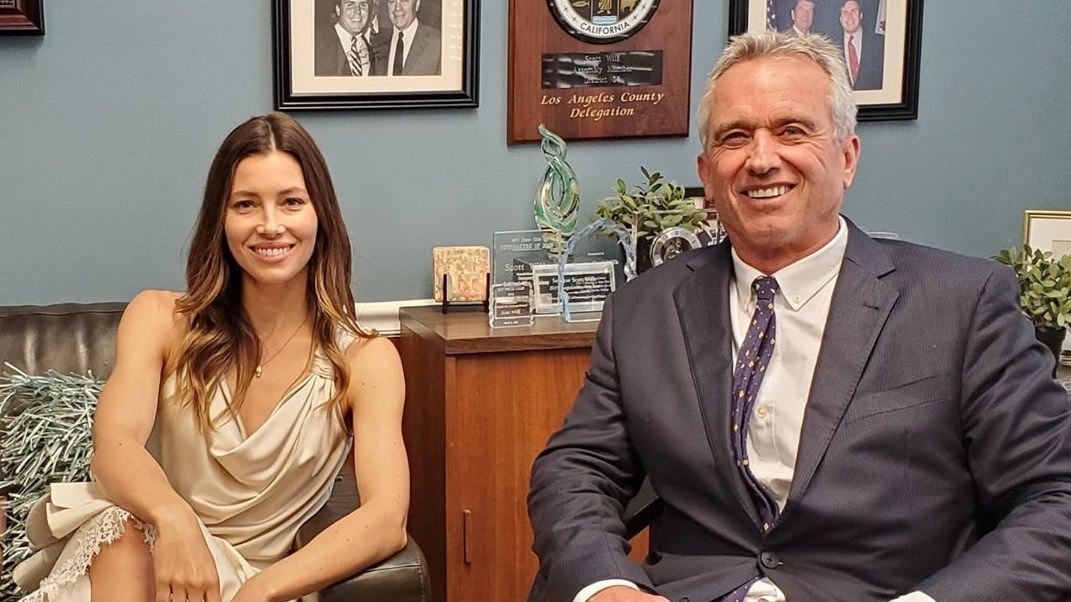
Actress Jessica Biel is being called an anti-vaxxer after appearing with Robert F. Kennedy Jr. to oppose a California vaccination bill that limits medical exemptions. In recent years Kennedy has been outspoken about vaccinations, putting forth the (scientifically-disproven) claims that vaccines can cause autism, among other problems. “They can put anything they want in that vaccine and they have no accountability for it,” he said in 2015. “They get the shot, that night they have a fever of a hundred and three, they go to sleep, and three months later their brain is gone…This is a holocaust, what this is doing to our country.” (Kennedy later apologized for the “holocaust” remark. Several members of the Kennedy family—including former lieutenant governor of Maryland Kathleen Kennedy Townsend; Joseph P. Kennedy II, a former member of Congress from Massachusetts; and Maeve Kennedy McKean, the executive director of Global Health Initiatives at Georgetown University—have spoken out against Robert Kennedy’s vaccine position.)

On Wednesday (June 12), Kennedy, founder of the Children’s Health Defense anti-vaccination group, posted photos of himself with Biel at the California State House. “Please say thank you to the courageous @jessicabiel for a busy and productive day at the California State House,” he wrote on Instagram.

Jezebel was the first to call attention to the post and later The Daily Beast spoke to Kennedy who confirmed that the two were in Sacramento to lobby against SB 276, a bill that would limit medical exemptions from vaccinations without approval from a state public health officer. Basically, this bill would make it harder for anti-vaxxers to get out of vaccinating their children by increasing oversight by medical professionals.

Choosing not to vaccinate is a public health issue. Unvaccinated individuals can put other people at risk of getting life-threatening diseases—experts point to the anti-vaxx movement as the cause of the recent measles outbreaks across the U.S. that have now affected 28 states and more than 1,000 individuals.

Kennedy, speaking to The Daily Beast, would not call Biel an anti-vaxxer directly. “I would say that she was for safe vaccines and for medical freedom,” he said. “My body, my choice.” “The biggest problem with the bill,” he continued. “Which is something I think Jessica is concerned with, is that a doctor who has made a determination—if he has found children in this state whose doctors have determined that they’re too fragile to receive vaccinations—this bill would overrule the doctors and force them to be vaccinated anyways.”


Source link

Categories
Health

Paid Family Leave Would Change Working Women's Lives. Could a New Bill Make It Happen?


Senator Kirsten Gillibrand (D-N.Y.), who’s a little less than a month in her presidential run, and Rep. Rosa DeLauro (D-Conn.) plan to reintroduce the Family and Medical Insurance Leave (FAMILY) Act on Tuesday—a bill that would create a national program to provide up to 12 weeks of partially paid time off for workers dealing with either their own health (including childbirth and recovery) or the health concerns of a child, spouse, parent, or domestic partner. Workers would be able to earn up to 66 percent of their wages up to a capped amount, and it would be funded by a small payroll tax (two-tenths of one percent) paid by employers and employees

Thanks to the new class of Democratic representatives, there’s a chance the bill will in fact pass the House of Representatives this time around. (Gillibrand and DeLauro first put forth the bill in 2013.) “There is very serious momentum,” DeLauro told the Huffington Post. “We’ve got a new Congress, we’ve got the largest majority of women and young people.” For the bill to pass the Senate, however, Republicans would need to join Democrats, an uphill climb.

Still, the bill is better positioned to attract bipartisan support than ever. Because in 2019 it’s not just Democrats who committed to paid leave. You may remember that in his 2017 speech to a joint session of Congress, Donald Trump said, “My administration wants to work with members of both parties to make child care accessible and affordable, to help ensure new parents that they have paid family leave.” And the issue is one Trump’s daughter and senior advisor Ivanka Trump has championed, albeit with a mixed reception from advocates. She is also reportedly working on a plan of her own with Senator Marco Rubio (R-Fla.)

DeLauro described family leave as now being at the “center of the debate, rather than the fringes.” HuffPost reports that 29 percent of candidates in 2018 made paid family leave a part of their campaign platforms, up from 4 percent in 2014.

The hope is all this conversation will lead to actual forward momentum on an issue so vital to American workers, but one that has remained unchanged at the federal level since the Family and Medical Leave Act (FMLA) passed in 1993.


Source link

Categories
Health

What Ohio’s New Anti-Abortion Bill Could Mean for You


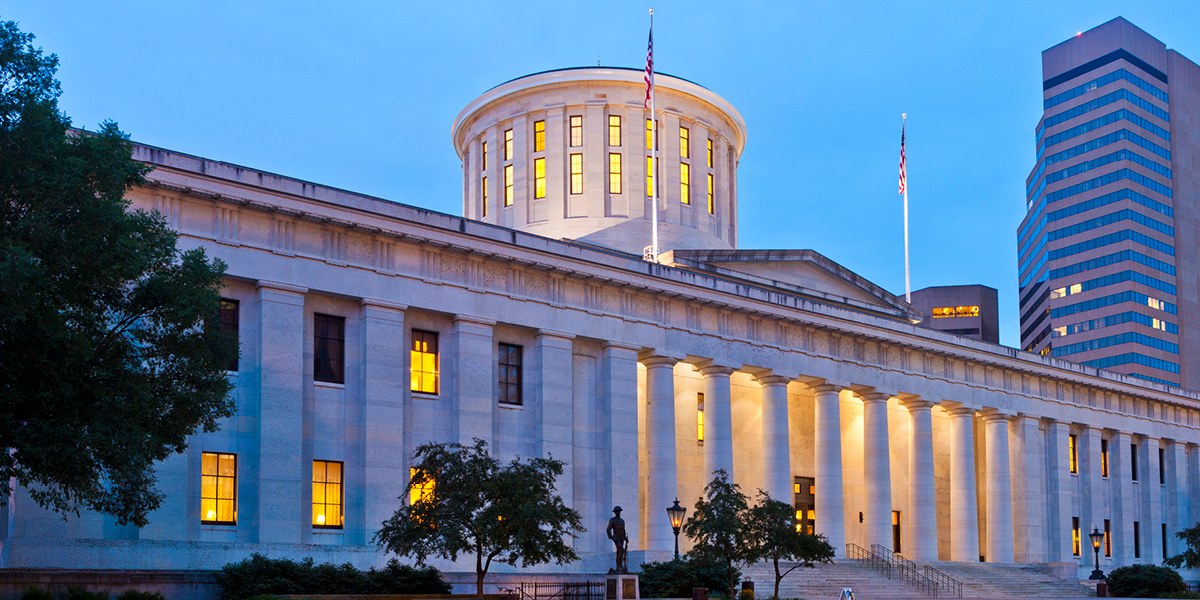
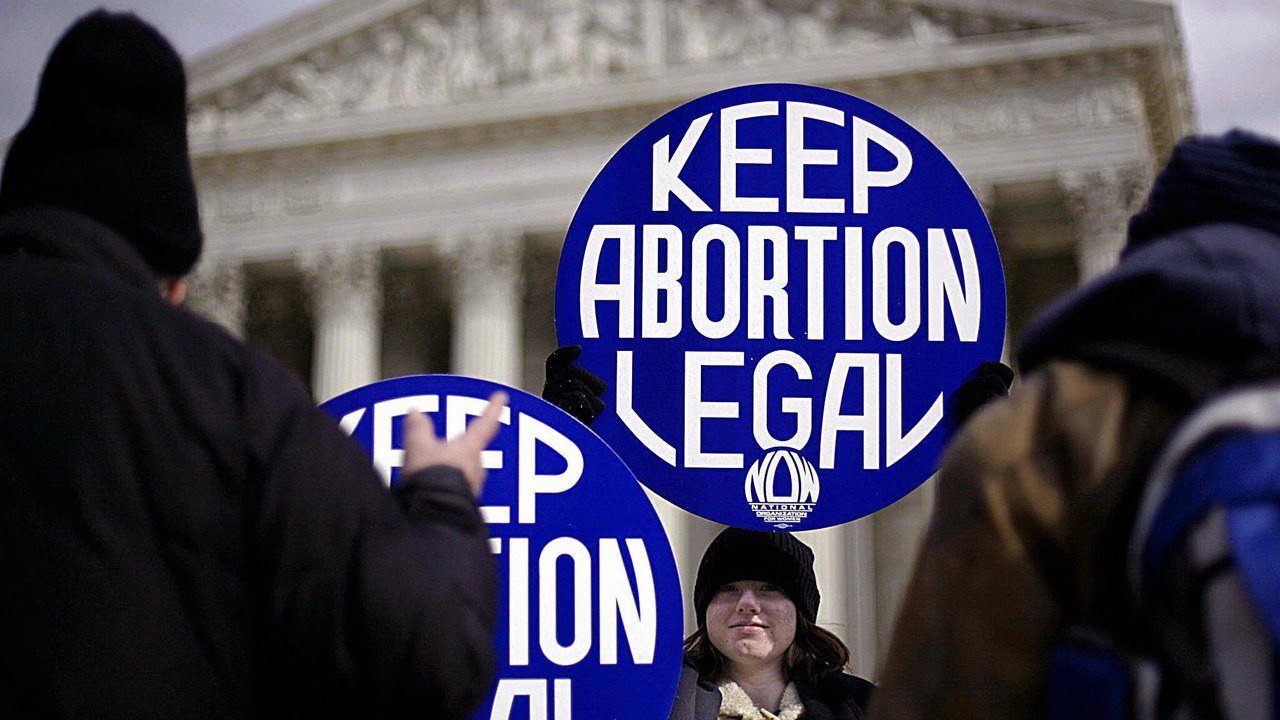
On December 12, Ohio state lawmakers voted to pass a bill banning abortions as early as six weeks, with no exceptions for rape or incest. But Ohio’s anti-abortion bill doesn’t just have implications for women in the state—it’s a threat to women’s reproductive rights around the country. The legislation outlines a ban on abortion after the point at which a fetal heartbeat can be detected. That’s as early as six weeks—a point many women don’t even know they’re pregnant yet.

It’s among the stricter abortion bills to pass in the U.S., considering the fact that it would make abortions illegal even in the case of rape or incest. “This is a real threat to abortion access,” says Gabriel Mann, communications manager for the Ohio chapter of NARAL Pro-Choice America. “It would be a traumatic thing to force women to carry unintended pregnancies to term.” (The bill does allow for exceptions in cases where the woman’s health is threatened to avoid “serious risk of substantial and irreversible impairment of a major bodily function.”)

If the bill, which has passed in both the state House and Senate, is signed into law by Ohio’s governor, there are two major implications for women’s reproductive rights:

First up, it will make providing an abortion in Ohio a felony carrying a potential one-year jail sentence for doctors. But opponents are particularly concerned with what the bill means for women. “This bill to ban nearly all abortions in Ohio is part of a larger movement to ban abortion state by state,” says Dr. Ghazaleh Moayedi, a Texas-based ob-gyn and fellow with Physicians for Reproductive Health. Last month Alabama and West Virginia voted to pass similar laws, restricting state-wide access to abortion and criminalizing the procedure for physicians.

“When women do not have access to safe, legal abortion nearby, many women will do whatever they can to try to access care,” says Dr. Daniel Grossman, an abortion provider and director of Advancing New Standards in Reproductive Health. “Some women may travel out of state to access legal services. They may be delayed in the process and end up obtaining the abortion later in pregnancy, which may increase the risks and cost of the procedure.” With that in mind, it’s no surprise abortion bans like this one are especially harsh on women of color, low-income families, and younger women.

Bans like Ohio’s anti-abortion “heartbeat bill” challenge abortion rights nationwide. Ohio’s bill previously passed in 2016 but was vetoed by the state’s governor, John Kasich, who argued it was “clearly contrary to the Supreme Court of the United States’ current rulings on abortion.”

So what’s changed? Thanks to Associate Justice Brett Kavanaugh, who expressed anti-abortion views during his confirmation hearings, the U.S. Supreme Court now has a conservative majority—and it’s giving supporters of Ohio’s abortion ban reason to get excited. Rep. Ron Hood, a Republican state representative, told Cincinnati.com he’s optimistic that the Supreme Court would back Ohio’s ban if challenged. “I am very confident that we would have a favorable ruling,” Hood said.

The bottom line? These statewide bills restricting women’s reproductive rights aren’t just isolated events, Dr. Moayedi says—that’s important to note. “This something that we see nationally, where these kinds of bills are introduced simultaneously in multiple states,” she explains. “They are very much part of a movement to restrict access through all sorts of avenues and realms.”

In other words, even if you don’t live in Ohio, it’s worth paying attention to—experts on the Supreme Court have suggested that laws like this one that directly contradict Roe v. Wade won’t be uncommon.

This post has been updated.


Source link

Categories
Health

Read Andrea Constand's Powerful Impact Statement About Bill Cosby


Bill Cosby was sentenced to three to 10 years in a Pennsylvania state prison on Tuesday afternoon, which will hopefully bring some amount of closure to the many women who have accused the comedian of assault over the years.

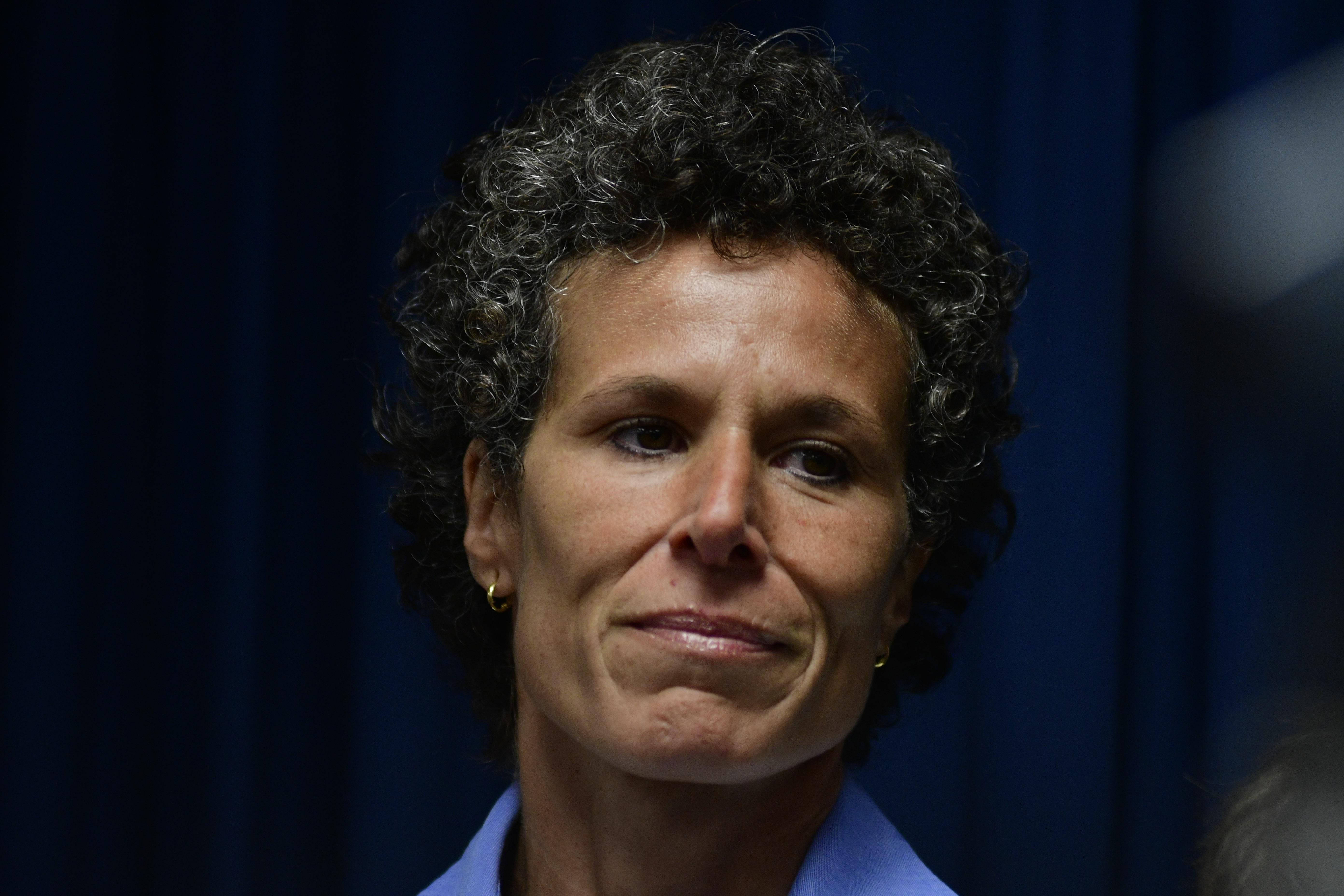
The victim in the case that resulted in Cosby’s conviction—Andrea Constand—has bravely told the story of how Cosby drugged and assaulted her many times in the lead-up to this day. As part of the sentencing hearing, she submitted a lengthy, written impact statement in which she details how the assault has deeply affected her life, while thanking those who’ve supported her along the way.

“Bill Cosby took my beautiful, healthy young spirit and crushed it,” she writes.

“Instead of looking back, I am looking forward to looking forward. I want to get to the place where the person I was meant to be gets a second chance.”

Read the full transcript of her powerful statement below:

To truly understand the impact that sexual assault has had on my life, you have to understand the person that I was before it happened.

At the time of the assault, I was 30 years old, and a fit, confident athlete. I was strong and skilled, with great reflexes, agility and speed. When I graduated from high school in Toronto, I was one of the top three female high school basketball players in Canada. Dozens of American colleges lined up to offer me basketball scholarships, and I chose the University of Arizona.

For four years, I was a shooting guard on the women’s basketball team, scoring up to 30 points a game. It was an amazing time in my life, and I learned a lot, developed a circle of really good friends, many of them teammates, and travelled around the U.S. to compete.

The only downside was that I missed my family, and developed severe homesickness. When it started to affect my studies and training, my dad came up with the idea to move his own father and mother to Tucson.

My grandparents were in their late 60s when they gamely agreed to move more than 2,000 miles to help me adjust to life away from home. They were retired after selling their Toronto restaurant business, and figured the warm, dry climate would suit them anyway. I had always enjoyed a special relationship with my grandparents. Not only had I grown up in their home, but I spoke Greek before I spoke English. They got an apartment close to mine, and I was there most days, talking and laughing over my favorite home-cooked meals. The homesickness quickly evaporated.

After I graduated from the University of Arizona with a degree in communications, I signed a two-year contract to play professional basketball for Italy. Going pro took my athletic training to a whole new level. Once again, I thrived in the team atmosphere, and enjoyed traveling Europe although we rarely saw more than the basketball venues and the hotel rooms where we slept.

When my contract ended, my former coach from the University of Arizona encouraged me to apply for a job as Director of Operations for the women’s basketball team at Temple University in Philadelphia. It was a busy, challenging position that required me to manage a lot of logistical details so that others could focus on training the team for competition. I also made all the travel arrangements and went to tournaments with the team and support staff.

It was a great job but after a few years, I knew I wanted to pursue a careering in the healing arts, my other passion. I also wanted to work closer to home, where I would be reunited with my large, extended family and friends.

I knew who I was and I liked who I was. I was at the top of my game, certain that the groundwork provided by my education and athletic training would stand me good stead whatever challenges lay ahead. [sic]

How wrong I was. In fact, nothing could have prepared me for an evening of January 2004, when life as I knew it came to an abrupt halt.

I had just given my two-month notice at Temple when the man I had come to know as a mentor and friend drugged and sexually assaulted me. Instead of being able to run, jump and pretty much do anything I wanted physically, during the assault I was paralyzed and completely helpless. I could not move my arms or legs. I couldn’t speak or even remain conscious. I was completely vulnerable, and powerless to protect myself.

After the assault, I wasn’t sure what had actually happened but the pain spoke volumes. The shame was overwhelming. Self-doubt and confusion kept me from turning to my family or friends as I normally did. I felt completely alone, unable to trust anyone, including myself.

I made it through the next few weeks by focusing on work. The women’s basketball team was in the middle of the Atlantic 10 tournament, and was traveling a lot. It was an extremely busy time for me, and the distraction helped take my mind off of what had happened.

When the team wasn’t on the road, however, I was in the basketball office at Temple, and was required to interact with Mr. Cosby, who was on the Board of Trustees. The sound of his voice over the phone felt like a knife going through my guts. The sight of the man who drugged and sexually assaulted me coming into the basketball office filled me with dread. I did everything my job required of me but kept my head down, counting the days until I could return to Canada. I trusted that once I left, things would go back to normal.

Instead, the pain and anguish came with me. At my parents’ house, where I was staying until I got settled, I couldn’t talk, eat, sleep or socialize. Instead of feeling less alone because I was back home with my family, I felt more isolated than ever. Instead of my legendary big appetite and “hollow leg” ― a running joke in my family ― I picked at my food, looking more like a scarecrow with each passing week. I was always a sound sleeper but now I couldn’t sleep for more than two or three hours. I felt exhausted all the time.

I used the demands of my new courses to opt out of family gatherings and evens, and to avoid going out with friends. As far as anyone could tell, I was preoccupied with my studies. But the terrible truth about what had happened to me ― at the hands of a man my family and friends admired and respected ― was swirling around inside me.

Then the nightmares stared. I dreamed that another woman was being assaulted right in front of me and it was all my fault. In the dream, I was consumed with guilt, and pretty soon, that agonizing feeling spilled over into my waking hours too. I became more and more anxious that what had happened to me was going to happen to someone else. I grew terrified that it might already be too late, that the sexual assaults were continuing because I didn’t speak out.

Then one morning I called my mother on the telephone to tell her what had happened to me. She had heard me cry out in my sleep. She wouldn’t let me put her off, and insisted that I tell her what was wrong. She wouldn’t settle for anything less than a complete and truthful explanation.

Reporting the assault to the Durham Regional police in Toronto only intensified the fear and pain, making me feel more vulnerable and ashamed than ever. When the Montgomery County District Attorney outside Philadelphia decided not to prosecute for lack of evidence, we were left with no sense of validation or justice. After we launched civil claims, the response from Mr. Cosby’s legal team was swift and furious. It was meant to frighten and intimidate, and it worked.

The psychological, emotional and financial bullying included a slander campaign in the media and left my entire family reeling in shock and disbelief. Instead of being praised as a straight-shooter, I was called a gold-digger, a con artist, and a pathological liar. My hard-working middle-class parents were accused of trying to get money from a rich and famous man.

At the deposition during the civil trial, I had to relive every moment of the sexual assault in horrifying detail in front of Mr. Cosby and his lawyers. I felt traumatized all over again and was often in tears. I had to watch Cosby make jokes and attempt to degrade my sense of shame and helplessness, and at the end of each day, I felt emotionally drained and exhausted.

When the case closed with a settlement, sealed testimony and a nondisclosure agreement, I thought that finally ― finally ­― I could get on with my life, that this awful chapter in my life was over at last. These exact same feelings followed me throughout both criminal trials. The attacks on my character continued, spilling over outside the courtroom steps attempting to discredit me, and cast me in false light. These character assassinations have caused me to suffer insurmountable stress and anxiety, which I still experience today.

I still didn’t know that my sexual assault was just the tip of the iceberg.

Now, more than 60 other women have self-identified as sexual assault victims of Bill Cosby. We may never know the full extent of his double life as a sexual predator but his decades-long reign of terror as a serial rapist is over.

I have often asked myself why the burden of being the sole witness in two criminal trials ad to fall to me. The pressure was enormous. I knew that how my testimony was perceived ― that how I was perceived ― would have an impact on every member of the jury and on the future mental and emotional well-being of every sexual assault victim who came before me. But I had to testify. It was the right thing to do, and I wanted to do the right thing, even if it was the most difficult thing I’ve ever done. When the first trial ended in a mistrial, I didn’t hesitate to step up again.

I know now that I am one of the lucky ones. But still, when the sexual assault happened, I was a young woman brimming with confidence and looking forward to a future bright with possibilities. Now, almost 15 years later, I’m a middle-aged woman who’s been stuck in a holding pattern for most of her adult life, unable to heal fully or to move forward.

Bill Cosby took my beautiful, healthy young spirit and crushed it. He robbed me of my health and vitality, my open nature, and my trust in myself and others.

I’ve never married and I have no partner. I live alone. My dogs are my constant companions, and the members of my immediate family are my closest friends.

My life revolves around my work as a therapeutic massage practitioner. Many of my clients need help reducing the effects if accumulated stress. But I’ve also trained in medical massage at Memorial Sloan-Kettering Cancer Center in New York, and often help cancer patients manage the side effects of chemotherapy and radiation. I help many others too ― people with Parkinson’s, arthritis, diabetes and so on. Some of my clients are in their 90s. I help them cope with the ravages of old age, reducing stiffness, aches and pains.

I like my work. I like knowing that I can help relieve pain and suffering in others. I know that it helps heal me too.

I no longer play basketball but I try to stay fit. Mostly, I practice yoga and meditation, and when the weather is warm, I like to pedal my bike up long steep hills.

It all feels like a step in the right direction: away from a very dark and lonely place, toward the person I was before all this happened.

Instead of looking back, I am looking forward to looking forward. I want to get to the place where the person I was meant to be gets a second chance.

I know that I still have room to grow.

I would like to acknowledge some of the people who have helped me get here today. I will always be grateful for their counsel, friendship and support.

First of all, my lawyers Dolores Troiani and Bebe Kivitz. These two smart, courageous women have been there for me since the beginning. Without them, I would never have been able to navigate this legal and emotional minefield.

I will also be eternally grateful to Kevin Steele, the District Attorney for Montgomery County, who had the guts to believe in me, in the truth, and for trusting that the justice system could get things right ― even if the process had to be repeated.

I also want to thank Mr. Steele’s incredible team of professionals, including assistant district attorneys Kristen Feden and Stewart Ryan, detectives Richard Shchaffer [sic], Mike Shade, Harry Hall, Jim Reape, Erin Slight, Kiersten McDonald, victim services, and many others, for their passion for justice, their skill, and their hard work and perseverance despite the odds.

Thank you to the jurors for their civic duty and great sacrifices.

Thank you to all of the friends, old and new, who have stood by me. You know who you are, and each and every one of you has made a huge different. Please know that.

Last but not least, I want to thank my incredible family: my mother Gianna, and my father Andrew, my sister Diana, her husband Stuart, and their beautiful daughters – my nieces Andrea and Melanie. Thank you for proving over and over again if there’s one thing in my life you can always count on, it’s family.

MORE: Bill Cosby Sentenced to 3 to 10 Years in Prison for Sexual Assault


Source link
Categories
Health

Monica Lewinsky Walked Out Of An Interview After Being Asked Question About Bill Clinton


Monica Lewinsky is no stranger to media scrutiny, having endured a national scandal involving then President Bill Clinton more than 20 years ago. In the advent of the MeToo movement, she’s discussed reckoning with that moment and moving on, but on Monday the affair was back in the news after an Israeli news anchor asked her an “off-limits” question about Clinton at a public event, prompting Lewinsky to walk offstage just moments later.

Lewinsky attended a conference in Israel on Monday to deliver a speech on online harassment and cyberbullying—a cause she has taken up recently and that she discussed with Glamour last year. However, the event took a turn when she sat down for a scheduled 15-minute talk with Yonit Levi, who referred to remarks Clinton made on the Today show in June when asked about Lewinsky. (Clinton told interviewer Craig Melvin that he apologized “to everyone in the world” when asked if he offered a personal apology to Lewinsky.) When asked if she was still expecting an expression of regret from the former president, Lewinsky paused and then said, “I’m so sorry, I’m not going to be able to do this,” before getting up and walking away.

On Twitter, Lewinsky explained that there had been “clear parameters” set before the interview about “what we would be discussing and what we would not.”

“I left because it is more important than ever for women to stand up for themselves and not allow others to control their narrative,” she said via a note posted in a tweet. “To the audience: I’m very sorry that this talk had to end this way.”

Lewinsky also took media outlets to task for the way they reported the incident. In several articles, Lewinsky is described as having stormed off stage and becoming “angered” by Levi’s questions. Lewinsky clarified these characterizations, writing, “stormed? not quite. politely said i was leaving? yes. walked as fast as i could off stage in heels? yes.”

Lewinsky revisited her time interning in the White House in a powerful op-ed for Vanity Fair in which she described the post-traumatic stress that the highly publicized affair caused and questioned whether or not the relationship was truly consensual, given Clinton’s position of power. Still, she has worked to move past Clinton’s narrative being so entwined with hers, and on Monday, it was clear that she wasn’t going to let someone else steer the conversation for her.

MORE: Monica Lewinsky Reckons With #MeToo in a Powerful New Essay: ‘I’m Not Alone Anymore’


Source link