Categories
Health

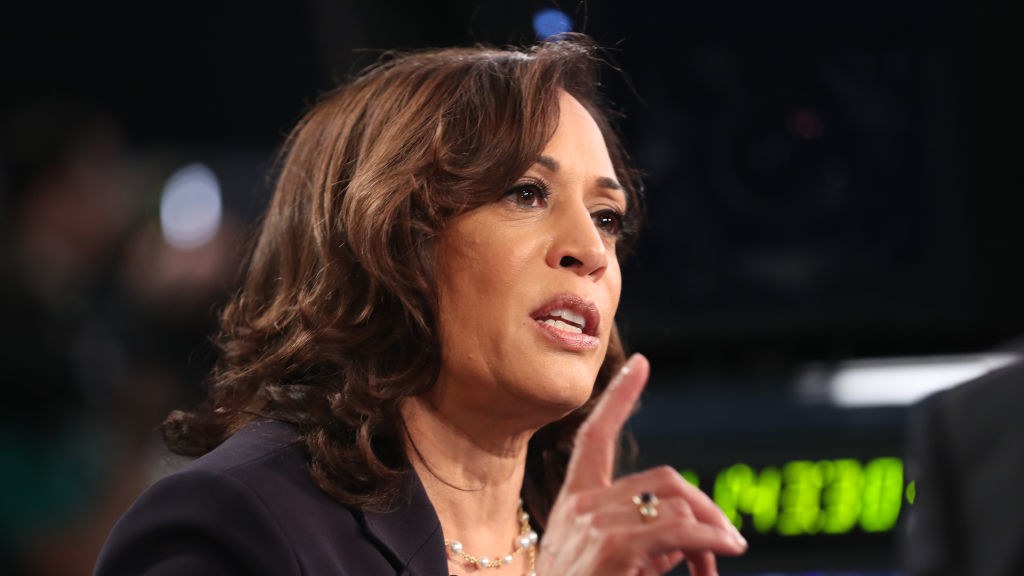
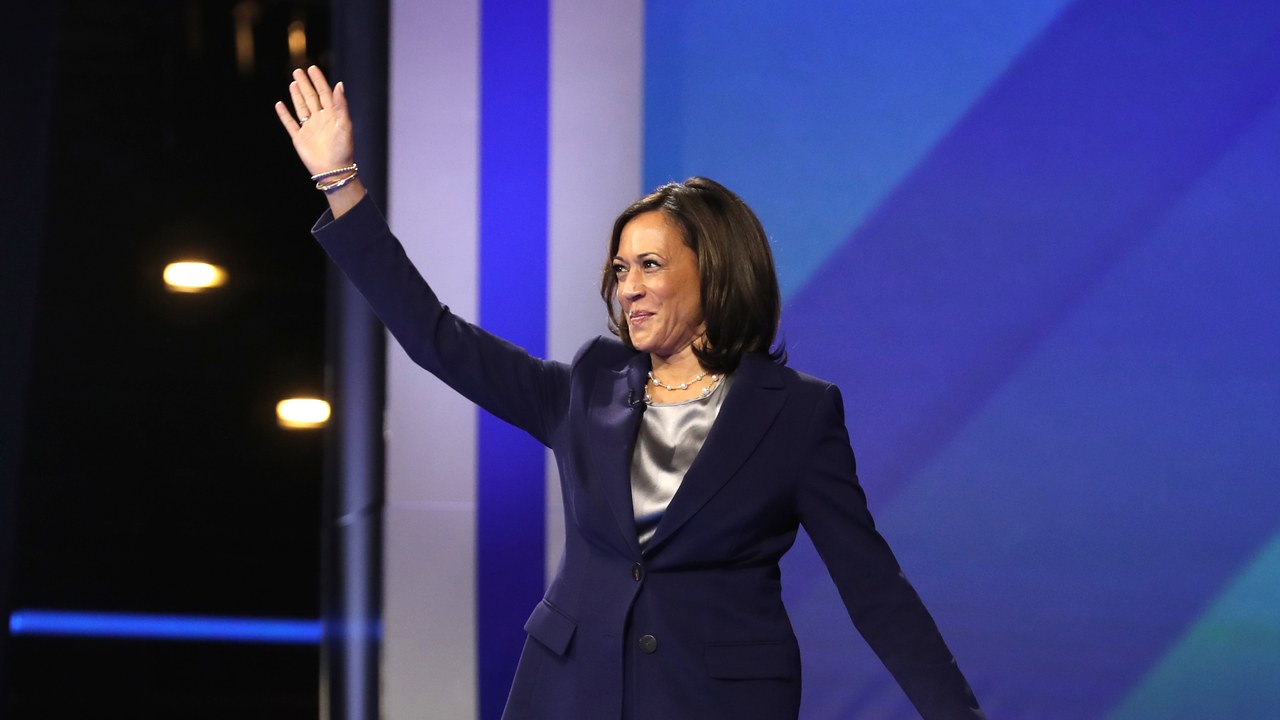
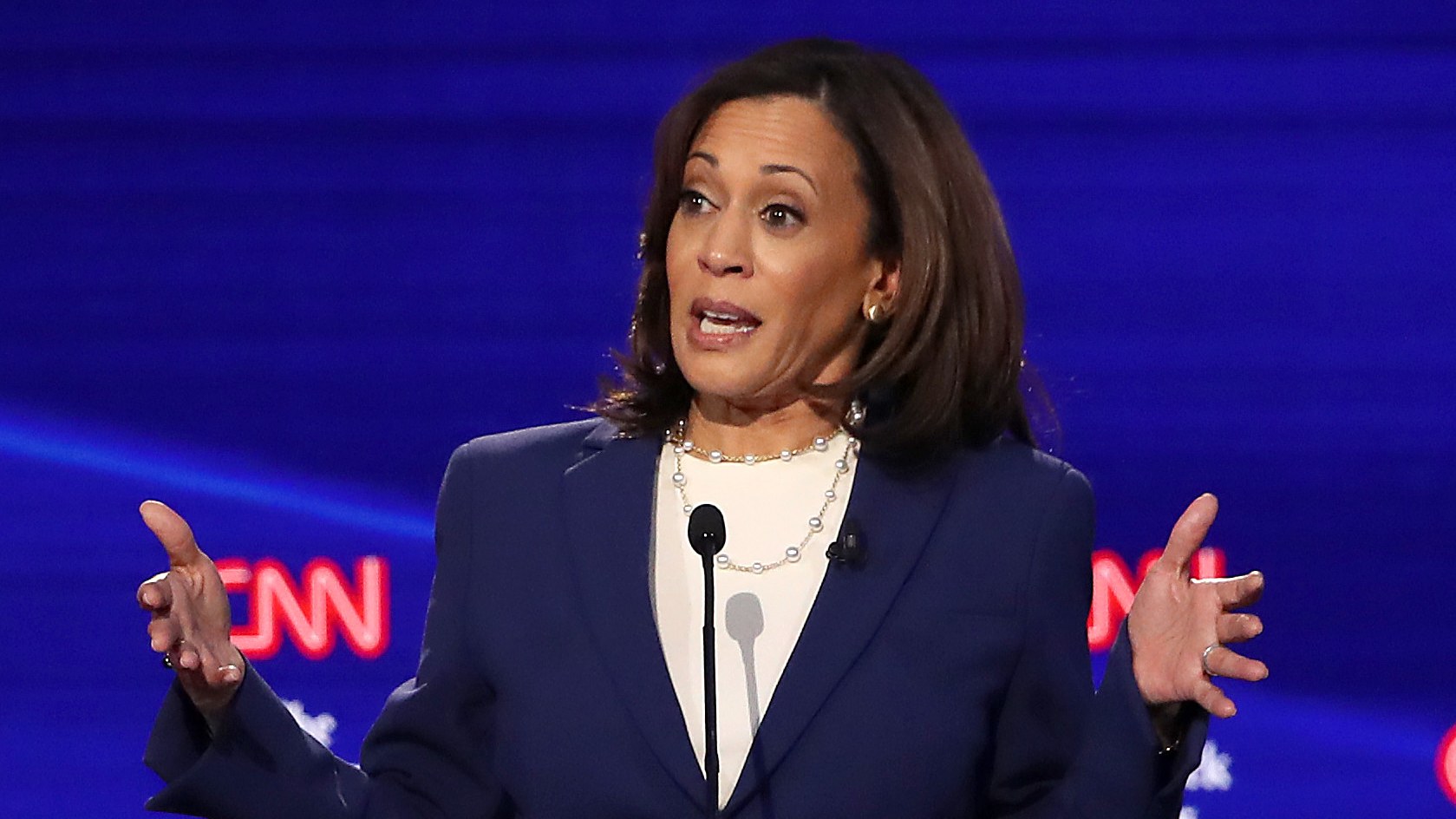
Kamala Harris Won't Be on Tonight's Debate Stage. No Matter Who Your Candidate Is, That Should Matter to You


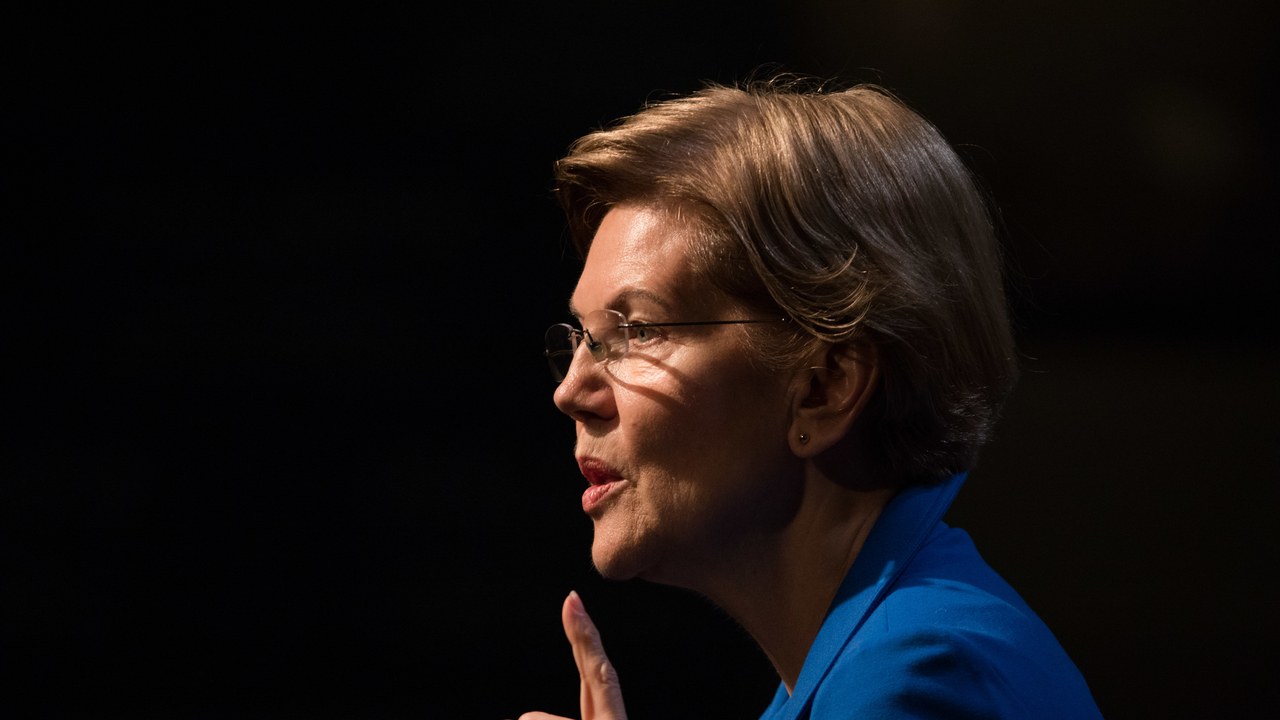
To recap: While billionaire Michael Bloomberg, who entered the race in November, will be able to self-fund his new campaign, Castro has not been on the debate stage in months. Booker failed to clear the barrier for tonight’s event. Neither of the men, both non-white, have been able to raise enough money or garner enough support to make the cut. Gillibrand, like Harris, ended her campaign because she didn’t see a path to remain in the race. And over the past few months, Senator Elizabeth Warren (D-Mass.) has suffered in the polls, even after a significant rise over the summer. Each week, it seems, there’s some new speculation on whether or not her affect and approach will make her too unlikeable and unelectable for voters to support.

As critics have pointed out, those stories are published in the same publications that often lavish coverage on white men who remain in the race. (In April, media outlets gushed over Mayor Pete Buttigieg’s ability to speak Norwegian while seemingly ignoring Gillibrand’s complete fluency in Mandarin. And much has been made of the fact that Buttigieg was a Rhodes scholar, though far fewer have noted that Booker was too.)

Harris and Gillibrand both brought up issues, in their campaigning and during debates, that are less likely to be discussed in detail in their absence. Both women were unapologetic in their support of women’s reproductive freedom, for example, and both, in their advocacy, highlighted the relationship between systemic racism and sexism. Booker and Castro, who remain in the race but will not be on the debate stage, have also demonstrated a willingness to discuss women’s rights and how those issues are related to other concerns, such as immigration, mass incarceration, and gun violence.

During the first Democratic debate in June, for example, both Harris and Booker took former Vice President Joe Biden to task over his history of opposing school busing. Harris took the lead in the confrontation, referencing her own childhood experiences with segregation. Her direct approach, as well as her ability to draw on a personal narrative, won the night. After the debate, her poll numbers moved into double digits for the first and ultimately only time.
Source link

Categories
Health

Elizabeth Warren Adds Kirsten Gillibrand and Kamala Harris's Paid Leave and Reproductive Health Care Policies to Her Platform


Senator Elizabeth Warren (D-Mass.) is blunt—the women have been pushed out.

In late August, Senator Kirsten Gillibrand (D-N.Y.) exited the 2020 presidential race. Earlier this month, Senator Kamala Harris (D-Calif.) announced she would end her campaign too. Meanwhile, over a dozen candidates—most of whom are less well known than those two women—remain in the contest, with the field somewhat narrower and much, much more male than it was even 12 weeks ago. As some on social media have noted, there are now more billionaires up for the Democratic nomination than there are black women. And of the six candidates who qualified for this week’s Democratic debate, zero are people of color.

The problem is bigger than just who gets to stand behind a podium. With candidates like Gillibrand and Harris out of contention, their ideas risk elimination too. And Warren—who has put a feminist spin on retirement benefits and student debt—refuses to let that happen.

“We’ve seen a record number of women in this race,” Warren tells Glamour. “That means, together, we’ve been able to shape the national conversation, to highlight issues impacting people in America.” But, she adds, as men who can afford to pour tens of millions of dollars into their own runs declare their candidacies, that discussion suffers.

After Warren announced her bid, she unveiled her plan to make affordable childcare available to families nationwide. Gillibrand pioneered paid leave legislation. Harris prioritized reproductive healthcare. “These are powerful issues, not just for women, but for families,” Warren says. And of course, the fact that Gillibrand and Harris aren’t on the trail doesn’t mean we’ve solved them. So, Warren reached out to her former rivals and asked their permission—both to add their policies to her platform and to attribute those plans to the women responsible for them.


Source link

Categories
Health

Kamala Harris Drops Out of the 2020 Race


Senator Kamala Harris (D-Calif.) has announced that she’s dropped out of the 2020 presidential race. The official word came less than an hour after news got out that Harris had told some staff she planned to end her campaign.

In a tweet she confirmed the rumors were true, thanking those who backed her bid and assuring supporters she’ll keep fighting for her values—whether she’s on the ballot in 2020 or not.

“To my supporters, it is with deep regret—but also with deep gratitude—that I am suspending my campaign today,” she wrote. “But I want to be clear with you: I will keep fighting every day for what this campaign has been about. Justice for the People. All the people.”

When she entered the race several months ago, Harris was considered a front-runner. The former attorney general of California, Harris is the second black woman ever elected to the U.S. Senate and the sole black woman in the chamber now. She gained attention for her tough approach to questioning in confirmation hearings—with a standout performances questioning both Donald Trump’s Supreme Court nominee Brett Kavanaugh and his current attorney general, William Barr. Harris first announced her campaign on January 21, Martin Luther King Jr. Day. She would run for president, she said, to “stand up and fight for the best of who we are.”

But despite high enthusiasm for her campaign, she struggled to find both her audience and a financial foothold in the crowded field. The New York Times reports that Harris had written in an email on Tuesday that “she lacked the money needed to fully finance a competitive campaign.” Also, her prosecutorial record had alienated some voters, who couldn’t reconcile the fact that Harris had enforced policies that disproportionately affected black communities. Moreover, her poll numbers had dropped into the single digits and former New York mayor Michael Bloomberg—a late entrant into the race but also a billionaire—had pulled ahead in fifth place above her in recent weeks.

Still, some on Twitter pointed out that even though Harris’s numbers had been shrinking, she’s now out of the race while some white men with even lower standings have continued on.

“Kamala Harris dropped out of the 2020 race before Tom ‘Who?’ Steyer, John ‘Who?’ Delaney and Michael ‘Why?’ Bloomberg. That is…telling,” HuffPost reporter Emma Gray noted.

“There’s something really wrong with a system where Kamala Harris can’t make it to Iowa and billionaires with no base and no message are just gliding through,” someone else added.

And while supporters applauded the historic nature of her run, several couldn’t help but highlight how sexism and racism—and the combination of the two, in Harris’s case—must have factored into her campaign.

Of course, this won’t be the last we hear from Harris. She’ll be an essential person to watch during the all but guaranteed impeachment hearings headed for the Senate, and her name has surfaced over and over as a potential vice president or attorney general.

In the meantime, friends, relatives, and supporters have rallied around her, with her husband sharing a loving shot of them together. “I’ve got you,” Doug Emhoff wrote. “As always.”


Source link

Categories
Health

Kamala Harris Takes a Stand for Women's Reproductive Rights at the Democratic Debate


At the end of the last debate in September, Senator Kamala Harris (D-Calif.) tweeted: “The #DemDebate was three hours long and not one question about abortion or reproductive rights.”

She wasn’t about to let that happen again. At the CNN/New York Times debate, Harris didn’t wait for moderators to raise the issue of attacks on women’s reproductive freedom. When asked to respond to points other candidates had just made about health care, she pivoted. Harris noted that “not one word” about abortion had been said in previous debates, even as state legislatures continue to pursue an agenda that will make women’s health care harder to access and abortion available to fewer and fewer people.

“There are states that have passed laws that will virtually prevent women from having access to reproductive healthcare,” Harris said, to cheers. “And it is not an exaggeration to say women will die. Poor women, women of color will die because these Republican legislatures in these various states who are out of touch with America are telling women what to do with their bodies.”

To raucous applause, she added: “People need to keep their hands off of women’s bodies and let women make the decisions about their own lives.”

But it wasn’t just the audience that celebrated Harris’s sense of urgency. Up on stage, Senator Cory Booker (D-N.J.) applauded her, too. “God bless Kamala,” he said. “But you know what? Women should not be the only ones taking up this cause and this fight. It is not just because women are our voters and our friends and our wives. It’s because women are people and people deserve to control their own body.”

It shouldn’t come as such a surprise to hear presidential candidates talk about a basic, safe health care procedure—that is, abortion. It shouldn’t be a shock to hear a man defend a woman’s right to choose. When it comes to Roe v. Wade and health care access, most Americans don’t want to go back. But in our current political climate and with conservatives determined to overturn that landmark Supreme Court decision, we can’t take stands like the ones Harris and Booker made for granted.

Viewers seemed to feel the same. Social media exploded in gratitude to the candidates for their support of this essential aspect of women’s health, which, to Booker’s point, doesn’t just affect women and shouldn’t be framed as a “women’s issue.” Women are 51 percent of the population. It shouldn’t take three and a quarter debates to remind people of that inexorable fact.

Mattie Kahn is Glamour’s* senior culture editor. Follow her @mattiekahn.*


Source link

Categories
Health

People Think Joe Biden's "Go Easy on Me, Kid" Greeting to Kamala Harris Was Condescending


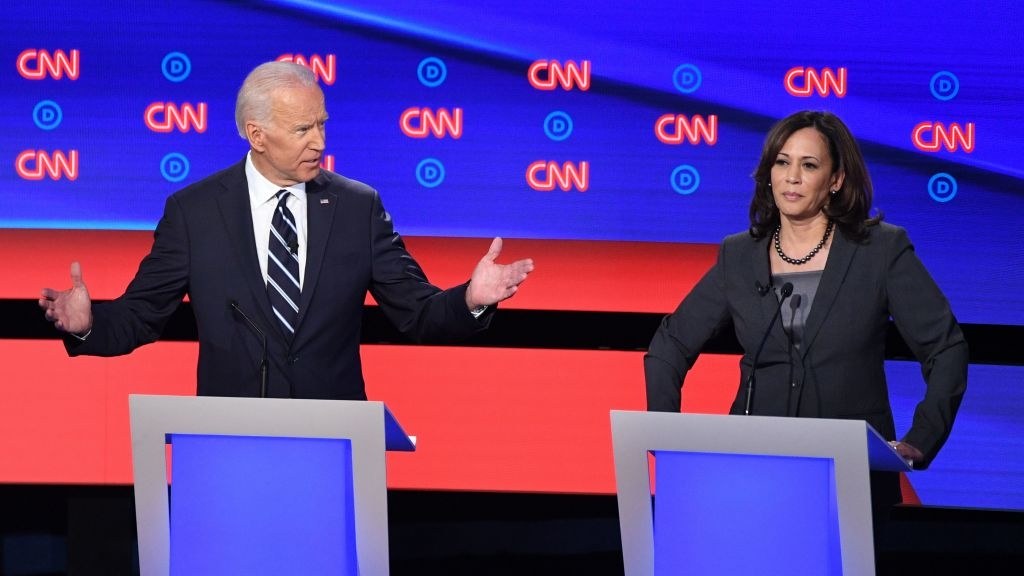
Presidential hopefuls Senator Kamala Harris (D-Calif.) and former Vice President Joe Biden faced off again during the second night of the latest Democratic debates on Wednesday.

The two candidates had previously shared the stage on June 27, when Harris took Biden to task for his record on race and controversial comments he’d made about working with segregationists in the Senate. At the beginning of last night’s debate, Biden seemed to reference the tough exchange, greeting Harris with a remark some found objectionable. His mic captured his joking to her, “Go easy on me, kid.”

And online, the off-the-cuff comment isn’t sitting well with some who feel that referring to a politician like Harris as a “kid” is patronizing at worst and tone-deaf at best.

“@JoeBiden told @KamalaHarris ‘go easy on me kid’ when they shook hands at tonight’s #DemDebate. Calling your presidential opponent ‘kid’ is more than just a harmless ‘Bidenism.’ It’s dismissive,” one person tweeted. Another explained, “I honestly can’t get over Joe Biden calling Kamala Harris ‘kid.’ It was intentionally minimizing. It was designed to make her look petty and small, to put her in her place.”

But Biden’s words didn’t seem to rattle Harris. (Nor did it seem she listened to his request.) During the debate, the candidates sparred over their respective health care plans and Harris defended herself against Biden’s claims that her “Medicare for All” blueprint was too expensive and could cause people to lose their workplace-based insurance. Harris hit back, going on to argue that Biden’s health care proposal would leave out large numbers of Americans who also need coverage.


Source link

Categories
Health

Kamala Harris Wants To Eliminate The Country's Massive Rape-Kit Backlog If Elected


Following the Democratic debates two weeks ago, Kamala Harris has shot up in the polls and emerged as a frontrunner among the hopefuls planning to challenge Donald Trump in 2020. Now, her campaign is starting to roll out some of the policies that Harris would champion as president, and she announced on Friday that she would make it a priority to cut the country’s backlog of tens of thousands of untested rape kits.

Harris said that she would invest $1 billion to help states process rape kits that could help authorities identify perpetrators of sexual assaults and prevent backlogs from happening in the future. In a series of tweets, Harris unveiled her plans and shared that the overall price tag on working through an approximate 225,000 kits would cost “about $2 million less each year than what taxpayers have spent on Trump’s golf trips.”

“The federal government can and should prioritize justice for survivors of sex abuse, assault and rape,” Harris wrote on Twitter. “As California’s Attorney General, I committed resources and attention to clearing a backlog of 1,300 untested rape kits at state-run labs, and we got it done within my first year in office. We need the same focus at the national level to pursue justice and help hold predators accountable.”

Rape kits are made up of DNA evidence collected in the immediate aftermath of sexual assault crimes, usually following investigations and lengthy medical examinations of victims. The DNA results are then rendered through the Combined DNA Index System (CODIS) so that police departments across the country can access information and help to identify criminals. However, throughout the last decade, reports have shown that many rape kits are just sitting in storage facilities, either because they haven’t been requested by detectives or prosecutors for analysis or because they’ve been backlogged because of resource or lack of policies. Organizations like End The Backlog and activists such as Mariska Hargitay have urged action on the issue, but too often, the response has been that ending the backlog would be costly—especially because no one knows exactly how many kits are out there.

Harris’ plan is the first of its kind among the 2020 candidates. Although former Vice President Joe Biden has also raised the issue, tweeting in January that “[a]n untested rape kit means a survivor without justice.” He noted his own action on the issue and issued a call to action, “Test every kit. Every single one.”


Source link