Categories
Health

Spring & Summer Boots to Shop Now: Animal Print, Western, Combat


Feeling blessed to have (almost) made it through winter? Us too. The cold season is nearly behind us, but that doesn’t mean we’re stowing away our boots and busting out the strappy sandals just yet. As we’re forced to accept the cold reality that mild temps and rainy days still lie ahead, there’s an array of spring and summer boots to keep us happy in the interim.

Transitional dressing can be tricky, but there’s something so whimsical about a flowy dress paired with shoes you can actually—dare we say…twirl in? We gathered 19 boots we’re loving right now, so whether you’re seeking an animal print moment or need reliable lug-soles to withstand stormy forecasts, you’re bound to find the perfect pair of spring and summer boots, below.

All products featured on Glamour are independently selected by our editors. However, when you buy something through our retail links, we may earn an affiliate commission.


Source link

Categories
Health

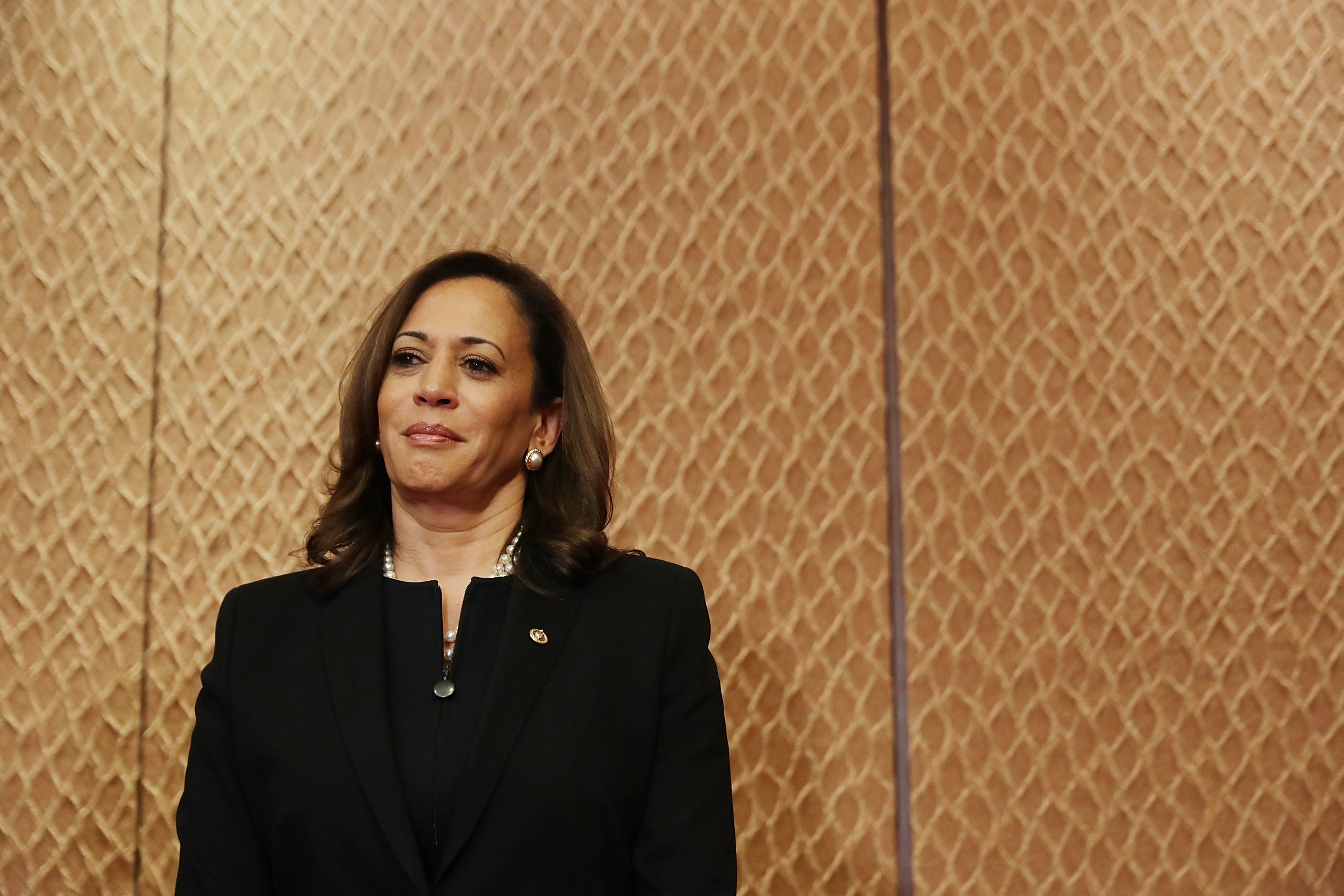
Senator Kamala Harris Introduces Bill To Combat Racial Disparities in Maternal Health Care


The U.S. is one of 13 countries in the world where maternal mortality rates are worse than they were two decades ago. And that alarming statistic hits one group of women the hardest.

For women of color, pregnancy and childbirth are often a matter of life and death. The risk of death from pregnancy-related causes for black women is three to four times higher than for women of other races. It’s something California Senator Kamala Harris has been vocal about in the past. And she’s pushing to make sure this maternal mortality crisis is being recognized and rectified through new legislation, as well.

Harris (along with 13 Democratic colleagues) introduced a bill Wednesday that she hopes will help lessen the discrepancies in treatment. The Maternal Care Access and Reducing Emergencies (CARE) Act would create two grant programs. One will address implicit bias based on stereotypes by supporting special training programs in medical, nursing, and other training schools. The other will incentivize maternal health care providers to offer integrated health care services to pregnant women and new mothers and reduce adverse maternal health outcomes, maternal deaths, and racial health disparities.

“Health equity for Black women can only happen if we recognize and address persistent biases in our health system,” Harris said in a press release.

The maternal health of black women has long been suffered in the dark, but in recent months we’ve heard harrowing stories of pregnancy and childbirth complications from two of the most famous women in the world: Serena Williams and Beyoncé.

Williams has been incredibly open about her emergency C-section, followed by blood clots in her lungs that threatened her life and required further surgery. And the intensely private Beyoncé revealed in Vogue‘s September issue that she had been on bed rest prior to the birth of twins Rumi and Sir due to toxemia (or preeclampsia) which causes swelling and hypertension. She, too, required an emergency C-section as her life, and the lives of her twins, were at risk.

For Harris, the bill is a continuation of her fight to bring black women’s maternal health care front and center. Earlier this year, she introduced a resolution to designate April 11-17 Black Maternal Health Week.

According to the CDC, the cause of an increase of pregnancy-related mortalities in America is unclear. For women of color, who face a myriad of health care disparities from access to racial bias perpetuated by stereotypes, the combination has proved life-threatening. Racism, researchers say, is at the center of this crisis.

“For example, even when we take medical history into account, black women are two to three times more like to die from pregnancy-related complications than white women with the same condition. And while maternal mortality rates are certainly greater for poor women than wealthier women, poverty alone can’t explain these disparities either. An analysis of maternal deaths in New York City found that black women who had at least a college degree still had greater mortality rates than white women who had not graduated high school,” obstetrician and gynecologist Jamila Perritt wrote for Glamour after Williams came forward with her childbirth experience.

“The bottom line is, black women are dying wholly preventable deaths.”

The Los Angeles Times notes that Sen. Harris’ bill could face an “uphill battle” given that Republicans currently control Congress and few bills may pass in an election year. Other sponsors of the bill include U.S. Senators Kirsten Gillibrand (D-NY), Ben Cardin (D-MD), Ron Wyden (D-OR), Richard Blumenthal (D-CT), Bill Nelson (D-FL), Doug Jones (D-AL), Jeff Merkley (D-OR), Tammy Duckworth (D-IL), Tom Carper (D-DE), Sherrod Brown (D-OH). Tammy Baldwin (D-WI), Mazie Hirono (D-HI) and Debbie Stabenow (D-MI).

“This bill is a step towards ensuring that all women have access to culturally competent, holistic care, and to address the implicit biases in our system,” Harris said.

Related Stories:

Serena Williams’ Childbirth Experience Should Be a Wake-up Call About the Medical Treatment New Moms Are Getting—Especially Women of Color

Beyonce’s Historic September Vogue Cover Is Here


Source link

Categories
Health

France Just Announced a National Plan to Combat Sexual and Domestic Violence Against Women


On Saturday, French President Emmanuel Macron announced a national plan to combat sexism, sexual violence, and domestic violence against women. The policies he outlined include simplifying the process for reporting rape, implementing additional public safety measures for women, and educating schoolchildren about pornography. Meanwhile, women across France gathered for demonstrations against domestic and sexual violence in a rousing observance of Saturday’s designation as the International Day for Elimination of Violence Against Women.

During his presidential campaign in 2016, Macron made gender equality a part of his platform. So although his policies weren’t directly prompted by the reignited #MeToo movement—or France’s viral equivalent: “#BalanceTonPorc”, meaning “out your pig”—that picked up after the wave of allegations against Harvey Weinstein, they’re being brought forth at a time when sexual assault and sexual violence is at the forefront of an incredibly necessary cultural conversation.

In Saturday’s speech, Macron began by observing a minute of silence for the 123 women killed in France by a partner or ex-partner in 2016. According to the BBC, an additional 225,000 were physically or sexually abused by their spouses, although fewer than 20 percent filed a report.

“It’s indispensable that the idea of shame changes sides, that the Republic cleanses its own concept of shame; that the everyday criminals who harass, insult, touch, attack never be excused, but identified, vilified, brought to justice, condemned as firmly as they should be,” he said. “France must no longer be one of those countries where women live in fear.”

As a part of the initial measures to protect women and make reporting sex crimes easier, Macron announced that women who experience sexual assault and harassment will be allowed to make their first statement from their homes—prior to bringing criminal charges up with the police—through a 24-hour online service. Through it, they’ll be able to speak to trained police and find out how to report their attack.

Public safety measures are also included in the plans. “On demand” bus stops are in the works to allow women to stop a bus at any point along a route so they can get home safely at night. An app for victims of online stalking will also be available.

According to the BBC, Macron also announced an awareness campaign to educate secondary school students about pornography.

Calling France’s society “sick with sexism,” he announced further proposals for laws that criminalize street harassment as well as extending the statute of limitation for the rape of minors from 20 years to 30 years.

Macron also stated that he wants to set the country’s age of sexual consent at 15, which, according to the BBC, aligns with the country’s legally fixed age of sexual maturity (France currently has no age of consent).

According to Reuters, French feminist group Osez le Féminisme stated that the only thing standing in the way of making these changes a reality is adequate funding from the government—which they don’t currently believe is the reality. “Without funding, any communication, training, awareness or help plan for the victims will be useless,” the group said.

France is notable, however, for making an effort to change the culture surrounding sexual and domestic violence. Back in America, U.S. President Donald Trump—who has been accused of sexual assault himself—recently refused to defend Alabama’s Republican Senate candidate Roy Moore, who multiple women have said pursued sexual relations with them when they were teenagers and he was in his 30s.

Related Stories:
Jane Fonda and Gloria Steinem Talk Race, Sexual Harassment, and Harvey Weinstein
The Problem With Privilege and Divulging Sexual Assault
Gabrielle Union Claps Back at Sexual Assault Victim Shamers


Source link