Categories
Health

Parenthood Is Expensive: Here's How to Prepare Your Budget


She Makes Money Moves is a new podcast from Glamour and iHeartRadio. Hosted by Glamour editor in chief Samantha Barry, the podcast shares intimate, unscripted stories from women across the country along with advice from financial experts to help guide those women—and women everywhere—forward. Download a new episode every Tuesday, then visit glamour.com/money for an article like this, with more insights from that week’s expert.


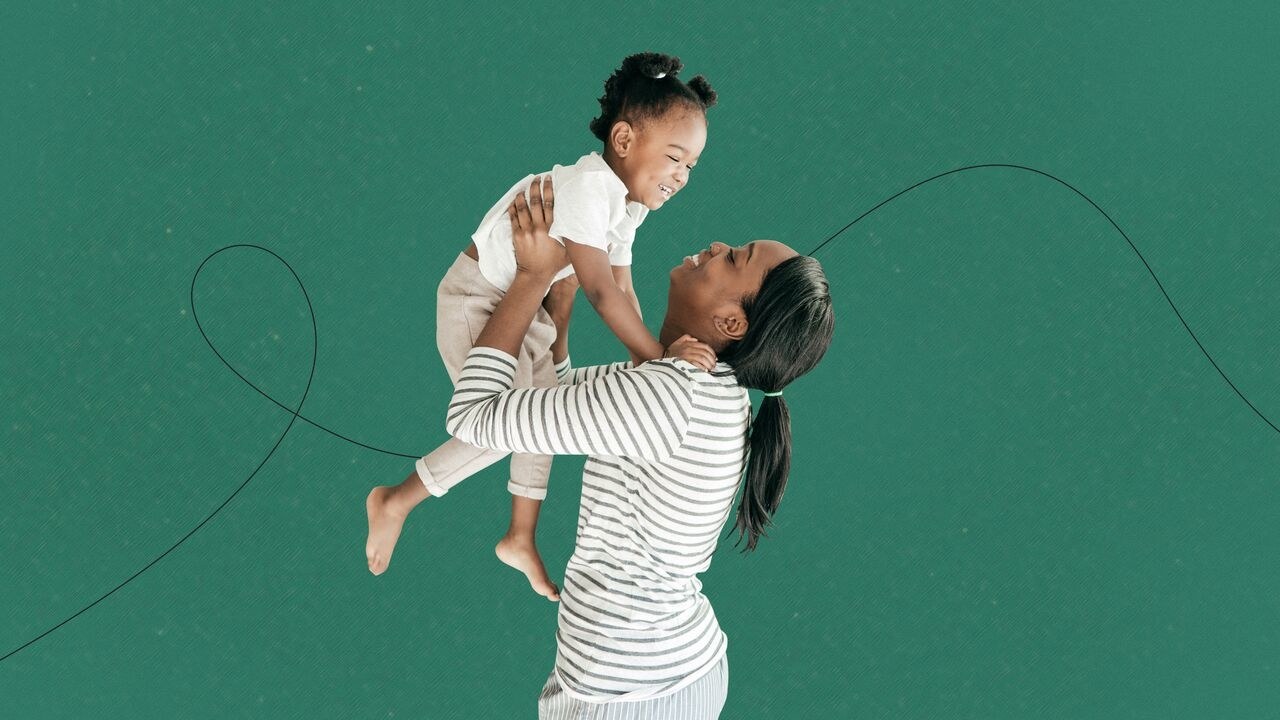
It’s no secret that having children is expensive. But the actual numbers can still come as a shock. On average, middle-income parents in America will spend more than $230,000 to raise a child, from birth to age 18. And that number doesn’t include the expense of college (which typically costs more than $100,000 over four years). It’s a tremendous undertaking.

Of course, cost alone shouldn’t stop you from having children. It just means that you’ll want to think strategically about how becoming a parent will affect your finances and plan accordingly. This week’s guest on She Makes Money Moves is the mother of a one-year-old son. She and her husband would like to have more children, but they’d also like to purchase a home and save for retirement. To help her figure out how to do that—without going broke—Barry welcomed Shannon McLay, founder & CEO of the Financial Gym, onto the podcast. Here, McLay breaks down how you should prepare to pivot to parenthood.

Plan as far ahead as possible

When Financial Gym clients first start working with us, we’ll ask them what their short-term, medium-term, and long-term goals are. Most people have a really clear idea of what their short-term goals are (stop living paycheck-to-paycheck, build up savings and pay down consumer debt) and even have a vague idea of their long-term goals (retire some day). But medium-term goals are often very gray and murky. Especially when it comes to working with single women in their 20s and 30s. We’ll ask them if they intend to get married and have a family in the future. They usually respond with “I’m not even dating anyone…but yes, eventually.”

We often forget that life goals equal financial goals, and making the decision to become a parent comes with some serious financial implications. Do you think you’ll want to freeze your eggs? Do you work in an industry that could offer maternity leave, or are you self-employed and would need to fund it on your own? If you ran into infertility problems would it be important for you to take further measures like IVF to have a baby or would you want to adopt? The sooner you start thinking about the possible routes you may want to take, the more prepared you’ll be mentally and financially when the expenses come up. (Of course there are many cases where parenthood is impossible to plan for far in advance. So in those instances, we recommend sitting down and mapping out a budget early into your pregnancy.)

Decide on childcare options

The next step is to consider what types of childcare options you have available to you and how you’ll afford them. We always suggest that future parents calculate the monthly expense of having a child and set that amount aside, depositing it in a baby fund. This helps them save up the upfront costs of becoming a parent and gives them time to incorporate the cost into their budget so it’s not so much of a shock when the child arrives. For example, infant daycare is about $1,000 a month. You can feel confident that you can afford daycare if you can effectively save $1,000 a month towards your baby fund.
Source link

Categories
Health

Natasha Pickowicz Makes Fundraising For Planned Parenthood a Sweet Deal


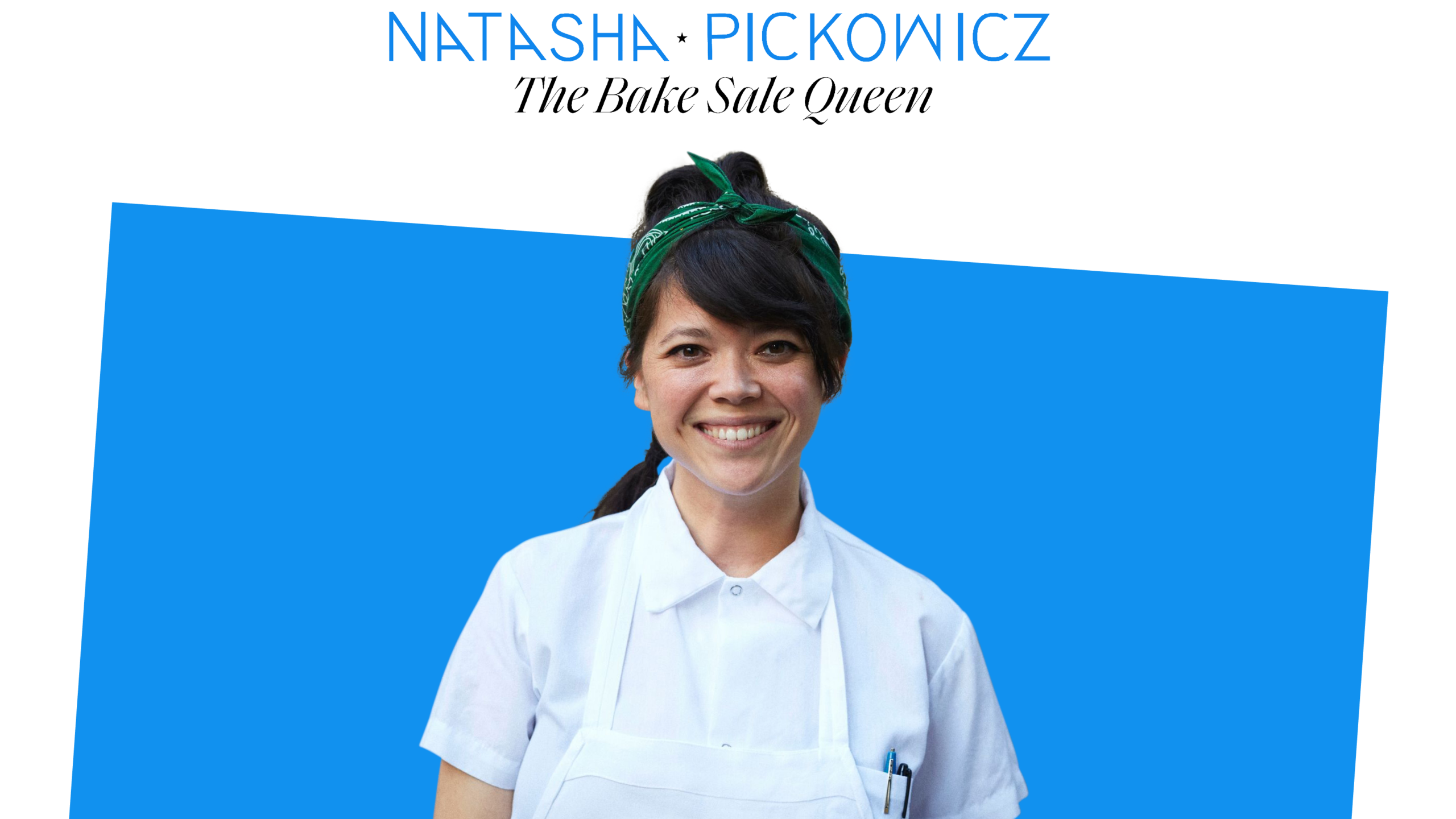
It was November 9, 2016, and Natasha Pickowicz woke up with an emotional hangover. She felt stunned. Drained. Mad. Donald Trump had just clinched the election, but she still had to pick herself up, endure her normal hour-long commute, and go to her job at Flora Bar, as if nothing had happened. But at work, no one could focus. Instead the chefs, managers, and staff met to figure out how to turn pain into purpose.

So Pickowicz—the executive pastry chef at Flora Bar and Café Altro Paradiso best known for her black cardamom-heavy sticky buns—went back to basics. She proposed the idea of a bake sale. “I was like, what if we did something that everybody could relate to this nostalgic, timeless idea,” she tells Glamour. “Whether you were little and it was in your church basement, or in middle school for your field hockey team, everyone’s had the experience of setting up your table, hanging out with friends, and raising money [with baked goods].”

Simple in theory, sure, but the bake sale Pickowicz, 35, pulled off would put any PTA mom to shame. Gone were traces of Betty Crocker or Pillsbury Funfetti. Instead, in the spring of 2017, Pickowicz invited 18 world-renowned pastry chefs and friends to come together and bake 50 items each. People like Bon Appetit‘s Claire Saffitz and James Beard award-winning cookbook author Dorie Greenspan all joined forces to sell their signature goods and raise funds for Planned Parenthood of New York City with each spoonful of sugar. That afternoon, Pickowicz collected $8,000—and an annual tradition was born.

In 2018, Pickowicz raised $22,000—once again all in $5 increments. And for the third, which was held this past spring, Picowicz set the ambitious goal of $40,000. She met it, and then some, raising $96,000. The growth has been exponential, but there are certain pillars that have anchored each event. It takes place at Café Altro Paradiso, it lasts one (long) shift, and proceeds benefit Planned Parenthood of New York City, not the national organization. “It was important to me that it was about our community and what’s happening here. This way I can find out first-hand how our funds are getting used,” she says. “The money is going towards more hormone therapy centers in the boroughs. They’re also building a fleet of mobile health centers, these trucks that will park and and be based in underserved areas. So it’s these hyper-regional things that PP NYC is working on.”

And while Pickowicz’s bake sale has remained focused on New York, for New York, more and more bake sales like hers are popping up nationwide. She’s frequently tagged on Instagram in photos from bake sales in Nashville or Charlotte, or someone emails her for advice. “I’ve had young women reach out to me and be like, ‘I had a bake sale at my local park!’ And then there’s the bigger ones, like in New Orleans where they raised $60,000,” she says. “People are also doing them in red states, where they’ve gotten a lot of blow back from people in the community who are offended by it. Like this summer we saw a lot of them for Yellowhammer Fund and [to protect reproductive rights] in Alabama.”

As she begins planning for her 2020 bake sale, Pickowicz dreams of seeing even more people follow in her footsteps—and for the sale to have an even larger impact. “With the presidential election next fall, it’s going to be a really, really crucial year. And with four years having gone by, I hope that next year explodes more than ever,” she says.


This year has made one thing clear: Women are showing up, stepping up, and taking what they deserve. From politics to pop culture, women aren’t just leveling the playing field—they’re owning it. As we ramp up to our annual Women of the Year summit, we will be highlighting women across industries who do the work every day. Whether it’s the CEO of a multinational retail corporation, a James Beard Award–winning chef, or the World Cup champions, here are the women you need to know right now. So far, we’ve celebrated women in sports, beauty, and style. Up now: 12 women who have made the food world more equitable, more ambitious, and so much more delicious. From an MIT-trained flavor scientist to a chef who’s created a new canon in Southern cuisine, these women have expanded our minds and our palates. Mmm. Dig in.


Source link

Categories
Health

Planned Parenthood Withdraws From Title X Federal Funds. Here’s What That Means


Planned Parenthood has announced that it will withdraw from Title X, a federal program that helps make birth control, pregnancy tests, and screenings for sexually transmitted diseases accessible and affordable. The decision is due to the Trump administration’s new “gag rule,” which restricts what health providers can tell patients about abortion. Under this rule, if Planned Parenthood wanted to continue to receive funds through the program, it would no longer be able to offer abortion referrals or even suggest where a patient could get an abortion.

The Trump administration first introduced the new Title X rules in May, but it wasn’t until last week, when a federal court failed to halt them, that Planned Parenthood decided to pull out of the program.

Planned Parenthood has received Title X funds since the 1970s, but these federal dollars have never been used to fund abortions. And according to the New York Times, “Planned Parenthood receives about $60 million of the $286 million given annually by Title X to about 4,000 health centers providing reproductive health care, as well as screenings for breast cancer and cervical cancer, to about 4 million patients.” Without these resources, more than 1.5 million low-income women who rely on Planned Parenthood for pregnancy tests, birth control, STI screenings, and other services through Title X support could be affected. The organization has shared that one of their programs, a mobile health center in Cleveland, will have to close and that other clinics will feel similar pressure from the cuts.

“By forcing Planned Parenthood out of the Title X program, Trump is fulfilling his debt to the anti-choice movement—a vocal, extreme minority in this country—for their work to put him in the White House,” NARAL Pro-Choice America president Ilyse Hogue shared in a statement. “Millions of women and families who rely on Planned Parenthood for a full range of reproductive health care will be forced to pay the price for political payback by the Trump administration and their reckless Title X gag rule. The decision about when and with whom to have a family is one of the most personal and important decisions a person will ever make, and it’s definitely one that should be free from political interference.”

Christina Reynolds, vice president of communications at Emily’s List, echoed Hogue’s sentiments. “Since day one, Trump and his Republican cronies have tried to defund Planned Parenthood and strip valuable reproductive care from millions of women. Today, those efforts have real and dangerous consequences for too many women in America. The Trump administration is using one of the largest and most valuable programs for providing affordable birth control and reproductive health care to bully providers, like Planned Parenthood, into withholding information on abortion. As the gag rule takes effect, millions of women will be left with nowhere to turn for essential health care like affordable birth control, cancer screenings, maternal care, and more,” she wrote in a statement.

Supporters of Planned Parenthood have also taken to Twitter to share their outrage. Presidential candidate Beto O’Rourke wrote, “Trump is taking tens of millions of dollars away from Planned Parenthood—jeopardizing the health of more than a million people across our country. Please donate to @PPFA today, so Trump can’t stop patients from receiving the care they need.”

Rep. Ilhan Omar tweeted, “Trump’s gag rule is forcing Planned Parenthood to withdraw from Title X. Last year alone 53,000 Minnesotans relied on Title X-funded clinics for cancer screenings, well person visits, birth control, and more. Losing access to this care puts lives at risk. Period.”


Source link

Categories
Health

Planned Parenthood President Leana Wen: Abortion Bans Are a Call to Action—Not a Reason to Give Up


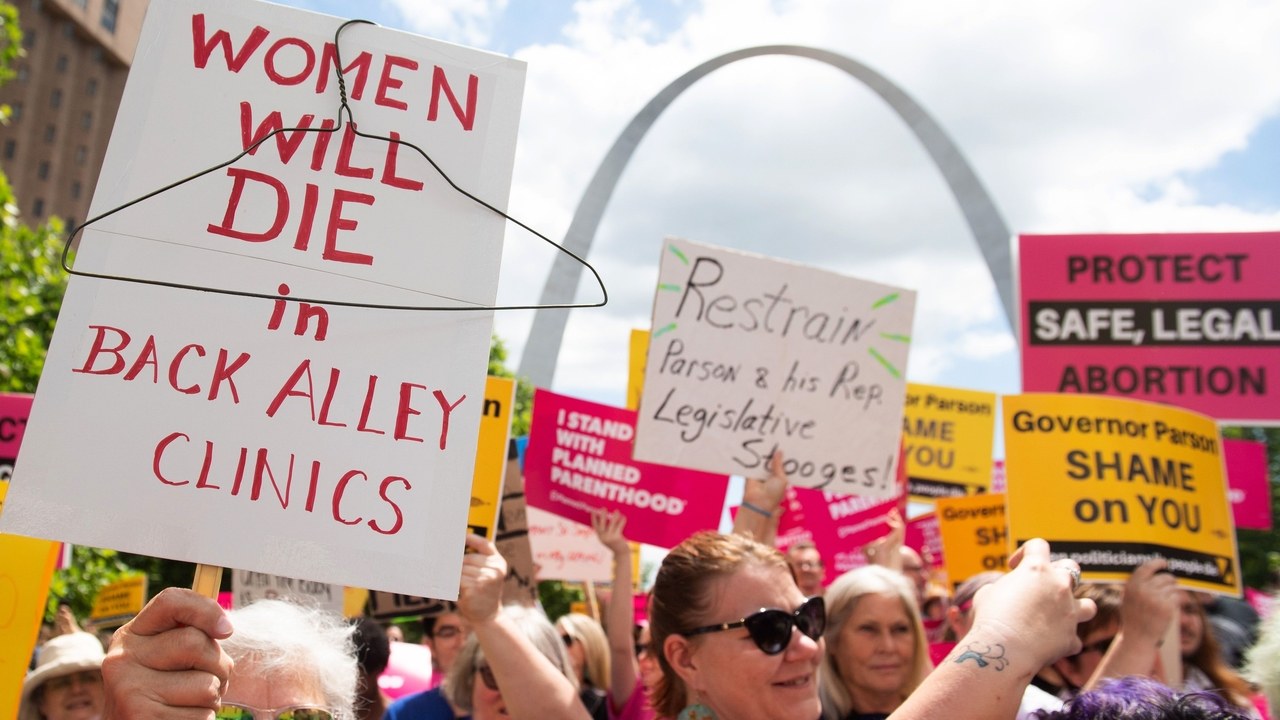
Just now, politicians in Georgia voted to ban abortion after six weeks. Georgia is now the third state to pass this harmful restriction this month. (Fifteen states have filed similar bans in this legislative session alone.) You don’t have to look far to understand just how these introduced abortion bans—up by 63 percent in states in 2019—affect real people.

Jennifer, a Planned Parenthood patient in Georgia in her early forties, told us that after she’d missed a period, she knew immediately she was pregnant. Jennifer didn’t wait. She called a nearby health center to schedule her abortion. But the medically unnecessary restrictions that limited the number of providers and available appointment times delayed her care by weeks. Despite knowing she was pregnant just after a missed period and deciding she wanted an abortion immediately, by the time Jennifer received care, she was eight weeks pregnant.

Imagine if this were any other aspect of medicine. Imagine if your ability to receive treatment was limited by when you were diagnosed with the condition. Chances are you wouldn’t even know you had the condition by the time it was too late to receive the treatment that you wanted. And if you did get diagnosed in time, you might still have to travel hundreds of miles, find child care, get time off from work, and face protesters—just to receive that medical care.

That’s what happens to women in need of abortion access in places like Georgia. These six-week abortion bans affect many women before they know they’re pregnant. Even if they are one of the rare few—like Jennifer—who know earlier than six weeks, these women still find it almost impossible to access an abortion within that time frame. These bans fundamentally infringe upon a person’s right to bodily autonomy.

We’re less than three months into the 2019 state legislative session, and at least one disturbing trend has emerged: Anti-women’s-health politicians have doubled down on their efforts to take away the right to safe, legal abortion. Already, more than 250 bills have been filed that directly restrict abortion access, and nearly half of those restrictions have been abortion bans—outright attempts to prohibit people from making their own health care decisions.

Politicians are directly interfering with medical practice and endangering women’s lives. We know this statistic, but it bears a repeat mention: Abortion is a safe, legal medical procedure that nearly one in four women will have in their lifetime, and it’s part of the full spectrum of reproductive health care. We are at an all-time low for unintended pregnancies because of birth control and evidence-based sex education. Politicians wishing to reduce unintended pregnancies and the need for abortion should invest in women’s health. Instead, their actions directly go against public health and public will. We know the cost: It’s women’s lives.

At Planned Parenthood we see the effects of these attacks firsthand. In the last eight years, there have been more than 420 laws passed that directly restrict abortion access. These harmful laws have shuttered health centers and turned entire regions of the country into abortion deserts. Women are forced to travel hundreds of miles for health care, and those who cannot—women who can’t afford the travel, who can’t find child care and time off from work, who live in rural communities without access, who are often people of color—will just go without. In fact, people in six states have only one abortion provider left, exacerbating an already challenging landscape for reproductive health care.

We know what happens when politicians cut access to vital health care services: Patients delay care or go without it. When Texas eliminated Planned Parenthood from its family planning program, 30,000 fewer women accessed health care. In Iowa, when four health centers closed, 12,000 people went without care and the rates of STIs skyrocketed. A recent study from Texas showed when the state enacted abortion restrictions, it didn’t end abortion care in the state. The restrictions just meant delayed care and increased the number of second-trimester abortions.


Source link

Categories
Health

Planned Parenthood Action Fund, Swing Left, and Organizing For Action Partner on Women's Health Day of Action


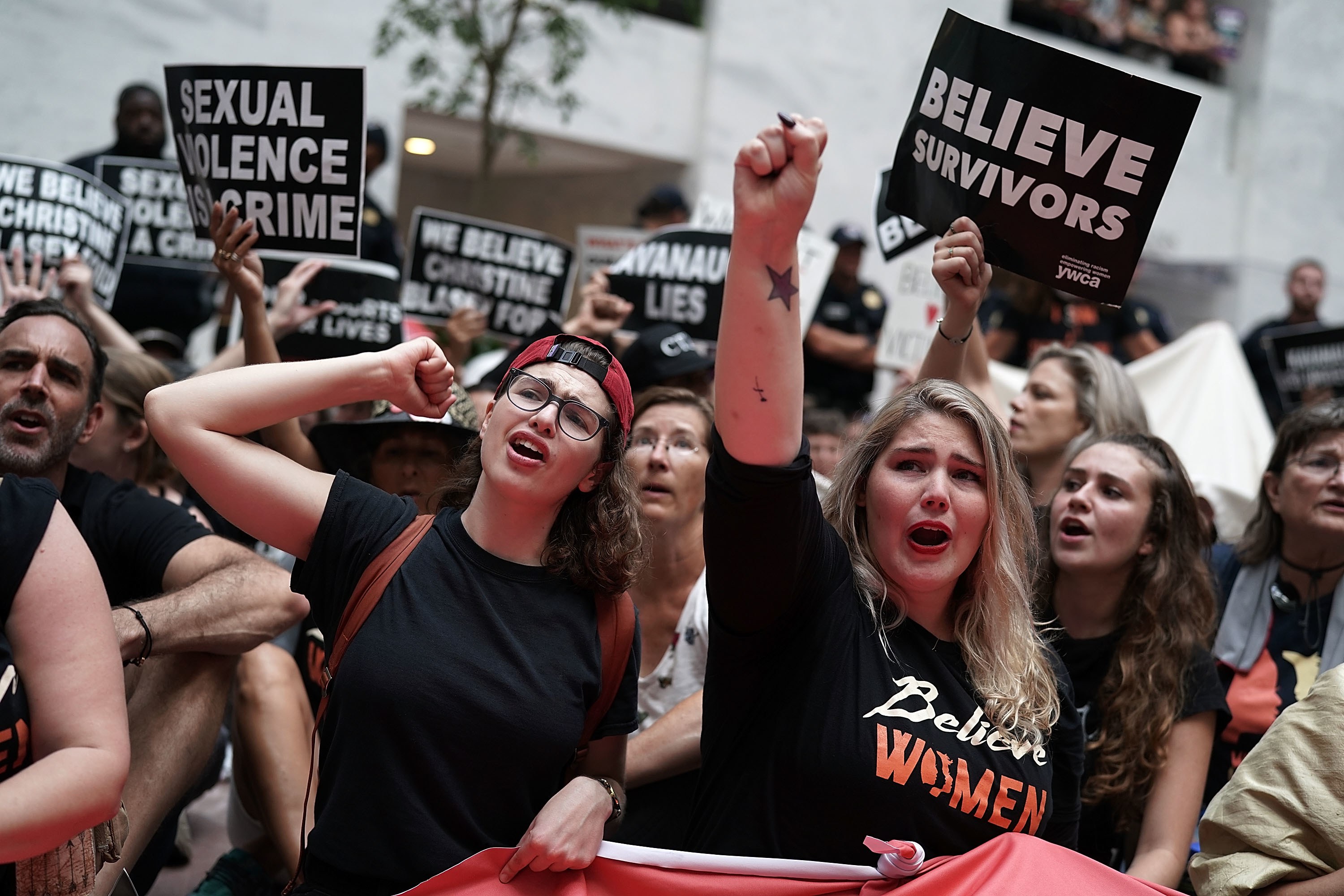
If you’re anything like me, the totality of the Brett Kavanaugh nomination and all that has come with it has wreaked havoc on your brain, your soul, and your spirit. I’m furious. I’m sad. I’m somehow both emotionally spent and energized at the same time. And I’ve given myself whiplash vacillating between hopeful and utterly distraught about America’s future—especially for women.

On Friday, the GOP-led Senate plowed ahead, as Sen. Mitch McConnell (R-Ky.) promised, with a final vote presumed to happen on Saturday. And at the conclusion of her speech on the Senate floor this afternoon, Sen. Susan Collins (R-Maine) announced that she would vote to confirm the nominee. She delivered what felt like an endless defense of Kavanaugh that seemed to prove she had never been quite on the fence about him after all.

Democrat Joe Manchin (D-W.V.) released a statement soon after Collins’ speech that he is also a “yes” on Kavanaugh. As it stands now, someone who’s been accused of sexual assault by a woman whom President Trump himself deemed a “credible” witness will be confirmed to sit on the United States Supreme Court for the rest of his life.

Far be it from me to tell you how you should process this entire mess. (I’ve wept, screamed aloud in my apartment, self-soothed with sugar, and tried to write my way through it.) But I’ve also learned that when I can channel my rage, passion, and, yes, pain into something more tangible, I feel a hell of a lot better. So, a proposal: join me?

This weekend, three of my favorite progressive organizations—Planned Parenthood Action Fund (PPFA), Swing Left, and Organizing for Action—have banded together to create a Women’s Health Day of Action. And it’s tomorrow, October 6—as in Saturday, the day that Kavanaugh might just win his nomination battle.

Their goal is simple: to help elect pro-women’s health candidates and regain a progressive majority in the House of Representatives. To that end, they have identified 16 House districts in seven states to support on October 6. Hundreds of volunteers will be working with the campaigns directly to knock on tens of thousands of doors to get out the vote in November. (In some districts, the candidates themselves will be participating.)

It’s time to activate our anger (again), ladies—and I’m all the way in.

“Everything is on the line in 2018. Women are fed up with politicians dismissing survivors of sexual assault, undermining access to Planned Parenthood health centers, and reshaping the Supreme Court to gut the constitutional right to safe, legal abortion,” says PPAF President Dawn Laguens. “Women are poised to serve a reckoning this November that is decades in the making, and this partnership is a signal that we’re all right there with them. We know that, together, our voices are too powerful to ignore.”

Literally—they are. One in five people have participated in protests since 2016, according to a Washington Post/Kaiser Family Foundation survey. And the number one issue that’s gotten them on their feet? The rights of women.

“The level of engagement and enthusiasm OFA has seen this cycle, among seasoned organizers and brand new volunteers alike, has been overwhelming – and women have been leading the charge,” says Katie Hogan, Executive Director of Organizing for Action. “It’s a phenomenon we’ve seen dating all the way back to the Women’s March, and that passion has only intensified as it’s become increasingly clear how much is at stake in November. We’re thrilled to be working in lock-step with both new leaders in the progressive space, like Swing Left, and long-time powerhouses of activism, like Planned Parenthood Action Fund, to elect representatives who will echo these voices in Washington.”

Here are the 16 districts that volunteers will target this weekend—and through the midterms on November 6. You can sign up to volunteer here.

  • AZ-02: Ann Kirkpatrick-CA-10: Josh Harder

  • CA-45: Katie Porter

  • CA-48: Harley Rouda

  • IA-01: Abby Finkenauer

  • IA-03: Cindy Axne

  • NJ-11: Mikie Sherrill

  • NJ-07: Tom Malinowski

  • NJ-03: Andy Kim

  • TX-32: Colin Allred

  • TX-07 : Lizzie Fletcher

  • TX-23: Gina Ortiz Jones

  • VA-10: Jennifer Wexton

  • VA-02: Elaine Luria-VA-05: Leslie Cockburn

  • VA-07: Abigail Spanberger

And if you don’t happen to live near one of those districts, don’t despair. Getting involved wherever you are couldn’t be easier. Contact the field office of a local candidate you support and volunteer to canvass or phone bank. Reach out to friends and relatives who aren’t routine voters to make sure they are registered (many state deadlines are fast approaching). Ask them to pledge to show up at the polls on November 6 at a site like Vote Save America.

“If we want to protect women’s health from the constant Republican attacks, it’s not enough to just vote this year. We need each and every person to knock on doors and make calls so that we can break out of our silos and bring about electoral change,” says Swing Left Political Director Katie Hogan.

LETS END WITH SENDING AUDIENCE TO SEXUAL ASSAULT RESOURCE POST IF THEY ARE FEELING TRIGGERED./story/national-sexual-assault-hotline-calls-jump-kavanaugh-news

MORE: During Christine Blasey Ford’s Testimony, Contempt for Women Was on Full Display


Source link

Categories
Health

Planned Parenthood Announces Dr. Leana Wen Will Be Its New President


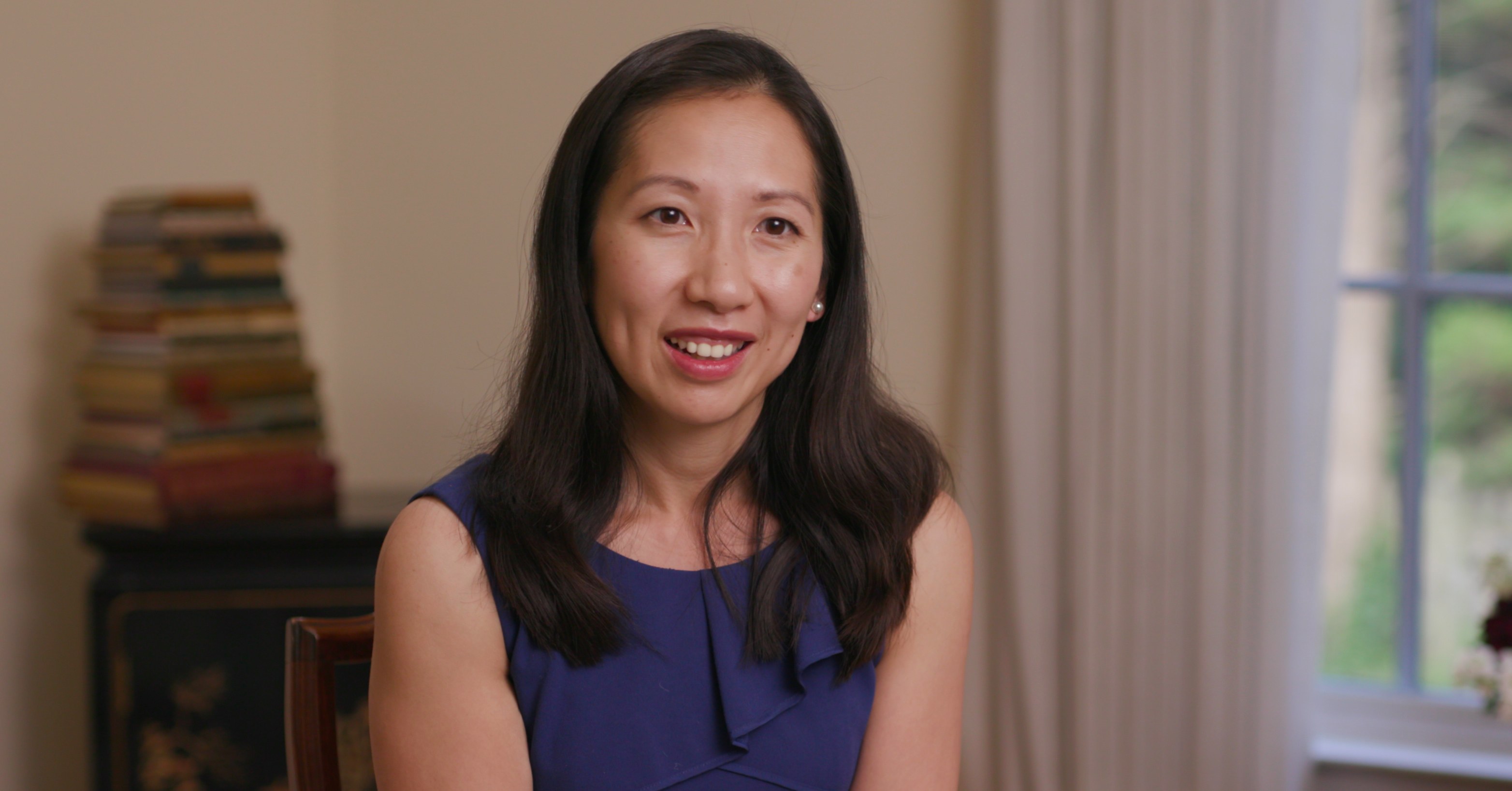
Dr. Leana Wen was a child when her parents fled China for the United States, but her memories of those first months in America are fresh. Her parents worked multiple jobs cleaning hotel rooms and washing dishes at local restaurants first in Utah and then in California, but struggled to cover basic expenses.

“There were several times that we were evicted because we couldn’t make rent,” Wen, 35, says. “We depended on Medicaid. We depended on food stamps. And we also depended on Planned Parenthood.”

Earlier this week, it was announced that Wen, the health commissioner for Baltimore and a former ER doctor, had been named the new president of Planned Parenthood Federation of America. She follows Cecile Richards, who stepped down from role in April. Wen joins the institution at a crucial moment—as access to health care (and in particular, access to women’s reproductive health care) is more imperiled than ever under the Trump administration.

In a phone conversation less than 24 hours after the news broke, Wen explains how her mother turned to Planned Parenthood in times of upheaval, knowing she could count on the organization to provide the services she needed. “Later on, I was a patient at Planned Parenthood,” Wen says. Her sister was too. “We got care there just like 1 in 5 women in America. So much of what drives me now is based in what I experienced.” And what happens when a person doesn’t have that access—it wasn’t some abstraction. Wen witnessed it.

“As a child, I watched a neighbor’s son die in front of me because he and his parents were undocumented immigrants, and they were too afraid to call for help,” she remembers. He’d had as an asthma attack. The condition is treatable, but because of his precarious status, he died. The experience was foundational not just Wen’s sense of purpose—it was a “childhood dream” to be a doctor—but also her convictions about health care and who “deserves” it.

“I wanted to provide care to everyone no matter who they are, what they look like, where they happen to be from, and whether they could pay.”

“I saw how so much of what determines people’s health isn’t just about the health care that they receive, it’s also about so much else that’s happening in their lives,” Wen says.

When it came time to specialize after medical school, she knew she wanted to work in the ER. The aim was simple: “I wanted to provide care to everyone no matter who they are, what they look like, where they happen to be from, and whether they could pay.”

That conviction drove her to take the position as health commissioner in Baltimore, a role that proved to her what she’d come to believe was true—that “health care shouldn’t be political, that needing medication for your children isn’t political, that preventing breast and cervical cancer isn’t political.” Once, in the ER, she treated a woman who’d waited months to have a lump in her breast examined. When Wen did examine her, she found the woman had metastatic breast cancer. The disease was fatal, and three children were left motherless. “That’s what happens when women don’t have access to health care,” Wen maintains. And it’s because of cases like that one that Wen has landed where she is now.

As Wen sees it, “The single biggest public health catastrophe of our time is the threat to women’s health. That’s what I want to spend my life fighting about because everything at this moment in history is at stake.” Of course, she’s come to the appropriate address. The New York Times noted in its write-up of the news that Planned Parenthood clinics have closed due to cuts in state and federal funds and that those who had a hand in the search explained that the selection of Wen (who is just the second doctor ever to serve as president) would emphasize the fact that Planned Parenthood serves almost 2.5 million patients, most of whom are low-income and come to clinics not for abortions, but for services like mammograms and STI tests.

But what should excite advocates for women’s healths is the ease with which Wen collapses the artificial divide between Planned Parenthood as a general health care provider and Planned Parenthood as a haven for women who don’t have somewhere else to go. In the same breath, she tells me both that Planned Parenthood “isn’t a political organization” and that it’s not lost on her how “women’s health care is singled out, it’s stigmatized, and it’s attacked.”

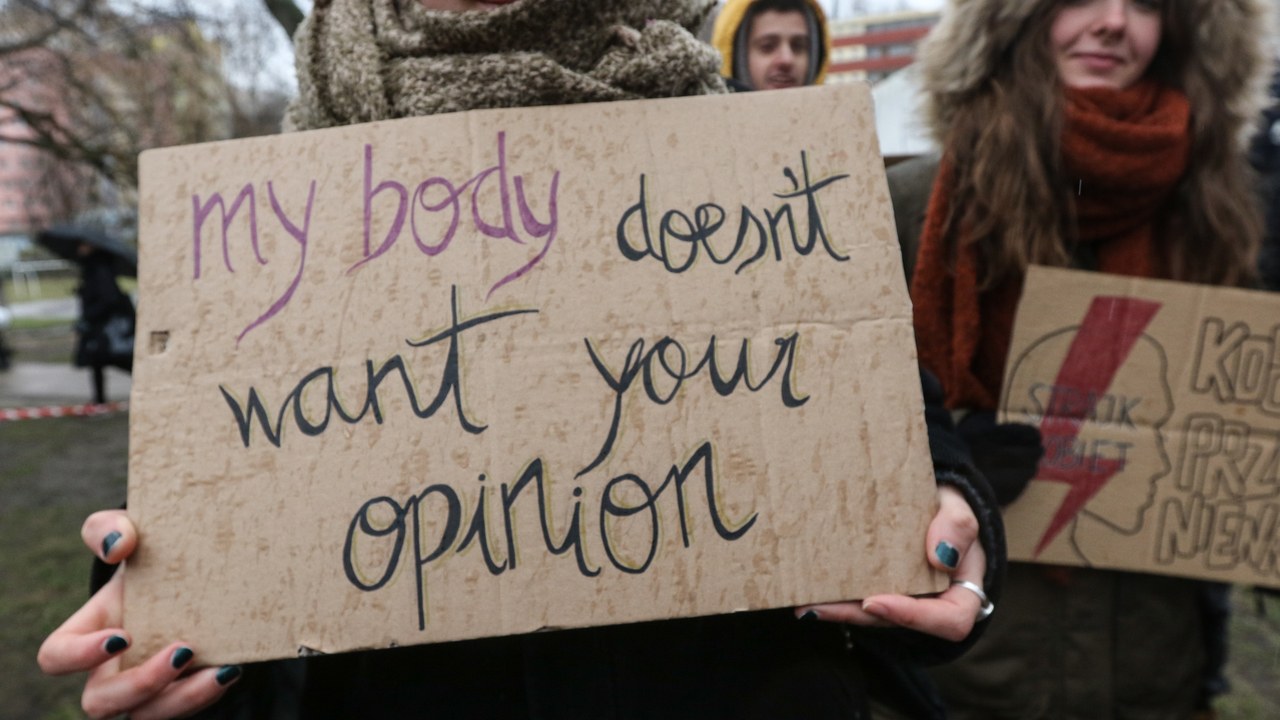
“It’s not up to government to tell us where we are in our lives. It’s not up to government to tell us what choices we should be making about our own bodies and our health.”

“Imagine if we said that we should poll people about whether vasectomies should be legal, and then we restricted access to vasectomies,” Wen insists. “Or if the government imposed a gag rule, saying that doctors should follow a specific script in telling people about diabetes and insulin. It would never happen. It’s ludicrous to even think about. That’s why it’s so important for us to emphasize that reproductive health care is health care, that women’s health care is health care and that health care has to be a fundamental human right.”

Once more, Wen frames the battle for the kind of health equities that she intends to stand for in in personal terms: “I’ve been the woman who’s taken a pregnancy test and wished more than anything that it’s not positive. I wasn’t ready to have a baby. I wanted to go to college. I wanted to go to medical school. I wanted to come out of the poverty and circumstances of my childhood and achieve my dreams.” But she adds: “I’ve also been that same woman who at a different point in my life took pregnancy test after pregnancy test hoping that it is positive because at that moment, my husband and I were desperate to start a family. It’s not up to government to tell us where we are in our lives. It’s not up to government to tell us what choices we should be making about our own bodies and our health.”

With a vote on a new Supreme Court nominee whom she feels certain “could overturn and will if confirmed [overturn] Roe v. Wade” plus momentous midterm elections imminent, she has her work cut out for her. But Wen is not one to waver. And what’s more, she knows what the battle is for. She’s 35. Her son Eli just turned one. The issues that Planned Parenthood counsels its patients on aren’t distant memories. She lives them.

“The future that I want for Eli is a future in which women and men have equal rights and where we don’t deny people access to health care,” she tells me. And then she reaches for a phrase she’s used once before in our conversation. The future that she wants for her son boils down to this: One in which “we as a society trust women.”


Source link