Categories
Health

Kate Middleton's Brother James Wrote a Powerful Essay About Mental Health


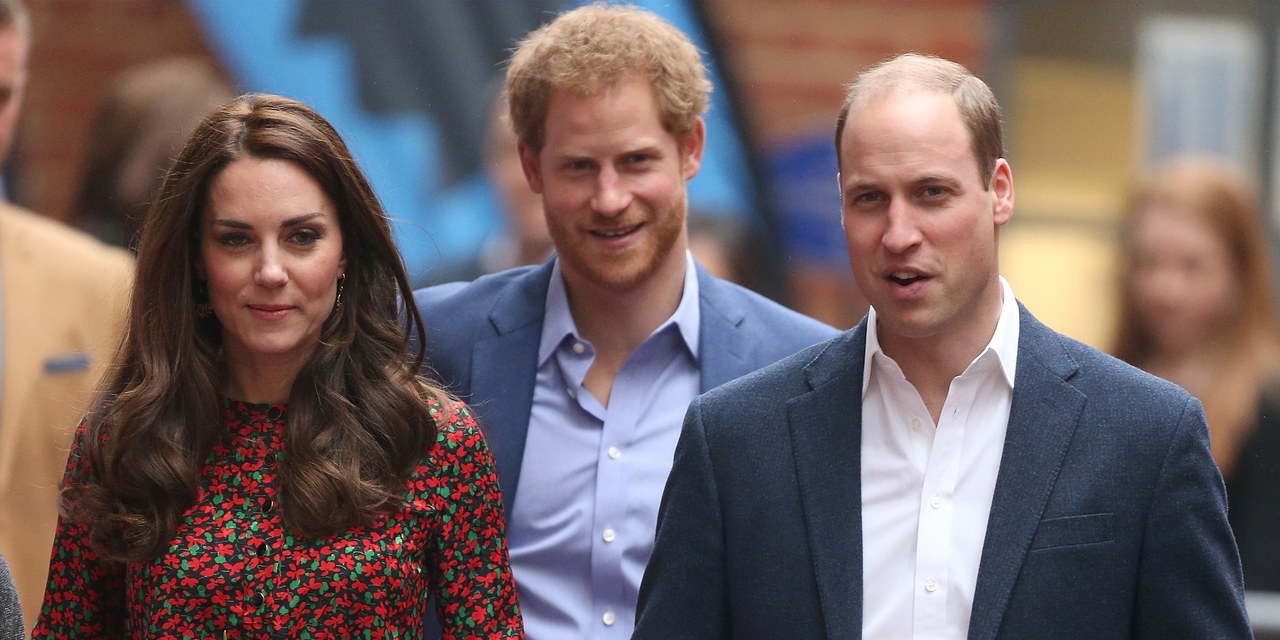
For years, the rising generation of the royal family—specifically Duchess of Cambridge Kate Middleton, Prince William, and Prince Harry—has worked through their Heads Together foundation to change the conversation around mental illness and combat stigma around it, especially within the United Kingdom. Prince Harry, in particular, has been especially vocal about his own struggles, opening up about being “close to a complete breakdown on numerous occasions.” Now, Kate’s brother is contributing to the conversation: In a new op-ed for the Daily Mail, James Middleton—who has historically remained quiet on all matters concerning his family—openly applauds his royal sister and brothers-in-law for their work as he opened up for the first time about his own years-long battle with anxiety and depression.

In the essay, Kate’s younger brother describes the challenges of living with severe dyslexia and Attention Deficit Disorder (ADD) and how that morphed into an exhausting struggle with anxiety and depression later in life: “Each night sleep eluded me,” he writes. “During the day I’d drag myself up and go to work, then just stare with glazed eyes at my computer screen, willing the hours to tick by so I could drive home again. Debilitating inertia gripped me. I couldn’t respond to the simplest message so I didn’t open my emails. I couldn’t communicate, even with those I loved best: my family and close friends.”

Middleton goes on to acknowledge that although he’s privileged, that doesn’t make him “immune” to issues with mental health. “I know I’m richly blessed and live a privileged life. But it did not make me immune to depression,” he says. “It is tricky to describe the condition. It is not merely sadness. It is an illness, a cancer of the mind.”

According to the World Health Organization, depression is an extremely common mental health disorder affecting more than 300 million people of all ages worldwide. But despite its wide reach, depression—as with many other mental health conditions—is often culturally stigmatized. In the UK, open discussions around depression and other mental health issues are still largely more taboo than not—for men in particular—making Middleton’s essay especially important. “For many men, opening up about their feelings is the biggest social taboo,” wrote Chris Hemmings in 2016 for the Independent, a British newspaper. Instead, he writes, “[we] bury our heads in the sand—or bottle, to be more accurate, as alcoholism rates for men in the UK are three times that of women.” A report from the UK’s Mental Health Foundation places suicide—which, the report reads is “associated with depressive disorders across the globe”—as the leading cause of death in the UK among people 20 to 34 years old, with more than three times as many men as women dying as a result of suicide.

Despite his sister’s advocacy and the fact that the Middleton family had become “desperately worried” about his well-being, James writes that he found it difficult to open up to them at first, explaining that often with depression, “those who are closest to you are the hardest to speak to.” Ultimately, it was the royals’ years-long advocacy for openness around mental health that helped James come forward with his own story.

“I feel compelled to talk about it openly because this is precisely what my brother-in-law Prince William, my sister Catherine and Prince Harry are advocating through their mental health charity Heads Together,” he says.

“They believe we can only tackle the stigma associated with mental illness if we have the courage to change the national conversation, to expel its negative associations,” he writes. “So it wouldn’t be honest to suppress my story. I want to speak out, and they are my motivation for doing so.”

Ultimately, Middleton hopes that by opening up about his struggle with anxiety and depression, he’ll encourage others to do the same. Props to him for speaking out—and continuing to unravel the stigma.

If you or someone you know is struggling with depression, visit Mental Health America or the Anxiety and Depression Association of America for access to resources, help, and support.

Related Content:

Prince Harry Says He Was ‘Close to a Complete Breakdown’ in Years Following Princess Diana’s Death

Meghan Trainor Opens Up About Her Battle With Depression and Anxiety

Allison Miller Hopes A Million Little Things Will Inspire People to Talk More Openly About Therapy


Source link

Categories
Health

Rift Valley Fever Could Be the Next Global Health Crisis For Pregnant Women


The Zika virus is not the only mosquito-borne virus pregnant women need to know about. According to new research, Rift Valley fever is poised to become an even more dangerous global health crisis—especially if you’re pregnant.

The idea that something as innocuous as a mosquito bite could cause severe birth defects, is nothing short of terrifying. When cases of Zika broke out in 2015, experts quickly declared it a global health crisis, issuing travel warnings and safe-sex recommendations to help stem its spread. But Zika isn’t the only mosquito-borne virus that pregnant women need to know about—researchers are growing increasingly concerned about the virus that causes Rift Valley fever (RVF), which is found throughout Africa and the Middle East.

In a recently published study, a team of researchers studied the effects of Rift Valley fever using infected rats and human fetal tissue—and their findings are setting off alarm bells among global health officials. The virus, according to the report, can infect the layer of cells in the placenta that’s responsible for delivering nutrients to the fetus. Translation: Unlike Zika, which indirectly affects the placenta, RVF is able to take a short cut, which can mean birth defects and death when pregnant women are infected, according to a report on the study by the New York Times.

To be clear, RVF hasn’t yet reached the level of global health crisis for pregnant women like we’ve seen with Zika—the World Health Organization has called the RVF a potential public health emergency, according to the New York Times. But researchers are on alert now in an effort to help pregnant women across the globe stay ahead of the curve. “Zika caught everybody by surprise,” study author Amy Hartman, Ph.D., an infectious disease specialist at the University of Pittsburgh, told the New York Times. “If doctors had known about Zika’s birth effects, they could have done a lot more to protect pregnant women and babies. With Rift Valley fever, we’re trying to get ahead of the curve.”

RVF isn’t exactly new. The virus is primarily found in livestock throughout sub-Saharan Africa but it can be transmitted to humans via mosquitos where it can cause flu-like symptoms, liver issues, and in pregnant women, birth defects that can be life-threatening for the fetus. In 2000, there was also an outbreak of RVF in the Middle East, according to the World Health Organization, which raised the possibility that it could spread to other parts of the world just like Zika.

The good news? So far, there are only two cases of fetuses infected with RVF on record, the New York Times reports, but since the disease can be asymptomatic (meaning pregnant women may not even know they’ve been infected), the researchers note it’s possible many more cases could have been misdiagnosed. According to the Centers for Disease Control and Prevention, the most common symptoms of RVF include fever, weakness, back pain, dizziness, and weight loss. Most people recover after a few days but severe cases can involve brain swelling, and in extremely rare cases, death.

At this stage, there are no Zika-like travel advisories for pregnant women related to RVF. But if you’re traveling while pregnant, it pays to take extra precautions, says Adeeti Gupta, M.D., a board-certified OB/GYN and founder of Walk-In GYN Care in New York. “I would say, exercise caution while traveling to sub-saharan Africa, West Africa and Madagascar. Thankfully, it is not a widespread health emergency yet,” she says. The best thing you can do is protect yourself against mosquito bites—especially when you’re traveling in Africa or the Middle East.

And to be extra safe, Dr. Gupta advises flagging any travel to your doctor while you’re pregnant so that you can stay up on any risks and get any appropriate vaccinations. “You should also be aware of any infections—even mild flu like illnesses,” upon your return, Dr. Gupta says. “If you experience any such symptoms, seek medical care to get tested for conditions such as Zika to stay ahead of the game.”

Related Stories:

This Is When Zika May Show Up Near You

Scientists Say Pregnant Women Should Be Aware of These Zika-like Diseases Too


Source link

Categories
Health

Sophie Turner Totally Shut Down Piers Morgan Over His Tweets About Mental Health


Piers Morgan is stirring up controversy again—and Sophie Turner is having none of it. Morgan’s latest scuffle comes after he retweeted a story from The Sun which quoted British actress Beverley Callard as saying, “Real mental illness is very dark and it takes a great deal of strength to ask for help. I think we are now definitely chipping away at the stigma. But we have to be careful mental illness doesn’t become like a Gucci handbag. There is a danger it can become ‘fashionable’.”

“She’ll be hammered for saying this, but it’s 100% true,” Morgan commented with the retweet.

But Turner had a response ready for Morgan: “Or maybe they have a platform to speak out about it and help get rid of the stigma of mental illness which affects 1 in 4 people in UK per year,” she tweeted. “But please go ahead and shun them back into silence. Twat.”

She’s right. Conversations that normalize mental health issues and help do away with the stigmas attached to them are always important—not fodder for jokes.

This isn’t the first time Turner has used her social media platforms to speak out about mental health. In support of World Suicide Prevention Day in September she wrote, “You’re stronger than you think. You will get through this. You’re so loved. You are NOT a burden. #WorldSuicidePreventationDay”

As for Morgan, this is just the latest in a long line of controversial views and Twitter arguments with a young woman at the center. Back in November, he got into it with Ariana Grande (and her mom, Joan) on Twitter over how and when women should put their sexuality on display. Grande also clapped back brilliantly, writing, “I use my talent AND my sexuality all the time because i choose to. women can be sexual AND talented. naked and dignified. it’s OUR choice. we will keep fighting til people understand. i say this w all due respect but thank u, next.”

Related: Sophie Turner on Game of Thrones Wigs, Fenty Highlighter, and What She Texts Joe Jonas


Source link

Categories
Health

The 11 Most Powerful Statements Celebrities Made About Mental Health in 2018


Mental health issues don’t discriminate—even the glossiest of celebrities with all the advantages in the world aren’t immune to depression, anxiety and other mental health challenges. They’re way more common than you might realize; approximately one in five adults in the U.S. experiences mental illness in a given year, according to the National Alliance on Mental Illness. But the reality is, there’s still a stigma around mental health issues (and many people aren’t getting the treatment they need).

The good news is? The stigma is slowly but surely starting to crumble thanks in part to the fact that people—including celebs with a platform (and droves of Instagram followers)—are opening up about their emotional well-being. We still have a long way to go, but there’s real power in that; the more open we are about mental illness, the easier it is for people to ask for help. Read on for 11 stigma-demolishing moments that put mental health in the spotlight this year.


Source link

Categories
Health

Do Not Eat Romaine Lettuce: Health Officials Have Issued a Massive Recall


The Centers for Disease Control and Prevention announced a new romaine lettuce recall Tuesday—just in time to throw off your Thanksgiving dinner meal prep. Here’s what you need to know to avoid turning your holiday into an outbreak.

The recall comes after reports of a multi-state outbreak of E. coli, which has so far sickened 32 people in 11 states, plus another 18 people in Canada. “CDC is advising that U.S. consumers not eat any romaine lettuce, and retailers and restaurants not serve or sell any, until we learn more about the outbreak,” the organization stated.

The warnings indicate the romaine lettuce recall is widespread—unlike others that only apply to certain brands, states or stores, the CDC is currently considering all romaine lettuce unsafe to eat. This means if you have whole, bagged, or boxed romaine in your fridge, throw it out. If you have a salad mix that contains romaine lettuce, throw it out. Even if you have romaine that you’ve eaten and haven’t gotten sick from, throw it out. The CDC is even suggesting washing your fridge shelf or drawer where the romaine was kept. Avoid ordering it at restaurants or buying it at retailers.

Why the all the precautions? E. coli is nothing to mess around with—standard outbreak symptoms include cramps, diarrhea, and vomiting—but this particular strain, called Shiga toxin-producing E. coli, can be especially severe. So far, 13 people have been hospitalized from the outbreak in the U.S., including one who developed hemolytic uremic syndrome, a type of kidney failure, though no deaths have been reported according to the CDC.

If you did eat contaminated lettuce, you’ll know pretty quickly. Symptoms can show up anywhere from one to 10 days after exposure, the CDC says. Most cases are mild, so don’t panic. But if you’re still feeling sick after three days, have a high fever or can’t keep any liquids down, don’t wait until after the holiday weekend to see a doctor.

And if romaine was anywhere on your Thanksgiving menu, make an emergency switch to spinach.


Source link

Categories
Health

Planned Parenthood Action Fund, Swing Left, and Organizing For Action Partner on Women's Health Day of Action


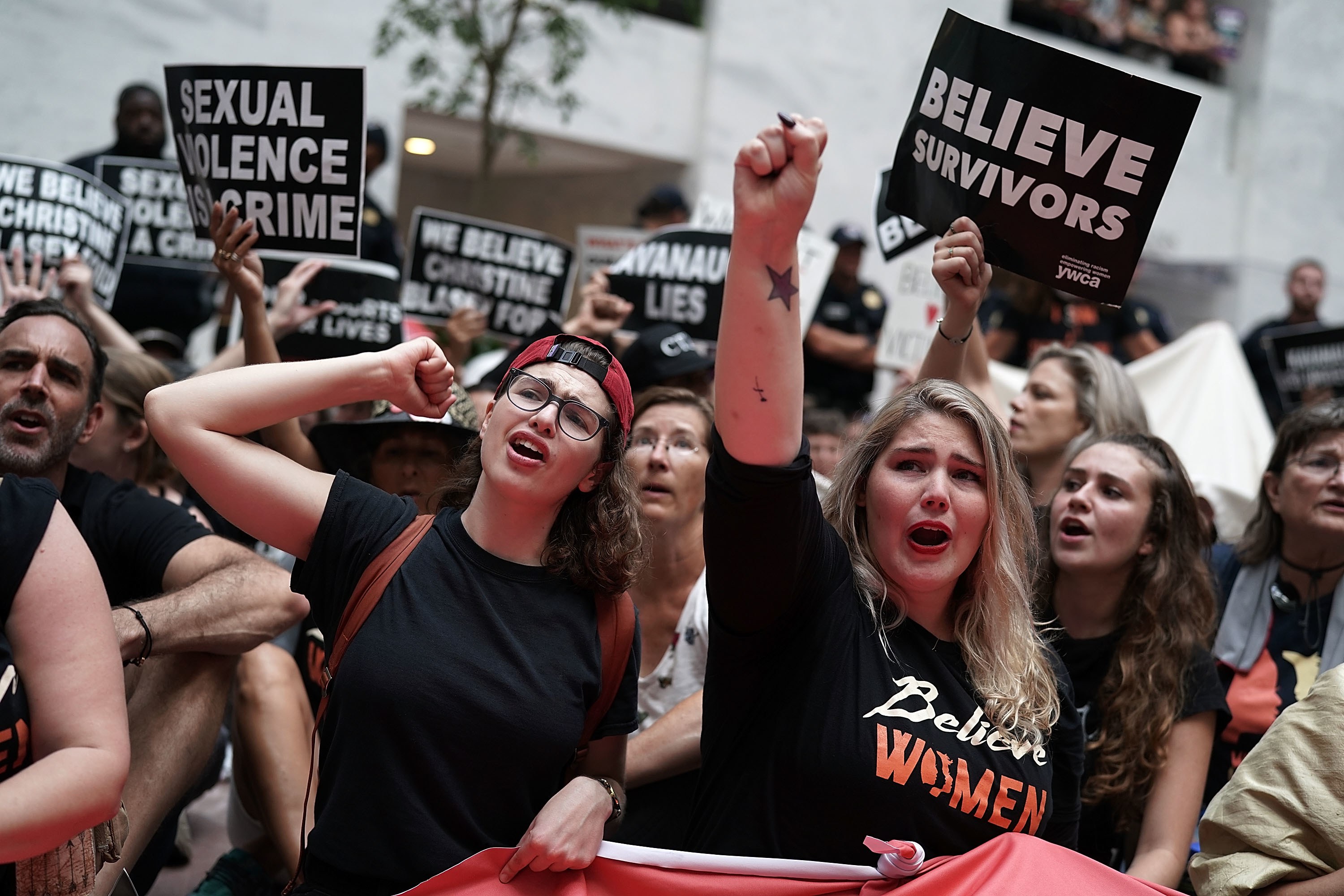
If you’re anything like me, the totality of the Brett Kavanaugh nomination and all that has come with it has wreaked havoc on your brain, your soul, and your spirit. I’m furious. I’m sad. I’m somehow both emotionally spent and energized at the same time. And I’ve given myself whiplash vacillating between hopeful and utterly distraught about America’s future—especially for women.

On Friday, the GOP-led Senate plowed ahead, as Sen. Mitch McConnell (R-Ky.) promised, with a final vote presumed to happen on Saturday. And at the conclusion of her speech on the Senate floor this afternoon, Sen. Susan Collins (R-Maine) announced that she would vote to confirm the nominee. She delivered what felt like an endless defense of Kavanaugh that seemed to prove she had never been quite on the fence about him after all.

Democrat Joe Manchin (D-W.V.) released a statement soon after Collins’ speech that he is also a “yes” on Kavanaugh. As it stands now, someone who’s been accused of sexual assault by a woman whom President Trump himself deemed a “credible” witness will be confirmed to sit on the United States Supreme Court for the rest of his life.

Far be it from me to tell you how you should process this entire mess. (I’ve wept, screamed aloud in my apartment, self-soothed with sugar, and tried to write my way through it.) But I’ve also learned that when I can channel my rage, passion, and, yes, pain into something more tangible, I feel a hell of a lot better. So, a proposal: join me?

This weekend, three of my favorite progressive organizations—Planned Parenthood Action Fund (PPFA), Swing Left, and Organizing for Action—have banded together to create a Women’s Health Day of Action. And it’s tomorrow, October 6—as in Saturday, the day that Kavanaugh might just win his nomination battle.

Their goal is simple: to help elect pro-women’s health candidates and regain a progressive majority in the House of Representatives. To that end, they have identified 16 House districts in seven states to support on October 6. Hundreds of volunteers will be working with the campaigns directly to knock on tens of thousands of doors to get out the vote in November. (In some districts, the candidates themselves will be participating.)

It’s time to activate our anger (again), ladies—and I’m all the way in.

“Everything is on the line in 2018. Women are fed up with politicians dismissing survivors of sexual assault, undermining access to Planned Parenthood health centers, and reshaping the Supreme Court to gut the constitutional right to safe, legal abortion,” says PPAF President Dawn Laguens. “Women are poised to serve a reckoning this November that is decades in the making, and this partnership is a signal that we’re all right there with them. We know that, together, our voices are too powerful to ignore.”

Literally—they are. One in five people have participated in protests since 2016, according to a Washington Post/Kaiser Family Foundation survey. And the number one issue that’s gotten them on their feet? The rights of women.

“The level of engagement and enthusiasm OFA has seen this cycle, among seasoned organizers and brand new volunteers alike, has been overwhelming – and women have been leading the charge,” says Katie Hogan, Executive Director of Organizing for Action. “It’s a phenomenon we’ve seen dating all the way back to the Women’s March, and that passion has only intensified as it’s become increasingly clear how much is at stake in November. We’re thrilled to be working in lock-step with both new leaders in the progressive space, like Swing Left, and long-time powerhouses of activism, like Planned Parenthood Action Fund, to elect representatives who will echo these voices in Washington.”

Here are the 16 districts that volunteers will target this weekend—and through the midterms on November 6. You can sign up to volunteer here.

  • AZ-02: Ann Kirkpatrick-CA-10: Josh Harder

  • CA-45: Katie Porter

  • CA-48: Harley Rouda

  • IA-01: Abby Finkenauer

  • IA-03: Cindy Axne

  • NJ-11: Mikie Sherrill

  • NJ-07: Tom Malinowski

  • NJ-03: Andy Kim

  • TX-32: Colin Allred

  • TX-07 : Lizzie Fletcher

  • TX-23: Gina Ortiz Jones

  • VA-10: Jennifer Wexton

  • VA-02: Elaine Luria-VA-05: Leslie Cockburn

  • VA-07: Abigail Spanberger

And if you don’t happen to live near one of those districts, don’t despair. Getting involved wherever you are couldn’t be easier. Contact the field office of a local candidate you support and volunteer to canvass or phone bank. Reach out to friends and relatives who aren’t routine voters to make sure they are registered (many state deadlines are fast approaching). Ask them to pledge to show up at the polls on November 6 at a site like Vote Save America.

“If we want to protect women’s health from the constant Republican attacks, it’s not enough to just vote this year. We need each and every person to knock on doors and make calls so that we can break out of our silos and bring about electoral change,” says Swing Left Political Director Katie Hogan.

LETS END WITH SENDING AUDIENCE TO SEXUAL ASSAULT RESOURCE POST IF THEY ARE FEELING TRIGGERED./story/national-sexual-assault-hotline-calls-jump-kavanaugh-news

MORE: During Christine Blasey Ford’s Testimony, Contempt for Women Was on Full Display


Source link