Categories
Health

Princess Diana’s Butler Shared the Sweetest Letter She Wrote About William and Harry


It’s been almost 23 years since Princess Diana tragically died in a car accident at the age of 36, and yet there’s still so much we don’t know about the woman known as the People’s Princess.

One thing has always been certain: Her sons, Prince William and Prince Harry, were the most precious things in the world to her. Now a new never-before-seen letter is proving just that once again. Paul Burrell, Diana’s former butler, has often spoken to the press about the princess in the years since her death, much to the chagrin of some who’d prefer to keep her secrets…secret. But the new correspondence he released this week is simply very sweet.

Julian Parker/UK Press via Getty Images

“As Harry, Meghan and Archie embark on a new life, I am reminded of some poignant words which Princess Diana wrote to me many years ago,” he wrote on Instagram, alongside a black-and-white photo of the three royals. “They are a mother’s words of unconditional love, which are as appropriate today as they were when she wrote them over 24 years ago.”

The note was apparently written not long before Diana died in 1997. “I love my boys to death and hope that the seeds I’ve planted will grow and bring the strength, knowledge, and stability that is needed,” she wrote to Burrell. The words could apply to almost any mother talking about her children and her hopes for their futures.

Of course, we’ll never know what Diana thinks of her sons’ paths in life, but many commenters thought the note gave insight into how she would have reacted to Harry and Meghan’s decision to step back from royal life. “You offer the most sober, loving reminder that Diana provided the Princes with the finest grounding and love for service to humanity. She would want @sussexroyal to find their way to that, in their own, authentic fashion,” one user wrote.


Source link

Categories
Health

After My Dad Died, I Started Sending Him Emails. Months Later, Someone Wrote Back


As expected, I only found about 10 emails between us in as many years of Gmail use. The revelation was not in anything I read but in the mere typing of his name—an icy wave of relief splashing me in the face. How good it felt to write his name for no reason, in a place that only I could see, and not on some piece of paperwork related to his death or in response to some well-wisher’s post on Facebook. It was like charging a magical sigil. I’d never been one of those writers who attached fetishistic significance to the physical act of writing (or to books themselves, or paper). But I finally understood how those writers felt. Writing to my father, I realized, was a charmed act. It didn’t summon him, but it raised the friendly shadow of him in the room; that was something.

I began writing him emails. I didn’t send them at first. Typing his email address into the “recipient” bar was enough to conjure up his listening presence. For months I transcribed the hostile anguish in my head into emails to my father, which I would then seal off with the addition of his email address and save in my drafts folder. It was the high school diary, unfiltered. He would never find out how it ended now; it felt good to “tell” him.

The first time I pressed “send,” it was by accident, and I was horrified. I was worried not that someone would receive and read the email, but that the recipient address would bounce back a message that the account had been deactivated.

I stared at my inbox for a minute, waiting for the inevitable. It never happened. The email address was still active.

So I continued the ritual, except now I sent those long-winded emails out. I wrote to my father anytime I needed him. In my letters, I tried to talk myself around to whatever he would have said to me, hoping I could reverse-engineer the advice he might have given me. Then I pressed “send,” which never stopped being thrilling—I’d sidestepped the finality of death and found a plane where my father could thrive unchallenged. I put disclaimers at the beginning of every email: Hey, if you can somehow read this, please ignore it; hey, I don’t think anyone’s checking this email, but if you are then please just delete without reading; I’m lonely, I’m grieving, I miss my father, nothing to see here. But nobody ever responded.

One day, a year and a half later, someone did respond—not from my father’s email address, thank God, or I likely would have passed out at my desk. Still, it was frightening to see another email address from the same Workplace suite, with the same subject line. I don’t know what I was frightened of, exactly. Only that the stakes felt terribly high. I’d forgotten the cardinal rule of doing anything online, even sending emails to a dead person’s inbox—everything that happens online can be witnessed by an audience.

The response I received is the reason you’re reading this, because I posted it on Twitter and it went viral. “I’m sure you remember me,” my father’s former coworker wrote. “I want you to know that I never read these emails because I can tell they are very personal. But I do see them coming in and I can see that you must still miss your dad terribly.” There was more; I’m self-conscious about typing it all out, because of how generous it was for this person to not only share memories of my father with me, but to interpret them, color them with our shared understanding of what my father and I had been together. Like, for example: “Watching the two of you together wisecracking…it was like watching a Mel Brooks movie.”

Right after he died, all I ever wanted to do was talk about how great my dad was. People never quite related to that urge properly, leaving me feeling frustrated and thwarted at every turn. I was so dialed into my grief that it was unimaginable to me how people could talk to me about anything else. I wanted other people to tell me funny stories that made my father sound as cool and charming as I’d always believed him to be, without my having to ask for it. That was the thing that my dad’s old coworker did for me. I shot the signals of my mourning into space for months, fully expecting them to die unreceived. And when I least expected it, someone sent signals back that said, “You are not the last living witness to the relationship you had with your father.”


Source link

Categories
Health

Alex Rodriguez Wrote a Heartwarming Note to Jennifer Lopez After Her Golden Globes Loss


Jennifer Lopez was nominated at the Golden Globes Sunday night (January 5) for Best Supporting Actress for her performance in Hustlers. Unfortunately, she didn’t win (Laura Dern did for Marriage Story), but I have a feeling she isn’t sweating it—especially not after the sweet note her fiancé, Alex Rodriguez, posted to Instagram.

Shortly after the Golden Globes wrapped, the baseball veteran wrote this tribute to Lopez:

“Jen, it doesn’t take a trophy, medal, or plaque to identify a true champion. To millions of young women who have watched you and have been inspired and empowered to do amazing things in their lives, you are a champion. For countless musicians, dancers, actresses, and performers who have seen and emulate your passion, drive and work ethic to find their own success, you are a champion. To your children, your family, your coaches, your staff, and your extended family, you are a champion. To everyone whose lives you enrich daily, you are a champion. And don’t you ever forget it.”

See the post for yourself, below:

Instagram
Alex Rodriguez Instagram
Instagram

Of course, those who follow Alex Rodriguez and Jennifer Lopez‘s relationship closely shouldn’t be surprised by this public display of affection. He’s always showing that he’s her number-one fan—whether that’s through being the perfect Instagram fiancé on the red carpet, or just saying the most affectionate words.

“I can’t believe it’s been two years,” he wrote on Instagram in February 2019 in honor of their two-year anniversary. “Only 730 days, which have flown by, but it feels like we have been together forever. We are meant to be, and how much you mean to me cannot be put into words.” He added, “Like you there is none other. Words will never do justice to what the last two years have meant to me. Thank you for always being you, for your unwavering support and unconditional love.”


Source link

Categories
Health

Meghan Markle Just Wrote a Powerful Letter About Access to Higher Education


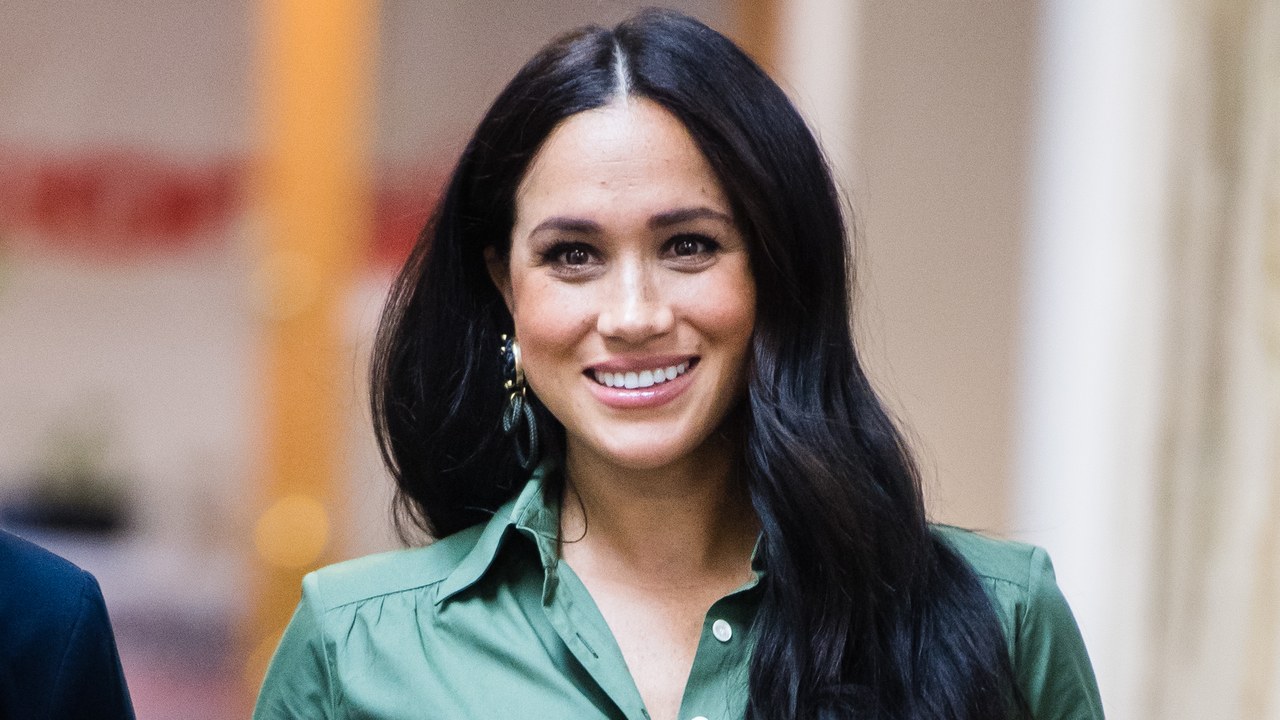
“I am proud to be patron of the ACU and all that it stands for, as we champion those seeking a higher education and commit to making this world a better place – together,” Markle wrote.

Education access has been an important cause for the Duchess of Sussex, who graduated from Northwestern University in 2003 with a double major in theater and international relations, since well before she became a royal. She has spoken publicly about it on a number of occasions since marrying Prince Harry in 2018. In January, she met with students from one of the ACU’s 500 university members:

“As a university graduate, I know the personal feeling of pride and excitement that comes with attending university,” she said in a speech during the couple’s royal tour in Fiji. “From the moment you receive your acceptance letter to the exams you spend countless late nights studying for, the lifelong friendships you make with your fellow alumni to the moment that you receive your diploma, the journey of higher education is an incredible, impactful, and pivotal one. I am also fully aware of the challenges of being able to afford this level of schooling for many people around the world, myself included.”

You can read Meghan Markle’s entire letter here.


Source link

Categories
Health

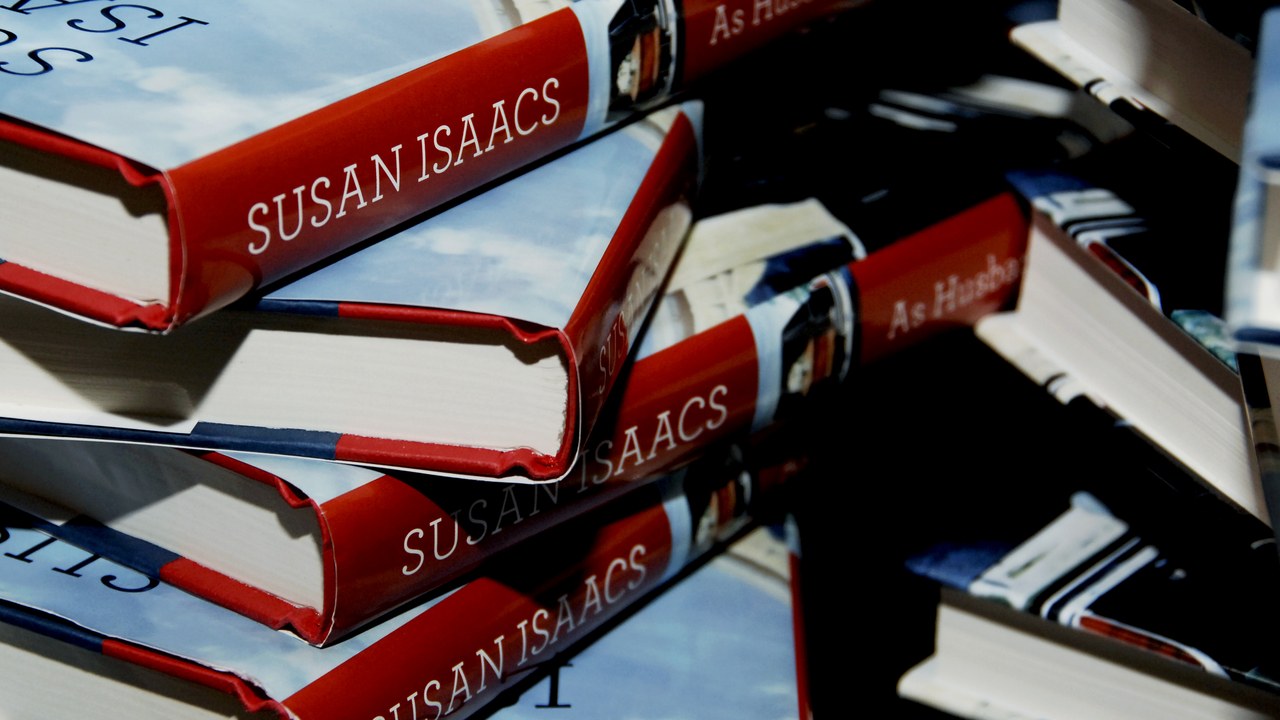
Susan Isaacs Wrote Books About Feminist, Flawed Heroines Before It Was Cool. Now What?


I arrive 15 minutes early to the Upper West Side restaurant where I am supposed to meet Susan Isaacs to talk about her new novel, Takes One To Know One. This only because I had spent the previous half hour loitering at a nearby coffee shop, uncharacteristically nervous. Biting my nails nervous. Extra shot of espresso nervous.

Isaacs, a novelist who has published 16 books, isn’t the most famous author I’ve interviewed, but she is the one who provokes the most agita. The morning of our interview, I think about why Isaacs’ work matters so much to me—and how bereft I feel when I would talk to other women, other writers my age or younger, who don’t get it. Reading her felt as if one of my relatives had written novels, the tone so familiar to this suburban Canadian Jewish girl, yet foreign enough with their American (and sometimes, international) settings.

I’ve met and interviewed writing heroes before. Almost all have been gracious and kind. Sue Grafton, author of the Kinsey Millhone private detective series, blurbed both of the crime fiction anthologies I edited at a time when she’d all but stopped endorsing new books. (It was an honor to deliver this tribute at Grafton’s 2018 memorial service, too.) Dorothy Salisbury Davis shared priceless memories of her life and work, and the other crime writers she knew during her mid-century heyday, during an afternoon visit a year before her death in 2014. And the several occasions I’ve met and interviewed Mary Higgins Clark, the “Queen of Suspense,” who at 92 years old still shows younger writers how it’s done.

None of them made me as nervous as Susan Isaacs does.

Isaacs’ debut novel, Compromising Positions, was an instant hit upon publication in 1978 and something of a unicorn in suspense fiction, thanks to the perspective of bored Long Island housewife-turned-amateur sleuth Judith Singer. Her voice rings out in a rich, alto, D-minor key (Relaying a description of the murder victim, a Lothario periodontist with a penchant for illicit photographs of his lovers: “The man had a body that made her want to learn how to carve marble.”)

Even with second-wave feminism in full swing by 1978, the fact that the book’s heroine was 34 is notable. In an era in which 24 was deemed “over the hill,” Singer would have been deep into middle age. Women like her were supposed to be invisible. But here was this dynamic woman casting off the protests of her friends and her condescending, fat-shaming husband to play sleuth.

“Susan knows Long Island like Charles Dickens knew London or like Raymond Chandler knew Los Angeles,” Jennifer Weiner, who has long acknowledged the influence of Isaacs upon her novels—Goodnight Nobody is outright homage to Compromising Positions—told me by email. “Her narrators are unforgettable characters who feel like smarter, wiser, versions of you and your best friends, and she gives them happy endings that don’t feel cloying or unobtainable.”

Novels like Compromising Positions—commercial fiction, made more Jewish—didn’t get published four decades ago. Novels like this paved the way for Isaacs to publish whatever she damn well wanted, whether social comedies mixing marriage and politics (Close Relations), sweeping multigenerational sagas (Almost Paradise) feminist King Lear rewrites (The Goldberg Variations), or Jewish-inflected spy stories (Shining Through, much, much better than the Melanie Griffith movie). Her novels featured women who were funny and flawed, brave in deed if not in thought, without being “feisty” or “spunky.” I wasn’t the only reader who loved Isaacs’ novels. Each of them hit the New York Times bestseller list.

“There used to be this condescension towards domestic fiction,” Meg Wolitzer, author of The Female Persuasion, who has known Isaacs since she was a sophomore in college, tells me. “I’m not sure we’ve fully left that time, depending on who is reading and criticizing. But I believe strongly there is something really worthwhile to say about the lives of characters who might not be empowered. Susan has a way of calling things out without being polemical.”

Wolitzer’s mother, the novelist Hilma Wolitzer, whose four-decade old friendship with Isaacs began when they both joined a fiction workshop for women writers, is equally admiring: “Her books are delicious, but they are not light. They have a lot of texture and layers.”


Source link
Categories
Health

Blow Job Techniques Are Overrated, Says the Woman Who Wrote a Show About Them


And to me, the ways in which a blow job veers away from that imagined semen milking machine are not limitations. The closer you can make your mouth into a jerk-off device, a lubed-up flesh light, etc, what have you won? In fact, I argue that only once you’ve learned to retain and revel in whatever you perceive your specific limitations to be, there, then, you will have found your blow job voice.

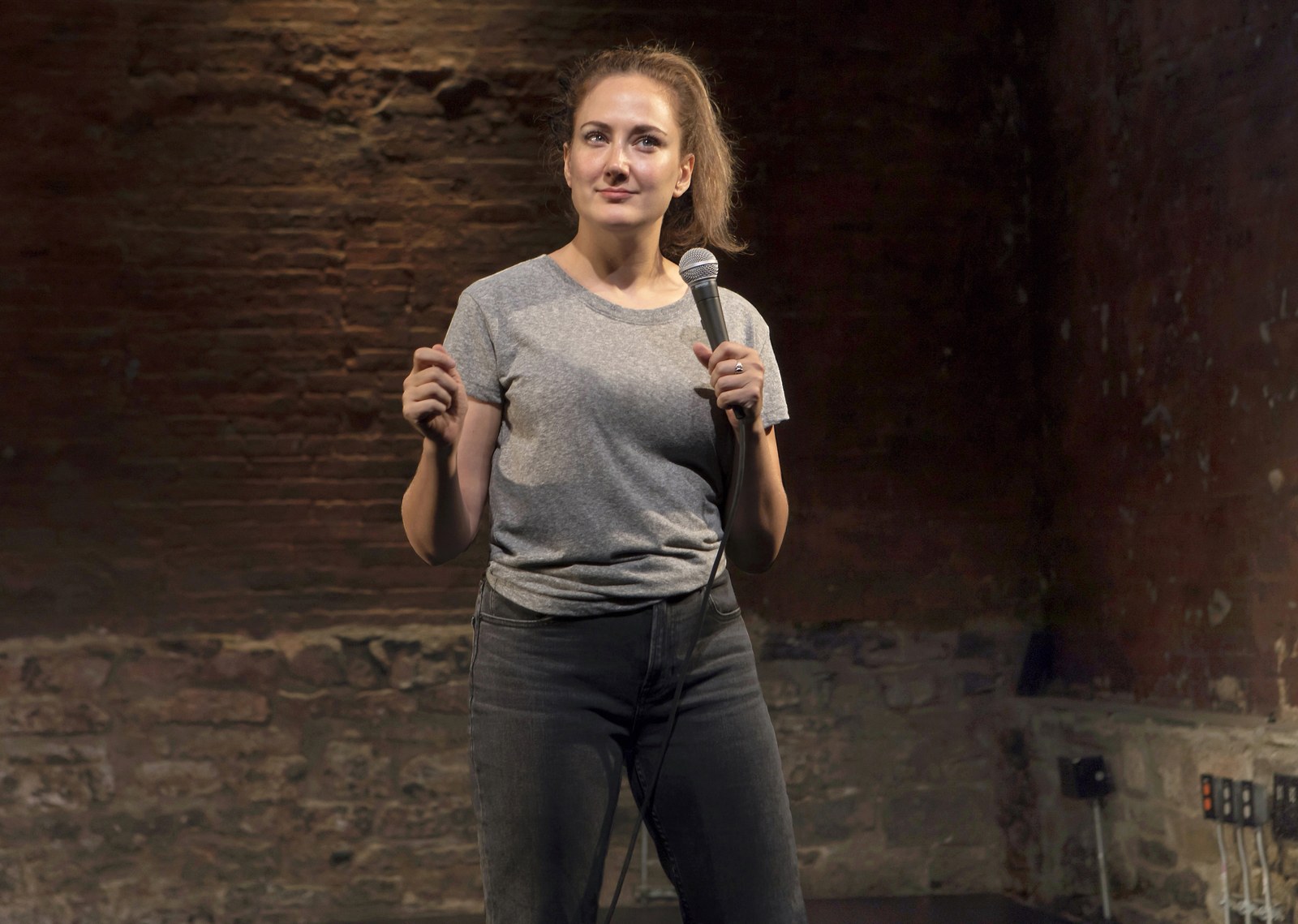
Jacqueline Novak during her one-woman show Get On Your Knees.

Monique Carboni

Cast out the swirl of concerns on technique in favor of a simple notion: that putting your face near someone’s dick is already radically sexy. It’s generous. Not in terms of providing an orgasm, but in terms of being willing to have someone stare at your face so close to their dick. Your face is the center of your dignity, your most specifically you place. It’s the big front facing fingerprint, that which will remain, past death, in a gorgeous portrait on your grandchildren’s stairwell, in a newspaper clipping about your greatest achievement, in your loved one’s locket. The willingness to put that, your site of dignity, posterity, identity, the most recognizable part of yourself, right up near someone’s silly dick! That’s so cool.

And it’s not just cool because it’s your face, but also because it’s your mind. They say “giving head,” and I never liked the term, but there’s a metaphor there I can get into the spirit of. To bring a dick right up into your skull, into the realm of your beautiful brain, your seat of memories, curiosities, notions, and dreams…there’s a kindness there. To elevate the simple, pulsating penis by bringing it so close to your sparkly, neon, neural network, nothing but a roof a mouth between the two? It’s like inviting a dog into your special study, a library of your rarest books. You’re letting someone’s wet dog roll around in the site of your most glittering wonder.

Any intersection of your face, mind, mouth with someone’s dick? It’s outrageous, and it’s enough. So if someone says, “What in the hell kinda blow job was that?” You can say, “That? That was my head on a stick.”


Source link