Categories
Health

Elizabeth Warren Called Out Mike Bloomberg's Treatment of Women at the Latest Democratic Debate


Senator Elizabeth Warren (D-Mass.) came out hot for the latest Democratic debate, held on February 19 in Las Vegas, Nevada. Her first target? Billionaire and former New York mayor Mike Bloomberg, who took the debate stage for the first time since entering the 2020 presidential race.

Warren set the tone within the debate’s first minutes, comparing Bloomberg to Donald Trump. “I’d like to talk about who we’re running against a billionaire who calls women ‘fat broads’ and ‘horse-faced lesbians.’ And, no, I’m not talking about Donald Trump. I’m talking about Mayor Bloomberg,” Warren said. “Democrats are not going to win if we have a nominee who has a history of hiding his tax returns, of harassing women, and of supporting racist policies like redlining and ‘stop and frisk.'”

Bloomberg’s controversial “stop and frisk” policy, which disproportionately targeted black and Latino New Yorkers and was ruled unconstitutional, was a major subject of conversation last night, with Warren adding, “When the mayor says that he apologized, listen very closely to the apology. The language he used is about ‘stop and frisk.’ It’s about how it turned out. No, this isn’t about how it turned out. This is about what it was designed to do to begin with.”

Warren also took Bloomberg to task over allegations within his company of sexual misconduct and gender discrimination against women. Bloomberg tried to highlight women he’s promoted and supported over the years, but Warren wasn’t having it. “I hope you heard what his defense was—’I’ve been nice to some women. That just doesn’t cut it,” she said. She further called on Bloomberg to release women from the the NDAs they’d signed at his company so that the country could hear their stories. “We are not going to beat Donald Trump with a man who has who knows how many nondisclosure agreements and the drip, drip, drip of stories of women saying they have been harassed and discriminated against,” Warren continued.

Twitter was buzzing over Warren’s fiery performance. “I don’t know why you guys are surprised. Elizabeth Warren has been taking down rich guys trying to run a grift on you her whole career,” Ashley Nicole Black tweeted. “This is what she was made for. This is just a taste of how she’s going to handle Trump.”

And it would appear that it wasn’t just lip service on social media—the Warren campaign announced they raised $2.8 million last night, the best 24-hour period of fundraising ever.

The next Democratic debate will take place on February 25 in Charleston, South Carolina.


Source link

Categories
Health

Best Acne Treatment for Every Type of Acne


Acne is one of the most confusing (and not to mention distressing) skin conditions out there, as is figuring out the best acne treatment to address it. Take it from someone who’s been there, what works for one person can turn a minor breakout into a full-blown situation for another.

But not all hope is lost. While it can feel like you’re the only one dealing with acne, 90% of Americans experience it at some point in their lives (around 20% of them being women 26 and older). And while not all skin reacts the same, there are some key similarities in both why you’re experiencing breakouts, as well as the products you should look for to calm them. Before you even try to find the best acne treatment, it’s important to know exactly what type of acne you’re dealing with, so you can target your treatment accordingly.

What Causes Acne?

According to New York City dermatologist Shari Marchbein, M.D., all acne can be traced back to four main causes: Clogged pores thanks to “sticky” cells, bacteria, oil production, and hormones. All of these factors combine to cause each different type of acne, but some cause certain types more than others.

When trying to treat acne, Marchbein notes that it’s just as important to keep the intensity of your acne in mind, not just the type. For anything above mild acne (meaning, occasional breakouts that aren’t inflamed), you should make an appointment with a dermatologist sooner rather than later. “I never think it can be too early to go see a dermatologist,” she says. “If you’re getting hyperpigmentation—darkening of the skin from the inflammation left from the acne—you want to seek care immediately.” Another way to know it’s time to make a trip to the derm? You’ve tried over-the-counter products, and they don’t seem to be making a change. “Most acne treatments will clear your skin in three months, so if by two months you’re not seeing good results, you need to see your dermatologist,” says Marchbein.

Ahead, we break down the most common types of acne you might be dealing with, as well as how to treat it at home, and when to see the derm.

Blackheads

Bella Geraci 

The most mild form of acne are comedones, which are caused mainly by those “sticky” cells Marchbein was referring to. Comedones can be open, like blackheads, or closed, like whiteheads. “Comedone refers to plugging of the follicular opening,” says NYC dermatologist Elizabeth Hale, M.D., referring to hair follicles that technically cover your entire face and body. So a blackhead is the mixture of dead cells, bacteria, and grime that builds up and hardens in the follicular opening—but it’s open to the world, which is why you may be tempted to squeeze them.


Source link

Categories
Health

Accutane Side Effects: 9 Things to Know About the Acne Treatment


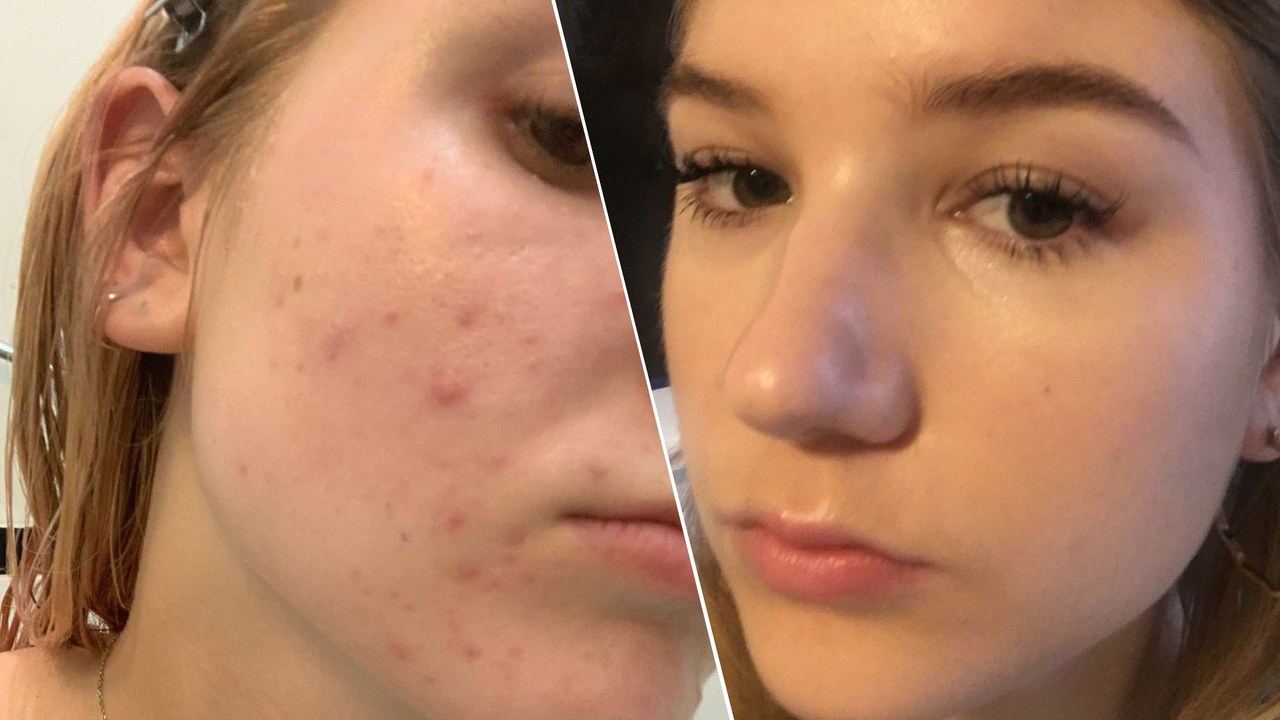
The first time I really noticed my acne, I was in the seventh grade at a sleepover with friends, and we were playing with makeup. I had just swept on baby blue eyeshadow and a hideous frosted lipstick. It was very Lizzie McGuire, and it was everything. But while checking out my masterpiece in the mirror, I noticed a small eruption of red pimples on my forehead and cheeks. I suddenly went from loving my makeup to wanting to bury my head under my pillow. Still, it wasn’t the worst; I was comforted to notice that my friends had breakouts, just like me. I figured it was a rite of passage—like bleeding through my pad or an awkward first kiss.

When high school began, my acne hadn’t gotten any better, and it wore down my already low self-esteem. I felt so self-conscious that I would wake up first at sleepovers so I could cover my pimples with concealer. I turned down after-school plans when I didn’t have makeup in my bag to touch up, and applied another layer of foundation before heading to my dance classes (which, looking back, probably contributed to the problem). After raiding the drugstore for over-the-counter treatments with little success, my mom finally took me to a dermatologist at the start of my junior year.

At first, I went on a series of topical medications (not effective enough) before moving on to an oral antibiotic, which didn’t stop my acne completely, but made enough of a difference for me to start to feel good about myself. My remaining breakouts were generally limited to my chin, but they were cystic, painful, and most irritatingly, constant. I always had at least two deep red pimples that would inevitably scar.

By the time I got to college my acne was no longer just an insecurity, but a huge factor in my worsening mental health. I felt trapped in my own skin, to the point where I refused to go out on weekends. I was constantly comparing myself to other women and feeling increasingly worthless. I had always placed value on my appearance and was preparing to enter the beauty industry. It weighed on me.

After a brief experiment with spironolactone, a blood pressure medication used to fight hormonal acne, that hit a wall, my dermatologist finally suggested I go on isotretinoin—commonly referred to as Accutane, a now discontinued brand. At the time, I was about to graduate and desperate to try anything that could clear up my skin.

Now, it’s been a year after I finished my treatment. And ultimately, I’m so glad I did it. I wouldn’t go so far as to call it life-changing, but it absolutely had an effect on my outlook and how I feel about myself. My skin today isn’t perfect, but it’s leaps and bounds better. It wasn’t an easy process, though. Going on isotretinoin is a serious undertaking that involves pregnancy tests and flaky skin. The decision to go on this medication shouldn’t be taken lightly. Read on for the nine things I wish I knew before going on isotretinoin and what you need to know about Accutane side effects.

It works like a topical, but stronger.

Isotretinoin is an oral retinoid, so it behaves in a similar way a topical retinoid would, just at a much higher strength. It regulates the way dead skin cells are shed, so there’s less build up and pore clogging. It also reduces oil gland size and production by up to 90%, which is why dry skin is such a common side effect.

You’ll need to avoid alcohol.

Most doctors recommend avoiding alcohol during treatment, which is something to consider before committing to the medication. However, the level of strictness varies; some doctors suggest not drinking at all, while others are a little more lenient depending on your family history and other factors.


Source link

Categories
Health

Is Sound Wave Therapy the Orgasm Treatment of the Future?


I haven’t been paying enough attention to my clitoris. That’s the first thought that floated into my brain as Briana Oster, M.D., a former pediatrician who now works at Revitalize Laser Care’s Denver office, talked me through a diagram of the female sexual organ as I prepared for a non-invasive med spa treatment that promised to improve my orgasms through the use of sound waves. “We’ve been focused on the top part”—the small, external bulb at the top of the vulva—she explained, pointing to an illustration. “But there’s a lot more going on.” Which brought me to my second disconcerting revelation: Have I been having sex all wrong?

Thankfully, I haven’t, you’ll be happy to know, but there’s always room for improvement. Enter Cliovana, a painless, noninvasive treatment which aims to increase arousal levels, orgasm frequency, and orgasm intensity, by stimulating the clitoris via sound waves. I had to know: Was this the future of better orgasms?

Biohacking Your Orgasm

As shocking as it may sound, the full clitoral anatomy wasn’t really known until the 1990s, and we’re still learning about it: It wasn’t until 2009 that the first 3-D image of a clitoris was created. Why’s that important? Because what many of us have long thought of as the clitoris—that external almond-sized nib Oster was talking about—is just the tip, as a fellow writer put it, of the clitoral iceberg. In fact, the clitoris extends much further, surrounding the vulva on either side like a wishbone. Meaning there are a whole bunch more nerve endings that can be aroused to stimulate orgasm than we previously thought.

Lucky for me, orgasming isn’t a routine problem, unless I’m stressed, which, I’ll admit, has been a near-constant state recently. Many women are having a different experience: A study published in the Journal of Sexual Medicine in 2014 found that just 62.9 percent of women experienced an orgasm with a familiar partner, compared to 85.1 percent of men. Researchers have dubbed this the “orgasm gap.”

At 31 years old, however, I have noticed a reduction in lubrication and that it takes longer to get aroused than it once did. When I heard that Revitalize Denver would be the first clinic in the country to offer Cliovana—I decided to give it a try. If it worked, it’d be a fun, and hopefully stimulating, early wedding present for myself and my fiancé.

At my first appointment, I settled onto the exam table, pants- and underwear-less, with a paper sheet covering my bare lower half. (A pre-appointment email recommended I “trim [my] pubic hair to facilitate better results.”) Dr. Oster had already walked me through the basics: Cliovana uses sound waves to promote the creation of new blood vessels and increase nerve sensitivity—in other words, make your whole clitoris more responsive. Patients receive the $2,000 treatment four times over a two-week period, with each appointment lasting about 10 minutes. (Full disclosure: Revitalize offered me the procedure free of charge.)

Unlike FDA-approved medications or the O-Shot, Cliovana is performed externally, and it’s solely designed to enhance female sexual satisfaction. (While the sound wave device Cliovana uses is FDA-approved, the procedure itself is what’s known as “off-label.”) “We don’t treat a condition,” said Keri Hall, Cliovana’s executive vice president of business development. “It’s for any woman who wants improved sexual satisfaction, orgasm intensity, frequency, and increased arousal levels and lubrication. It’s for any woman who feels as though she’s not completely satisfied.”

The sound wave technology behind Cliovana is relatively well-supported by science for a variety of other uses. It’s been used by urologists to break up kidney stones since the 1970s and more recently, the energy has been directed toward the penis as a potential aid for men dealing with erectile dysfunction. (So far, the clinical trials are promising.) But Cliovana is the first time this sound wave technology has been applied to women’s sexual organs. That may explain why I felt a bit like a lab rat as Oster placed a bell-shaped plastic cup over my clitoral hood, aka the part we all know about; for about three minutes, a gentle tapping ensued, meant to bring blood flow to the surface and prep the area for treatment. It was an odd sensation, but not painful or uncomfortable.


Source link

Categories
Health

Park Prescriptions Are Gaining Steam as A Mainstream Medical Treatment


As a freelance writer, I’m one of the growing number of women who spends her day hunched in a near-constant state of anxiety over her desk. My life centers around deadlines, often breathlessly tight ones, and the constant hustle to keep myself afloat is taxing. It started to wear on me.

Wired and with an increasingly painful tension in my neck and shoulders, I recently found myself unable to sleep, a problem that triggered a snowball effect of other health issues: decreased attention span and difficulty concentrating, a weakened immune system, increased irritability.

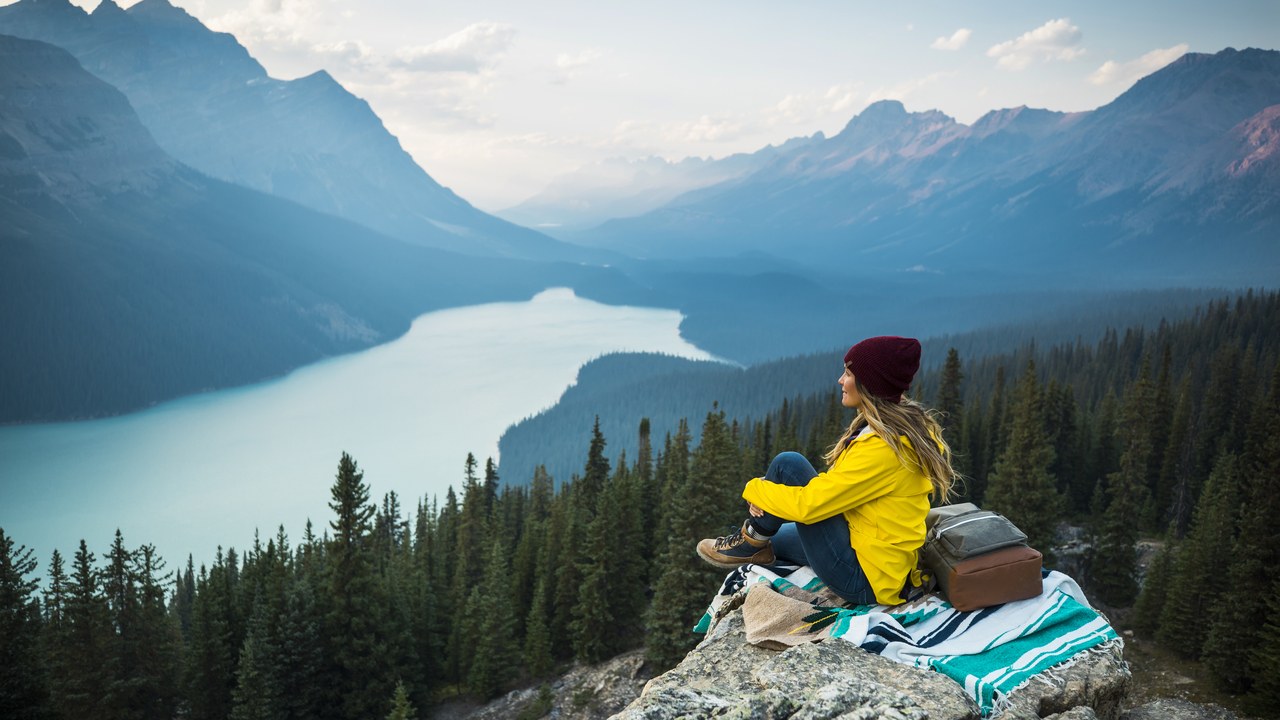
Unsurprisingly, my doctor promptly diagnosed me with chronic stress. But I was surprised by my prescription: spend more time outside.

The Park Ranger Will See You Now

Park prescription programs—the official name for the Rx I was given to help treat my debilitating stress—may sound like the latest woo-woo wellness trend but they’re actually gaining steam among mainstream medical providers.

Here’s how it works: in lieu of a more traditional method of treating stress and anxiety, like meditation or therapy, a doctor might give you a referral to a local green space. “In the ideal clinical setting, doctors talk with patients about how far to walk, help them find a space to walk”—sometimes using a specific local trails program—“and set small goals, like going outside three times per week for a half hour per session,” says Kristin Anderson, M.D., a family physician in Missoula, Montana, and a member of the state’s Trails Rx program. That prescription goes right into your electronic medical record so your doctor can track your progress—just as you’d book a follow up appointment after being prescribed a new medication, your doctor would check in on how things are going, how you’re feeling, and whether your prescription needed any adjustment. “It’s really similar to how you prescribe medicine,” Anderson says. At follow-up appointments, doctors might measure things like BMI, blood pressure, or mental health outcomes in order to quantify results.

It’s important to note that nature prescriptions don’t mean medications are becoming irrelevant. “Medications and other therapies have very important roles in disease management,” Anderson says. Many conditions from depression to diabetes can’t be cured with self-care alone—if you need meds, you should take them. Prescribing time in nature is often about working in tandem with traditional drugs, Anderson says. “Nature prescriptions highlight the cross between the importance of medical management and behavior change. When that synergy occurs, patients are more likely to see lasting benefits and meaningful results.”

The science behind a park prescription is legit. Hundreds of studies link time outside to better health outcomes: lower blood pressure and heart rate, better immune system function, lower stress. Two hours spent outside a week is all you need to reap the benefits, according to a 2019 study from Scientific Reports. Doctors are so convinced by the healing power of Mother Nature that park prescriptions are gaining traction as recognized medical treatments for a range of conditions: heart disease, hypertension, high cholesterol, diabetes, chronic stress, depression, anxiety, insomnia, and even PTSD.

While a growing body of research (and number of#forestbathing posts on Instagram) suggests simply going for a walk in the park can do your brain and body good, many nature Rx programs are more structured. “There’s a vast array of different types of programming across the country, but they all have one thing in common: a referral from the health care side, and a partner on the public lands system side that can connect with the patient and provide the actual prescription,” says Diane Medley, director of the Institute at the Golden Gate. One program in California, Stay Healthy in Nature Everyday (SHINE) busses groups of patients, doctors and naturalists to local parks each month for a dose of nature and social connection. Other programs include guided walks with a park ranger, trailhead displays, or a tie-in to the national Walk with a Doc program where people can ask questions and learn about health from a local physician.


Source link

Categories
Health

Selena Gomez Speaks Out Against 'Inhumane' Treatment of Immigrant Children at the Border


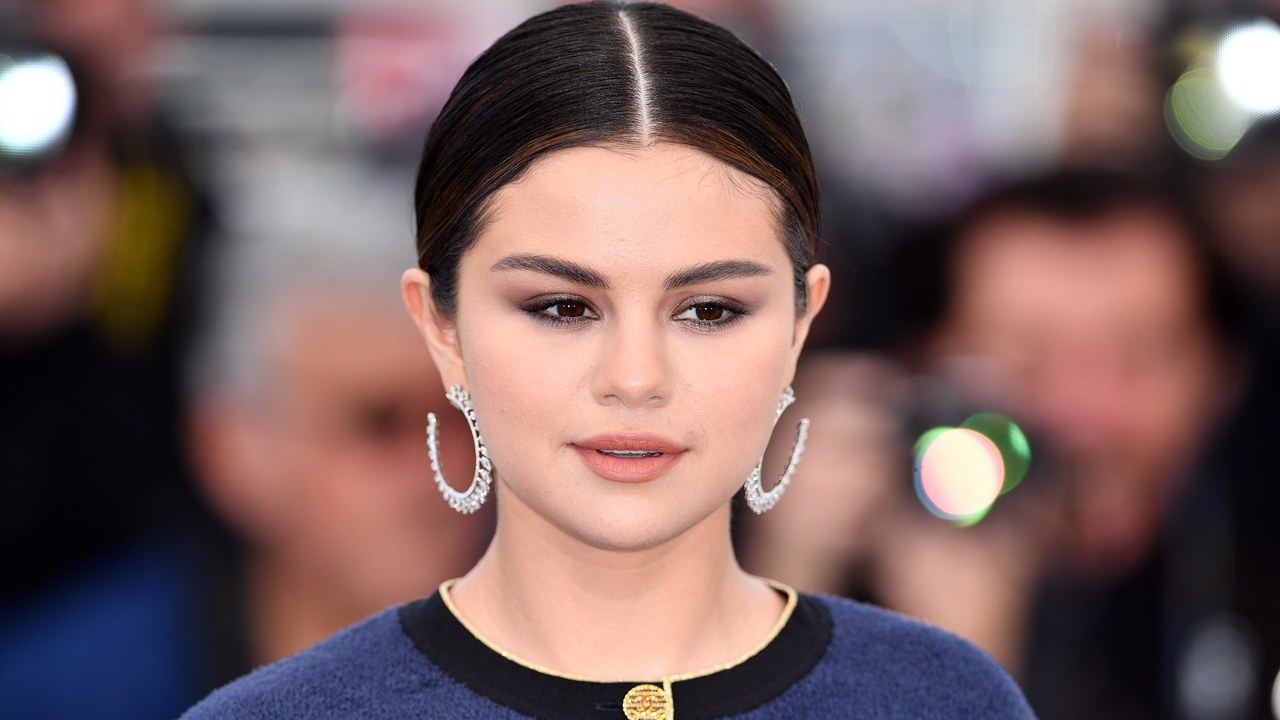
Following recent disturbing reports about the treatment of migrants, especially children, at U.S. Customs and Border Protection facilities in Texas, Selena Gomez spoke out on Instagram on Saturday (June 29), calling their living conditions “absolutely inhumane” and urging followers to also speak out against the children’s treatment.

According to a report by The Texas Tribune, a nonprofit media organization based in the state, children have no soap, toothpaste, or diapers and are being forced to sleep on the floor in overcrowded detention centers.

“Kids in cages! Sleeping on concrete floors with aluminum blankets! No access to simple dignities! How is this still happening??? It’s absolutely inhumane to treat anyone like this let alone children. I can’t even imagine what they are going through. We need to get this to finally stop! Don’t stay silent on this human rights issue,” Gomez wrote, adding the hashtags #CloseTheCamps and #FamilesBelongTogether.

This isn’t the first time Gomez has voiced her concern for the families and children who are being separated at the border because of President Donald Trump’s immigration policies.

“It’s extremely disheartening,” Gomez told The Hollywood Reporter during the Hotel Transylvania 3: Summer Vacation premiere last year. “There’s a lot of confusion and anger. It’s definitely been affecting so many people who are close to me.”

She also tweeted in support of the Keep Families Together Marches that took place on June 30, 2018.

Earlier this month, reports MSN, the government argued in an appeals court that because the 1997 Flores agreement, which stipulates that migrant children must be housed in “safe and sanitary” conditions, doesn’t specifically mention items like toothbrushes and soap, they’re not directly required to provide those items.


Source link