Categories
Health

Princess Sofia of Sweden Is Fighting COVID-19 as a Medical Assistant


Princess Sofia of Sweden is temporarily trading in her tiara for scrubs amid the coronavirus pandemic.

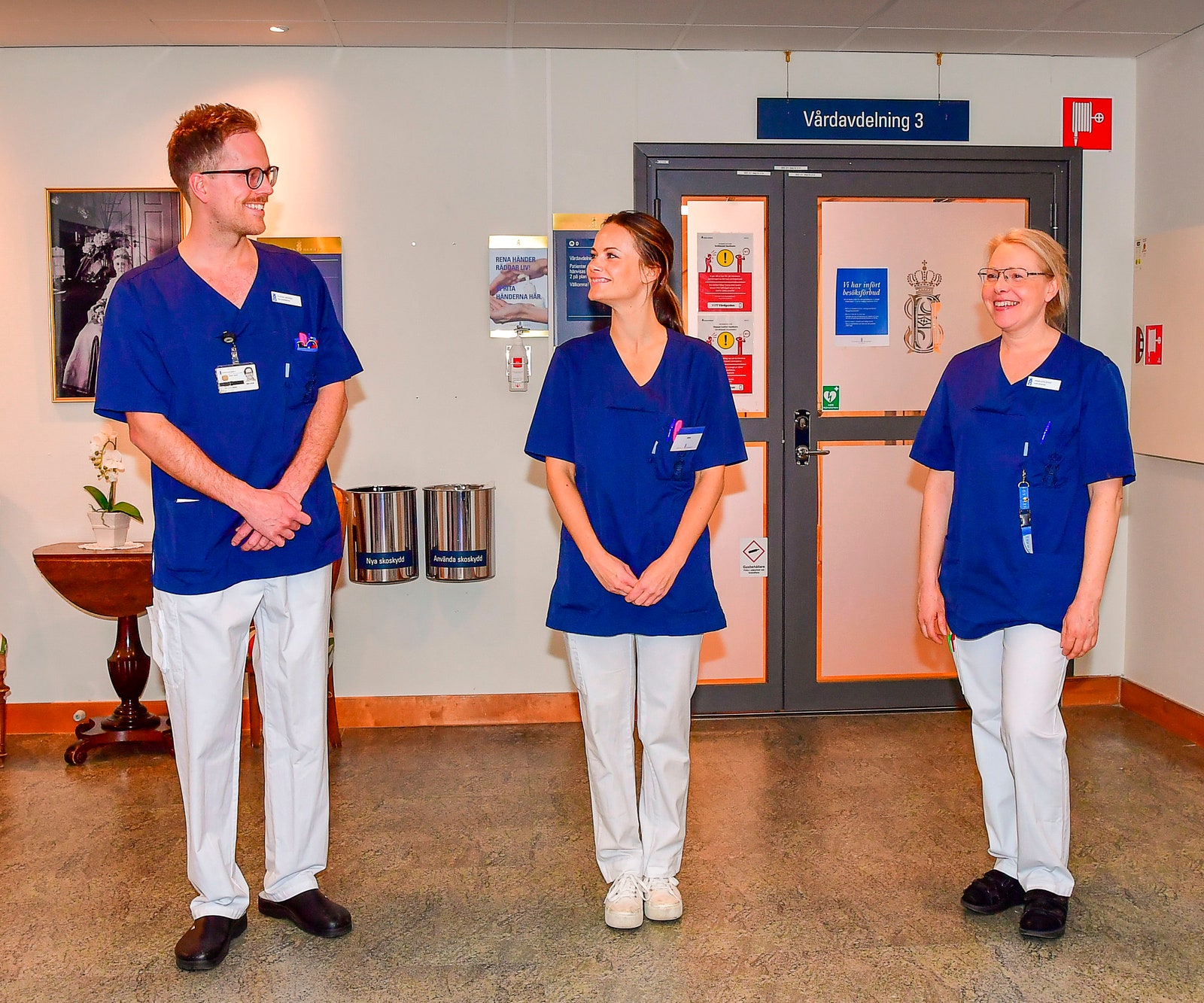
The Swedish royal (who married Prince Carl Philip in 2015) announced on Instagram on Thursday, April 16, that she’d gone through training and started working as a medical assistant at Sophiahemmet hospital in Stockholm to help in the fight against COVID-19. As you can see below, her ID card simply reads “Sofia.” The princess is also the honorary chairperson of the hospital.

“I am now placed in one of the hospital’s care departments, where together with other newly trained colleagues, I support and relieve the health care staff with different tasks,” Princess Sofia wrote on Instagram, explaining that her tasks will include cleaning and caring for patients.

“To have the opportunity to help in this difficult time is extremely rewarding,” she concluded. “Thanks!”

So how did she get this job? Well, an emergency program allows 80 people a week to take a three-day course at Sophiahemmet University College to learn how to support medical staff. According to a hospital spokesperson, the volunteers “can disinfect equipment, do shifts in the kitchen, and clean.”

Although the Sophiahemmet hospital has no confirmed coronavirus cases, it’s reportedly overwhelmed due to COVID-19. In a statement on Wednesday, April 15, the royal court said, “In the crisis we find ourselves in, the Princess wants to get involved and make a contribution as a voluntary worker to relieve the large workload of health care professionals.”

Princess Sofia of Sweden with assistant nurse Anna Kyhlstedt during Princess Sofia’s first day at work at Sophiahemmet hospital in Stockholm

Getty Images

Earlier this month, Miss England 2019, Bhasha Mukherjee, returned to work as a junior doctor at the Pilgrim Hospital in Boston, England. “When you are doing all this humanitarian work abroad, you’re still expected to put the crown on, get ready…look pretty,” she told CNN at the time. “I wanted to come back home. I wanted to come and go straight to work.”

As news about the novel coronavirus pandemic rapidly evolves, Glamour is committed to bringing our readers accurate and up-to-date information. As a result, information in this story and others like it may be updated. For the most recent news about COVID-19, please visit the CDC, WHO, and your state’s Department of Health.


Source link

Categories
Health

This Video of Kate Middleton and Prince William’s Kids Clapping for Medical Employees Will Make Your Day


Kate Middleton and Prince William have been using their social media platforms to illuminate all the ways people can help the U.K. (and the world) fight the coronavirus pandemic. Of course, donating money and resources is essential and something everyone should try to do. And on top that, you can show your appreciation online for the medical employees working around the clock to keep everyone safe. One way people are doing this is by posting videos of themselves clapping and hashtagging #ClapForOurCarers. It’s a sweet, simple way to hat-tip the folks on the front lines of this crisis.

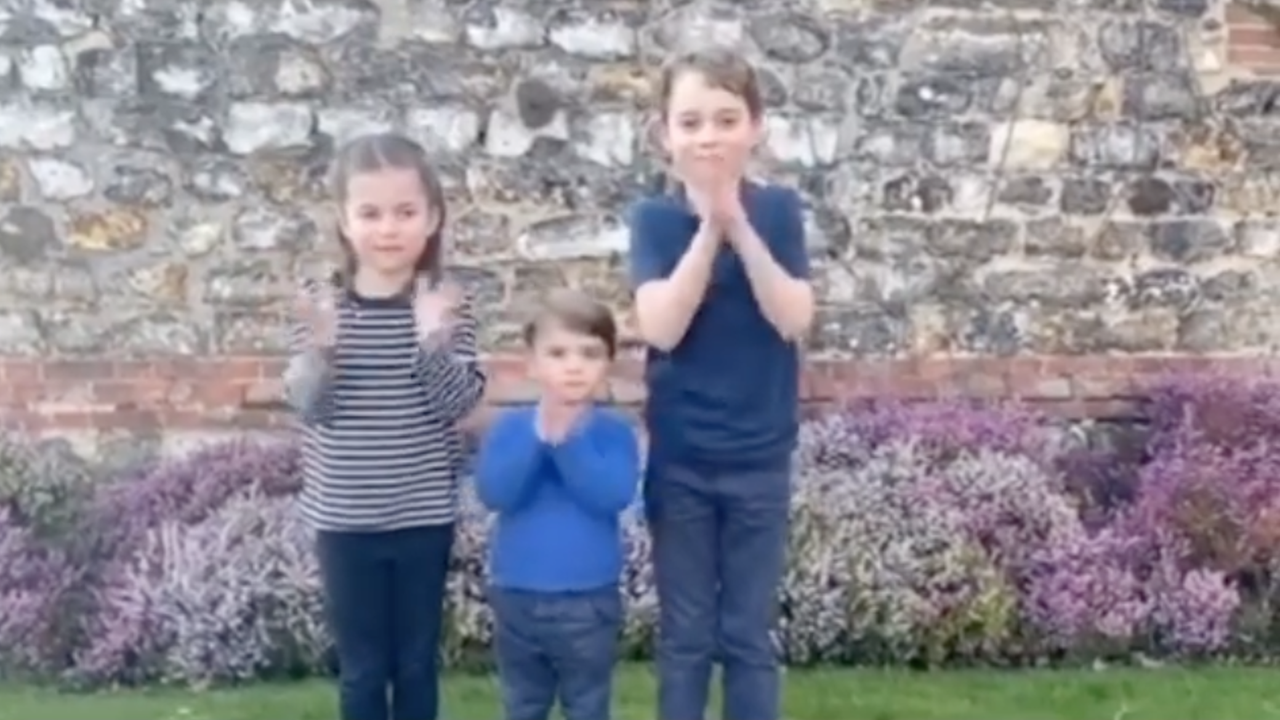
Middleton and Prince William got in on this on Thursday, March 26, posting a sweet video to Instagram of their children—Prince George, Prince Louis, and Princess Charlotte—clapping. They then specifically shouted out the U.K.’s publicly funded health care system, the National Health Service.

“To all the doctors, nurses, carers, GPs, pharmacists, volunteers and other NHS staff working tirelessly to help those affected by #COVID19: thank you.#ClapForOurCarers #ClapForCarers #ThankYouNHS #ClapForNHS,” the video’s caption reads.

See the adorable gesture for yourself, below:

The #ClapForOurCarers hashtag has completely swept the U.K. “Tonight I could hear 100’s of people in London clapping for our amazing NHS, the health and social workers and for every key worker putting their health at risk to provide vital services. There are countless heroes across the country, we’re grateful #ClapForNHS #ClapForOurCarers,” writer Tom Knight tweeted alongside a video of folks’ applause.

And here’s another powerful clip of #ClapForOurCarers in action:

Kate Middleton and Prince William actually visited the NHS last week. “The last few weeks, and more recent days have been understandably concerning with the continuing spread of coronavirus,” Prince William wrote in a statement posted to Instagram. “But it’s at times like this when we realise just how much the NHS represents the very best of our country and society–people from all backgrounds and walks of life with different experiences and skills, pulling together for the common good.”


Source link

Categories
Health

Park Prescriptions Are Gaining Steam as A Mainstream Medical Treatment


As a freelance writer, I’m one of the growing number of women who spends her day hunched in a near-constant state of anxiety over her desk. My life centers around deadlines, often breathlessly tight ones, and the constant hustle to keep myself afloat is taxing. It started to wear on me.

Wired and with an increasingly painful tension in my neck and shoulders, I recently found myself unable to sleep, a problem that triggered a snowball effect of other health issues: decreased attention span and difficulty concentrating, a weakened immune system, increased irritability.

Unsurprisingly, my doctor promptly diagnosed me with chronic stress. But I was surprised by my prescription: spend more time outside.

The Park Ranger Will See You Now

Park prescription programs—the official name for the Rx I was given to help treat my debilitating stress—may sound like the latest woo-woo wellness trend but they’re actually gaining steam among mainstream medical providers.

Here’s how it works: in lieu of a more traditional method of treating stress and anxiety, like meditation or therapy, a doctor might give you a referral to a local green space. “In the ideal clinical setting, doctors talk with patients about how far to walk, help them find a space to walk”—sometimes using a specific local trails program—“and set small goals, like going outside three times per week for a half hour per session,” says Kristin Anderson, M.D., a family physician in Missoula, Montana, and a member of the state’s Trails Rx program. That prescription goes right into your electronic medical record so your doctor can track your progress—just as you’d book a follow up appointment after being prescribed a new medication, your doctor would check in on how things are going, how you’re feeling, and whether your prescription needed any adjustment. “It’s really similar to how you prescribe medicine,” Anderson says. At follow-up appointments, doctors might measure things like BMI, blood pressure, or mental health outcomes in order to quantify results.

It’s important to note that nature prescriptions don’t mean medications are becoming irrelevant. “Medications and other therapies have very important roles in disease management,” Anderson says. Many conditions from depression to diabetes can’t be cured with self-care alone—if you need meds, you should take them. Prescribing time in nature is often about working in tandem with traditional drugs, Anderson says. “Nature prescriptions highlight the cross between the importance of medical management and behavior change. When that synergy occurs, patients are more likely to see lasting benefits and meaningful results.”

The science behind a park prescription is legit. Hundreds of studies link time outside to better health outcomes: lower blood pressure and heart rate, better immune system function, lower stress. Two hours spent outside a week is all you need to reap the benefits, according to a 2019 study from Scientific Reports. Doctors are so convinced by the healing power of Mother Nature that park prescriptions are gaining traction as recognized medical treatments for a range of conditions: heart disease, hypertension, high cholesterol, diabetes, chronic stress, depression, anxiety, insomnia, and even PTSD.

While a growing body of research (and number of#forestbathing posts on Instagram) suggests simply going for a walk in the park can do your brain and body good, many nature Rx programs are more structured. “There’s a vast array of different types of programming across the country, but they all have one thing in common: a referral from the health care side, and a partner on the public lands system side that can connect with the patient and provide the actual prescription,” says Diane Medley, director of the Institute at the Golden Gate. One program in California, Stay Healthy in Nature Everyday (SHINE) busses groups of patients, doctors and naturalists to local parks each month for a dose of nature and social connection. Other programs include guided walks with a park ranger, trailhead displays, or a tie-in to the national Walk with a Doc program where people can ask questions and learn about health from a local physician.


Source link

Categories
Health

Pregnant Women Say They Miscarried and Were Denied Medical Attention In Immigration Detention Centers


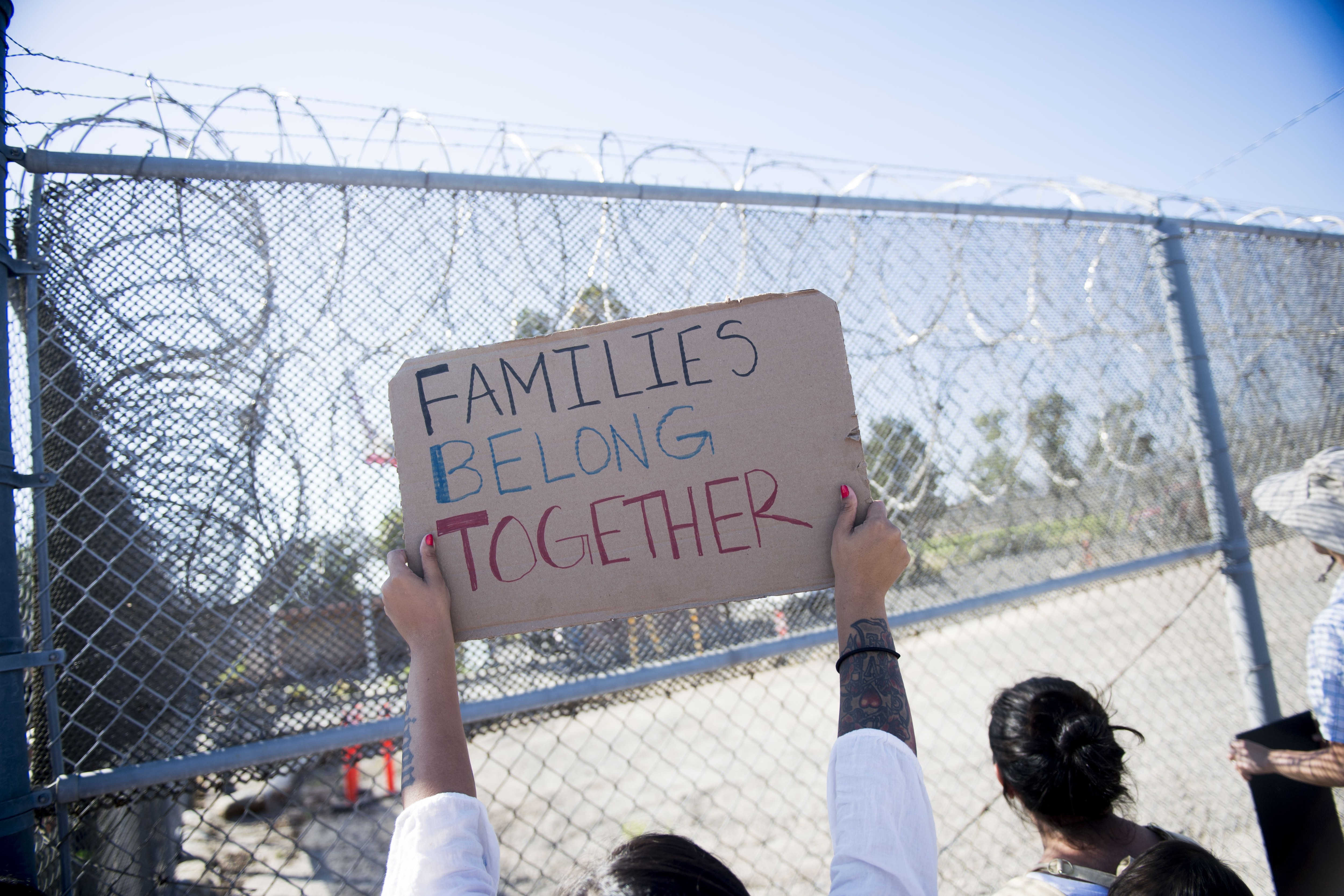
The humanitarian crisis in America resulting from the Trump administration’s institution of a “zero-tolerance policy” in April continues to unfurl with details emerging every day about what reportedly happens inside the walls of some detention centers.

While much of the outrage has been focused on the separation of families and the conditions for young children, a new Buzzfeed News report states that circumstances for pregnant women can be just as disturbing.

Until recently, according to Buzzfeed, there was an Obama-era directive in place that stated pregnant women were not to be detained, except in extreme circumstances or rare cases of expedited deportation. But the new Trump administration policy makes no such exception and states that U.S. Immigration and Customs Enforcement (ICE) is responsible for “ensuring pregnant detainees receive appropriate medical care including effectuating transfers to facilities that are able to provide appropriate medical treatment.”

However, Buzzfeed’s reporting shows that this may not be happening—and women are suffering. The outlet talked to one woman (who wanted to keep her identity private for fear of repercussions) seeking asylum in the U.S. from El Salvador. During her time in an Arizona facility where she was pregnant, she says that she began to bleed and feared she was suffering a miscarriage.

“An official arrived and they said it was not a hospital and they weren’t doctors. They wouldn’t look after me,” she said. “I realized I was losing my son. It was his life that I was bleeding out. I was staining everything. I spent about eight days just lying down. I couldn’t eat, I couldn’t do anything. I started crying and crying and crying.”

“My soul aches that there are many pregnant women coming who could lose their babies like I did and that they will do nothing to help them,” she continued.

Buzzfeed has also spoken to or received written affidavits from four other women who say that they were denied proper medical care or attention while pregnant and being held either by ICE or Customs and Border Protection (CBP). Some alleged incidents of physical abuse by CBP officers. (Per Buzzfeed, legal aid and medical workers interviewed confirmed that they have seen—and sometimes documented—cases of pregnant women not receiving or being denied medical care in more than six different detention centers in the Southwest.

“All detainees, determined to be pregnant, are provided appropriate education, prenatal care, and postnatal care,” ICE officials said in a statement. “Such care includes referral to a physician specializing in high-risk pregnancies when high-risk pregnancy is indicated.” They also referred to the policy as written on its website. While ICE and CBP referred to their website, the Department of Homeland Security did not individually respond to Buzzfeed’s request for comment.

Outrage, of course, began anew once the story broke—from private citizens to U.S. Senators like Kirsten Gillibrand.

It remains to be seen if this public outcry will change the situation for these women.

Related Stories:

Pro-Choice Organizations Launch the #OneInFour Campaign Ahead of President Trump’s Supreme Court Nomination

Here’s How the Women Behind the ‘Families Belong Together’ March Pulled off More Than 700 Protests


Source link

Categories
Health

Serena Williams' Childbirth Experience Should Be a Wake-up Call About the Medical Treatment Black Women Are Getting


When I read about Serena Williams’ experience giving birth to her daughter in this month’s Vogue, a sense of familiarity washed over me. As an ob-gyn, I’ve cared for many women who have had complex pregnancies and deliveries. I’ve performed emergency C-sections and treated postpartum complications, like the blood clots she experienced. As a mother, it also brought back memories of my own pregnancy and delivery, which was complicated by high blood pressure and preeclampsia. Thankfully, my postpartum course was much less complicated than Williams’ was, but, like many women, I had a pregnancy that wasn’t straightforward. And while reading her story, I couldn’t help but think of how often our own stories—specifically, black women’s stories—don’t end well.

In the United States between 700 and 1,200 women die from complications associated with pregnancy or childbirth every year, and another 60,000 almost die. We have one of the worst maternal mortality rates in the developed world. And it’s getting worse: Between 1990 and 2013 our maternal mortality rate has more than doubled. The reasons aren’t completely clear. Some researchers say the increase is simply because we now have a more accurate and standard way to tally deaths associated with pregnancy and childbirth. Others attribute the increase to the fact that more women are delaying pregnancy until later in life, and later-in-life pregnancies can carry greater risks to the mother. Still, it’s worth noting that whatever the cause of the spike, overall the risk of death because of pregnancy is still fairly low. Most women go on to have uncomplicated pregnancies and deliveries.

But black women are the exception. According to the Centers for Disease Control (CDC), we are three times more likely to die due to pregnancy-related complications than women of other races, something Williams even drew attention to in a recent Facebook post.

This is not new information. Health care providers, researchers, and others in the medical community have known about these disparities for years. In the past they were most often ascribed to the generalized “poorer health” of black women. It is true that black women are more likely to have medical problems—like heart disease, diabetes, and high blood pressure—than women of other races. But do these differences exist solely because of the “poorer health” of black women?

Many researchers now believe that it is racism—not race— that is the problem. For example, even when we take medical history into account, black women are two to three times more like to die from pregnancy-related complications than white women with the same condition. And while maternal mortality rates are certainly greater for poor women than wealthier women, poverty alone can’t explain these disparities either. An analysis of maternal deaths in New York City found that black women who had at least a college degree still had greater mortality rates than white women who had not graduated high school.

In a country where we spend $111 billion per year on maternity care, how is it possible that the color of your skin can determine whether having a baby is a death sentence?

One theory looks at the way stress impacts black women’s health. Experiences of oppression are not unique to black women, of course, but the intersection of certain oppression—like racism, gender discrimination, and economic inequity—is unique to the experience of black women in the United States, and it can have a profound impact on health. This phenomenon is called “weathering,” a term coined by Arline Geronimus, a research professor at the University of Michigan’s Population Studies Center, and it describes the increased wear and tear that poverty, racial discrimination, and political marginalization have on the biology of black women. According to Geronimous, black women experience “accelerated aging,” which accounts for some disparities in health outcomes—including maternal mortality. In other words, the emotional engagement it takes just to function in the world begins to take a toll on physical health.

This phenomenon is exacerbated by the inherent bias—implicit or explicit—in our health care system. Historically, black women have not had the same access to health care services as white women. We are more likely to lack insurance and deliver our babies at underresourced and underperforming hospitals. As Williams described in her birth story, black women’s complaints are also more likely to be ignored or dismissed by medical providers. Studies have found that a patient’s race and ethnicity does have an impact on a physician’s decision making, and that doctors tend to perceive black patients more negatively than white patients. This has a direct impact on the quality of care. One study found that, even when access to care and insurance coverage are the same, people of color still receive a lower quality of health care..

The bottom line is, black women are dying wholly preventable deaths. Part of my job as a health care provider is to understand how these factors intersect to impact my patients and their health. And something like maternal mortality can’t be understood outside of a historical, social, and political context. Considering the intersection of oppressions allows us to seek solutions that challenge the status quo. Advocates, policy groups, and research organizations like the Black Mamas Matter Alliance and the National Birth Equity Collaborative are working to ensure that these solutions don’t further perpetuate inequities.

Delivering your baby should not be a death sentence. Serena Williams lived to tell her story. Many women don’t.

Jamila Perritt, M.D., M.P.H., F.A.C.O.G., is a fellowship-trained, board-certified obstetrician and gynecologist with a background in family planning and reproductive health. She provides community-based care focusing on the intersection of sexual health, reproductive rights, and social justice. Dr. Perritt works as a clinical provider in Washington, D.C., and the surrounding areas and as a reproductive health care consultant collaborating with organizations to provide ongoing support and subject matter expertise on sexual and reproductive health, family planning, and reproductive justice. You can follow her on Twitter @ReproRightsDoc.


Source link