
Categories
Health

Curtain Bangs Are the Most Flattering for Every Hair Type


“That sounds like a question for your therapist,” my boyfriend replied offhandedly, after I asked him, yet again, whether I should get bangs. It’s something I’ve asked him hundreds of times and a thought that rolls around my head when I’m trying to fall asleep at night. To me, the most defining characteristic of womanhood is sitting in front of the mirror, wondering if the right pair of bangs will change your life.

Now, I wouldn’t go as far to say that bangs can be life-changing, but I strongly believe that everyone can benefit from them. If you prefer yourself bangless, please, continue on. But if you’ve ever wondered, Can I pull off bangs?—the answer is a resounding yes.

It’s important to note here, though, that not all bangs are created equal. After lusting over straight-across bangs since middle school (thanks to 500 Days of Summer and Alexa Chung, obviously), and accepting they will never work with my round face, I finally got curtain bangs three years ago, and I haven’t looked back since.

Bella Cacciatore

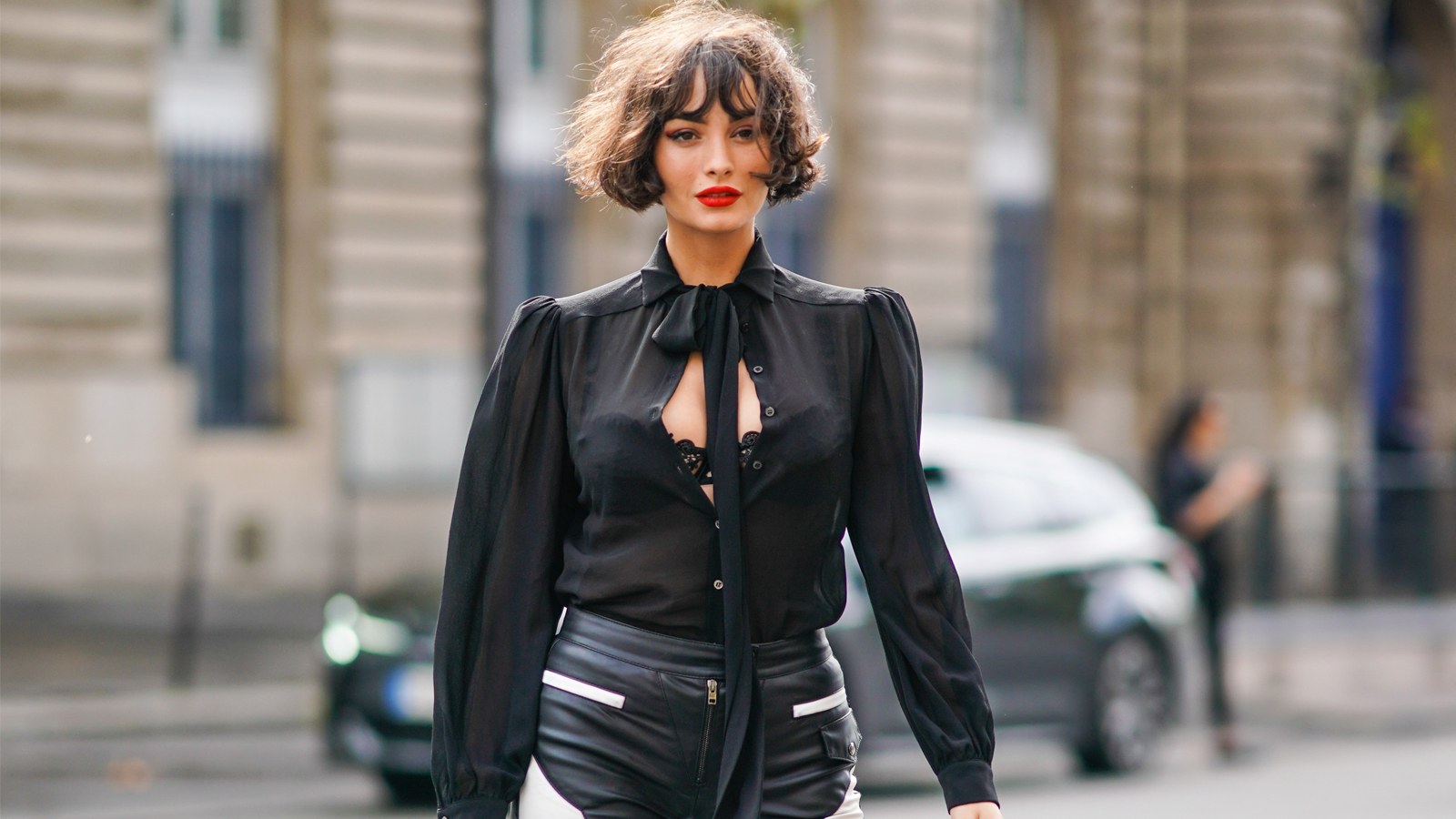
Curtain bangs, for the uninitiated, are those shaggy, effortless bangs that—as the name suggests—frame your face perfectly, much like a curtain does with a window. The look has roots in the ’60s and ’70s (think Jane Birkin), but today’s take on it works with a range of styles and textures: messy waves, curly shags, sleek blowouts, high ponytails, you name it.

“Curtain bangs are the gateway to bangs, because they’re super versatile,” says Emily Heser, stylist at Cutler Salon in New York City. “They’re long enough to grow out or pin back if you want, but they can also be cut into a shorter look.” The style has steadily become both a celebrity and Insta-girl fave for its easy-going vibe.

Celebrity hairstylist Alex Brown has noticed that curtain bangs have become increasingly popular in the last few years, largely due to how easy they are to manage. “They don’t take on the commitment of adding a full-throttle bang to your hair,” she says. “They’re less work and are so easy to grow out.”
Source link

Categories
Health

21 Best Lingerie Brands for Every Type of Woman


Lingerie is one of the most important wardrobe essentials—after all, it’s the first thing you put on and the last thing you take off. But even if you’re the only one enjoying it, the best lingerie brands today are designing bras and underwear that anyone can appreciate: Simple yet sexy styles that support and come in a wide range of sizes.

A handful of direct-to-consumer brands, like Cuup and Lively, are leading by example. Both are using technology—and real women’s measurements—to re-engineer lingerie that’s more size-inclusive and representative of women’s bodies. Others, like Lonely Label, Yasmin Eslami, and Savage x Fenty, hone in on the experience of wearing lingerie with fabrics and cuts that are sexy but also comfortable.

On this list, you’ll find the best places to buy lingerie across all occasions, sizes, and budgets. Whether you’re looking for cute everyday separates or want to go all-out for date night with a strappy satin set, we rounded up 21 of the best lingerie brands to shop right now.

All products featured on Glamour are independently selected by our editors. However, when you buy something through our retail links, we may earn an affiliate commission.


Source link

Categories
Health

Best Acne Treatment for Every Type of Acne


Acne is one of the most confusing (and not to mention distressing) skin conditions out there, as is figuring out the best acne treatment to address it. Take it from someone who’s been there, what works for one person can turn a minor breakout into a full-blown situation for another.

But not all hope is lost. While it can feel like you’re the only one dealing with acne, 90% of Americans experience it at some point in their lives (around 20% of them being women 26 and older). And while not all skin reacts the same, there are some key similarities in both why you’re experiencing breakouts, as well as the products you should look for to calm them. Before you even try to find the best acne treatment, it’s important to know exactly what type of acne you’re dealing with, so you can target your treatment accordingly.

What Causes Acne?

According to New York City dermatologist Shari Marchbein, M.D., all acne can be traced back to four main causes: Clogged pores thanks to “sticky” cells, bacteria, oil production, and hormones. All of these factors combine to cause each different type of acne, but some cause certain types more than others.

When trying to treat acne, Marchbein notes that it’s just as important to keep the intensity of your acne in mind, not just the type. For anything above mild acne (meaning, occasional breakouts that aren’t inflamed), you should make an appointment with a dermatologist sooner rather than later. “I never think it can be too early to go see a dermatologist,” she says. “If you’re getting hyperpigmentation—darkening of the skin from the inflammation left from the acne—you want to seek care immediately.” Another way to know it’s time to make a trip to the derm? You’ve tried over-the-counter products, and they don’t seem to be making a change. “Most acne treatments will clear your skin in three months, so if by two months you’re not seeing good results, you need to see your dermatologist,” says Marchbein.

Ahead, we break down the most common types of acne you might be dealing with, as well as how to treat it at home, and when to see the derm.

Blackheads

Bella Geraci 

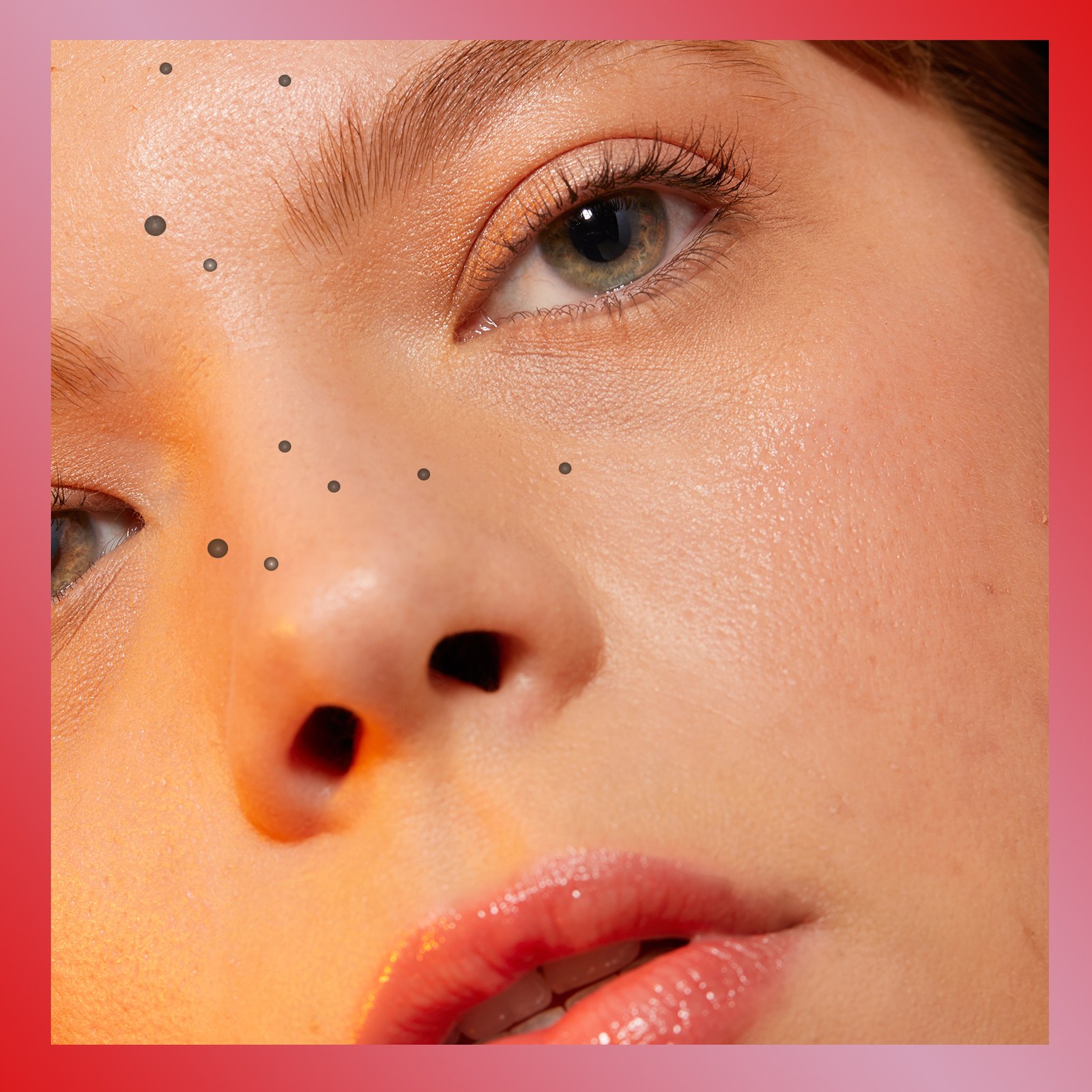
The most mild form of acne are comedones, which are caused mainly by those “sticky” cells Marchbein was referring to. Comedones can be open, like blackheads, or closed, like whiteheads. “Comedone refers to plugging of the follicular opening,” says NYC dermatologist Elizabeth Hale, M.D., referring to hair follicles that technically cover your entire face and body. So a blackhead is the mixture of dead cells, bacteria, and grime that builds up and hardens in the follicular opening—but it’s open to the world, which is why you may be tempted to squeeze them.


Source link

Categories
Health

What’s the Most Effective Type of Birth Control?


There are several factors that go into choosing the best birth control—your reproductive plans, your feelings about hormones, your experience with cramps. All methods have their pros but when it comes to the most effective type of birth control, there’s a clear winner: long-acting reversible contraceptives (or LARCs).

LARCs—which include IUDs and implants—are between 98 and 99.9 percent effective at preventing pregnancy. “Long-acting reversible contraceptives are the most effective form of birth control because there’s no what we call ‘user error,’” says Taraneh Shirazian, M.D., assistant professor in the department of obstetrics and gynecology at NYU Langone Health and founder of global women’s health nonprofit Saving Mothers, “meaning that you don’t have to do anything [in order for them to work].” Over time, that makes them 20 times more effective than birth control pills, the patch, or the vaginal ring, according to the American College of Obstetricians and Gynecologists.

It’s not just the effectiveness that makes LARCs a solid choice for birth control. “It’s a one-time cost. They’re long-acting. They have minimal side effects, for the most part,” says Kecia Gaither, M.D., ob-gyn, maternal fetal medicine specialist and director of perinatal services at NYC Health + Hospitals/Lincoln. “When you’re looking at the big picture, those are some really nice things to consider.”

But what, exactly, are the different types of LARCs? How do they work? And how effective are they preventing pregnancy—especially when compared to other forms of birth control? We asked the experts to break it down.

Types of LARCs

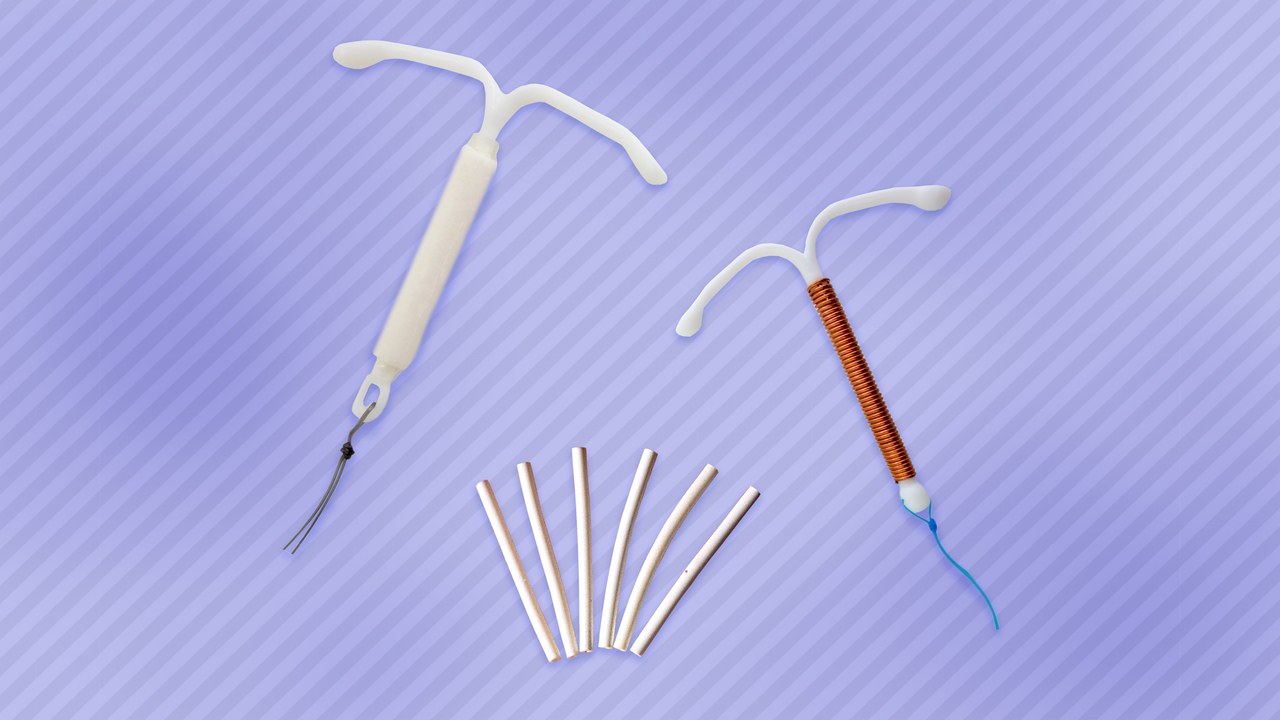
There are two different types of long-active reversible contraceptives: Intrauterine devices (better known as IUDs), which are inserted into the uterus, and the implant, a small rod-shaped device that is implanted under the skin of the upper arm.

IUDs

There are actually two different types of IUDs—copper IUDs and hormonal IUDs. While they’re both extremely effective at preventing pregnancy, they work in completely different ways.

The Copper IUD

The copper IUD is approved to work for the longest duration of time—10 years. (Though your gyno can remove it at any time if you want to start getting pregnant.) It’s also completely non-hormonal. “It basically creates an inhospitable environment for pregnancy. The copper presence prevents the fusion of the egg and the sperm,” explains Shirazian. It’s a great option if you don’t want to get pregnant any time in the near (or distant!) future or if you want a completely hormone-free method of birth control.

The Hormonal IUD

The Hormonal IUD prevents pregnancy through introducing the hormone progesterone—one of the two hormones typically used in the birth control pill—into your system. “What progesterone does from a contraceptive point of view is it thickens the cervical mucus, which makes it difficult for the sperm to even get through the cervix and into the uterus,” says Gaither. “The other thing that hormonal contraception devices do is inhibit ovulation,” she adds. “So you’ve got a two-hit wonder from using the hormonal IUD.”

Hormonal IUDs are over 99 percent effective at preventing pregnancy and last between three and six years. (The length of effectiveness for hormonal IUDs depends on the brand).

Implants

If an IUD doesn’t feel like the right fit for you, there’s another LARC option: The birth control implant.

The implant works much the same way as the hormonal IUD. Instead of being placed in the uterus, the implant is a small device about the size of a matchstick that’s placed in your upper arm just underneath the skin, explains Shirazian. Like the IUD, it also secretes a form of progestin. “Progesterone has the same effect whether it’s subdermal or in the uterus,” says Shirazian. “Progesterone is absorbed into the bloodstream and the presence of progesterone basically has the same effect as the hormonal IUD would.”


Source link

Categories
Health

21 Fun Father’s Day Gifts For Every Type of Dad


Father’s Day—a.k.a. the hardest gifting day of the year—is looming large. But you won’t need to pencil in a last-minute trip to the mall to pick up something, anything, for your old man.

We’ve got the very best Father’s Day gifts for every type of dad, from the techie to the one who insists he “gets” athleisure. Check out our picks for 2019, ahead.


Source link

Categories
Health

Best Face Oil for Every Skin Type and How to Use Them


For most of us, using face oils should be pretty straightforward: Step one, smear on face. Step two, carry on with your day. But the reality isn’t quite so simple. Ask a handful of people what face oils actually do, and you’re likely to get a range of claims—they hydrate, they don’t hydrate, they clog your pores, they help with breakouts, they work miracles, so on and so forth. Confused? We’re here to help you find the best face oil for your skin concerns and how to use it.

What are face oils?

Oils are oils. This seems like it should be a no-brainer. But oils are also emollients, which means that unlike creams or ointments, which sink deep into skin for intensive, long-lasting hydration, oils tend to hang out near the surface. Essentially, their moisturizing power just isn’t up to snuff. But while you don’t get quite as much moisture, it’s not like they’re not doing anything useful. “Oils do add barrier protection, silkiness, and superficial hydration,” says cosmetic dermatologist Paul Jarrod Frank, M.D. They may sink into your skin just enough to nourish the topmost layer—but that’s still not a whole lot compared with true hydrating heavyweights like hyaluronic acid, which literally binds water to skin cells.

A good way to think of it is that oils alone are not moisturizers (and you shouldn’t use them as such). Instead, they should accompany traditionally moisturizing ingredients like hyaluronic acid and glycerin. “A good moisturizer has to deliver both water and oil,” says aesthetician Ling Chan. “Your cells drink the water while oils stay on the outside of the cell for protection and lubrication.” An oil is actually integral to healthy skin, since it acts as the sealant that keeps moisture in. Without it, moisture just leeches out until the next time you apply cream. While this isn’t necessarily going to wreck your skin, it’s definitely not ideal—and it becomes a bigger problem in dry winter weather.

What do face oils do?

Oils give skin an instant softness and smoothness that can be kind of addictive (seriously, try slathering one on and see if you can stop petting your face). But more than that, they’re often packed with essential nutrients, fatty acids, and antioxidants. Plus, adds Chan, they form a protective layer for your skin cells. While they’re not the end-all-be-all solution to skin issues, they do their fair share by repairing and protecting your skin barrier, which helps your skin absorb other skin care products. If you’re not seeing the dreamy skin you imagined you would from serums and moisturizers alone, an oil might be able to make that happen.

How do you use face oils?

You can always mix oils in with your moisturizer, but if you’re going to give them their own spot of honor in your skin care routine, do it before you moisturize but after—or even instead of—your serum. Now, for some bad news: Certain types can clog your pores if you’re prone to breakouts. One of the biggest offenders? Beloved coconut oil. “Coconut oil will stay on the top of your skin for hours,” says Chan. “When oils are too heavy, they don’t allow your skin to breathe.” Your best bets are oils with a smaller molecular size, like argan oil, squalane oil, and jojoba oil. They sink into skin quicker and never get the chance to clog pores.

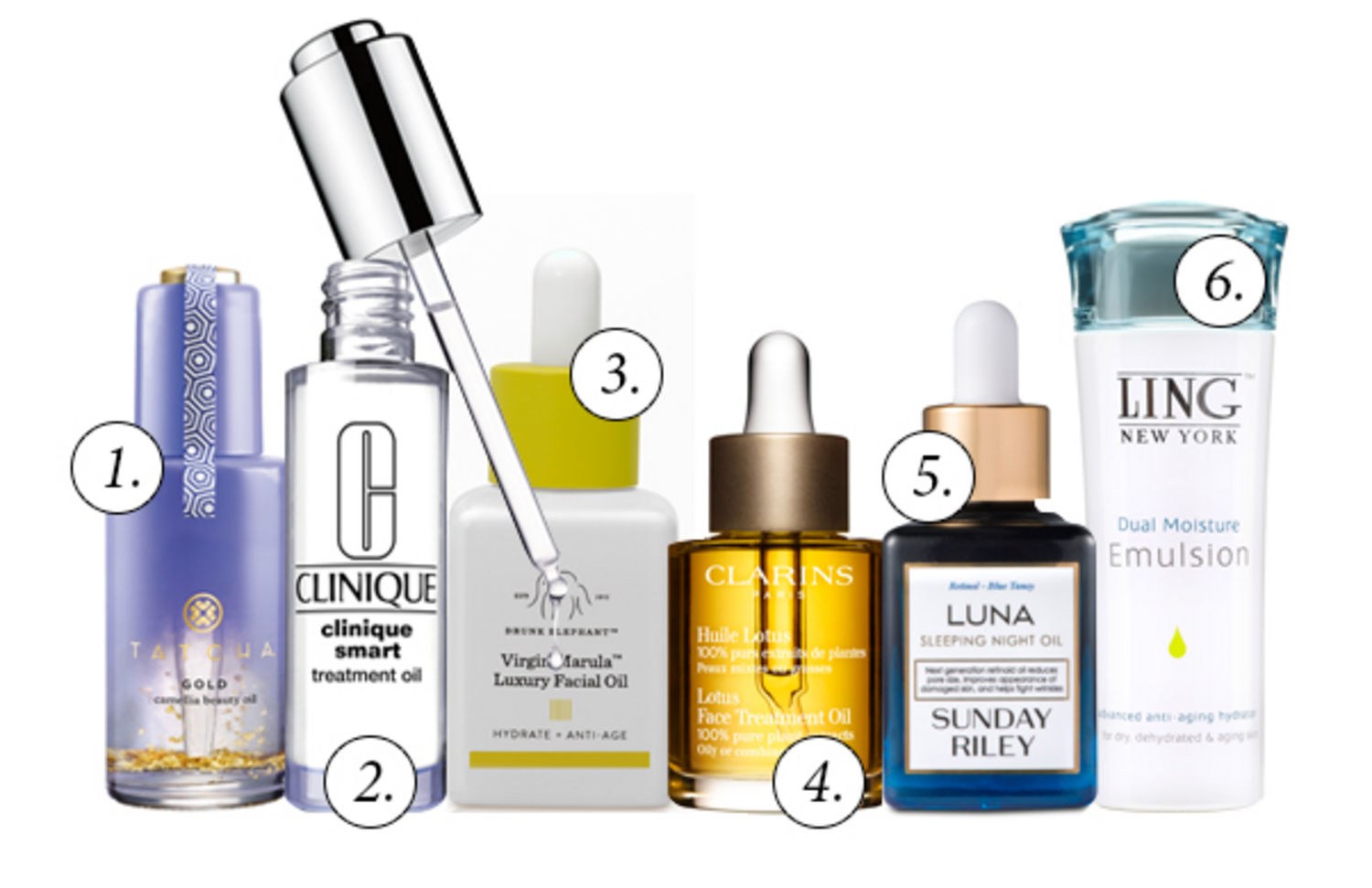
The best face oils for every skin type

1. Best Face Oil for All Skin Types
Tatcha Gold Camellia Beauty Oil, $95, sephora.com

Buy it for the cool gold flakes floating around in the bottle, but use it for the camellia oil, which packs more antioxidants than any other oil out there.


Source link