Categories
Health

Accutane Side Effects: 9 Things to Know About the Acne Treatment


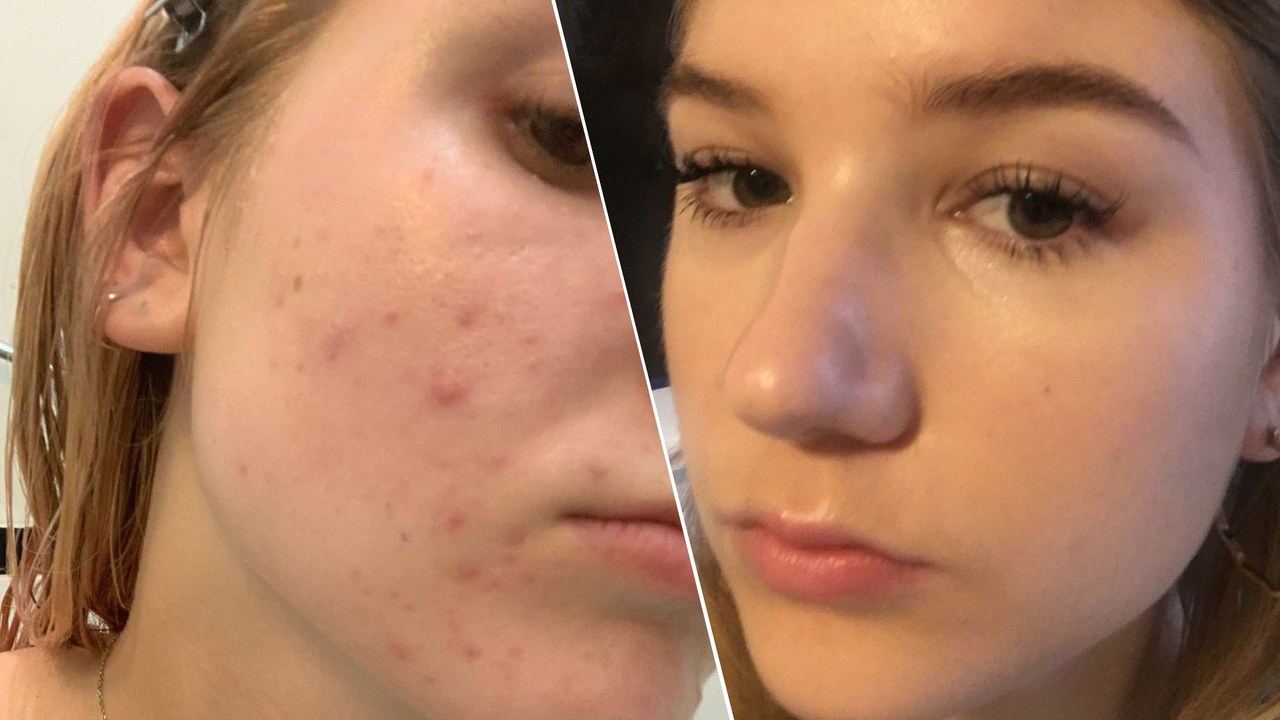
The first time I really noticed my acne, I was in the seventh grade at a sleepover with friends, and we were playing with makeup. I had just swept on baby blue eyeshadow and a hideous frosted lipstick. It was very Lizzie McGuire, and it was everything. But while checking out my masterpiece in the mirror, I noticed a small eruption of red pimples on my forehead and cheeks. I suddenly went from loving my makeup to wanting to bury my head under my pillow. Still, it wasn’t the worst; I was comforted to notice that my friends had breakouts, just like me. I figured it was a rite of passage—like bleeding through my pad or an awkward first kiss.

When high school began, my acne hadn’t gotten any better, and it wore down my already low self-esteem. I felt so self-conscious that I would wake up first at sleepovers so I could cover my pimples with concealer. I turned down after-school plans when I didn’t have makeup in my bag to touch up, and applied another layer of foundation before heading to my dance classes (which, looking back, probably contributed to the problem). After raiding the drugstore for over-the-counter treatments with little success, my mom finally took me to a dermatologist at the start of my junior year.

At first, I went on a series of topical medications (not effective enough) before moving on to an oral antibiotic, which didn’t stop my acne completely, but made enough of a difference for me to start to feel good about myself. My remaining breakouts were generally limited to my chin, but they were cystic, painful, and most irritatingly, constant. I always had at least two deep red pimples that would inevitably scar.

By the time I got to college my acne was no longer just an insecurity, but a huge factor in my worsening mental health. I felt trapped in my own skin, to the point where I refused to go out on weekends. I was constantly comparing myself to other women and feeling increasingly worthless. I had always placed value on my appearance and was preparing to enter the beauty industry. It weighed on me.

After a brief experiment with spironolactone, a blood pressure medication used to fight hormonal acne, that hit a wall, my dermatologist finally suggested I go on isotretinoin—commonly referred to as Accutane, a now discontinued brand. At the time, I was about to graduate and desperate to try anything that could clear up my skin.

Now, it’s been a year after I finished my treatment. And ultimately, I’m so glad I did it. I wouldn’t go so far as to call it life-changing, but it absolutely had an effect on my outlook and how I feel about myself. My skin today isn’t perfect, but it’s leaps and bounds better. It wasn’t an easy process, though. Going on isotretinoin is a serious undertaking that involves pregnancy tests and flaky skin. The decision to go on this medication shouldn’t be taken lightly. Read on for the nine things I wish I knew before going on isotretinoin and what you need to know about Accutane side effects.

It works like a topical, but stronger.

Isotretinoin is an oral retinoid, so it behaves in a similar way a topical retinoid would, just at a much higher strength. It regulates the way dead skin cells are shed, so there’s less build up and pore clogging. It also reduces oil gland size and production by up to 90%, which is why dry skin is such a common side effect.

You’ll need to avoid alcohol.

Most doctors recommend avoiding alcohol during treatment, which is something to consider before committing to the medication. However, the level of strictness varies; some doctors suggest not drinking at all, while others are a little more lenient depending on your family history and other factors.


Source link

Categories
Health

Birth Control Side Effects You Should Never Put up With—And When to Switch


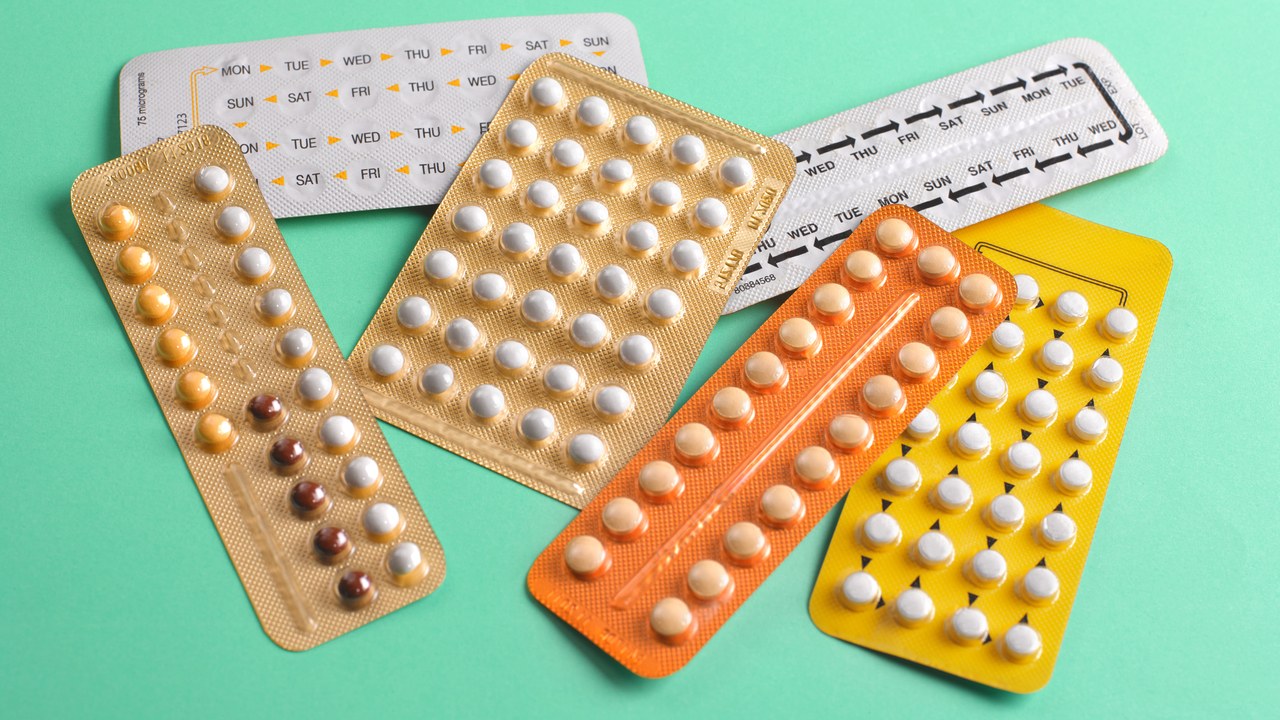
The birth control pill is an an imperfect—though still awesome—invention. Even though it’s been one of the most popular birth control methods for decades, many women have a love-hate relationship with their pill. On top of the fact that the basic idea hasn’t changed since it first became a contraceptive option in the 1960s (three weeks of daily pills followed by an unnecessary placebo week—really?), side effects of the birth control pill range from annoying to truly problematic.

But not all versions of the pill affect women the same way. There are two main categories of birth control pills—combined hormonal pills, which contain doses of estrogen and progestin, and “mini pills,” or progestin-only pills—and the type you’re using matters. “Everyone’s body is different and can react differently to the pill depending on many factors—a big one being their own health history,” says Janell Sanford, Pharm.D, pharmacist in charge at The Pill Club. in other words, you might simply tolerate one form of the pill better than another.

So, how do you know when you need to switch? We asked the experts what’s normal, which side effects of the pill you should never put up with, and when it’s time to switch.

Anytime you tinker with your body’s hormonal balance, there are bound to be side effects. But the good news is, most of these are temporary, and will go away after your body has a couple of months to adjust, says Sanford. “For example, although weight gain is not a confirmed side effect of birth control, some pills can cause temporary water retention which feels like weight gain, and usually resolves after one, two, or even three cycles,” she says. Some of the most common side effects women report: spotting, mood changes and breast tenderness.

Other side effects are more serious. “The major health consequence of estrogen containing birth control pills is a slight increased risk of blood clots,” says Mary Jane Minkin, M.D., clinical professor of obstetrics, gynecology and reproductive sciences at Yale University School of Medicine. If you notice chest or leg pains, swelling or redness in your legs, shortness of breath, eye problems or blurry vision, call your doctor ASAP. Severe headaches or abdominal pain can also be a sign something more serious is going on, says Sanford. If you have a severe headache that doesn’t go away with over the counter painkillers or abdominal pain that doesn’t feel like your average cramp (and especially occurs on the upper right side of your stomach) let your doctor know.

If you notice any of the serious side effects above, talk to your doctor ASAP. For the more common—but still annoying—ills, here’s how to talk to your doctor about finding a better fit.

If you’re still spotting after a couple of months…Breakthrough bleeding is more likely to happen on lower-dose birth control pills. “Some women will develop spotting when they shouldn’t be bleeding,” says Dr. Minkin. “Switching it up to a slightly stronger pill [with a higher dose of hormones] might just be helpful.”

If your libido is tanking…The pill also has the potential to affect your sex drive. If you’ve noticed your libido feels lower since starting a new brand of birth control, Dr. Minkin recommends talking to your doctor about switching to a progestin levonorgestrel pill, which might be a better fit for your body.

If you’re getting headaches…If you’re getting low-grade headaches since starting a new pill, talk to your doctor about switching to pill with a lower dose of estrogen, says Dr. Minkin.

“I always encourage women to keep notes about what side effects you experience on which pill,” says Dr. Minkin. If your doc prescribes a new brand and you suddenly notice a change in your mood that wasn’t present with your last pill, for example tell her. Even if you’ve tried a few different pills and still don’t feel like you’ve found the right fit, these notes can be especially helpful to help your doctor help you figure out the right type of birth control for you. “For someone who has never taken a pill before, and is in good health, I would suggest starting with a pill with 20 micrograms of estrogen,” says Dr. Minkin. “And always discuss any concerns about side effects with your provider-who can guide you.”


Source link