Categories
Health

Accutane Side Effects: 9 Things to Know About the Acne Treatment


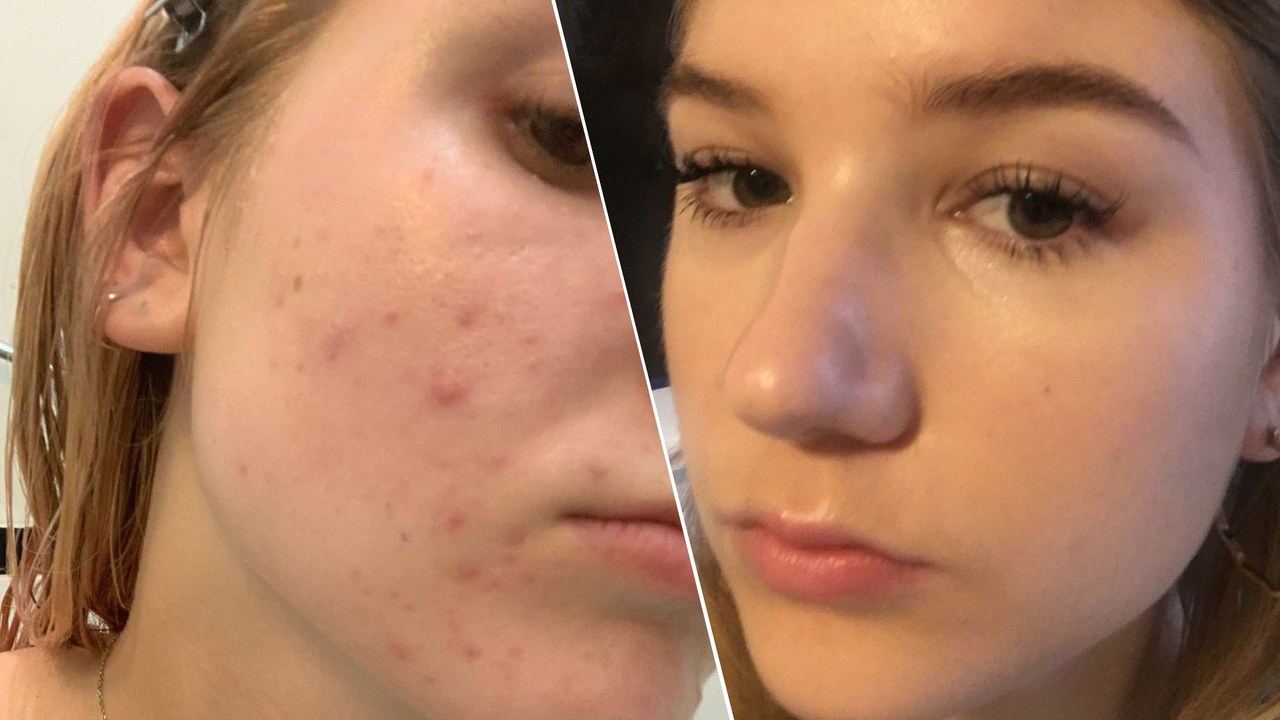
The first time I really noticed my acne, I was in the seventh grade at a sleepover with friends, and we were playing with makeup. I had just swept on baby blue eyeshadow and a hideous frosted lipstick. It was very Lizzie McGuire, and it was everything. But while checking out my masterpiece in the mirror, I noticed a small eruption of red pimples on my forehead and cheeks. I suddenly went from loving my makeup to wanting to bury my head under my pillow. Still, it wasn’t the worst; I was comforted to notice that my friends had breakouts, just like me. I figured it was a rite of passage—like bleeding through my pad or an awkward first kiss.

When high school began, my acne hadn’t gotten any better, and it wore down my already low self-esteem. I felt so self-conscious that I would wake up first at sleepovers so I could cover my pimples with concealer. I turned down after-school plans when I didn’t have makeup in my bag to touch up, and applied another layer of foundation before heading to my dance classes (which, looking back, probably contributed to the problem). After raiding the drugstore for over-the-counter treatments with little success, my mom finally took me to a dermatologist at the start of my junior year.

At first, I went on a series of topical medications (not effective enough) before moving on to an oral antibiotic, which didn’t stop my acne completely, but made enough of a difference for me to start to feel good about myself. My remaining breakouts were generally limited to my chin, but they were cystic, painful, and most irritatingly, constant. I always had at least two deep red pimples that would inevitably scar.

By the time I got to college my acne was no longer just an insecurity, but a huge factor in my worsening mental health. I felt trapped in my own skin, to the point where I refused to go out on weekends. I was constantly comparing myself to other women and feeling increasingly worthless. I had always placed value on my appearance and was preparing to enter the beauty industry. It weighed on me.

After a brief experiment with spironolactone, a blood pressure medication used to fight hormonal acne, that hit a wall, my dermatologist finally suggested I go on isotretinoin—commonly referred to as Accutane, a now discontinued brand. At the time, I was about to graduate and desperate to try anything that could clear up my skin.

Now, it’s been a year after I finished my treatment. And ultimately, I’m so glad I did it. I wouldn’t go so far as to call it life-changing, but it absolutely had an effect on my outlook and how I feel about myself. My skin today isn’t perfect, but it’s leaps and bounds better. It wasn’t an easy process, though. Going on isotretinoin is a serious undertaking that involves pregnancy tests and flaky skin. The decision to go on this medication shouldn’t be taken lightly. Read on for the nine things I wish I knew before going on isotretinoin and what you need to know about Accutane side effects.

It works like a topical, but stronger.

Isotretinoin is an oral retinoid, so it behaves in a similar way a topical retinoid would, just at a much higher strength. It regulates the way dead skin cells are shed, so there’s less build up and pore clogging. It also reduces oil gland size and production by up to 90%, which is why dry skin is such a common side effect.

You’ll need to avoid alcohol.

Most doctors recommend avoiding alcohol during treatment, which is something to consider before committing to the medication. However, the level of strictness varies; some doctors suggest not drinking at all, while others are a little more lenient depending on your family history and other factors.


Source link

Categories
Health

Weleda Skin Food Helped Get Me Through Accutane


Accutane is no joke. Before even going on the medication you have to take a blood test, pregnancy test, be using at least two methods of birth control, and discuss any past history of mental illness. Despite all this, I was desperate to get on the medication that has been referred to by many as a miracle. I’ve been battling constant hormonal cystic acne since middle school. It was painful, embarrassing, and both the breakouts and the red marks they left behind steadily chipped away at my already low self esteem. After years of trying every nearly every acne product on the market, prescription topicals, antibiotics, and spironolactone, last December my dermatologist and I were ready to take the plunge and turn to Accutane.

The medication changed my life, my skin is the clearest it’s ever been and my confidence reflects that, but it’s hell on your body. Accutane is essentially a huge dose of Vitamin A that is absorbed into your blood, and much like applying a topical retinol, taking Accutane can make your skin very dry and sensitive. It basically sucks all the moisture out of my whole body. This leads to flaky skin, split lips, dry itchy eyes, and in my case, nosebleeds at the worst possible times (including debuting a new white shirt and on the dance floor on a Saturday night).

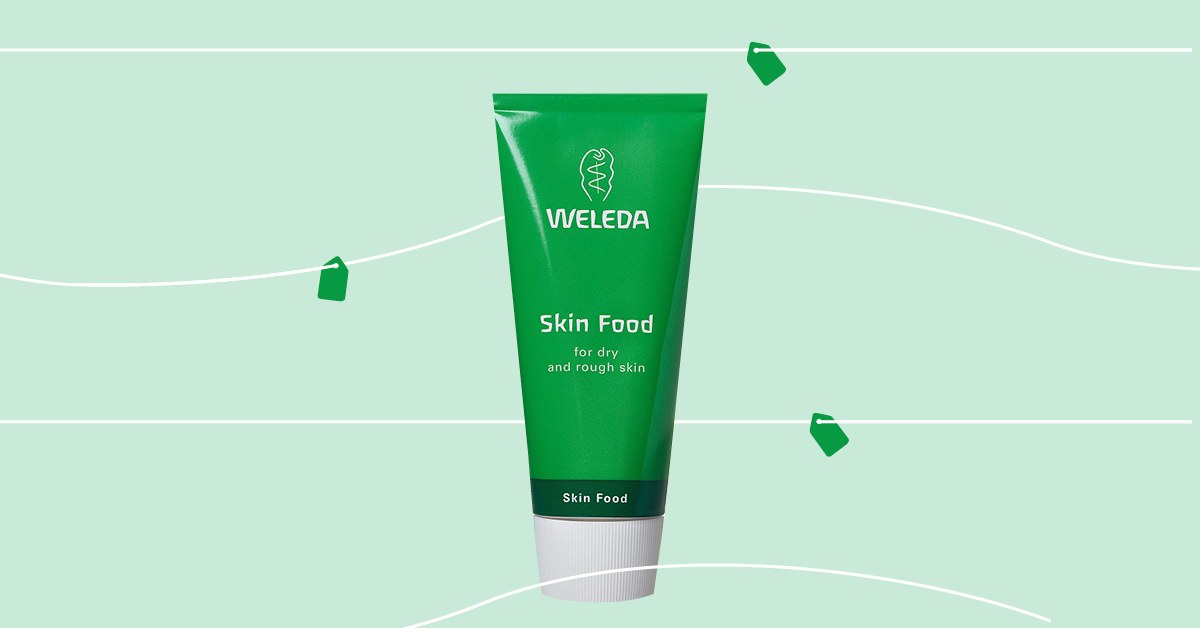
While the nosebleeds were unfortunately inevitable, I had a small army of products to aid me in the fight against dehydrated, flaky skin, the MVP being Weleda Skin Food, a thick, glorious cream that borders on a balm-like texture. It has almost a waxy feel, but sinks into your skin and doesn’t leave a greasy residue, just a cushion of luxurious moisture. It has a nice herbal smell that’s not cloying, but a little medicinal.

If it sounds familiar that’s probably because Skin Food is one of the OG all-natural products. It’s been around for nearly a century and is the stuff beauty editors, makeup artists, and influencers rave about. Our deputy editor even refers to it the “$20 La Mer” because of how luxurious it feels. The base is made of beeswax and healing oils, and it also contains chamomile and calendula, two of my favorite calming ingredients, which helped soothe my dry, irritated skin and any lingering acne I was dealing with.

Although this cream is super moisturizing on it’s own, I found the best way to use Skin Food was as part of my night routine as a sealant to lock in everything I layered underneath. I would start with a hyaluronic acid serum, add an oil (usually rosehip), and then add a generous layer of Skin Food on top to seal in moisture and create a barrier, almost like a sleeping mask.

I also rely on it on super flaky days in the morning, where I apply a thin layer over a moisturizing serum. It smooths over any scaly patches and creates a really glowy base for makeup. After putting on foundation, I go back in with another dab of the cream on my cheekbones, both for a pretty natural highlight and to add a little more moisture before heading out the door.

I finished Accutane in July, and luckily my skin has regained it’s moisture levels, but you can pry my Skin Food out of my cold dead hands. I still love using it as a night mask and on any patches that need a little TLC, and will consider myself part of the Skin Food fan club forever.

Weleda Skin Food, $19, dermstore.com

Related Stories:
This Face Wash Is the Only Thing That Helped My Acne
The $12 Drugstore Cleanser That Wrangled My Hormonal Acne
This $8 Face Scrub Is Actually Gentle Enough to Use Every Day


Source link