Categories
Health

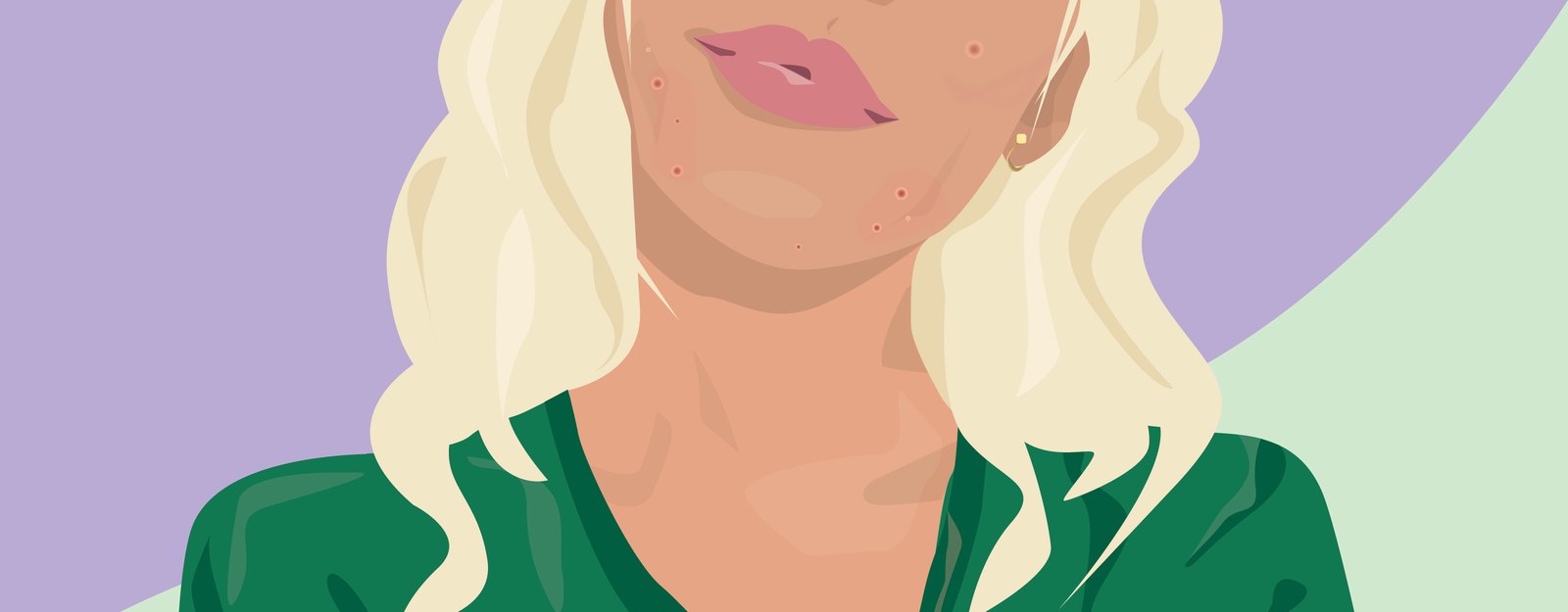
Best Acne Treatment for Every Type of Acne


Acne is one of the most confusing (and not to mention distressing) skin conditions out there, as is figuring out the best acne treatment to address it. Take it from someone who’s been there, what works for one person can turn a minor breakout into a full-blown situation for another.

But not all hope is lost. While it can feel like you’re the only one dealing with acne, 90% of Americans experience it at some point in their lives (around 20% of them being women 26 and older). And while not all skin reacts the same, there are some key similarities in both why you’re experiencing breakouts, as well as the products you should look for to calm them. Before you even try to find the best acne treatment, it’s important to know exactly what type of acne you’re dealing with, so you can target your treatment accordingly.

What Causes Acne?

According to New York City dermatologist Shari Marchbein, M.D., all acne can be traced back to four main causes: Clogged pores thanks to “sticky” cells, bacteria, oil production, and hormones. All of these factors combine to cause each different type of acne, but some cause certain types more than others.

When trying to treat acne, Marchbein notes that it’s just as important to keep the intensity of your acne in mind, not just the type. For anything above mild acne (meaning, occasional breakouts that aren’t inflamed), you should make an appointment with a dermatologist sooner rather than later. “I never think it can be too early to go see a dermatologist,” she says. “If you’re getting hyperpigmentation—darkening of the skin from the inflammation left from the acne—you want to seek care immediately.” Another way to know it’s time to make a trip to the derm? You’ve tried over-the-counter products, and they don’t seem to be making a change. “Most acne treatments will clear your skin in three months, so if by two months you’re not seeing good results, you need to see your dermatologist,” says Marchbein.

Ahead, we break down the most common types of acne you might be dealing with, as well as how to treat it at home, and when to see the derm.

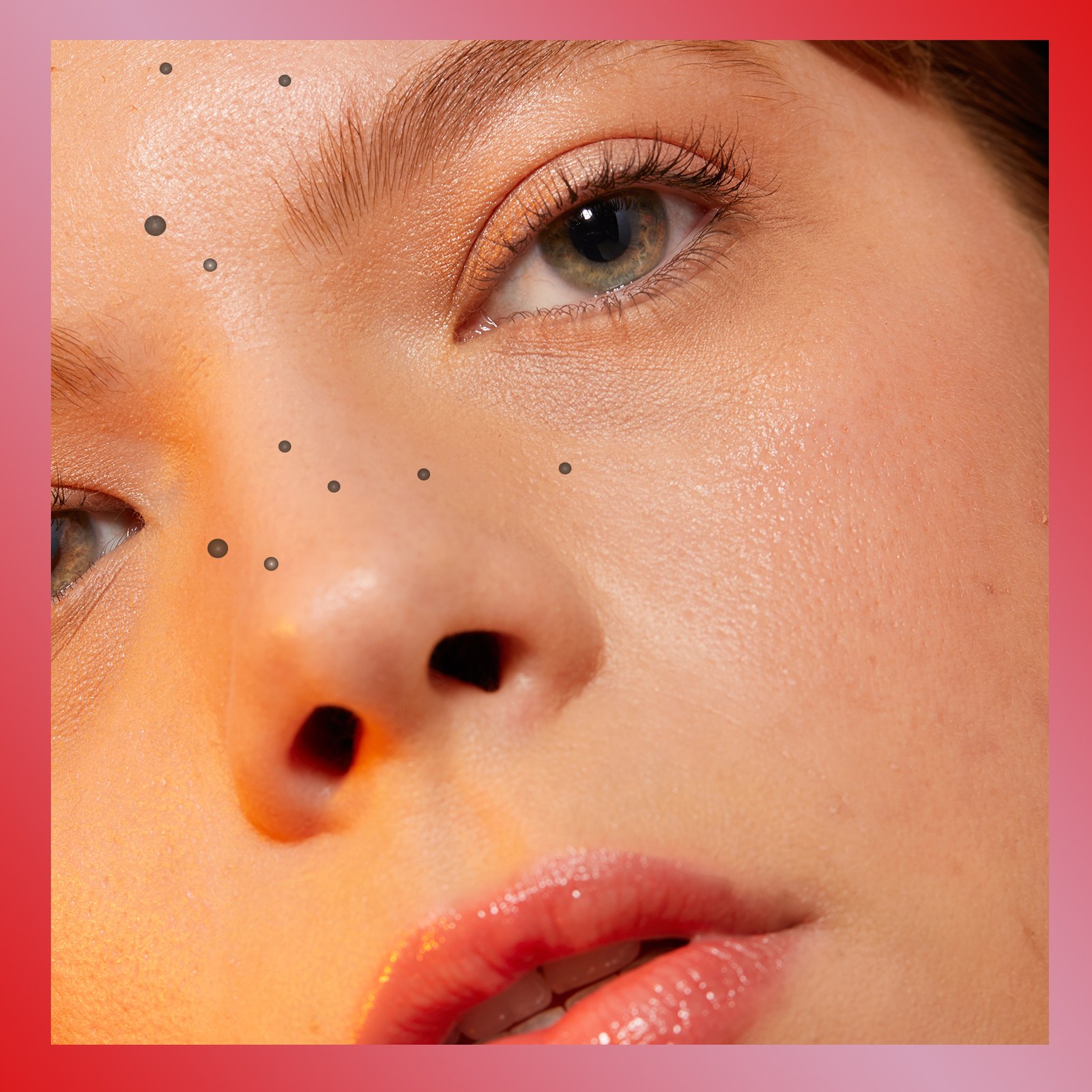
Blackheads

Bella Geraci 

The most mild form of acne are comedones, which are caused mainly by those “sticky” cells Marchbein was referring to. Comedones can be open, like blackheads, or closed, like whiteheads. “Comedone refers to plugging of the follicular opening,” says NYC dermatologist Elizabeth Hale, M.D., referring to hair follicles that technically cover your entire face and body. So a blackhead is the mixture of dead cells, bacteria, and grime that builds up and hardens in the follicular opening—but it’s open to the world, which is why you may be tempted to squeeze them.

Source link

Categories
Health

Lili Reinhart Wants to End the Stigma Around Acne


What’s one beauty rule you think is BS?

I feel like “baking” your face with powder is kind of overrated. I think it’s just sort of adding product on your face that you don’t really need. I don’t like wearing a lot of product; I like keeping it very simple and clean. So, I’ve never been a huge fan of layering on a bunch of powder. Less is more sometimes. No, most of time!

Fill in the blank: “I love my hair…”

Healthy. I use a lot of Olaplex, which strengthens your hair in between highlighting sessions. I have to get my hair heat styled for work every day. But for my CoverGirl shoot, we’re showing my natural waves. It’s nice to bring out the diffuser and let my natural hair texture come out rather than blowing it dry and straightening it out.

You travel constantly. What city or country gives you the greatest beauty inspiration?

When I’m in L.A., I feel like I have the most creative freedom to go crazy with makeup and try bold looks. I think it’s a really golden place for people to be very exploratory with their makeup.

You’re stranded on a desert island. What are the three products you bring with you?

I would bring lip balm because I have to have lip balm with me literally everywhere I go. I use one by Hanalei. It’s made in Hawaii. I would also bring a moisturizer that has sunscreen in it. And probably a cheek stain that I could also use as a lip stain, like CoverGirl Clean Fresh Cream Blush. I love creamy products that you can use wherever.

What colors are you loving on your nails right now?

I actually don’t get my nails done very often. I rarely have polish on them; usually just nail strengthener. When I do paint my nails, they’re usually a very-nude pink. I think I would paint my nails more if I wasn’t on set so much and didn’t have to worry about continuity.

What’s your go-to getting ready music?

I really like Tame Impala. I listen to feel good and chill. I like to—how should I say this?—calmly jam out to music. That’s sort of the whole vibe of my life, calmly jamming out.

How much time do you spend getting ready?

I tend not to have a lot of patience when I’m getting ready. If I’m going to an event, I’ll probably start getting ready an hour before. But if I’m just going out for breakfast for the day, I can probably get ready in five minutes. I’m pretty quick.


Source link

Categories
Health

Zoey Deutch on the One Product That Truly Helps Her Chronic Hormonal Acne


If you’ve had even one angry, uncover-up-able pimple, you might know what it’s like to be a slave to a “bad” skin day: For me, it looks something like hiding under the covers and avoiding all contact with humans (or mirrors) for 48 hours, minimum.

On the first episode of Glamour’s What I Wore When podcast, Zoey Deutch talked about her almost-decade-long battle with acne, and how she eventually decided to stop hiding. The Politician actor isn’t just struggling with an occasional, pre-period zit; she has chronic hormonal acne that she’s been trying to tackle for eight years.

“There’s not one thing that fixes it all,” she said. “You have to come at it from every angle. And I’ve seen every fancy dermatologist and every person that claims to know, and I’ve tried every product and tried every antibiotic and done everything, and I can’t fix it.”

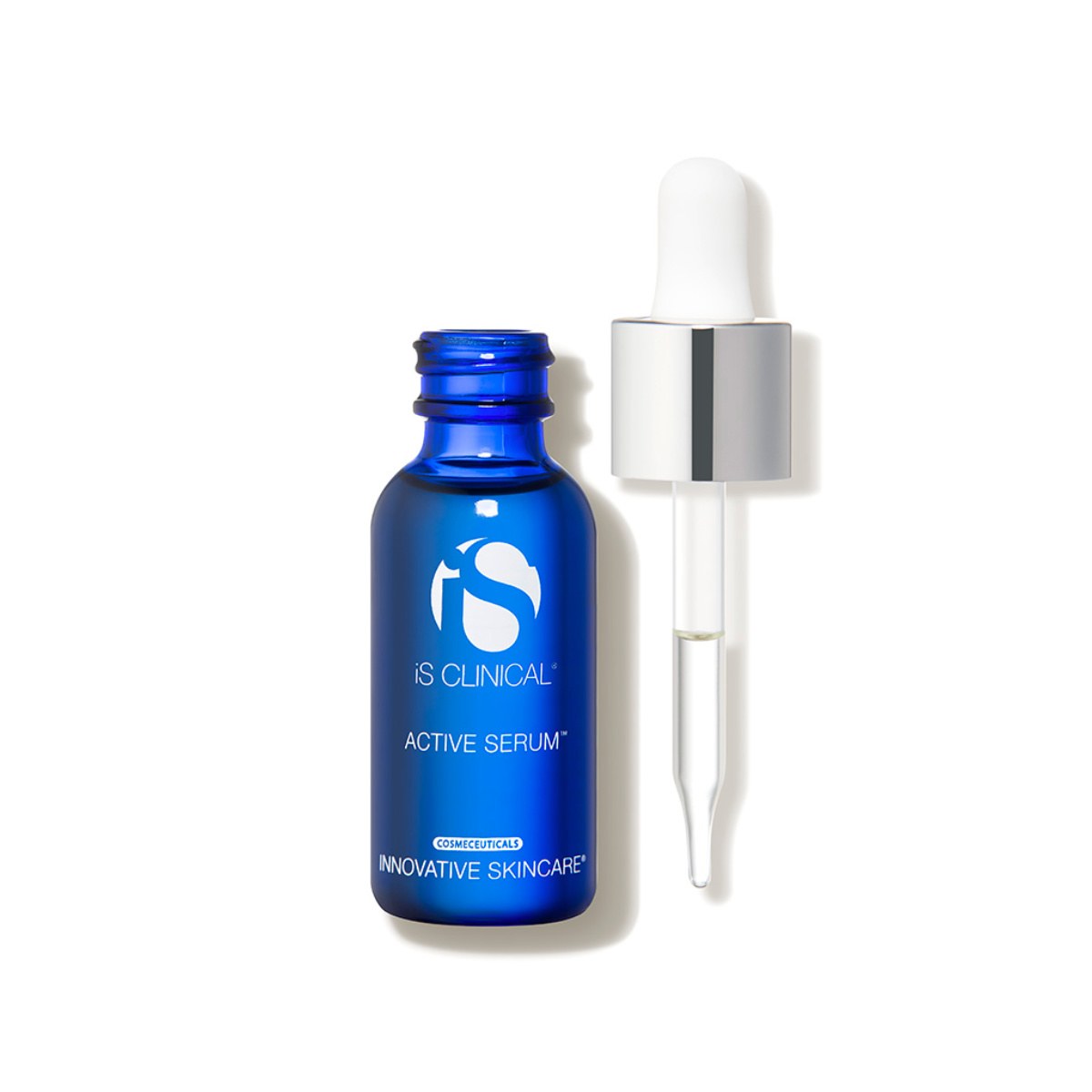
She’s currently taking a “less is more” approach to skin-care, but there’s one thing she swears by: “The one product that I cannot travel without it because I do think my skin goes completely bonkers without is, iS Clinical Active Serum,” she says. “It’s very drying and it’s very intense and stingy, but I think it’s the best product.”


All products featured on Glamour are independently selected by our editors. However, when you buy something through our retail links, we may earn an affiliate commission.


iS Clinical Active Serum from Dermstore, $135.

Courtesy of brand

But while she is trying to get rid of her pimples, she also said she’s no longer letting acne dictate when she leaves the house. In fact, she’s come to a place in her life where she’s grateful for it. “I have a thyroid problem,” she said. “I keep trying to fix [my acne] from the outside in, but it’s inside out, which is mostly what it is with hormonal acne. And I have had a ‘come to Jesus’ moment with it, which is actually have gratitude for it because if that’s like, I don’t know. It’s not that bad. And also who cares? I’ve made it such a big thing. You hear about it but it’s like I won’t go out or I won’t do certain things [but now I just need to be, like], who cares?”

For more from Zoey, listen to the first episode of What I Wore When.


Source link

Categories
Health

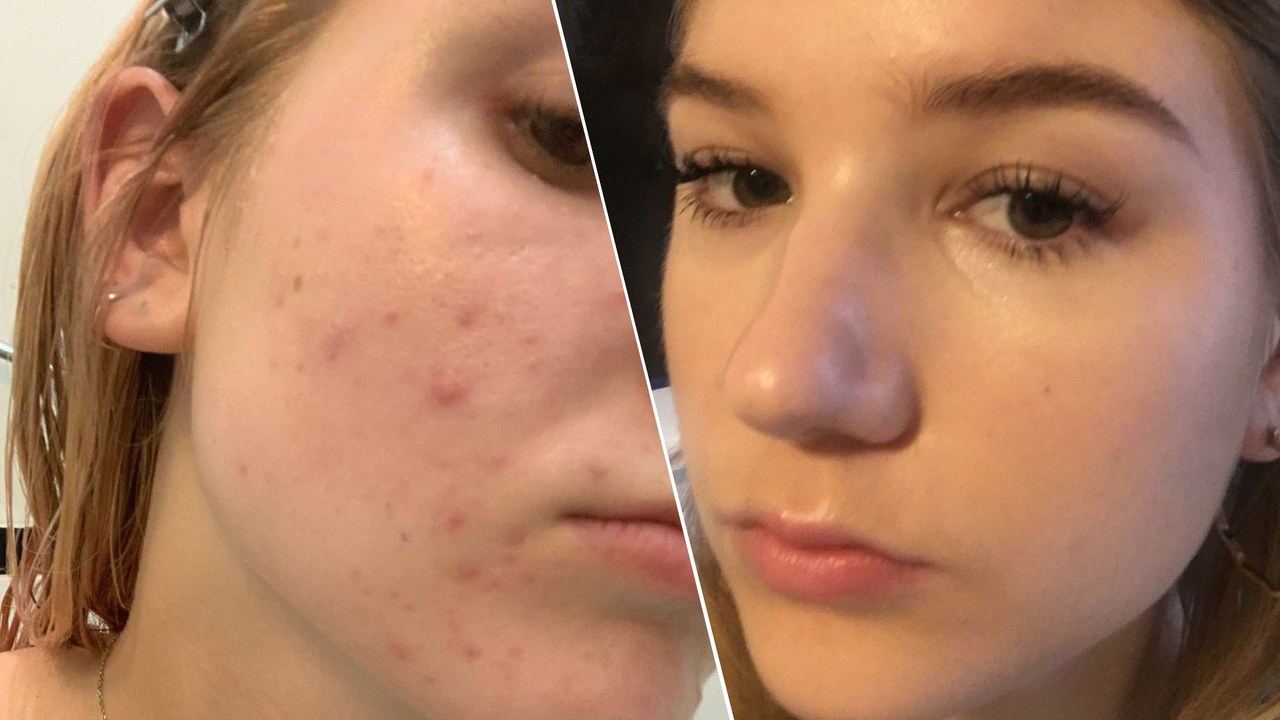
Accutane Side Effects: 9 Things to Know About the Acne Treatment


The first time I really noticed my acne, I was in the seventh grade at a sleepover with friends, and we were playing with makeup. I had just swept on baby blue eyeshadow and a hideous frosted lipstick. It was very Lizzie McGuire, and it was everything. But while checking out my masterpiece in the mirror, I noticed a small eruption of red pimples on my forehead and cheeks. I suddenly went from loving my makeup to wanting to bury my head under my pillow. Still, it wasn’t the worst; I was comforted to notice that my friends had breakouts, just like me. I figured it was a rite of passage—like bleeding through my pad or an awkward first kiss.

When high school began, my acne hadn’t gotten any better, and it wore down my already low self-esteem. I felt so self-conscious that I would wake up first at sleepovers so I could cover my pimples with concealer. I turned down after-school plans when I didn’t have makeup in my bag to touch up, and applied another layer of foundation before heading to my dance classes (which, looking back, probably contributed to the problem). After raiding the drugstore for over-the-counter treatments with little success, my mom finally took me to a dermatologist at the start of my junior year.

At first, I went on a series of topical medications (not effective enough) before moving on to an oral antibiotic, which didn’t stop my acne completely, but made enough of a difference for me to start to feel good about myself. My remaining breakouts were generally limited to my chin, but they were cystic, painful, and most irritatingly, constant. I always had at least two deep red pimples that would inevitably scar.

By the time I got to college my acne was no longer just an insecurity, but a huge factor in my worsening mental health. I felt trapped in my own skin, to the point where I refused to go out on weekends. I was constantly comparing myself to other women and feeling increasingly worthless. I had always placed value on my appearance and was preparing to enter the beauty industry. It weighed on me.

After a brief experiment with spironolactone, a blood pressure medication used to fight hormonal acne, that hit a wall, my dermatologist finally suggested I go on isotretinoin—commonly referred to as Accutane, a now discontinued brand. At the time, I was about to graduate and desperate to try anything that could clear up my skin.

Now, it’s been a year after I finished my treatment. And ultimately, I’m so glad I did it. I wouldn’t go so far as to call it life-changing, but it absolutely had an effect on my outlook and how I feel about myself. My skin today isn’t perfect, but it’s leaps and bounds better. It wasn’t an easy process, though. Going on isotretinoin is a serious undertaking that involves pregnancy tests and flaky skin. The decision to go on this medication shouldn’t be taken lightly. Read on for the nine things I wish I knew before going on isotretinoin and what you need to know about Accutane side effects.

It works like a topical, but stronger.

Isotretinoin is an oral retinoid, so it behaves in a similar way a topical retinoid would, just at a much higher strength. It regulates the way dead skin cells are shed, so there’s less build up and pore clogging. It also reduces oil gland size and production by up to 90%, which is why dry skin is such a common side effect.

You’ll need to avoid alcohol.

Most doctors recommend avoiding alcohol during treatment, which is something to consider before committing to the medication. However, the level of strictness varies; some doctors suggest not drinking at all, while others are a little more lenient depending on your family history and other factors.


Source link

Categories
Health

How to Cure Butt Acne: A Complete Guide


Let’s just get straight to the point: Butt acne is real, and it’s not comfortable. Breakouts that occur on unlikely parts of your body can be especially distressing because we often have no idea how—or why—they got there.

Technically called “folliculitis,” acne on your butt isn’t quite the same as the flare-ups that happen on your face. It’s often due to clogged hair follicles rather than clogged pores and can occur from a combination of occlusion (i.e., blockage), friction, sweat, and bacteria, according to Susan Bard, M.D., of New York’s Sadick Dermatology. Basically, if you leave your sweaty yoga pants on for hours after class or wear skintight jeans or leather pants when its balmy out, you could be upping your chances of getting butt acne.

For me, it happens every time I “forget” to shower between a Spin class and brunch, or when I want to leave my cute workout outfit on all day instead of putting on real clothes. Needless to say, it makes all subsequent Spin classes seriously awkward, both in front of other women in the locker room (even though I know I shouldn’t care) and on the bike. (Let’s just say it’s not a time you want to do tap backs.)

Determined to put an end to this cycle, and help out anyone else who might need it, I grilled Dr. Bard for her best advice on how to get rid of butt acne. Here, the four tips she swears by, because I know we’ve all been there.

1. Give the tight clothes a rest.
In case you needed another excuse to embrace the sweats-and-stilettos trend, loose pants are your best bet for avoiding breakouts. “To prevent folliculitis, I encourage patients not to wear tight, friction-inducing clothing such as tight jeans and to change out of your sweaty gym clothes as soon as possible,” says Dr. Bard. Opt for cotton underwear over nylon or Spandex to give the skin on your butt a chance to breathe.

2. Wash up after workouts.
Not only should you always shower after working out, but it’s important you actually pay attention to your skin back there while you do it. To cleanse, skip the basic body wash and reach for an antibacterial soap or benzoyl peroxide wash like Neutrogena’s Clear Stubborn Acne Cleanser. Some other tips: Make sure you wash your hair first and body last so the dirty suds from your scalp won’t drip down and clog your follicles. And after you shower, steer clear of thick, heavy body lotions that may do more harm than good. A good option to try? Curél’s Fragrance Free Comforting Body Lotion, which goes on light and is formulated for sensitive skin.

Also, when your skin is clear (so before any zits arise), remember to exfoliate regularly to remove dirt and bacteria, the same way you would for your face. You can use a gritty body scrub like one of these editor favorites. Or you can use a product with glycolic acid, like Glycolix 18% Extremity Cream which will help exfoliating skin more gently.

3. Don’t try to pop or pick at butt acne.
Not that you can reach them easily, anyway. But just in case you have bionically long arms, or have managed to find a way to get a hand on them, it’s important you resist the temptation to squeeze or pick at butt acne, which—according to Dr. Bard—will only make it worse. Doing so risks the chance that the spots will become more prone to infection, and it also might cause scarring.

4. Don’t be embarrassed to see a dermatologist.
We know. There’s nothing more cringeworthy than having to lie on your stomach while a doctor examines your bare ass, but here’s something to keep in mind: Derms have seen it all and they’re there to help. If you feel as if your acne isn’t improving, is getting worse, or is too painful to get about your day to day, it’s time to visit a pro. They’ll be able to help custom tailor a skin care plan that works best for you and/or recommend prescription medication you can take.


Source link

Categories
Health

13 Sneaky Habits That Can Cause Acne


In a world where skin care is self care, we’re investing more time and money into taking care of our complexions than ever. We double cleanse, mask religiously, and never hesitate to try the latest and greatest new thing promising flawless skin. And yet, despite all our care and effort, acne strikes again. Unfortunately, the root of pimples isn’t always clear—hormones, genetics, and our environment can all be factors.

That being said, there definitely are things you can control to help cut down on breakouts. The catch? Most of them are habits you probably don’t even know you’re doing. Knowledge is power, so we talked to experts about the sneaky things you do that could be making your acne worst. Read on for the 13 habits that might be triggering your acne.


Source link