Categories
Health

Camila Morrone Addresses the 23-Year Age Gap With Boyfriend Leonardo DiCaprio


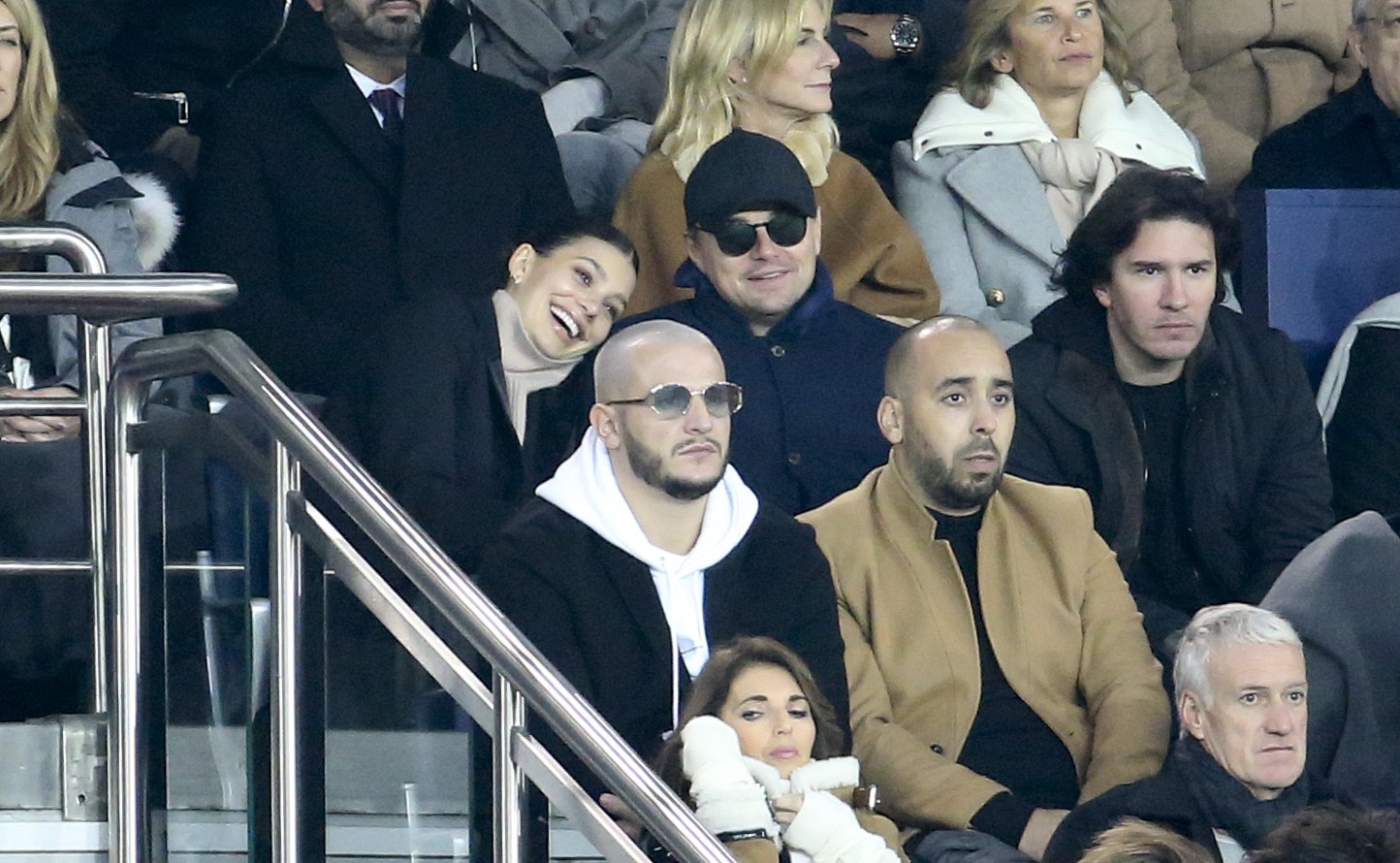
Camila Morrone is getting serious acclaim for her breakout role in the independent film Mickey and the Bear—her performance has even led people to compare her to Jennifer Lawrence. It has also helped shift Hollywood’s gross reduction of her as simply “Leonardo DiCaprio’s girlfriend,” although there’s been new attention applied to their relationship, specifically their 23-year age difference. (She’s 22; he’s 45.) Speaking to the Los Angeles Times this week, Morrone made it clear she’s not too concerned about the gap or what people think of it.

“There’s so many relationships in Hollywood—and in the history of the world—where people have large age gaps,” she said, adding, “I just think anyone should be able to date who they want to date.” She did admit she kind of understands the fascination with the relationship, which seems to have started sometime in 2017 when they were first spotted together. “I probably would be curious about it too,” she said.

Leonardo DiCaprio and Camila Morrone. 

Getty Images

Morrone is right that there are tons of relationships with large age gaps in Hollywood, but consistently it seems to be men dating much younger women. This is so prevalent that the internet was surprised when actor Keanu Reeves stepped onto the red carpet with a woman closer to his age (she’s eight years younger).

Camila Morrone didn’t go into other details about dating DiCaprio, focusing instead on how Mickey and the Bear has opened up new opportunities for her and established who she is outside of her boyfriend. “I think more and more now that people are seeing the film, I’m slowly getting an identity outside of that,” she said. “Which is frustrating, because I feel like there should always be an identity besides who you’re dating.” She continued, “I understand the association, but I’m confident that will continue to slip away and be less of a conversation.”

Source link

Categories
Health

*The Bachelorette*'s Peter Weber Addresses Claims He Dumped His Ex to Go on the Show


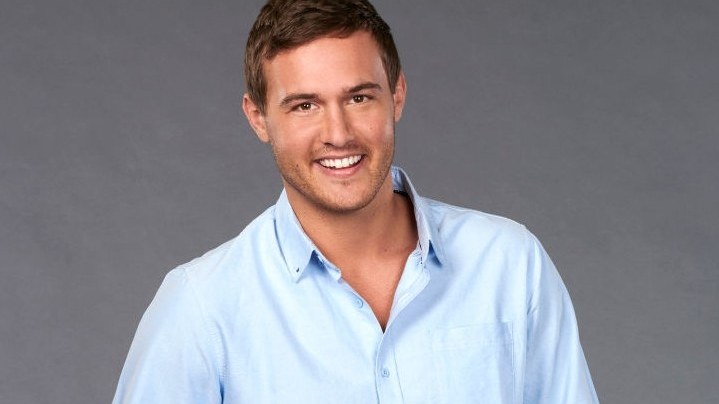
We’ve said it once and we’ll say it again: This has been one dramatic season of The Bachelorette. Guys have abruptly left the show, others have been accused of cheating on their girlfriends back home, and one guy repeatedly slut-shamed Hannah Brown. Even Peter Weber—the pilot and early fan favorite—had to face claims that he’d abruptly dumped his former girlfriend for a chance on the show.

He’s striking back at those rumors, though. He spoke exclusively to People magazine and addressed several comments that his former girlfriend, model Calee Lutes, made. Lutes alleged that the two of them were serious and even thinking about moving in together when he dumped her to go on television.

“There was a lot of truth to what she said in her story, but there is also a lot of truth that wasn’t mentioned,” Weber told People. “The show had absolutely nothing to do with me ending that relationship.”

According to Lutes, she and Weber dated for six months and broke up around Christmas of last year. She was looking on his Instagram for clues about why he dumped her when she noticed that a producer from The Bachelorette had started following him.

“He absolutely betrayed me,” she said. “He interviewed for a reality dating show while simultaneously planning a future with me. I trusted him entirely and he pulled the rug out from under me.”

Weber said that the timing and the reasons behind the breakup were different than what Lutes has stated. “I was very serious in trying to progress that relationship and move it forward,” he explained. “And she wasn’t on the same page as me. That being said, I wasn’t going to waste her time or my time. But the casting process and my first interview was months after we broke up.”

Lutes has not responded to Weber’s rebuttal.


Source link

Categories
Health

HBO’s 'Share' Addresses Sexual Assault Unlike Any Movie You’ve Ever Seen


“There is just as much humanity, nuance, intelligence, and complication in the experience of a teenage girl as there is in anyone else,” Bianco says. Stories about rape, and particularly stories about young women who experience sexual violence, are often pegged as trauma films. She bristles at that label.

“I’m always hesitant to talk about the gender and politics side of the film, even though those things are really important to me. The minute you tell people that the film tells a story about a teenage girl, people either want to reduce it to ‘puff’ or ‘issues,’” she explains. In other words, something people feel burdened to see and talk about because of its topical urgency, without registering its artistic merits.

Rhianne Baretto on set with director Pippa Bianco.

SABRINA LANTOS/HBO

It’s true that Share requires a certain willingness to sit with troubling, uncomfortable subject matter. At the same time, the characters and the trajectory challenge expectations of the genre, in part by focusing on minutiae: Mandy’s interactions with her parents, coach, and teammates, attempts to be “normal” and engage with her social life, shooting hoops, the bruise slowly healing on her back.

Rhianne Baretto, the 22-year-old Brit who plays Mandy, describes it as a process of the teenager figuring out what she wants to do, what justice looks like for her, and finding the strength to pursue that choice. Through her character’s eyes, the audience is invited to consider that maybe the “right” way forward fails to give her closure. Just as resonantly, Baretto feels that the film deconstructs fraught topics like consent and culpability, while also recognizing that, even in instances of clear right and wrong, there is no black and white. “No one is completely a villain. Everyone is making decisions day to day,” she says.

For Bianco, teasing out those distinctions and revealing the commotion roiling beneath what, on the surface, looks like passivity was the point. Early on in the filmmaking process, she remembers getting the note that her lead character wasn’t “activated” enough: Films are about people making choices—that’s what pushes a plot forward.

“But, to me, there are a lot of choices that we choose to ignore,” Bianco explains. “The choice not to say something. The choice to wait. The choice to ask for privacy. There are millions of choices, all of which are active. Just to get out of bed every day—I think that’s a heroic choice.”

Elizabeth Kiefer is a New York-based writer and editor.


Source link

Categories
Health

Sophie Turner Addresses Kit Harington Making More Money Than Her for 'Game of Thrones'


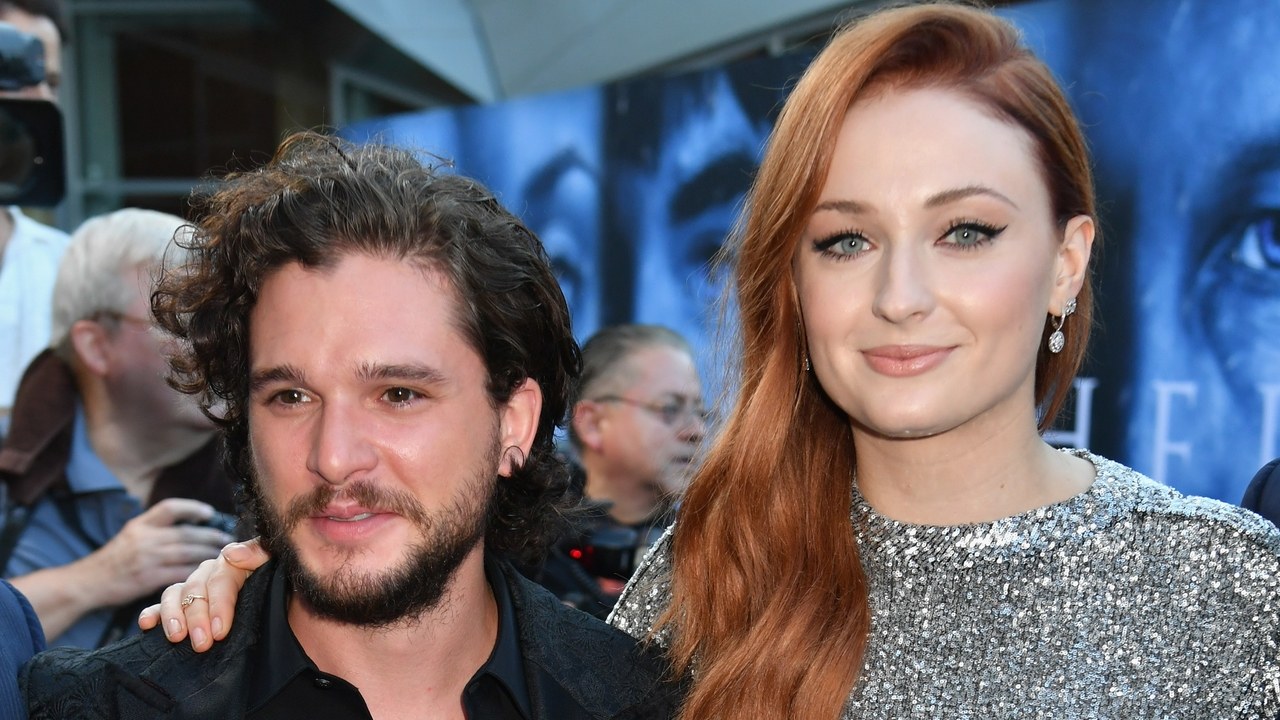
Sophie Turner and Kit Harington have been co-stars for, it’s safe to say, a while now: Game of Thrones‘ eighth and final season is premiering on April 14, and although we have so many questions about what’s to come on the hit show, there’s a 0% chance we’re going to be getting any satisfactory answers until each episode unfolds. (However, you can bet that this hasn’t stopped fans from coming up with plenty of theories about what’s going to happen.) There’s one thing that can be cleared up, though, and that’s the matter of why Turner, who plays Sansa Stark, and Harington, who plays Jon Snow, aren’t getting paid the same for the work they do on the show.

In an industry where there are headline-making gender pay gaps—remember when Michelle Williams reportedly got paid less than $1,000 while Mark Wahlberg got $1.5 million for a movie reshoot?—discrepancies like this are beginning to receive extra scrutiny. Turner was recently asked by
Harper’s Bazaar UK
about her views on the difference between her and Harington’s paychecks for the show. Asking for equal pay on set, she told the magazine, is “a little tricky. Kit got more money than me, but he had a bigger storyline. And for the last series, he had something crazy like 70 night shoots, and I didn’t have that many. I was like, ‘You know what… you keep that money.'”

As The Hollywood Reporter wrote in 2014 about negotiations for the show’s seventh season, the cast—among the highest-paid on cable TV—is divided into tiers to determine compensation: Tier A includes the main roles, played by actors including Harington, Lena Headey (Cersei Lannister), and Emilia Clarke (Daenerys Targaryen). Tier B includes Turner and Maisie Williams (Arya Stark); and there’s another tier beyond that’s filled by actors with smaller roles.

But Turner’s still been able to wield her influence to advance equality behind the scenes: As she told Harper’s Bazaar UK, she has an inclusion rider in her contract, which stipulates that the male/female ratio of a project’s workforce is an even 50-50. And when there’s so much work to be done in the industry, every step forward counts.


Source link

Categories
Health

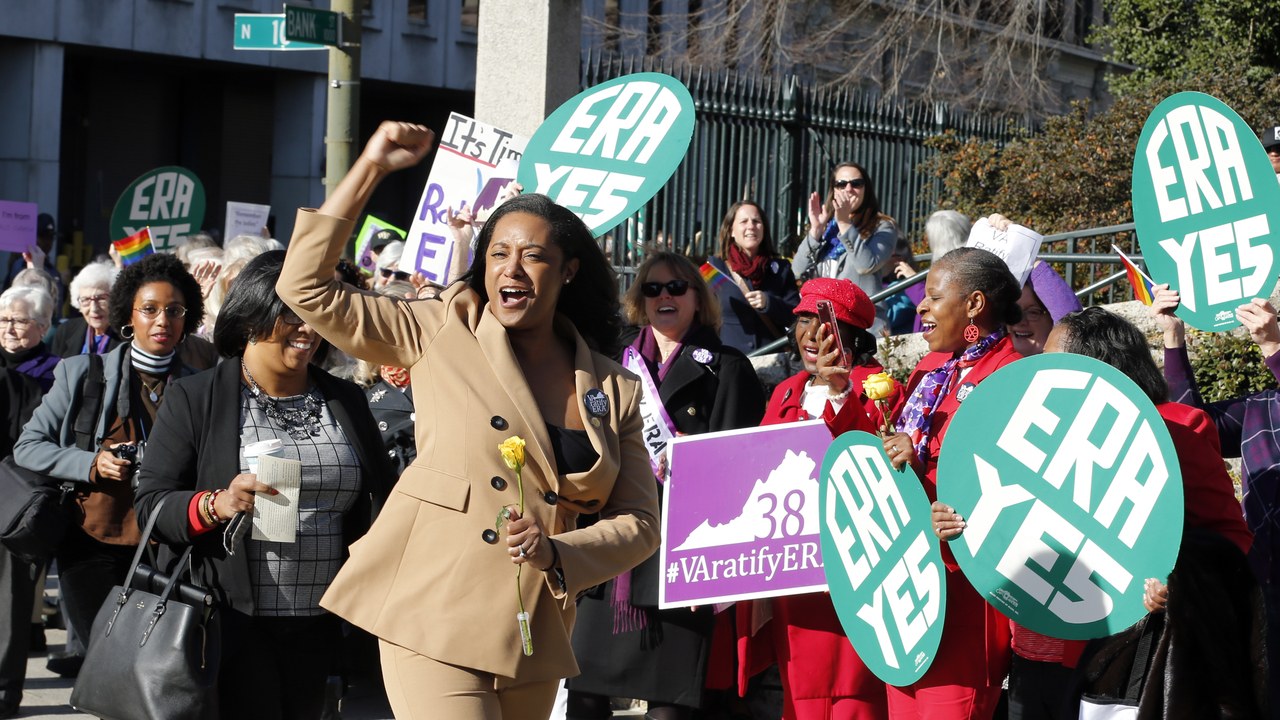
Virginia Delegate Jennifer Carroll Foy Addresses Statewide Controversies


I do believe that forgiveness is possible. I believe it’s possible to be remorseful. I believe in due process, of course. But I don’t know if apologies or denials are enough for Virginia at this moment. Most of us have, I think, reached the point where we have enough information. At least in the cases of Gov. Northam and Lt. Gov. Fairfax, these men are not in a position to continue to lead.

As a black woman, this is a hard situation. You feel betrayed. When a white woman who was the victim of sexual violence came forward against Brett Kavanaugh, it was kind of like a unanimous call for him to withdraw from consideration. He was confirmed, but the Democrats were pretty unified. But when it was a black woman who came forward with allegations against Justin Fairfax, the call has not been as resounding. Some African American women take great offense to that.

At the same time, this is where I see real possibilities for change, because conversations about that dynamic are happening at a magnitude that I cannot remember here in Virginia. Earlier this week a person called me and she said, “Jen, I just want to apologize.” And I said, “Why?” And she said, “As a white woman, I now understand that racism is still here. Some people believe that because we had Barack Obama as president and we have Cory Booker and Kamala Harris in the race for president, we have reached a pivotal point, the worst is over.” And she said, “Now I know we have not. I also suffer from some prejudice, I’m sure. I’ve had conversations about it and I am working to do better.” That she apologized—that’s never happened to me before. So if we can use this as a real opportunity to have candid discussions about race and gender and sexual violence and racism and white privilege, I think that can benefit us when we do come out of this.

We have worked as Democrats to acknowledge the hurt that casual racism can cause. But it’s not just about offensiveness or these racist tropes. We have to connect it back to how racism can hurt our constituents, how sexism harms people. These are not “interpersonal issues.” To me, the best way I can address these scandals is to introduce legislation that works to end some of the structural racism and sexism that holds us back. That’s the role I want to step into.

I talk about the need for Equal Rights Amendment, which is about the end of sex discrimination. It’s about equal pay for equal work. It’s about the wage gap. When I talk about legislation to address black women maternal mortality rates, which are higher in the United States than in most other developed countries, that’s about racism. And that racism is killing black mothers. Wage disparity, protections for the LGBTQ community, programs for the poor, for veterans, and on and on. We call out blackface and discrimination and hate because it affects people’s lives. And the antidote is not just statements, but legislation.

That is my job. That’s what I’m charged to do. That’s my passion. When I see unfairness, inequalities, and injustice, that’s what motivates me.

I have seen some conversation around whether I should have a role in statewide leadership. I feel flattered that people have taken notice of the work I do. It reassures me that I’m doing a good job. Bottom line, I’m here to do whatever Virginia needs to move forward. Whatever the party needs or requires of me, then that’s exactly what I will do.


Source link

Categories
Health

Grammys 2019: Lady Gaga's Acceptance Speech Addresses Mental Health


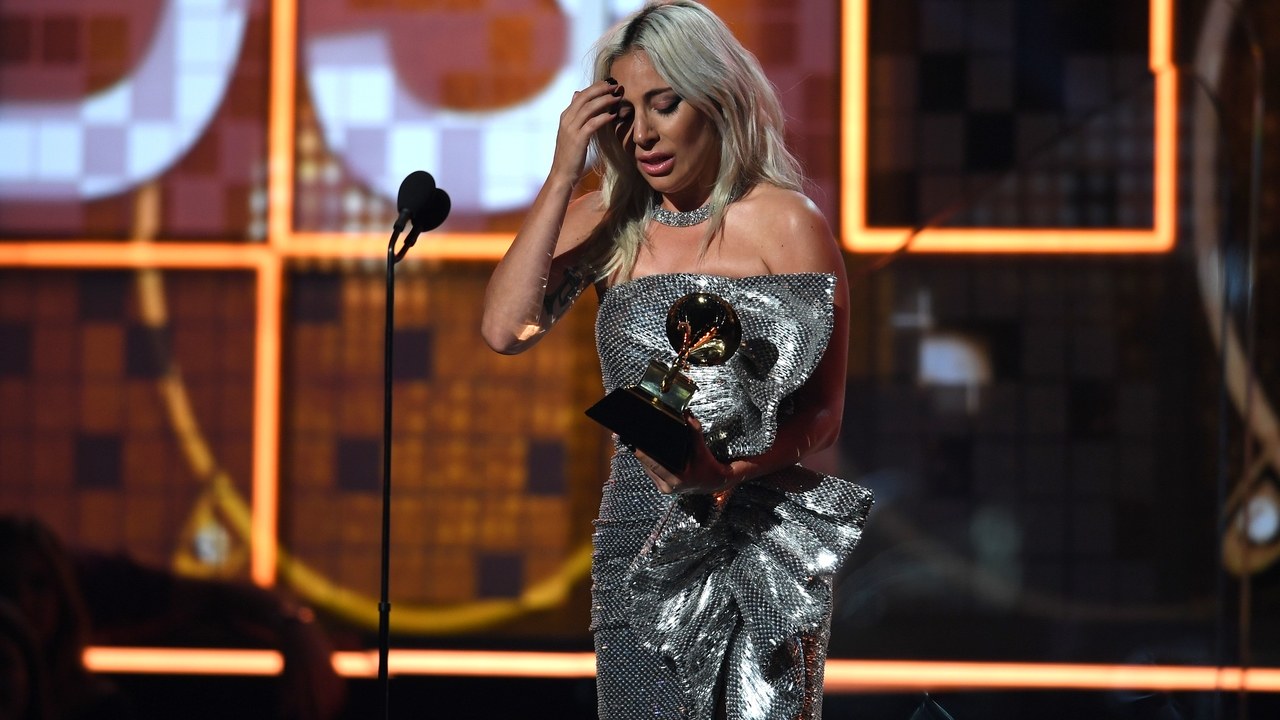
Lady Gaga took home took home the award for Best Pop Duo/Group Performance for “Shallow” from A Star Is Born at the 2019 Grammys on Sunday night (February 10), and she used her speech as an opportunity to talk about mental health and the importance of reaching out for help.

“I’m so proud to be a part of a movie that addresses mental health issues,” Gaga said. “They’re so important. And a lot of artists deal with that, and we’ve got to take care of each other. So if you see somebody that’s hurting don’t look away. And if you’re hurting, even though it might be hard, try to find that bravery within yourself to dive deep and go tell somebody and take them up in your head with you.”

Watch Lady Gaga‘s speech for yourself, below:

Fans took to Twitter to applaud Gaga for her candor:

Gaga has been quite open about her struggles with mental health. “One in four of us will have to deal with a mental health condition at some point in our lives, and if we’re not directly affected, someone we care for is likely to be,” Gaga and Dr. Tedros Adhanom Ghebreyesus, the director-general of the World Health Organization, wrote in an essay for The Guardian back in October 2018 . “Yet despite the universality of the issue, we struggle to talk about it openly or to offer adequate care or resources. Within families and communities, we often remain silenced by a shame that tells us that those with mental illness are somehow less worthy or at fault for their own suffering.”

Gaga’s already won three Grammys this evening, two for “Shallow” from A Star Is Born and one for “Joanne (Where Do You Think You’re Goin’?).” “I’m not gonna be able to wear any makeup tonight,” she wrote in an emotional tweet celebrating her wins. A star really is born.


Source link