Categories
Health

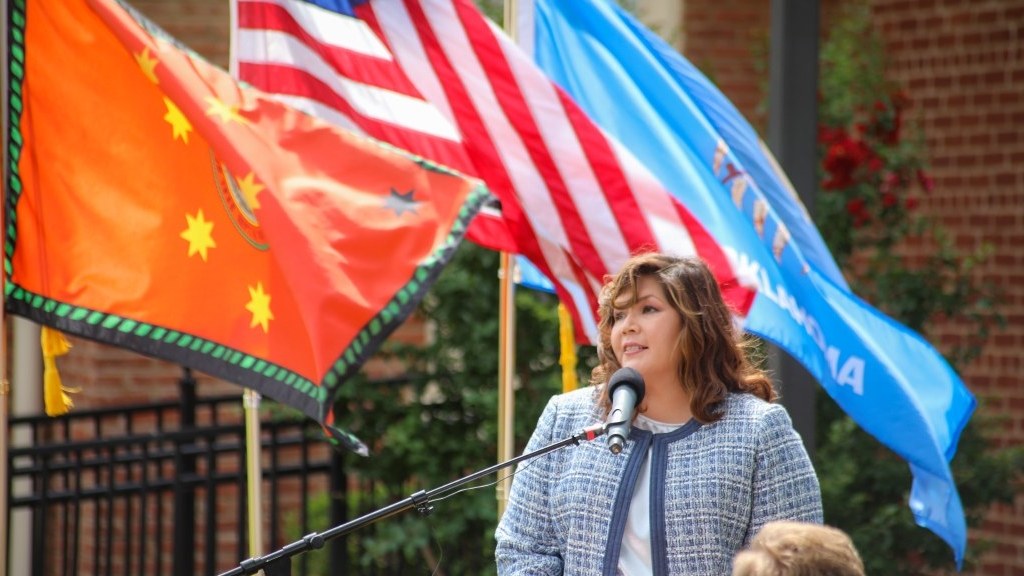
Kimberly Teehee Is Ready to Be the First Cherokee Nation Delegate to Congress


Cherokee Nation is looking to make good on an over 200-year-old promise from the United States government. In the 18th and 19th centuries there were treaties signed between the two parties promising Cherokee Nation a seat at the table—with its own delegate in the House of Representatives. Earlier this month, Chief Chuck Hoskin Jr. made clear the time is now for his people to have a seat at the table.

Chief Hoskin nominated Kimberly Teehee, 53, the tribe’s vice president of government relations and former senior policy adviser for Native American affairs in the Obama administration to be the non-voting delegate. Cherokee Nation has voted to confirm Teehee, and she has received support from Native Americans in office like Congresswoman Deb Haaland (D-NM).

“The government must always uphold its treaty obligations, and the United States government promised the Cherokee Nation’s right to a delegate when it entered into the Treaty of New Echota. Rights granted through treaties do not expire. Chief Hoskin has taken an important first step in this process by naming a delegate—Kimberly Teehee is well known in Indian Country and I look forward to learning more about the process as we move forward,” Rep. Haaland tells Glamour.

While there are already several non-voting delegates in the House of Representatives—from Puerto Rico, to the District of Columbia, Guam, American Samoa, the Northern Mariana Islands, and the U.S. Virgin Islands—this appointment would be especially historic as Teehee would be the first delegate from a sovereign Native American government.

As she prepares to stake her claim in Congress, Glamour spoke to Teehee about her work with President Obama, what she learned from Gloria Steinem, and how she hopes to be a role model.

Glamour: You were just confirmed by Cherokee Nation to hopefully be their first delegate to Congress. Congratulations! What was the nomination, and subsequent confirmation process like?

Kimberly Teehee: When Chief Chuck Hoskin Jr. was sworn in this August, one of the very first things he wanted to do was exercise our treaty rights that provide for a Cherokee delegate in the House of Representatives. And he nominated me to be that delegate. When I went before council to be confirmed, it was truly historic. I just feel very blessed, humbled, and honored that our elected leaders of the tribe have unanimously approved my role as delegate to the House of Representatives. But we also know we have our work cut out for us. That’s just our part of the treaty rights. We still need to work with our delegation and leadership in the House of Representatives on the framework of how this is going to work within the Congress.

Why do you and Chief Hoskin feel that now—with this administration and this President in the White House—is the right time to renew your push to have a Cherokee Nation delegate to Congress? And how are you gearing up to fight to get this through Congress?

KT: I don’t look at it as “why now” as much as I look at it as, “why not now?” We are a sovereign nation that is capable of exercising a sovereign right to move forward with appointing a delegate to honor our treaties. We’ve had great success as Cherokee Nation working with Congress and working with this administration. Whether it was trying to get legislation supported, or trying get in the President’s budget—we were successful at doing those things. So again it’s not why now, but why not now that Indian country has stronger footing, more champions in Congress than ever before, and that we’ve had success working on both sides of the aisle. It just seems the right time to do it.


Source link

Categories
Health

Virginia Delegate Jennifer Carroll Foy Addresses Statewide Controversies


I do believe that forgiveness is possible. I believe it’s possible to be remorseful. I believe in due process, of course. But I don’t know if apologies or denials are enough for Virginia at this moment. Most of us have, I think, reached the point where we have enough information. At least in the cases of Gov. Northam and Lt. Gov. Fairfax, these men are not in a position to continue to lead.

As a black woman, this is a hard situation. You feel betrayed. When a white woman who was the victim of sexual violence came forward against Brett Kavanaugh, it was kind of like a unanimous call for him to withdraw from consideration. He was confirmed, but the Democrats were pretty unified. But when it was a black woman who came forward with allegations against Justin Fairfax, the call has not been as resounding. Some African American women take great offense to that.

At the same time, this is where I see real possibilities for change, because conversations about that dynamic are happening at a magnitude that I cannot remember here in Virginia. Earlier this week a person called me and she said, “Jen, I just want to apologize.” And I said, “Why?” And she said, “As a white woman, I now understand that racism is still here. Some people believe that because we had Barack Obama as president and we have Cory Booker and Kamala Harris in the race for president, we have reached a pivotal point, the worst is over.” And she said, “Now I know we have not. I also suffer from some prejudice, I’m sure. I’ve had conversations about it and I am working to do better.” That she apologized—that’s never happened to me before. So if we can use this as a real opportunity to have candid discussions about race and gender and sexual violence and racism and white privilege, I think that can benefit us when we do come out of this.

We have worked as Democrats to acknowledge the hurt that casual racism can cause. But it’s not just about offensiveness or these racist tropes. We have to connect it back to how racism can hurt our constituents, how sexism harms people. These are not “interpersonal issues.” To me, the best way I can address these scandals is to introduce legislation that works to end some of the structural racism and sexism that holds us back. That’s the role I want to step into.

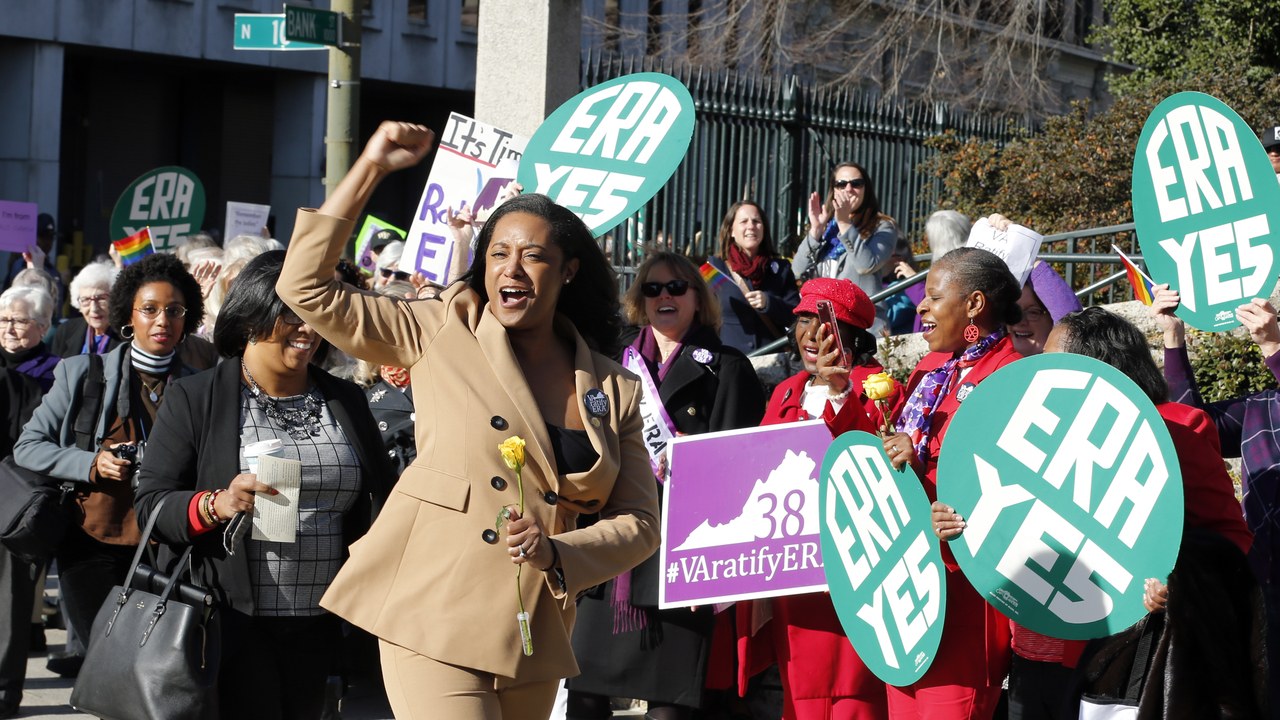
I talk about the need for Equal Rights Amendment, which is about the end of sex discrimination. It’s about equal pay for equal work. It’s about the wage gap. When I talk about legislation to address black women maternal mortality rates, which are higher in the United States than in most other developed countries, that’s about racism. And that racism is killing black mothers. Wage disparity, protections for the LGBTQ community, programs for the poor, for veterans, and on and on. We call out blackface and discrimination and hate because it affects people’s lives. And the antidote is not just statements, but legislation.

That is my job. That’s what I’m charged to do. That’s my passion. When I see unfairness, inequalities, and injustice, that’s what motivates me.

I have seen some conversation around whether I should have a role in statewide leadership. I feel flattered that people have taken notice of the work I do. It reassures me that I’m doing a good job. Bottom line, I’m here to do whatever Virginia needs to move forward. Whatever the party needs or requires of me, then that’s exactly what I will do.


Source link