Categories
Health

Camila Morrone Addresses the 23-Year Age Gap With Boyfriend Leonardo DiCaprio


Camila Morrone is getting serious acclaim for her breakout role in the independent film Mickey and the Bear—her performance has even led people to compare her to Jennifer Lawrence. It has also helped shift Hollywood’s gross reduction of her as simply “Leonardo DiCaprio’s girlfriend,” although there’s been new attention applied to their relationship, specifically their 23-year age difference. (She’s 22; he’s 45.) Speaking to the Los Angeles Times this week, Morrone made it clear she’s not too concerned about the gap or what people think of it.

“There’s so many relationships in Hollywood—and in the history of the world—where people have large age gaps,” she said, adding, “I just think anyone should be able to date who they want to date.” She did admit she kind of understands the fascination with the relationship, which seems to have started sometime in 2017 when they were first spotted together. “I probably would be curious about it too,” she said.

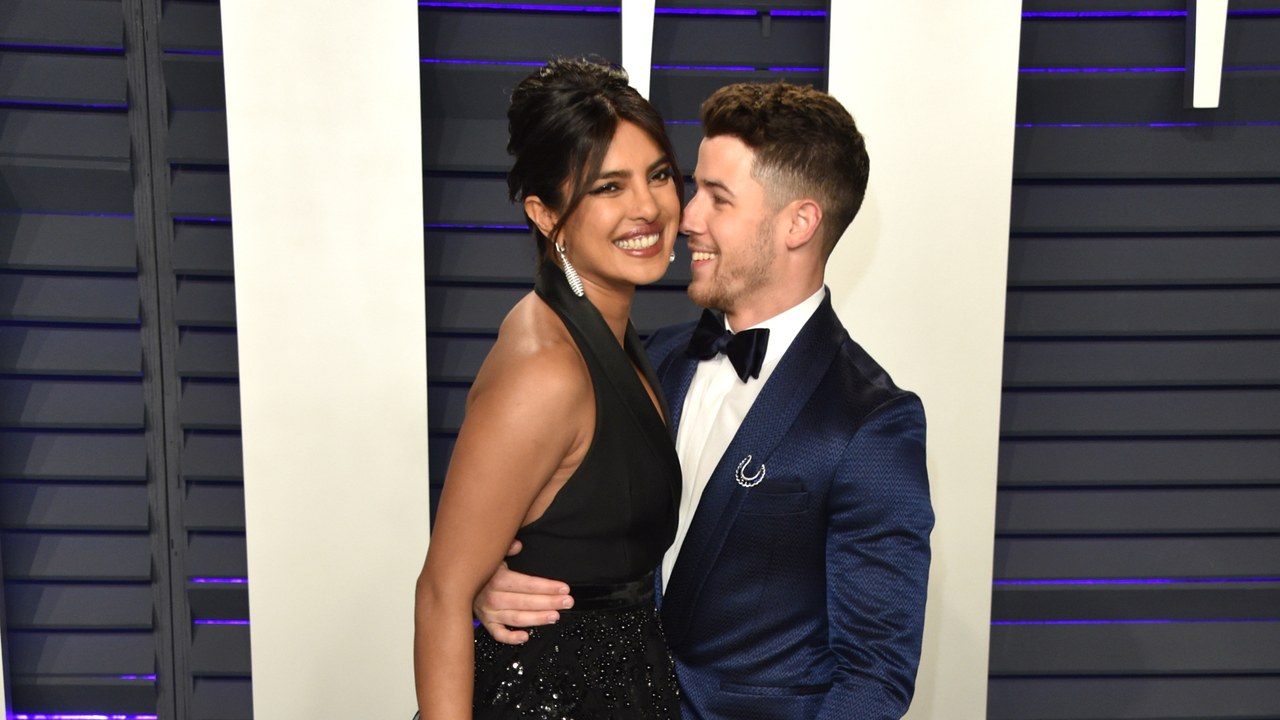
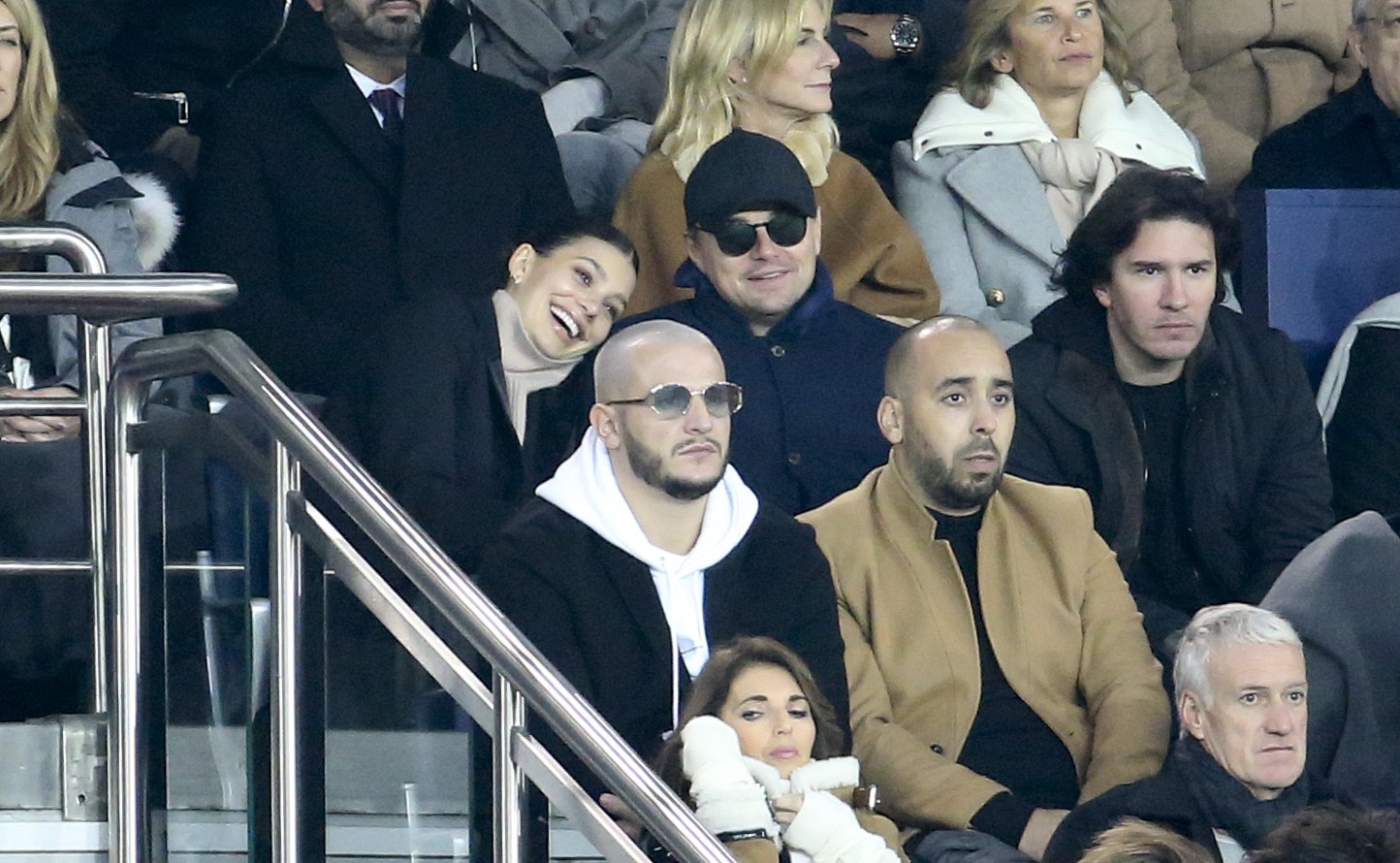
Leonardo DiCaprio and Camila Morrone. 

Getty Images

Morrone is right that there are tons of relationships with large age gaps in Hollywood, but consistently it seems to be men dating much younger women. This is so prevalent that the internet was surprised when actor Keanu Reeves stepped onto the red carpet with a woman closer to his age (she’s eight years younger).

Camila Morrone didn’t go into other details about dating DiCaprio, focusing instead on how Mickey and the Bear has opened up new opportunities for her and established who she is outside of her boyfriend. “I think more and more now that people are seeing the film, I’m slowly getting an identity outside of that,” she said. “Which is frustrating, because I feel like there should always be an identity besides who you’re dating.” She continued, “I understand the association, but I’m confident that will continue to slip away and be less of a conversation.”


Source link

Categories
Health

Relationship Age Gap: How Big Is too Big?


I once thought I’d fallen in love with an adorable lawyer who started chatting with me while we waited at a crosswalk in Manhattan. I felt an immediate spark, and after we exchanged numbers, we planned our first date without ever bringing up our ages. A week later, somewhere between one and four glasses of wine, he told me I looked “quite young” and asked how old I was.

“I’m 25,” I said, trying to seem proud of the number even though I’d just celebrated this birthday with a bit of dread about growing up. He nodded in surprise and didn’t offer his age until I asked for it. “You’ll never guess,” he said, which is when I tried to examine his face for wrinkles and his hair for salt-and-pepper grays—there weren’t any.

“I’m 38,” he said. Thirty-eight. I wouldn’t have guessed, I told him. Then he excused himself to the go to the bathroom while I sat wondering what our relationship age gap meant: Would he want to move faster in a relationship? Would he be thinking about children already? Would he be appalled by my tiny studio apartment, which I could barely afford?

“So I know what you’re thinking,” he said, upon returning. “Why isn’t this guy married with kids?” He launched into an explanation about not finding the right woman yet and managed to quell all of my concerns—at least for the time being. I continued to find myself smitten, gushing to my mom about him, telling her that 13 years wasn’t that big of an age difference because we got along so well and it just didn’t matter.

We continued to date until, eventually, our lifestyles proved drastically different. His career and financial situations were a far cry from mine, and the idea of things getting serious felt rushed and scary to me. He was closer to 40 than I was to 30, and I felt like he’d inevitably want marriage and children much sooner than I would. So I let our connection slip away, allowing my concern over our age difference to overshadow our passion.

It was ultimately the right call, I felt, and experts seem to agree. The truth is that age is not just a number, says Seth Meyers, Ph.D., a psychologist and author of Overcome Relationship Repetition Syndrome and Find the Love You Deserve. A relationship age gap bigger than 10 years often comes with it’s own set of issues. “While there are always exceptions to rules, a good rule to remember is that dating someone more than 10 years older will present challenges now or later that add to the preexisting challenges any relationship has,” he says.

Couples with a big age difference need to think things through or risk finding themselves at conflicting stages in their relationship. “You can see varied cultural references, disapproval from family and friends, and perhaps community disapproval, as well,” says Rachel Sussman, a licensed marriage and family therapist in New York. “It might be hard to relate to each other’s peer groups, too.”

Since dating my the lawyer, I’ve capped my ideal man at about five to seven years older than me—especially on dating apps, where you can filter out those in a specific age group. But at the same time, I still keep an open mind—a big age gap doesn’t have to be a nonstarter. “The unhealthy individual either has a type that is too specific and narrow (I want someone between 30 and 35 who loves the outdoors, is really close to his parents and siblings) or, conversely, too broad and vague (I just want someone nice),” Meyers says.

Instead, be realistic about what you want in someone, not what you want from their age. Think of 10 years as a general guideline, but be open to other ages, as well—and don’t limit yourself to dating only someone older. “‘Cast a wide net’ is what I tell all my clients,” Sussman says. “Men should date older, and women should be OK experimenting with dating younger. And we should all be more open-minded.”


Source link

Categories
Health

A Gender Gap at the Gym Is Keeping Women From Working Out


Growing up, Sayeeda Chowdhury, 24, never thought of herself as an athlete. She developed an aversion to the gym young, when classmates stared at the “Muslim girl modifications” to her PE uniform. “I hoped I could find the courage to go to the cardio room one day, but never imagined going into the weight room filled with testosterone and people staring,” says Chowdhury.

But that didn’t stop her from admiring strong female athletes. One day, watching a powerlifting video posted by a woman in her medical school class, she couldn’t help herself: “#goals,” she commented.

To her surprise, the woman invited her to come to the gym to learn to lift. With encouragement, Chowdhury kept coming back, gaining confidence on top of strength. “I stopped caring about who was watching me,” she says. She was hooked, and today she’s a powerlifter in her own right.

Chowdhury definitely isn’t the only woman to feel a sense of gym intimidation—if you’ve ever set foot in a bro-y weight room and suddenly felt like everyone was judging you, you know the feeling. But it’s not just a matter of making women self-conscious: Researchers argue experiences like this contribute to a gender gap in physical activity levels that harms women’s health.

Globally, women are less likely than men to get enough exercise: 57 percent of men ages 18 and over meet recommended aerobic activity levels, versus 49 percent of women, according to CDC data. When it comes to the number of people who meet guidelines for both aerobic and muscle strengthening activity, the gap widens. (Further marginalized groups have it even worse—in a recent study, young Black women were the least likely group to report any physical activity, and given the discriminatory policies trans and non-binary people face in sport and gym environments, experts suspect their exercise participation rates are even lower.)

In my six years as a personal trainer, I’ve seen this firsthand. It’s more than a personal frustration—it’s a serious health equity issue. Research tells us that regular exercise is one of the most powerful things a person can do to reduce their risk of developing chronic disease: It lowers the risk of hypertension, heart disease, stroke, diabetes, and numerous types of cancer. Exercise is also beneficial for mental health, and helps to build and maintain bone density, a concern especially relevant for women who are at greater risk for osteoporosis.

Just like the wage gap, the gender gap at the gym robs women of a better future.

So what’s responsible for the gym gap? The answer is complex, but a major factor is that active spaces are plagued by gender-specific deterrents that encourage women to stay on the sidelines.

For starters, women are more likely than men to experience weight stigma, which can discourage women from going to the gym (and even the doctor’s office.) Then there’s the issue of harassment—as in most public spaces, women’s experiences in gyms and on hiking trails and running routes are often marred by harassment. While running in a busy park in Salt Lake City, Shauna North, 26, was followed by a man in his car. He would park, watch her run past, drive up ahead, and park to watch her run by again. Later during that same run, she was whistled at by two more men, separately, as they drove by. Over 40 percent of women experience harassment while running, according to a 2017 Runner’s World poll. North was so shaken by her experience, she gave up on the idea of running a half marathon, afraid of what might happen on training runs after work. “If the same thing were to happen to me at night with no people around, I don’t know what the outcome would have been,” she says.


Source link

Categories
Health

The Black Women's Wage Gap Is Systemic, but That Doesn't Mean It Can't Change


What would you do with an additional $20,000 dollars? It’s a question that might seem rhetorical, but to many women of color, it’s one that’s perfectly logical due to an overwhelming wage gap; a disparity that’s acknowledged yearly with Black Women’s Equal Pay Day, which is today.

Recent data from the National Women’s Law Center shows that while women in the U.S. make 80 cents to every dollar white men make, black women working the same number of hours typically make just 63 cents for every dollar paid to their white, non-Hispanic male counterparts. And with median wages for black women in the United States at $35,382 per year, compared to $56,386 for white, non-Hispanic men, this amounts to a loss of about $21,698 each year for African American women and their families.

Considering the high-profile strides black women have made in various industries during the past few years, it’s hard to fathom the gap exists so broadly. Black women—who, according to the National Center for Education Statistics, are attaining college degrees at higher rates than before—are leading politically (and campaigning to make history), are changing the Hollywood landscape with nuanced storytelling (and unprecedented deals), crushing the sports world and even maintaining the top spot as the fastest growing group of entrepreneurs.

And the gap isn’t unique to black women in lower and middle wage jobs who are facing discrimination: According to a new joint study by Leanin.org, the National Urban League, and SurveyMonkey, “the [wage] gap actually widens for black women with more education.” In fact, for black women, it takes 200 days to “catch up.”

In 1996, the National Committee on Pay Equity decided to bring awareness to this disparity by creating Equal Pay Day. The day signifies how long it takes for a woman to make the same amount of money a white man makes for the prior year. Each year, Equal Pay Day for All is held in April to acknowledge that it takes an average woman about 16 months to make what a typical white man makes in a year.

But when we look at the wage gap for Black women, this day of “catching up” falls later in the year on August 7. Black women have to work more than 200 additional days to make the same amount of money a white man makes in a year. And these numbers matter, especially as the gap widens. It’s not clear when black women will be able to catch up. But there are things we can do to inch closer. On Black Women’s Equal Pay Day, we take a look:

Why Does the Black Women’s Wage Gap Matter?

For the millions of black women, who are working hard and still struggling to make ends meet, it’s obvious that losing out on thousands of dollars in income each year is detrimental for their well-being. But there are additional reasons why closing the black women’s wage gap is so important. Aside from obvious discrimination, black women, perhaps more than any other demographic, need higher wages.

According to 2013 data from the Center for American Progress, nearly 75 percent of black breadwinning mothers are unmarried (compared to 29 percent of white women). In other words, they are paying the rent or mortgage, feeding the family, procuring healthcare, and more on their own. This also impacts black women’s ability to build wealth. Wealth, defined as what you own minus what you owe, is the ultimate measure of economic security and black women have far too little of it. According to the Asset Funders Network, median wealth for single black women in the U.S. is $200. Raising wages, will provide black women with more money to save and invest.

What Can We Do About It?

The good news is that there are policy proposals to increase black women’s wages and close the wage gap. Below are just a few key proposals.

Raise the minimum wage:

According to Bare Minimum: Why we Need to Raise Wages for America’s Lowest Paid Families, a new report by the Leadership Conference Education Fund and Georgetown Center on Poverty and Inequality, black women are more likely than any other group to benefit from a $15 minimum wage. (Black women are disproportionately working in low wage jobs.)

And, while there is very little action at the federal level to increase the minimum wage, many state legislators know that raising wages is good for both families and the local economy. And they are acting.

In fact, according to the National Conference of State Legislatures, “eighteen states began the new year with higher minimum wages. Eight states (Alaska, Florida, Minnesota, Missouri, Montana, New Jersey, Ohio, and South Dakota) automatically increased their rates based on the cost of living, while 10 states (Arizona, California, Colorado, Hawaii, Maine, Michigan, New York, Rhode Island, Vermont, and Washington) increased their rates due to previously approved legislation or ballot initiatives.”

Economic justice advocates are also working hard locally to advance a $15 hour minimum wage that increases with inflation over time. As a result, New York City, Seattle, Los Angeles, and San Francisco have passed $15 hour minimum wage ordinances.

Go to Raise the Minimum Wage to learn more about how you can get involved. In addition, be sure to check out Fight For $15.

Revitalize unions:

According to Economic Policy Institute, union membership is key to helping to close the black women’s wage gap:

“Black women have traditionally faced a double pay gap—a gender pay gap and a racial wage gap. EPI (Economic Policy Institute’s) research has shown that… unions help reduce these pay gaps. Working black women in unions are paid 94.9 percent of what their black male counterparts make, while nonunion black women are paid just 91 percent of their counterparts.”

Unfortunately, the recent Supreme Court decision in Janus v. AFSCME will weaken unions. The new ruling creates a situation where workers like Janus—a white man—are no longer required to pay their “fair share” in union dues, even though they benefit from union organizing and collective bargaining agreements.

To learn more the importance of advancing collective bargaining initiatives and fair labor practices, check out inequality.org.

Pass the Paycheck Fairness Act:

At the end of the day, it’s employers, not the government, that set wages. And the Equal Pay Act, which was signed into law 50 years ago, was designed to regulate the behavior of corporations by outlawing wage discrimination based on sex. Unfortunately, it’s clear from the persistence of the wage gap that the Equal Pay Act hasn’t worked.

We need to strengthen the Equal Pay Act and ensure that it protects black women from wage gaps based on race and gender. That’s where the Paycheck Fairness Act comes in. According to the National Partnership for Women & Families, the Paycheck Fairness Act will add teeth to the Equal Pay Act by helping to “ensure the Department of Labor (DOL) uses the full range of investigatory tools to uncover wage discrimination.”

For example, the Paycheck Fairness Act would make employers accountable for proving that wage differences are a result of legitimate, job-related issues. It would also protect women and men who share their salaries with each other from retaliation by employers. Finally, the Act would provide women and girls with training in negotiating skills.

Make no mistake. Wage discrimination has a direct impact on the balance sheets of black women. The wage gap hurts both families and the economy. Addressing this damage is key to improving our personal and communal financial health. By learning more about the policies above and advocating with our legislators and corporate leaders, we can ensure that we achieve wage equality and are finally paid what we deserve.

Jessicah Pierre is a media specialist at Inequality.org and founder of Queens Company, an organization dedicated to empowering women of color.

Jocelyn Harmon is the co-founder of BlackHer, an online platform dedicated to educating and inspiring Black women to take action for progressive change.

Related Stories:

Despite Major Wins, Women Are Still Losing When It Comes to Equal Pay

Starbucks Says It’s Achieved Pay Equity For Women and Minorities


Source link
Categories
Health

Tracee Ellis Ross Sets the Record Straight on 'Black-ish' Pay Gap Rumors


Late last week The Hollywood Reporter published a story about actresses battling the pay gap in Hollywood. In it they claimed (via an unnamed source from a Time’s Up meeting) that current Glamour cover star Tracee Ellis Ross was unhappy with the negotiations for the fifth season of Black-ish and had issues with her pay in comparison to costar Anthony Anderson. “Sources say Ellis Ross feels that if she isn’t brought up to Anderson’s level, she may opt to appear in fewer episodes to make up the disparity by guesting on another show.” The article also quoted a network source who said that Ross’s compensations would be significantly increased but that her role and Anderson’s were not comparable since he has been an executive producer since the show began.

Here’s the thing, according to Ross, nobody from THR reached out to her on the matter, and she says the comments attributed to her in the original article are not hers. So she took to Twitter to address the “conversation and speculation.” She says that she was in a common renegotiation during the fourth season of a “successful show” and that she “wanted to be compensated in a way that matches my contribution to a show that I love for many reasons, including the opportunity it allows me to be a fully realized black woman on TV.” She says that there were never any threats made about her role on the show.

And, of course, being the amazing woman and voice in the movement that she is, Ross takes a moment to talk about the larger societal issue at hand. “Having had my renegotiation become a public conversation was awkward, but I’m grateful for the outpouring of support. I’m truly thankful that important conversations are taking place about fighting for women’s worth and equality, tightening the pay gap in every industry.”

You tell ’em, Tracee.


Source link

Categories
Health

Brigitte Macron Addresses Age Gap Between Her and French President Emmanuel Macron


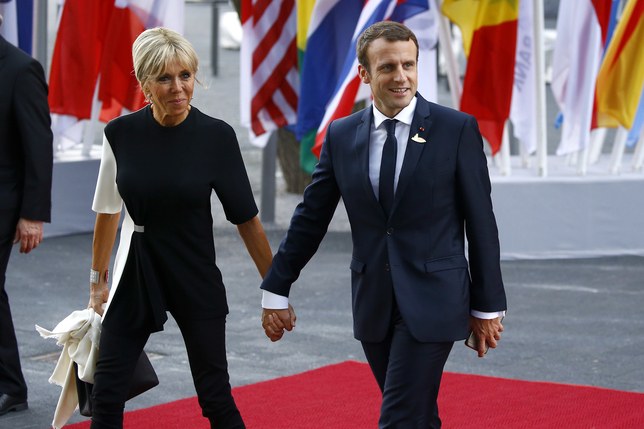
PHOTO: Morris MacMatzen/Getty

Even before Emmanuel Macron was elected president of France, his relationship with wife Brigitte Macron has been the object of close scrutiny and an exhausting amount of ageism due to the fact that Brigitte is 24 years older than her husband. Although Emmanuel spoke out earlier this year about the double standard that makes his marriage a topic of discussion, as opposed to that of Donald and Melania Trump, who have the exact same age gap between them (but in reverse), Brigitte has stayed largely silent — until now.

In a new interview with French Elle, the French first lady reveals that she was putting her own happiness ahead of the rest of society’s opinions when she decided to pursue a relationship with Emmanuel, whom she met while teaching drama at his high school, according to Elle‘s translation. “There are times in your life where you need to make vital choices,” she said. “And for me, that was it. So, what has been said over the 20 years, it’s insignificant. Of course, we have breakfast together — me and my wrinkles, him with his youth — but it’s like that.”

The 64-year-old added, “If I did not make that choice, I would have missed out on my life. I had a lot of happiness with my children and, at the same time, felt I had to live ‘this love,’ as Prévert used to say, to be fully happy.” Of the increased speculation her 10-year marriage received throughout this year’s election, Brigitte said, “I ended by telling myself, OK, I do not take it well, but I have to deal with it. After, it will pass.”

Shortly after his election victory, Emmanuel, 39, spoke out against the misogyny he and Brigitte have endured, as well as the “rampant homophobia” inherent in speculation that he’s gay and his marriage is a sham. “If I had been 20 years older than my wife, nobody would have thought for a single second that I couldn’t be [an intimate partner],” he told Le Parisien. “It’s because she is 20 years older than me that lots of people say, ‘This relationship can’t be tenable.'”

Unfortunately, this isn’t the only sexist incident Brigitte Macron has had to deal with since entering the public eye alongside her husband. Earlier this summer, when the Trumps met up with the Macrons in France, President Trump interrupted his own conversation with Emmanuel to turn to Brigitte and offer his totally unsolicited opinions about her appearance, saying, “You’re in such good shape,” and then adding, “Beautiful.”

And just last week, Brigitte’s attempts to take a more active role in her husband’s administration were shot down when the French government decided not to give her an official political title, budget, or salary. Although some argued that elevating the first lady position from an honorary to an official one smelled a lot like nepotism, others believed that refusing to give Brigitte official powers was a misogynistic attempt to keep her in a subordinate role to her husband.

Related: The Internet Is Shipping a Justin Trudeau and Emmanuel Macron Bromance


Source link