Categories
Health

After Abortion Ban in Alabama, State Representative Rolanda Hollis Introduces Bill Requiring Vasectomies for Men at Age 50


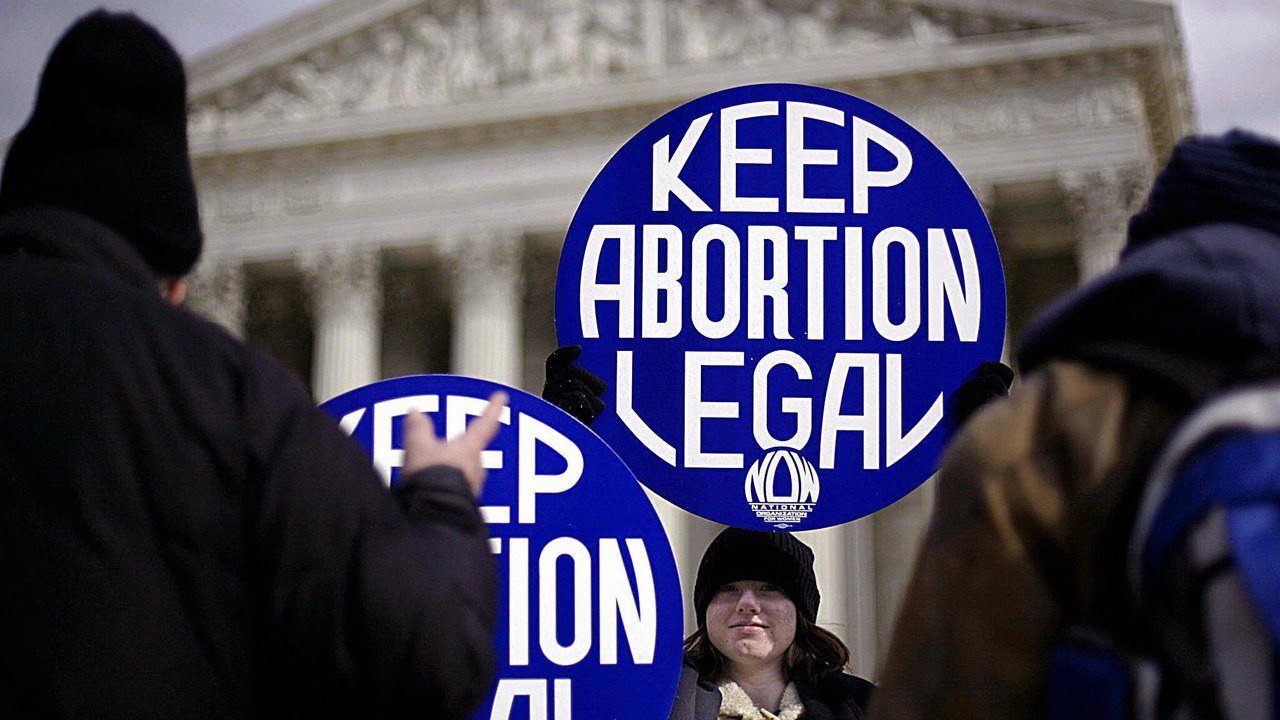
In May 2019, lawmakers in Alabama passed a wide-ranging abortion ban that would, among other things, punish doctors who performed the procedure on women at any stage of pregnancy with up to 99 years in prison. (A federal judge blocked the ban from taking effect in October 2019 until the matter is settled in the courts.)

Now, in response, a Democratic state representative in Alabama has introduced a bill that would require men to get vasectomies within a month of turning 50, or after their third child is born—whichever happens first. Per HuffPost, Rep. Rolanda Hollis acknowledges the bill is not a serious proposal, but rather a symbol meant to “send a message that men should not be legislating what women do with their bodies”—either through a straightforward abortion ban or through smaller incursions into women’s reproductive freedom.

“Year after year the majority party continues to introduce new legislation that tries to dictate [rules for] a woman’s body and her reproductive rights. We should view this as the same outrageous overstep in authority,” she said in a statement.

Senator Ted Cruz (R-Texas) responded to the proposed legislation on Twitter—and was then summarily mocked for his hypocrisy, given his support of limiting women’s reproductive rights. “Yikes. A government big enough to give you everything is big enough to take everything…literally!” he wrote. “Alabama Democrat proposes bill mandating all men have vasectomy at age 50 or after third child.”

“Yes, the government shouldn’t be involved in private reproductive health choices, yes, that’s a great point you made, yes,” historian and author Kevin Kruse replied to his tweet. The actor Patricia Arquette wrote, “Thought you wanted to stop unwanted pregnancies.”

“Wow how awful that the government is trying to interfere with bodily autonomy! What’s that feel like?” another Twitter user said.

And just in case the irony was lost on Cruz, one person laid it out super clearly for him. “This bill was not meant to pass; it was introduced to demonstrate how wrong it is to restrict people’s reproductive rights. In other words, the argument you’re applying to this bill shows how your own views on women’s reproductive rights are indefensible!” he wrote.

Cruz, unsurprisingly, has not responded to those calling out his double standard. Meanwhile, the assault on women’s reproductive rights continues.
Source link

Categories
Health

New York Is the Latest State to Ban Discrimination Against Natural Hair


New York is officially the second state to make it illegal for employers to discriminate against employees because of the way they wear their hair.

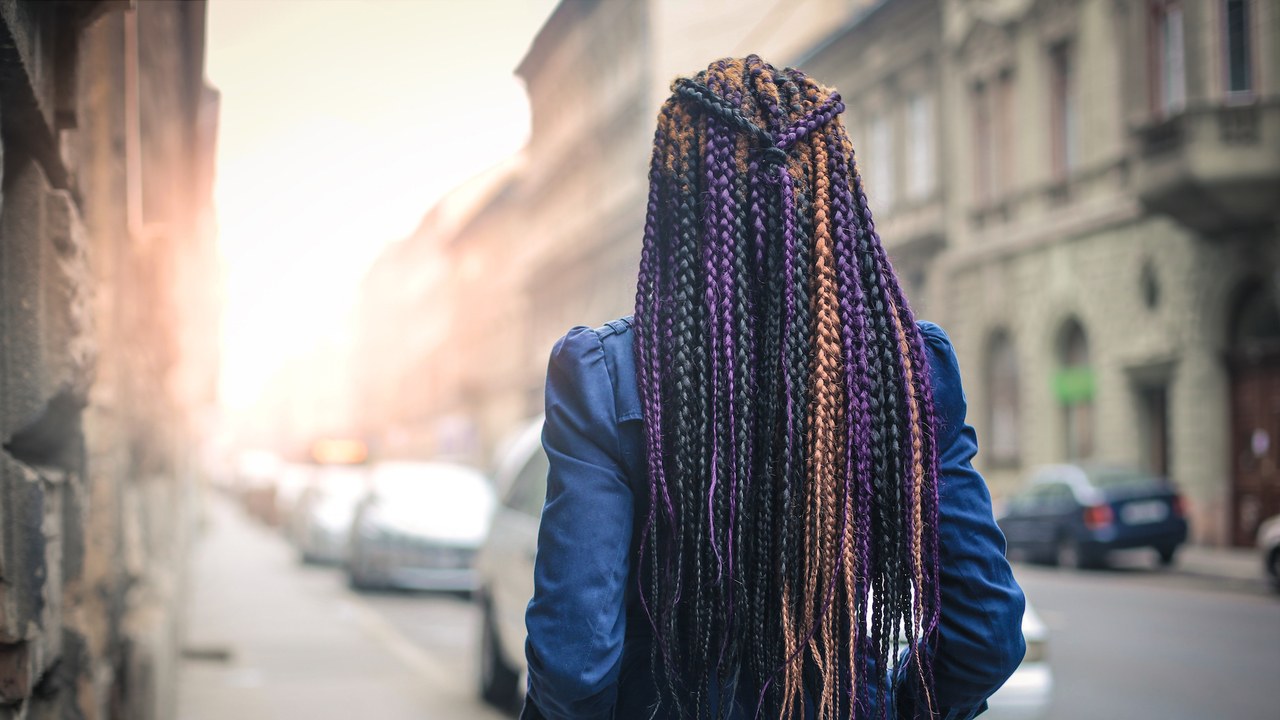
Last week, Governor Andrew Cuomo passed Assembly Bill 07797, legislation that would “prohibit race discrimination based on natural hair or hairstyles.” This law will also impact previous efforts to curb discrimination in the state. For example, it will solidify recently introduced human rights guidelines, which called for the protection of citizens’ right to wear natural hair, treated or untreated, in hairstyles such as locs, cornrows, twists, braids, or Bantu knots. The bill is also an amendment to New York state’s Human Rights Law and Dignity for All Students Act, which outlines racial discrimination as “traits historically associated with race, including but not limited to hair texture and protective hairstyles.”

The signing of this law comes on the heels of California’s recently enacted CROWN Act, which made the state the first in the country to ban employers from discriminating against people with natural hair. “By introducing the bill, I wanted to use it as an opportunity to educate my colleagues about the unique experience and opportunities of having black hair. I didn’t want them to see it as a negative,” Los Angeles Democratic senator Holly Mitchell told Glamour. “Because of my natural hair texture, I have the unique opportunity to wear these amazing natural hairstyles.”

[embedded content]

Through the bill, Mitchell also aimed to highlight that locs are no less “professional” than straightened hair or a blowout. “Our knowledge and ideas of what’s ‘appropriate,’ what’s ‘professional,’ what’s ‘beautiful,’ are based on a very Eurocentric standard,” she said. “This bill and my mere presence in presenting the bill was going to challenge that.”

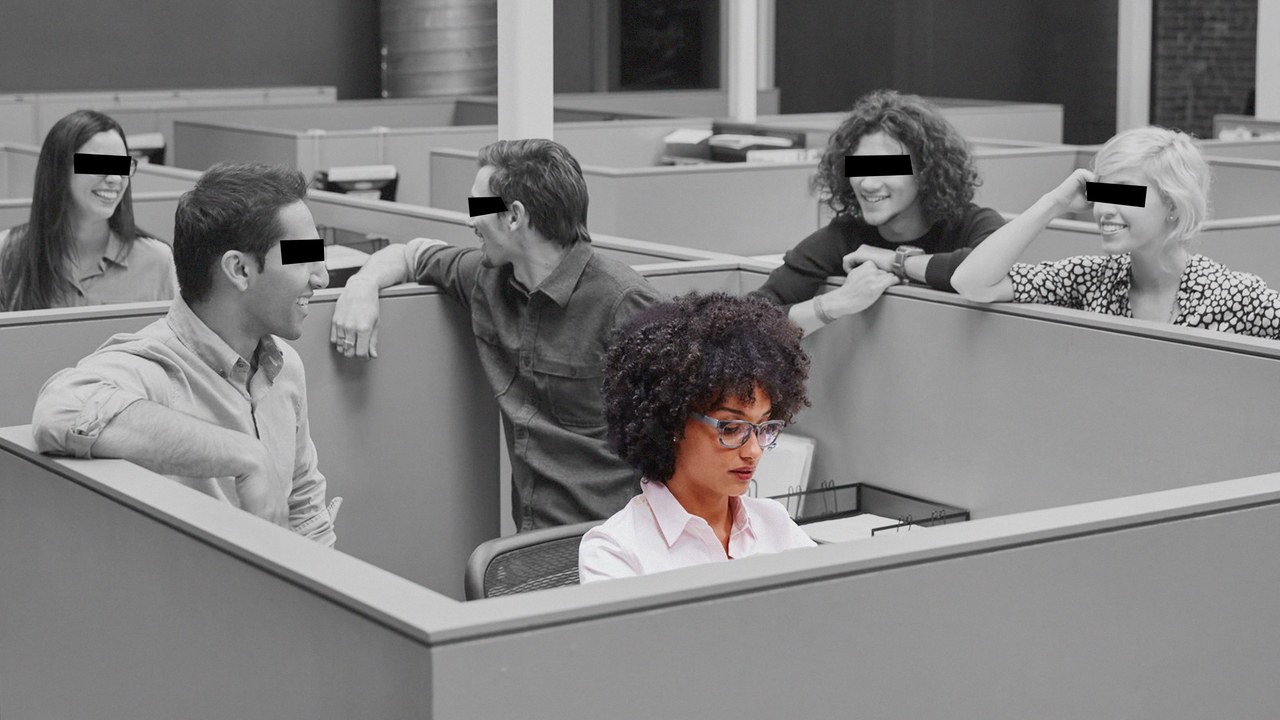
New York becoming the second state to pass this type of anti-discrimination law sends a powerful message to women who have faced issues in the workplace because of how they wear their hair. A recent study from Dove found that black women are 50% more likely to be sent home, or to know a black woman who has been sent home from work because of her hair. Which doesn’t even account for the countless microagressions women face when wearing their hair natural in school or at work.

While it’s too soon to tell how cases of discrimination will be handled under these new laws, it’s a vital step in the right direction for workplace inclusion.


Source link

Categories
Health

California Is Set to Become the First State to Pass a Hair Discrimination Ban


The first time I realized how much my hair had an impact on how others saw me, I was interviewing for my first real adult job. My friends and family helped me run through the checklist women—especially black women—have to be extra cognizant of about their appearance: What would I wear? How should I do my nails? My makeup? And the most crucial, how should I do my hair? I change my hair all the time, and it didn’t occur to me that the way I wore it could make or break my chances of getting hired. Or worse, if I decide to later change it, could potentially get me fired.

So when I told my mom I wanted to get box braids, I could see the concern in her eyes. She didn’t think braids would be a good first impression and warned me they could be viewed as “unprofessional.” I couldn’t blame her, though. That had forever been her reality. To her—to so many of us—looking “professional” meant looking more “mainstream,” which meant wearing your hair straight. This all, of course, was really just a coded way of saying look more white.

I showed up to that interview in a glue-in weave, despite the fact it was a black-owned company. After I got the job, I promised myself I’d never alter the way I look to get hired again. I later landed my dream job wearing box braids.

It’s a decision not unique to me, but solely unique to black women. We are routinely discriminated against for wearing our hair the way it grows out of our scalps or in styles endemic to our culture. There’s no reason box braids or twists should be viewed any differently from a ponytail or bouncy blowout, and yet, we’re reprimanded by managers for looking too “urban” or “unkempt”—like Destiny Tompkins, who was pulled aside by her (white, female) district manager at a New York Banana Republic in 2017 for wearing box braids. She was so “uncomfortable” and “overwhelmed” she chose not to finish her shift.

The list goes on: In 2010, Chastity Jones said she was let go from an Alabama insurance claims–processing company for wearing her hair in dreadlocks. The courts at the time ruled it wasn’t racial discrimination because hair wasn’t an “immutable” (i.e. unchangeable) characteristic. Or take Rachel Sakabo, an experienced employee at New York’s prestigious St. Regis hotel, who claimed she was let go in 2013 after being told she wasn’t a “good fit” with the brand’s “culture,” a decision she’d attributed to her locs.

These are just the viral stories. A recent study from Dove found that black women are 50 percent more likely to be sent home or to know a black woman who has been sent home from work because of her hair. And that’s if she even gets the job.

“During my first months at a major news network, one of the managers wanted to speak with the new hires to see where we saw ourselves growing within the company,” says Blake, 23. “At the time, my hair was in a perm rod set, so it was big and curly.” She told the manager she eventually wanted to be on-air, to which the manager responded: “That comes with a lot of responsibility. Your hair always has to be done and always in the same style. If you’ve ever taken a look at our anchors, they keep their hair clean and sleek.”

Offended, yet brand-new to the company, Blake felt helpless. “I wanted to speak up. How dare she imply my natural hair was somehow the opposite of ‘done’ and ‘clean?’ says Blake. But afraid she’d be painted as “the combative black woman,” she felt silenced.


Source link

Categories
Health

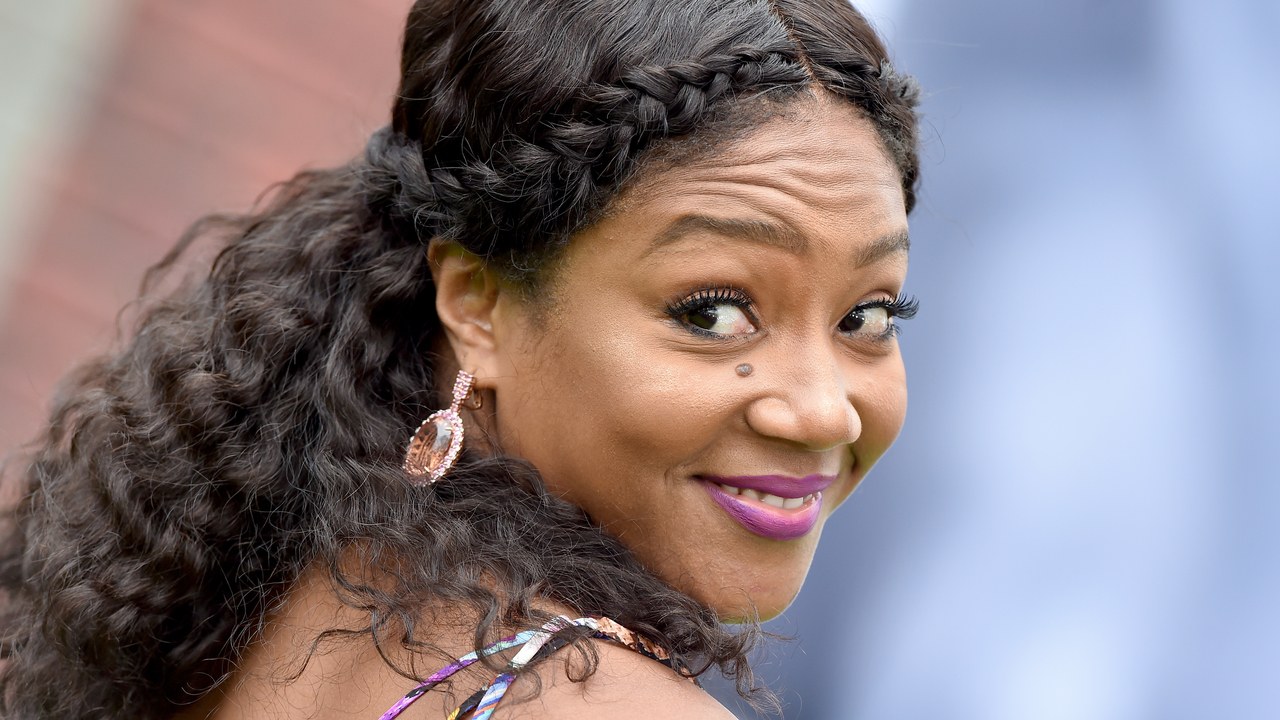
Tiffany Haddish Has Postponed Her Atlanta Show Over Georgia's Abortion Ban


In light of the recent wave of state-by-state attempts to block women’s access to safe and legal abortions, many high-profile women have been speaking out about their own experiences with abortion in order to draw awareness to the critical issue—and to serve as calls to action. Jameela Jamil spoke out in May about the pregnancy she terminated, and Ashley Judd also recently spoke about her own experiences securing an abortion in Georgia after she was raped. After the state’s extreme abortion ban passed in May, celebrities and studios have also been threatening to boycott working in Georgia, which would hit the state where it hurts: The film industry had a total economic impact of $9.5 billion there during the 2018 fiscal year, according to the state. Now, Tiffany Haddish has escalated the conversation by postponing her Atlanta show in protest over the abortion ban.

“After much deliberation, I am postponing my upcoming show in Atlanta. I love the state of Georgia, but I need to stand with women, and until they withdraw Measure HB481, I cannot in good faith perform there,” Haddish said in a statement on Saturday, according to CNN—making her the first celebrity to effectively cancel a performance over the ban. As Jezebel points out, it’s unlikely that Georgia will voluntarily strike down the law before it takes effect. (Ticket-holders will be refunded by the theater.)

Georgia’s law, set to take effect Jan. 1, 2020, will ban abortions after six weeks (before many women realize they’re pregnant) and criminalize them as well. Residents there won’t even be allowed to travel out of state to receive a legal abortion, or they could be charged with conspiracy to commit murder. The law only makes exceptions in cases of incest, medical danger to the pregnant person, and rape—though, for the latter, that’s only if there’s a police report filed.

So far, it seems like many are waiting to follow through until the law actually takes effect—it could be struck down by courts before Jan. 1. Among them, Netflix: “We have many women working on productions in Georgia, whose rights, along with millions of others, will be severely restricted by this law,” the company’s chief content officer said in a May statement to Glamour. “It’s why we will work with the ACLU and others to fight it in court. Given the legislation has not yet been implemented, we’ll continue to film there—while also supporting partners and artists who choose not to. Should it ever come into effect, we’d rethink our entire investment in Georgia.”

Now that Haddish has postponed her performance, it remains to be seen if other celebrities, studios, and companies follow her lead.


Source link

Categories
Health

In Alabama, These 25 Men Voted for the Most Restrictive Abortion Ban in America


This week Alabama passed the most restrictive abortion ban in America, outlawing the procedure from the moment of conception onward. There are no exceptions for cases of rape or incest, with a lone allowance made for instances in which a woman’s health is at risk. As Glamour has reported, doctors who administer an abortion could be prosecuted and face up to 99 years in prison. One headline summed it up well: “Under Alabama’s Abortion Ban, Doctors Who Perform Abortions on Rape Victims Could Get More Prison Time Than Rapists.” The article goes on to explain that even doctors who just attempt to administer one could be sentenced to up to 10 years behind bars.

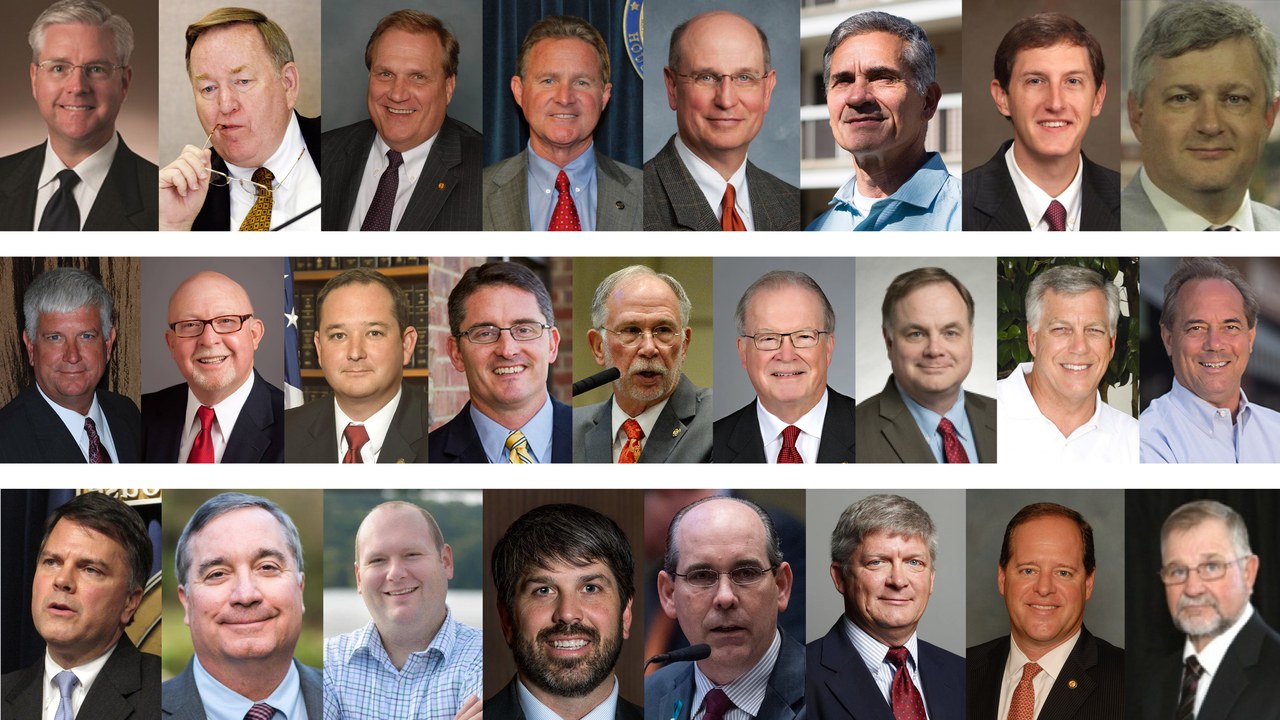
So who voted to strip women of their reproductive freedom, a right that has been enshrined in our law at the national level since 1973? Well, in Alabama, the antichoice movement has a look. All 25 state senators who voted for the bill are Republican white men; there are just four women in the chamber and all of them are Democrats, who opposed the bill.

This means that despite widespread support for Roe v. Wade nationwide and in both parties, just over two dozen men have voted for a bill whose explicit purpose is to challenge the Supreme Court decision. In other words, 25 men who will never need this procedure (but who can, of course, put a woman in a position where she might need one) have limited the medical options available to 51 percent of the population. The lopsidedness of this equation was not lost to people on social media, some of whom pointed out that just nine women have ever served in the Alabama state senate.

Here are the names of the senators who’ve decided that, in Alabama, women don’t deserve the right to make their own health care decisions: Greg Albritton, Gerald H. Allen, Will Barfoot, Tom Butler, Clyde Chambliss, Donnie Chesteen, Chris Elliott, Sam Givhan, Garlan Gudger, Andrew Jones, Steve Livingston, Del Marsh, Jim McClendon, Tim Melson, Arthur Orr, Randy Price, Greg Reed, Dan Roberts, Clay Scofield, David R. Sessions, Shay Shelnutt, Larry Collins Stutts, James Thomas “Jabo” Waggoner, Cam Ward, and Jack Williams.

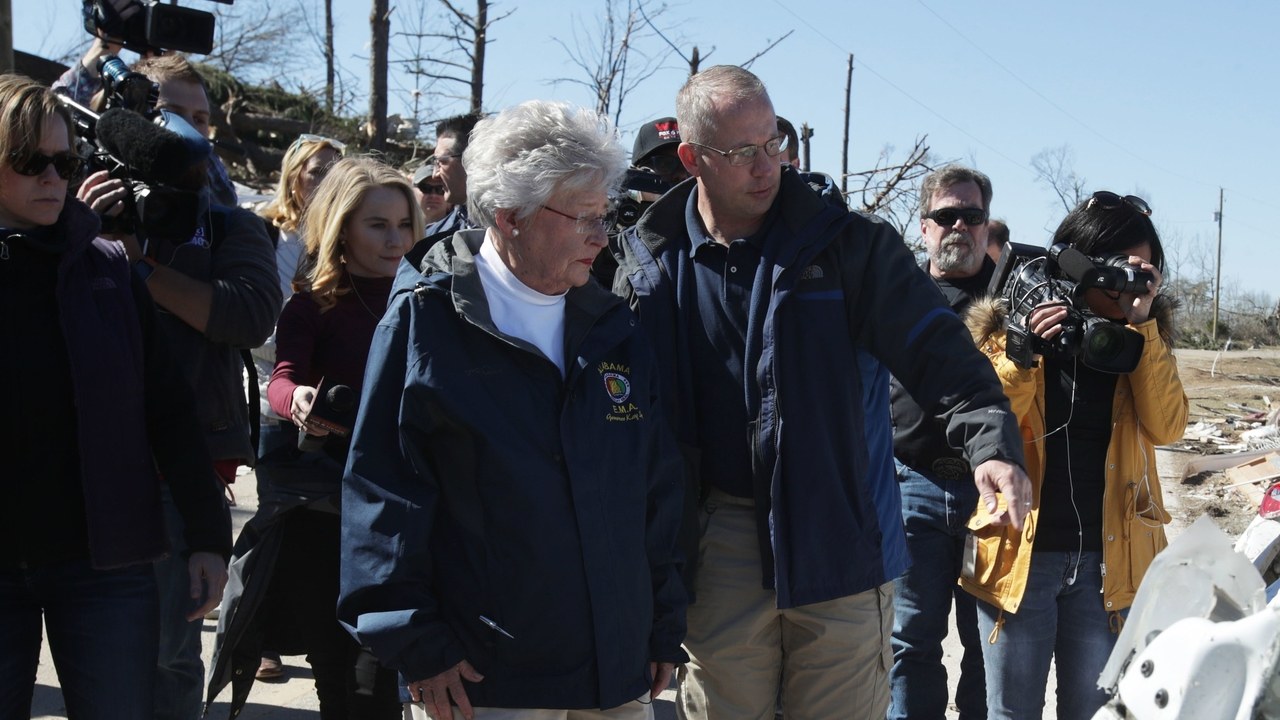
It should be noted that the bill will now head to Alabama’s female governor, Kay Ivey, who has not commented on the law but who is antichoice. If she signs it, it could take effect within six months. Women, and white women in particular, have of course supported antichoice legislation. But no matter what Gov. Ivey decides to do, the optics of the bill at this point are impossible to ignore.


Source link

Categories
Health

Alabama Governor Has Signed the Nation's Most Restrictive Abortion Ban Into Law


Republican Alabama Governor Kay Ivey signed into law an abortion bill that would outlaw the procedure as soon as the moment of conception. The only exception to the ban would be for women whose health is at risk. Additionally, doctors who perform the procedure could be punished with life in prison. The bill was passed by 25, Republican male state senators. There are only four women in the chamber—all of whom are Democrats—and they all opposed the bill.

Prior to signing the bill Governor Ivey had not commented on the law, though her pro-life stance was known. After the signing, she released the following statement regarding her decision.

“Today, I signed into law the Alabama Human Life Protection Act, a bill that was approved by overwhelming majorities in both chambers of the Legislature,” Governor Ivey wrote. “To the bill’s many supporters, this legislation stands as a powerful testament to Alabamians’ deeply held belief that every life is precious and that every life is a sacred gift from God.”

Governor Ivey also went on to discuss that while the new bill is likely to be unenforceable due to to Roe v Wade, their overall aim is to challenge that very decision.

“No matter one’s personal view on abortion, we can all recognize that, at least for the short term, this bill may similarly be unenforceable,” Governor Ivey added. “As citizens of this great country, we must always respect the authority of the U.S. Supreme Court even when we disagree with their decisions. Many Americans, myself included, disagreed when Roe v. Wade was handed down in 1973. The sponsors of this bill believe that it is time, once again, for the U.S. Supreme Court to revisit this important matter, and they believe this act may bring about the best opportunity for this to occur.”

This bill could now potentially go into effect within the next six months.

Read more about how you can help women in states with extreme abortion bans, here.


Source link