This week Alabama passed the most restrictive abortion ban in America, outlawing the procedure from the moment of conception onward. There are no exceptions for cases of rape or incest, with a lone allowance made for instances in which a woman’s health is at risk. As Glamour has reported, doctors who administer an abortion could be prosecuted and face up to 99 years in prison. One headline summed it up well: “Under Alabama’s Abortion Ban, Doctors Who Perform Abortions on Rape Victims Could Get More Prison Time Than Rapists.” The article goes on to explain that even doctors who just attempt to administer one could be sentenced to up to 10 years behind bars.
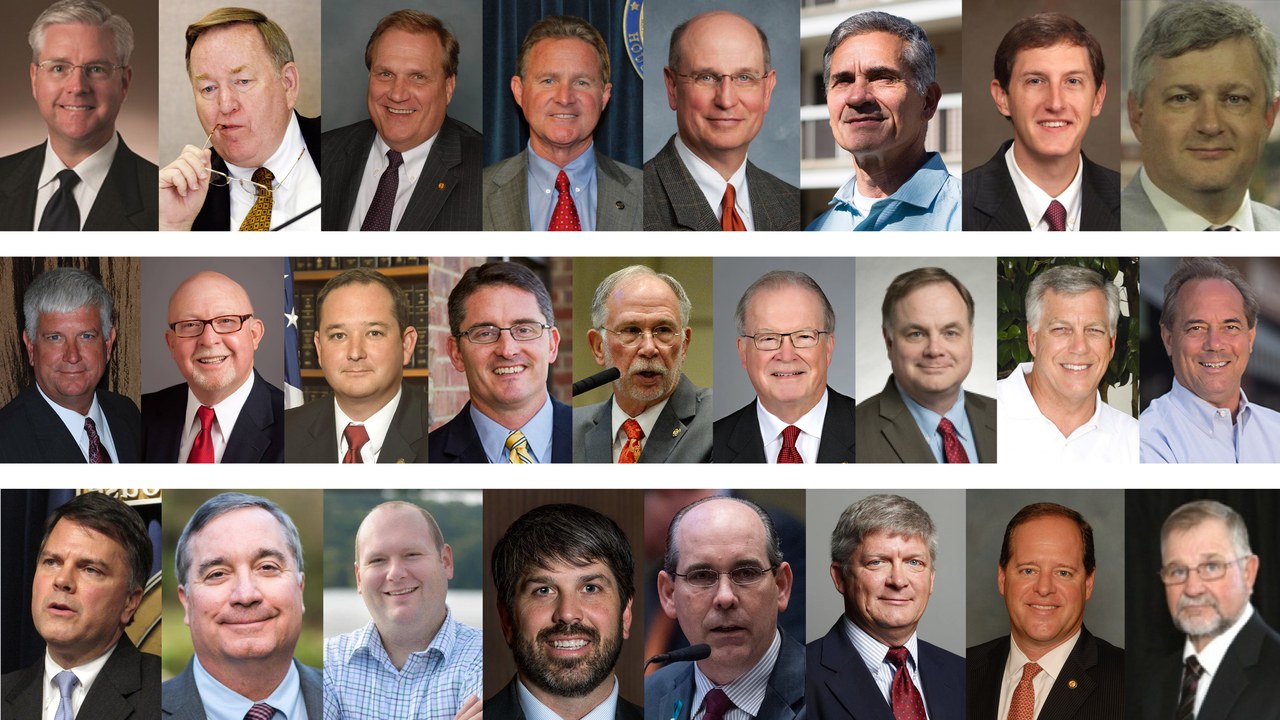
So who voted to strip women of their reproductive freedom, a right that has been enshrined in our law at the national level since 1973? Well, in Alabama, the antichoice movement has a look. All 25 state senators who voted for the bill are Republican white men; there are just four women in the chamber and all of them are Democrats, who opposed the bill.
This means that despite widespread support for Roe v. Wade nationwide and in both parties, just over two dozen men have voted for a bill whose explicit purpose is to challenge the Supreme Court decision. In other words, 25 men who will never need this procedure (but who can, of course, put a woman in a position where she might need one) have limited the medical options available to 51 percent of the population. The lopsidedness of this equation was not lost to people on social media, some of whom pointed out that just nine women have ever served in the Alabama state senate.
Here are the names of the senators who’ve decided that, in Alabama, women don’t deserve the right to make their own health care decisions: Greg Albritton, Gerald H. Allen, Will Barfoot, Tom Butler, Clyde Chambliss, Donnie Chesteen, Chris Elliott, Sam Givhan, Garlan Gudger, Andrew Jones, Steve Livingston, Del Marsh, Jim McClendon, Tim Melson, Arthur Orr, Randy Price, Greg Reed, Dan Roberts, Clay Scofield, David R. Sessions, Shay Shelnutt, Larry Collins Stutts, James Thomas “Jabo” Waggoner, Cam Ward, and Jack Williams.
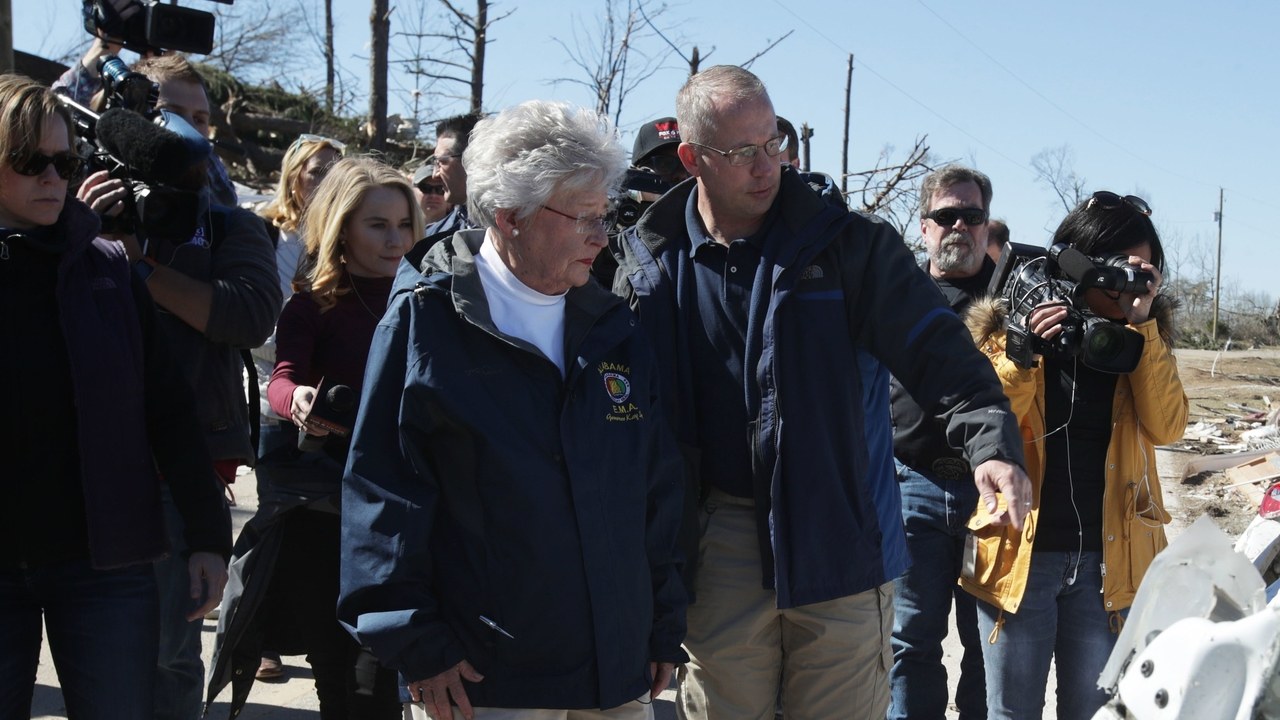
It should be noted that the bill will now head to Alabama’s female governor, Kay Ivey, who has not commented on the law but who is antichoice. If she signs it, it could take effect within six months. Women, and white women in particular, have of course supported antichoice legislation. But no matter what Gov. Ivey decides to do, the optics of the bill at this point are impossible to ignore.