Categories
Health

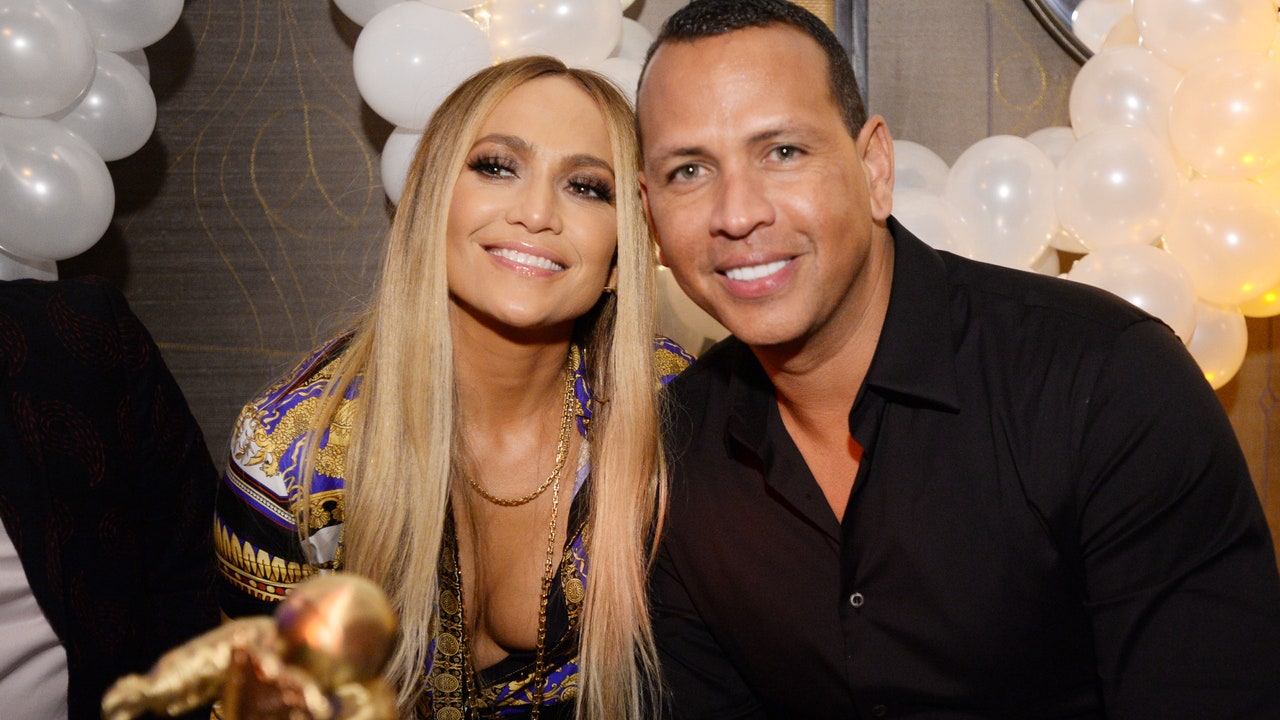
Jennifer Lopez, Alex Rodriguez, and Their Kids Are Filming Dance Videos to Pass the Time


Jennifer Lopez and Alex Rodriguez are just like us. They too are social distancing and staying at home to slow the spread of coronavirus. Naturally, they have a lot more time on their hands, and they’re spending some of it filming iconic dancing videos with their kids (Emme, Max, Natasha, and Ella).

Case in point: this new clip Rodriguez posted on Instagram of him, J. Lo, and the whole fam. “Worst to best ?❤️,” he wrote in the caption. He kicks things off and J.Lo, of course, is the encore. Watch the video for yourself, below:

Talent definitely seems to run in this family. Emme, whose father is superstar Marc Anthony, performed on stage with her mom during this year’s Super Bowl and blew everyone away with her voice and poise. Those pipes!

Earlier last week, Lopez posted a funny video of her son, Max, delivering drinks. “We can’t go out to any restaurants or anything but the service and entertainment here is pretty good…? #StaySafe #familytime,” she wrote on Instagram.

Jennifer Lopez and Alex Rodriguez have not said anything yet about their upcoming wedding. (The couple announced their engagement in March 2019. They’ve been dating publicly since February 2017.) According to reports, they were set to wed this summer. But given the uncertainty of what the next few months will look like in the United States, it’s unclear at this point if the nuptials will be postponed

In the meantime, we are very much looking forward to more dance videos from this fun-loving family. Maybe J.Lo can post some tutorials of the dances from some of her most famous videos, like “Jenny From the Block.” #JLoChallenge, anyone? With all this time at home, I should be able to master at least one combination of choreography, right? Right?!


Source link

Categories
Health

California Is Set to Become the First State to Pass a Hair Discrimination Ban


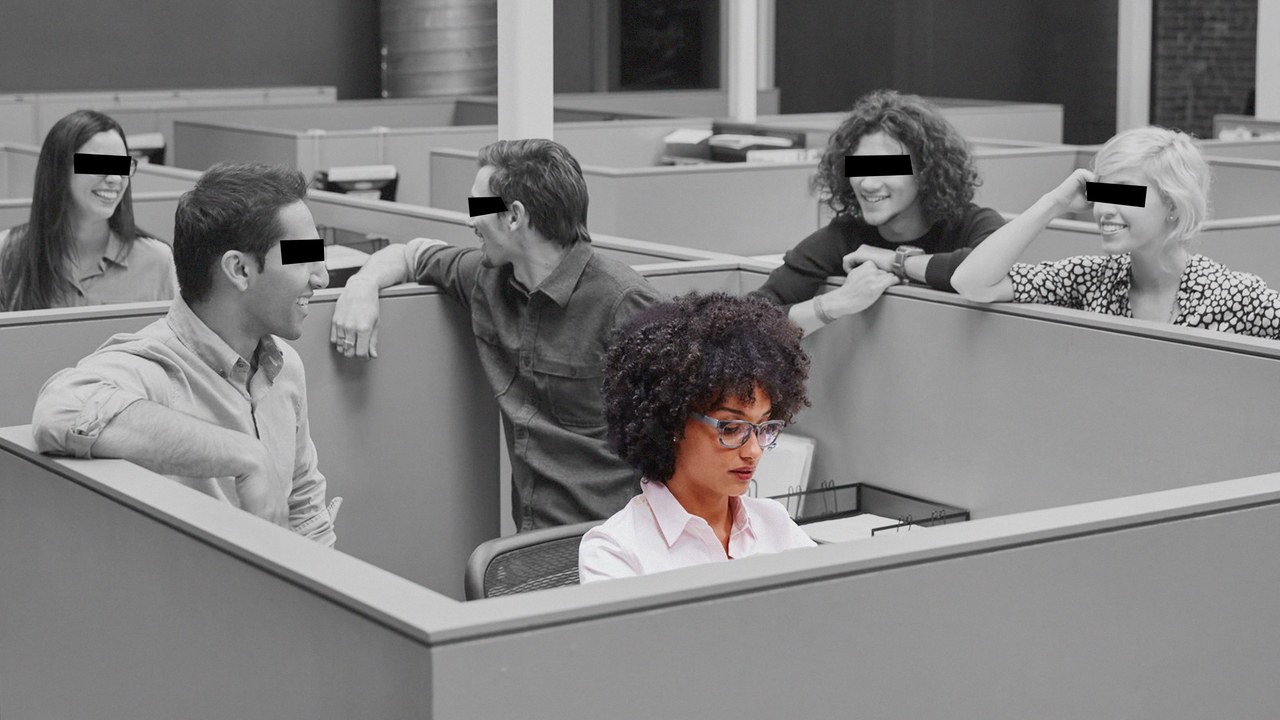
The first time I realized how much my hair had an impact on how others saw me, I was interviewing for my first real adult job. My friends and family helped me run through the checklist women—especially black women—have to be extra cognizant of about their appearance: What would I wear? How should I do my nails? My makeup? And the most crucial, how should I do my hair? I change my hair all the time, and it didn’t occur to me that the way I wore it could make or break my chances of getting hired. Or worse, if I decide to later change it, could potentially get me fired.

So when I told my mom I wanted to get box braids, I could see the concern in her eyes. She didn’t think braids would be a good first impression and warned me they could be viewed as “unprofessional.” I couldn’t blame her, though. That had forever been her reality. To her—to so many of us—looking “professional” meant looking more “mainstream,” which meant wearing your hair straight. This all, of course, was really just a coded way of saying look more white.

I showed up to that interview in a glue-in weave, despite the fact it was a black-owned company. After I got the job, I promised myself I’d never alter the way I look to get hired again. I later landed my dream job wearing box braids.

It’s a decision not unique to me, but solely unique to black women. We are routinely discriminated against for wearing our hair the way it grows out of our scalps or in styles endemic to our culture. There’s no reason box braids or twists should be viewed any differently from a ponytail or bouncy blowout, and yet, we’re reprimanded by managers for looking too “urban” or “unkempt”—like Destiny Tompkins, who was pulled aside by her (white, female) district manager at a New York Banana Republic in 2017 for wearing box braids. She was so “uncomfortable” and “overwhelmed” she chose not to finish her shift.

The list goes on: In 2010, Chastity Jones said she was let go from an Alabama insurance claims–processing company for wearing her hair in dreadlocks. The courts at the time ruled it wasn’t racial discrimination because hair wasn’t an “immutable” (i.e. unchangeable) characteristic. Or take Rachel Sakabo, an experienced employee at New York’s prestigious St. Regis hotel, who claimed she was let go in 2013 after being told she wasn’t a “good fit” with the brand’s “culture,” a decision she’d attributed to her locs.

These are just the viral stories. A recent study from Dove found that black women are 50 percent more likely to be sent home or to know a black woman who has been sent home from work because of her hair. And that’s if she even gets the job.

“During my first months at a major news network, one of the managers wanted to speak with the new hires to see where we saw ourselves growing within the company,” says Blake, 23. “At the time, my hair was in a perm rod set, so it was big and curly.” She told the manager she eventually wanted to be on-air, to which the manager responded: “That comes with a lot of responsibility. Your hair always has to be done and always in the same style. If you’ve ever taken a look at our anchors, they keep their hair clean and sleek.”

Offended, yet brand-new to the company, Blake felt helpless. “I wanted to speak up. How dare she imply my natural hair was somehow the opposite of ‘done’ and ‘clean?’ says Blake. But afraid she’d be painted as “the combative black woman,” she felt silenced.


Source link