Categories
Health

Trump's Executive Order Means He Won't Separate Families at the Border, but He's Still Detaining Children


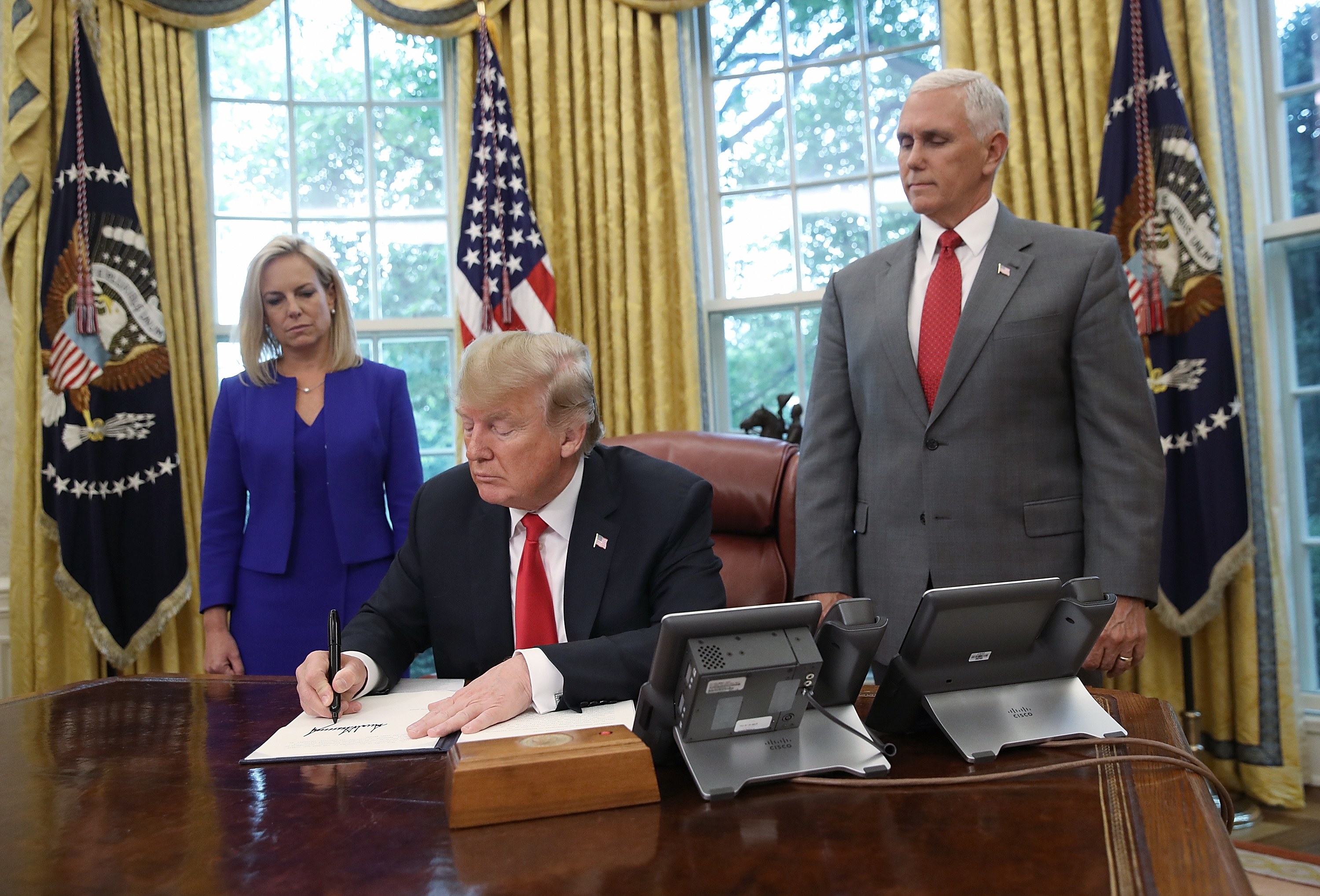
After days of public outcry around the Trump administration’s “zero-tolerance” policy that allowed for the separation of immigrant children from their parents at the border, President Trump signed an executive order that ends that separation.

However, the “zero-tolerance” policy that created the recent crisis remains.

“We are keeping families together and this will solve that problem. At the same time we are keeping a very powerful border and it continues to be a zero tolerance, we have zero tolerance for people that enter our country illegally,” Trump told the White House pool reporters present in the Oval Office, per CBS News.

“I didn’t like sight or the feeling of families being separated,” Trump said.

The executive order notes that it is “the policy of this Administration to rigorously enforce our immigration laws” and that they will initiate proceedings to enforce laws about “improper entry.” But this section also allows for families to be held together during the prosecution process: “It is also the policy of this Administration to maintain family unity, including by detaining alien families together where appropriate and consistent with law and available resources.”

The order further stated, “It is unfortunate that Congress’s failure to act and court orders have put the Administration in the position of separating alien families to effectively enforce the law.”

It is important to note, that according to experts who spoke with Glamour, the separation policy is not a law. It was also up to Trump himself to make the call on ending the family separations.

Earlier today, the New York Times reported that sources close to the president said he believes his immigration policies are “appropriate and necessary,” but that he was frustrated by the criticism he’d been receiving.

Many news outlets report that there could be legal battles ahead for this order due to a 1997 consent decree from a federal court, called the Flores settlement, that says children can be detained for only 20 days, even if they are with their parents.

It is unclear at this time what will happen to the families that are currently separated and being held in detention facilities—or how long detained families can be held.

Trump spoke earlier this morning about the possibility of an executive order. “We’re meeting right now on immigration and we are very strong at the border, we’re very strong on security. We want security for our country,” he said at the White House. “The Republicans want security and insist on security for our country, and we will have that.”

ABC News reports that First Lady Melania Trump may have played a part in the president’s decision to sign the order. She has been pressuring her husband to end the child separation policy, according to a White House official. Their source also claims that Ivanka Trump has shown the president images of children in detention centers and urged him to end the policy.

As of Wednesday afternoon, she had not made any public statements on the issue, although she did tweet after the signing of the executive order.

We will update this story as new details around the policy and executive order emerge.

Related Stories:

Here Are the Facts About Trump’s ‘Zero Tolerance’ Immigration Policy

Here’s How to Help Immigrant Families Who Have Been Separated at the Border


Source link

Categories
Health

H&M Is Changing Its Sizing—Here's What That Means for You


H&M shoppers, take note: The fast-fashion brand is making a slight tweak to its sizing chart—and it could affect the way you shop more than you think.

“H&M in the USA will be updating their sizing structure for ladies’ customer starting with new summer and fall 2018 products,” a spokesperson for the brand confirmed to Glamour. “We always want to listen to our customers and their feedback,” the spokesperson continued. “The new sizing will be more in line with the North American sizing standard and the retail landscape of the market.”

With the new sizing chart, customers should expect to go one numerical size down than what they’re used to shopping for at H&M. (If you normally wear a size 8 at the retailer, for instance, you’d now try a size 6.) In-store, the brand is making these changes clear to shoppers by hanging tags on certain items that break down its new sizes; per Racked, they read, “You’ve asked, we’ve listened! We’re changing our sizing. Try on this item to find your size.” In the U.S., H&M new full size range is from 0 through 26.

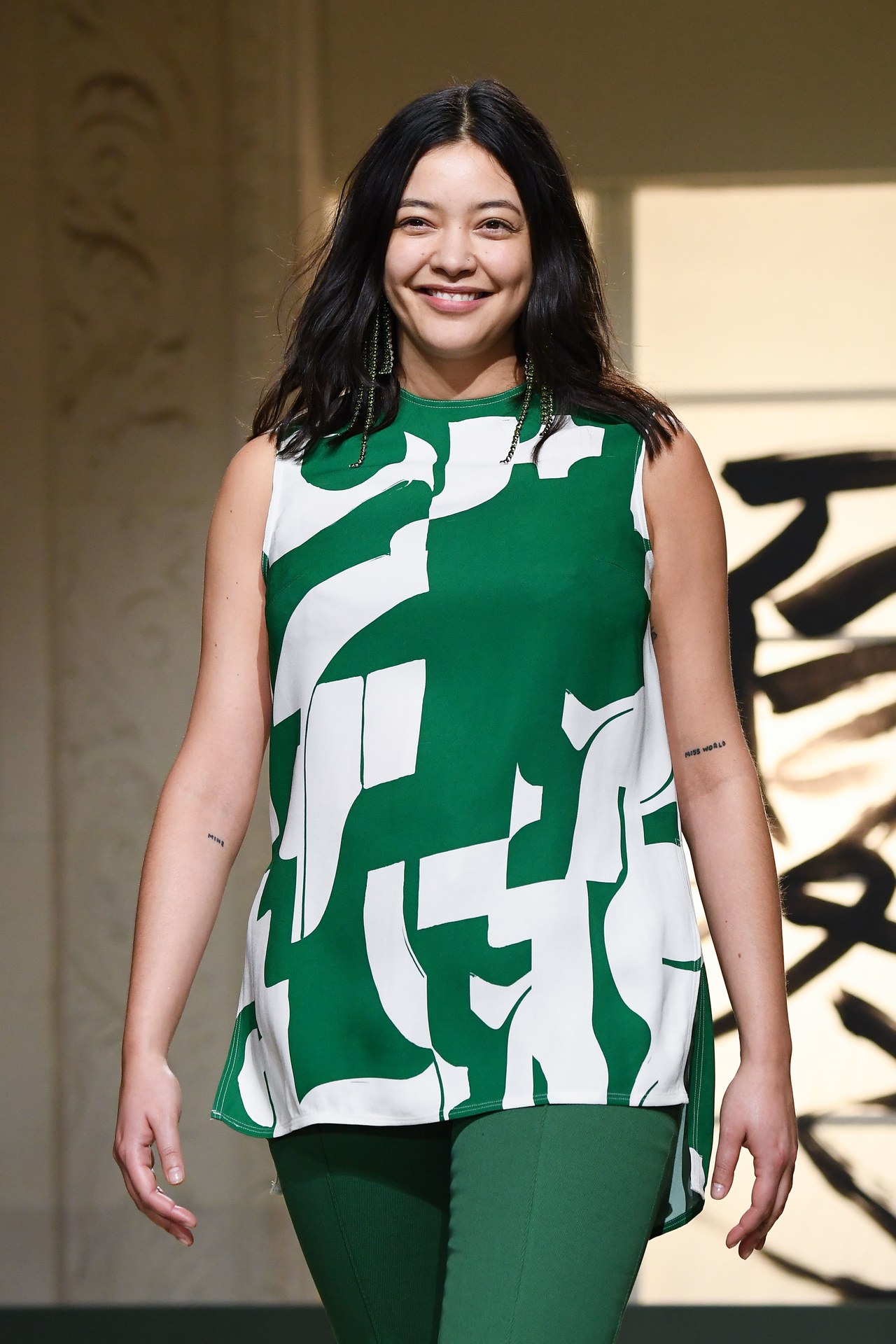
PHOTO: Stephane Cardinale – Corbis

A look from the brand’s Fall 2018 Studio collection, presented during Paris Fashion Week.

This development was first reported earlier this month in the U.K., where an H&M spokesperson announced that the brand was “taking the steps to change our womenswear measurements to be in line with [standard] UK sizing,” according to the BBC. For months prior, customers voiced their frustration at how they felt H&M’s sizing appeared inconsistent with—and skewed smaller than—other retailers. This adjustment would seemingly address U.K. shoppers’ concerns. The Swedish company planned to extend the sizing-down change to other markets, Racked reports, including the U.S., Mexico, and Canada—an exercise that began with its popular Divided line, which is available in XS through XL, a few months ago, and now applies to its numeric labels.

The takeaway: It’s time to get reacquainted with your H&M fit. And when it doubt, read the fine print on the brand’s return policy.

Related Stories:

The Story Behind Every H&M Gown (and Suit) on the 2018 Met Gala Red Carpet

Moschino Is H&M’s Newest Designer Collaboration

H&M Launches a Collection for Pride Montho


Source link

Categories
Health

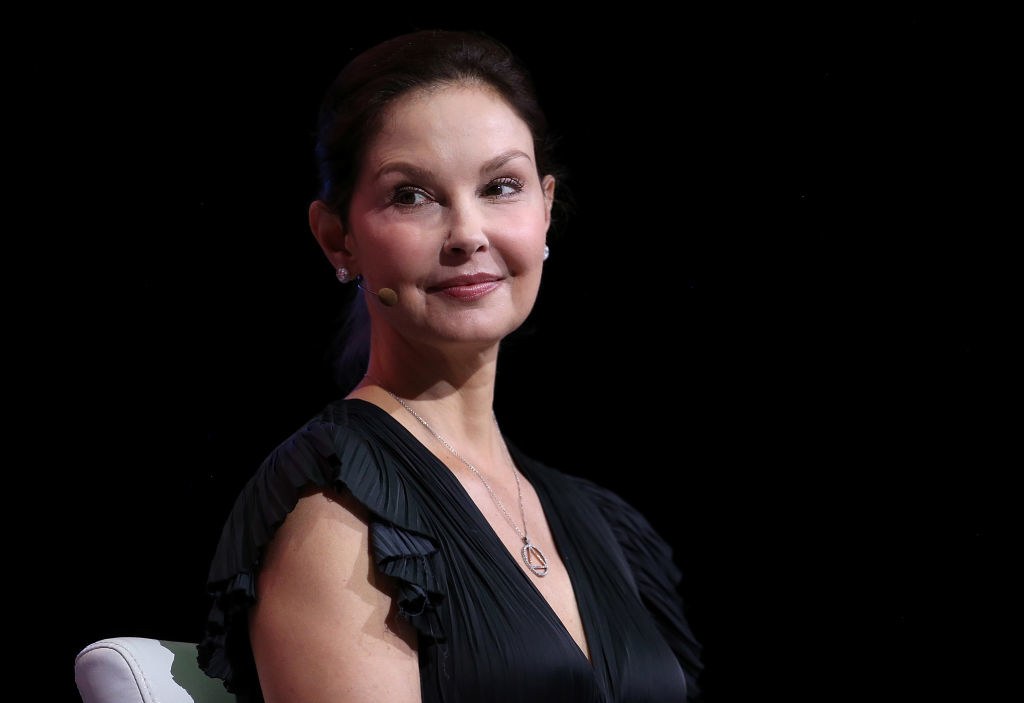
Ashley Judd: What Harvey Weinstein's Arrest Means for #MeToo


Harvey Weinstein, the disgraced Hollywood producer accused of numerous incidents of sexual assault and misconduct, turned himself into authorities on Friday after facing charges of of first- and third-degree rape and committing a criminal sexual act in the first degree. The news was met with an outpouring of emotion from women who had spoken out against Weinstein in the past—and on Saturday, actress and Weinstein accuser Ashley Judd penned a powerful op-ed for Time about what his arrest means for the future of #MeToo.

“When the news broke that Harvey Weinstein would be surrendering himself on rape and sexual assault charges, I didn’t have a reaction,” she wrote. “As I spoke with others for whom the ground was shaking I realized my feeling was that a sexual predator being legally accountable for criminal behavior is and should be normal, routine and not particularly newsworthy. And I also understood why it is thunderous news.”

Judd continued by writing that Weinstein’s arrest—his turning-in of himself—marked a significant turning point in how society and the criminal justice system addresses the alleged crimes of powerful men, who have often used their own power to make themselves immune to consequences.

“And in this moment, in this era, that a powerful man who thrived and flourished in a culture of impunity was arrested and charged is resoundingly significant. It is a watershed event, an irreversible pivot away from tacit and explicit license to exploit to a ground of firmer boundaries and clarity about intolerable behavior no longer being tolerated,” she wrote.

Still, she expressed disappointment about Weinstein’s own approach to the charges: He had an opportunity to take accountability for his years of allegedly damaging and hurting women but has instead chosen to plead not guilty.

“I was hopeful Harvey would plead guilty, that his surrender was volitional, so that in addition to carving out a singular position of disgrace, he could come forward as the predator who walks out of shame onto a new path of humility, introspection, accountability and amends, thereby leading our men and country in the necessary and inexorable trajectory of restorative justice,” she wrote. “It seems that Harvey, though, will not be the person to do that, as he is pleading not guilty and still maintains, in the face of so many accusations, that all sex was consensual. Denial can stand for ‘I don’t even know I am lying,’ and it appears that is where Harvey still lives.”

Judd ended her piece saying that the movement will have to continue waiting for an “accused who can and will embody what the #MeToo movement and our society needs and wants: someone who can navigate the duality of having aggressed and address their abuse of power with culpability and integrity.”

She concluded that “restorative justice is also dual; in order for survivor-victims and society to embrace and restore the reformed, the reformed must have been genuinely transformed, shedding layers of toxic masculinity, exiting the denial/apology tour and standing in a new and collective space where both the person is and the narrative are made whole and unified.”

Her point touches on an important part of the #MeToo discussion: Many people wonder if there should be a path forward for the scores of accused predators, abusers, and harassers.

Where #MeToo goes from here, as those accused begin to plan their comebacks, is a critical question that powerful figures in the movement are beginning to address. For more, read how #MeToo founder Tarana Burke outlines the next steps for the movement—and lays out how you can participate.

Related Stories

#MeToo Founder Tarana Burke Just Laid Out the Movement’s Next Steps

Anita Hill: Ignoring Suffering Exposed by #MeToo Won’t Make It Go Away

What TV Will Look Like After #MeToo


Source link

Categories
Health

Kesha Just Opened Up About What Her Powerful Song 'Praying' Means to Her


We can discuss our outrage about Grammy snubs all day (this author is looking at Harry Styles), but as the evening draws closer, the excitement over who will be performing is real. After all, the Grammy Awards ceremony has a history of epic, memorable performances—just watch Michael Jackson’s 1988 performance for yourself. This year, none other than Kesha is set to take the stage Sunday night. She’s expected to sing her Grammy-nominated song “Praying”, one she wrote amid legal battles with her ex-producer Dr. Luke, whom she accused of emotionally and physically abusing her in 2014.

As #MeToo and Time’s Up gain traction, the Grammy Awards this year have even more meaning, and nominees and presenters are expected to wear white roses in solidarity for the latter movement. Ahead of the New York City based ceremony, Kesha took to her Twitter account to tell her fans what singing the song really means to her.

“When i wrote praying, with ben abraham and ryan lewis, i just felt as if i had gotten a huge weight off of my shoulders,” she wrote alongside a picture of Madison Square Garden. “it felt like an emotional raw victory for myself, one step closer to healing. I never could have known what would’ve happened these past few years.”

She continued the thread with another tweet: “i just want to say that i needed this song in a very real way, im so proud and nervous and overwhelmed to be performing it at the grammys on sunday, and if you need it i hope this song finds you. ”

Related Stories:
Kesha’s Performance at the 2018 Grammys Will Reportedly Reflect the #MeToo Movement
With ‘Rainbow,’ I Feel Like I’m Hearing Kesha for the First Time
Kesha on Her Friendship With Taylor Swift: She Is a ‘F-cking Sweetheart’


Source link

Categories
Health

Actresses Explain What Wearing Black to the 2018 Golden Globes Means to Them


The Golden Globes became one of the most talked-about award shows of the 2018 season long before the red carpet was officially rolled out, thanks to the 300 founding members of Time’s Up. The movement is a Hollywood-based initiative that hopes to address issues of systemic gender inequity and sexual harassment across industries through legal aid and other resources, as well as their first public manifestation—a fashion blackout at the first big award ceremony of the year. The call to action was simple (and wasn’t limited to women, or even to those who received an invitation the Globes): Wear black on Sunday to stand in solidarity with survivors of sexual abuse. Time’s Up also created a pin for folks to wear throughout awards season to show support for the cause. The response to the dress code has been divided, with some characterizing it as an “empty gesture” and others questioning whether simply color-coordinating is enough of a stand—all criticisms that members of Time’s Up recognize, but also don’t feel deterred by. Many actresses who plan on wearing black to tonight’s ceremony have shared deeply personal reasons for wanting to participate, and have expressed a desire and determination to do more after. To them, the blackout isn’t the end-all-be-all—it’s the tone-setter for an awards season that will be unlike any we’ve seen, and hopefully one that continues some tough conversations, on and off the red carpet. Ahead, six women tell Glamour what wearing black to the Golden Globes means to them.


Source link

Categories
Health

What 'Big Little Lies' Means for Women in 2017


The critical acclaim for HBO’s Big Little Lies isn’t surprising to anyone who has seen it, nor is it shocking that the mini-series has received numerous nominations and awards. In addition to winning eight Emmys (including the coveted Outstanding Limited Series), it was just nominated for six Golden Globe Awards, with five of them acknowledging the outstanding acting in the first season. And while the series certainly delivers a compelling storyline, intriguing characters, and a suspenseful central mystery, its overarching themes of empowerment are what became extra noteworthy, especially in light of what 2017 has meant for women.

The series’ five female leads—Madeline, Celeste, Jane, Bonnie, and Renata—are flawed in many ways. They’re extremely privileged and unlikeable at times. And yet, in other moments, they’re so relatable. Ultimately, they reflect traits we recognize within ourselves, even if we don’t want to. These characteristics are the kind that are often awarded to male leads in television (think: Don Draper or Walter White), but instead of presenting women through an idealistic lens, Big Little Lies offers its female characters with a sense of bluntness. These women are all finding their voices in their own way, and they’re done apologizing for it.

The final scenes of the first season leave the viewer with a powerful image. Despite their differences, these women rally together to unite against Celeste’s husband, Perry, who is revealed to be both a domestic abuser and a rapist. (Of course, the audience knows all along that Perry abuses Celeste; it’s the plot-twist that he’s also Jane’s assaulter that some viewers didn’t see coming.) And while the women are forming an alliance against Perry, they also form a barrier of support for both Celeste and Jane. This unity happens almost wordlessly, as though it was a natural progression.

It’s hard not to equate those visuals with what’s been happening over the past few months for women all over the world. Ever since the initial story broke about Harvey Weinstein earlier this fall, the floodgates have opened and paved the way for many women to speak up about traumas they otherwise might have kept inside for months, years, or decades. The #MeToo movement on social media has provided a platform for survivors of assault and harassment to come forward, knowing they’ll have the support of others who are doing the same. And for the survivors who choose to remain silent, the wave of women coming forward has undoubtedly helped many feel less alone. That same solidarity exists within the pages of the Big Little Lies script, albeit in a different way.

Of course, the story behind Big Little Lies is not new—Liane Moriarty published the novel that inspired the series in 2014—but it might not be a coincidence that the series became a huge hit at the same time that women all over the world became angrier and angrier. We’re fed up with a culture that blames victims and doesn’t bring consequences to dangerous men. After all, it was a little over a year ago when the Access Hollywood tapes went viral and the world heard Donald Trump bragging about grabbing women “by the pussy.” And yet he still went on to become president, an event that undoubtedly created a breeding ground for the #MeToo movement. An undeniable rage has been bubbling under the surface, waiting to break through at the right moment.

That same subtle rage exists throughout the first seven episodes of Big Little Lies. It’s seen in every one of the female leads, and it manifests in different ways. For Celeste, it’s every step she takes to free herself from Perry’s abuse. In Jane’s case, it’s the gun she keeps underneath her pillow, the anguish she feels when her son asks about his father. For Renata, it’s the ache for justice, the relentless pursuit of vindication on behalf of her daughter. Madeline’s rage stems from her unhappiness, the bleakness she feels about her life but masks with a perky smile. And for Bonnie, it’s constantly being misunderstood, the endless frustration of never being adequately listened to.

At various points in the season, we see the raw emotions of all of these women rise to the peak, along with a breaking in their composure. It happens in bits and pieces—like Jane running breathlessly on the beach, or Renata screaming her head off by the pool. It’s over as fast as it began, but those moments—those tiny slivers of release—are so, so familiar for women. We feel them every day, over and over and over, and they’ve been magnified over the past few months. But for many of us, we’re no longer holding back. We are no longer apologizing. We’re no longer afraid.

The timing of Big Little Lies could not be more perfect in conjunction with the national conversation, and the series’ critical recognition is concrete proof that viewers want to see more shows that empower women and encourage them to use their voices. There isn’t a woman in this world that hasn’t wanted to scream endlessly into a void at some point in her life; Big Little Lies showed us that it’s OK to do just that.


Source link