Categories
Health

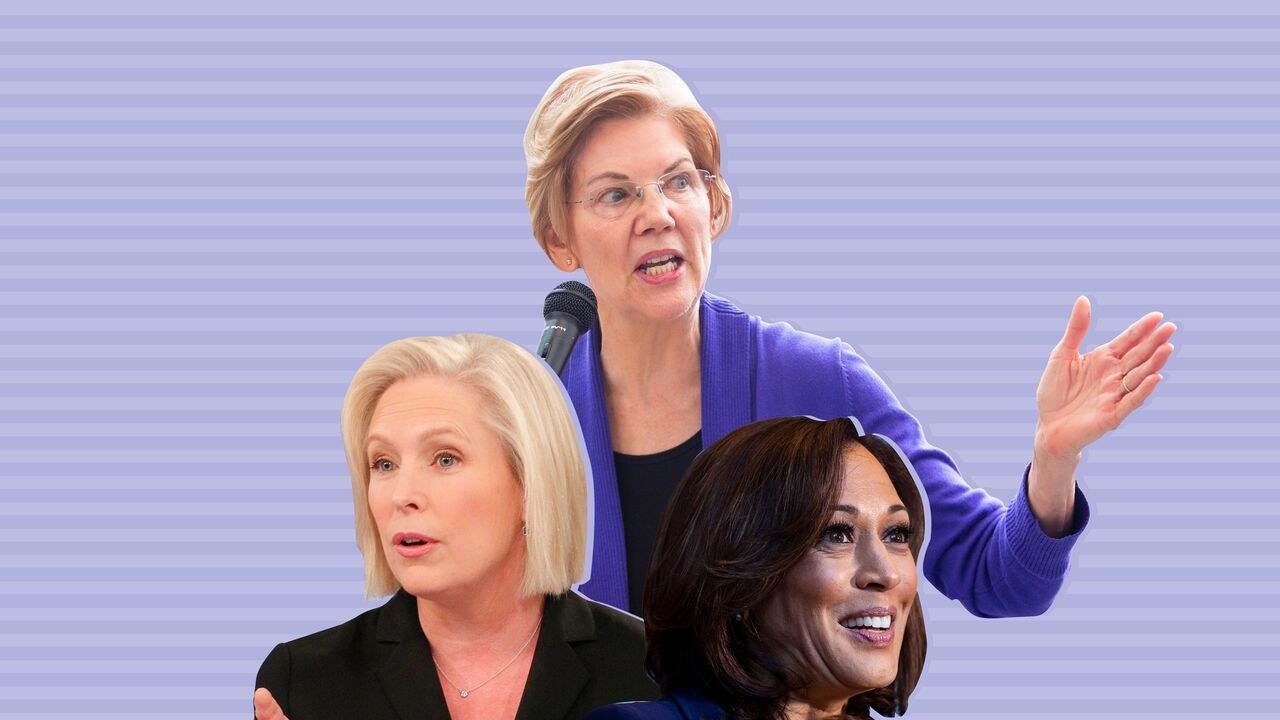
Elizabeth Warren Adds Kirsten Gillibrand and Kamala Harris's Paid Leave and Reproductive Health Care Policies to Her Platform


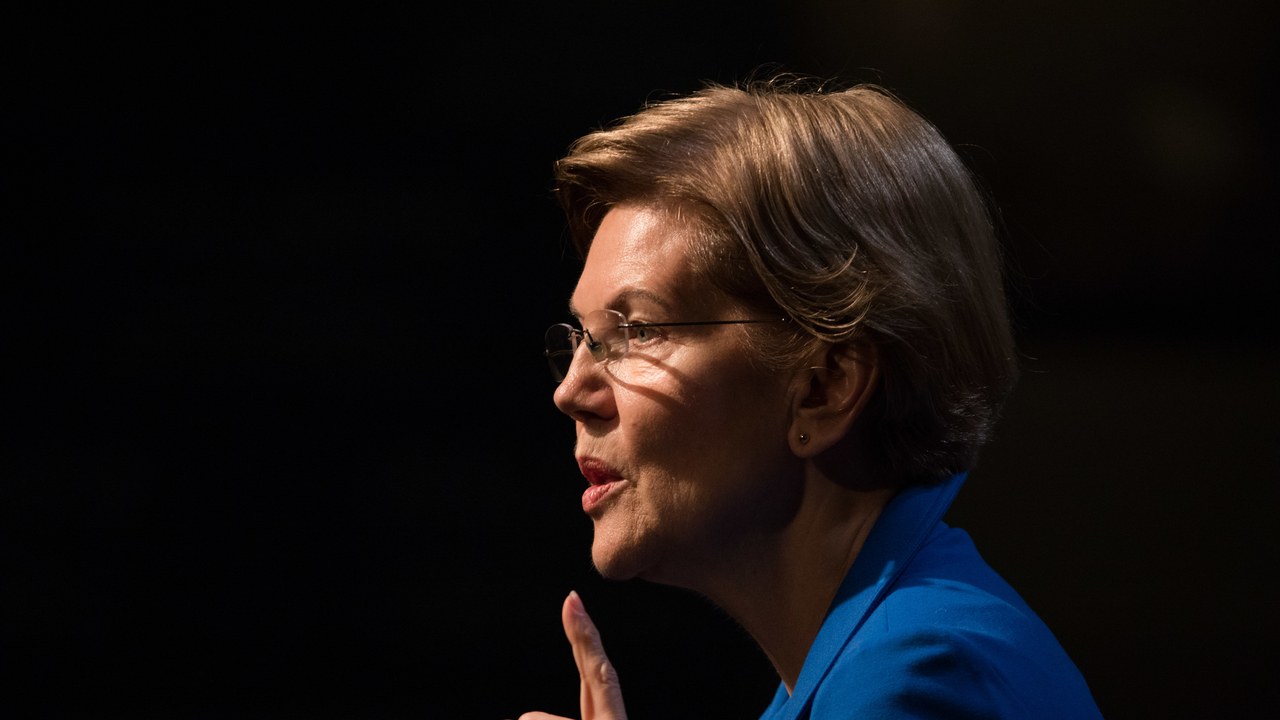
Senator Elizabeth Warren (D-Mass.) is blunt—the women have been pushed out.

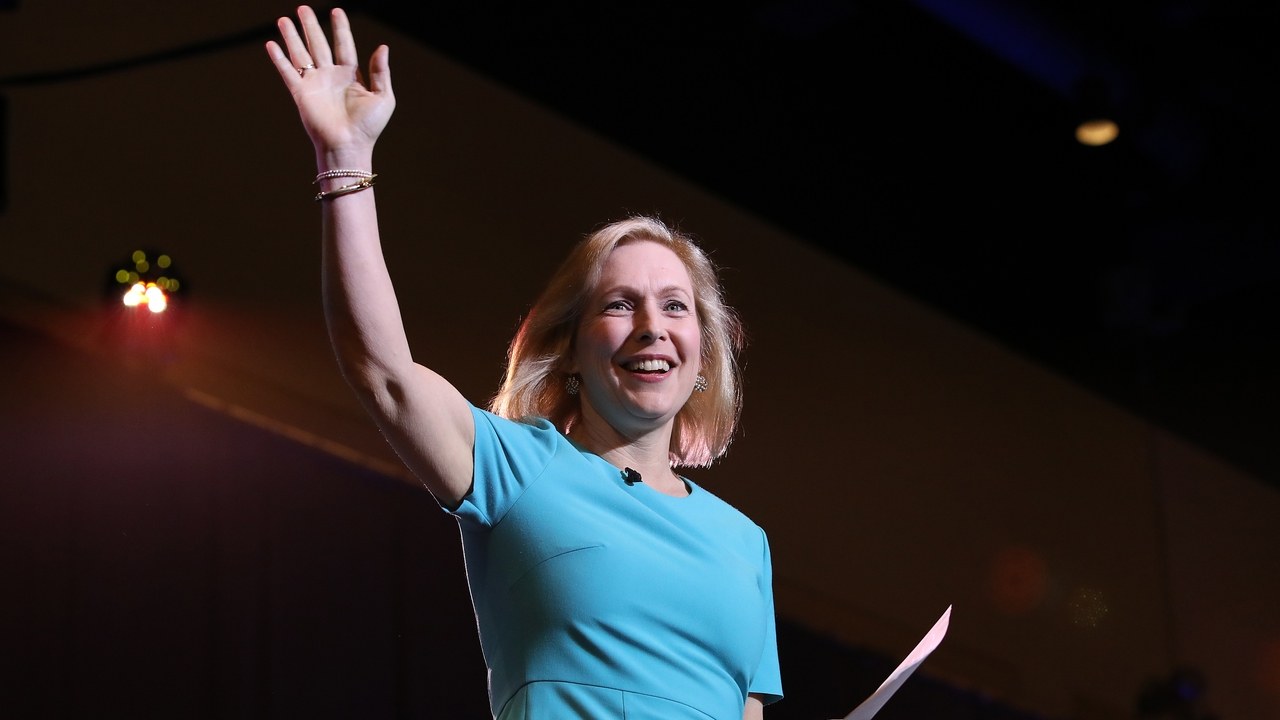
In late August, Senator Kirsten Gillibrand (D-N.Y.) exited the 2020 presidential race. Earlier this month, Senator Kamala Harris (D-Calif.) announced she would end her campaign too. Meanwhile, over a dozen candidates—most of whom are less well known than those two women—remain in the contest, with the field somewhat narrower and much, much more male than it was even 12 weeks ago. As some on social media have noted, there are now more billionaires up for the Democratic nomination than there are black women. And of the six candidates who qualified for this week’s Democratic debate, zero are people of color.

The problem is bigger than just who gets to stand behind a podium. With candidates like Gillibrand and Harris out of contention, their ideas risk elimination too. And Warren—who has put a feminist spin on retirement benefits and student debt—refuses to let that happen.

“We’ve seen a record number of women in this race,” Warren tells Glamour. “That means, together, we’ve been able to shape the national conversation, to highlight issues impacting people in America.” But, she adds, as men who can afford to pour tens of millions of dollars into their own runs declare their candidacies, that discussion suffers.

After Warren announced her bid, she unveiled her plan to make affordable childcare available to families nationwide. Gillibrand pioneered paid leave legislation. Harris prioritized reproductive healthcare. “These are powerful issues, not just for women, but for families,” Warren says. And of course, the fact that Gillibrand and Harris aren’t on the trail doesn’t mean we’ve solved them. So, Warren reached out to her former rivals and asked their permission—both to add their policies to her platform and to attribute those plans to the women responsible for them.


Source link

Categories
Health

A Bring It On Reboot Could Happen, If Kirsten Dunst Has Her Way


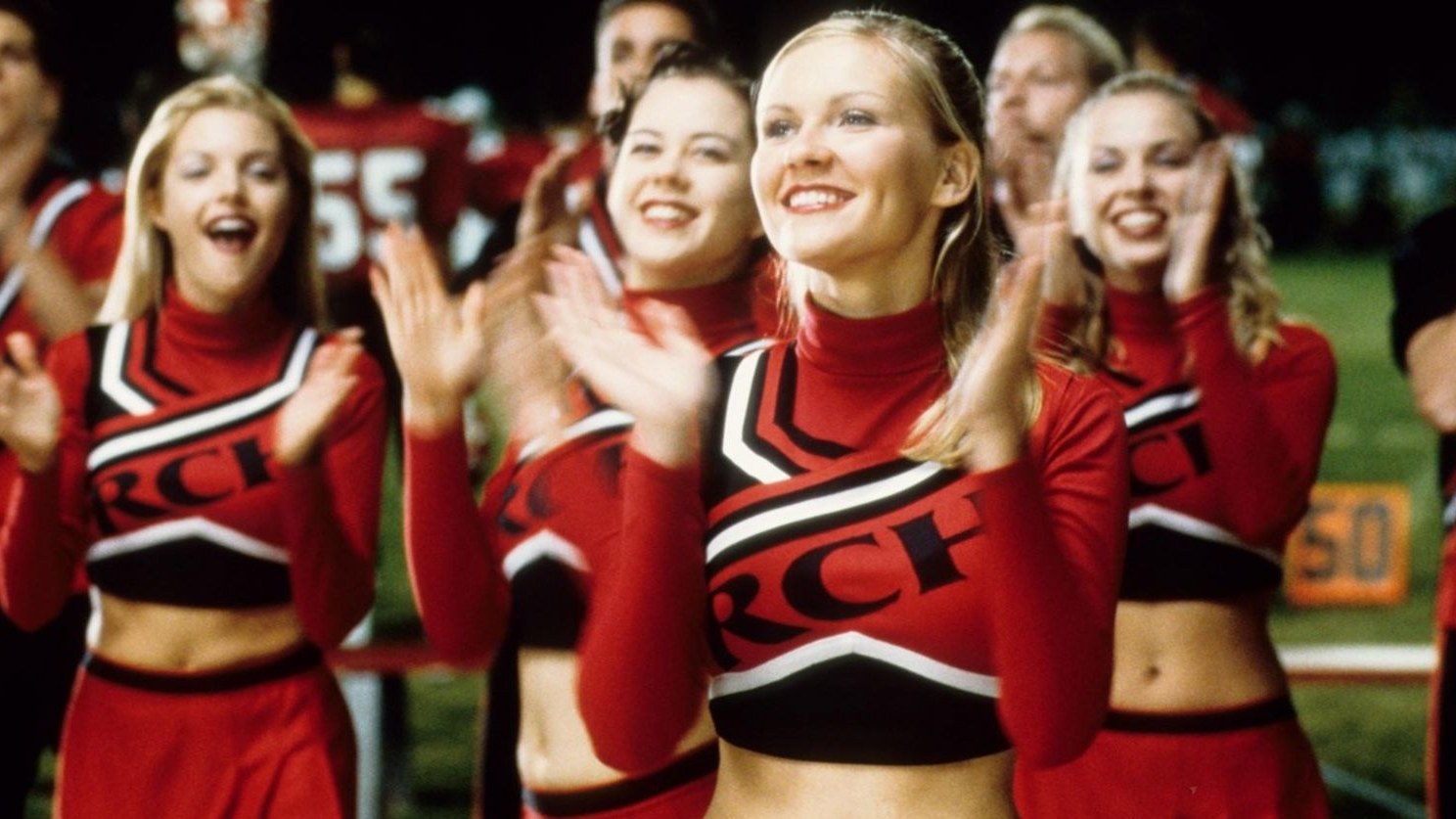
Bring It On is a modern classic. In 100 glorious minutes, Bring It On told the story of a cheerocracy’s rise, fall, and rise again, and taught us the difference between spirit fingers and jazz hands. Twenty years later, its star, Kirsten Dunst, just said she’s ready to reprise her legendary role as head cheerleader.

During an interview on The Kelly Clarkson Show, Dunst said she’s down to play cheer captain Torrance again in a Bring It On reboot. “If they wanted to make another movie, I would make another movie,” she said. “It would be so fun!”

Dunst added that the movie was a surprise hit. “We made that movie for no money. Zero money. It was a Universal movie, but one of those ones where they’re like, ‘Go do whatever you want, this little cheerleader movie,'” she recalled. “And then opening week, we were all so surprised.”

[embedded content]

Dunst isn’t the only one who’s hinted that they’d like to return to the iconic SoCal cheerleading squad. Peyton Reed, Bring It On‘s director, said he’s toyed with the idea of reprising the Bring It On storyline in a rebooted sequel. “It’s something that we’ve actually talked about—and I’ve talked about it with the actors and [writer] Jessica Bendinger,” Reed told Entertainment Tonight last year. “Could you do like, a 20-year later thing to just pick up where they are now, make it this generational thing? It’s something we’ve kind of talked about over the years but never quite honed in on it.”

And another former cast member has also hinted that she’s got Bring It On on her mind. Gabrielle Union, who played the captain of the Compton Clovers and Dunst’s rival in the original film, recently dressed up her daughter in a replica of her cheer uniform.

It’s not like there haven’t been other cheerleading movies since Bring It On. Five straight-to-video movies under the Bring It On name were released by Universal since the original premiered in 2000. And Outside of the Bring It On franchise, channels like Lifetime are experts in concocting cheerleader dramas to binge.


Source link

Categories
Health

No One Asked About Abortion at the Third Democratic Debate. With Kirsten Gillibrand Out of the Race, No One Brought It Up, Either


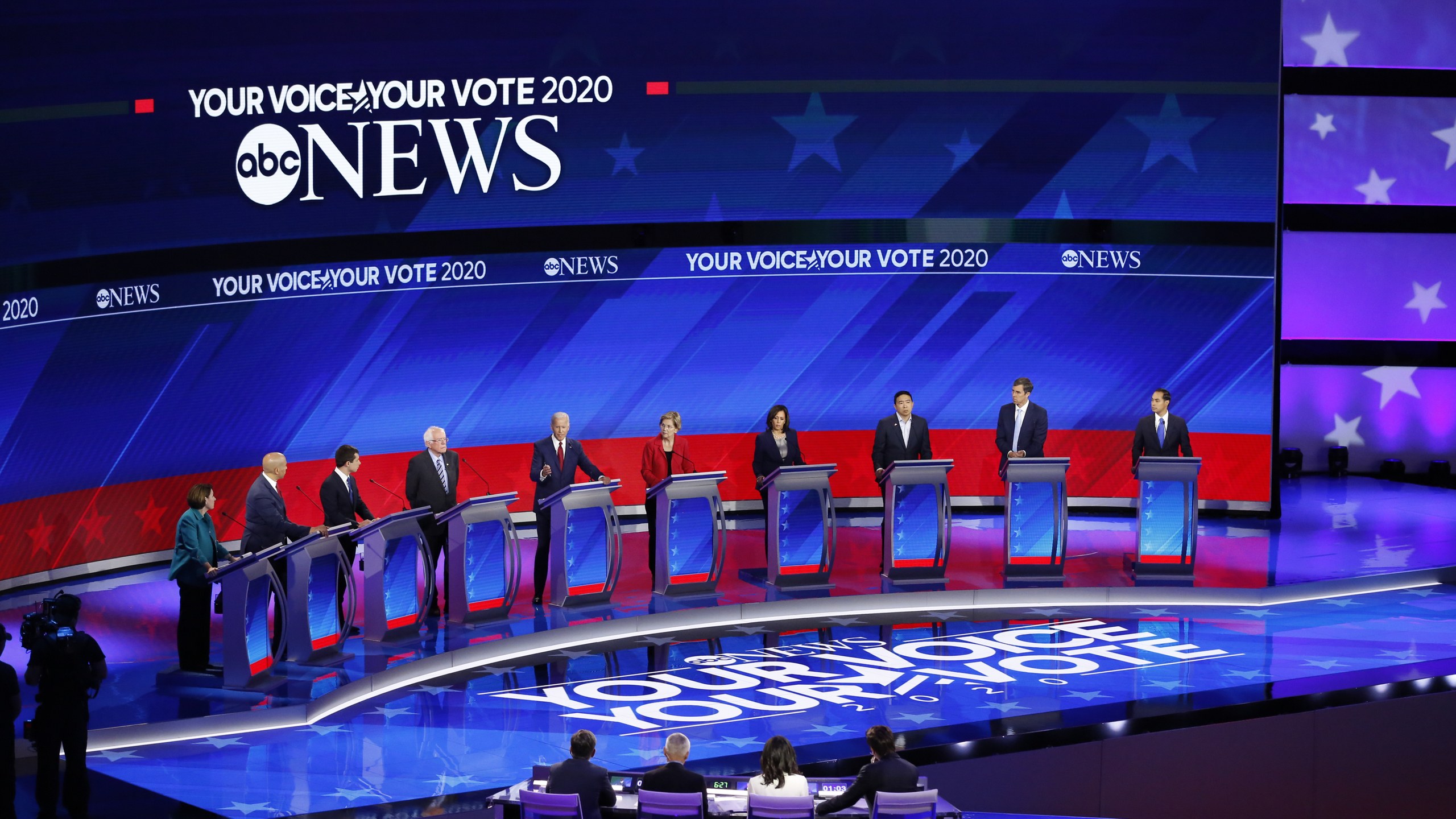
It has become an almost tragic joke. Another marathon television event with hours of talk about healthcare, but no mention of abortion, birth control, Title X, or President Donald Trump’s crusade against Planned Parenthood. Last night, ABC News held the third 2020 debate Houston. It was also the third presidential debate ever to include more than one token “woman” on stage, which was good and historic, but you might not have known it from the conversation.

At the end of what felt like four thousand hours of discussion about guns, war, Medicare For All, and immigration, I counted zero questions about not just abortion, but paid leave, child care, or the lethal misogyny that has become its own national crisis in America. The moderators did ask (more than once) about health care, but no candidates used those opportunities to talk about abortion, such a common procedure that more than one in four women have one at some point in their lifetimes.

Instead, we had health care debates that focus on prescription drugs, but didn’t mention a prescription drug that millions of women take daily—the pill. While the candidates made their disdain for our current president clear, none mentioned the fact that he once suggested women should be punished for having abortions, has been accused of sexual assault over a dozen times, or cheated on his third wife with an adult film star whom he then disparaged and paid off. In short, to claim that the President of the United States is a misogynist seems almost unfair to misogynists. He’s at war with 51 percent of the population, some of whom, sure, vote for him. But his relentless crusade against women’s rights is treated as basically a political ploy and not an actual ideology with deadly consequences.

Or at least, that’s how it’s treated now that Senator Kirsten Gillibrand (D-N.Y.) is out of the race. In her campaign and at debates, Gillibrand repeatedly raised “women’s issues.” But she dropped out of the race a few weeks ago, because she couldn’t qualify for last night’s debate and also because a lot of people still blame her for kneecapping former Senator Al Franken for (of course!) his alleged mistreatment of women.

To be honest, I was never a Gillibrand fan. From the start, there were other candidates I liked better. But I also can admit I found her “grating” and even a little “unlikable,” which, sure, could be the internalized sexism talking. Regardless, last night, it occurred to me that the only person who had even tried to center Me Too, women’s healthcare, sexual assault, paid leave, and those other denigrated “women’s issues” in their campaign was Kirsten Gillibrand. Gillibrand was for women what Washington Governor Jay Inslee was for climate, taking an under-discussed, but urgent issue and making it the center of her campaign. She and he have both since dropped out of the race (even as lesser candidates like Marianne Williamson and Mayor Bill De Blasio remain). But while Inslee’s proposals on climate have been praised across the board and Elizabeth Warren liked them so much she adopted his entire plan, Gillibrand’s platform has been more or less erased. It’s as if what candidates learned from Gillibrand’s run is…not to talk about women at all.


Source link

Categories
Health

Kirsten Gillibrand Is the First Woman to Drop Out of the Democratic Presidential Race


Senator Kirsten Gillibrand (D–N.Y.) has announced that she’s dropping out from the race for president, becoming the first woman in a diverse field to exit the crowded Democratic primary. As the New York Times reported, she decided to withdraw after she failed to qualify for the third Democratic debate.

The move is a blow to some women; Gillibrand was a vocal champion of the Me Too movement and has centered issues of sexual assault both in her Senate career and in this campaign.

In an official statement Gillibrand wrote, “Today, I am ending my campaign for president. I am so proud of this team and all we’ve accomplished. But I think it’s important to know how you can best serve. To our supporters: Thank you, from the bottom of my heart. Now, let’s go beat Donald Trump and win back the Senate.”

She also spoke with New York Times. In the interview she shared that while she plans to endorse another candidate, she hasn’t picked a favorite. However, she did hint that she would like to see a woman clinch the nomination. “I think that women have a unique ability to bring people together and heal this country,” Gillibrand told the Times before adding, “I think a woman nominee would be inspiring and exciting.” Still, she was clear: “I will support whoever the nominee is, and I will do whatever it takes to beat Trump.”

Gillibrand first announced that she was running for president in January 2018 while appearing on the Late Show With Stephen Colbert. During the segment she said, “I’m going to run for president of the United States because as a young mom, I’m going to fight for other people’s kids as hard as I fight for my own.” And family remained at the center of her campaign. But she also faced criticism for being the first Democratic senator to ask then Senator Al Franken to step down after multiple women accused him of sexual misconduct.

While she hasn’t made an official announcement on her post-campaign plans, Gillibrand also told the Times that she would, “absolutely consider anything that was asked of me, because my goal is to serve.”

As of now, ten of the Democratic candidates have qualified for the next debate, and three of them are women. Those female hopefuls include Senator Amy Klobuchar (D–Minn.), Senator Kamala Harris (D–Calif.), and Senator Elizabeth Warren (D–Mass.).


Source link

Categories
Health

Kirsten Dunst Made Sure Her New Series Was Realistic About Working Mothers


In fact, she says she was so physically drained in the months following Ennis’s birth that she felt like she could barely hold a conversation, let alone be a series lead. “I was like, ‘I don’t even have time to take showers anymore, so how am I going to function on a set?’”

However, the show eventually came together and Dunst decided it was too good a role to pass up. And so she leaned on her producing partners. “Everyone goes back to work, and I realized that sometimes it’s just starting something for you to realize that you can do it,” she says. “But it’s scary until you actually start.”

Dunst credits her mother-in-law and close friends for helping with child care while she was working long hours on set. “You manage it, and people step in and help you. It’s just so important to ask for that help.”

Patti Perret/Sony/SHOWTIME

Dunst had a support system behind the scenes, but that wasn’t the case for her character, Krystal, a woman who is mostly on her own with a young daughter. Dunst wanted to show the difficulties of being a working parent, which is why she wanted to have a child in as many scenes as possible. “Unless the next-door neighbor is watching her or she gets some kind of help, Krystal would always have a baby with her,” she explains. “That’s just her reality, and she’s doing everything she can to survive.” When long working hours on set prevented a real-life baby from being available, Dunst relied on a doll or the presence of a stroller.

Now, with the series finally set to premiere on Sunday, August 25, Dunst is glad she didn’t pass on the opportunity. “I feel like playing Krystal allowed me to let a lot of that rage out that we don’t usually get to express in our everyday lives,” she explains. “It was a very cathartic experience to play someone that didn’t care that much about what others think. The older you get, the less you worry about what everybody else is doing.”

Jessica Radloff is the Glamour West Coast editor. Follow her on Twitter @JRadloff and Instagram @jessicaradloff14.


Source link

Categories
Health

With Kamala Harris, Elizabeth Warren, and Kirsten Gillibrand in the Race, Watching Women Run for President Has Become Our New Normal


Earlier this week Kamala Harris entered the 2020 presidential race. Her announcement was the expected conclusion to the will-she-won’t-she conversation that has surrounded her since she was elected to the Senate in 2016, announced her well-timed memoir in 2018, and raised millions to support progressive candidates in the midterm elections in November. As was true for Elizabeth Warren and Kirsten Gillibrand, who also formalized their candidacies in recent weeks, the fact that Harris has decided to join this raucous, crowded campaign season had started to feel inevitable. Of course she would run.

Kamala Harris is qualified, popular, and charismatic. Sure she has her flaws, but she polls well. Her sharp critiques of the Trump administration have raised her national profile. Even her facial expressions have gone viral.

Warren had a similar reception. When she announced in late December, news outlets blared that she’d done what we all knew she would and made it “official.” The noted wonk was a committed populist before some Bernie Bros were born. She’s an ardent progressive, a vanquisher of corporate influence! Of course she would run.

Gillibrand, too: She launched her own initiative to inspire women to run for office in 2012 called “Off the Sidelines.” She’s been a vocal advocate for survivors of sexual assault and pushed lawmakers to pass bills on the issue months before the Me Too movement exploded. It was a no-brainer. If not her, then who? Of course, of course, of course she would run.

With Warren, Gillibrand, and now Harris in the contest, the top three frontrunner candidates in the Democratic race for president are women. Count Tulsi Gabbard, and just under 50 percent of all the candidates who’ve jumped in so far are female. (As for their male counterparts—who can even name them?) Read this sentence twice. Read it six times. Shout it from an open window. The women are in.

For more than two centuries, men have occupied the Oval Office. In that time we’ve seen one woman sit atop either of the two main parties’ tickets and just a handful of women run for president at all. Harris nodded at one example when she made her announcement 47 years to the week after Shirley Chisholm became the first black woman ever to seek the position.

After Hillary Clinton’s loss and the historic midterms, the presidential race, too, should feel like a revolution. Instead what’s remarkable is how the 2020 battle feels so obvious. Routine. Sublime, spectacular, triumphant—but also, normal. When I saw that Harris had announced, as predicted, on live television I didn’t drop a coffee mug or break a plate or scream. I smiled for a second and then went back to breakfast. It was just another 8:00 A.M. in America, with just one more ambitious woman in contention for the White House. As we were! This is our life now.

What’s remarkable is how the 2020 battle feels so obvious. Routine. Sublime, spectacular, triumphant—but also, normal.

“This field of wildly qualified, incredibly impressive women is making the most consequential political race of our lifetime look and feel more like the reality we all aspire to—basic equality—and that is such a positive thing for the American public to be witnessing,” writes Ilyse Hogue, president of NARAL Pro-Choice America, in an email to Glamour. Despite eons of entrenched sexism, four women have decided to throw their hats into what will be a wild, intense race. At least one other woman seems poised to join them. For those of us who refused to take part in the class POTUS unit in third grade because no woman had ever served, the future looks bright.

It was just a few months ago that pundits wanted to know whether the millions of women who’d marched in 2017 would vote, let alone win. It was two dozen or so months before that some worried Clinton’s defeat in 2016 would put a generation of women off elected office. It turns out women do vote and women can win. Who else but us delivered the most diverse class of lawmakers ever to take their seats in the House of Representatives, with 102 women elected to the chamber (and three dozen brand new members)? More than 20 were first-time women candidates, a record.


Source link