Categories
Health

The Women of the WNBA Just Scored a Historic Victory In the Fight for Equal Pay


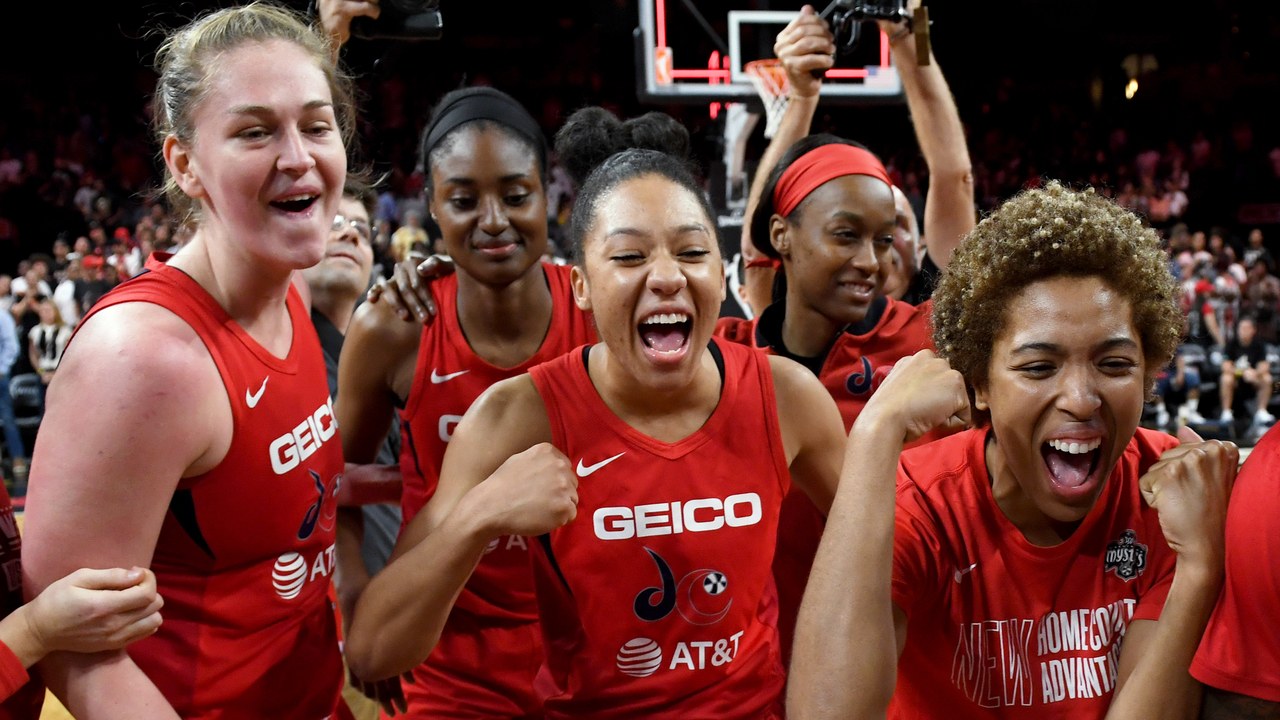
This summer was huge for the fight for equal pay—thanks largely to the very high-profile crusade of the US Women’s Soccer Team leading up to and following their World Cup victory. But the battle for equal pay and playing conditions isn’t just happening in soccer. It’s sweeping the world of sports—and the women of the WNBA just won big.

For over a year, the players have been fighting for fair pay and play—bigger paychecks and better benefits—and today, thanks to a new eight-year collective bargaining agreement, they’re about to see it starting with the 2020 season. “The 2020 CBA features significant investments by the league and its teams aimed directly at increasing player salary and compensation, improvements to the overall player experience, resources specifically designed with the professional female athlete in mind, as well as a commitment to implement an integrated marketing plan league-wide,” the league said in a press release.

First, there’s the straight-up salary situation. There will be 53% increase in total cash compensation, which is made up of base salary, performance bonuses, prize pools for new in-season competitions, and league and team marketing deals. Under the new agreements, the top players will be able to earn over $500,000, which is triple the number of the previous deal. Other players will have the chance to earn between $200,000 and $300,000.

This is historic. As the release notes, the women of the WNBA will average a six-figure salary for the first time in league history.

But this isn’t just about the money, though that is obviously important. The CBA also guarantees a better player experience when it comes to travel, guaranteeing an individual hotel room for each player and an upgraded class of plane travel. It’s an issue that’s plagued women across sports as male athletes get the first class treatment and female athletes are on the ultra-budget plan. (Can you imagine asking Steph Curry or LeBron James to bunk up with someone on the road or cram into a coach seat on the way to a game? No, you cannot and these elite athletes should not be forced to do so either.)

The WNBA will also institute new maternity and child care policies. For example, players will receive their full salaries while on maternity leave, a new annual childcare stipend of $5,000, safe and private spaces for nursing mothers, and an up to $60,000 reimbursement for veteran players to offset the costs of adoption, surrogacy, egg freezing or fertility/infertility treatment. Players will also have access to enhanced mental health benefits, education and counseling related to domestic/intimate partner violence, and career development support that could include off-season job opportunities with league partners.

These changes still don’t amount to equality, but they’re a huge an important step—one that could be a model for female athletes across sports. In negotiations between the players and the WNBA, “we found common ground in areas that confirmed the league’s and the players’ intentions to not only make meaningful improvements in working conditions and overall professional experience, but also to improve the business with strategic planning and intentional marketing that will keep the WNBA front and center year-round,” said Nneka Ogwumike, president of the WNBA Players’ Association.

Let this be a sign for more progress for all women in the workplace in 2020.


Source link

Categories
Health

Harvey Weinstein Won't Have To Pay Accusers Directly Or Admit Wrongdoing In Tentative Settlement


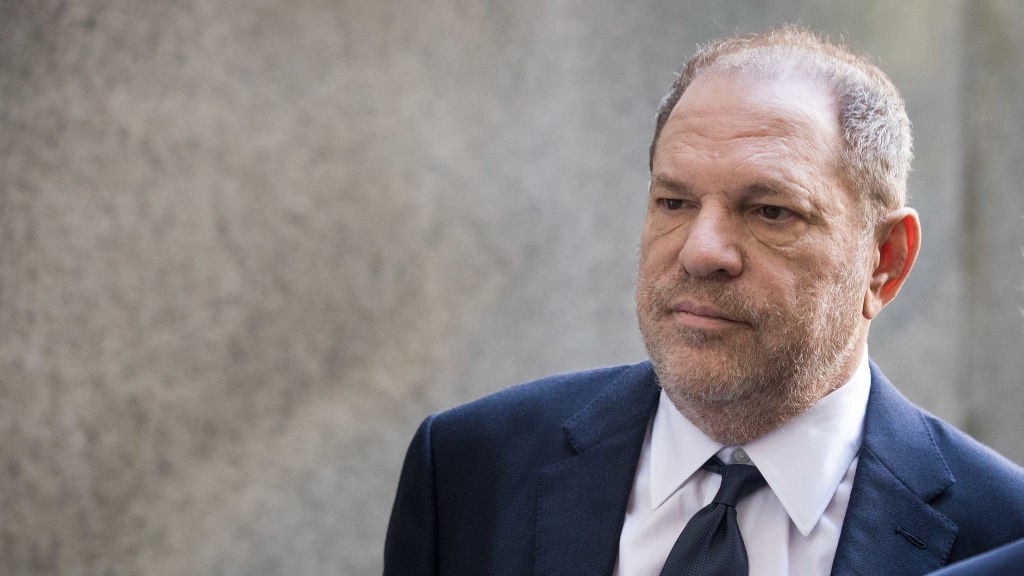
Disgraced producer Harvey Weinstein has reached a tentative $25 million settlement with his accusers, according to the New York Times. Since 2017, more than 30 women have accused Weinstein of sexual misconduct—ranging from inappropriate groping to rape. (Weinstein has denied all claims of nonconsensual sex.) And their stories helped ignite the worldwide #MeToo movement.

While the accusations had a significant impact in the cultural conversation, some of his victims have continued to pursue justice through the legal process. But the New York Times reports that the terms of the tentative settlement agreement (which still have to be approved in court) mean that all the victims will have to divide the $25 million sum and Weinstein will never have to spend a dime of his own fortune or admit wrongdoing.

If the deal goes through, the funds will be paid out through insurance companies representing the Weinstein Company, which is in bankruptcy proceedings. The amount of the full settlement is closer to $47 million, a figure which includes the balances owed to other creditors and other legal fees. Of the leftovers, 18 victims will split $6.2 million (with each awarded no more than $500,000) and $18.5 million will go to a group that was part of a class-action case in New York. The victims will have to drop all charges against Weinstein and other executives, according to the Times.

Several claimants spoke to the Times and shared that while the settlement terms aren’t ideal, they plan to agree to it for various reasons. Katherine Kendall, who has alleged that Weinstein chased her around nude in his apartment in 1993, accepted the settlement in part because she “didn’t want to block fellow plaintiffs from getting whatever recompense they could.”

“I don’t love it, but I don’t know how to go after him,” she said. “I don’t know what I can really do.” Genie Harrison, a lawyer representing a former employee of Weinstein’s, added that she felt that waiting for new terms could leave her clients with nothing.

Weinstein still faces a criminal prosecution trial in January 2020 on charges of sexual assault that led to his arrest in 2018.


Source link

Categories
Health

Latinas Have the Last ‘Equal Pay Day’ of the Year. These Women Want to Do Something About That.


It’s not quite a cause for celebration, but November 20 is Latina Equal Pay Day, which marks the point in 2019 at which the average Latina’s wages at last equal what a white man earned in 2018.

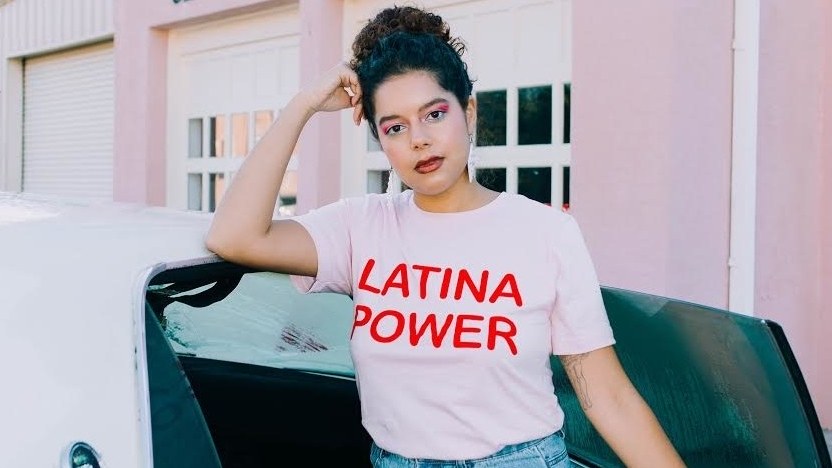
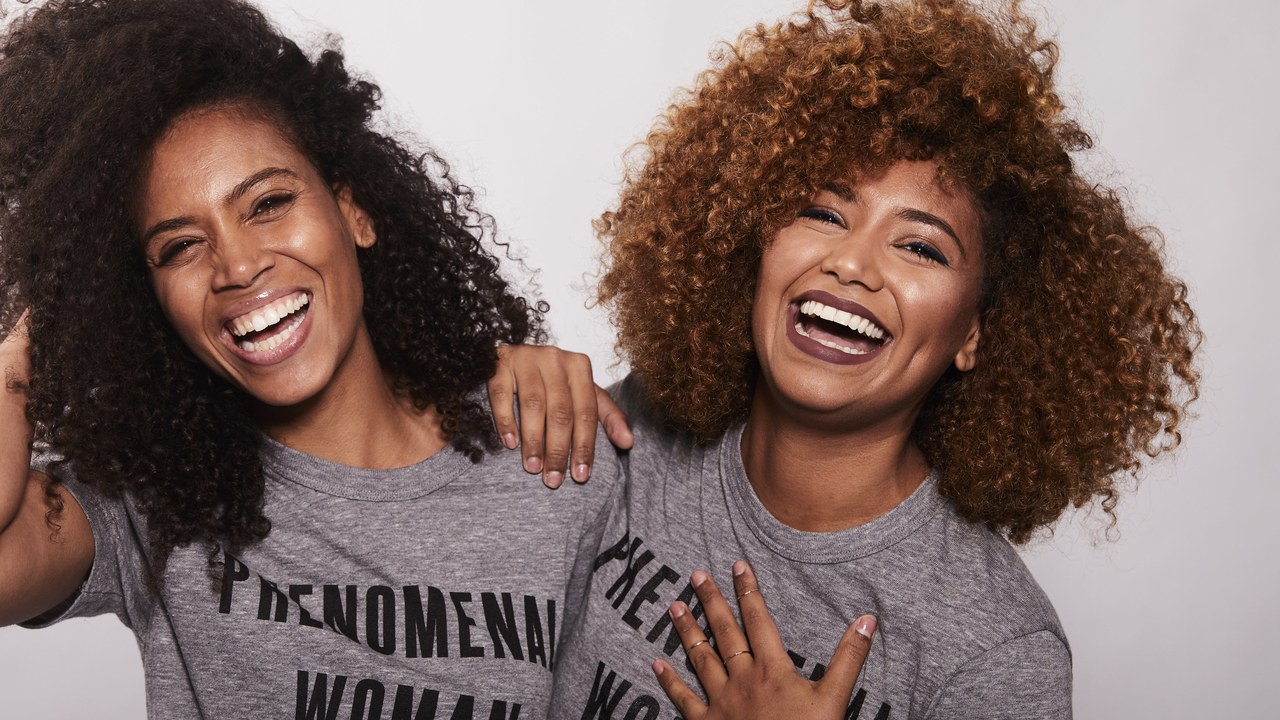
For women overall, it takes about 16 months to make what a white man makes in 12. But for Latina women—whose “Equal Pay Day” is the last observed of the year—that number is much higher. It takes nearly 23 months to even out, with Latina’s typically earning only 54 cents for every dollar a man makes. To mark this…inauspicious occasion, Phenomenal Woman Action Campaign founder Meena Harris—who spoke with Alicia Garza for Black Women’s Equal Pay Day—sat down with Jen Zeano, creator of the popular JZD Latina Power shirt line and founder of her own brand, Jen Zeano Designs. Here, Harris and Zeano chat about their new collaboration, Phenomenal x Latina Power, what it means to be a queer entrepreneur, and the strength she finds in her Latinx community.


Meena Harris: Latina Equal Pay Day is not a celebratory day. It’s about recognizing that we still have have a very long way to go in terms of pay equity. Latinas experience the widest gap. What does equal pay and equity mean to you?

Jen Zeano: It means being able to close those gaps. For so long we’ve kind of settled into the fact that we are never going to get paid equally to our white counterparts. But now that I’m a business owner, I’ve surrounded myself with more Latina business owners. Also people working in the field, like attorney or nurses, that are not getting paid what they should be getting paid. We have to do more. Growing awareness of [the gap] is one of the most important things. A lot of people don’t even know that we get paid so much less, and that it makes it so hard for us to create that generational wealth that everybody so deeply craves.

We have to work 10 times harder to try to get [generational wealth] and create these new normals for our families. One of my biggest goals in life is that I want to be one the last generations [in my family] that struggles to pay rent. We shouldn’t struggle to pay rent but unfortunately, so many in our community struggle to pay rent every month. Getting out of that, I feel, is one of the most important things that we have to do.

Harris: One thing that is really important to the Phenomenal Woman Action Campaign is intersectionality. Recognizing that for folks who have multiple identities, it can mean layered discrimination. In your case, you’re not just Latina, you are also LGBTQ. I think it’s amazing that you and your wife, Veronica Zeano, are building this company together. What is it like being a queer Latinx entrepreneur and building a business with your wife?

Zeano: It’s so much. I feel like being a queer Latina in itself has been a journey in a way. When I first came out to my parents, they weren’t super understanding. It took a couple of months for them to come around. And my wife hasn’t had a relationship with her parents in more than five years because they couldn’t come to terms with the fact that she’s married to a woman.

We have been so blessed that our community has been so supportive. We’ve been super open about it. People that follow us and are familiar with our brand know that it’s both of us running the business and they have been super super supportive and always amazing. I surround myself with people who are also queer Latinas. So that always creates a really empowering community. But it’s also been really difficult because when you have to meet potential business partners, or you have to meet people you want to collaborate with, it’s almost like you always have to “come out.” You never really know how they are going to take it.


Source link

Categories
Health

Read Every Word of Michelle Williams' Powerful Emmys Speech About Equal Pay


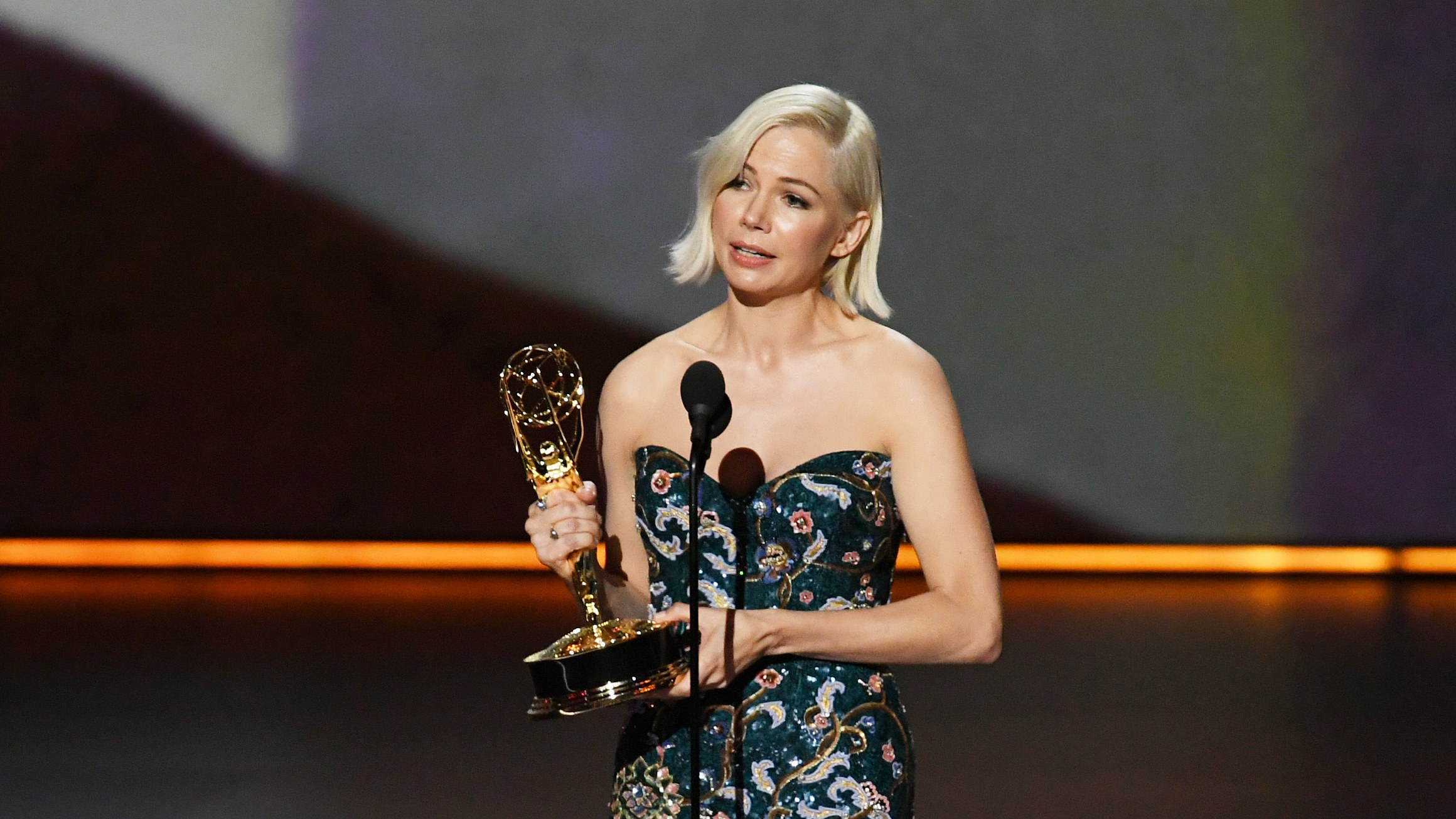
On Sunday, September 22, Michelle Williams won the Emmy for her performance of Gwen Verdon in the FX drama miniseries Fosse/Verdon. And once on stage to give her acceptance speech, she dedicated her time to a very important cause: equal pay.

“Thank you so much to the television academy for this and to the incredible cast and crew who have worked so hard to make this TV show, especially you Sam Rockwell. I know how hard you worked,” she began. “I see this as an acknowledgment of what is possible when a woman is trusted to discern her own needs, feel safe enough to voice them, and respected enough that they’ll be heard.”

Williams then explained that every time she asked for anything she needed in order to do her job—big or small—she heard “yes” in reply. “When I asked for more dance classes, I heard yes,” she said. “More voice lessons, yes. A different wig, a pair of fake teeth not made out of rubber, yes.”

She continued, “All of these things, they require effort and they cost more money. But my bosses never presumed to know better than I did about what I needed in order to do my job and honor Gwen Verdon.”

More important, they didn’t just support her with props and lessons. They supported her with equal pay.

“And so I want to say, thank you so much to FX and to Fox 21 studios for supporting me completely and for paying me equally because they understood that when you put value into a person it empowers that person to get in touch with their own inherent value. And then where do they put that value? They put it into their work,” she said. “And so the next time a woman and especially a woman of color—because she stands to make 52 cents on the dollar compared to her white, male counterpart—tells you what she needs in order to do her job listen to her. Believe her. Because one day she might stand in front of you and say thank you for allowing her to succeed because of her workplace environment and not in spite of it.”

She finished the speech with a shoutout to her daughter. “Matilda, this is for you, like everything else.”

Fans quickly took to social media to share their praise for Williams’ speech.

“That Michelle Williams speech belongs on a plaque,” one tweeted. “Michelle Williams thank you for acknowledging that there is a far greater wage gap for women of color than literally everyone else including white women,” another noted.

Celebrities including Kerry Washington and Debra Messing also took to Twitter to celebrate Williams.

Fans also called out how supportive Williams’ best friend, Busy Phillips, was during the speech:

Backstage, Williams spoke out more about equal pay. “I’d know from the inside how difficult it was to feel like you were ever really getting ahead. And no matter how many accolades [I got], I couldn’t make it translate into long-term security, so the discrepancy with All the Money in the World illustrated not just a larger point for me, a woman of privilege, but how difficult it is for women of all [backgrounds],” she told press. “When you look at all numbers, 52% on the dollar is what a hispanic woman will make compared to a white male.”

For the record, Williams is spot on with her speech. August 21 marks Black Women’s Equal Pay Day, the point in the year when the average black woman’s wages finally equal what a white man earned the year before. It’s time we all start talking more about pay disparity—on the Emmys stage and off.


Source link

Categories
Health

It's Black Women's Equal Pay Day. No Matter Who You Are, That Should Matter to You


It’s not quite a cause for celebration, but August 21 is Black Women’s Equal Pay Day, which marks the point in 2019 at which the average black woman’s wages at last catch up to what a white man earned in 2018.

For women overall, it takes about 16 months to make what a white man makes in 12. But for black women, that number is higher. It takes 20 months to even out. Native American women won’t meet the benchmark until late September. Latinas will hit it in November. But to mark this, uh, inauspicious occasion, we invited Meena Harris, founder of the Phenomenal Woman Action Campaign, to interview Black Lives Matter cofounder Alicia Garza. Harris, who also serves as commissioner on the San Francisco Commission on the Status of Women and holds a leadership position at Uber, established the Phenomenal Woman Action Campaign to raise awareness about social causes in partnership with non-profit organizations that support women’s rights on the ground. Here, she and Garza chat about the gender wage gap, the economic importance and potential of black women, and what it means to be an activist.


Meena Harris: Today is Black Women’s Equal Pay Day (BWEPD) which, as you know, signifies the approximate day a black woman has to work into the new year to make what a white man made at the end of the previous year. Based on census data from 2019, black women are only paid 61 cents to every dollar that a white man makes. Can you talk about the significance of this as an economic issue?

Alicia Garza: When you hear statistics about the gender wage gap in America, we often hear that women make 78 cents on the dollar that white men make. Actually, those are statistics looking specifically at white women. What it points to is that the economy is organized by race and by gender all at the same time. There are communities who sit at the intersection, and one of those communities is black women. So, If we’re not looking at how the economy is organized by race and gender and the communities that sit at those intersections, when we try to develop policies or solutions to a pervasive problem, we will leave communities behind and black women are very susceptible to that.

We see this happen all the time with issues when they’re not viewed from an intersectional perspective. For Black Futures Lab’s 2019 Black Census Project, you looked at priority issues and concerns for black people across the country and found that the issue of low wages not being enough to support a family was the number one concern of black respondents. How does this map onto the wage gap for black women?

AG: First and foremost, what’s important to know is that black communities are rarely asked how and what we experience in the economy, democracy, and in our society. That’s why we set out on this project particularly in leading up to a major presidential election. Every time we see a presidential candidate come up on the stage, they’re talking about how they’re going to improve the economy. The reality is that not everyone is experiencing the economy in the same way.

Any policy or proposal that wants to tackle this issue has to look at how the economy is organized by race and by gender. We find when you start with the people who are experiencing the problem the worst and most frequently, it actually creates the most possibilities for everyone to rise.

So, we know that, when we do right by black women—particularly those who are primary breadwinners, particularly those who are also dealing with other economic issues like mass incarceration or inadequate schools for their children—and when we raise their wages, the entire country benefits. It’s not just about numbers. It’s about families and what’s keeping us up at night, and the solutions we know can help to change the lives of everyone in America.


Source link

Categories
Health

Pay Negotiation Talks Between U.S. Women's Soccer Team and U.S. Soccer Break Down


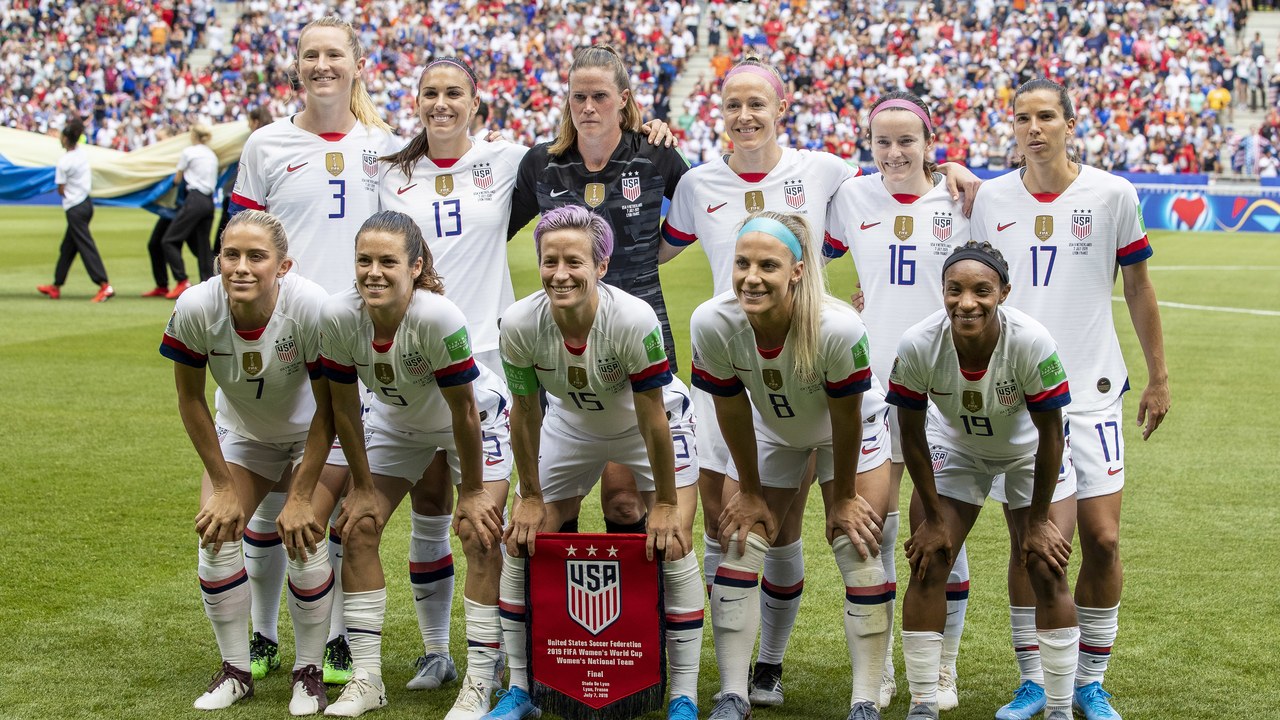
It’s only been a little over a month since the U.S. Women’s Soccer team won the World Cup. While these women (deservedly) took some time to celebrate in incredible fashion, they’ve also never lost sight of their off-the-field goals, which include closing the gender pay gap in their sport.

In March, the team filed a gender discrimination lawsuit against U.S. Soccer over pay equity, as well as working conditions. “I think to be on this team is to understand these issues,” Megan Rapinoe told the New York Times at the time. “And I think we’ve always — dating back to forever — been a team that stood up for itself and fought hard for what it felt it deserved and tried to leave the game in a better place.”

According to the Times, both sides came to the table this week for mediation talks in New York City this week, but that those talks broke down.

“We entered this week’s mediation with representatives of U.S.S.F. [United States Soccer Federation] full of hope,” Molly Levinson, a spokeswoman for the players, said in a statement to the paper. “Today we must conclude these meetings sorely disappointed in the federation’s determination to perpetuate fundamentally discriminatory workplace conditions and behavior. It is clear that U.S.S.F., including its board of directors and President Carlos Cordeiro, fully intend to continue to compensate women players less than men. They will not succeed.”

U.S. Soccer then responded with a statement of their own. “We have said numerous times that our goal is to find a resolution, and during mediation we had hoped we would be able to address the issues in a respectful manner and reach an agreement,” U.S. Soccer said. “Unfortunately, instead of allowing mediation to proceed in a considerate manner, plaintiffs’ counsel took an aggressive and ultimately unproductive approach that follows months of presenting misleading information to the public in an effort to perpetuate confusion.”

This morning, Rapinoe and teammate Christen Press appeared on the Today show to discuss what happened with Savannah Guthrie. “When they’re ready to have a serious conversation about equal pay, I think the conversations will go better,” Rapinoe said. “We didn’t feel like they were there, or willing to get there.”

When asked if there was a particular sticking point in the negotiations, Press expanded on what Rapinoe said. “I think, unfortunately, it was just the concept of paying us equally. We never even got past that,” she explained. “We were very hopeful in our discussions with them that they were going to take our proposals and our positions seriously which is simply that every game that we play, we get compensated the same way a man would for playing or winning that game. And it broke down right there.”

“I think it’s fair for us to ask that when we play a game and we win that game, or we tie that game or we lose that game, that we should be paid the same as our male counterparts and I don’t think that’s an unrealistic or unreasonable ask, to have equality,” Rapinoe continued. She also said that while she doesn’t think anybody wants this case to go to trial, the women are “confident” in their case—and they’re doing this for more than just themselves.

“This is about so much more than just our case…Just from a social perspective, from leaving the game in a better place for women everywhere. If it’s not equal, there’s no deal that we can get to. This isn’t bargaining. You either value us equally and show that, or you don’t.”


Source link