Categories
Health

Coco Gauff Opens Up About How Her Fast Rise to Tennis Fame Led to Depression


Tennis star Coco Gauff just turned 16 last month, but she’s already become a household name in the world of sports and beyond thanks to her upset of Venus Williams, and a deep run into the 4th round, at Wimbledon in 2019. The boost in her profile also made her a must-watch at last year’s US Open where she eventually lost to another young tennis phenom, Naomi Osaka.

The pressure of the sport and the spotlight can be intense even for a grownup, but imagine all of that attention coming to you when you’re barely old enough to drive. Gauff recently opened up about just how difficult it’s been for her in an emotionally candid new post on Behind the Racquet, a platform that allows players to tell their stories in their own words.

“Right before Wimbledon, going back to around 2017/18, I was struggling to figure out if this was really what I wanted. I always had the results so that wasn’t the issue, I just found myself not enjoying what I loved. I realized I needed to start playing for myself and not other people. For about a year I was really depressed,” she writes. “That was the toughest year for me so far. Even though I had, it felt like there weren’t many friends there for me. When you are in that dark mindset you don’t look on the bright side of things too often, which is the hardest part. I don’t think it had much to do with tennis, maybe just about juggling it all. I knew that I wanted to play tennis but didn’t know how I wanted to go about it. It went so far that I was thinking about possibly taking a year off to just focus on life. Choosing not to obviously was the right choice but I was close to not going in that direction.”

“I was just lost. I was confused and overthinking if this was what I wanted or what others did,” she continued. “It took many moments sitting, thinking and crying. I came out of it stronger and knowing myself better than ever. Everyone asks me how I stay calm on court and I think it’s because I accepted who I am after overcoming low points in my life. Now, when I’m on court, I am just really thankful to be out there.”
DON EMMERT/Getty Images


Source link

Categories
Health

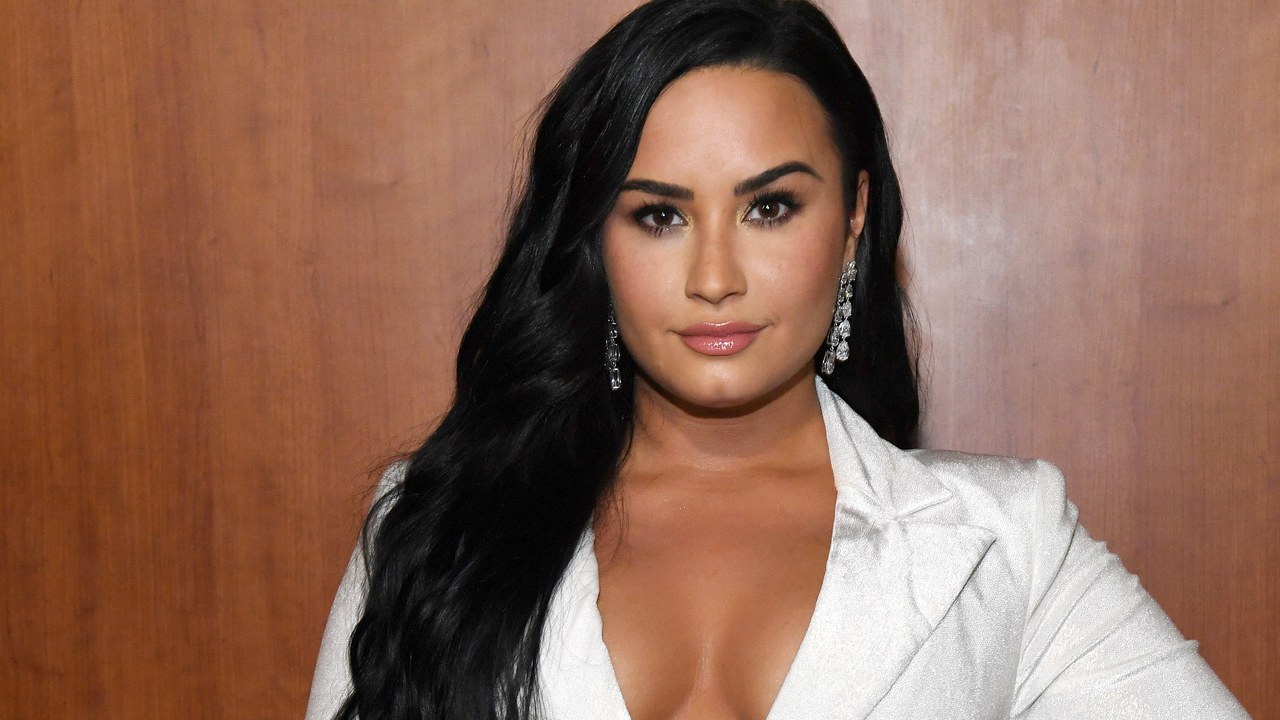
Demi Lovato Opens Up About What Led to Her 2018 Overdose


Demi Lovato was a guest on Ashley Graham’s Pretty Big Deal podcast on Tuesday, February 18, and opened up about some of what led to her 2018 overdose. The “Anyone” singer specifically talked about her eating disorder recovery and how that played a factor in “everything happening over the past year.”

“When you have certain people around you that are telling you certain things, that you should look a certain way, it makes it harder,” Lovato told Graham, per People. “So I was in that situation—I was just running myself into the ground, and I honestly think that’s kind of what led to everything happening over the past year. It was just me thinking I found recovery when I didn’t and then living this kind of lie, and trying to tell the world that I was happy with myself when I really wasn’t.”

Lovato says she’s trying her best to shake old mindsets about body image—especially when it comes to the album cycle she’s about to begin. “I made a choice going into this next album, okay when I present this, I’m not going to worry about what I look like,” she told Graham. “I’m not going to worry about trying to look a certain way or fit a certain mold or whatever, that’s just not who I am. Someone needs to stand up for people who don’t naturally look that way. Like I had to work my ass off every day at the gym six days a week to maintain that figure, and it’s just like, that led me only one way, and I don’t want to go down that path again. So I’m not willing to destroy my mental health to look a certain way anymore.”

[embedded content]

Demi Lovato has been open about her battles with both addiction and an eating disorder. In July 2018 she suffered an overdose and spent two weeks in the hospital before seeking treatment. “I have always been transparent about my journey with addiction,” she wrote on Instagram in 2018. “What I’ve learned is that this illness is not something that disappears or fades with time. It is something I must continue to overcome and have not done yet.”

She’s primarily been using her music, like the song “Anyone,” to talk about what happened two years ago. Slowly but surely, she says she’s getting comfortable revealing more. “I’m grateful that I have this opportunity to sit here and tell a little bit of my story,” Lovato told Zane Lowe from Apple Music in January. “As time goes on, I’m gonna tell more and more about it.”

If you or someone you know is battling an eating disorder, please contact the National Eating Disorders Association (NEDA) at 1-800-931-2237 or go to NationalEatingDisorders.org.


Source link

Categories
Health

How a Grey's Anatomy Episode Led to an Increase in Sexual Assault Awareness


We may be living in the age of too much content (because really, who can get to it all?!?), but a new study shows that one single episode of popular television can still make a big impact on the world. Grey’s Anatomy has been in our lives since it premiered on ABC in 2005, and over the past 15 seasons fans have seen many powerful and emotional episodes. But one, in particular, from last March is proving to have a lasting effect on awareness around sexual assault.

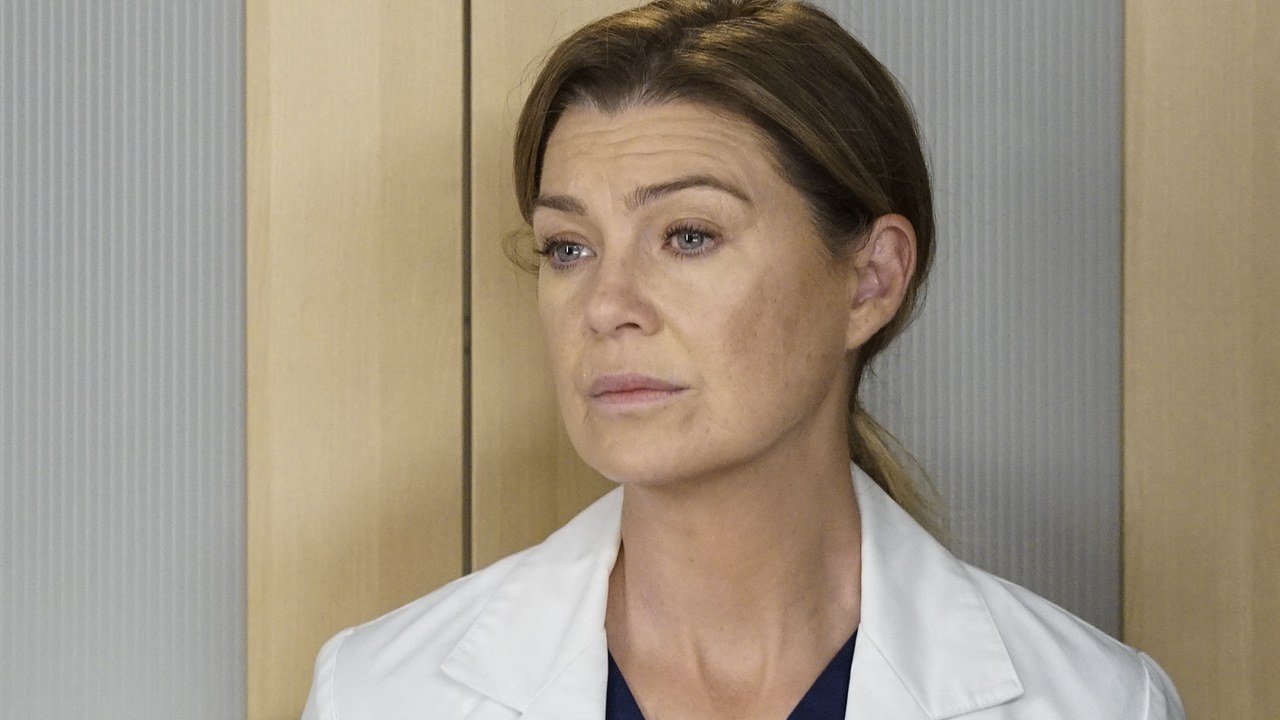
“Silent All These Years” first aired on March 28, 2019 and featured a storyline with a patient named Abby, who Dr. Jo Karev and Dr. Teddy Altman learn has been sexually assaulted. At the time, I wrote about how sensitively the show handled the issue of consent on many levels, but particularly how the doctors treated Abby as they examined her. The episode culminated in an emotional moment where female doctors, nurses, and other hospital staff line the hallway as Abby was taken into surgery because every male face she sees reminds her of her attacker.

At the end of the show, Ellen Pompeo did a PSA for viewers about reaching out for help if they had been affected by sexual violence, and gave information about contacting the National Sexual Assault Hotline operated by the Rape, Abuse & Incest National Network, or RAINN (800-856-HOPE or via online chat hotline.rainn.org/online/). And now a new study is showing the real-life impact of the show.

Researchers at the Oklahoma State University Center for Health Sciences studied search trends on Google and Twitter for two weeks before and one week after the episode aired. They monitored terms like “Rape, Abuse, and Incest National Network,” “RAINN,” “sexual assault,” “rape,” “sexual assault hotline,” and tweets mentioning @RAINN. They also collected data from RAINN on call volumes in the 48 hours after the episode aired.

“Engagements with the @RAINN Twitter account and tweets mentioning ‘sexual assault hotline’ increased by 1,097% the day after the episode,” researcher Trevor Torgerson told Reuters Health. They also found the National Sexual Assault Hotline call volume increased by 43% in the 48 hours after the episode, and the volume of searches for the term “RAINN” was 41% larger than expected, and search volumes for “rape” and “sexual assault” were 8% and 9% higher, respectively. In addition, the number of tweets mentioning “sexual assault hotline” and “RAINN” were 1,995% and 292% higher than usual.

“An adored actress, such as Ellen Pompeo, may be able to convince someone to seek help in a way that ‘only’ flashing the hotline number may not be able to. That being said, if flashing the hotline number is all that can be done, we would agree there is a benefit to it,” Torgerson said.

Whatever the factors, it’s incredible to see the impact that one episode of television (in this case, Grey’s Anatomy) can have on the world.


Source link

Categories
Health

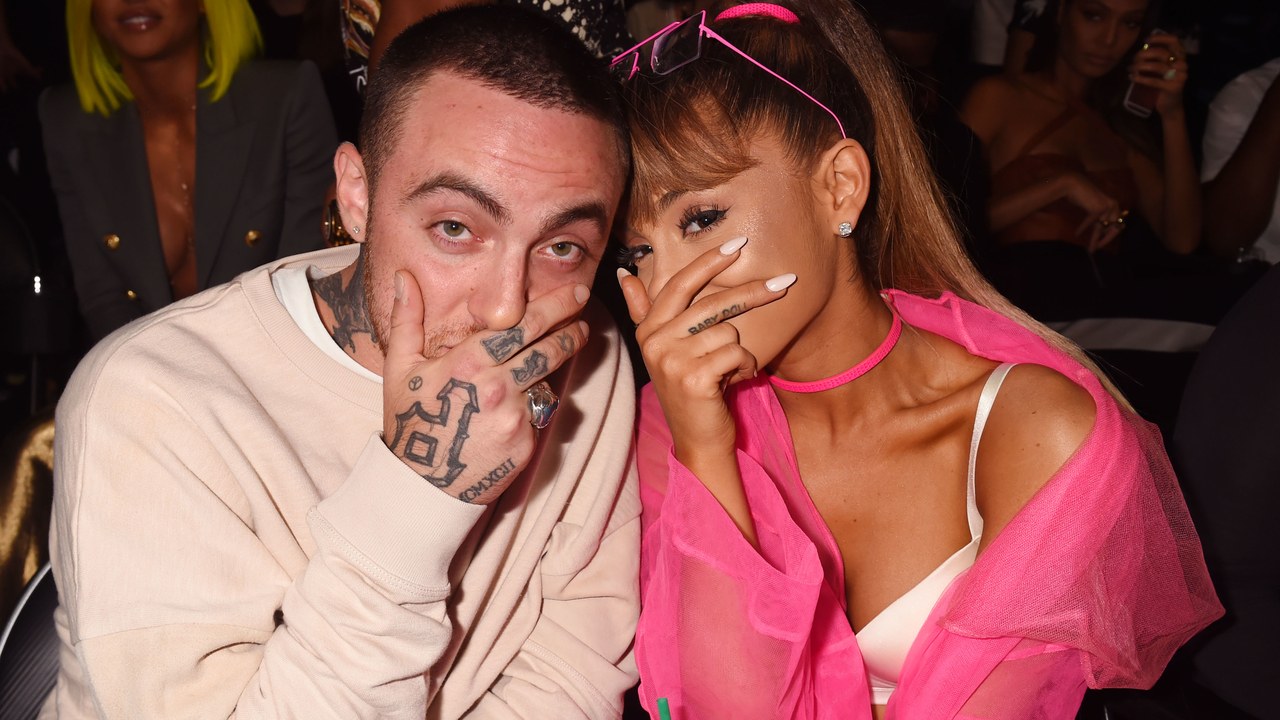
Ariana Grande Reveals How Mac Miller's Death Led to Her Thank U, Next Album


Ariana Grande has never been the kind of pop star to shy away from being vulnerable. She shares her highs and her lows with her fans regularly on social media and isn’t afraid to cry on stage if she needs to. And she continues her transparency in a new interview with Vogue magazine, where no topic—from Manchester to Pete Davidson—seemed off-limits.

Some of the most heartbreaking moments in the interview come as she discusses the aftermath of her ex-boyfriend Mac Miller’s death. (He passed away in September 2018 due to an accidental overdose.) At one point the writer, Rob Haskell, asks Grande “whether it is fair to call [her album] Thank U, Next a response to Miller’s death.” She gets teary and replies, “It’s just hard to hear it so plainly put.”

She says that after Miller’s death, her friends in New York City rallied around her and suggested maybe recording some music. “My friends know how much solace music brings me, so I think it was an all-around, let’s-get-her-there type situation,” she said. “But if I’m completely honest, I don’t remember those months of my life because I was (a) so drunk and (b) so sad. I don’t really remember how it started or how it finished, or how all of a sudden there were 10 songs on the board.”

“I think that this is the first album and also the first year of my life where I’m realizing that I can no longer put off spending time with myself, just as me,” she continued. “I’ve been boo’d up my entire adult life. I’ve always had someone to say goodnight to. So Thank U, Next was this moment of self-realization. It was this scary moment of ‘Wow, you have to face all this stuff now. No more distractions. You have to heal all this shit.’ ”

Grande says her Coachella performance was also emotionally-charged because of the memories of Miller that came with it. “I never thought I’d even go to Coachella,” she said. “I was always a person who never went to festivals and never went out and had fun like that. But the first time I went was to see Malcolm perform, and it was such an incredible experience. I went the second year as well, and I associate…heavily…it was just kind of a mindfuck, processing how much has happened in such a brief period.”


Source link