Categories
Health

People Are Praising Netflix’s ‘Unbelievable’ for Starting Important Discussions About Sexual Assault


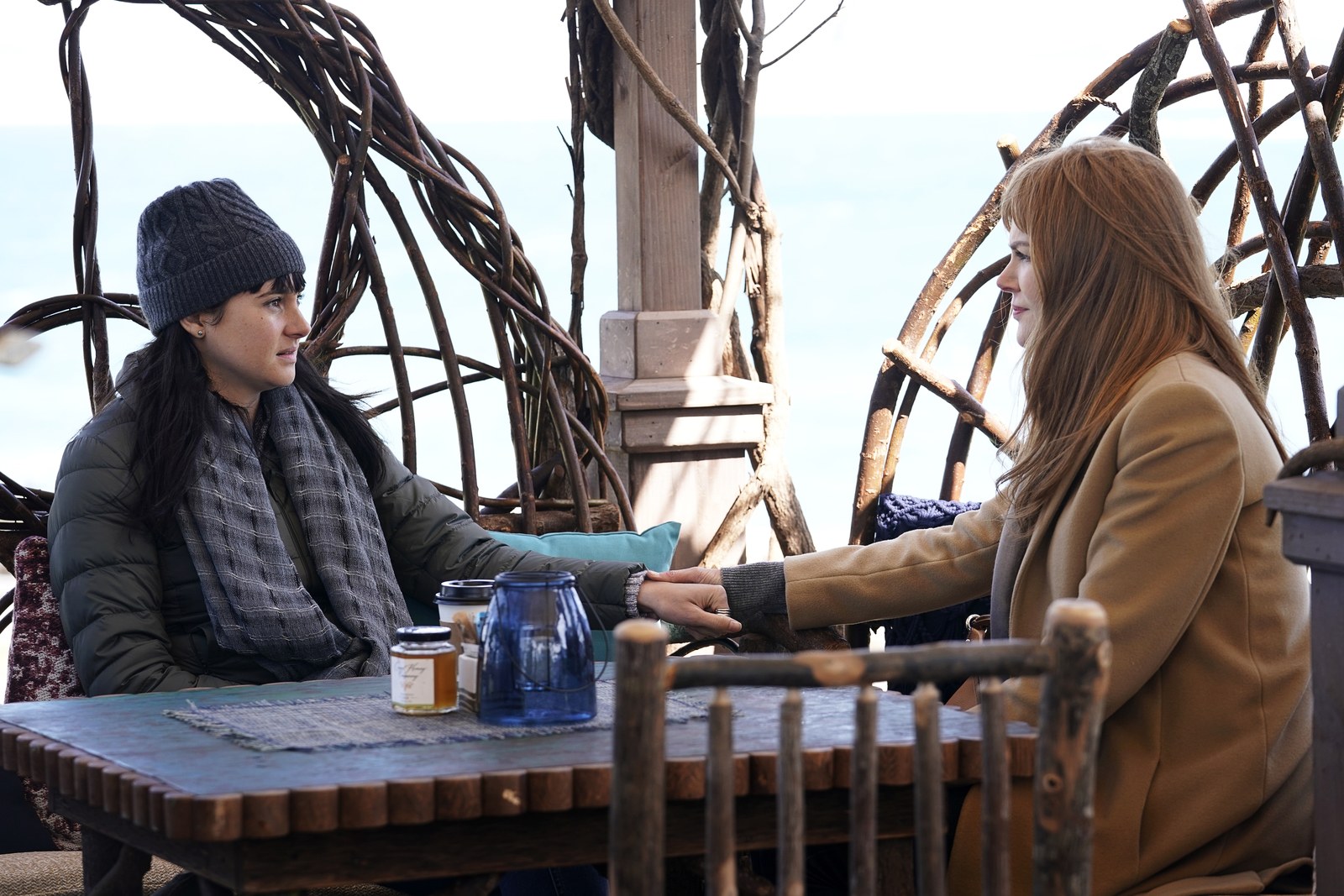
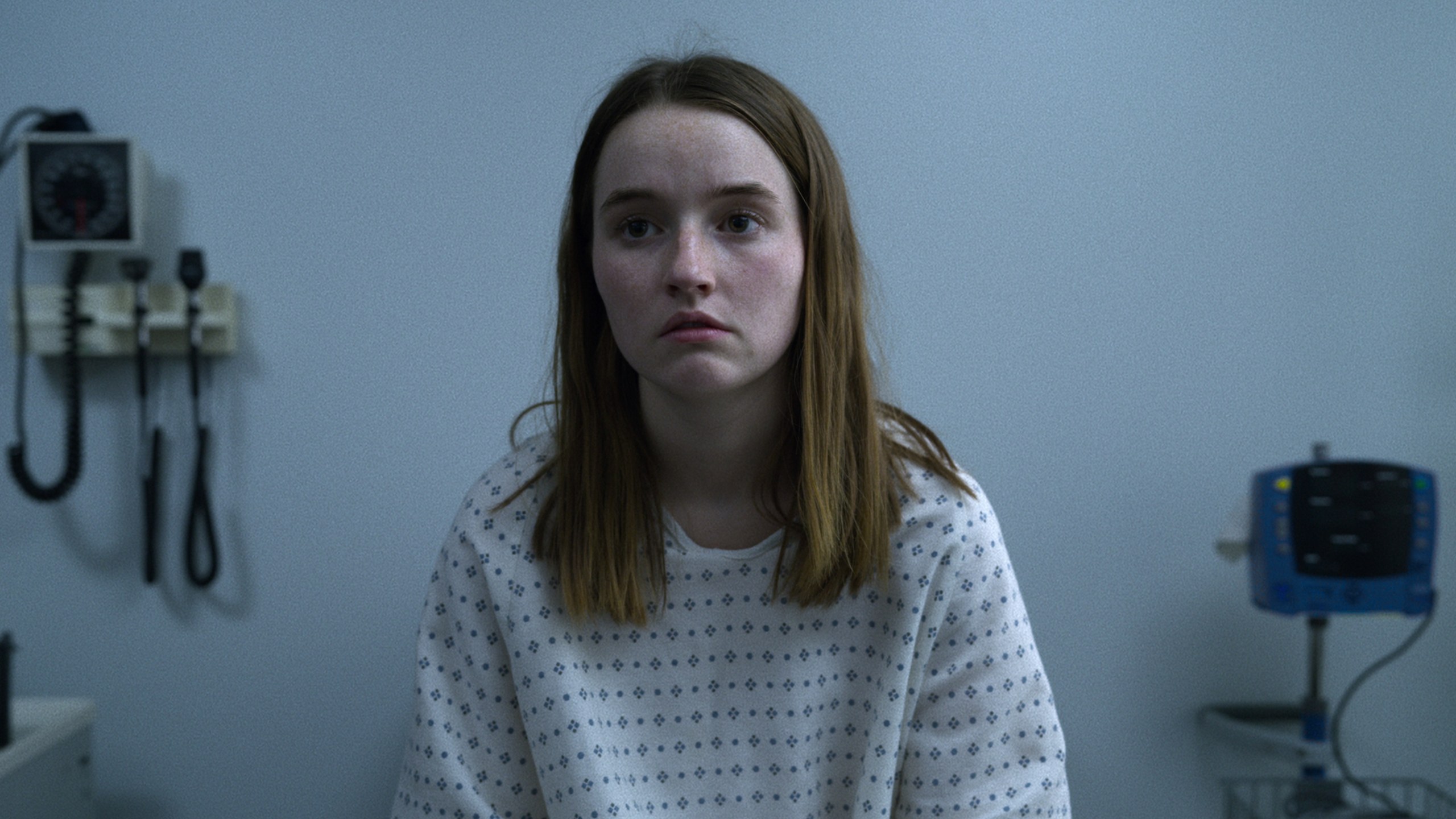
It seems like everyone is watching—and talking about—Netflix‘s Unbelievable. The series, based on a true story, centers on Marie (Kaitlyn Dever), a former foster teen who reports to local authorities that she was raped. But the officers, all men, don’t believe her story, citing inconsistencies in her statements. After several conversations, the cops essentially strong-arm Marie into saying she made the entire thing up. Her life unravels in the aftermath: Her friends disown her, she receives a demotion at work, and the city sues her for filing a false police report. But then, three years later, two female detectives (Toni Collette and Merritt Wever) start looking into several rape cases similar to Marie’s story and deduce that the same man is committing these assaults.

The show isn’t easy to watch. It’s gritty, and graphic, and it can be triggering for people who have experienced sexual assault. But the response to it online is overwhelmingly positive: Many are praising the series for its nuanced depiction of what sexual assault survivors go through when reporting their cases. “This is literally why women struggle with admitting to being sexually assaulted because they’re forced to relive the moment 60+ times, and then poked and prodded at by our legal system,” one person wrote on Twitter.

“If you’re someone whose first response to a rape being reported is ‘but they could be faking it’ you should watch the series #Unbelievable and educate your spiteful selves,” tweeted someone else.

Other viewers are calling for female officers to handle female sexual assault cases after watching Unbelievable. The series does an excellent job at showing how empathetic Collette’s and Wever’s characters are toward the women they work with. The male officers who handle Marie’s case are cold and mechanical, and they have an obvious bias against her. “I just started watching #Unbelievable and I firmly believe that a rape victim (if female) should be interviewed by a woman detective,” one person tweeted.

Read some more reactions to Unbelievable, below.

The show is currently streaming on Netflix.


Source link

Categories
Health

HBO’s 'Share' Addresses Sexual Assault Unlike Any Movie You’ve Ever Seen


“There is just as much humanity, nuance, intelligence, and complication in the experience of a teenage girl as there is in anyone else,” Bianco says. Stories about rape, and particularly stories about young women who experience sexual violence, are often pegged as trauma films. She bristles at that label.

“I’m always hesitant to talk about the gender and politics side of the film, even though those things are really important to me. The minute you tell people that the film tells a story about a teenage girl, people either want to reduce it to ‘puff’ or ‘issues,’” she explains. In other words, something people feel burdened to see and talk about because of its topical urgency, without registering its artistic merits.

Rhianne Baretto on set with director Pippa Bianco.

SABRINA LANTOS/HBO

It’s true that Share requires a certain willingness to sit with troubling, uncomfortable subject matter. At the same time, the characters and the trajectory challenge expectations of the genre, in part by focusing on minutiae: Mandy’s interactions with her parents, coach, and teammates, attempts to be “normal” and engage with her social life, shooting hoops, the bruise slowly healing on her back.

Rhianne Baretto, the 22-year-old Brit who plays Mandy, describes it as a process of the teenager figuring out what she wants to do, what justice looks like for her, and finding the strength to pursue that choice. Through her character’s eyes, the audience is invited to consider that maybe the “right” way forward fails to give her closure. Just as resonantly, Baretto feels that the film deconstructs fraught topics like consent and culpability, while also recognizing that, even in instances of clear right and wrong, there is no black and white. “No one is completely a villain. Everyone is making decisions day to day,” she says.

For Bianco, teasing out those distinctions and revealing the commotion roiling beneath what, on the surface, looks like passivity was the point. Early on in the filmmaking process, she remembers getting the note that her lead character wasn’t “activated” enough: Films are about people making choices—that’s what pushes a plot forward.

“But, to me, there are a lot of choices that we choose to ignore,” Bianco explains. “The choice not to say something. The choice to wait. The choice to ask for privacy. There are millions of choices, all of which are active. Just to get out of bed every day—I think that’s a heroic choice.”

Elizabeth Kiefer is a New York-based writer and editor.


Source link

Categories
Health

Big Little Lies Is Having the Tough Conversations About Sexual Assault


Hearing that your dead son was a serial abuser is a lot for a mother to process; hopefully, after having some time, Mary Louise will be less reactive and defensive with Celeste. This scene made me think about a terrible experience of my own. In college, a man at a party asked me to stay and sleep with him, of which I refused. He followed me into the hallway, pinned me against the wall, and forced his hand inside me. When I escaped his grip, I walked home crying.

To this day, I’m still friendly with his sister, who often calls her brother her favorite person and holds him to the same high regards as Mary Louise holds Perry. I often wonder what my friend, the man’s sister, would say or think if I ever opened up to her about what happened with her brother. I know it wouldn’t be pretty, and I also know she wouldn’t believe me. Why believe someone you barely know over the person you grew up with and love with your whole heart? So, I was very affected by this particular scene.

Another gutting moment in Sunday’s episode transpired when Jane tells Ziggy about his real father, Perry. Like the twins, Ziggy also found out at school that his real father was Perry. When Jane confronts Ziggy about why he didn’t ask her about it, he says he figured she wouldn’t tell the truth. Ziggy then says he heard Jane was “salted.” Through tears, Jane tells him she thinks the word he heard was “assault,” and proceeds to open up about her experience.

Woodley told Vanity Fair that she didn’t consult experts about this scene, but rather went in somewhat unrehearsed to see what emotions poured out of her. “For me in that scene, it really was, how do you allow yourself to be in complete shock and be an adult in a situation where you yourself feel like a vulnerable child?” Talking to a child about rape isn’t something we often see on TV; Big Little Lies infused this scene with empathy, juxtaposing childlike innocence with adult trauma. Jane’s decision here is layered and realistic, and one that many survivors and mothers have had to make in their own lives, too.

HBO

Both Jane and Celeste’s admissions cause them trouble later in the episode. Mary Louise says she’s going to the police with what Celeste has told her, as it’s pertinent information that wasn’t disclosed during investigations. Jane’s confession puts her at odds with Celeste because they made a previous agreement not to tell their children the truth about Perry. Celeste’s twins ask their mother if Perry was a bad man, and she chooses the opposite path of Jane, saying that Perry made mistakes but was a good man. It’s another thorny issue: Jane was tired of lying to her son, which created distance between them. But Ziggy’s knowledge is a threat to Celeste’s sons, who could easily find out that their father was a rapist and abuser. That’s a lot for children to comprehend.


Source link

Categories
Health

Judge Faces Suspension for Asking Woman in Sexual Assault Case If She 'Closed Her Legs'


New Jersey Superior Court Judge John F. Russo Jr. is facing suspension after he reportedly asked a woman seeking a restraining order if she tried to prevent her alleged sexual assault by closing her legs.

According to The New York Times, an advisory committee found that the displayed behavior that was “not only discourteous and inappropriate but also egregious given the potential for those questions to re-victimize the plaintiff.” Members collectively recommended a three-month suspension without pay, as well as courtroom demeanor training.

Russo claims he was only trying to get more information, not humiliate her. However, after reading the transcript from the woman’s initial 2016 hearing, it’s clear his line of questioning was harmful and beyond insulting.

You can read the transcript below, as reported by the New York Times:

“Do you know how to stop somebody from having intercourse with you?”
Judge Russo asked the woman.

“Yes,” she replied.

“How would you do that?” the judge asked.

The woman said she would try to physically harm the attacker and say
“no,” to which Judge Russo asked, “What else?”

The woman said she would ask the person to stop, to which Judge Russo
again asked, “What else?”

She then said she would run away.

Russo then continues onward in victim-shaming territory, asking the woman once again what she could have done to prevent herself from getting sexually assaulted—and then offering his own suggestions.

“Run away, get away,” he said. “Anything else?”

“Block your body parts?” Judge Russo added. “Close your legs? Call the
police? Did you do any of those things?”

The plaintiff had come before Russo to get a restraining order against a man whom she not only alleges raped her but, per the Times, also allegedly threatened her life and made inappropriate comments to their child. Russo ultimately denied the woman’s request for a restraining order, according to the Washington Post, adding that her answers to his re-victimizing questions played into his decision-making.

Russo was put on administrative leave in 2017; however, the judicial conduct committee recommending his suspension also accuses Russo of three more counts of courtroom misconduct pertaining to different cases.

“Judge Russo looks forward to a public hearing in which he will be able to respond to the allegations against him,” his lawyer told a local NBC station in March 2018. “We have respect for the process as well as the advisory committee on judicial conduct, and therefore won’t comment further.”


Source link

Categories
Health

New Zealand Bans Assault Weapons in Wake of Mosque Shootings


It has been less than a week since a lone gunman opened fire in two Christchurch, New Zealand mosques, killing 50 people and injuring dozens more, and the country’s elected officials have already taken steps to change its gun control laws.

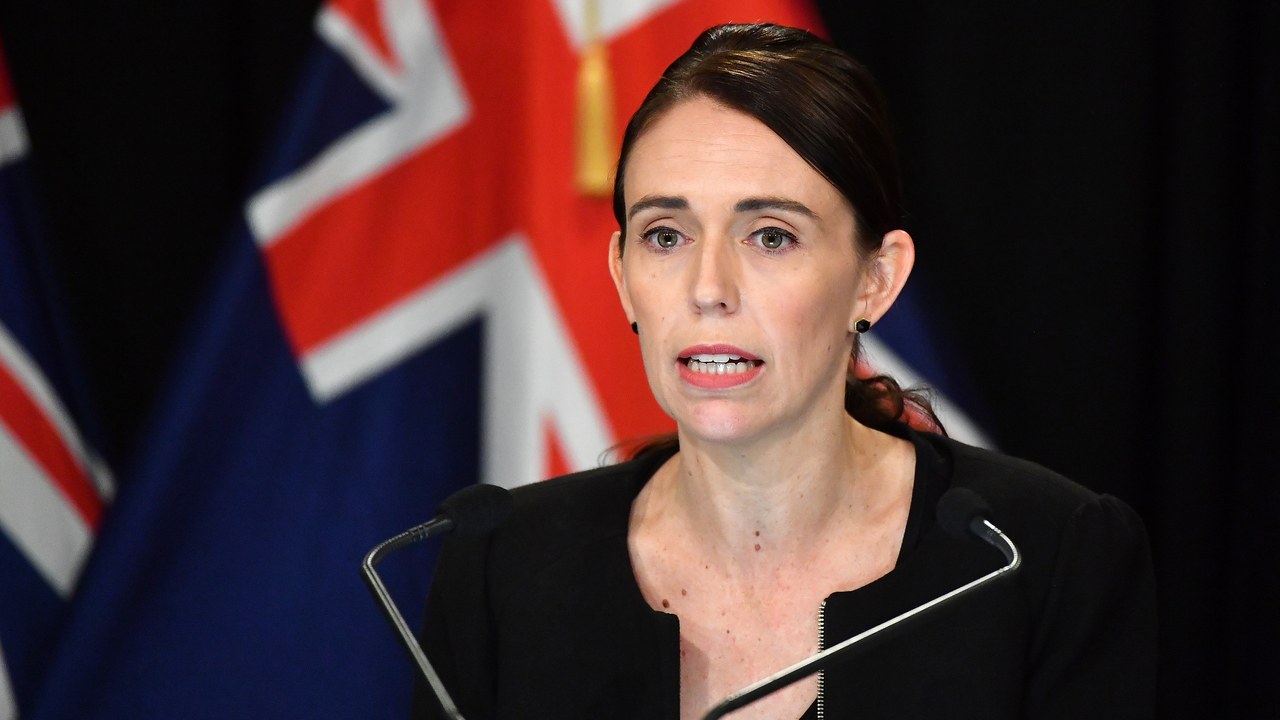
Prime Minister Jacinda Ardern announced that all military-style semi-automatic weapons, assault rifles and high-capacity magazines will be banned in New Zealand. “On 15 March our history changed forever,” she said during a press conference. “Now our laws will too. We are announcing action today on behalf of all New Zealanders to strengthen our gun laws and make our country a safer place.”

“Six days after this attack, we are announcing a ban on all military style semi-automatics (MSSA) and assault rifles in New Zealand,” she said. “Related parts used to convert these guns into MSSAs are also being banned, along with all high-capacity magazines.” Even the leader of the country’s opposition party, Simon Bridges, is supportive of the ban, signaling widespread support. He said it was “imperative in the national interest [that] we keep New Zealanders safe.”

“Every semi-automatic weapon used in the terror attack on Friday will be banned,” Ardern continued. “This legislation will be drafted and introduced in urgency.” According to CNN, this announcement comes after New Zealand’s cabinet agreed to overhaul its laws just 72 hours after the attacks. The country is planning to offer an amnesty period for those owning firearms that will now be reclassified as illegal and a buyback program may be part of the new legislation, as well. According to the BBC, the buyback program could cost New Zealand up to $200 million (in NZ currency) but “that is the price that we must pay to ensure the safety of our communities,” says Ardern.

The swift action in the wake of a mass shooting drew praise from many progressives stateside. “Sandy Hook happened 6 years ago and we can’t even get the Senate to hold a vote on universal background checks w/ #HR8,” Rep. Alexandria Ocasio-Cortez (D-N.Y.) tweeted. Christchurch happened, and within days New Zealand acted to get weapons of war out of the consumer market. This is what leadership looks like.”

“This is what real action to stop gun violence looks like. We must follow New Zealand’s lead, take on the NRA and ban the sale and distribution of assault weapons in the United States,” Sen. Bernie Sanders (D-Vt.) wrote.

“See. It’s not that hard,” tweeted Sen. Chris Murphy (D-Conn.), who has been particularly active on gun issues since the Sandy Hook massacre in his state.

NRA spokeswoman Dana Loesch responded to Sanders’ tweet: ” First, define ‘assault weapon.’ Words are important and certain laws come into play depending on which words are used, so define this. Secondly, the US isn’t NZ. While they do not have an inalienable right to bear arms and to self defense, we do.”

Ardern says New Zealand’s new gun regulations may be in place as soon as April 11. She also says another round of amendments will be forthcoming—and could include changes to gun registration laws.


Source link

Categories
Health

Sexual Assault Survivors on 'The Bachelor' Sharing Caelynn Miller-Keyes' Story


The following article, based on this week’s episode of The Bachelor, could be triggering for anyone who’s experienced sexual assault. If you or someone you know need help, call RAINN’s hotline at 800-656-HOPE (4673).

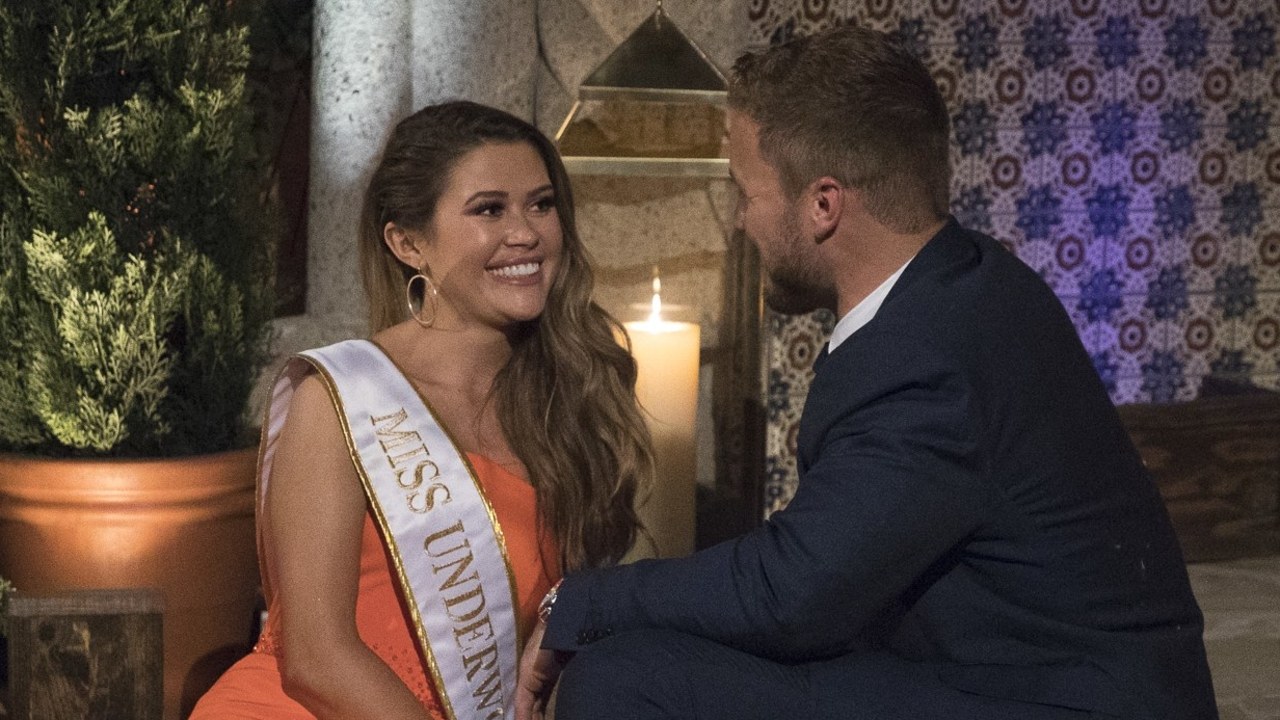
On the surface, the fourth episode of Colton Underwood’s season of The Bachelor was entirely typical. There were two romantic one-on-one dates, a chaotic group date, a trip to a stunning location, and the usual “villain” drama. That all shifted, though, when contestant Caelynn Miller-Keyes opened up to Colton about being sexually assaulted in college. This was different from anything we’ve seen from the franchise before, and The Bachelor got this #MeToo moment right.

During her date with Colton, Caelynn shared every painful detail of her story as she described being drugged and assaulted at a party during her sophomore year of college. “I woke up the next morning completely naked in my bed and had no memory of the night before,” she says. “I had a small vision of a guy in my bed, and I just had this pit in my stomach that something really bad happened last night.” Caelynn says she later learned through a friend what had happened, and that another student allegedly lifted her skirt and took Snapchat photos. “It was horrible,” she says. Her assailant, she says, was expelled from school but faced no other charges.

Caelynn explained that she tried to get a rape kit but said she was turned away from the first hospital she visited. “The reporting process is a lot more difficult than people realize. I had no idea what to do,” she told People in a later interview. “I was completely stranded, I was completely alone. I didn’t even think it was possible to be turned away from a hospital. Thankfully, I had a good support system and people went to a second hospital with me and I was able to get a rape kit and speak to authorities and go through that process. But it’s a lot more difficult than it seems.” (In addition to Caelynn’s experience, there’s a noted backlog of untested rape kits across the country, which interferes with prosecuting perpetrators of rape and assault.)

Caelynn’s story matters for a lot of reasons—but in the context of The Bachelor, it hopefully marks a turning point for how the franchise will address issues of sexual assault going forward. After all, this show doesn’t have the best track record. In 2017 the spinoff series Bachelor in Paradise was steeped in controversy when a producer brought forward sexual assault allegations regarding two contestants, Corinne Olympios and DeMario Jackson. Much of the public discourse surrounding Olympios was full of slut-shaming, and while the series did attempt to clear the air with a televised conversation about consent led by host Chris Harrison, the entire situation left a bad taste in many viewers’ mouths.

Last year news broke that The Bachelorette contestant Lincoln Adim had been convicted of indecent assault and battery. Warner Bros., the studio behind the franchise, issued a statement saying the production was unaware of the charges when he was cast. But the show never addressed the controversy; Adim was excluded from the “Men Tell All” special.

But Monday’s episode was poignant for many viewers, especially those who are sexual assault survivors—and there are likely many of them. According to RAINN, one out of every six American women (and three percent of men) have been the victims of an attempted or completed rape. What’s more, the vast majority of sexual assaults go unreported; out of every 1,000 sexual assaults, only 230 are ever reported to the police.

Anna, 25, a sexual assault survivor who asked Glamour to withhold her name for privacy reasons, said she “couldn’t breathe” while watching Caelynn tell her story. Like the Bachelor contestant, Anna woke up after a party with no memory of the previous night’s events but later had flashbacks of being assaulted by a coworker. “I never got a rape kit done, and I still have no solid conclusion as to what happened that night,” she says. “I fell into a deep depression for a couple years, but I’ve been able to slowly come out of it more recently.”


Source link