Categories
Health

A Woman Killed in the El Paso Shooting Reportedly Died Trying to Protect Her Two-Month Old Baby


Residents of El Paso, Texas, and Dayton, Ohio, as well as citizens across the country, are still reeling in the wake of two mass shootings over the weekend that left 29 people dead and many more injured in less than 24 hours.

Now, heartbreaking stories of the victims are starting to emerge. Like that of 25-year-old Jordan Anchando who went to the El Paso Walmart with her husband, Andre, and their two-month-old infant to buy school supplies for their older daughter. Anchando’s sister, Leta Jamrowski, told NBC News that she believes her sister died trying to protect her baby boy. “From the baby’s injuries, they said that more than likely my sister was trying to shield him,” she said. “So when she got shot she was holding him and she fell on him, so that’s why he broke some of his bones. So he pretty much lived because she gave her life.”

“She’d give anything for those kids, anything, even her life,” Jamrowski told NBC’s Lester Holt.

Elizabeth Terry told CNN that the couple had just celebrated their first wedding anniversary and stopped at the store after dropping off their five-year-old at cheer practice. Jesse Jamrowski said that Andre jumped in front of his wife who was shielding the baby—he also died from his injuries. (The couple also had a two-year-old.)

“The baby still had her blood on him. You watch these things and see these things and you never think this is going to happen to your family,” Terry told CNN. “How do parents go school shopping and then die shielding their baby from bullets?”

The baby survived with a few fractured fingers, according to CNN, and is now at home with family members.

“She had the most contagious smile and laugh,” Terry told CNN of Jordan. “We lost the light of our family and the light of our heart.”


Source link

Categories
Health

The Woman Behind the First Viral Gender Reveal Is Having Second Thoughts


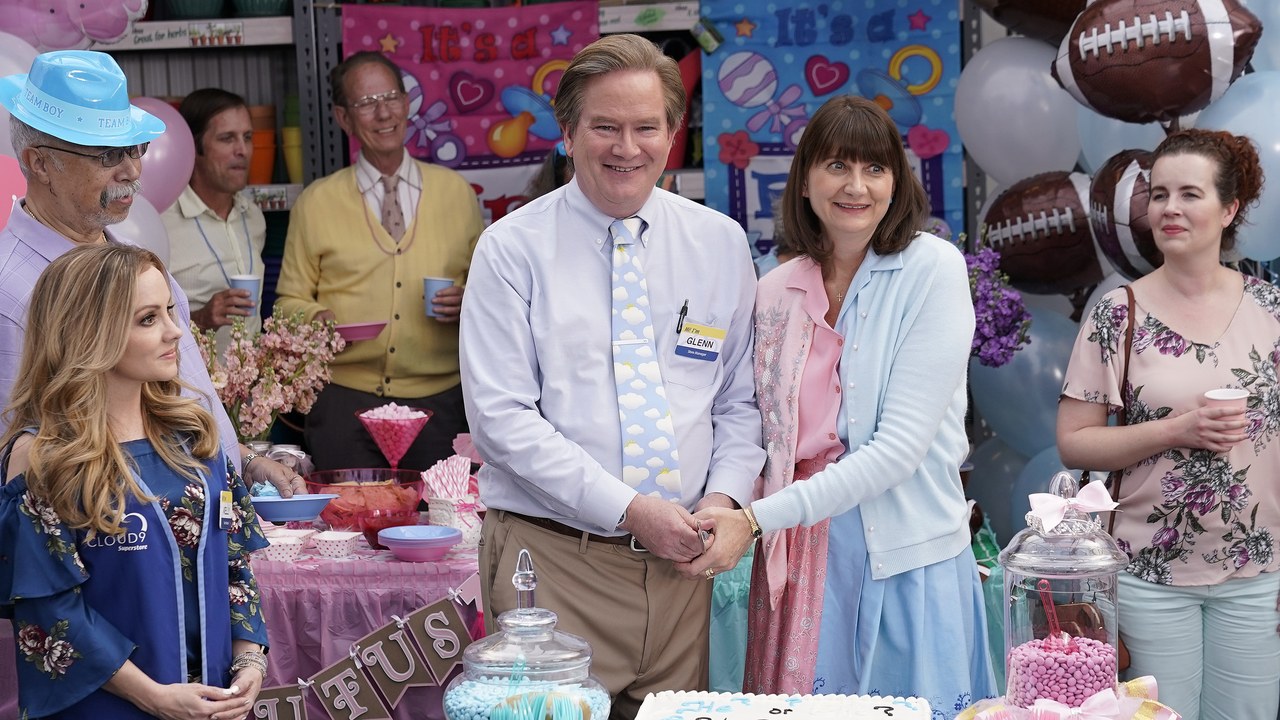
Back in 2008, a blogger named Jenna Karvunidis helped popularize gender reveal parties and videos when she baked a cake to celebrate the impending birth of her first child. After several miscarriages, she was ecstatic about being far along enough in her pregnancy to find out the sex of her baby and wanted to mark the occasion. But it wasn’t just any regular cake: Pink icing, revealed when the cake was cut into, let her friends and family know that a girl was on the way.

“For me, it was a milestone,” she told The Guardian on Saturday, July 27. “I had had several miscarriages. It was like, ‘Oh yay, I’m finally at a point in my pregnancy where I know if it’s a boy or a girl’ rather than ‘Let’s saddle this kid with a whole identity’. I don’t think anybody was thinking like that in 2008.”

The reveal made it onto her blog, the website The Bump interviewed her, and “then I started noticing people having the same party,” she wrote in a Facebook post on Thursday (July 25) via her blog’s account. (It’s important to note that what Karvunidis actually revealed was her baby’s sex, which indicates the biological differences between males and females, as opposed to gender, which is the social construct of norms and roles stemming from one’s sex.)

But now, Karvunidis is rethinking so-called gender reveals—thanks, in part, to the now-10-year-old daughter whose own reveal party helped catalyze the trend.

“I’ve felt a lot of mixed feelings about my random contribution to the culture. It just exploded into crazy after that. Literally—guns firing, forest fires, more emphasis on gender than has ever been necessary for a baby,” she wrote in her Facebook post. “Who cares what gender the baby is? I did at the time because we didn’t live in 2019 and didn’t know what we know now—that assigning focus on gender at birth leaves out so much of their potential and talents that have nothing to do with what’s between their legs.”

She accompanied her post with an updated family photo. “PLOT TWIST, the world’s first gender-reveal party baby is a girl who wears suits!” Karvunidis wrote.

Karvunidis told The Guardian that, as her 10-year-old has been exploring nonbinary expressions of gender, she’s also been teaching her mom a few things about all the nuances involved. “I’m letting her lead me,” Karvunidis said. “She has her opinions about there being many genders, and she is informing me about things. She was biologically born a female, and she is still ‘she’ and ‘her’ and says she’s a girl, but she is still doing things her way.”


Source link

Categories
Health

Gwyneth Paltrow Just Opened Up About Aging as a Woman in Hollywood


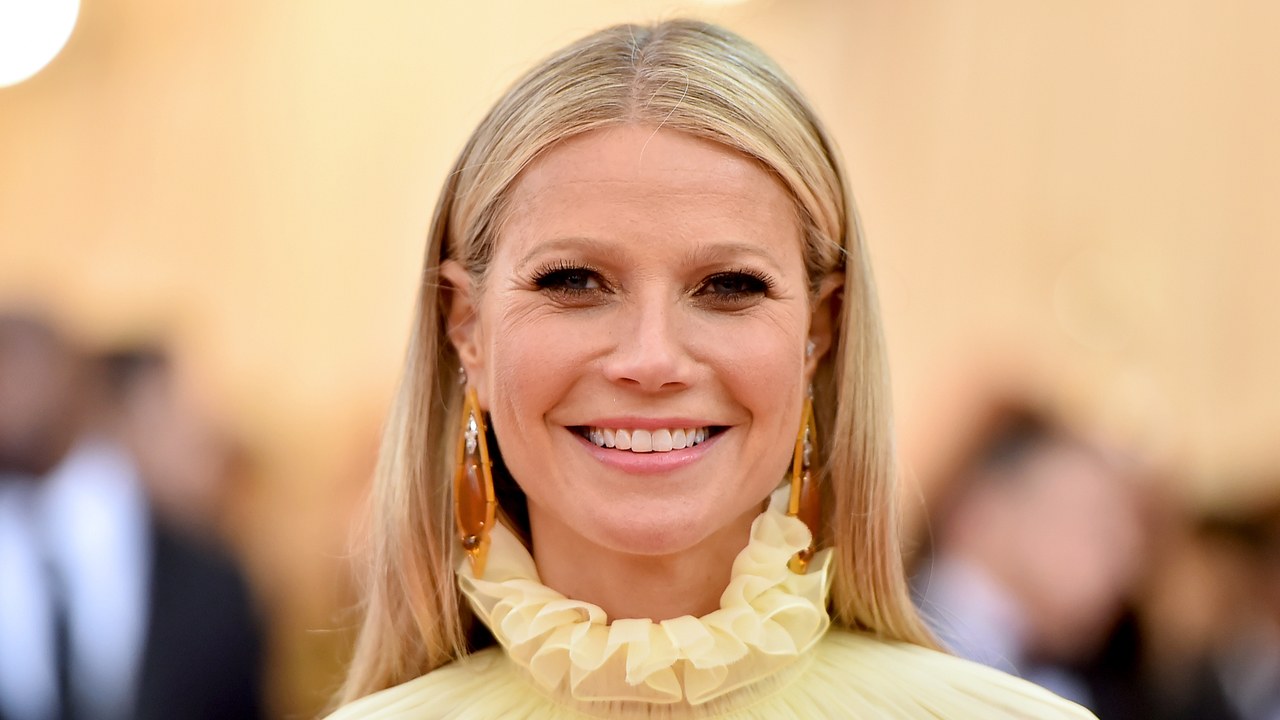
Gwyneth Paltrow opened up about what it’s like to grow older on a new Goop podcast, The Beauty Closet, explaining that even she hasn’t totally acclimated to the pressure of the spotlight. “I’ve always felt so funny about my looks,” she said, according to People. “I think that it’s very rare to think that you’re a beautiful person, and so, I feel like every other woman—like, I don’t see that when I look in the mirror.”

The fact that Hollywood remains fixated on youth doesn’t help, she added. Despite the fact that Paltrow, 46, still fits well within the industry’s narrow standards of beauty, the actress and entrepreneur shared she’s conscious of aging. “It’s a weird thing to be—I don’t mean in a pejorative way—objectified,” she said. “I think when you come to age…what does it mean to get wrinkles and get closer to menopause, and all these things…. What happens to your identity as a woman if you’re not fuckable and beautiful?” (Of course, that’s not a problem it seems famous men have to deal with.)

But Paltrow didn’t dwell too much on the downsides of growing older, or even on the existential questions the process sometimes poses. Instead, she said, aging has given her more clarity about who she is as a person and the values she considers important.

“You know, as I go on in life and I feel more and more myself and less judgmental about myself, my values become clearer to me,” she said. “I can be in integrity all the time, which was much harder when you’re a younger woman and you’re trying to please and juggling all this stuff.”

Later, she added, “Luckily, what’s happening at the same time in parallel is you just start to like yourself. I think you get to a point where it’s almost like your sort of pulchritude is waning in a way and your inner beauty is, like, really coming out, and so it’s this funny shift that’s happening.”

“It’s like, you feel so good; you know who you are, hopefully; you value the relationships in your life and your work and your contribution to the world,” she said, “But then you’re like, ‘Wow, I have crow’s feet. Damn!'”

Of course, there’s nothing inherently good or bad about crow’s feet, but if their arrival comes with a deeper sense of self, we’re here for it.


Source link

Categories
Health

Dreamers Can't Be Licensed Nurses in Some States. In Arkansas, One Woman Decided to Change That


I still remember the first time I put on my white coat. It was an October night in 2017, and along with 119 other nursing students in identical blue scrubs, I’d gathered at the Fellowship Bible Church in Little Rock, Arkansas, for a white coat ceremony. With 300 friends and family members watching, we crossed the stage to receive our coats, then recited the Nightingale Pledge, vowing to devote ourselves to our patients’ welfare.

The ceremony, which marked the start of our clinical training, was simple but deeply meaningful. Afterwards, I went to celebrate with my family and friends. Since I was little, I’d dreamed of helping others. My white coat meant I’d made it. Soon I’d be a real nurse, treating real patients.

Then I got home, checked Facebook and my happiness evaporated. At the top of my feed was an article warning that the Arkansas State Board of Nursing had begun denying nursing licenses to DACA recipients.

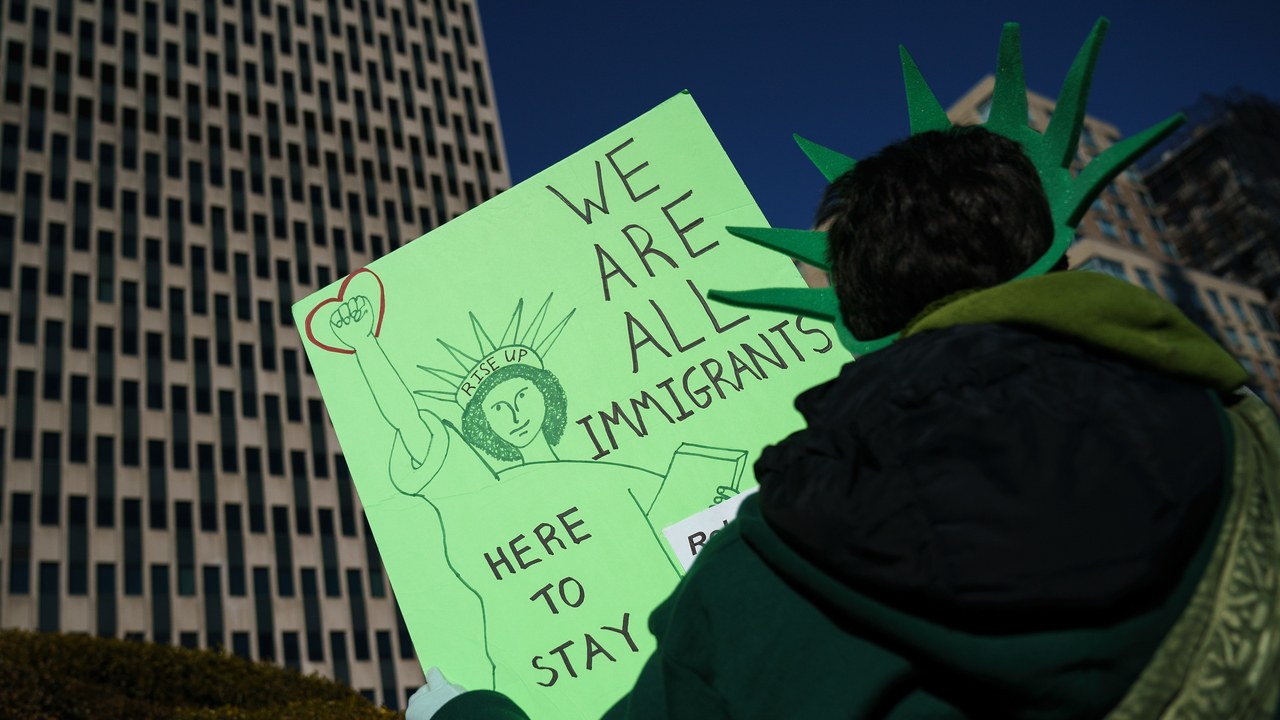
That meant me. I’m a Dreamer, born in Mexico and brought to America at age six. I feel American, but don’t have an unrestricted legal status, so the new policy meant I wouldn’t be able to work as a nurse. Even though I was halfway through my education, there was no road forward.

As I read the article, the world seemed to move in slow-motion. In that moment, everything changed. I felt my dream shatter.

I’m the oldest in my family, and my two brothers always looked up to me. After my parents separated, my mom worked three jobs to support us. While she worked in restaurants or cleaned houses, I picked up after them, fed them snacks, and became the household second-in-command.

It was tough, but my mom never let go of her dream: to give us a good life and a good education. She succeeded: I’m the first in my family to graduate from high school and the first to earn an associate’s degree. When I finish nursing school next December, I’ll be the first to earn a bachelor’s degree, too.

That’s been possible because of the Deferred Action for Childhood Arrivals (DACA) program, which allows Dreamers to work and study without fear of deportation. Getting DACA in 2012 changed my life, letting me take jobs in restaurants and other local businesses, save money, and plan for college.

Even with DACA I didn’t qualify for financial aid, scholarships, or student loans, so I worked my way through community college. My real dream was to study medicine. As a child, my eyes would fill with tears during TV ads for St. Jude’s Children’s Hospital, longing to help the sick children I saw. I knew I couldn’t afford medical school, but I found I could afford a nursing degree and that was close enough.

The more I learned about nursing, the more I felt sure I’d discovered what I was meant to be. Later, during my clinical training, I had a light-bulb moment while working in the emergency room, suddenly aware that I felt a sense of belonging amid the adrenaline. I knew then I wanted to be an ER nurse.

Our country needs more young people to have those light-bulb moments and become nurses. According to the Arkansas Department of Health, all but one of our state’s counties are suffering healthcare worker shortages. More than half a million Arkansans live in areas with too few primary medical, dental, and mental health workers.

Often, it’s immigrants like me who fill those gaps. Research from New American Economy shows that 27.7 percent of physicians and 15.8 percent of nurses are born abroad. Almost 14,000 Dreamers work in healthcare jobs, according to the Migration Policy Institute. But that number could be far higher. Just 11 states allow DACA recipients to gain professional licenses, so like me, many thousands of aspiring healthcare workers find it impossible to achieve their dreams.


Source link
Categories
Health

Jennifer Aniston Is About to Make Her Return to TV. Meet the Woman Who Made It Happen


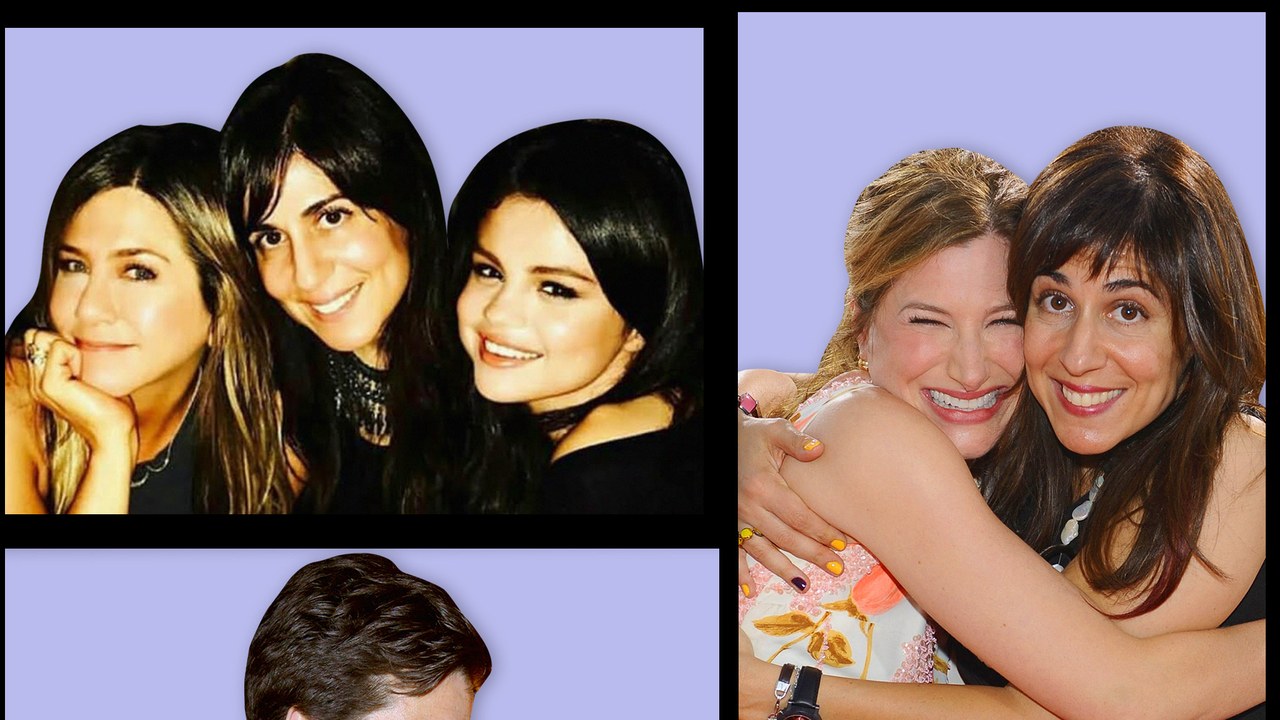
Given her line of work, Keshishian is as gracious as she is discreet. Still, in an interview with Glamour, she was game to share hard-won lessons about work, great bosses, big failures, and the ever-elusive “balance” that women are still urged to seek even in one of the most relentless industries on the planet.

You don’t have to know what you want to be when you grow up.

I grew up in Manchester, New Hampshire, and started acting at a children’s theater. (Adam Sandler was in it with me; we still joke about it now.) Then I directed plays in high school and college, and worked as an intern for a casting director in New York City. While I was there, my boss told me Juliet Taylor is the best casting director in the business. So when I got out of college I applied to be her intern and eventually became her casting assistant. I cast a couple of films—for Lisa Cholodenko, Tamara Jenkins—tiny movies (I found old papers where it showed I was paid $250 to cast one). At that point I was thinking, I’m going to be a casting director. But then there was an incident that convinced me I should be a talent agent instead: A 12-year-old Claire Danes auditioned for the lead role in a Pamela Jenkins’ film. After three or four call backs, she didn’t get the part. She was so good, and I found myself really devastated. She cried when we gave her the bad news, and my heart just went out to her and I thought, I want to be an advocate for talent.

It’s very difficult to know what your passion is when you’re 15, 25, and what you are passionate about changes as you get older. Rather than having to know what you’re going to do for the rest of your life, it’s much easier to say, What do I want to try? What do I want to see if I’m good at it, see if I want to spend time working really hard at? You don’t really need to know where you’ll end up. You just have to follow your passion at that time.

Know what your bigger mission is.

When I told Juliet Taylor, “I think maybe I should become an agent or try to be an agent,” she said the hours were really intense. (This was back in the 90s; we didn’t have cell phones.) I said, “I am ready to do that.” And then Sam Cohn, the owner of ICM, the biggest agency in New York City at the time, called Juliet and said he was looking for an agent. I went in for the interview thinking I’d be his assistant. I was all prepared to say, “In six months I want to be promoted.” Instead, at the end of the two-hour interview, he said, “OK you’re an agent.” I told him, “But I don’t really know what you guys do day-to-day.” And he said, “Listen, your job is to take one artist and introduce them to another artist and help to create art. That’s your job.” That always stuck with me as an incredibly noble assignment.

There’s no shame in bringing in back-up when you need it.

On my second day as an agent I got a call from a casting director for The Professional. He said, “We’re doing screen tests with a bunch of girls and there’s a young girl that has no agent, will you meet her?” She was also going to meet a very reputable agent at William Morris. There was no comparison between me, who had no clients, and this other agent, who was very established. But we met with her and her parents first, and I brought Sam to the meeting with me. They canceled the meeting with the other agent and she became my client. That was Natalie Portman, and we worked together for 15 years.


Source link

Categories
Health

This Woman Spilled Red Wine on Her White Jumpsuit—And Her Friends Came Up With Quite the Solution


While there’s no doubt a head-to-toe white outfit is the epitome of summer, it can also an incredibly hazardous look for the accident-prone among us. Social media helped us figure out how to clean white sneakers—and now, it’s brought us the story of a woman in England who found a clever solution to an all-too-common summer problem: spilling wine on your white dress.

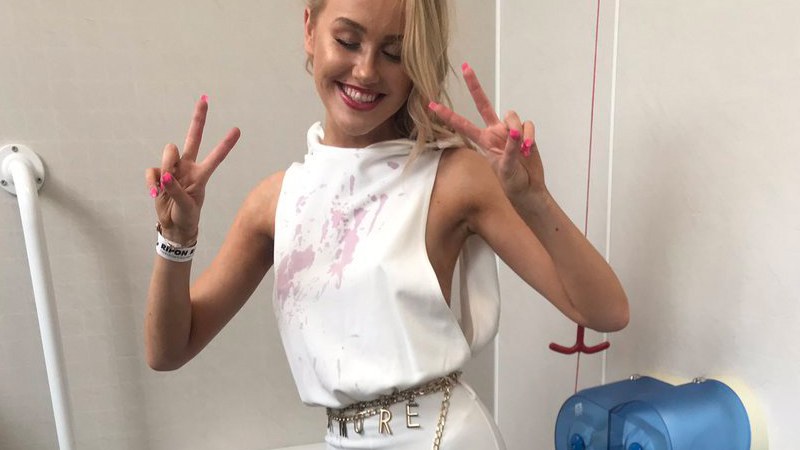
A Twitter user named Mia Williamson shared that she was at the Ripon Races in Leeds, England when someone splashed red wine on her friend Eleanor Walton’s crisp white Pretty Little Thing jumpsuit. Instead of panicking, Walton, Williamson, and the rest of their group came up with a genius hack: pouring more wine all over the outfit. Of course, they documented the whole ordeal and shared it on social media.

“Would you believe someone spilt red wine all down my white outfit so my work girls SOAKED my jumpsuit in the sink so it’s now red,” Walton tweeted.

Williamson added visuals: an image of Walton in her white jumpsuit with the initial stain, and an image of her after deciding to just add more red wine.

The result of their in-the-moment was a pink tie-dye print—which is actually very on-trend for summer. In fact, the finished product was good, Pretty Little Thing, the brand that made Walton’s white jumpsuit, even jokingly replied to the photos on Twitter: “Safe to say that wasn’t a ‘pour’ decision,” it tweeted.

Walton told The Cut that she was “quite drunk” when they decided to dye the entire outfit with more wine. “Part of me wanted to go home and change, but I was having too much fun and didn’t want to let a spill ruin my day,” she said, adding that the entire process took about half an hour and four glasses of wine. She also reveled on Twitter that she sat entirely naked in a bathroom stall while her friends worked on the outfit, and calmed those concerned by the waste of money by clarifying they had an open bar.

Walton also shared a photo of herself drying her new outfit under a hand dryer, and told The Cut “I got used to how it felt quite quickly. I wasn’t really thinking about it ‘cause I was having a good time.”

The look has incited a lot of conversation on social media, with many on Twitter commenting on how clever and cute it is, even going as far to ask for a tutorial.

This just goes to show: When in doubt, add more wine.


Source link