Categories
Health

Coronavirus: ‘I’ve Never Seen Nurses As Anxious And Fearful As They Are Right Now.’


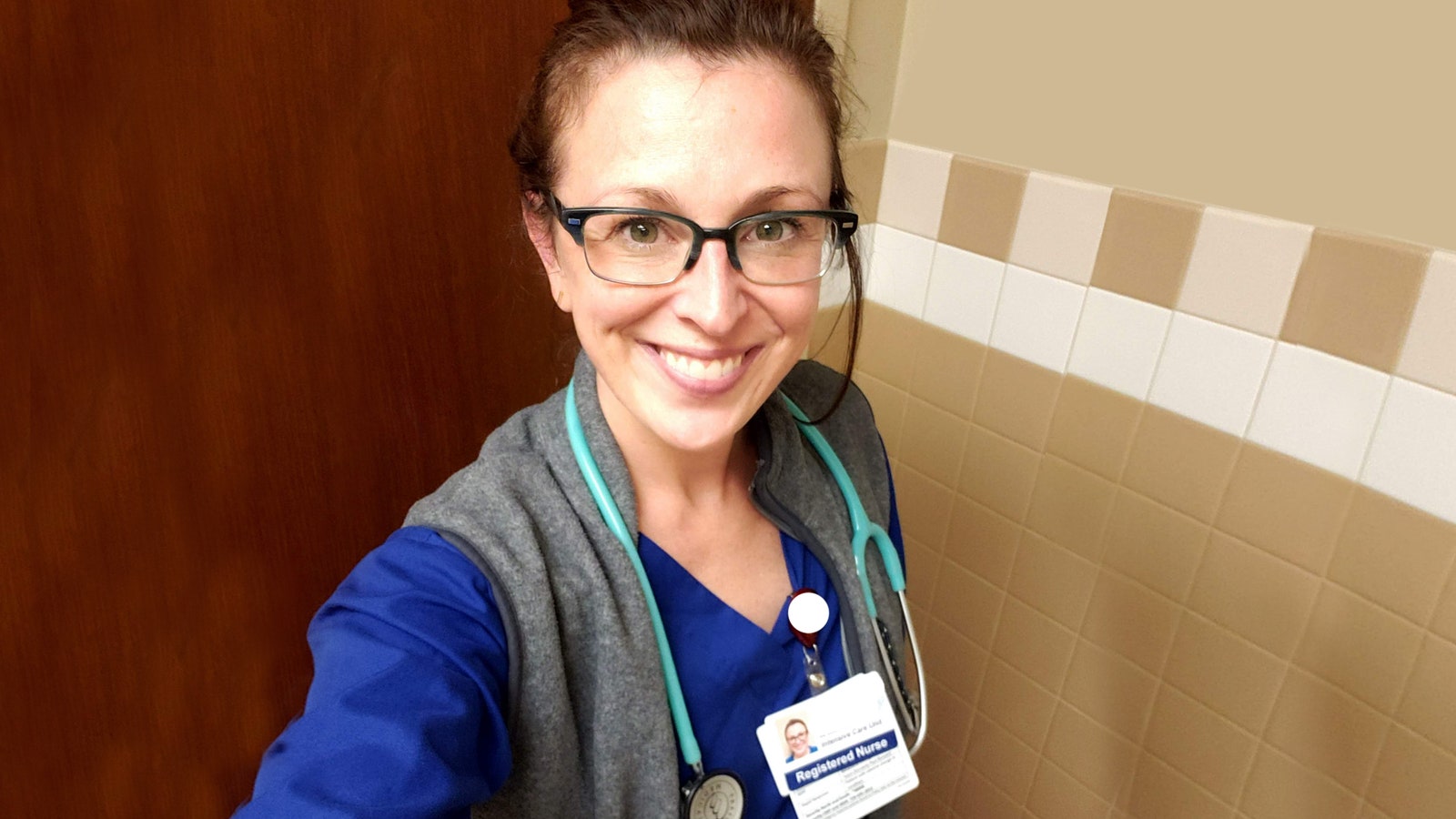
I have been a nurse for 13 years—I specialize in critical care and even worked as a medevac flight nurse—and this pandemic is by far the worst thing I’ve experienced in my career.

I arrive at work at 6:45 each morning and count the confirmed positive COVID-19 patients listed on our staffing board. Currently our 30-bed ICU unit is full of these patients, and we have opened up off-site ICUs where we have 4 patients so far. Almost all of our patients are on mechanical ventilation and are extremely ill, and in need of very high levels of critical care. The number of admissions to the ICU is almost double what we would see on a normal day.

Staffing at our hospital has survived so far, but as we open additional ICU beds in off-site areas, many questions are being asked about who is going to take care of those patients. Our doctors are running nonstop, trying to care for the rapidly declining COVID-19 patients and also trying to care for the other patients in our unit. Even during a pandemic, we still have to take care of the heart attacks, strokes, and all of the other patients that we would see on a normal daily basis.

Hospitals have been running lean for years with barely enough staff and equipment. But now we’re in a famine. COVID-19 patients admitted to the ICU require serious resources—staff, equipment, medication. Nurses are asking, Do we have enough ventilators? Enough IV pumps? Enough medication to keep these patients comfortable and alive throughout their illness? There are no good answers.

Soon we will not have enough supplies to save lives—that’s when we start making life-or-death decisions.

Nurses enter into the health care field to help people. We know that we cannot heal everyone, but we can do our damned best to promote survival. But during the coronavirus pandemic, we may not have the luxury of being able to do everything possible to save a life. There may come a time when we have to send the least likely to survive home to self-quarantine because we just don’t have the equipment to try to save them. It’s a traumatic, brutal reality. I’ve never seen nurses as anxious and fearful as they are right now.

This is beyond stress—this is a war. We are about to confront a situation that most of us have never encountered. We signed up to help people, not risk our lives due to poor planning and supply shortages. I’ve spoken with nurses from all over the country and the general sentiment is: “I am terrified.” I foresee many health care providers with some form of PTSD when this is over.

When I’m not in the ICU, I’m trying to take care of myself. But I am not sleeping well. I’m up every few hours with racing thoughts about what may or may not happen at work. I am self-isolating. I am not seeing my family. I can’t physically or morally leave my job at this moment.

I am lucky enough to live with another travel nurse that works in the same unit as me. I have known her for over 10 years. She is like a sister to me. Coming home and being able to talk to someone that actually understands what I am saying and can relate to it is invaluable. In the last few days, we have had moments of trying to laugh it off and preserve our ICU bravado, but these usually end with some tears and us confessing to each other how afraid we are of what is happening and what the coronavirus situation could evolve into.

There are moments of hope. When my roommate went to the grocery store the other day, the store employees thanked her, handed her flowers, and applauded. I am so grateful to everyone who has sent food to our hospital and made generous contributions to first responders and health care professionals around the world.
Courtesy of Rachel Norton


Source link

Categories
Health

19 Gifts for Nurses: Ideas From Real Women


The best gifts for nurses would be blessing them with 24 hours of uninterrupted sleep and covering their next shift, but short of that, there are some things you can put under their tree that’ll show them how much you care. If you’re related to a nurse or have watched any medical drama, you’ll know that their work is less of a job and more of a lifestyle, so shopping for gifts that give them a little TLC—whether at the hospital or at home—is key.

We talked to seven nurses from all over the country to find out what they’re really hoping to receive this year. From a futuristic massage tool to a simple Starbucks gift card, blue light glasses for looking at charts, and of course, some stylish new scrubs, read on for 19 gifts for nurses that you can’t go wrong with.

All products featured on Glamour are independently selected by our editors. However, when you buy something through our retail links, we may earn an affiliate commission.


Source link

Categories
Health

Nike Is Dropping a Shoe Designed Specifically for Doctors and Nurses


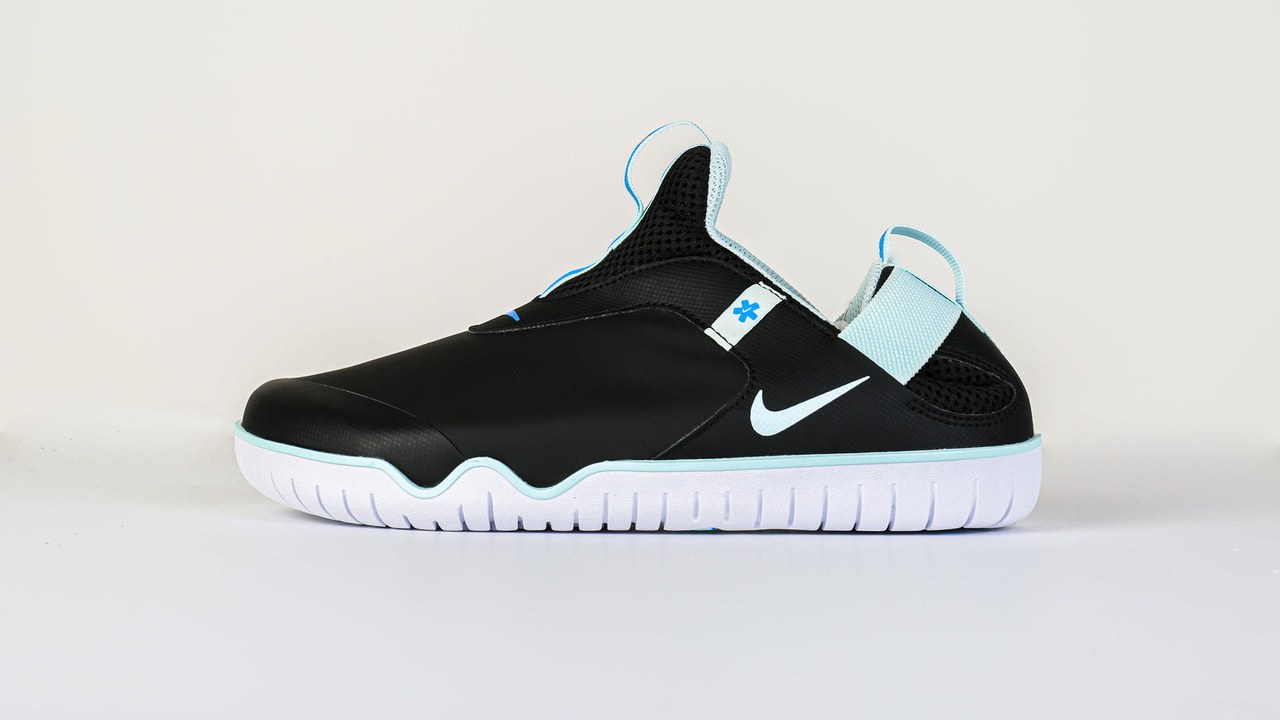
Typically, when a new pair of Nike shoes is announced, there’s a big name athlete like Serena Williams or LeBron James attached. But the company’s latest design is not necessarily fitness focused, but instead targeted at “everyday heroes” like doctors, nurses, and home health aides.

According to a company press release, nurses walk an average of four to five miles and sit for only one hour during a 12-hour shift. That’s a serious amount of work for shoes to live up to. Enter the Nike Air Zoom Plus, which was created for men and women who spend a lot of time on their feet at work. “The fit, cushioning, and traction systems work together to secure the foot in all hospital conditions,” the company says.

The Nike shoes, which were tested at the OHSU Doernbecher Children’s Hospital in Portland, Oregon, are designed to be easy to take on and off, but also “comfortable for long stretches of standing and versatile enough to support the hurried movements required in emergency situations.” The sneaker is inspired by a clog (a popular footwear choice for people in the medical field, as you may have noticed at your last checkup). The Air Zoom plus is a less clunky alternative that’s also boosted with Nike’s Zoom Air heel technology typically reserved for the brand’s most high-performing athletic shoes.

The shoe pros that they are, Nike also thought about the special conditions one encounters in a hospital environment that you wouldn’t on, say, a basketball or tennis court. Since workers may encounter spills, they added a coated toe box to the shoe. Because hospital floors are smooth and can be slick, there’s a special traction pattern on the sole. And of course, they look great. Even if you don’t work in a hospital, they sound pretty fantastic—especially if your job also requires you to spend a lot of time on your feet.

The release sends a powerful message: Nurses and doctors deserve to be just as well taken care of as the world’s top athletes.


Source link

Categories
Health

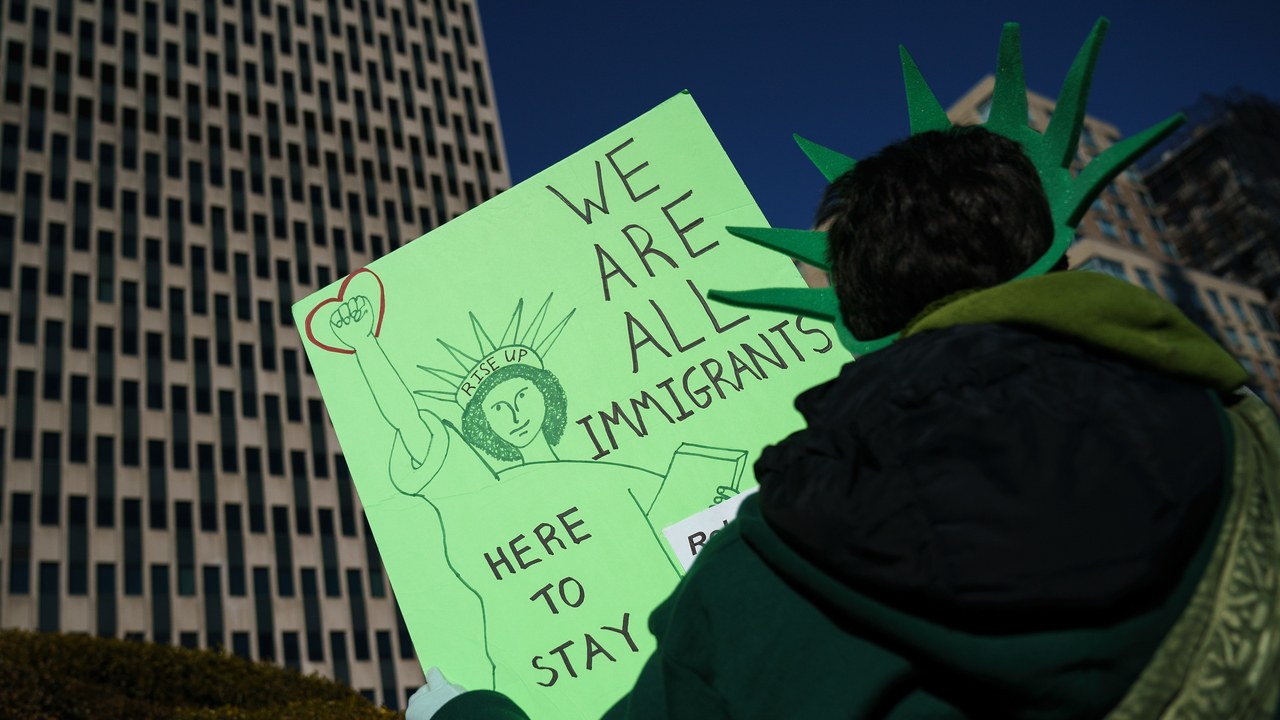
Dreamers Can't Be Licensed Nurses in Some States. In Arkansas, One Woman Decided to Change That


I still remember the first time I put on my white coat. It was an October night in 2017, and along with 119 other nursing students in identical blue scrubs, I’d gathered at the Fellowship Bible Church in Little Rock, Arkansas, for a white coat ceremony. With 300 friends and family members watching, we crossed the stage to receive our coats, then recited the Nightingale Pledge, vowing to devote ourselves to our patients’ welfare.

The ceremony, which marked the start of our clinical training, was simple but deeply meaningful. Afterwards, I went to celebrate with my family and friends. Since I was little, I’d dreamed of helping others. My white coat meant I’d made it. Soon I’d be a real nurse, treating real patients.

Then I got home, checked Facebook and my happiness evaporated. At the top of my feed was an article warning that the Arkansas State Board of Nursing had begun denying nursing licenses to DACA recipients.

That meant me. I’m a Dreamer, born in Mexico and brought to America at age six. I feel American, but don’t have an unrestricted legal status, so the new policy meant I wouldn’t be able to work as a nurse. Even though I was halfway through my education, there was no road forward.

As I read the article, the world seemed to move in slow-motion. In that moment, everything changed. I felt my dream shatter.

I’m the oldest in my family, and my two brothers always looked up to me. After my parents separated, my mom worked three jobs to support us. While she worked in restaurants or cleaned houses, I picked up after them, fed them snacks, and became the household second-in-command.

It was tough, but my mom never let go of her dream: to give us a good life and a good education. She succeeded: I’m the first in my family to graduate from high school and the first to earn an associate’s degree. When I finish nursing school next December, I’ll be the first to earn a bachelor’s degree, too.

That’s been possible because of the Deferred Action for Childhood Arrivals (DACA) program, which allows Dreamers to work and study without fear of deportation. Getting DACA in 2012 changed my life, letting me take jobs in restaurants and other local businesses, save money, and plan for college.

Even with DACA I didn’t qualify for financial aid, scholarships, or student loans, so I worked my way through community college. My real dream was to study medicine. As a child, my eyes would fill with tears during TV ads for St. Jude’s Children’s Hospital, longing to help the sick children I saw. I knew I couldn’t afford medical school, but I found I could afford a nursing degree and that was close enough.

The more I learned about nursing, the more I felt sure I’d discovered what I was meant to be. Later, during my clinical training, I had a light-bulb moment while working in the emergency room, suddenly aware that I felt a sense of belonging amid the adrenaline. I knew then I wanted to be an ER nurse.

Our country needs more young people to have those light-bulb moments and become nurses. According to the Arkansas Department of Health, all but one of our state’s counties are suffering healthcare worker shortages. More than half a million Arkansans live in areas with too few primary medical, dental, and mental health workers.

Often, it’s immigrants like me who fill those gaps. Research from New American Economy shows that 27.7 percent of physicians and 15.8 percent of nurses are born abroad. Almost 14,000 Dreamers work in healthcare jobs, according to the Migration Policy Institute. But that number could be far higher. Just 11 states allow DACA recipients to gain professional licenses, so like me, many thousands of aspiring healthcare workers find it impossible to achieve their dreams.


Source link