Categories
Health

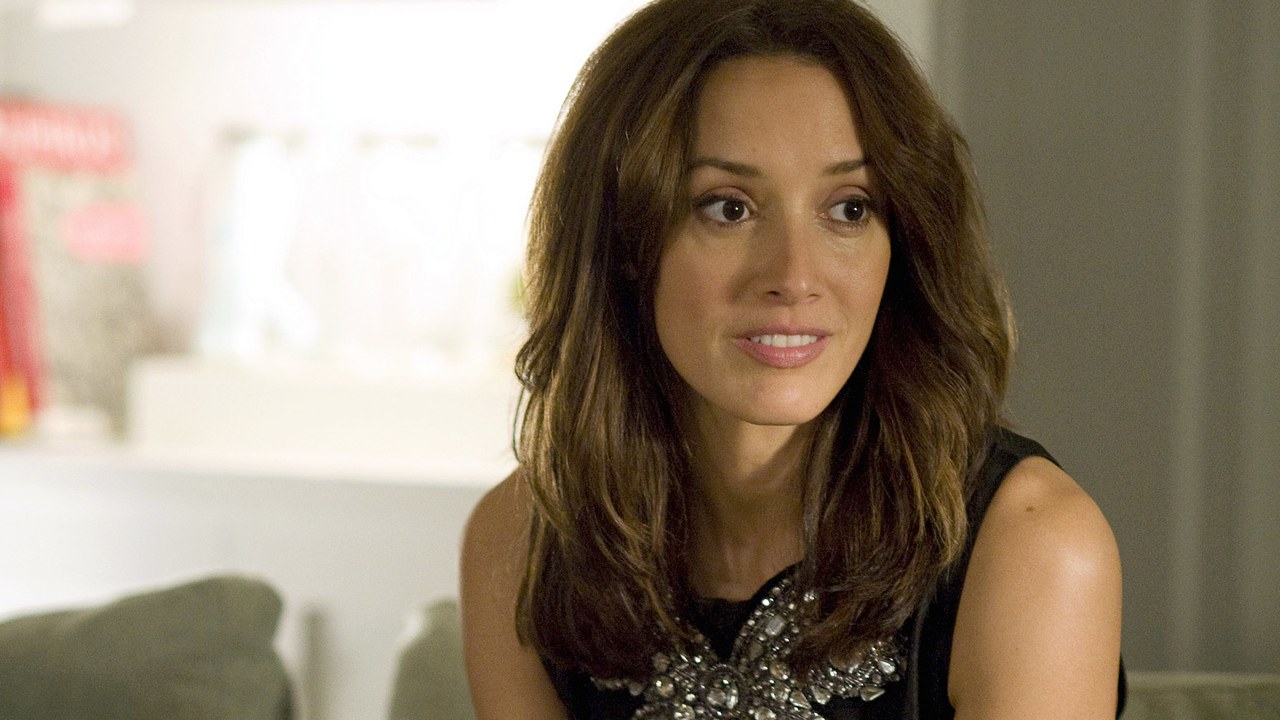
Jennifer Beals Says the 2016 Election Ignited the L Word Reboot


I asked Beals if the press tour she’s on right now differs from that of 10 years ago—as in are she, her co-stars, and Chaiken being well-received by media? Or have they faced challenges? She believes it’s the culture, more broadly, that’s changed. “What’s different is that people are more attuned to these conversations and ready to have these conversations,” she said. “Back then, people didn’t quite even have the vocabulary to have the conversation. You know, when language is changing, when language is trying to keep up with the reality of experience, it’s a tectonic shift in the way we think, and the way we see each other, and the way we see ourselves. So, I think the conversations are different now.”

In Generation Q, Bette Porter is campaigning to be the first out lesbian mayor of Los Angeles—a fitting job for her and a fitting mayor in the cinematic universe of The L Word (and let’s be real, probably IRL too). In the pilot alone, Bette makes a series of inspiring speeches that made me remember just how special and important Ms. Porter was in the aughts, and how important Beals’s voice remains as a bullheaded ally of the LGBTQ+ community. When I asked Jennifer if she misses anything about the original show, she channeled Bette and set me straight.

“I don’t. I try to move forward. I try not to hold on,” she said. “Holding on will just lead you to nostalgia, and we don’t have time for nostalgia. We’re living in a time that requires all of us to be intensely present, because what’s interesting about these conversations about gender and sexual identity is that they also pertain to how we are on the planet, and how we are treating the planet. Both things require us to shift the paradigm, and shift absolute consciousness, and shift entire systems.”

What she said next is truly a mantra I’ll be carrying into 2020: “Holding onto the past? We don’t have time for that. I don’t have time to be nostalgic.”

The L Word: Generation Q premieres this Sunday, December 8 at 10 P.M. ET on Showtime.

Jill Gutowitz is a writer and comedian living in Los Angeles. Follow her on Twitter @jillboard.


Source link

Categories
Health

I Started the #AskAboutAbortion Campaign in 2016. Ahead of the 2020 Election, This Is the Conversation I Want to Have About Reproductive Rights


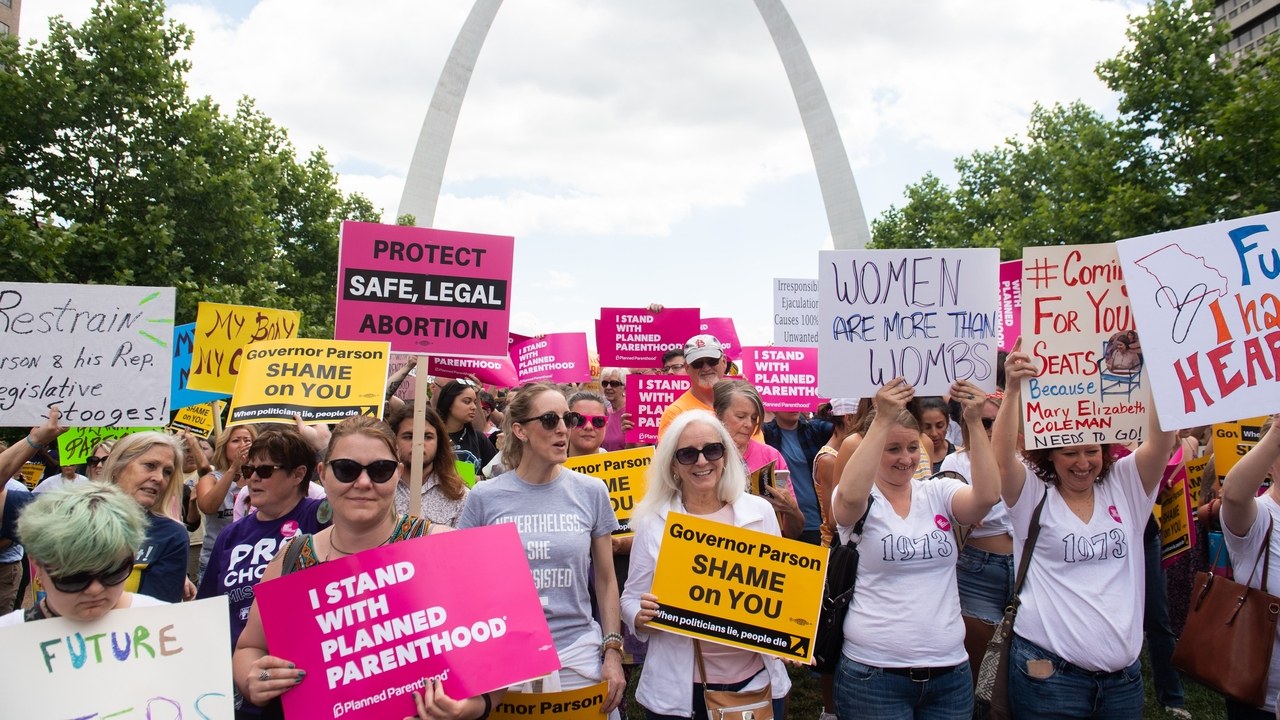
Abortion access is being decimated nationwide, and still not all of the Democratic presidential candidates have a plan to fix it. As someone who’s had an abortion, I find that unacceptable. During the 2016 presidential debates, I started the #AskAboutAbortion campaign for this reason—to have a conversation about the different plans candidates proposed to protect and expand the legal right to an abortion. Between then and now, we’ve been met with a landmark case at the Supreme Court, extreme bills intended to curtail or even eliminate access, worrisome moves from lower circuits, and another near-identical case now with the court that could reverse the 2016 decision and further hollow out access. In that environment, one would think that the candidates would be clamoring to spell out their plans to secure essential, basic health care for 51% of the population. But even as All* Above All Action Fund revitalized the campaign I started, I am still left wondering how most of the candidates would answer if the moderators ask about abortion tonight or in future debates.

Tonight’s MSNBC–Washington Post debate, hosted by all women moderators, will take place at Tyler Perry’s brand-new state-of-the-art film complex in Atlanta. The state is, at present, hell-bent on passing an abortion law so outrageous it’s been blocked in other states. It aims to ban abortion as early as the six-week mark, before many women know they are pregnant (as was the case with me). A judge temporarily blocked the law last month, but its fate remains an open question. Once again, debate moderators have an opportunity to ask all of the candidates how they would contend with anti-abortion state legislatures that will continue to pass these restrictions, whether it’s a Democrat or a Republican in the White House. Would these candidates wait for Congress to act? What kinds of executive actions could they take? Do they believe minors should be able to access abortion care without the consent of a parent or guardian? The conversation is much deeper than whether or not presidential hopefuls believe abortion should be legal—it’s what steps they would be willing to take to ensure its accessible.

In the last debate, CNN and New York Times moderators asked several of the candidates (not all) what they would do to end six-week bans. While I was pleasantly surprised to hear their answers, I was deeply disappointed that Representative Tulsi Gabbard (D-Hawaii) chose to revitalize the stigmatizing “safe, legal, and rare” mantra popularized in the 1990s to advocate for a ban on later abortion.

Afterward, recently fired Planned Parenthood CEO Leana Wen, M.D., tweeted that she appreciated that Gabbard “brought up the third rail for Democrats” and that it was “courageous” for her to highlight the “nuances” in opinions on abortion. I was quite surprised that the former president of Planned Parenthood would support outdated rhetoric riddled with stigma and call it nuance.

Since then, people have abortionsplained me, insisting that “safe, legal, and rare” is still a good, solid stance. Making abortion rare should be the end goal, right? But it’s not that simple.

Rare is not a number. The reality is abortion is on a steady decline, but nonetheless, we should aim higher. We don’t need to stigmatize the very people we want to support. And it does impact us; internalized stigma causes people who have abortions to second-guess their decision, feel guilty for not feeling guilty, or feel like they cannot tell a loved one about their experience. As Democrats, can we build a world in which those who can get pregnant are in a position to choose whether or not to do so, no matter their circumstances, wealth, class, race, or life choices? Demanding that abortion be rare places stigma on the person who needs an abortion, chastises them for seeking care, assumes the abortion could and should have been prevented, and underscores a pervasive myth that it’s somehow illegitimate to not want a(nother) child.


Source link

Categories
Health

A Guide to All the Celebrity Endorsements for the 2020 Presidential Election


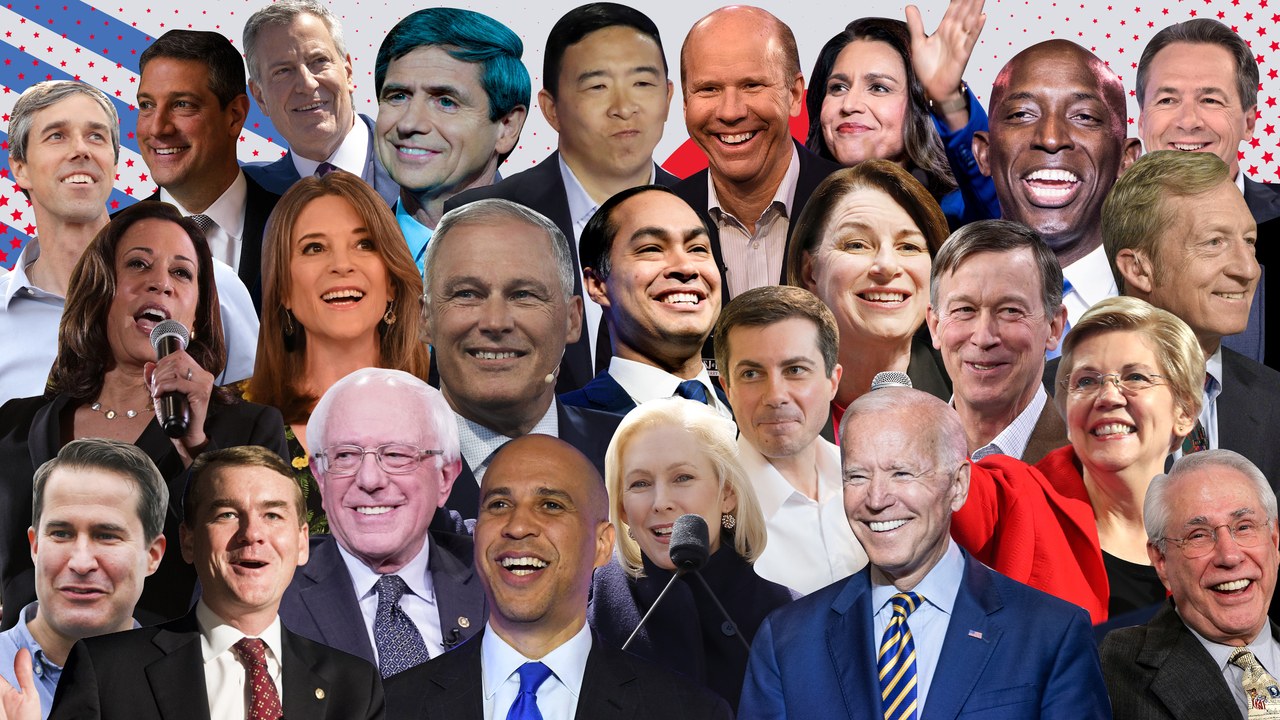
We have months to go before the 2020 presidential election, but the race is in full swing. While we still don’t know which one of the Democratic candidates will face Donald Trump in the general election, some famous faces have chimed in to throw their weight (and social cachet) behind their favorites. The field has started to narrow, with candidates like former Congressman Beto O’Rourke, Mayor Bill de Blasio, and Senator Kirsten Gillibrand ending their bids. But the rest of the field pushes ahead. Senator Elizabeth Warren, Senator Bernie Sanders, and former Vice President Joe Biden battle it out for that front-runner spot. Mayor Pete Buttigieg shores up support in Iowa. And Senators Kamala Harris and Cory Booker take their case on the road, hoping to garner a second look from undecided voters.

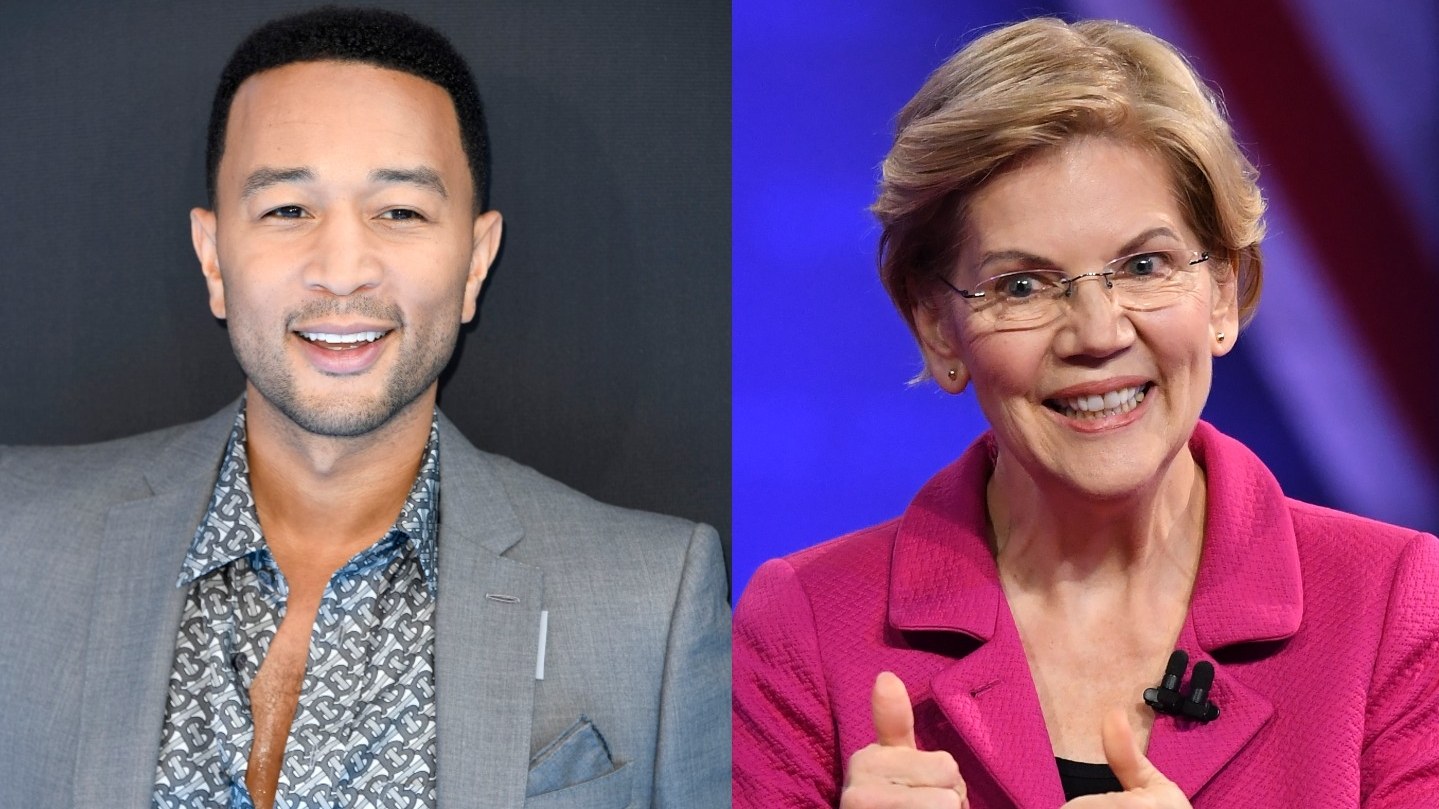
Of course, to win the primaries (and the eventual head-to-head race), candidates need to appeal to a broad swath of people. But a little boost from like-minded (and beloved) celebrities can’t hurt. This fall John Legend came out in support of Warren, while Chrissy Teigen expressed admiration for both Warren and Harris. Cardi B and Susan Sarandon are back on the campaign trail for Sanders, while actor Rosario Dawson has shown up at campaign events for Booker, her boyfriend.

Here’s a list of who celebrities are endorsing, so far.


Source link

Categories
Health

2020 Presidential Election Dates: Everything You Need to Know


When can I go out and vote?

It depends on where you live. Iowa always goes first, which is why you’ll see so many of the candidates spending time in the Hawkeye State. The Iowa caucus will take place on Monday, February 3, 2020. Then the primary elections will continue, state by state, until late June. You can search for your primary election date, below, but please note that in certain states the Republican and Democratic elections take place on different dates.

February

Iowa: February 3; New Hampshire: February 11; South Carolina (R): February 15; Nevada: February 25; South Carolina (D): February 29

Super Tuesday (March 3)

Alabama, Alaska (R), American Samoa (D), Arkansas, California, Colorado, Georgia, Massachusetts, North Carolina, Oklahoma, Tennessee, Texas, Utah, Vermont, Virginia, Democrats Abroad

March

Kansas (R): March 7; Kentucky (R): March 7; Louisiana: March 7; Maine (R): March 7; Maine (D): March 8; Puerto Rico (R): March 8; Hawaii (R): March 10; Idaho: March 10; Michigan: March 10; Mississippi: March 10; Missouri: March 10; North Dakota (D): March 10; Ohio: March 10; Washington: March 10; Virgin Islands (R): March 12; D.C. (R): March 14; Guam (R): March 14; Northern Marianas (D): March 14; Wyoming (R): March 14; Arizona: March 17; Florida: March 17; Illinois: March 17; Northern Marianas (R) March 17; American Samoa (R): March 24

April

Alaska (D): March 4; Hawaii (D): March 4; Wisconsin: March 7; New York (R): March 21; New York (D): March 28; Connecticut: March 28; Delaware: March 28; Maryland: March 28; Pennsylvania: March 28; Rhode Island: March 28

May 2020

Kansas: May 2; Guam (D): May 2; Indiana: May 5; Nebraska: May 12; West Virginia: May 12; Kentucky (D): May 19; Oregon: May 19

June

Montana: June 2; New Jersey: June 2; New Mexico: June 2; South Dakota: June 2; Virgin Islands (D): June 6; Puerto Rico (D): June 7; D.C. (D): June 16

When are the conventions?

The Democratic National Convention will go first. It will be held in Milwaukee, from July 13 to July 16, 2020. It’s the first time in more than a century that the DNC will take place in a Midwest city other than Chicago. Many have taken this as a sign that the Democrats are trying to focus on winning the votes of those in Wisconsin and other Midwestern industrial states in the next election.


Source link

Categories
Health

In the 2020 Election Will Female Candidates Be Judged on Likability—or on Something More?


Heading into the 2013 race for mayor of New York, there was quite a bit going in Chris Quinn’s favor: Millions of dollars in campaign cash. A powerful, high-profile job as speaker of the City Council. Celebrity supporters. Competitive poll numbers. Union endorsements.

Chris—full name Christine—was also the only woman on that year’s debate stage with four male rivals for the Democratic nomination. So she and her team made a choice: “There was a conscious decision: I needed to not lean into the woman stuff; I needed to try to be less who I was. Less aggressive. Less loud. Less in people’s face,” Quinn recalls. Over the course of the campaign, the strategy backfired. “People said I was ‘inauthentic,’” she says. “By then I was! [I was] walking around trying to be some different version of the actual me.”

What was it all for? “To make me more likable,” she says.

That was five years after Hillary Clinton lost the Democratic nomination for president to Barack Obama, who once witheringly called her “likable enough.” In 2016, when Clinton did become the Democratic nominee, foes demonized her as a conniving, “crooked” harpy. She ultimately lost to Republican Donald Trump.

Now Trump is facing a growing lineup of Democratic challengers who want to oust him from the White House in 2020. Among the first to leap in was Massachusetts senator Elizabeth Warren—and among the first stories about her candidacy to cause a stir? A Politico piece questioning, you guessed it, her likability.

Warren instantly started raising money off the kerfuffle. News items both amplified and challenged the idea of women candidates’ having to be likable. Clinton herself borderline mocked the whole episode.

Other Democratic women are already jumping into the 2020 race for president and already the “likability” question isn’t going to go away. But how likability become such a thing? How will 2020 candidates navigate it? And what will it take to move past it?

Darrell West, vice president and director of governance studies at the Brookings Institution, says it was Ronald Reagan who showed pollsters and prognosticators how powerful a factor likability can be in politics. “He was seen as likable, even though he was more conservative than the country,” he says. “Since then, analysts have paid a lot of attention to likability.”

Reagan, a Republican, won the 1980 election in a landslide; then President Jimmy Carter carried only six states. Once in office Reagan used his likability to powerful effect. “His folksy manner helped him sell ‘trickle-down economics’ to the middle class, even though the bulk of the economic benefits went to the well-to-do,” West says. “If Reagan were less likable, he would not have been as successful with his tax-cut plan. The same argument applies to Reagan’s boosting military spending when the rest of the budget was being held the same or cut.”

Pinning down when being liked or likable became a thing for women in public life isn’t easy. Some accounts point to the lawmakers who praised the femininity and gentleness of Jeanette Rankin, first woman elected to Congress in 1917; University of Pennsylvania professor of political science Dawn Teele tells Glamour that “likability issues are as old as the suffrage movement.”

Celinda Lake, a noted Democratic pollster, says likability—for women leaders at least—dates back much farther. How far? “Cleopatra,” she says. She’s sort of kidding—and sort of not. For all the new science of measuring people’s views of their leaders, and for all the strides women have made in American public life (see the 2018 midterm elections), men and women are still judged by different standards in politics (and elsewhere). “This is deeply about gender roles, and how we see gender roles, and how we process gender,” Lake says.

The first time the Barbara Lee Family Foundation, which works to study and advance women’s representation in politics, studied likability was in 2010; their report found that being viewed favorably was the single most important predictor for whether a female candidate could win. What made a women “likable” varied a lot: Party affiliation mattered (people found female candidates in their own party more likable)—but so did being seen as “honest and ethical,” “a problem solver,” and even just “looking like a governor.”

All candidates have to be likable to some extent. But the Foundation’s research (and other studies) show that women have to be seen as qualified and likable. Men have to be seen as qualified—it’s often assumed they have the chops just because they’re men—and likability is a bonus. (Another thing: Even though people recognize that women are judged more for their appearance, they would still recommend a female candidate have a wardrobe, makeup, and appearance that’s “impeccable.”)

Women’s record-breaking successes in midterm Congressional races may help begin to change these attitudes, but legislative roles are generally seen as more collaborative, while top executive roles are seen as requiring more authoritative behavior. Since the Foundation started looking at voters’ attitudes about women candidates more than 20 years ago, “much has changed for the better,” says founder Barbara Lee, but still, “we’ve consistently found that voters are more comfortable seeing women serve as members of a legislature than they are electing them to executive offices like governor or president—positions where they will have sole decision-making authority.”

Whether we, um, like it or not, the emotional connections voters have with candidates is a factor in every race, especially a presidential one. So pollsters and consultants run a myriad of tests to try to reveal deep, almost ancient biases that voters may not want to admit they have or don’t even realize are there.

One experiment Lake describes includes two versions of a negative political ad, one recorded by a male “candidate” and the other by a female. Both ads used identical words and were played at the same decibel level. The verdict, Lake says: The woman came off to listeners as “louder, more negative, and less likable.”

Silence can speak volumes as well: “One of the things we do in our focus groups [is] test women with the sound off and see if people think the women are angry, happy, nice, not nice,” Lake says. “And people come to immediate conclusions, like, ‘She’s yelling at me, she’s not yelling at me,’ that kind of thing. Women get punished for aggressive gestures.” Another thing they often hear about female candidates: “She should smile more.” Says Lake, “People don’t say men should smile more.”

The importance of how differently candidates can come off in real life versus on TV explains in part why presidential hopefuls flock to Iowa and New Hampshire. Successes in those early-voting states can generate momentum (and free press coverage). Because women can be judged more harshly than men in the kind of screen testing Lake describes, those early person-to-person interactions can help shape public perception. So it’s not surprising to see women jumping in the race early and getting boots on the ground. (Early action can also drive fundraising, which is vital since, if the midterms are any guide, this presidential campaign could be among the most expensive in history.)

Former Vermont governor Madeleine Kunin has experienced the difference between televised and real-life reactions: “When people met me in person, when I was governor, they said, ‘Oh, you’re much nicer than you appear to be on television,’” she recalls.

PHOTO: Terry Ashe

Madeleine Kunin served three terms as governor of Vermont. She was the first woman to hold the job.

After three terms as Vermont’s first female governor, and its first Jewish one, Kunin chose not to run again. During her tenure, “I had to make some decisions, obviously, and some of them were difficult. And my popularity waned,” she says. “I think I could have gotten reelected, but the interesting thing is, now the longer I’m away from public office, the more popular I am. Everybody likes me.”

Kunin, who recently published her fourth book, Coming of Age: My Journey to the Eighties, says in politics it’s almost impossible for women to thread the needle. “You’re sort of damned if you’re too feminine and nice—then you’re considered weak and not capable of being commander-in-chief,” she says. “If you’re tough enough to be commander-in-chief, you’re not likable. You lose some of your femininity. So women have to walk a very fine line to be both, and usually they don’t wear well over time.”

That also what Alice Eagly, a psychology professor and expert in the field of politics and gender at Northwestern University, has also found. Men, she says, are expected to be more “agentic,” or more competitive and assertive, while women is expected to be more “communal”—kind, warm, friendly. “When a woman or man violates these preferences, she or he can be penalized in terms of evaluation by the public,” Eagly says. “Women are disliked when they are cold and unfriendly, and men are disrespected when they are weak and fearful.”

Although these ideas are certainly not new or exclusively American, Eagly points out the U.S. is way down on the international list when it comes to the number of women in the federal legislature. And countries including Liberia, Pakistan, Israel, Germany, Sri Lanka, Ireland, South Korea, and Brazil have elected a female head of state.

Eagly says there are some signs of change, such as a drop in the percentage of Americans who say they’d rather have a male boss and a rise in the percentage who think it would be good to have more women in public office. Still, she says, “beliefs about men’s greater agency have not changed much.”

Lake says she’s also seeing early signs of a shift—that more people are judging likability on whether a candidate can get the job done. Voters, she says, are sizing up a candidate and wondering, “You can sit down next to me and have a beer, but can you sit down with Putin and tell him to back off?”

Another thing that could change how important likability is for women candidates? Younger voters. “We don’t know if likability is going to be the same for millennials as it was for Baby Boomer women,” Lake says. With a new wave of younger (and more diverse) women getting into politics, there will be more data to crunch.

Pollster and strategist Jefrey Pollock, president of New York City’s Global Strategy Group, says the best bet to the end of the “likability” question is seeing a woman get elected to president. But as for right now, he says, it’s vital to consider that “58% of women are paying more attention to politics since Trump’s election.” The midterms, Pollock says, showed that “women are running and winning,” but there were other signs of engagement and power as well, such as showing up at the polls and putting up money for their preferred candidates. “Women made up a larger percentage of contributors to campaigns this year than any before,” he says.

“As we are already in 2020 mode, I’m seeing it already—major blowback from articles that feel sexist or ask questions of women that are different than questions asked of men,” continues Pollock, whose client list has included Senator Kirsten Gillibrand (D-N.Y.), who just confirmed her plan to run for the Oval Office. “The more the backlash is felt, the more we will get away from this and see that women can be tough, likable, warm, focused, determined, and caring—all at the same time, and no one will blink an eye.”

Five years after her attempt to become the first female, not to mention lesbian, mayor of New York, Chris Quinn is now president and CEO of Win, an organization which shelters and helps homeless women. She’s kept a hand in public life, appearing on news shows as a pundit and grabbing the occasional headline, including the time she threw that shade at Cynthia Nixon’s run for governor.

Quinn, like Clinton, acknowledges a couple of things about her own political career: One is that as a candidate she wasn’t perfect, nor was her campaign strategy. The other is that yes, being a woman made some degree of difference in how she was perceived and portrayed.

“I don’t want to blame my lack of success in the mayor’s race all on sexism. I just want to be clear on that. There [were] problems with the campaign, and I could have run a better campaign,” Quinn says. “But let’s also be clear: People picked apart the sound of my voice as a turnoff to voters. There was endless commentary about my weight—which like many American women’s, goes up and down—the color of my dress during a debate, you know, on and on. And it’s all just cover for, ‘Can this woman be the mayor?’”

She considers it progress that America is now using those kind of “code words” to question a woman’s ability to lead instead of just directly calling them too weak, emotional, or even “hysterical” to hold public office at all. Even better: “Now we’re actually talking about how B.S. the code words really are,” she says.

It has to be out there in the open, Quinn believes. “Look, we tell ourselves America has evolved and we’re not a sexist society, but that is simply a lie. And we need to recognize the lie and address the lie if we’re ever going to get to a place where we are no longer a sexist society,” she says.

Women candidates who get asked about sexism in elections (including in how the press covers them), Quinn notes, often answer by deliberately not answering: “They [say they] want to talk about the issues. Well, sexism is an issue, A,” she says, and “B, the voters are not stupid. They know when a woman is being treated badly; they know when sexism is occurring.”

So there’s no easy fix, but it may at least help if women candidates acknowledge that long-standing ideas about gender affect how people view them, if they call sexism out when they see it, and that they run their races as their true selves.

“Only recently around Liz Warren have people been challenging what ‘unlikable’ means,” Quinn says. “I didn’t challenge it in the mayor’s race. Hillary didn’t challenge it, really, in her race. So at least [now], women and others are standing up and saying, ‘No. Unlikable equals sexist.’ That hasn’t happened in races before.”

Celeste Katz is senior politics reporter for Glamour. Send tips and questions to Celeste_Katz@condenast.com.


Source link

Categories
Health

This Is How Women Voted in the Midterms—and What It Means for Election 2020


When Hillary Clinton’s second attempt to become America’s first female president failed in 2016, a lot of women were angry—at other women.

Much of the disappointment and finger-pointing that went on after the election that put Donald Trump in the White House was specifically aimed at white women: While Trump only got about 41 percent of the women’s vote overall, a majority of white women—52 percent—sided with him over Clinton at the polls.

In the weeks leading up the 2018 midterm elections, Republicans were fighting to maintain control of both the House and the Senate in a cycle that let voters make a judgment call not just about their lawmakers, but about Trump’s presidency. He literally told Americans they should “pretend I’m on the ballot.”

Fast forward to last week: Women go to the polls again—and run for office—in droves. As a whole, 59 percent say they supported their local Democratic candidate for the House—up from 51 percent in the 2014 midterms and 48 percent in 2010. Republicans manage to hang on to the Senate, but lose the House—making it harder for Trump to deliver what he’s promised. The head of the Democratic Party gives special thanks to women for their part in changing the game.

The headlines practically write themselves, right? Blue Wave! Pink Wave! Rainbow Wave! Shove over, 1992: This is the New Year of the Woman.

But dig deeper and you get a sharper, more complicated picture. There’s no question this election was A Big Deal for women. The House will see a new record of at least 125 women in office in 2019, and women voters in specific demographics helped them get there.

Some figures aren’t surprising. Number crunching by the Center for American Women and Politics, for example, finds an overwhelming 92 percent of black women supported a Democrat for the House in Tuesday’s election, as did 73 percent of Latinas. The non-profit Voter Participation Center broadly credited a coalition of unmarried women, people of color, and millennials as key to flipping the House—something VPC’s Page Gardner forecasted in a pre-election interview with Glamour.

Among white women, however, midterm exit polling shows a full-on split: As the Pew Research Center reports, 49 percent voted Democratic; 49 percent went Republican.

And for those white female voters, education level is a bright, dividing line.

This year, about 59 percent of college-educated white women supported a Democrat for the House. As Susan Carroll, senior scholar at CAWP, pointed out in a phone interview, that’s a big jump from 2016, when not even half did the same. It was almost the reverse among white women with no college degree: Around 56 percent voted for Republican House candidates this year, according to Pew; just over 60 percent of that same group supported Trump in 2016.

Given that outcome in America’s first return to the polls since Trump took office (and stirred women’s rage by separating migrant mothers and children at the border and putting Judge Brett Kavanaugh on the Supreme Court), a fresh surge of post-election finger pointing was no surprise.

“What is wrong with white women?” demanded columnist Moira Donegan of The Guardian. “Why do half of them so consistently vote for Republicans, even as the Republican party morphs into a monstrously ugly organization that is increasingly indistinguishable from a hate group?”

Gender Watch, a non-partisan research project tracking women in elections, quoted Melanye Price, an Africana Studies professor at Rutgers, as saying that “in the last two years, progressive white women’s sense of urgency has increased but in many parts of this country they have not been able to convince their sisters,” and also that “having to continually remind white women that fighting their own racial bigotry is as important as fucking the patriarchy is tiresome.”

Women’s March co-founder Breanne Butler put out a call for progressives to use the upcoming holidays to start helping white female relatives see the light ahead of the 2020 presidential race: “Here’s where you can talk to your aunt that gave money to her church’s mission trip but fails to recognize the [South American migrant] caravan,” she tells Glamour via email. “Here’s where you can talk to your cousin who loves hip hop music, but fails to see that black lives aren’t valued.”

And Princeton scholar Dara Strolovitch says while it’s inspiring to see midterm wins by women, LGBT, and minority candidates, she has lingering concerns: “Although the last two years have been a crash-course [on] the implications of persistent and institutionalized misogyny,” she writes in a post-midterms takeaway, “many straight white Christian women” may not only accept what could be seen as anti-feminist attitudes, but embrace them.

In this or any election, naturally, there’s a big, big difference between spotting trends in how women voted and establishing why they made their choices. The decision may come down to party loyalty, feelings about a specific candidate, a national issue, or a local problem. And of course, Carroll notes, “the culture of the [voter’s] state really does matter.”

Meanwhile, even as liberal analysts and activists lament some of Tuesday’s outcomes, not only the president, but groups like Susan B. Anthony List, which promotes anti-abortion women candidates for public office, are claiming victory.

“In 2010, there was not a single pro-life woman in the U.S. Senate. Next year there will be at least four pro-life women senators, and five if pro-life Martha McSally wins in Arizona,” SBA List President Marjorie Dannenfelser said in a post-election statement that also applauded the success of anti-abortion ballot measures in Alabama and West Virginia. Additionally, Dannenfelser cheered the re-election of Iowa Gov. Kim Reynolds, a woman she praised as having “signed the most aggressive pro-life state legislation to date.”

Elsewhere, the conservative Independent Women’s Forum posted a rundown on its website of liberal candidates who lost despite their celebrity endorsements, and Republican National Committee Chairwoman Ronna McDaniel tweeted that the one-two punch of Trump’s persuasive campaigning and a good GOP ground game “turned the forecasted Democrat tsunami into a ripple.”

The political divisions laid bare in the 2018 midterms, where some close contests still remain undecided, are definitely not limited to women: While that 59 percent of female voters supported Democratic House candidates, just over half of men voted Republican. That went up to 60 percent for white men, Pew calculated—and even higher, to 66 percent, for white guys with no college degree.

The divide between men and women voters extended to other other races, CAWP finds, including 20 of 21 Senate battles and nine of 11 governor’s races as of last week.

In contests that made national news, CAWP’s tally shows, women were likelier to go with the Democrat—win or lose: More than half of women voters supported Democrat Andrew Gillum’s unsuccessful bid to become Florida’s first African-American governor and Texas Rep. Beto O’Rourke’s failed challenge to incumbent Sen. Ted Cruz. Higher percentages of women than men also sided with incumbent Democratic Senators Claire McCaskill of Missouri and Heidi Heitkamp of North Dakota, who both lost to male Republican challengers.

The Democratic nominee in one of the country’s hottest Senate contests, Nevada’s Jacky Rosen, beat Republican incumbent Dean Heller with the support of 60 percent of women voters—versus just 42 percent of men. In Tennessee, just over half of female voters helped make Marsha Blackburn the first woman to represent the state in the Senate.

On the plus side for better female representation in Congress, Carroll says, “This is going to be the largest-ever freshman class of women in the House,” but there’s a lesson to keep in mind from 1992’s “Year of the Woman,” she cautions: Some of those female candidates won in politically mixed or Republican-leaning districts and went right on to lose their seats in 1994.

The Class of 2018 may face a similar challenge: “They have to run for re-election in two years, [and] who knows what the electoral context will be? It may not be as favorable for Democrats as it was this year,” she says. “You don’t know.”

Also unknown: Whether more female voters will veer to the left in the run-up to the 2020 presidential cycle—or if white women will stay on the fence, a divided part of the electorate served by a divided government in a divided America.

Celeste Katz is senior political reporter for Glamour. Send news tips, questions, and comments to celeste_katz@condenast.com.

In a pivotal election year, Glamour is keeping track of the historic number of women running (and voting) in the midterm elections. For more on our latest midterm coverage, visit www.glamour.com/midterms.


Source link