Categories
Health

I Started the #AskAboutAbortion Campaign in 2016. Ahead of the 2020 Election, This Is the Conversation I Want to Have About Reproductive Rights


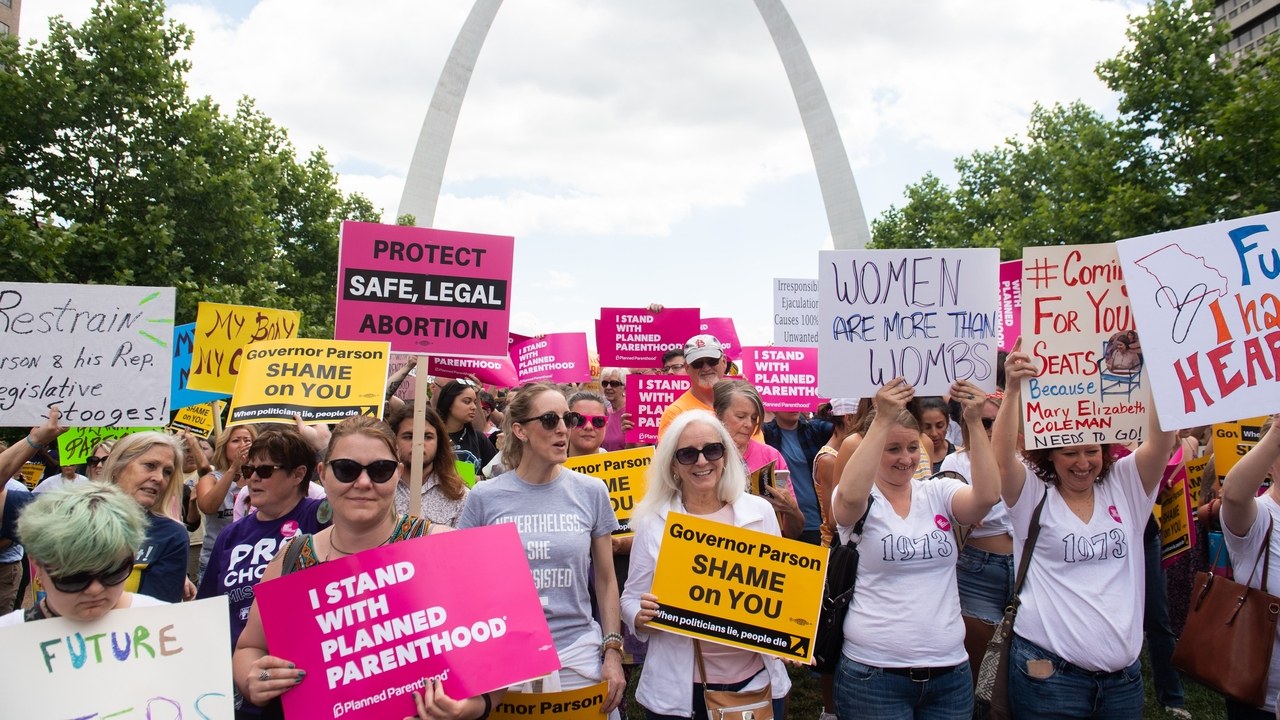
Abortion access is being decimated nationwide, and still not all of the Democratic presidential candidates have a plan to fix it. As someone who’s had an abortion, I find that unacceptable. During the 2016 presidential debates, I started the #AskAboutAbortion campaign for this reason—to have a conversation about the different plans candidates proposed to protect and expand the legal right to an abortion. Between then and now, we’ve been met with a landmark case at the Supreme Court, extreme bills intended to curtail or even eliminate access, worrisome moves from lower circuits, and another near-identical case now with the court that could reverse the 2016 decision and further hollow out access. In that environment, one would think that the candidates would be clamoring to spell out their plans to secure essential, basic health care for 51% of the population. But even as All* Above All Action Fund revitalized the campaign I started, I am still left wondering how most of the candidates would answer if the moderators ask about abortion tonight or in future debates.

Tonight’s MSNBC–Washington Post debate, hosted by all women moderators, will take place at Tyler Perry’s brand-new state-of-the-art film complex in Atlanta. The state is, at present, hell-bent on passing an abortion law so outrageous it’s been blocked in other states. It aims to ban abortion as early as the six-week mark, before many women know they are pregnant (as was the case with me). A judge temporarily blocked the law last month, but its fate remains an open question. Once again, debate moderators have an opportunity to ask all of the candidates how they would contend with anti-abortion state legislatures that will continue to pass these restrictions, whether it’s a Democrat or a Republican in the White House. Would these candidates wait for Congress to act? What kinds of executive actions could they take? Do they believe minors should be able to access abortion care without the consent of a parent or guardian? The conversation is much deeper than whether or not presidential hopefuls believe abortion should be legal—it’s what steps they would be willing to take to ensure its accessible.

In the last debate, CNN and New York Times moderators asked several of the candidates (not all) what they would do to end six-week bans. While I was pleasantly surprised to hear their answers, I was deeply disappointed that Representative Tulsi Gabbard (D-Hawaii) chose to revitalize the stigmatizing “safe, legal, and rare” mantra popularized in the 1990s to advocate for a ban on later abortion.

Afterward, recently fired Planned Parenthood CEO Leana Wen, M.D., tweeted that she appreciated that Gabbard “brought up the third rail for Democrats” and that it was “courageous” for her to highlight the “nuances” in opinions on abortion. I was quite surprised that the former president of Planned Parenthood would support outdated rhetoric riddled with stigma and call it nuance.

Since then, people have abortionsplained me, insisting that “safe, legal, and rare” is still a good, solid stance. Making abortion rare should be the end goal, right? But it’s not that simple.

Rare is not a number. The reality is abortion is on a steady decline, but nonetheless, we should aim higher. We don’t need to stigmatize the very people we want to support. And it does impact us; internalized stigma causes people who have abortions to second-guess their decision, feel guilty for not feeling guilty, or feel like they cannot tell a loved one about their experience. As Democrats, can we build a world in which those who can get pregnant are in a position to choose whether or not to do so, no matter their circumstances, wealth, class, race, or life choices? Demanding that abortion be rare places stigma on the person who needs an abortion, chastises them for seeking care, assumes the abortion could and should have been prevented, and underscores a pervasive myth that it’s somehow illegitimate to not want a(nother) child.


Source link

Categories
Health

An Open Conversation With Real Housewives on the Plastic Surgery They've Had Done


It sounds like something out of an Andy Cohen fever dream: a group of beloved Real Housewives gathered together to film a music video celebrating all the work they’ve had done. But, somewhat miraculously, it actually happened—all thanks to Fiber One, whose new campaign highlights the “work” the brownie has undergone to have less calories, less net carbs, and less grams of sugar. (Get it?)

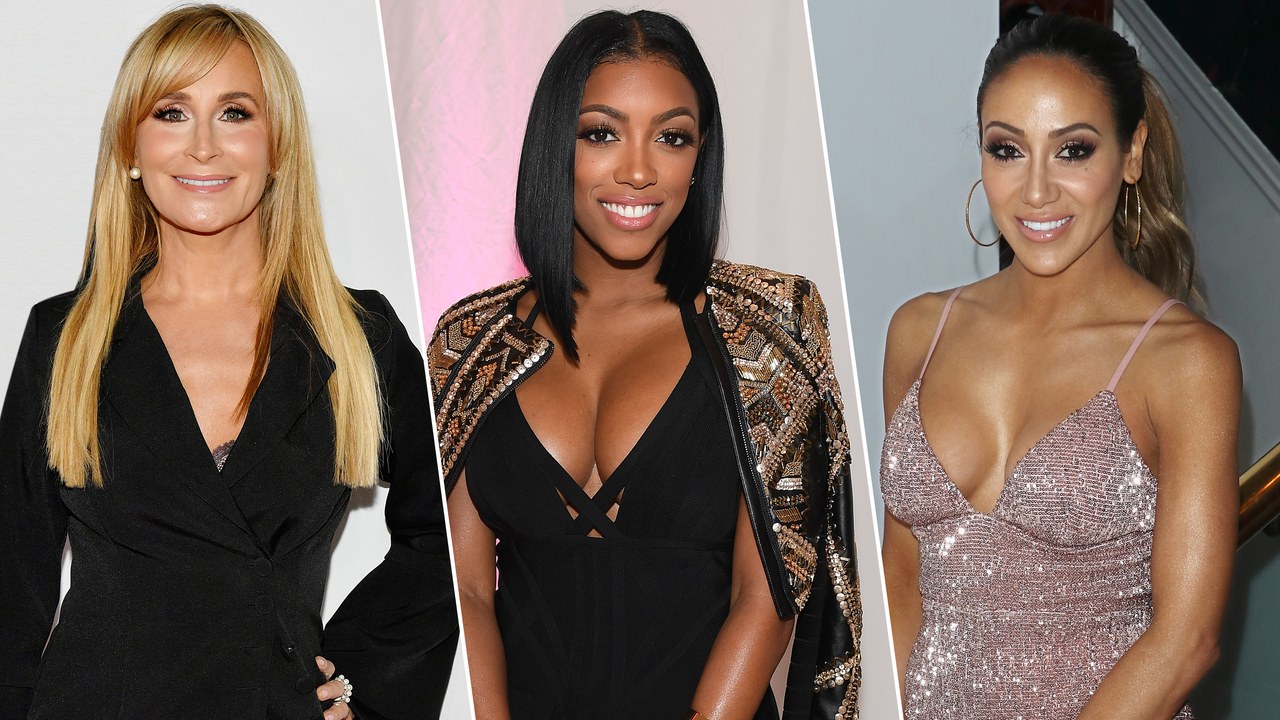
The accompanying song, “Work Done,” includes lyrics like “Yeah, I’ve had some work done but Rome wasn’t built on wishes” and a video featuring what I’d call the champagne-soaked Justice League: Melissa Gorga (Real Housewives of New Jersey), Porsha Williams (Real Housewives of Atlanta), Sonja Morgan (Real Housewives of New York), Dorinda Medley (Real Housewives of New York), and Tamra Judge (Real Housewives of Orange County).

“Obviously, Housewives are known for putting it all out there,” Gorga says when I meet up with her, Williams, and Morgan the day after the campaign’s launch. “When I heard I was going to be in a music video—which, by the way, my fans have been asking me to do for years—I was very excited about it. The fans are going crazy because there’s Housewives from different franchises together, we’re singing, we’re dancing…I mean, we’re giving everybody everything they’ve ever wanted.”

[embedded content]

For Williams, it’s important to make it clear the song’s message is all about celebrating who you are, in whatever way that looks like to you. “If you’ve had actual work done, surgically or not, it’s a lifestyle of living better and being guilt free,” she explains.

Says Morgan, “We like to empower women and not put them down and say, ‘Oh, you’ve had your nose done’ and ‘you’ve had your boobs done.’ We’re not about that.”

“It’s not about shaming,” Gorga adds. “If something is going to make you feel a little more confident—if you want the bump out of your nose, if you want to enhance your boobs, whatever it may be—it’s it’s fair and it’s you. If it makes you feel good, then good for you.”

Here, we ask the women to tell us more: about plastic surgery, about the pressure of being on TV, and what work, if any, they might do next.

Glamour: So what work have you had done?

Sonja Morgan: Everybody wants to know that!


Source link

Categories
Health

How Demi Lovato Is Changing the Conversation About Addiction in Hollywood


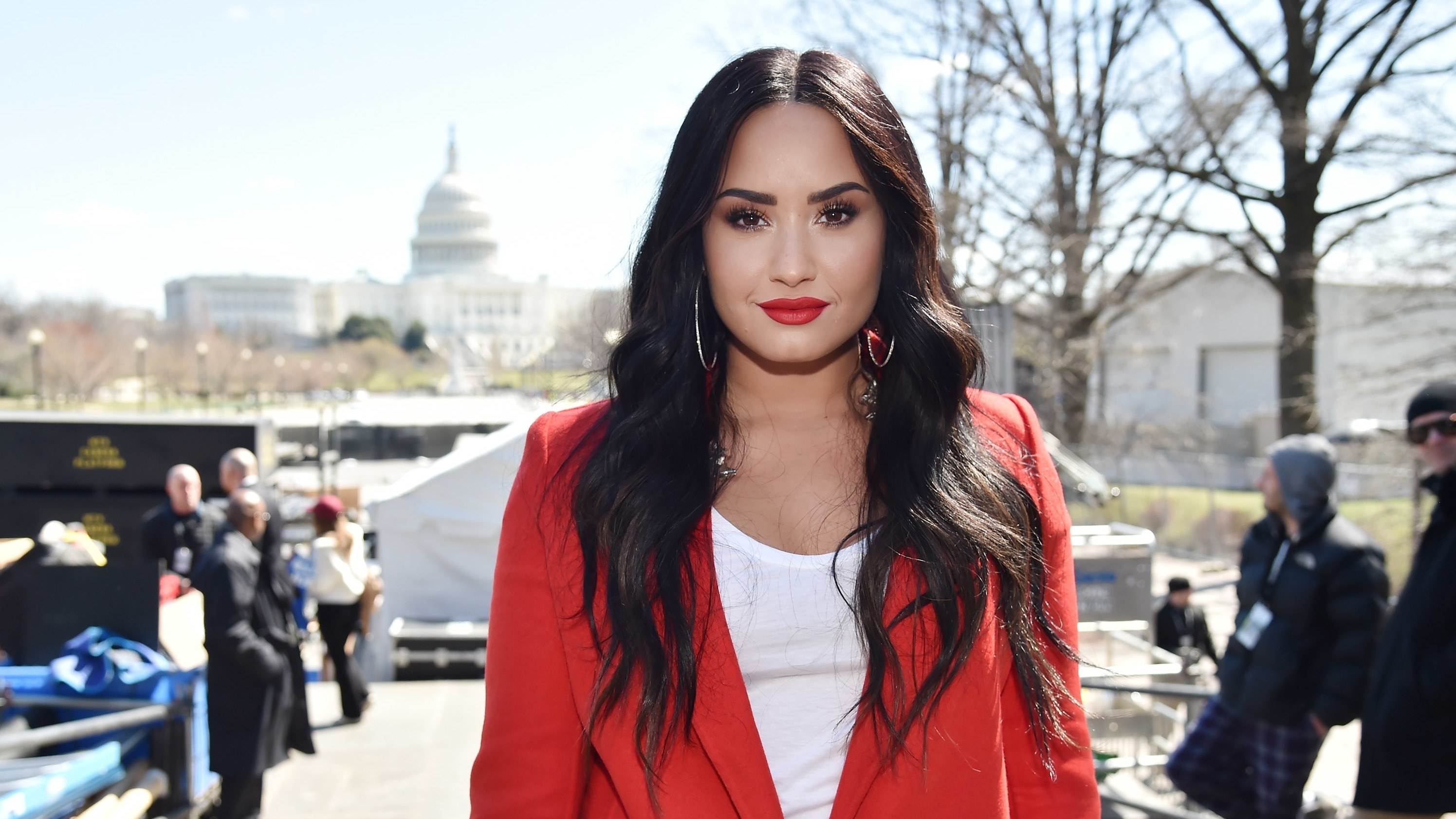
On Sunday Demi Lovato released a statement on her Instagram account addressing her relapse and recent hospitalization following a reported overdose. It was her first time speaking out since she was rushed to the hospital on July 24, and she characteristically didn’t hold back from talking about her addiction. “I have always been transparent about my journey with addiction,” she wrote. “What I’ve learned is that this illness is not something that disappears or fades with time.”

She added, “I now need time to heal and focus on my sobriety and road to recovery. The love you have all shown me will never be forgotten, and I look forward to the day where I can say I came out on the other side.”

Lovato also thanked God for keeping her “alive and well,” as well as her family, her team, and the hospital staff who were by her side. But most of all, she thanks her fans for their continued support. “I am forever grateful for all of your love and support throughout this past week and beyond,” she wrote. “Your positive thoughts and prayers have helped me navigate this difficult time.” There are over 250,000 comments on the post from well-wishing celebrities and Lovatics alike.

“Oh baby…sending you love,” Jennifer Lopez wrote. Paris Hilton said, “Love you so much sis.” Sam Smith, Hailey Baldwin, and Luis Fonsi also sent their love on Instagram. Over on Twitter Lady Gaga and the Jonas brothers were just a few celebrities who wrote heartfelt messages to Lovato. “We should all wrap our arms of love around Demi Lovato. I am so happy you’re alive,” Gaga wrote. Lili Reinhart said, “Praying for @ddlovato and her health. When I was 14, she was an idol to me in how she spoke so openly about mental health.”

This may not seem hugely significant to most—it’s natural for people to send thoughts and prayers after a hospital stay, right?—but as an addict myself, this feels like a turning point in how our society views addiction.

It wasn’t that long ago that Hollywood largely ignored or, worse yet, openly mocked famous female addicts. Women like Amy Winehouse, who died of alcohol poisoning in 2011, and Lindsay Lohan, who has been to rehab facilities several times, were largely painted as tragic figures and stereotypical “hot messes.”

Before Winehouse’s death, it wasn’t uncommon to see headlines like, “AMY ON CRACK” accompanied by a photo of her abusing drugs. Or, “Lindsay Lohan Is a Hot Mess Minus the Hot” following her fifth mugshot leaking to press. The story included this line, “This photo might just be the best deterrent for drug use I’ve ever seen.”

Back then, the conversations around addiction were largely based on the false assumption that it could be cured simply by having more willpower. People couldn’t understand why these women would “squander” their talent. But addiction is—and has always been—a disease.

When I first went into treatment, I was ashamed to admit to my loved ones what was happening. It took years of problematic drinking that steadily increased until I was blacking out almost every weekend. Eventually, I lost my dream job before I could admit that I had a problem. I was deeply ashamed, and it got worse when I relapsed five times after my stint in rehab.

But like Lovato, I couldn’t hide that I needed help again. A month before her relapse and hospitalization, Lovato released a new single, “Sober,” inwhich she admits to relapsing. It’s a powerful song, especially when she apologizes to family and fans for no longer being sober. When the song came out, I remember thinking how brave she was to admit all of this when so many of us addicts hide our relapse for as long as possible, fearing rejection from loved ones who may see it as weakness or be disappointed, in our disease and in us.

Lovato had just celebrated six years of sobriety, but here she was admitting to the world her truth. Her latest Instagram is just as powerful as she reminds us, “Illness is not something that disappears or fades with time. It’s something I must continue to overcome and have not done yet.”

The transparency about Lovato’s journey with addiction has shined a much-needed spotlight on addiction. Most of all, it’s finally changing the conversation. In the past, she might have been written off as a troubled party girl; now Lovato has brought awareness to the cycle of sobriety and relapse that all addicts face. She’s been an advocate for recovery, and her honesty has allowed Hollywood, and our culture, to slowly change.

There was a time, even just a couple of years ago, when I was going through early recovery, when massive support toward an addict was unthinkable. Now, though, it’s an open, honest conversation. “Sending love Demi,” wrote Macklemore in the comments of Lovato’s recent Instagram post. “I’ve relapsed many times. The recovery community has always welcomed me back with infinite love and support.”

But it’s not just the recovery community that’s sending infinite love and support. Her fans, famous and nonfamous, are recognizing the disease of addiction and standing by her. I wish I had known this kind of support was possible when I was going through my darkest time, but I’m glad to know it exists now. It’s precisely love and support that we addicts need in order to continue fighting against our disease.

Perhaps Lovato put it best: “The love you have all shown me will never be forgotten…I will keep fighting.”

Irina Gonzalez is a freelance writer, editor, and journalist based in Fort Myers, Florida.


Source link

Categories
Health

How the Aziz Ansari Allegations Opened Up a New Frontier in the #MeToo Conversation


In the wake of a week when #TimesUp and #MeToo again dominated headlines—starting at the Golden Globes and continuing with allegations against James Franco—a new frontier in the conversation around sexual consent and coercion opened up over the weekend following unsettling allegations concerning actor and comedian Aziz Ansari.

In a report posted January 13 on Babe.net, a woman—who gave her story under the pseudonym “Grace”—shared that she went out on a date with Ansari in September 2017. When they returned to Ansari’s apartment after dinner, Grace says things “escalated” quickly, to the point where she felt deeply uncomfortable. According to the Babe story, “when Ansari told her he was going to grab a condom within minutes of their first kiss … [she] said something like, ‘Whoa, let’s relax for a sec, let’s chill.’” Grace says even though Ansari seemed to at first understand and acknowledge her discomfort, she says he continued to pressure her into hooking up by following her around the apartment as she moved out of his way, asking her several times when he could have sex with her, and still making sexual advances even after she expressed discomfort. She finally insisted on leaving.

Ansari responded to the allegations late Sunday night, effectively confirming the series of events Grace told. Ansari said when he received the text message from Grace, he was “surprised and concerned” that what he perceived as “by all indications…completely consensual” sexual activity “was not the case for her.” He added that “I took her words to heart and responded privately after taking the time to process what she had said.” (You can read Ansari’s full response here.)

The allegations—and his response—sparked a heated conversation on social media and online, with some women seeing the allegations as a new, necessary discussion around consent, and others seeing the whole dust-up as overwrought—or worse, an unfair character assassination of Ansari, who has won accolades (including a recent Golden Globe award) for his show, Master of None. Some are even saying that claiming this type of experience as assault justifies calling the #MeToo movement a witch hunt and that it undercuts the stories of women who have been raped or experienced “more serious” sexual misconduct.

A piece titled “The Humiliation of Aziz Ansari” published by The Atlantic took this critical view one step further, comparing Grace’s approaching a website with her allegations to revenge porn. The writer of the piece, Caitlin Flanagan, stressed that this kind of behavior was not only normal but expected when she was a young adult—an odd twist on the defense Harvey Weinstein actually used in the wake of the allegations against him last fall.

The writer takes some damning shots at Grace and the journalist who told her story, saying “Together, the two women may have destroyed Ansari’s career, which is now the punishment for every kind of male sexual misconduct, from the grotesque to the disappointing.” She goes on to make an even more generalized attack on the young women most prominently making noise in this #MeToo moment:

“Apparently there is a whole country full of young women who don’t know how to call a cab, and who have spent a lot of time picking out pretty outfits for dates they hoped would be nights to remember. They’re angry and temporarily powerful and last night they destroyed a man who didn’t deserve it.”

For many women, though, the description of the interaction was a frustratingly familiar one: a date that turns awkward; a sexual encounter that one party felt was coercive and the other party felt was consensual. It’s one of the reasons that Grace’s story—and Ansari’s response—has ignited such a frenzied debate. Sure, this kind of behavior is the kind of thing that many women have dealt with—and, in many cases, created systems of managing—but does that make it OK? Writer Arnesa Buljusmic-Kustura captured the divide thusly on Twitter: “I saw someone tweet something like ‘if what Aziz Ansari did was sexual assault then every woman I know has been sexually assaulted’ and like yeah, actually.”

This experience sounds normal because it is a common experience for so many women. But the fact that it is common is really an example of how much we have normalized these situations—often putting the responsibility on women to get themselves out of (or avoid) uncomfortable situations, instead of making others accountable for their pushy, coercive behavior.

Let’s be clear: The point of the #MeToo movement is not to destroy men, but to create a safe space for women to share their experiences of sexual misconduct and hopefully give validation to the scores of other women who have been grappling with similar situations that have haunted them. While some people may have read this woman’s account and thought, “That’s not assault,” others have argued—justifiably—that this is, in fact, exactly what being taken advantage of sexually feels like. And no matter what, our default posture should be to believe and listen to these women.

Related Stories:
Post-Weinstein, These Are the Powerful Men Facing Sexual Harassment Allegations
Denouncing #MeToo Is Feminism Devouring Itself
Five Women Accuse James Franco of Sexually Inappropriate and Exploitative Behavior in New Report


Source link