Categories
Health

Chiara Ferragni Is Using Instagram to Wake 18 Million People Up to the Threat of Coronavirus


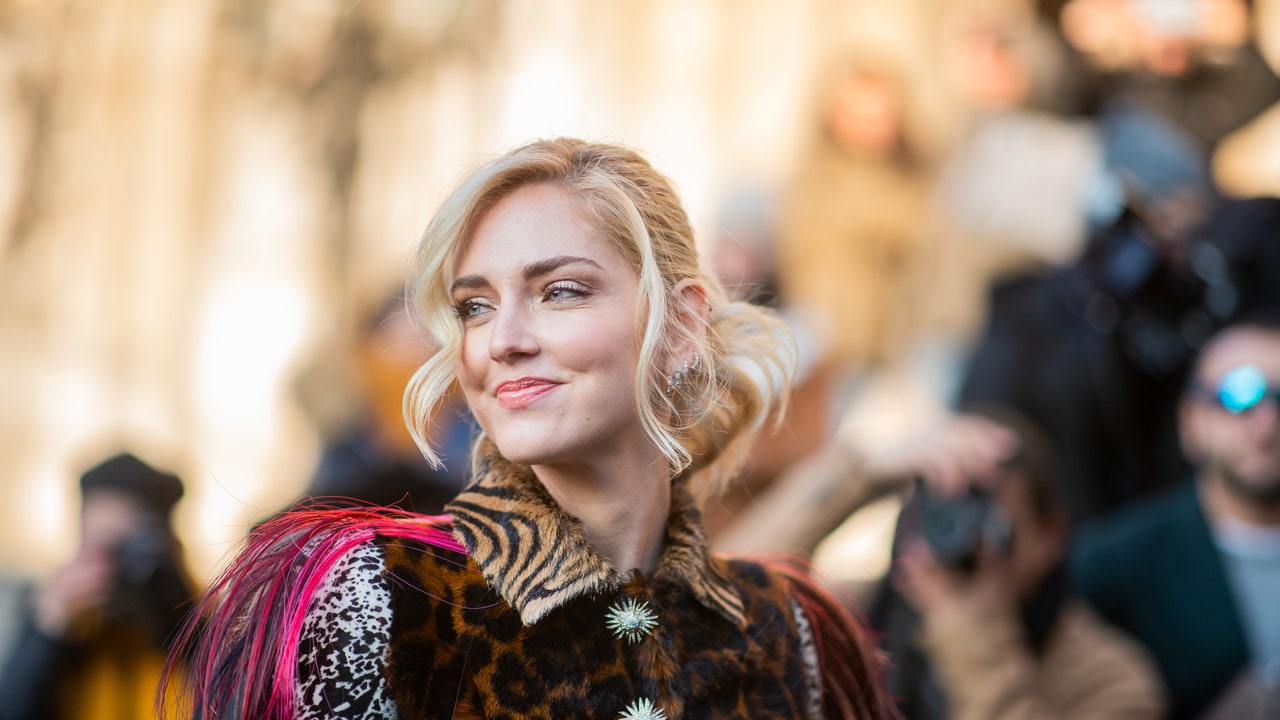
Chiara Ferragni—the Italian model, fashion designer, and Instagram influencer—has a new bona fide: public health advocate. Since COVID-19 swept Milan, where she lives with her husband Fedez and their toddler, Ferragni has transitioned from her usual glamazon posts to dispatches meant to impress upon her 18 million followers the importance of not leaving their homes. (She is, thankfully, still sharing her “house look of the day,” driving me to consider how I might “style” my rotating cast of sweatpants.)

When it comes to social media, people have often said, “Instagram is not real life,” and never has that felt truer (or more twisted) than it does right now. This doesn’t feel like real life—watching a world-famous blogger become a voice of reason in our upside-down universe.

I started following Ferragni a few years ago. I liked the cute glittery sneakers she made and even bought a pair. I liked her excess—the sense that she was always doing too much, the most, everything. But I didn’t get really interested in her until Milan went on lockdown.

In Milan—and across the whole of northern Italy—hospitals are on the brink of total collapse, as the number of people who need treatment overwhelms the number of available beds and providers. According to the experts, the progression of the virus in the United States is expected to follow the pace it set in Italy, which means soon we’ll be in a similar situation if we don’t cancel everything to “flatten the curve,” or ensure that demand for health care doesn’t exceed the number of ICU beds and ventilators available.

I have been home with my three almost-teenage children for over a week and, honestly, I’m going kind of nuts. While they commandeer the common spaces to do their homework and watch TV, one of the things that’s oddly kept me sane is Chiara Ferragni’s at once mesmerizing and comforting Instagram stories.


Source link

Categories
Health

New Zealand Bans Assault Weapons in Wake of Mosque Shootings


It has been less than a week since a lone gunman opened fire in two Christchurch, New Zealand mosques, killing 50 people and injuring dozens more, and the country’s elected officials have already taken steps to change its gun control laws.

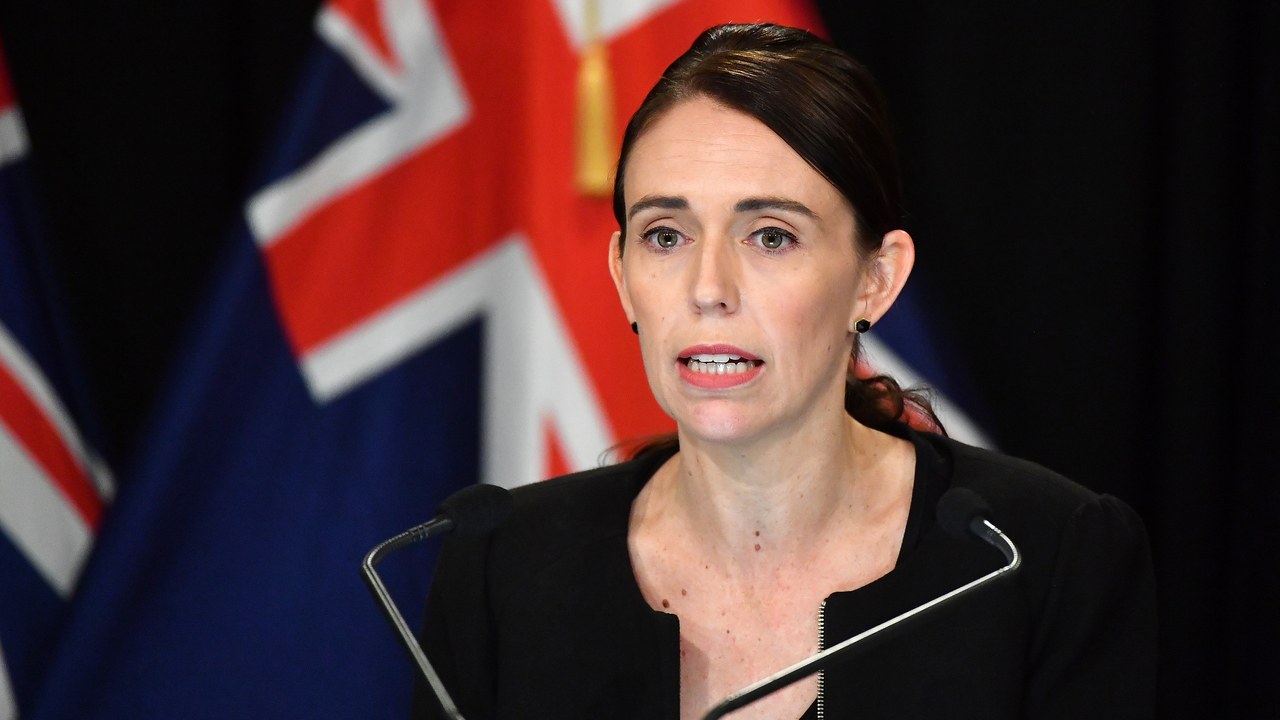
Prime Minister Jacinda Ardern announced that all military-style semi-automatic weapons, assault rifles and high-capacity magazines will be banned in New Zealand. “On 15 March our history changed forever,” she said during a press conference. “Now our laws will too. We are announcing action today on behalf of all New Zealanders to strengthen our gun laws and make our country a safer place.”

“Six days after this attack, we are announcing a ban on all military style semi-automatics (MSSA) and assault rifles in New Zealand,” she said. “Related parts used to convert these guns into MSSAs are also being banned, along with all high-capacity magazines.” Even the leader of the country’s opposition party, Simon Bridges, is supportive of the ban, signaling widespread support. He said it was “imperative in the national interest [that] we keep New Zealanders safe.”

“Every semi-automatic weapon used in the terror attack on Friday will be banned,” Ardern continued. “This legislation will be drafted and introduced in urgency.” According to CNN, this announcement comes after New Zealand’s cabinet agreed to overhaul its laws just 72 hours after the attacks. The country is planning to offer an amnesty period for those owning firearms that will now be reclassified as illegal and a buyback program may be part of the new legislation, as well. According to the BBC, the buyback program could cost New Zealand up to $200 million (in NZ currency) but “that is the price that we must pay to ensure the safety of our communities,” says Ardern.

The swift action in the wake of a mass shooting drew praise from many progressives stateside. “Sandy Hook happened 6 years ago and we can’t even get the Senate to hold a vote on universal background checks w/ #HR8,” Rep. Alexandria Ocasio-Cortez (D-N.Y.) tweeted. Christchurch happened, and within days New Zealand acted to get weapons of war out of the consumer market. This is what leadership looks like.”

“This is what real action to stop gun violence looks like. We must follow New Zealand’s lead, take on the NRA and ban the sale and distribution of assault weapons in the United States,” Sen. Bernie Sanders (D-Vt.) wrote.

“See. It’s not that hard,” tweeted Sen. Chris Murphy (D-Conn.), who has been particularly active on gun issues since the Sandy Hook massacre in his state.

NRA spokeswoman Dana Loesch responded to Sanders’ tweet: ” First, define ‘assault weapon.’ Words are important and certain laws come into play depending on which words are used, so define this. Secondly, the US isn’t NZ. While they do not have an inalienable right to bear arms and to self defense, we do.”

Ardern says New Zealand’s new gun regulations may be in place as soon as April 11. She also says another round of amendments will be forthcoming—and could include changes to gun registration laws.


Source link

Categories
Health

Amandla Stenberg Opens Up About Her Own Sexual Assault in the Wake of the Kavanaugh Hearings


Last week, the world watched as Dr. Christine Blasey Ford stood in front of the Senate Judiciary Committee to publicly allege that Brett Kavanaugh, the conservative D.C. judge whom President Donald Trump had nominated to the Supreme Court, had drunkenly groped her at a party, attempted to forcibly remove her clothes, and covered her mouth when she attempted to scream. Dr. Ford’s affecting, emotional account of the alleged assault immediately ignited a rippling #MeToo effect across the country, as women from Busy Phillips to Ellen Degeneres began sharing their own traumatic sexual assault experiences—feeling emboldened to do so after hearing Dr. Ford’s powerful testimony.

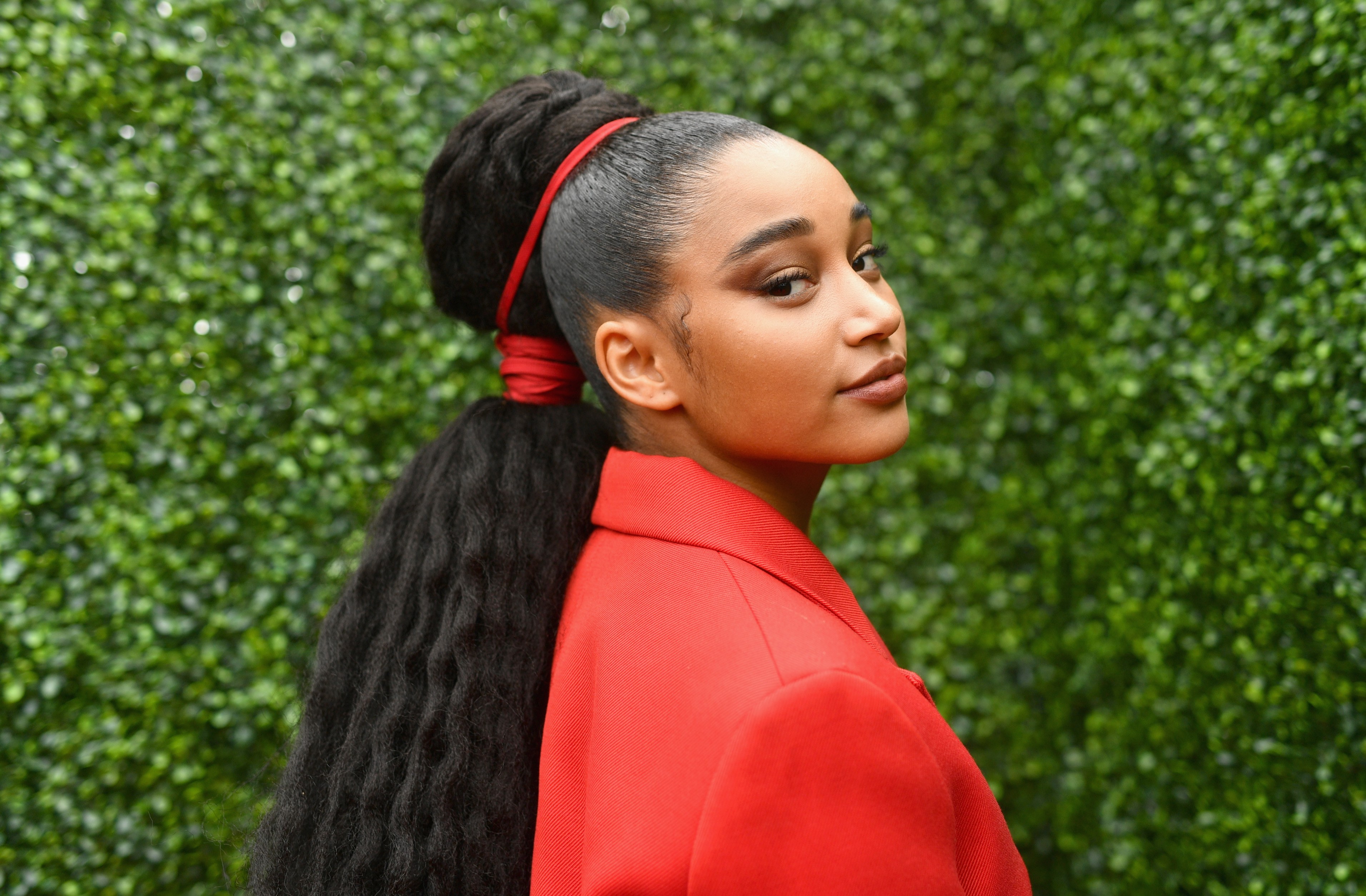
Actor and activist Amandla Stenberg chose to open up about her sexual assault in an op-ed for Teen Vogue published Saturday. In the powerfully penned piece, the Hate U Give star wrote about her own experiences with sexual assault and explains she felt compelled to go public with her own story after watching the Kavanaugh hearings and listening to Dr. Ford’s testimony.

“As I live-streamed Dr. Christine Blasey Ford’s testimony in a hotel room and a humid drizzle painted the windows an opaque gray, I found myself relying heavily on the tool of my breath… My breath was the tool I relied on when I ended up in a foreign country on a three-hour train ride to find an emergency contraceptive,” she wrote. “The night before, what started as a consensual experience had turned forceful. Painful things had been done to my body that made me feel broken and disposable. I was unable to consent to them, and was silenced verbally and physically when I protested.”

The actress goes on to describe the emotional weight she carried after this traumatic experience, feeling at times guilty, as though what happened to her had somehow been her fault. “I was sitting in that soup of guilt and shame that often follows an unwarranted sexual experience,” she said. “My body hurt and my mind was on a one-track loop, dissecting all the things that I was culpable for, that must have led me to my predicament.”

Stenberg explains that her assaulter was someone who was “respected” by her peers, stating: “It seemed to me that often the trade-off of being invited into spaces by these sorts of cis straight men and getting their approval was the acceptance that what I had to contribute was the value of my body as a woman. Implicit within that was the notion that, because my body served such a transactional purpose, it was no longer just my property. That was a form of social currency I was familiar with and, honestly, at times accepted.”

An often-debated topic throughout the Kavanaugh hearings revolved around the question of whether or not Dr. Ford should have come forward with the sexual assault allegation sooner. But as Stenberg points out in her essay, doing so immediately throws assault survivors into “a battle where you’ve been appointed defender of your own legitimacy.” She goes on: “You are given the responsibility of, after having just been subjected to devastating trauma, navigating impossible protocols, lest you be charged as the culprit in your own attack. You’re damned if you do and damned if you don’t. Damned to subject yourself to physical and public scrutiny, more vulnerability and social repercussions, or damned to allow the residual feelings to fester inside. Either way, you sacrifice comfort and safety within your own body, and sometimes it’s easier to just keep that pain to yourself and hope it goes away. And that is understandable and OK. We should not be condemned for being unsure of how to move through pain.”

Ultimately, it was watching Dr. Ford’s testimony that pushed the actress to “move through discomfort that [she’d] buried” and speak out: “Although these tipping points are chaotic, disorienting, infuriating, and often heartbreaking, I like to believe that real change begins with the eruption of truth.”

Read her full essay here.

If you or someone you know has been sexually assaulted, you can seek help by calling the National Sexual Assault Hotline at 800-656-HOPE (4673). For more resources on sexual assault, visit RAINN and the National Sexual Violence Resource Center.

Related Content:

Elizabeth Warren Has a Powerful Message for Sexual Assault Survivors Watching the Kavanaugh Hearing

Busy Philipps Opens Up About Being Raped at 14: ‘I’m Scared to Post This’

Here Are the Senate Women at the Center of the Brett Kavanaugh Debate


Source link
Categories
Health

How to Talk to Children About Abuse in the Wake of the Larry Nassar Trial


This week, more than 150 women—including Olympians Aly Raisman and McKayla Maroney— testified in the Larry Nassar trial that Nassar, a former USA Gymnastics and Michigan State University doctor, sexually abused them. Nassar was sentenced to 40 to 175 years in prison on Wednesday, bringing the trial to an end, but the testimony from that courtroom will have a lasting impact on women worldwide—both the survivors and those who heard their words.

One of the most common refrains in many of the women’s testimonials, was how they had always been told no one could touch them “down there”—except a doctor. But Nassar was a doctor—one who preyed on that exact mentality and trust to take advantage of his patients. Surely many parents heard these words and wondered if they should rethink how they talk to their daughters about sexual abuse and safety.

While different ages require different approaches, you want to teach your kids about their bodies, someone else’s body, and the concept of boundaries and personal space, says Susan Abbott, M.D., a child and adolescent psychiatrist and a clinical assistant professor of psychiatry at Mount Sinai School of Medicine in New York City. “By doing that, you’re giving them the language to communicate so that if something should occur, they have the tools to not keep it to themselves or be swallowed up by shame and fear,” she says.

You can start having these discussions as early as you feel comfortable, says Dyan Hes, M.D., the medical director of Gramercy Pediatrics in New York City. “I recommend that when parents give their [young] child baths, they tell them: Mommy and Daddy, your grandparents, maybe a babysitter, we’re the only people allowed to clean you. And if anybody ever comes and asks to touch you or pull down your pants or if you think that they shouldn’t be seeing your private areas—even a doctor—you have to tell us,’” says Dr. Hes.

Another red flag that kids should definitely be aware of: “What nearly all sexual abusers say is, ‘Don’t tell anyone.’ Nobody should be asking a child to keep secrets,” says Dr. Hes. You want your kids to know that if someone tells them “This is between us,” or “What we have is special,” your child should tell their parents immediately. You can also work with your child on learning to identify their feelings. “You’d be surprised how many kids don’t have the education to understand anger, disappointment, or other emotions,” says Dr. Abbot. “I tell kids that feelings are their sixth sense—and the feelings that occur with abuse are typically confusion and shame. So it’s important to teach kids that if they ever feel confused or ashamed in a ‘secret’ situation with an adult, they need to tell Mommy and Daddy.”

Empowering children to speak up, even against adults in authority positions, may truly be the only way to stop this kind of abuse. In many cases—like Nassar’s—even the adults that were initially told were part of a larger system that avoided confronting that abuse. But children should know they don’t have to stop at one adult. “You have to stress to kids, if anybody is ever harming them and one adult doesn’t help them, they have to find the next adult,” says Dr. Hes. “I know it sounds crazy, but tell them to go to the police, a fireman, a nurse—those jobs are all mandated to report abuse.”

“The one thing you want to teach your kids is not to be silent,” agrees Dr. Abbott. “And as a parent, you’re the one who has the give them the language to tell someone what happened.”


Source link

Categories
Health

Gigi Hadid: I Don't Always Wake Up Feeling Like the Gigi the World Expects Me to Be


Gigi Hadid seems like she’s got it all together — she’s Gigi effing Hadid— but while accepting her award at Glamour‘s Women of the Year ceremony on Monday night, the supermodel shared that she doesn’t always feel like “Gigi Hadid, global supermodel.”

“I think my biggest responsibility, standing here, is to all the young women who are watching,” she said, after reading an exhaustive list of thank yous to fashion-industry icons, as well as her family. “I want to let you know that just because I’m standing here, winning this award, doesn’t mean that I have it all figured out. I’m so grateful for every opportunity, but that doesn’t mean that I wake up feeling like the Gigi the world expects me to be on a daily basis.”

The 22-year-old continued, “If you don’t feel strong every day, that’s okay, and it’s normal. Every day, something new can inspire you, and a small thought or idea or action can change the course of your day, your week, your month, your year. You’re never alone, and you’re never stuck, no matter how down you feel.”

Gigi’s ideas for getting unstuck? “Find what puts a pep in your step. React to what’s inspiring you by setting that into motion, creatively or otherwise. Wear something crazy. Go on a walk at sunrise. Donate your time to charity. Spend the day printing out pictures of whatever and make a binder of the hotel you hope to own one day, or the charity you hope to start,” she said. “Whatever makes you excited about your day is important, and your dreams are more powerful beyond materialization of them.”

She said that she also looks to other powerful women for inspiration. “What helps me through stress, anxiety, pressure, mentally, is looking up to other strong women and feeling empowered to change my day through celebrating them,” she said. “Our success is never just about us, it’s also about all women that paved the way so we could be here. It’s about the women we surround ourselves with and the characteristics we value, the inspiration and motivation women everywhere can give us to be better.”

Gigi added, “So tonight, I celebrate all of you being honored and celebrate women all over the world. You help people everywhere to think, ‘Yeah, I can do this,’ whatever ‘this’ may be, and you are amongst the women that inspired me to better myself and to seize my life. So thank you, and remember that we’re stronger when we celebrate each other.”


Source link