Categories
Health

Meghan Markle Just Spoke Out on International Women's Day—Here Are Her Best Quotes


While her new role as Duchess of Sussex may preclude her from being overtly political, Meghan Markle has continued to use her global platform to shine light on causes that she’s passionate about—especially the empowerment of women.

So it’s not a big surprise that Markle started off International Women’s Day with a great honor from another powerful woman: the Queen of England. Markle was named vice president of the Queen’s Commonwealth Trust (QCT) which “funds and connects young leaders around the world.” Queen Elizabeth is a patron, and Markle’s husband, Prince Harry, already serves as president. “In her role as Vice President of QCT, The Duchess of Sussex will highlight our partnerships with young people across the Commonwealth, and in particular our work supporting women and girls,” the organization said in a statement.

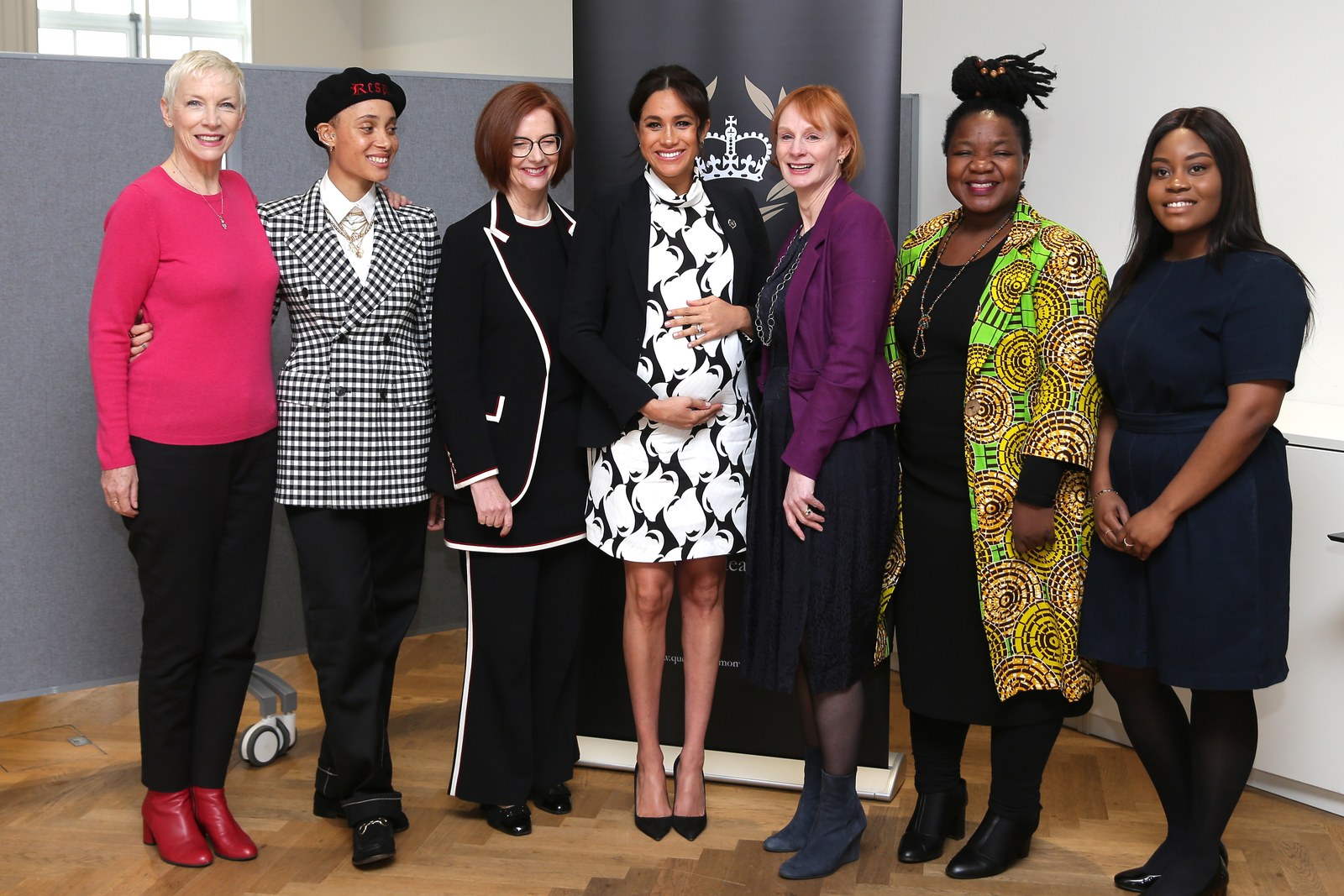
After this announcement, Markle participated in a panel discussion convened by the QCT to talk about the issues women and girls face around the world. The panel’s host, Anne McElvoy, an editor at The Economist, described her as “a royal not afraid to embrace full-on feminism.” The panel was made up of a diverse group of women, including singer Annie Lennox, model and activist Adwoa Aboah, former Prime Minister of Australia Julia Gillard, Let Us Learn founder Chrisann Jarrett, and the executive director of Campaign for Female Education.

“I think the real treat in and of itself is being able to be here—that is such a gift on this day,” Markle said. “And then separate from that there are the women in my life that I want to celebrate with and send some love to today. But also the men who are championing all of us as part of this journey. And then I’ll put my feet up because that’s a deserved treat, especially in this stage of pregnancy.”

Getty Images

Here are some of her best quotes.

On gender stereotypes

“I think when we talk about gender stereotype shifting—what it means to be masculine, what it means to be feminine—you know I’ve said for a long time: you can be feminine and feminist. You can be masculine. And I think in terms of masculinity, you understand that your strength includes knowing your vulnerabilities and your sense of self and security.”

On feminism for everyone

“We must be global feminists and include men and boys.”

On equality

“If things are wrong and there is a lack of justice and an inequality, someone needs to say something—and why can’t it be you?” (Simple, yet sound advice from a woman who once got Ivory soap to change the wording of a sexist ad.)

On Social Media

“Hashtags are not enough. We have a responsibility as well, that if you’re part of social media and engaging in that way, we’re not just giving people more things to chat about but actually something to do, and what’s the action.”

On Baby Sussex

“It’s funny, I’d actually been joking these past few weeks… I’d seen this documentary on Netflix about feminism, and one of the things they said during pregnancy was ‘I feel the embryonic kicking of feminism.’ I loved that. So boy or girl, whatever it is, we hope that that’s the case.” (And in case you were wondering, Markle’s pregnancy is going “very well.”)

On Prince Harry (and men’s) feminism

“Your confidence comes in knowing that a woman by your side, not behind you, is actually something you shouldn’t be threatened about but, opposed to that, you should feel really empowered in having that additional support that this is really about us working together. That’s what gender equality means for me and having men part of that conversation saying there’s nothing threatening about a women coming up to the same level, it’s our safety in numbers, this is our power and our strength as a team. And that’s gender neutral if you really think about it. So I hope that men are part of the conversation. My husband certainly is.”
Source link

Categories
Health

Women's Spring Jackets: The 5 Biggest Trends for 2019


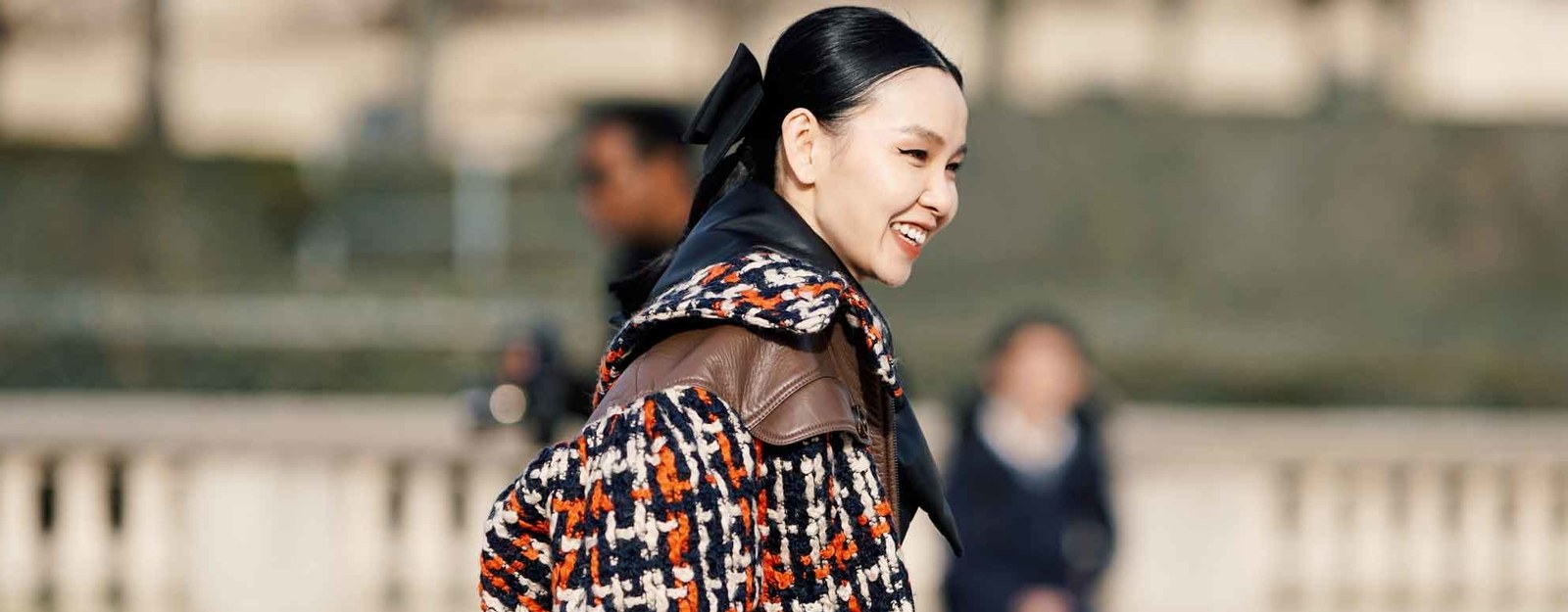
The exercise of going through Fashion Week street style can quickly and easily turn into a game of “I Spy,” where the objects being sought are a handful of trendy garments that seemingly every stylish person attending the shows is clued in on. And since these are from the smack-dab middle of winter, we’re playing with some more bundled-up styles—namely outerwear. Out of the countless just-released spring jackets to choose from, five styles came out on top. So if you happen to find yourself shopping for a fresh top layer this season, consider starting here: Check out the top women’s spring jackets to come out of Fashion Week, ahead.


Source link

Categories
Health

Paid Family Leave Would Change Working Women's Lives. Could a New Bill Make It Happen?


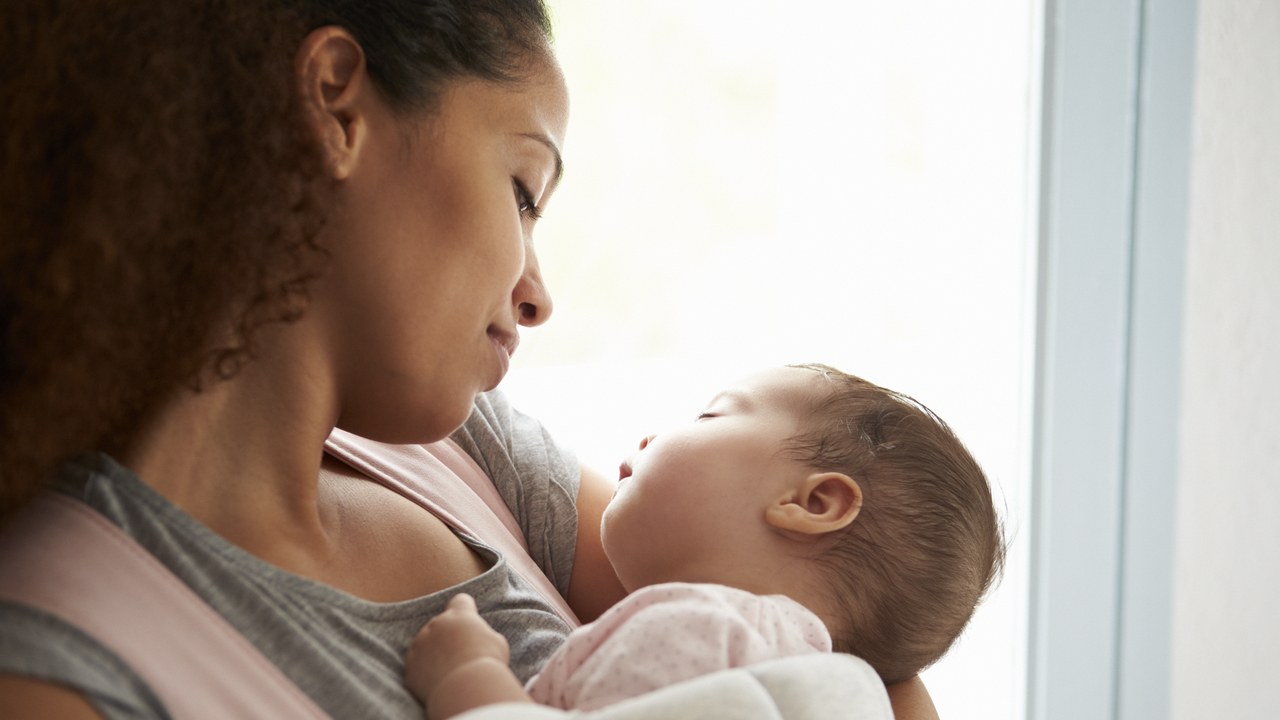
Senator Kirsten Gillibrand (D-N.Y.), who’s a little less than a month in her presidential run, and Rep. Rosa DeLauro (D-Conn.) plan to reintroduce the Family and Medical Insurance Leave (FAMILY) Act on Tuesday—a bill that would create a national program to provide up to 12 weeks of partially paid time off for workers dealing with either their own health (including childbirth and recovery) or the health concerns of a child, spouse, parent, or domestic partner. Workers would be able to earn up to 66 percent of their wages up to a capped amount, and it would be funded by a small payroll tax (two-tenths of one percent) paid by employers and employees

Thanks to the new class of Democratic representatives, there’s a chance the bill will in fact pass the House of Representatives this time around. (Gillibrand and DeLauro first put forth the bill in 2013.) “There is very serious momentum,” DeLauro told the Huffington Post. “We’ve got a new Congress, we’ve got the largest majority of women and young people.” For the bill to pass the Senate, however, Republicans would need to join Democrats, an uphill climb.

Still, the bill is better positioned to attract bipartisan support than ever. Because in 2019 it’s not just Democrats who committed to paid leave. You may remember that in his 2017 speech to a joint session of Congress, Donald Trump said, “My administration wants to work with members of both parties to make child care accessible and affordable, to help ensure new parents that they have paid family leave.” And the issue is one Trump’s daughter and senior advisor Ivanka Trump has championed, albeit with a mixed reception from advocates. She is also reportedly working on a plan of her own with Senator Marco Rubio (R-Fla.)

DeLauro described family leave as now being at the “center of the debate, rather than the fringes.” HuffPost reports that 29 percent of candidates in 2018 made paid family leave a part of their campaign platforms, up from 4 percent in 2014.

The hope is all this conversation will lead to actual forward momentum on an issue so vital to American workers, but one that has remained unchanged at the federal level since the Family and Medical Leave Act (FMLA) passed in 1993.


Source link

Categories
Health

Rep. Alexandria Ocasio-Cortez Speaks at 2019 Women's March in New York City


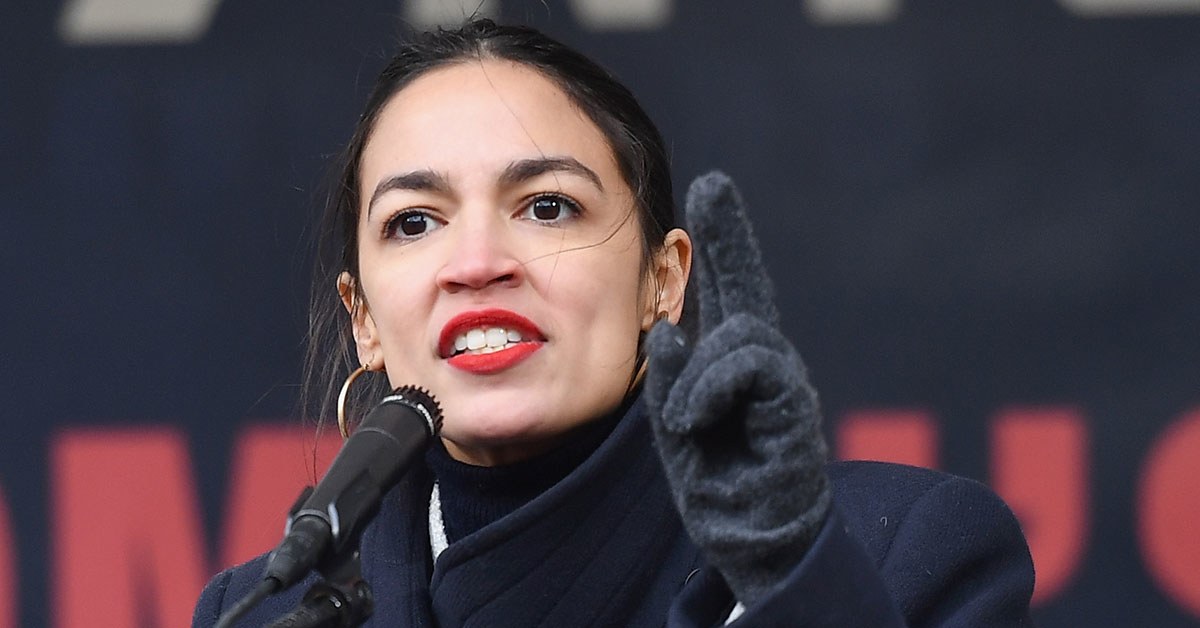
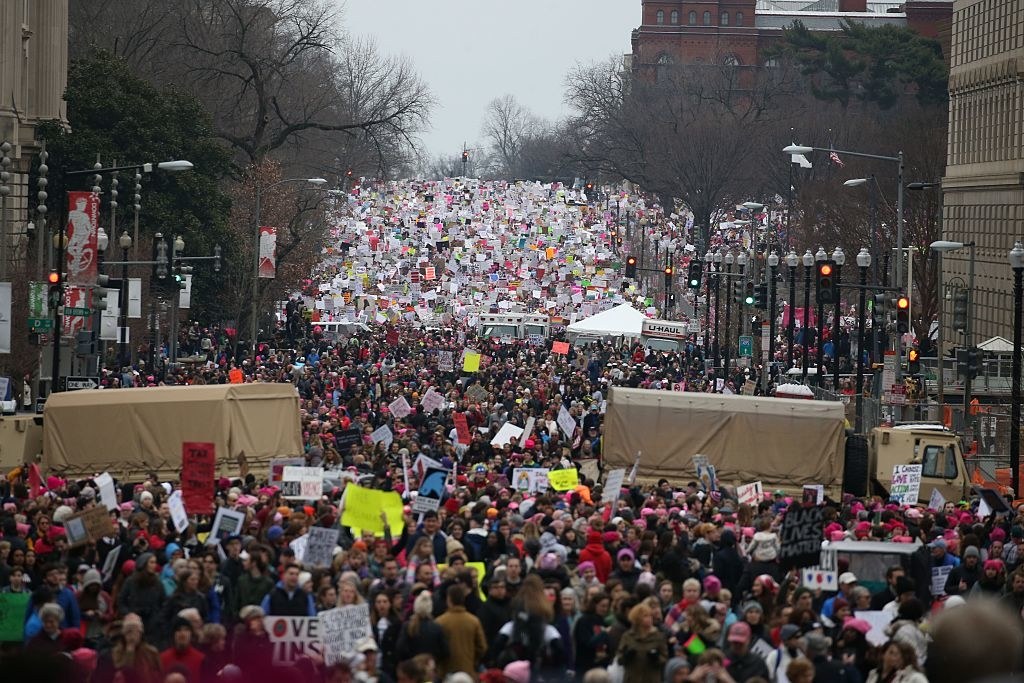
Thousands of people throughout the United States and around the world took to the streets on Saturday, January 19, for the third annual Women’s March. Equipped with powerful signs and posters, marchers raised their voices in support of equal rights, healthcare, and social justice. The theme of justice echoed throughout the New York City march, where Rep. Alexandria-Ocasio Cortez addressed the crowd.

Ocasio-Cortez’s compelling speech began by noting that the third annual Women’s March was taking place just before Martin Luther King Jr. Day, something that she doesn’t think is a coincidence. “I believe this moment and where we are right now is a resurgence from where the Civil Rights Movement left off,” Ocasio-Cortez said. “We are here to carry the torch forward, because when we talked about racial and economic justice, racial and social justice, we started to really extend those issues to the issues of economic justice, environmental justice, and the intersectionality and interconnectedness of all of our fights.”

She went on to talk further about the concept of justice, using a powerful refrain to drive the notion home to the crowd. “Justice is not a concept we read about in a book,” she reminded the marchers. “Justice is about the water we drink. Justice is about the air we breathe. Justice is about how easy it is to vote. Justice is about how much ladies get paid…. Justice is about making sure that being polite is not the same thing as being quiet. In fact, often times, the most righteous thing you can do is shake the table.”

In addition to talking about the pursuit of justice, Ocasio-Cortez honed in on some of the political goals ahead: taking back the Senate and the White House. “We need to advance and fight for an America where all people are welcome and no people are left behind,” she said. “And I know that while this year has been historic, there’s a lot more congresswomen left here in this audience right now. There’s a lot more city council women…and I know that there’s a future president out here too.”

Just as powerfully as her speech began, Ocasio-Cortez ended on a poignant note, touching upon some of the serious issues that Americans have faced over recent years and incorporating hope for a better tomorrow. “This is the time we’re gonna address poverty,” the politician promised. “This is the time we’re gonna address Flint. This is the time we’re gonna talk about Baltimore and the Bronx and wildfires and Puerto Rico. This is not just about identity; this is about justice, and this is about the America that we’re going to bring into this world.”

Let us slide into your DMs. Sign up for the Teen Vogue daily email.

Want more from Teen Vogue? Check this out: People Love Rep. Alexandria Ocasio-Cortez Even More After Dance Video Meant to Shame Her


Source link

Categories
Health

A Timeline Of The Women's March Controversy And Recent Developments


The 2019 Women’s March is scheduled to take place this Saturday. The main event will start in Washington, D.C.’s Freedom Plaza, where demonstrators are expected to rally and eventually march toward the Trump Hotel on Pennsylvania Avenue.

But although Saturday marks the third Women’s March, attendance is projected to be much lower than the previous two years. Much of this is because Women’s March, the organization behind the event, has been marred with controversy after its chairs were accused of a number of issues, ranging from mismanagement to anti-Semitism. Many supporters and partner groups, including the Democratic National Committee, the Southern Poverty Law Center, and EMILY’s List, have pulled out of the upcoming D.C. schedule.

How did this go from the largest protest in history, to one that might be starting to unravel? And what’s happening in states across the country? To find out what’s happening near you, type in your zip code here.

January 2017The movement began with rage: a lawyer in Hawaii, Teresa Shook, and a fashion executive in Brooklyn, Bob Bland, took to Facebook to urge friends to protest Donald Trump’s inauguration. Soon they joined forces, and more women got involved, and together got the permits and port-a-potties and everything else that was needed to stage the largest single-day protest in the nation’s history, the day after President Trump’s inauguration. While there were critiques that the white women were easily jumping into a space where black women had worked for decades, organizers—led by Bland and her other national co-chairs, Tamika Mallory, and Linda Sarsour—worked to build an inclusive coalition of women of all ages, ethnicities, religions, locations, sexualities. Glamour honored the national organizers as Women of the Year for sparking a global movement.

February 2018CNN’s Jake Tapper tweets clips from acontroversial speech given by Nation of Islam Minister Louis Farrakhan, in which Farrakhan makes several anti-semitic comments. Tapper notes that Mallory was at the event and that she posted photos of it on Instagram. Criticism of Mallory, and other chairs connected to Farrakhan, spreads on social media.

March 2018The Women’s March organization issues a statement, saying, “Minister Farrakhan’s statements about Jewish, queer, and trans people are not aligned with the Women’s March Unity principles. The world Women’s March seeks to build is one free from anti-Semitism, homophobia, transphobia, sexism, racism, and all forms of social violence.” However, many people take issue with the fact that the statement does not formally denounce Farrakhan. Some call for the co-chairs to step down.

Mallory addresses the backlash in a piece for News One.

October 2018Alyssa Milano brings the Farrakhan controversy up in an interview with The Advocate. Referring to the march’s chairs, she explains that it is “unfortunate that none of them have come forward against him at this point,” and says she will not speak at the next march: “Any time that there is any bigotry or anti-Semitism in that respect, it needs to be called out and addressed. I’m disappointed in the leadership of the Women’s March that they haven’t done it adequately.”

November 2018The Women’s March organization releases another statement, this time defending Mallory and Sarsour. “Women’s March wouldn’t exist without the leadership of women of color, and we stand with Linda Sarsour and Tamika Mallory,” the statement reads. “Women’s March leaders reject anti-Semitism in all its forms. We recognize the danger of hate rhetoric by public figures. We want to say emphatically that we do not support or endorse statements made by Minister Louis Farrakhan about women, Jewish and LGBTQ communities.”

Sarsour also speaks out through a statement on November 20, saying, “Every member of our movement matters to us—including our incredible Jewish and LGBTQ members. We are deeply sorry for the harm we have caused, but we see you, we love you, and we are fighting with you.”

Meanwhile, the Women’s March discloses financial records to several publications after being hit with accusations of mismanagement. The organization’s chief operating officer, Rachel O’Leary Carmona, said in a statement quoted in the Intercept that releasing the documents was part of a transparency effort. “The power of the Women’s March is in our people. We might not have the most funding, but we have millions of passionate, strong, and diverse women who deeply believe in building an intersectional women’s movement so that we can all get free,” she said.

December 2018Tablet Magazine, an online Jewish publication, publishes a lengthy, 10,000-plus word article that highlights many of the issues surrounding the march and its leaders. The piece accuses Mallory and Perez of making anti-Semitic remarks on more than one occasion.

In a New York Times article a few weeks later, Brooklyn-based activist Vanessa Wruble says she was pushed out of the organization and discusses some of the early schism in the Women’s March. She implied her Jewish identity played a role in her ouster. She has since gone on to help launch another women’s organization called March On.

January 2019Mallory and Bland make an appearance on The View to discuss the accusations against the organization. Both deny an anti-semitic exchange that reportedly took place. In a heated exchange with Meghan McCain, Mallory says that Farrakhan’s words were not her own: “It’s not the way that I speak, it is not how I organize. And I think it is very clear, over the 20 years of my own personal activism, my own personal track record, of who I am. And I should never be judged through the lens of a man.”

Following the segment, the Daily Beast reports that many of the groups that partnered with the 2018 march would not return for 2019, and that one of the largest supporters, the Democratic National Committee, had pulled out.

Despite the controversies, the Women’s March posted in a tweet on Jan. 16 that while the event would relocate because of snow, it would continue. But the conflict has affected other marches outside of Washington, D.C., most notably in New York, where there will be two separate marches since organizers could not come to an agreement. (A third rally, organized by Rise and Resist will take place in Grand Central Station, designed to be more inclusive and accessible for people with disabilities.) Some advocates say women still shouldn’t sit out the events on the 19th: “March with one of them,” Gloria Steinem told the New York Times, “But march.”


Source link

Categories
Health

CBS Is Donating $20 Million From Les Moonves' Severance Package to 18 Women's Organizations


On Friday, CBS announced it will donate $20 million to 18 women’s organizations that focus on eliminating sexual harassment in the workplace. The move comes as CBS grapples with multiple accusations of misconduct leveled against high-profile leaders at the organization.

CBS said earlier this year that it planned to take funds out of former CEO Les Moonves’ $140 million severance package and apply them toward women’s rights causes. They have now identified the recipients of the money, which include Time’s Up, Catalyst, the Freedom Forum Institute’s Power Shift Project, the International Women’s Media Foundation, Press Forward, and the Women’s Media Center. Reportedly, two of the organizations will also disperse some of the money to smaller women’s organizations.

Moonves stepped down in September after at least 12 women came forward to accuse him of behavior that ranged from lewd comments to assault. Along with Moonves, allegations have also been made against former show host Charlie Rose and 60 Minutes producer Jeff Fager, both of whom are no longer with the company.

A recent investigation into CBS’s history and culture of harassment also revealed that the network had paid actress Eliza Dushku $9.5 million in January to settle a dispute about how it handles harassment complaints she made about actor Michael Weatherly. According to documents obtained by The New York Times, Dushku had felt uncomfortable after Weatherly allegedly made comments about rape, a threesome, and her physical appearance.

For many, however, CBS’s $20 million pledge still not enough. Time’s Up, which will received $2 million toward an initiative aimed at increasing female representation in the entertainment industry, had previously urged the company to donate all of Moonves’ severance package.

“We also urge that the full amount reserved for Mr. Moonves’ severance be contributed to organizations that address sexual harassment and workplace safety. That is $120 million dollars that will either go to Mr. Moonves or back into the coffers of the company that allowed the culture created by Mr. Moonves to continue,” the organization wrote in a letter this September. “Or that $120 million can create change by going to organizations—and there are many impactful organizations—that can help women of all kinds. The choice is yours. But the answer is obvious. We ask that you not dishonor the bravery of those who have come forward by spending that money unwisely.”

In a joint statement released by all of the groups, the 18 organizations thanked CBS for the donation, but made it clear it doesn’t excuse the misbehaviors that have occurred at the highest levels of the company.

“We thank CBS for these donations. We also recognize these funds are not a panacea, nor do they erase or absolve decades of bad behavior,” the groups wrote.

Related Stories:

CBS Confirms It Paid Actress Eliza Dushku $9.5 Million to Settle Harassment Claims

Time’s Up Wants CBS to Donate All of Les Moonves’ $120 Million Severance

More Networks Are Creating TV Shows for and by Women—So Why Isn’t CBS?


Source link