Categories
Health

The First Body-Positive Children’s Book Just Came Out, and It’s Exactly What the World Needs Now


Ady: And that is why we were so conscious to have the illustrations in the book portray friends of all different types: kids with different physical abilities, different hairstyles, different races, different sizes, and different religions. The pictures in this book say loud and clear, “Everyone is equal.”

Why is this book important now?

Ady: Body positivity is a movement right now in our space as adults, and I love it, but it needs to be taught at a young age, and that’s our goal. Just yesterday I got trolled on the internet and called fat, and that’s not going to stop me from being me, but that confidence in myself is very new. And honestly the process of writing this book has really helped me choose definitively to put away a lot of my negative thoughts once and for all. I really believe that if I’d had a book as a kid that taught this type of message, maybe it wouldn’t have taken me until I was 34 to be that confident. The book is definitely about teaching kids not only to accept and love themselves, but accepting and loving others for their differences too.

What inspired the book’s title?

Katie: Ady’s original brainstorm for the book was a plus-size princess, but after our first creative meeting, we were really gravitating toward action statements and things this girl could do. I had already started a movement called #herbodycan, focused on what our bodies can do versus their appearance, and with the ultimate direction of this book, that title just made sense here too.

Did any of your personal life experiences shape the book?

Ady: It was really important to us to address specific restrictions that were imposed upon us growing up because of our size, and negate them. My whole life I heard, “Don’t wear two-piece bathing suits, don’t wear white, don’t wear color, don’t wear crop tops,” so we made it a point to have our heroine wear every single thing we were told we couldn’t wear because of our size. We want to change that narrative for the next generation of children.

East 26th Publishing

What do you hope to offer parents with your book?

Katie: Most of us were parented in an atmosphere that was fatphobic, and most of us have outdated, ingrained ideas on body image. We are all likely trying to do the same work on ourselves that we are trying to teach our children, and it’s not easy. Having something tangible like a book when trying to teach anything to children is key, and not only is this book a great tool for sensitive moments; it is also just a happy, uplifting story of a girl who lives her best kid life in the body she was born with, and what else could we hope for in a child?

Source link

Categories
Health

Donna Dees-Thomases, Glamour’s 2000 Woman of the Year, Is the Friendliest Person to Change The World


In 2000, Donna Dees-Thomases celebrated Mother’s Day by going for a walk.

About 1 million people joined her.

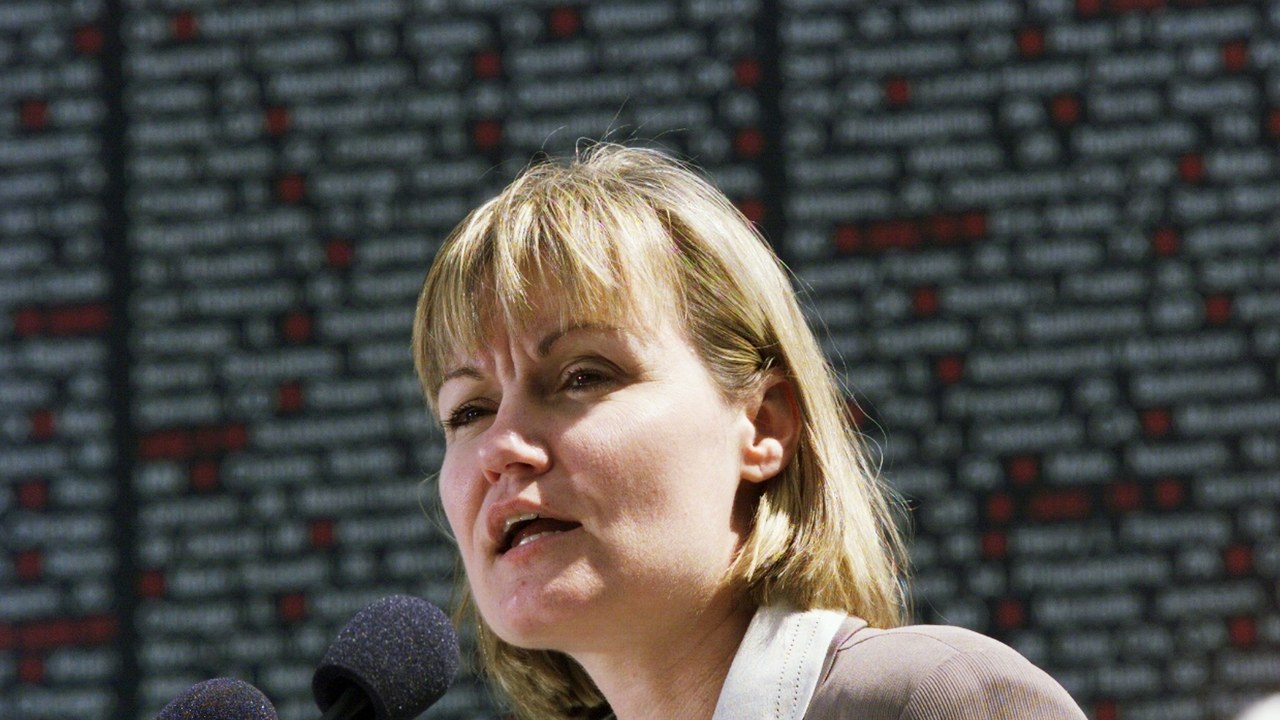
It was the Million Mom March, a giant grassroots mobilization of moms against gun violence that Dees-Thomases had organized over the course of just 10 months. A mother of two girls living in suburban New Jersey, she had watched the Columbine massacre open up a summer of violence that ended with an attack on a day camp at a Jewish Community Center outside of L.A. in August of 1999 that left one dead and five injured. The sight of terrified children fleeing a gunman shocked her into action.

At this point in the story, which Dees-Thomases is telling me from the backyard of her home in Louisiana, she interrupts herself to pet a dog that has wandered into her yard. I hear panting in the background, as she begins to talk again about governmental inaction in the face of gun violence. Then she adds, ecstatically, ”Two goldendoodles! Beautiful.”

It’s this kind of extreme, almost comic friendliness that helped her organize a historic event and launch a national movement—and the reason Glamour honored her in 2000 as a Woman of the Year.

Dees-Thomases spent 10 feverish months working part-time as a publicist for Late Show With David Letterman, parenting, and organizing the Million Moms March. In the days before social media, before smartphones, before virality, Dees-Thomases used every connection she had ever made and worked every hour she could stay awake. As her plan, which had started as bullet points on scratch paper, grew into a national news event, she promoted it by debating the head of the National Rifle Organization on Meet the Press and securing a spot on Oprah. She wore denim overalls most of the time. On the day of the march, she was so tired she nearly put on mismatched sneakers. The day was a smash success, and honors, including Glamour’s Woman of the Year award, followed.

And then? You know what happened, even if you don’t know Dees-Thomases’s story. The Million Moms March was a massive success. But the mass shootings of the Columbine era continued. Innocent people died. Children died, all the time. There was no runaway movement that defeated the gun lobby and changed federal regulations and took over state houses. In 2019 there were more mass shootings than days in the year.

“Grassroots, progressive causes are not easy,” says Dees-Thomases, who is remarkably open about her own shortcomings. “We struggled so much to create an organization out of it. We attempted two mergers after the march, we struggled as an organization, we had branding issues. I think we overused our database for fund-raising.” She shares these lessons with the leaders of the other organizations she supports (and thinks you should support too): Moms Demand Action, Brady Chapter, the Coalition to Stop Gun Violence, Giffords, and March for Our Lives.

“Twenty years later I’m beating myself up a little less, because I’ve watched groups like the Women’s March struggle,” she says. “It’s difficult when you go from a Facebook page to activists across the country.” And gun-violence work, in particular, is hard (“No one wants to have a movement created by trauma and death”). She believes—she knows—that grassroots organizing to change law and life is possible and necessary. “Million Moms March was a grassroots group of women, many of whom had never organized so much as a carpool before,” she says. “But they found inner strength, used their talents and their ability to stand up to the gun lobby, and say, ‘This is what we’re doing.’”


Source link

Categories
Health

Couples Massage With a Pet? Spas Around the World Are Making It a Reality


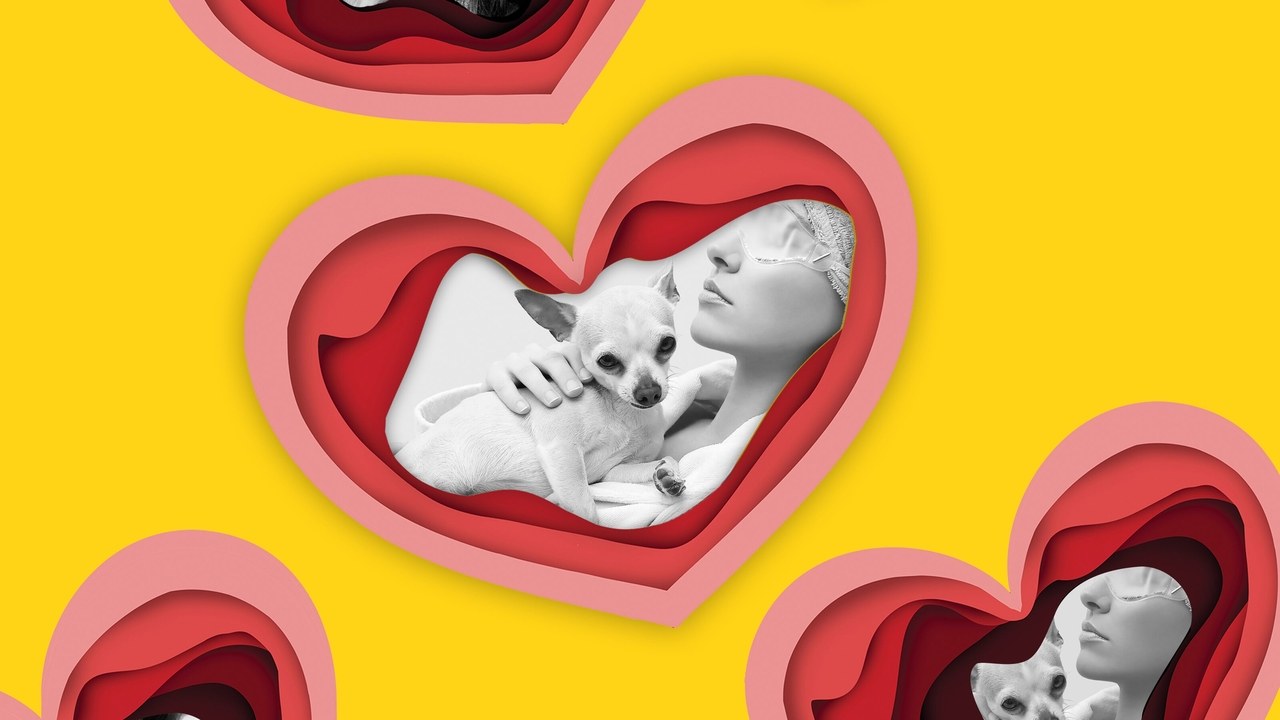
Sophie paced around the room, unnerved. She had never had this kind of treatment before and didn’t know what to do with herself. I was under the covers, face down on the massage table. But her nervousness made it hard for me to relax, which in turn made her more anxious. To calm her down, I invited her onto the table with me. She curled up and settled as I stroked her ears. “Good dog, good dog,” I whispered.

Yes, Sophie is my dog, and yes, we got a couples massage. I’ve had Sophie since 2013, and for a while it was just me and her. But in 2018, I rescued a six-month-old pup. Since Sophie hadn’t quite volunteered to share the attention I had lavished on her before with an interloper, I decided to take a trip for just the two of us. So as 2019 came to a close, we set off for Paws Up, a high-end dude ranch about two hours from where we live in Montana.

The idea was to lounge around the fireplace, spoil ourselves with steaks, and play fetch as often as the schedule allowed, but upon arrival I discovered that their spa offered something special: couples massages with your dog. My mom and I used to go for massages together on our special occasions, so I jumped at the chance to continue that tradition with my own dog-child. I called my mom to share my discovery, and in between bouts of laughter, she agreed I had to try it. We both pictured Sophie and me getting tandem rubdowns; however, the therapist explained she would work on us one at a time (with a special dog-friendly massage oil for Sophie).

It turns out Sophie and I aren’t the lone human-dog duo learning about the benefits of getting joint massages. “People started asking to bring their dogs in,” says Wisconsin-based bodyworker Tami Goldstein, who has been practicing for 15 years. During her career she’s worked with clients alongside their dogs, horses, goats, and even a 30-pound cat named Zeus. About 65% of Goldstein’s clients live on the autism spectrum disorder or have other neuro-developmental conditions and processing disorders; having an animal present can enhance the therapeutic experience. “Sometimes I can’t get to the kid right away, but if I start with their animal, we create this beautiful, melded circle of the owner, the pet, and myself working together,” she says.

Science backs up the health benefits of dog ownership in general—even the CDC thinks you should have a pet—so it’s not surprising that sharing a massage with your dog can be a rewarding experience. “There’s a substantial body of research that demonstrates the positive physical and mental impact that dog ownership has on people,” says Rebecca Greenstein, D.V.M., the veterinary medical advisor for rover.com. She specifies that physical contact with pets in particular makes our lives better, adding, “In the right context, shared massage therapy would certainly enhance the human-animal bond and be a win for everybody involved!”

At our own treatment, I felt that. At one point during the session, the masseuse who was working on me started to knead my tense shoulders, and while normally I’d be focused on the pain that comes with relieving troublesome knots, this time I was rubbing Sophie’s ears, passing that healing energy on.

“We’re electromagnetic beings: everything we do involves energy,” bodyworker Goldstein explains. Anyone with a dog knows how easily a pet can pick up on the way we feel, sometimes before we’re even aware that we’re feeling anything specific at all. This canine intuition is one of the major pluses of dog companionship: It’s proof of the infinite depths of love of which only dogs seem capable.


Source link

Categories
Health

Climate Change Parenting – How to Raise a Child at the End of the World


My two-year-old is funny and joyful and extremely cute, but she requires a lot of patience, and I am often desperate to disengage from her. I am not alone in this feeling; at any playground, as soon as parents are behind their kids, pushing them on the swings, we’re on our phones, distracting ourselves with a little Instagram-induced adrenaline rush. Anything will do the trick: friends’ selfies, Twitter jokes, even silly videos of other people’s kids. But the images of the burning Amazon and Australian wildfires that keep popping up on my newsfeed are not the sort of adrenaline rush I hope for.

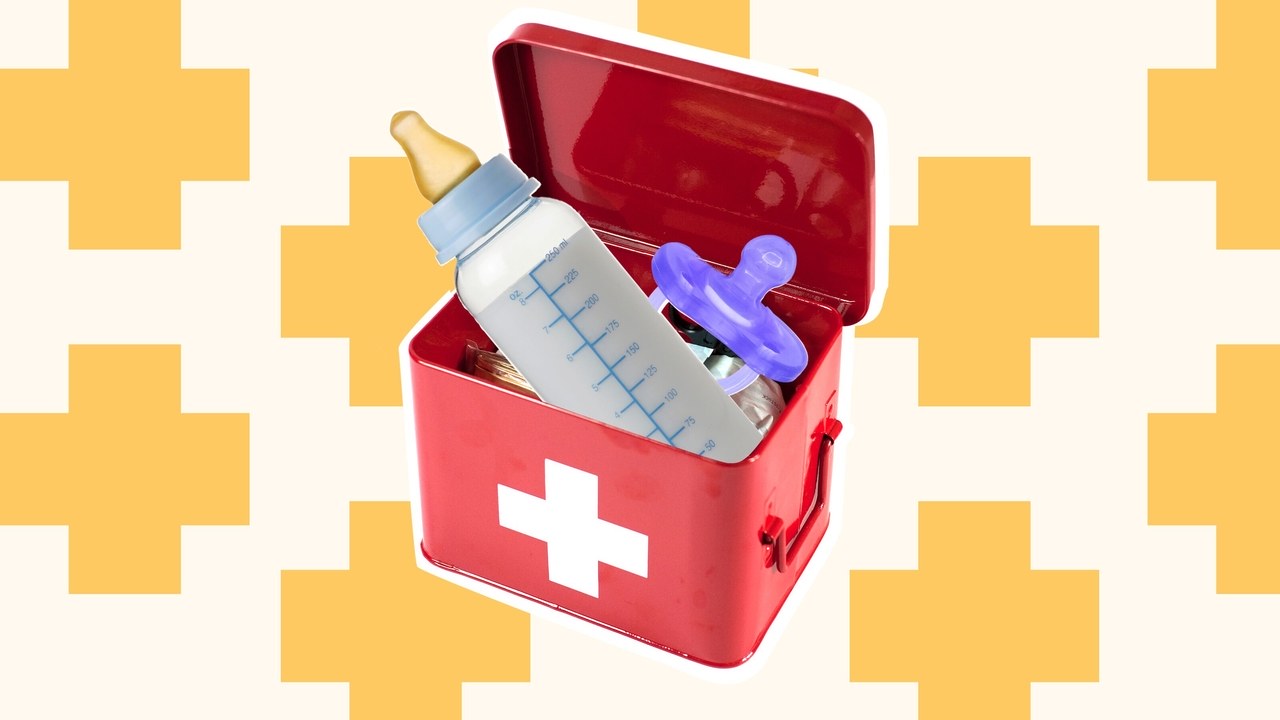
Raising a kid in this precarious moment requires both reckless denial and meticulous planning. Before our child was born, I put an emergency survival kit on the baby registry because I figured we might need to prep for the apocalypse as a family of three. My partner—not a doomsday prepper herself—was skeptical at first. But the kit I picked out was inexpensive. (At under $40, it’s a steal compared to the giant camo backpacks with their own pre-printed “HELP” signs that retail for hundreds of dollars.) It was also one of the first items to go; a younger friend picked it off the registry right away.

If it were just my partner and me, we’d head for the open road when the time came or swallow cyanide together romantically. But babies need car seats and five square meals, including two to throw on the ground, and as we prepared for our kid’s arrival, I figured we should think about what we’d need to ensure her basic survival at the end of the world in advance.

In a disaster-prep presentation at work right before the baby was born (because we have those now), we were told to keep four gallons of water on us at all times. I pictured myself holding my toddler in one arm, her folded-up crib in the other, the backpack we use as a diaper bag crammed with water jugs on my back, the cat obviously forgotten at home. It was not a comforting vision.

That’s how we ended up with our end-times kit. You register for gifts so that the kind people in your life can help you get ready for life with your child—the right car seat, the best crib, flares in case of disaster. The kit I chose is packed into a black-and-silver tin a little bigger than a deck of cards, with a Dia de los Muertos skull design for our Instagrammable escape. You can do a lot with a tampon in the wilderness, they say, like filter water or have your period for three hours, so we’ll be fine with the single one in the kit. There are iodine tablets and doll-sized fire starters that I don’t know how to use, plus bandaids, which will probably come in handy for wildfire burns. Okay, so our emergency kit is a box of bandaids. We’re all set!

It is a profound leap of faith to bring another person into the world, and it is extra profound now. Some argue that it’s irresponsible to produce another consumer as we battle climate change, a person who will probably eat beef and fly on airplanes and drive a car for 80 years.

“It’s easy to give up meat and ride my bike everywhere, but to sacrifice having a family is a big change,” my friend Carlie says. She’s a paleontologist who studies dinosaur extinction and wears an inflatable T-Rex costume at Halloween, and she’s not sure whether she and her new husband will have kids. “There’s no way I can look at what we’re doing now and say a mass extinction isn’t coming,” she says, and I groan.

Those of us who plunged ahead despite the warnings are raising end-of-the-world babies. Before she was born, I promised myself that once I had a child I’d keep the gas tank full instead of zipping around with the warning light on like I used to, daring it to hit zero before I pulled into the cheap gas station. If we needed to evacuate, I intended to be able to leave. (I know several people who have fled climate emergencies, so the scenario is not as hypothetical as I want it to be.)


Source link

Categories
Health

I Lived Like a Downton Abbey Character for 3 Days, and Now the Regular World Is Ruined


Somewhere in the English countryside last week, I was wearing a tiara worth an estimated $195,000 and gliding around a palatial manor. I’ve never been one to care about things like jewlery or clothes, but in that moment I remember thinking, “Yup, this feels right. I’m a royal now.” But then I had to take the tiara off and return to my humdrum, boring life. In what world is that fair? Where is the justice? Better yet, where is my crown?

Now that I’ve had a taste for the royal, finer things in life, I never want to go back. My tiara fitting was just one of the many opulent experiences I had while visiting Hampshire and Highclere, England, the historic locations of the Downton Abbey television series and movie, the latter which hits Blu-ray and DVD on December 17. As you know, the Crawleys aren’t royals themselves, but they did host the king and queen of England at Downton in the movie. And Highclere Castle, the setting of Downton Abbey, is itself quite aristocratic, so there really is no better place to first experience living like a lord or lady (except perhaps Buckingham Palace).

“How much does a banana cost, anyway? $10?” — me after putting on this crown. 


Source link

Categories
Health

Sara Blakely Worked at Disney World, Sold Fax Machines, and Did Stand Up Comedy All Before She Founded Spanx


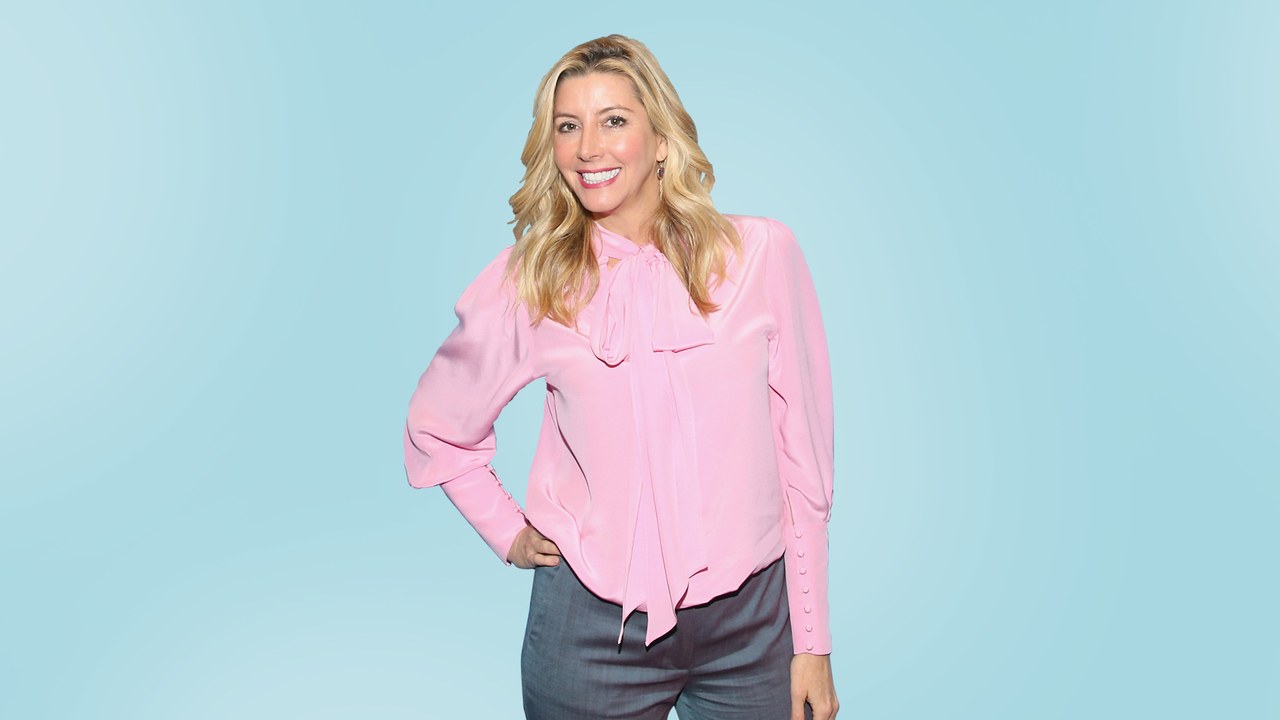
But it was very, very hard to keep my spirits, and mindset, in the right place. I would listen to motivational tapes all the time in my car—from people like Brian Tracy, Zig Ziglar, and Wayne Dyer—that would help me get the courage to step back into the next office building. I was getting escorted out of buildings by security, I was having people rip up my business card in my face a couple times a week. It was really intense. But it was laying the groundwork for Spanx. I didn’t know it at the time, but it was really laying the blueprint for me to be able to invent something the way that I did. Because while trying to get something made with no expertise, no background in it, and not knowing a single contact in the industry—I heard the word “no” a lot. But I was so trained to not let that stop me, that I think that’s really part of why Spanx exists.

Own your desire for success.

Two years before I cut the feet out of my pantyhose to solve an undergarment issue [the initial inspiration for Spanx] I had literally written down in my journal, after one really bad day of selling fax machines, “I’m going to invent a product that I can sell to millions of people that will make them feel good.” I asked the universe to deliver the idea to me. And for two years after that I still sold fax machines. Then one day I cut the feet out of my pantyhose, and thought, “Maybe this is my big idea.” So that’s how that happened. I just thought, “Okay, this might be my idea that I asked for. I’m going to explore this idea.”

Then I told myself, “This is crazy, Sara.” I mean, there are billion-dollar companies where people sit around all day thinking up new products. There must be a reason they didn’t think of this one. If it’s such a good idea, why doesn’t it already exist? I played a lot of mental tag with myself; going back and forth between, “You should give this a go.” Then, “No, you’re crazy, don’t bother.” But I continued to fight through the negative self-talk and the self-doubt. And I think so much of that was listening to people talk about how to control your own mindset. But that doesn’t mean I never have moments of doubt. I’m 20 years into my Spanx journey. I still have those thoughts.

Believe in yourself, even if nobody else does.

When I started my company, I’d reach out to hosiery mills—which were all run by men—asking them to manufacture Spanx. I called them all on the phone at first, and they all pretty much gave me the run around. So I took a week off of work and drove around to all these manufacturing plants that were all mostly concentrated in North Carolina. I had my lucky red backpack from college with me, and I would walk in, and they would always ask me the same three questions. They would always say, “And you are?” And I would say, “Sara Blakely.” And they’d say, “And you’re with?” And I’d say, “Sara Blakely.” And then they’d say, “You’re financially backed by?” And I’d say, “Sara Blakely.”

Some of them would just escort me out and say, “We’re not interested.” But the way that I handled it was that I used very definitive, confident language. If you’re only given 30 seconds or a minute to try to make your pitch, you need to also figure out how you can make it about who you’re presenting your idea to, and what’s in it for them. So I did that all along the way of my journey. I would say, “I’ve invented a product that’s going to definitively change the way women wear clothes. It’s going to end up becoming an enormous program for you. You have to give me the chance for this to happen. I have total confidence that you’ll end up getting a great amount of business from making this decision.”

This interview has been edited and condensed.

Samantha Leach is the associate culture editor at Glamour. Follow her on Twitter and Instagram @_sleach.


Source link