Categories
Health

Normani Just Commented on Camila Cabello’s Past Racist Posts for the First Time


Normani just broke her silence on Camila Cabello‘s past racist social media posts, which the “Havana” singer apologized for last year. (The two performed in the pop group Fifth Harmony together from 2012 to 2016.)

“I want to be very clear about what I’m going to say on this uncomfortable subject and figured it would be best to write out my thoughts to avoid being misconstrued, as I have been in the past,” she told Rolling Stone magazine. “I struggled with talking about this because I didn’t want it to be a part of my narrative, but I am a black woman, who is a part of an entire generation that has a similar story.”

“I face senseless attacks daily, as does the rest of my community,” she continued. “This represents a day in the life for us. I have been tolerating discrimination far before I could even comprehend what exactly was happening. Direct and subliminal hatred has been geared toward me for many years solely because of the color of my skin.”

“It would be dishonest if I said that this particular scenario didn’t hurt me,” she said, referring to Cabello’s past posts and also online bullying she experienced from fans during the Fifth Harmony days. “It was devastating that this came from a place that was supposed to be a safe haven and a sisterhood, because I knew that if the tables were turned, I would defend each of them in a single heartbeat. It took days for her to acknowledge what I was dealing with online and then years for her to take responsibility for the offensive tweets that recently resurfaced. Whether or not it was her intention, this made me feel like I was second to the relationship that she had with her fans.”

Normani added, “I don’t want to say that this situation leaves me hopeless because I believe that everyone deserves the opportunity for personal growth. I really hope that an important lesson was learned in this. I hope there is genuine understanding about why this was absolutely unacceptable.”

Cabello was called out in 2019, when a Twitter user posted a thread of screenshots allegedly from her old Tumblr account that showed her using racially insensitive language and reblogging a number of racist and xenophobic tropes and images.

“When I was younger, I used language that I’m deeply ashamed of and will regret forever,” Cabello wrote in December 2019, referencing the posts. “I was uneducated and ignorant and once I became aware of the history and the weight and the true meaning behind this horrible language, I was deeply embarrassed I ever used it.”

“I apologized then and I apologize now,” Cabello continued. “I would never intentionally hurt anyone and I regret it from the bottom of my heart. As much as I wish I could, I can’t go back in time and change things I said in the past. But once you know better, you do better and that’s all I can do.”

Cabello added, “I’m 22 now, I’m an adult and I’ve grown and learned and am conscious and aware of the history and the pain it carries in a way I wasn’t before. Those mistakes don’t represent the person I am or a person I’ve ever been. I only stand and have ever stood for love and inclusivity, and my heart has never, even then, had any ounce of hate or divisiveness.”
Source link

Categories
Health

Donald Trump's Attacks on Congresswomen Are Racist and Sexist. Ignoring That Is a Mistake We Can’t Afford


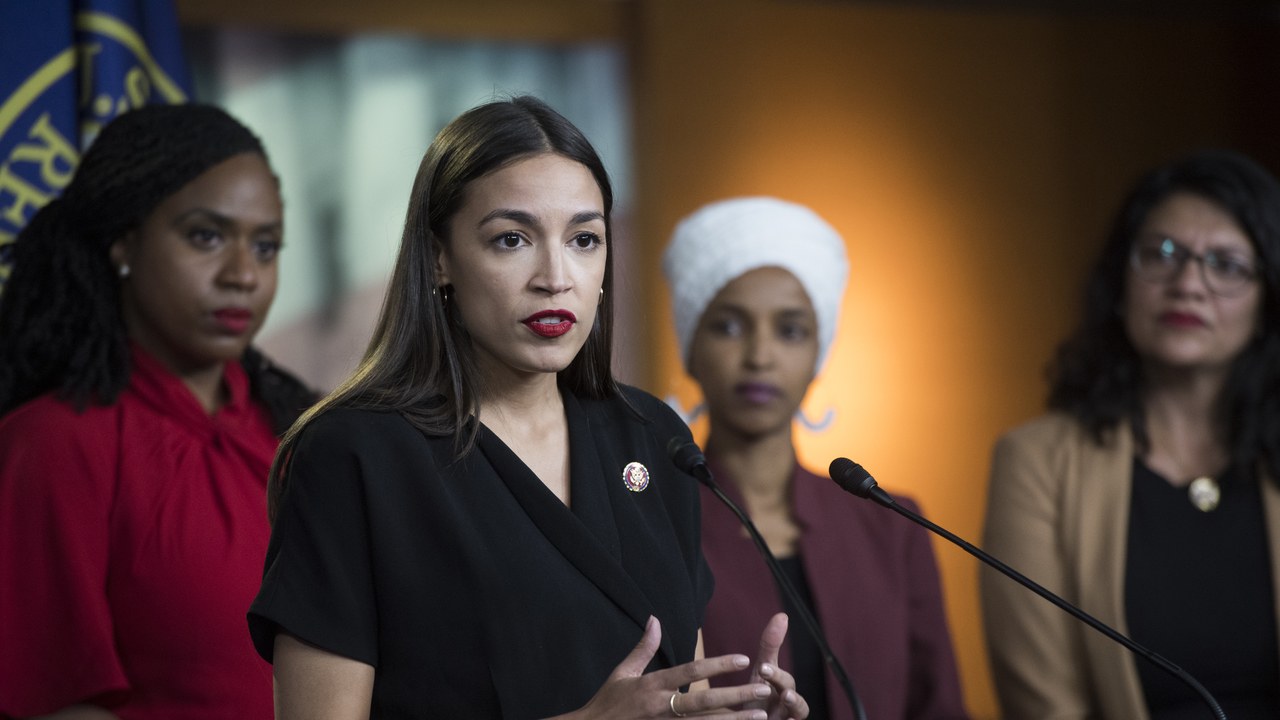
Donald Trump is spending his week doubling down on his racist suggestion that four Democratic lawmakers—Reps. Alexandria Ocasio-Cortez of New York, Ilhan Omar of Minnesota, Ayanna Pressley of Massachusetts and Rashida Tlaib of Michigan—should “go back” where “they came” from. Last night, he presided over a crowd in North Carolina that at one point chanted “Send her back!” in reference to Omar. At times, when Trump mentioned the women, people in his audience shouted “Treason!” and “Traitors!”

It’s utterly irrelevant to Trump and his supporters that three of four of the women were born in the United States and that the fourth, Omar, immigrated from Somalia as a child and has spent more than half her life as a citizen. In focusing attention on these particular women, Trump activates the well-documented passions and fears of his supporters, people demonstrably threatened by the browning of America. But, he also activates the disgust and repugnance that too many people feel about women claiming power and authority, particularly the power and authority to decide what America is and should be. It would be a foolish and dangerous mistake, particularly as we move towards a presidential election in which more women than ever are candidates, to ignore the confluence of these prejudices.

Trump’s “go back” dictate makes an assumption about who “real Americans” are, and research shows he’s not alone in his warped thinking. For most of our history, the notions of “citizenship” and “manhood” have been as inextricably linked in most people’s minds as “American” and “white” are. Only in our recent past have minorities and women been extended rights, like the freedom to vote, to run for office, to bear arms, to serve in juries, and to work, as elite white man have since independence. Studies show even now, in the words of one social science researcher, that “to be American is implicitly synonymous with being White.” In the same vein, many people’s explicit, and implicit, belief systems continue to support the notion that men are “natural” leaders, but that women are not; that men serve in public capacities, and women private ones. Trump appeals to the specific combination of these beliefs to undermine women as not only incapable of self-governance, but as unfit to govern others. That’s the hateful core of this latest diatribe; people like them aren’t suited to tell people like us what to do.

Trump’s casual “go back” is a dogwhistle to racists and xenophobes but it also reinforces age-old biases against the rise of a “feminized elite.” Women who are educated and progressive, the old chestnut goes, are dangerous to men and to the nation. This tired equation allows Trump’s most extreme supporters to rationalize threats against women as legitimate act of patriotism and renders violence against them a form of twisted self-defense. Trump’s campaign rallies were frenzied carnivals of this misogynistic idea, with thousands of mostly white Americans chanting “lock her up” and parading around effigies of a caged Hillary Clinton. It’s how a West Virginia Republican lawmaker tweeted, “she should be ’hung’,” and another proclaimed, “Hillary Clinton should be put in the firing line and shot for treason.” One of Trump’s supporters was particularly clear when he explained, during the 2016 race that “Hillary needs to be taken out“ and that he was prepared to do it himself. “[I[f I have to be a patriot, I will,“ he said. The same ideas were more subtly conveyed when, earlier this year, a video was aired during a Memorial Day Fresno-Grizzlies game in which Ocasio-Cortez was depicted as an “enemy of freedom“ alongside Kim Jong Un and Fidel Castro.

But Trump isn’t just content to question women’s patriotism. He also impugns their expertise and knowledge. The charge that people of color and women “don’t understand” the complicated affairs that animate our national discourse is a popular right-wing talking point drawn from racist and sexist science. It suggests that people of color and women lack the intellectual capabilities and emotional wherewithal to lead. Of course, that means that women of color who work in the public sphere are special targets of these attacks. A Media Matters supercut of Fox News’s coverage of AOC, for example, demonstrates the network’s near-obsession with portraying her—a woman with a degree in economics and the recipient of a fellowship awarded to high academic achievers—as “ignorant,” “idiotic,” and someone who “doesn’t know what she is talking about.” She is, the hosts emphasize, a “pompous little twit,” who “makes no sense.” In a similar vein, Trump has referred to black athletes, politicians, and media representatives as “low IQ individual[s]” and “dumb.”


Source link

Categories
Health

The Dress Code, Aimed at Parents, at a Houston High School Is Being Called Out as Racist


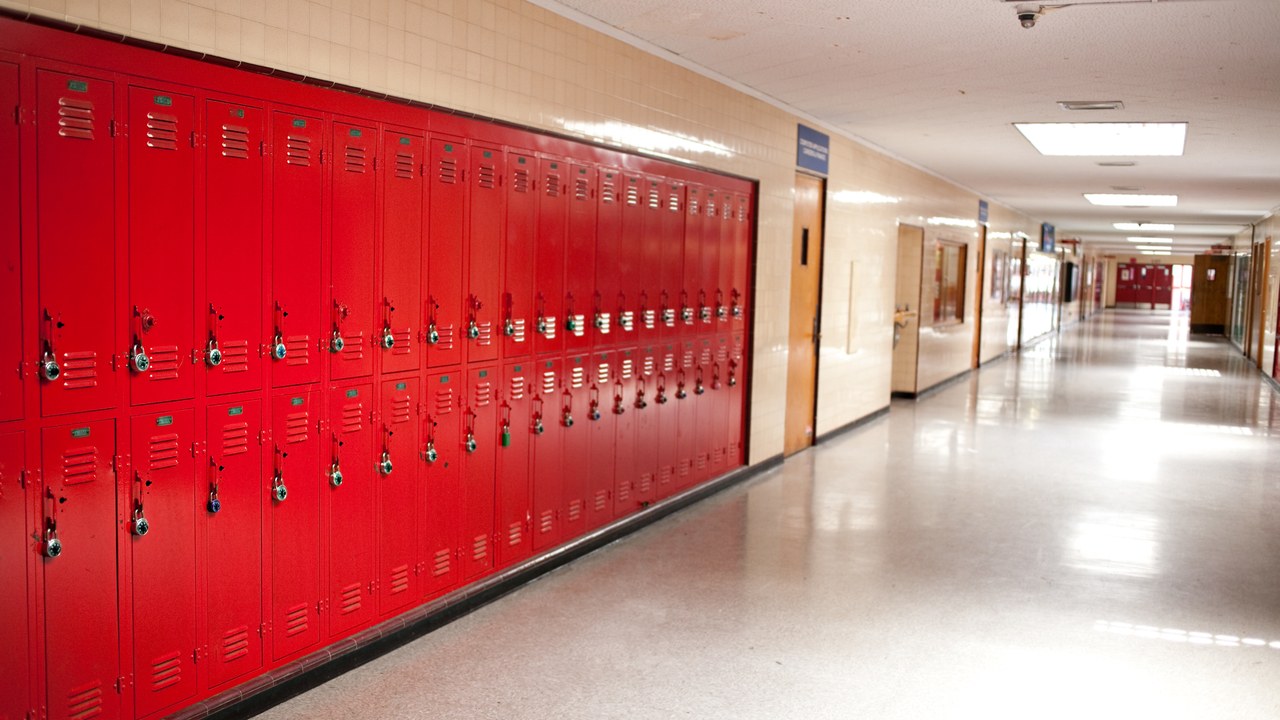
This week, Madison High School in Houston instituted a new dress code policy—for parents.

Principal Carlotta Outley Brown sent a letter to parents on April 9 in which she outlined the new guidelines, and the stipulations immediately struck both local leaders and activists on social media as racist.

“No one can enter the building or be on the school premises wearing a satin cap or bonnet on their head for any reason,” Outley Brown wrote. “You also cannot wear a shower cap of any kind in the building.” In addition, the school banned: hair rollers, “pajamas of any kind,” jeans that are ripped to show too much skin, “leggings that are showing your bottom and where your body is not covered from the front or the back,” low-cut or revealing tops, “sagging pants,” and short-shorts and mini-dresses.

The rationale, according to Outley Brown’s letter? “To prepare our children and let them know daily, the appropriate attire they are supposed to wear when entering a building, going somewhere, applying for a job, or visiting someone outside of the home setting.” If the parents don’t follow the rules, she added, they will not be allowed inside the building. The Washington Post reports that the incident that spurred action from the school was a parent who arrived in a T-shirt dress and headscarf.

The outrage was swift; the new guidelines reek of racial undertones and class bias. Women of color in particular wear head wraps and scarves either as an aesthetic choice or a part of their haircare routines. “Having body parts exposed is one thing. Turning someone away because their hair’s in rollers…is a little ridiculous,” Zeph Capo, president of the Houston Federation of Teachers told CNN. “This is an issue of a principal issuing a dictatorial edict rather than having substantive conversation. Some of that stuff seems a little classist.”

On social media, the reaction was just as harsh, with parents pointing out that the dress code implies that some parents are better or more “appropriate” than others, simply on the basis of what they wear. “On today a high school in Houston, TX set this dress code for PARENTS. The other photo is the Principal who set the new rules,” activist Leslie Mac wrote on Twitter. “Reminder you can be Black and still create, write, enact & enforce anti-Black policies. nothing going wrong in that school has any connection to bonnets.” (Principal Outley Brown is African American.)

“I have on one of these banned items nearly every day at drop-off and often at pick-up. Am I not mom? Am I not a mother who kids in the school community should respect or even admire? This is the most racist/classist ish ever,” writer and activist Jamilah Lemieux tweeted. “No one would ever create such a dress code for class mobile moms who often wear the same sort of stuff, and the fact that so many of y’all are okay with the idea of instituting rules that are exclusive to folks that are/perceived to be poor or “low class” is just….”

As the dress code story went viral, others agreed.

The bottom line is parents who want to participate in their children’s education and be present at school shouldn’t be punished for aesthetic choices that a principal doesn’t agree happen to agree with. And when a set of policies seems to penalize black women in particular, that should raise a particular alarm.


Source link

Categories
Health

Oprah Winfrey Fires Back at Racist Robocall Targeting Stacey Abrams


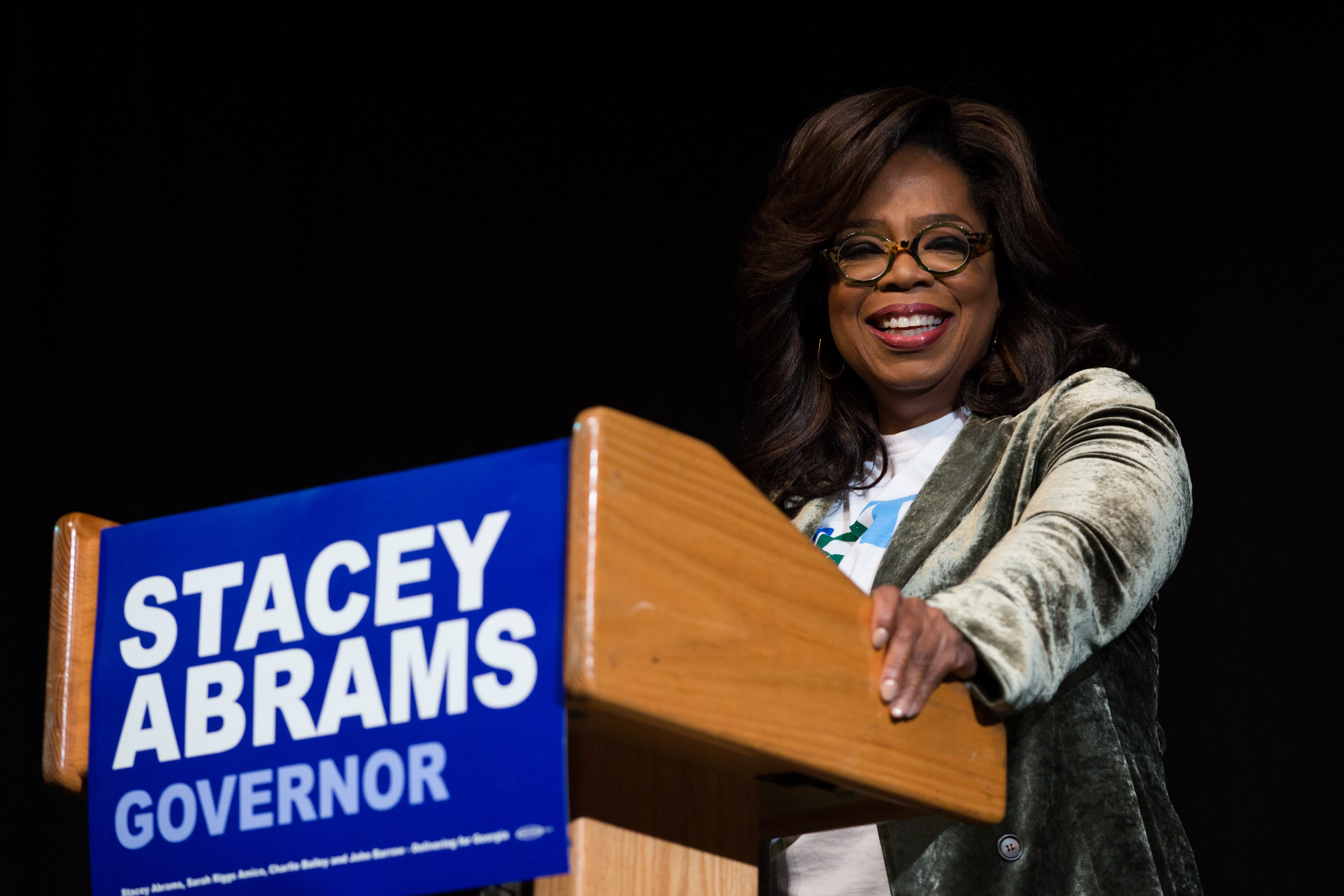
Oprah Winfrey has taken the midterm cycle into her own hands this year, rolling up her sleeves and knocking on doors to get voters to the polls. She surprised some lucky Georgians earlier in the week by canvassing for Stacey Abrams, who could become America’s first black female governor if she beats out Republican candidate Brian Kemp.

However, just after Winfrey gave Abrams a boost, a racist robocall went out to voters in Georgia. In the recording, a male voice pretends to be Winfrey and makes several racial slurs. But Winfrey quickly responded: She went on Instagram and clapped back, letting the world know that nothing was going to stop her from encouraging people to make their voices heard.

“I heard people making racist robocalls in my name against Stacey Abrams, who I am 100 percent for in Georgia,” she said. “I just want to say: Jesus don’t like ugly. And we know what to do about that. Vote.”

In the video, Winfrey wears a shirt with bright letters that spell the word vote. She captioned the post, “The antidote to Hate… VOTE your love!”

The call seems to have been funded by theroadtopower.com, a white supremacist group that recently also targeted Florida candidate Andrew Gillum. In it, the Oprah impersonator refers to Abrams as a “poor man’s Aunt Jemima” and says she will trick white women “especially fat ones” to vote for her. A recording of the call was posted widely on social media and lambasted for its offensive, racist language. It has also been condemned by several politicians and celebrities.

Still, the call wasn’t going to get in Winfrey way. She’s still making sure voters know how important turnout is, especially because today is Election Day. Winfrey has been such a powerful organizer that many people believed she could be a candidate in 2020. While she’s said she won’t be running, she’s shown she still a forced to be reckoned with in the political arena.

MORE: In a Record-Breaking Election Year for Women, Here Are the Races to Watch


Source link

Categories
Health

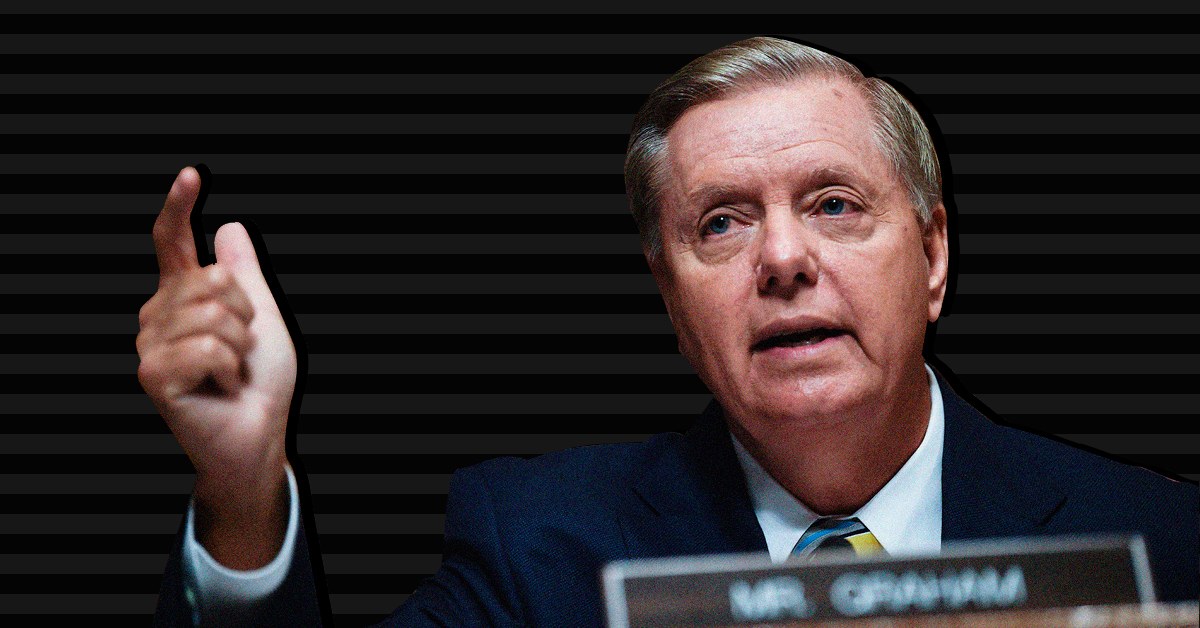
Sen. Lindsey Graham's Racist and Islamophobic Comment About Iran Re-Traumatized Me


If the past month is any indication, it’s that Sen. Lindsey Graham (R-S.C.) just doesn’t get it. He’s supported men who are accused of sexual assault (fighting furiously to move forward the confirmation of now-Supreme Court Justice Brett Kavanaugh), waved his subscription to the Old Boys Club in our faces with his contempt for women, and on top of all that, I believe he just proved he is a racist bigot in the most casual of ways.

On Tuesday, Graham made an appearance on Fox & Friends to discuss Sen. Elizabeth Warren’s (D-Mass.) recent DNA tests proving she has Native American ancestry—an already racially sensitive topic due to the tokenization of indigenous people for political gain. In banter back and forth with the hosts about his plan to also take a DNA test, Graham said it would be “like, terrible” if the results showed he had Iranian heritage.

The senator said these words on live television, encouraging the already conservative audience to go forth with their biases and micro-aggressions against “eye-rain-ians.” While many instances of bias usually need to be decoded, this one was pretty straightforward.

When Graham says being Iranian is, “like, terrible,” it sounds to me like he’s saying he is better because he is white. It’s a loud and clear reminder that no matter how successful and accomplished I—an Iranian-American woman—become, how American I may feel, I am still considered a minority in this country. And now, because my parents are also Iranian, I’m “terrible.”

Not that there is much to be expected from a white South Carolinian man whose comments in the past have highlighted white male anxiety and privilege. (In a speech, he once said that white men in male-only spaces would do great under a Graham presidency.) But it must be said that this insult stands to re-traumatize Iranian-Americans and even those who follow Islam. Graham’s comment was a play on the same Islamophobia the president dabbles in, and in the larger scheme, the kind that demonized anyone from the Middle East after the terrorist attacks of September 11, 2001.

For me, that phobia hit home. I remember it very clearly. I went to the same predominantly white, Southern school from kindergarten until I graduated high school—the one Iranian-American Muslim student. With my dark curls and impossible to pronounce name, I never felt I belonged. I got picked on for my thick brows and the homemade lunches my mom lovingly packed. And after 9/11, I was constantly asked if I was a terrorist. I was only 11 years old.

Like most middle schoolers, I just wanted to fit in. I made it a mission to whitewash myself by straightening my hair until it was damaged and dressing in the same preppy clothes my classmates owned. It still wasn’t enough. I remember begging my parents to give me an American name, one that my teachers wouldn’t butcher after awkwardly pausing on the roster. They would answer, “You have the most beautiful name; it means liberty, freedom. You are free.” I didn’t feel free. There was this deeply rooted anxiety I felt every single morning I walked into school. By the end of high school, I was tired of minimizing myself. Realizing I wouldn’t have to see these people who traumatized me for years, I stopped trying to hide who I was, and slowly reconnected with my roots. I eventually made it to New York and pursued my master’s degree in journalism at Columbia. The first line to my admissions essay was from the late travel writer, producer and chef Anthony Bourdain: I am so confused. It wasn’t supposed to be like this. Of all the places, of all the countries, all the years of traveling, it’s here in Iran, that I am greeted most warmly by total strangers.

I have been able to stay focused and compartmentalize how I react to news that personally affects me—the Muslim travel ban, controversial Supreme Court nominations, the disregard of climate change, and of course, threats to silence the free press. But it wasn’t until I saw Graham’s comments on my Twitter timeline that something triggered inside me. That same anxious feeling that haunted me in the school halls crept back. I cried as I listened to those words, and I cry as I write this now. In an instant, I felt so belittled and powerless. These are the same comments I heard for years, in the same accent no less, from my classmates. I felt even sadder thinking about all the other Azadehs out there who are hiding from their roots because they’re ostracized for something they can’t control. For being an American that looks different from Graham.

I actually agree with Graham: It would be terrible for someone on his level of ignorant bigotry and racism to be Iranian. But on the bright side, his time is running out. He makes these comments out of ignorance and fear that an intolerant America will not endure. And he’s right. There is a new generation of young voters coming in and an outstanding number of fearless women whose votes next month are going to help right the currently failing course of history this great nation is straying on.

Sen. Graham, I hope someday soon you decide to take a step forward and get to know one of the undoubtedly incredible Iranian-Americans you cross paths with. I hope you realize it’s an honor to come from a rich heritage and become enlightened by our hospitality. Most of all, I hope you realize that any bad leadership you may be referencing in Iran does not speak for us or our values—just as our current administration here doesn’t speak for the majority of great Americans in this country.

You shouldn’t throw stones if you live in a glass house.


Azadeh Valanejad is a writer and video producer at Glamour. You can follow her on Instagram and Twitter @azaxdeh.

MORE: Kelly Marie Tran Wrote a Powerful Essay About the Racism She Experienced After Star Wars


Source link

Categories
Health

Khloé Kardashian Shouldn't Have to 'Block Out' Racist Remarks About True


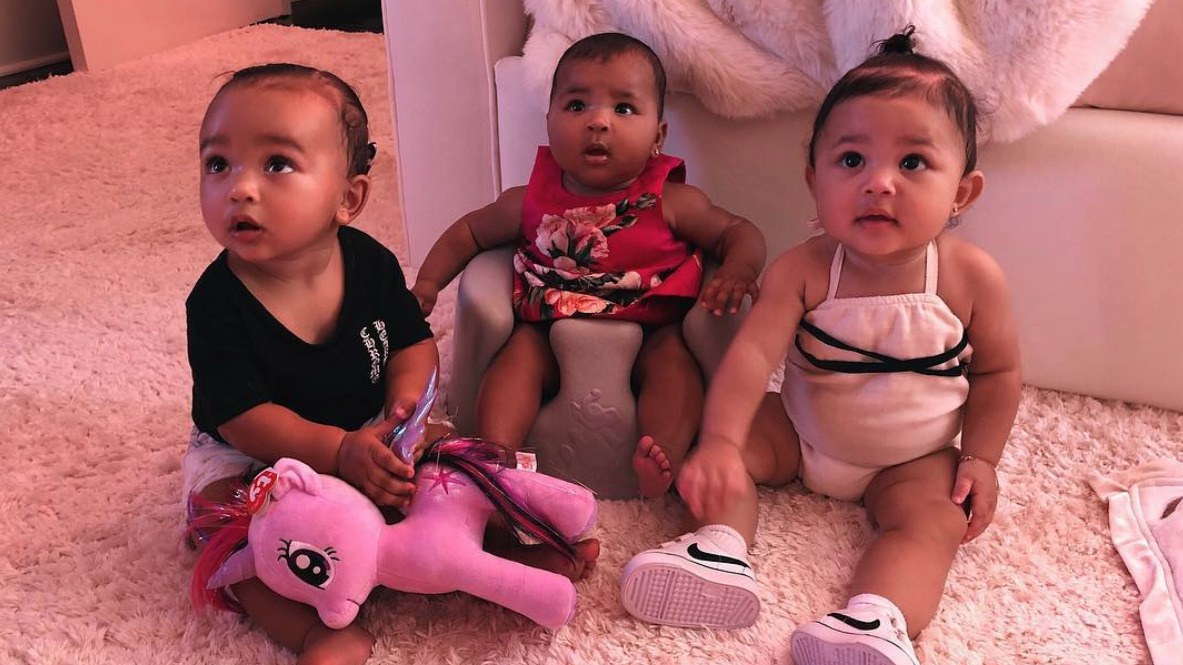
If you’ve spent any time on the Internet in the past week, you’ve likely seen the photo Kim Kardashian West shared of she and her sisters’ “triplets”: infant cousins Stormi Webster, True Thompson, and Chicago West. What should have been a sweet family moment—it was the first time all three infants have been pictured together—immediately derailed into a conversation about the toxic effects of colorism.

Not even minutes after the photo went up, commenters flocked to the image to critique and rate how the babies—babies!—looked. Or, more specifically, to share their discontent over the fact that True lacks the stereotypical biracial characteristics her cousins possess. The consistent underlying thread: She’s cute but “too dark.”

Khloé eventually closed comments on the photo to block her family from the racist abuse. And this morning, she took to Twitter to respond, assuring fans and haters that she was “blocking out the white noise.”

Although vile, the issue here is not solely about sexualizing, projecting and critiquing the desirability of a five-month-old baby, but the perpetuation of colorism. Even though Khloé’s wealth will insulate True, the fact is that her darker skin tone will be a factor in most of her interactions for the rest of her life—with school, with jobs, with dating, and with the value society places on her.

Colorism is nothing new; the 300-plus year experiences of darker-hued people around the world didn’t have a name until author Alice Walker coined the term in her 1983 book of essays, In Search of Our Mothers’ Gardens. In the book, she explicitly defines colorism as “prejudicial or preferential treatment of same-race people based solely on their color.” (Historically speaking, lighter skin was a currency used to gain social status and class progression, and in times of enslavement, freedom.) In layman’s terms: the lighter a person of a non-white race is, the better they’re perceived and treated.

Today, colorism is still particularly insidious in film, fashion, and beauty—industries predicated on appearances. From pay disparities between models and actresses to being completely cast aside for possessing broad African features, women of color who fall on the lighter end of the spectrum are afforded more opportunities.

As a model, I’ve been on countless sets where I’m the only black person, yet the shoot is supposed to be about diversity. I’ve been told that I don’t fall within the borders of an “all-American aesthetic.” And I’ve been interrogated multiple times about my race at castings. Even still, I’m a fair-skinned black woman with freckles and looser curls. So I understand how my privilege allows me to move and show up in spaces where models that look like Duckie Thot and Leomie Anderson have not been able to access. (Both the Fenty Beauty star and Victoria’s Secret model have talked at length about the fact that light-skinned women of color get more work than dark-skinned models.)

In Hollywood, lighter actresses such as Amandla Stenberg, Yara Shahidi, and Tessa Thompson usually fare better with role diversity than women like Viola Davis or Octavia Spencer. Spencer, an Oscar winner, just recently shared that she had to have her contract tied to actress Jessica Chastain’s in order to make five times her normal salary.

Even in outside industries, studies show that white employers are more likely to view lighter candidates as more qualified than their darker peers, creating a wage gap that goes deeper that just race and/or gender. Darker women of color lack wealth just from skin color alone regardless of educational background or achievement.

This, of course, in no way dismisses the ways white people themselves fall victim to their own beauty standards. Khloe Kardashian, who’s faced public vitriol for being the “ugly one” because never held the softer, whiter features of her sisters, has augmented her appearance to ascend to the level of mainstream beauty her sisters have attained—like getting fillers, for example. Even still, it seems fans fans neglected to consider both she and Tristan Thompson’s features and assumed True would be born in the likeness of her older cousins.

What people need to understand is that black people, multiracial or otherwise, come in a gradient of shades and tones. Mixed-race children are not always born with lighter skin, hazel eyes, or loose, sprightly curls. They should be loved and protected—period—and allowed the ability to embrace their full selves without being socialized into resenting a part of themselves that is rich in history and culture.

Related Stories:
Meghan Markle Reveals What It’s Like to Be a Biracial Woman in Hollywood
Makeup for Melanin Girls Isn’t Just Making Products for Women of Color. It’s Listening to Them.
Khoudia Diop: I Want to Show Women It’s Not ‘Bad’ to Be Dark


Source link