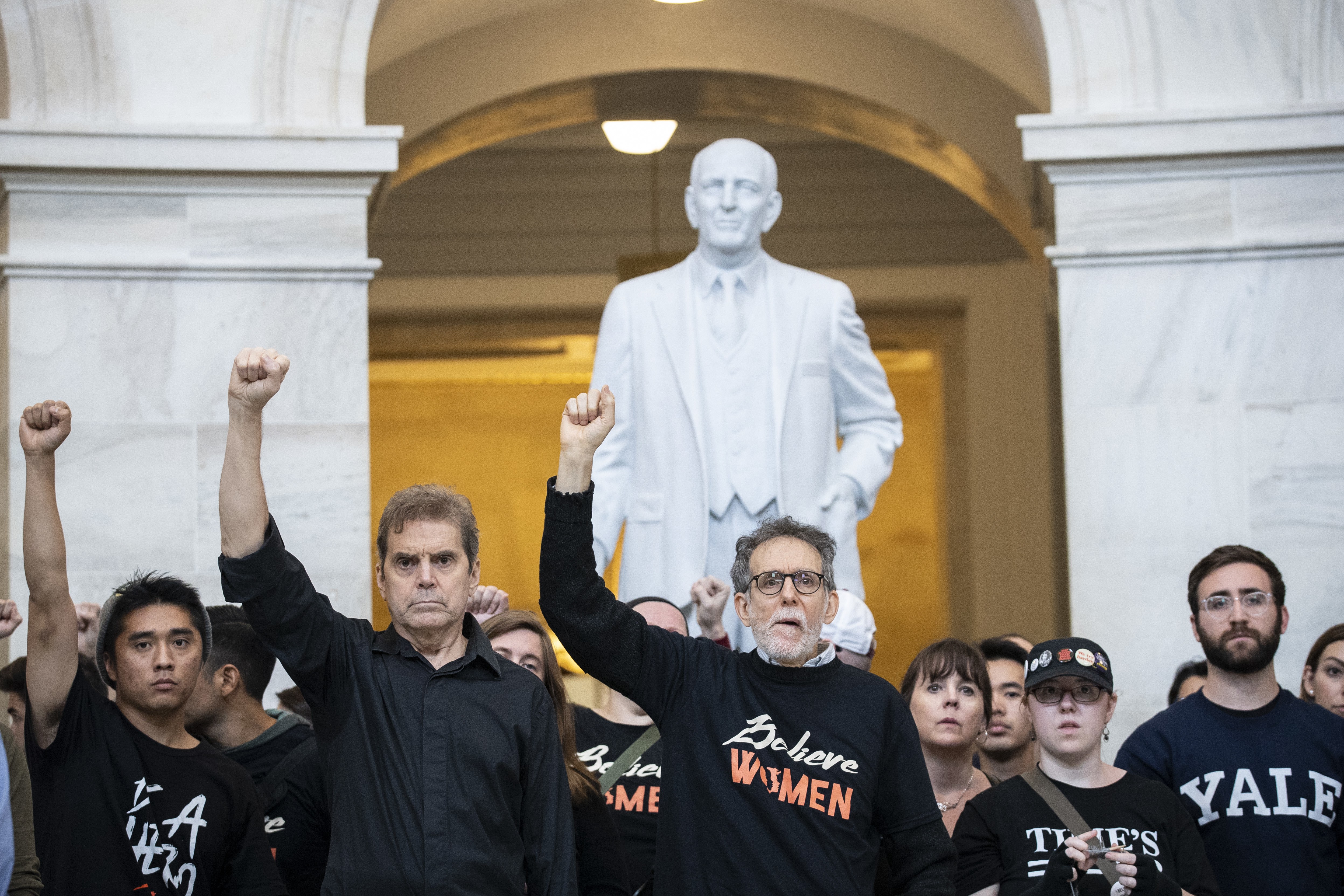
On Thursday Christine Blasey Ford will testify in front of the Senate Judiciary Committee about the allegations that Supreme Court nominee Brett Kavanaugh sexually assaulted her in 1982. Women around the country have taken to social media over the past week to voice their support of Ford, even staging the National #BelieveSurvivors Walkout on Monday.
Now it’s time for the men to step up.
Today’s New York Times features a full-page ad with the headline, “We believe Anita Hill. We also believe Christine Blasey Ford,” plastered along the top. The ad echoes one placed in the paper back in 1991 when 1,600 African American women in support of Anita Hill—the law professor who testified during the Clarence Thomas nomination hearings—banded together to buy the ad, “African American Women in Defense of Ourselves.”
The ad was crowdfunded in an initiative started last Friday by Meena Harris, founder of the Phenomenal Women Action Campaign, and Alicia Garza, cofounder of the Black Lives Matter Global Network. Their goal was to raise $100,000. Currently, their fund-raising page notes that over $134,000 has been donated. (The page notes that excess funds will go to Futures Without Violence, a group dedicated to ending violence against women, children, and families around the world.)
“I had been very inspired by the story of the 1,600 black women who came together in 1991 to take out a full-page ad in The New York Times,” Harris (who also happens to be the niece of California Senator Kamala Harris) told Mic.
“We’ve asked men to step up [and sign], so it’s not only the burden of women to do this,” she continued.
The full text of the ad references its inspiration, as well:
Twenty-seven years ago, on November 17, 1991, 1,600 black women joined together and placed a full-page ad in The New York Times to support Professor Anita Hill when she faced backlash for accusing Justice Clarence Thomas of sexual harassment. They called it, ‘African American Women in Defense of Ourselves.’ Today we follow in the footsteps of those courageous women.
We are 1,600 men who now stand behind both Professor Anita Hill, as well as Dr. Christine Blasey Ford, because we believe them. As men who are allies in the fight to end violence and harassment against women and girls, we write to express our strong support of Dr. Christine Blasey Ford for her willingness to speak out publicly and testify before the Senate about the sexual assault that she says was perpetrated against her by Judge Brett M. Kavanaugh.
We believe survivors, and we call on all men of good will to stand with us to ensure that Dr. Blasey Ford’s story is carefully and fully examined without bias or prejudice. It is imperative that the politics of this moment not discolor the facts. Justice demands that both Dr. Blasey Ford and her story be treated fairly, impartially, and with respect.
Too frequently, survivors of sexual assault are forced to suffer in silence. Those that choose to speak out often face backlash, skepticism, and ridicule. As we’ve seen once again the last few weeks, that kind of virulent backlash is most acutely on display whenever those accused of misdeeds are powerful men. If appointed to the Supreme Court, few men would be more powerful than Judge Kavanaugh.
We are a group of men with varying political and legal views. But we each believe women should no longer have to carry these burdens alone.
For decades, a culture of misogyny has allowed men to act with impunity and without consequence. We demand an end to that culture, and we pledge to do our part in dismantling it. That’s why we are speaking out today in favor of a just process, and for the rights of women like Dr. Blasey Ford to be heard fully, fairly, and with respect.
In the words of Anita Hill, ‘There is no way to redo 1991, but there are ways to do better.'”
Male allies are also sharing the ad and its message across their social media platforms.
This year has already been heralded as a year that women have made unprecedented gains when it comes to the number of female candidates leading up the November’s midterm elections.
But the surge isn’t limited to women—there have also been increased numbers of people of color and first-time candidates running. And now that wave has placed white men in the minority for one of the very few times in political history when it comes to Democratic house races, a new analysis from Politico finds.
According to the report, women in the Democratic Party have secured 180 House nominations this election cycle, up from the previous record of 120, according to Rutgers’ Center for American Women and Politics. Additionally, there are 133 nominees of color, and 158 first-time candidates (some of these categories overlap with one another).
A groundswell of women began showing interest in running for office following the 2016 presidential election, and they have made history at all levels of government. Some key records include an all-time high for female governor candidates and U.S. Senate nominees running in a single year.
To add to it all, women have been pulling off stunning wins, particularly in House primaries. Alexandria Ocasio-Cortez shocked most of the country when she beat 10-term incumbent Joe Crowley in New York’s Fourteenth District and Ayanna Pressley followed suit in Massachusetts when she defeated another 10-term incumbent, Mike Capuano, a surprise to no one watching her political career. These wins bode well for other progressive candidates who represent a buck in the political status quo.
The midterms are still weeks away, so it remains to be seen how increased diversity in the candidate pool will actually affect final races. Women and people of color make up less than 20 percent of lawmakers in the 115th Congress—and that means there’s still so much more room to make the government look reflective of the people it represents.
In a pivotal election year, Glamour is keeping track of the historic number of women running (and voting) in the midterm elections. For more on our latest midterm coverage, visit www.glamour.com/midterms.
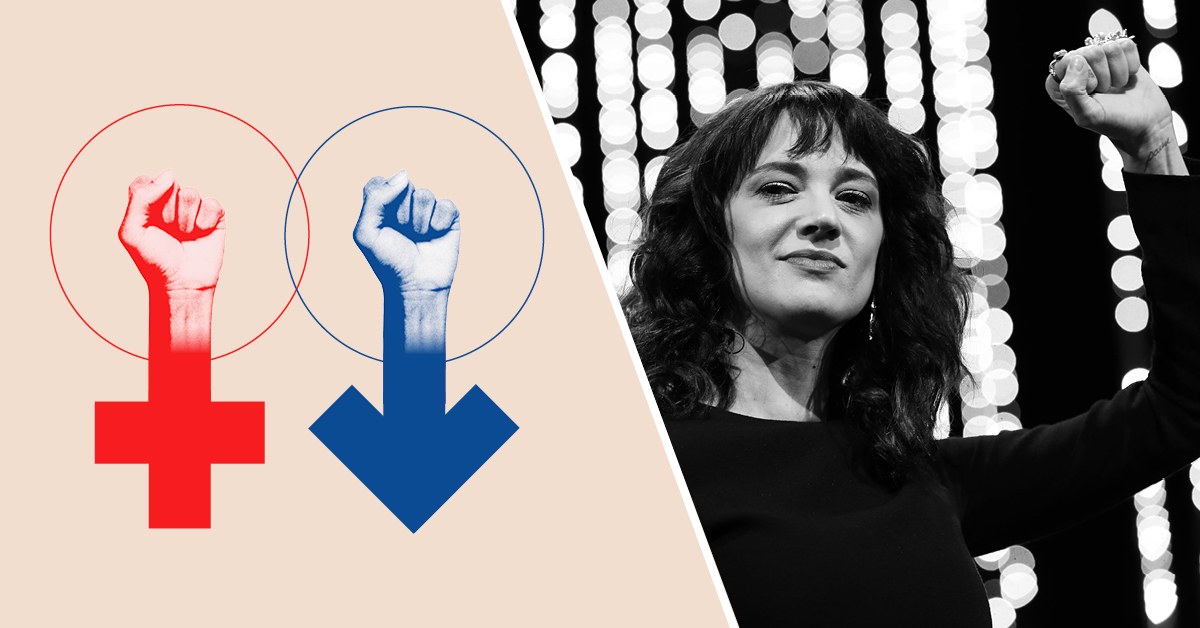
In May, director and actress Asia Argento took the podium at the 71st Cannes Film Festival to shake the table. “In 1997, I was raped by Harvey Weinstein here at Cannes. I was 21 years old. This festival was his hunting ground,” she explained. To anyone in attendance who had mistreated women, Argento declared, “You know who you are, but, most importantly, we know who you are, and we are not going to allow you to get away with it any longer.”
Argento, who six month’s earlier had detailed her experience with Weinstein in a bombshell story in The New Yorker, was a well-established voice in the #MeToo movement. But now she’s joined the list of the accused; The New York Times reported that the actress “quietly arranged to pay $380,000 to her own accuser: Jimmy Bennett” and quoted documents that alleged that Argento sexually assaulted Bennett, an actor and musician, in a California hotel years ago. Bennett was only two months past his 17th birthday at the time; Argento was 37. (The age of consent in the state of California is 18.)
Bennett declined to be interviewed by the Times, but in a statement to CNNafterward, he acknowledged that he delayed speaking out about the incident in hopes to handle it privately. The truth is, most men are forced to handle assault or harassment “privately”—men are not allowed to be victims. In fact, men praise boys when they are sexually assaulted by older women. It’s embedded in our slang (cougar, MILF), and our pop culture influencers. It’s why Chris Brown, in a 2013 interview with The Guardian, proudly declared that he lost his virginity at age 8. (“It’s different in the country,” the Virginia-native said to justify the actions of the teen girl. “So, at 8, being able to do it, it kind of preps you for the long run, so you can be a beast at it. You can be the best at it.”)
If we want men to be a part of the #MeToo movement, we need to acknowledge that they, too, can be victims.
It’s why Terry Crews, who came forward in October and publicly accused a Hollywood executive of groping him, was mercilessly mocked by rapper 50 Cent on Instagram. (In front of a Senate Judiciary Committee hearing for the Sexual Assault Survivors’ Bill of Rights in June, Crews discussed this toxic masculinity, saying manhood “tends to be cultish,” and denouncing the “complicit system” that encourages men to protect one another and shame those who speak out.)
“I have never had any sexual relationship with Bennett,” Argento said in a statement sent to journalist Yashar Ali. “Bennett — who was then undergoing severe economic problems and who had previously undertaken legal actions against his own family requesting millions in damages — unexpectedly made an exorbitant request of money from me.”
Argento went on to say that her then-boyfriend, Anthony Bourdain, “decided to deal compassionately with Bennett’s demand for help and give it to him.”
The actress was immediately, and rightly in my view, criticized. Argento’s decision to portray her accuser as a grifter or gold digger is a familiar trope employed by powerful men when women accuse them of sexual assault and misconduct. The kind that makes other victims not want to speak out over fears of their character or their work will be slandered. Considering Argento’s role in the #MeToo movement, she knows better than anyone why such a line of defense is troubling. It’s one thing to defend yourself, but why do so in a manner that mirrors the kind of men who have caused so many women pain?
Thankfully, leaders like #MeToo creator Tarana Burke reiterated what I felt had long been made clear: men have a space in the movement, too.
Taking to Twitter, Burke wrote: “I’ve said repeatedly that the #metooMVMT is for all of us, including these brave young men who are now coming forward. It will continue to be jarring when we hear the names of some of our faves connected to sexual violence unless we shift from talking about individuals and begin to talk about power.”
We all need to absorb this truth: Although men commit most acts of sexual assault and rape, men are sexually assaulted and raped, too. Their assailants can be men or women. #MeToo is not about gender, it’s about power.
Our culture, and the toxicities of masculinity and patriarchy, lead some men to believe they are entitled to do what they want with women’s bodies. To leer, grope, force, no matter what age, profession, protestation. Some women end up repeating the mistakes of these men. If we truly want to move forward together, we have to recognize—I’ll say it again—that sexual assault and rape are about power, and that this despicable behavior impacts all of us.
The death of Heather Heyer, the brutal beating of DeAndre Harris and the shatter of Marcus Martin’s lower leg as he pushed then-fiancée Marissa Blair from the path of James Alex Fields’s Dodge Charger weren’t enough to stop another white supremacist rally from taking place exactly a year after the violent Unite the Right rally in Charlottesville, Virginia.
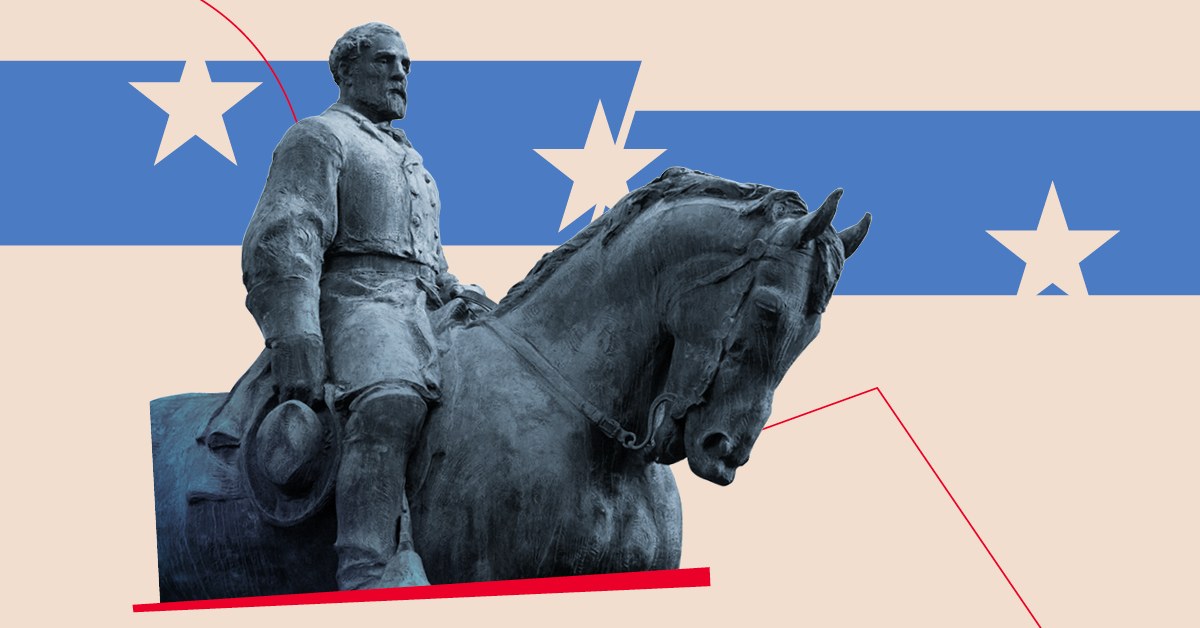
On Sunday, the world will watch as right-wing groups, white nationalists and neo-Nazis observe the anniversary of a deadly day in history—this time in Washington D.C.—that marked a turning point in national dialogue about Confederate monuments and racism. The groups rallied on Aug. 12, 2017 to protest Charlottesville City Council’s vote to take down a monument of Confederate General Robert E. Lee, which a 2016 petition demanded be removed from one of Charlottesville’s parks. That petition was written by Zyahna Bryant, a Charlottesville High School rising senior with serious eyes and a quick wit that sliced through the rapid rhythm of her words. Bryant was just 16 when she penned the petition, inspired after watching human rights activist and artist Bree Newsome snatch the Confederate flag from atop a pole on the South Carolina statehouse grounds in June 2015. “This flag comes down today!” Newsome shouted, clad in all black, dark brown dreads swinging beneath a helmet.
“It blew my mind,” says Bryant.
Many who are taking to the streets for the Unite the Right Rally 2 would argue that there’s no harm in keeping these symbols. But when is a statue more than a statue? At this moment in America’s present reality, we question: Are monuments to men who rebelled against their mother country to preserve the institution of slavery appropriate in public spaces? How can a flag marked with stars and bars be a visceral symbol of shame to some, and pride to others? Women—like Newsome and Bryant, of different ages and heritages and in every quadrant of the country—are galvanizing efforts to remove, contextualize and understand these symbols of who we were to help us determine who we are. But for all that we lost in Charlottesville, we gained something else too; a seismic shift in public consciousness. Women are organizing to confront not just men of the Confederacy, but the problematic figures we’ve revered who used the tools of patriarchy and power to hurt women and people of color.
The message is clear. Women have had enough of bad men. And they aren’t going to let them stand forever.
Bryant’s petition helped push Charlottesville into a national conversation about Confederate monuments and their place in American society. “I wasn’t the first to talk about the [Lee] statue in Charlottesville,” says Bryant, whose petition stated that for her, Lee’s monument evoked slavery and called up thoughts of the “physical harm, cruelty, and disenfranchisement” her enslaved ancestors suffered. Her sentiments were shared and keenly felt by many in her community, she says.
“I talked to a lot of elder Black folks [who said] ‘This is a problem.’ They had been saying that for years.”
Women have had enough of bad men. And they aren’t going to let them stand forever.
Elsewhere in the country, women lead efforts to examine and contextualize statues of men other than Confederate soldiers, but whose place in history are also hotly debated.
In April, the life-size, metal likeness of man once lauded as the “father of gynecology” was deposed from a Central Park pedestal it had occupied since 1934. Doctor James Marion Sims mastered a method of repairing fistulas—abnormal openings between the vagina and the bladder, uterus or rectum—using enslaved black women as his guinea pigs during years of experimentation. Sims didn’t give the women anesthesia; their pain, he himself noted, “was extreme.” Sim’s unethical work was the bedrock of racist medical practices that persist today, many that result in the rising maternal death rates of black women, who are three to four times more likely to die from pregnancy-related causes than white women. Black women were at the forefront of activism to remove Sims’ statue from the Park; Black Youth Project 100 staged a protest last August, where a group of women rallied in front of Sims’ statue, their gowns saturated with blood-red paint. They represented Sims’ enslaved victims Anarcha, Betsey and Lucy and the other women butchered at the expense of Sims’ career.
Melissa Mark-Viverito, Vice President for strategic engagement at Latino Victory, was serving as Speaker of the New York City Council when Sims’ statue came down. (She had also advocated for its removal.) The previous years’ national dialogue about Confederate monuments “gave us the opportunity in New York to reevaluate who is being revered, who is being honored,” says Mark-Viverito.
“My district [New York City’s 8th District] is predominantly a community of color,” says Mark-Viverito. “[It is] largely Spanish speaking, largely Latina, with a sizable Black demographic.” The heritage of Mark-Viverito’s constituents, as well as her own as a Puerto Rico-born woman of color, led to her view that Sims’ statue had no place in the Big Apple’s public domain.
“History is about learning and about awakenings,” she says over the phone between meetings. “If we get an accurate portrayal of who [Sims] was, we evolve. [Sims’ expertise] was at the expense of women who were enslaved; he used them as objects because he viewed them as his property. Anyone who believes in equity and justice, when they realize what the statue represents, [they realize] it’s just not appropriate.”
With Sims’ statue relocated to the Brooklyn cemetery where he is buried, Mark-Viverito senses an opportunity.
“It’s really about being inclusive of indigenous communities, and the contributions that they have made.”
“So now the statue has come down, and now the conversation is, what replaces it? It’s created an opening to engage in that conversation.”
Meanwhile, communities of indigenous people lead calls to rename holidays evoking the name of Christopher Columbus. Though he was indeed a remarkable navigator and explorer, Columbus also led violent campaigns of enslavement and ushered in centuries of abuse and exploitation of native peoples in the Americas by European forces. Indigenous Peoples Day now replaces Columbus Day in at least 55 cities nationwide. In January, the city council of San Jose, California, voted to remove a statue of Columbus from its city hall lobby. Like all other dialogues concerning memorializing controversial historical figures, the decision to boot Columbus from city hall was not an easy one, says council member Sylvia Arenas.
“We went through a process about the statue,” says Arenas, citing the concerns of the city’s Italian American community which contested removing the statue, believing the action was an affront to their heritage. (Columbus was Italian.)
“It’s not in opposition of Italian Americans, or to negate the contributions of Italian Americans,” says Arenas. ”It’s really about being inclusive of indigenous communities, and the contributions that they have made.”
Arenas, who says her heritage is Mexican, rarely saw her ancestors’ contributions to history reflected in common historical narratives. It was part of the reason she voted “yes” to the Columbus statue’s dismissal from city hall.
“As a woman of color, to be able to contribute to this decision of where the statue goes, it gives me the opportunity to correct that narrative about indigenous people here, and to create a new narrative about who we are as Californians and as people. … Everybody wants to find their community’s place in history.”
But even on the backdrop of a deadly Charlottesville day, it’s still difficult to convince protectors of these symbols otherwise.
And, there’s proof that the resolve to keep statues standing is strong, particularly of the Confederate type. Last month, the Southern Poverty Law Center reported that 113 Confederate monuments and symbols have been removed from public spaces in various states and cities since 2015, while another 1,740 still stand and more monuments are cropping up. The United Daughters of the Confederacy, a women’s group which contributed to the creation of an estimated 450 monuments and commemoratives since its 1894 founding, continues its mission to “protect and preserve” Confederate symbols. When the San Antonio city council voted to remove a Confederate monument from one of the city’s parks last year, the local UDC chapter—one of the group’s chapters in 33 states—sued the city.
Debates about historically and socially significant symbols will likely keep rolling through the country. Whether the monuments and flags stay up or come down, whether we rename roads and schools to reflect standards of our time instead of the past, it’s clear that women enrich this national dialogue. By sharing their diverse perspectives gleaned from a range of identities and life experiences, women play a critical role in contextualizing the ideals and people in American history that we choose to memorialize—and those that we won’t.
Samantha Willis is a freelance journalist and co-creator of the #UnmaskingCville and #UnmaskingRVA series, based in Virginia. You can follow her on Twitter @WordsByWillis.
I don’t know about you, but season two of Big Little Lies can’t come soon enough. For one, all the cast members are returning, including Reese Witherspoon, Nicole Kidman, Zoë Kravitz, Laura Dern, and Shailene Woodley. Plus, we all now know that Madeline (Witherspoon) is going to throw ice cream on Meryl Streep. Really, how could they tease something like that then make us wait?
But it isn’t just Madeline’s brilliant one-liners (“I love my grudges; I tend to them like little pets”) or Kidman’s profound portrayal of a domestic abuse survivor that makes the show so compelling. As Kidman stated when she accepted a SAG Award (her first, at age 50) for her performance, Big Little Lies proves there’s an appetite for story-telling about women over the age of 40. “Twenty years ago, we were pretty washed up by this stage in our lives,” she said. “That’s not the case now. We have proven…and so many more are proving that we are potent and powerful and viable.”
The same can be said for Kidman’s ongoing involvement as a spokeswoman for Neutrogena, where she’s using her influence to shift conversations around aging from something that’s stigmatized to something that’s celebrated. We recently caught up with her at an event for the brand to chat beauty, BLL, and more.
How do you think the way we talk about beauty is changing?
I think we share a lot more. It’s not secretive, like, “I come out of the house and this is how I look [all put together],” like in the fifties or sixties. It’s very much now, “What do you use? What’s the latest? Oh my gosh, tell me!” and everyone shares, which is really helpful for women. I think it’s changing the way we see each other. We’re lucky now that we can age—and still age really well—but all be very open about it.
Speaking of aging, what’s your opinion on the term ‘anti-aging?’
As we get older we can still look good, be healthy and vibrant and appealing. I think that’s what every human being wants. Nobody wants to look like you’ve had the life sucked out of you. I just say it’s about gracefully aging—because it can be fun!
What influence has the movement to embrace aging had on Hollywood?
I’m in a position as an actress where I love the lines being blurred, because I get to play younger, I get to play older, and I get to play my age. Men always got to do that, and we’re in a position now for women where we’re trying to carve that path. It’s still hard to convince [casting agents and producers] to [let us] do that, but it’s a lot easier. I think other women are going, “No, I want to see women who I relate to, who I’ve grown up with, not just be discarded. I want to see them achieving things and still going strong.”
For me, I’ve been working since I was 14, so I have this crazy, intimate relationship with fans in a sense that they’ve seen my life, they’ve seen me fall, they’ve seen me get back up—they’ve seen me go through so much and still be here. That’s really exciting. And when Big Little Lies came out, the support from other women has been really nice. [Actresses my age] don’t just disappear, but we actually have opportunities to take chances. It makes me feel very grateful.
A lot of women are still afraid or ashamed to reveal their age. Is that something you’ve noticed?
I think it has to do with self-esteem, and also with bullying. [That’s why I’m glad] there’s this enormous move toward supporting each other. I think there’s a thing now where so many women are saying to each other, “I’ve got your back, girl.” When you know you’re supported like that, I think self-esteem and confidence grows, and the more we encourage that the better. We need to constantly be working on supporting rather than criticizing.
When you were discussing Celeste’s character in Big Little Lies, what beauty aspects were important to you to focus on?
Well, I use sunscreen because we’re shooting outdoors in Monterrey. I love the Neutrogena Ultra Sheer with 100+ SPF. And I use the Neutrogena Ivory Base Foundation, because I like Celeste to have that very pale, porcelain skin since she’s got a fragility. But I always approach each character differently, so I try to approach it from the inside out, and I don’t wear really heavy makeup. It’s just not who I am anyway.
I like being able to change the way I look with each character. Sometimes you use prosthetics to do that, and then you really need to take care of your skin, because they’re so harsh. I just did a role in a movie called The Destroyer [out in December 2018] where I age up, and then I age younger in the same movie. The prosthetics take two hours and you have to use harsh alcohol to take them off. They’re really tough on your skin. That’s why I’ll go home and use a mask, like Neutrogena’s HydroBoost, because when you put straight alcohol on your skin, it trashes it.
This interview has been edited and condensed for clarity.
Didn’t it feel strange that the elephant in the room—contestant Lincoln’s assault conviction—wasn’t addressed at all on tonight’s Men Tell All? It’s not that I expect The Bachelorette to be the most self-aware show on television, or that he’d be there in person, but I thought Chris Harrison would at least say a line or two to assure Bachelor Nation the investigation is ongoing.
According to Chris Harrison, though, that was never an option. “Lincoln was not invited and not welcome here. What he did was illegal and against the law, so that is a very easy call,” he told Glamour in an interview. “There was no chance he was coming here tonight, no chance I wanted to talk to him or hear his side, because there is no side. … We wanted [Men Tell All] to remain about Becca, about the guys, and about this journey. … This wasn’t the time or place.” (For more from our interview, click here.)
So, that answers that. But there was another (non-problematic) contestant who wasn’t present or even addressed: sweet, sweet Clay! He couldn’t make it because of “football stuff,” but I really think the bros could have used his gentle, calming energy in the room. They were so angsty with each other tonight, no?
But we’ll get to that—first, we must discuss the new preview of Bachelor in Paradise that Chris Harrison dropped at the top of the episode. It is, frankly, iconic. So much happens in so little time: Tia’s in a love triangle with Colton and Chris; Grocery Joe maybe-probably finds love with Kendall; “everyone thinks Shushanna is a witch.” It’s so fun, I’m ready to wrap up these Bachelorette storylines so we can move on to all the BiP “glitter and tears” Krystal’s promising. Luckily, there’s not too much longer to wait: It premieres on Tuesday, August 7. See you then! (You know I’ll be recapping.)
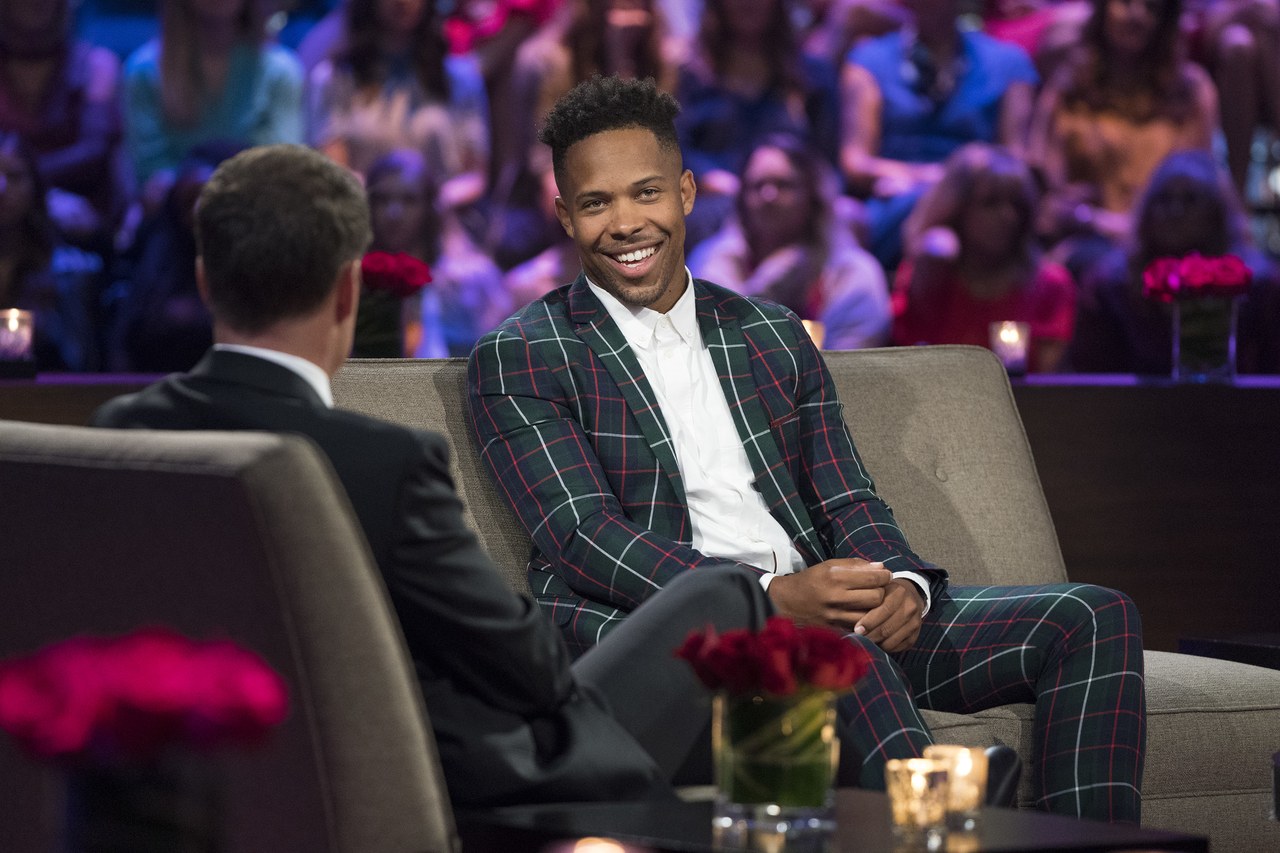
After that promo, Chris Harrison introduces the guys, and Wills’ Final Rose-colored red boots deserve a special shout out. I appreciate a man who can dress on theme.
“Where do you start with this buffet?” – Chris Harrison
Things kick off with a discussion of the freakout Chris (the other one, not Harrison) had in Las Vegas. He says he felt like he deserved more quality time with Becca because their connection was further along than the other guys, but admits he overreacted. Connor, Leo, and Wills are basically like, yeah, you were a brat, and Jordan ends the conversation with this gem: “You can’t be Mister Right Reasons if you treat the Bachelorette wrong.”
Next, Chris asks Jean Blanc about that whole “I have feelings for you, just kidding I don’t” moment—but before JB can even speak, Colton jumps in and says, “No matter what you say right here…you lied to every one of us.” The two get in a heated back-and-forth, which escalates when Jean Blanc insults Colton’s virginity, saying, “Colton, you’re acting like a BLEEP but you’ve never been BLEEP, so what’s going on?” Some guys look genuinely shocked, but a few laugh—which bums me out because it’s 100% not cool to make fun of a person’s sexual history.
“Do you think they’ll actually tell all? Or just some?” – My husband with the jokes.
Colton also gets in a tiff with Jordan over his “behavior,” but Jordan fires back that Colton is one to talk given his relationship with Tia before the show started. This turns into a quibble over whether or not it was offensive that Jordan wore golden underwear to a cocktail party, and Christon chimes in with the best point: Becca gave Jordan a rose for it, so who cares?
David, apparently, still cares a lot. Nick puts it best when he tells David, “After watching the show, I thought you were there for Jordan, not Becca, because his name is all that came out of your mouth.” David admits he should have put more energy into his relationship with Becca—uh, you think?—and Jason correctly points out that David bullied Jordan a lot.
But then! Some man sitting in the back adds his two cents, but I don’t hear what he says because I was too distracted wondering if he was actually a contestant or just some random who wandered onto set. (We find out later, thanks to Chris Harrison, this person is someone named “Christian.”) When “Christian” gets up from his seat to confront Jordon or whatever, he reveals the tightest high-water pants I’ve ever seen. Like, full-on capris! With a tuxedo jacket! Wills would never.
The fight is going nowhere, so Chris Harrison tells Jordan he can have the last word. Instead of using it to explain himself, Jordan just does his take on the below Half Baked scene to all the guys:
And though were were just told that was going to be Jordan’s “last word,” he then gets a whole montage dedicated to his journey, followed by a solo sit down with Chris Harrison. It ends up being more of the same, though we get to hear from my beloved Grocery Store Joe for the first time. (Basically, he likes Jordan because he thinks he’s funny.) Jordan also reveals that he wore the damn gold underpants to the show before immediately doing a mini-strip tease to show them off. A small number of women in the audience scream like it’s Magic Mike Live, while Chris Harrison mumbles, “Even I don’t get paid enough for that.” (But you do, Chris. You do.)
When we return from the commercial break, my darling Grocery Store Joe, the most joyful part of this season, gets his own hilariously short montage. According to Chris Harrison, Joe’s one of the few early-eliminated contestants who’s been able to sustain fan interest. That’s because his eyes sparkle! And he gives sheepish grins! And he says things like, “Whaddaya wanna know?” in a thick deep dish pizza-soaked accent. Still, Joe says his experience on The Bachelorette was “pretty bad.” It seems like his time on Bachelor in Paradise, however, is more successful.
Wills is next on the hot seat. There’s a montage intended to be about his relationship with Becca, but really is a full recap of his best fashion lewks. Wills doesn’t seem to have the same perspective, though, because he tears up watching it all back. (Unless the lewks are just that good?) “She had to live her truth,” he says of Becca dumping him. “I have to respect it.” Chris transitions the talk to fashion—finally!—and Wills says he gets it from his dad.
PHOTO: Paul Hebert
When Colton takes the stage next, he talks about his love for Becca (real) and his relationship with Tia (undetermined). Eventually, of course, Chris Harrison brings up Colton’s virginity. Apparently Becca got some backlash for leaving the table after Colton’s reveal, but Colton says he didn’t take it as a sign of disrespect. He felt she was not judgmental, unlike Jean Blanc’s comment earlier in the night. He tears up as he talks about how hard it was to be an athlete and feeling pressure to hide this side of himself. “It’s sort of sad that it’s viewed as baggage or a red flag,” he explains. (Read more with Colton here.) Despite their disagreement earlier, Jordan sweetly tells Colton that he respects him for staying true to himself.
Next, Jason gets his time in the sun. His hair is looking better, he’s got a nice blue suit, and he’s in a good place. He even wants to be friends with Becca someday. Though he didn’t get the closure he was looking for, Jason says he’s happy Becca did. When Chris Harrison mentions his brother and brother-in-law—who should get their own spin-off, honestly—Jason quotes Oprah: “Love is love is love.” Chris Harrison wraps their conversation with a lil gossip: According to Becca, he’s the best kisser of the group.
“She forgot my name—everyone remember that?—but after I kissed her, she never forgot my name!” – Jason
Finally, Becca comes out and admits she’s a little nervous. Maybe it’s because she’s not in a signature sequins? You’re in a room full of your exes—if that’s not the perfect opportunity to look hot in a sparkly dress, what is?
Anyway, Jason kicks things off by asking Becca how he can improve so he knows for future relationships. (Aw.) Becca tells him to never change; it’s not him or anything he did, she just wasn’t The One. They hug it out. Wills also asks what went wrong, and Becca says essentially the same thing: Nothing, she just didn’t want to bring his family into the picture if she wasn’t quite there in her feelings.
Regarding the Colton-Tia situation, Becca says they’re still friends and she’s sad Tia has gotten so much hate on social media about Colton.
Then, Jean Blanc asks to come up on stage. He apologizes for how they ended things, Becca accepts, and he gives her, of course, a fragrance. “It’s actually made with real bits of broken hearts,” Chris Harrison quips. “And tears!”
After a quick check in with Jordan and Joe, Chris Harrison gives the other Chris the floor. He apologizes to Becca for being entitled and disrespectful, before bringing out a gospel choir to sing, “Chris was a jerk! … Chris just wants to say sorry!” Chris is a jerk, yes, but even I would be a sucker for that.
The episode ends with bloopers and a sneak peek at next week’s finale. See you then!