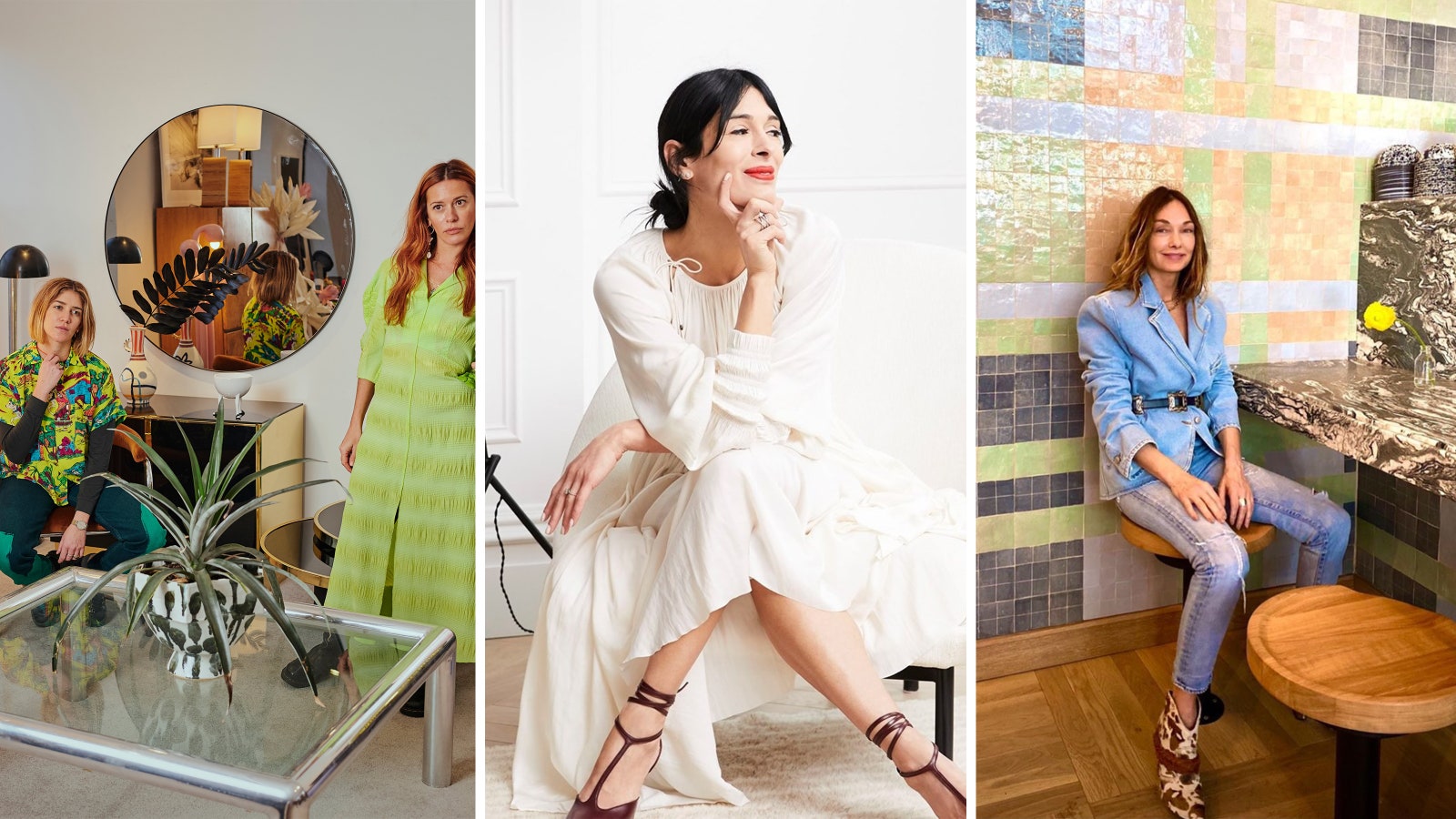
Through our Game Changers series, we spotlight women who have found success in their respective industries—from sports and politics to beauty and fashion. And with all of us spending more time indoors now more than ever, there’s no better time to highlight the inspiring women leading interior design today.
There are countless examples of passionate female designers leaving their mark on what a home (or any space, really) can be. From Athena Calderone and Lily Kwong to Nicole Gibbons and Leanne Ford, these multihyphenate women have extended their creativity into brands, businesses, and our own Instagram feeds. Ahead, 11 female interior designers changing the game (and reminding us that there is no place like home).
One week into the new year and already feeling like your resolution is doomed? It’s probably time to change strategies. Because if you really want to make this year better than the last, maybe your New Year’s resolution shouldn’t be to focus on yourself. Not a new kind of diet or crazy new workout class, but a resolution to help others and be more philanthropic in 2020.
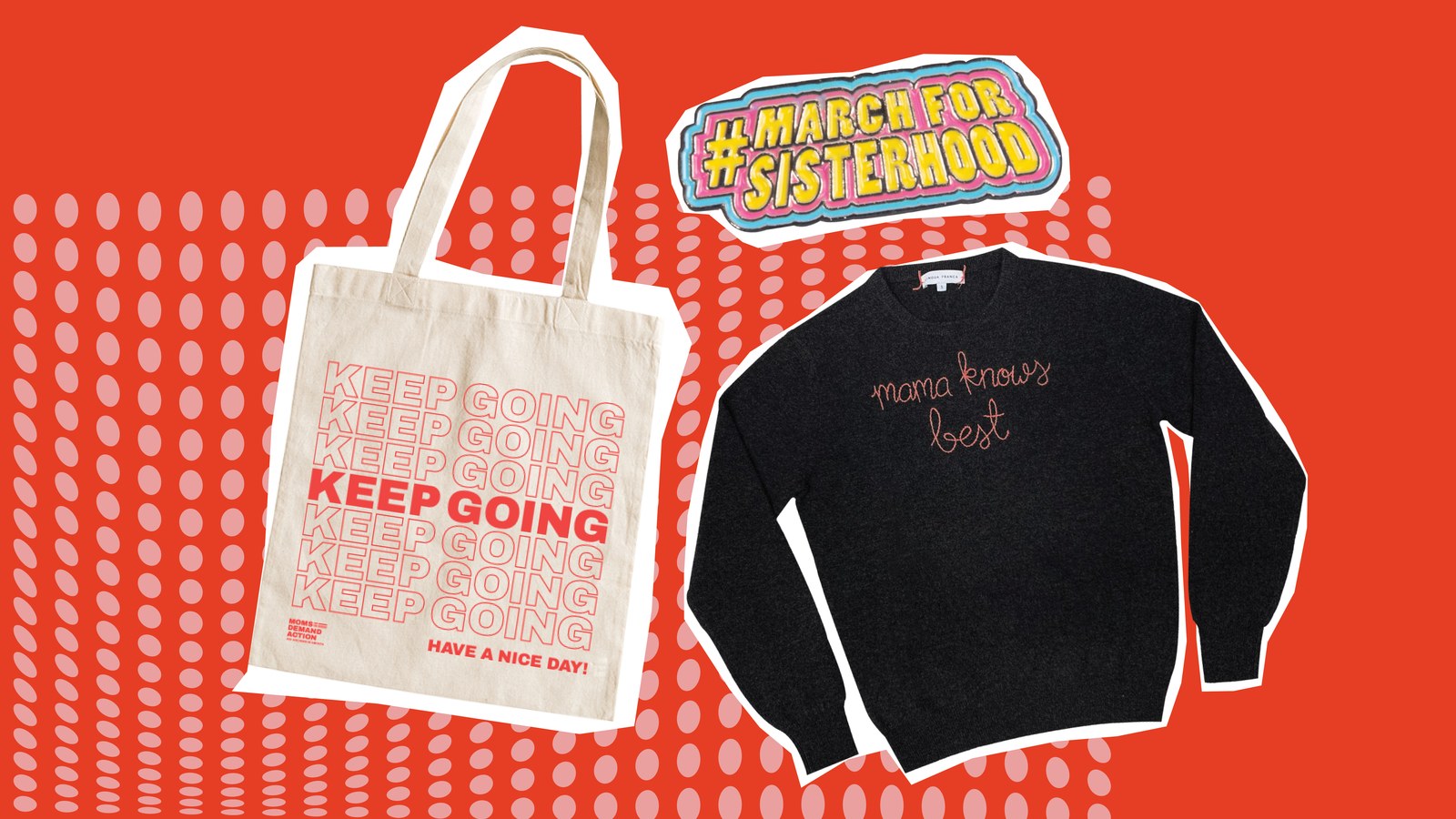
Other than volunteering or sending direct donations, a baby step into charity is shopping the merch from an organization that you strongly believe in. Most of them have shops set up to help fund their programs and work, so it’s the kind of shopping you can always feel good about.
While there is still a gender gap in the world of nonprofit leadership (like pretty much every other industry), there are a lot of incredible women-run nonprofits doing work for their communities and the world. From Christy Turlington’s Every Mother Counts to Lauren Conrad’s The Little Market, we rounded up our 11 favorite products from women-run nonprofits, below.
All products featured on Glamour are independently selected by our editors. However, when you buy something through our retail links, we may earn an affiliate commission.
Ever since Meghan Markle and Prince Harry opened up about the state of their emotional and mental well-being in the documentary, Harry and Meghan: An African Journey, messages of support have flooded the internet—and, as always, they have their critics too. Fans of the Duchess of Sussex even started a hashtag campaign #WeLoveYouMeghan to show the American royal how much they care.
Now, a group of 72 British female MPs (Members of Parliament) have joined forces to draft an open letter in support of Markle as she battles the tabloids. Holly Lynch, a member of the Labour Party, shared the letter on Twitter. “Women MPs from all political parties have put aside our differences to stand in solidarity with the Duchess of Sussex today and are sending her this open letter,” she wrote.
“As women MPs of all political persuasions, we wanted to express our solidarity with you in taking a stand against the often distasteful and misleading nature of the stories printed in our national newspapers concerning you, your character and your family,” the letter states. “On occasions, stories and headlines have represented an invasion of your privacy and have sought to cast aspersions about your character, without any good reason as far as we can see.”
“Even more concerning still, we are calling out what can only be described as outdated, colonial undertones to some of these stories,” it continues. “As women Members of Parliament from all backgrounds, we stand with you in saying it cannot be allowed to go unchallenged.”
They say they recognize that the duchess’s public life looks different from their own, yet there are some similarities. “Although we find ourselves being women in public life in a very different way to you, we share an understanding of the abuse and intimidation which is now so often used as a means of disparaging women in the public office from getting on with very important work,” they say in the letter. They then pledged their solidarity against people who are “seeking to tear a woman down for no apparent reason.”
On this subject, Meghan Markle previously said in the documentary, “I never thought that this would be easy, but I thought it would be fair. And that’s the part that’s really hard to reconcile.”
As is usual with the royals, the Sussexes have not commented on the letter.
It’s not often that a member of the royal family gets vulnerable with reporters. But on Friday, October 18, a revealing interview with Duchess of Sussex Meghan Marklemade the rounds online, in which she opens up about the intense media scrutiny that’s followed her since she became a royal. Fans are now responding to the interview by rallying behind the Duchess of Sussex with messages of support.
An upcoming documentary Harry & Meghan: An African Journey follows Meghan Markle and Prince Harry on their recent royal tour of Southern Africa. In a teaser clip from the film, director Tom Bradby asks Markle how she’s minding her physical and mental health amid the media scrutiny she’s faced in recent months. Her answer is gut-wrenching. “I would say…look, any woman, especially when they’re pregnant, you’re really vulnerable,” Markle says. “So that was made really challenging. And then when you have a newborn, you know?
“And especially as a woman, it’s really, it’s a lot,” Markle continues in the clip. “So if you add this on top of just trying to be a new mom or trying to be a newlywed, it’s um…. Yeah, well, I guess, and also thank you for asking because not many people have asked if I’m okay. But it’s a very real thing to be going through behind the scenes.”
[embedded content]
Fans online were stunned at the Duchess’s honesty—and at the difficulties she’s faced in silence. So Greg Hogben, a writer, asked royal fans to share posts with #WeLoveYouMeghan to show their support.
The response was overwhelming. Thousands of fans have written messages to the Duchess with #WeLoveYouMeghan. One called her “a true warrior”; several others noted that her story’s a potent reminder to treat everyone with kindness. Here’s just a sample of the messages fans sent.
High-profile voices have chimed into the conversation to share their support for the duchess, and to remind their followers that any role that comes with press attention can feel isolating. Congresswoman Alexandria Ocasio-Cortez retweeted the clip, noting that Markle’s quick rise to notoriety was not unlike her own. “Sudden prominence is a very dehumanizing experience,” Ocasio-Cortez said. “There’s a part of your life that you lose, & it later dawns on you that you’ll never get it back.”
The official Sussex royal accounts haven’t responded to the trending moment, but fans can hope that Markle may have seen their messages of support and love—and that Markle now knows she’s not alone.
Each year, an estimated 330,500 women (and 2,670 men) in the United States will be diagnosed with breast cancer. But many more women are living with the knowledge that they are a carrier for what is commonly known as the “breast cancer gene.”
Technically “breast cancer gene” refers to a mutation in one of two genes, BCRA1 or BRCA2. Everyone has the BRCA1 and BRCA2 genes but certain mutations in them can significantly increase your risk of breast and ovarian cancer. To put it in context, the average woman in the U.S. has a 12% risk of developing breast cancer in her lifetime, according to BreastCancer.org—a BRCA mutation ups your risk to a 72% chance of being diagnosed with breast cancer during your lifetime.
A BRCA gene mutation doesn’t mean you will get breast cancer—but it is something to take seriously.
As a friend of someone who recently found out that they have the breast cancer gene mutation, you might be wondering: What can I do during this difficult time? Can I help my friend? What is the best way to offer support? We spoke with six women who have been there about the kind of support that actually helped. Below, their 10 best pieces of advice on how you can support a friend with the breast cancer gene.
Show up for her.
“I would make sure to call or text her on a regular basis. Having people check in was so nice. I had one friend who thought she was giving me space, but when people give you space and don’t call, it just feels like they’re too uncomfortable to care.” —Zina, 31
Let your friend simply talk about her feelings.
“In the days after I found out, the most helpful thing was just having honest conversations about my feelings with friends. Just having friends that let me talk out my feelings was incredibly helpful.” —Sarah, 37
Or let her cry if she needs to.
“After I screamed at my mom who was trying to tell me what to do—or not do—as a result of the genetic results, my brother admitted that he didn’t know what to do and how to help. So he just sat with me and let me cry and complain and process.” —Angela, 37
Don’t offer advice unless you’re asked.
“The most helpful reaction was asking what exactly it meant, what my plan was and how they could support me. No judgment, no suggestions of alternative lifestyles or comments like ‘but you breastfed so your risk is lower.’ We have doctors for advice. Friends are for support.” —Katrina, 31
Know that knowledge is power, so arm yourself with it.
“My family and friends all rallied around me. We sat down with my breast oncologist and she gave us a lot of information. I know it is scary as hell to find out you carry the gene, but knowledge is power. Be there for your friend, go to appointments, show up and show support. If you have to, utilize the internet for information and join Facebook groups. At the end of the day, just be there for her so that she knows she’s not in this alone.” —Beth, 39
Don’t try to sugarcoat their diagnosis.
“Honestly, it’s just nice when someone isn’t trying to make you feel better or try to show you the silver lining. Having BRCA sucks and I don’t need someone to sugarcoat that.” —Zina, 31
Offer to help in practical ways.
“If your friend opts for preventative surgery, offer a practical act of service, like bringing her a meal or babysitting for her afterwards.” —Sarah, 37
Do not try to give advice on what you would do.
“Do not freak out. Do not tell them that they need to remove their breasts or ovaries ASAP. Don’t assume you know what a BRCA mutation means; do your own research and learn a bit more about it. And do not bother sharing with your friend what you would do if it was you. It’s not you; everyone’s situation is different.” —Jennifer, 47
Connect your friend with someone dealing with the same thing.
“The absolute best thing was when someone is able to connect you with another previvor—someone who is a survivor of a predisposition to cancer but who hasn’t had the disease—so you can hear from someone who has been there.” —Katrina, 31
Reach out, even if you haven’t spoken in a while.
“I had a lot of friends come out of the woodwork and reach out to me, people with whom I had not spoken in years, and I was really touched. If you’re not sure if it’s okay, just reach out. The worst that will happen is that the person will not respond, but it may change the outlook for someone struggling.” —Angela, 37
Last month Taylor Swift gave fans what was essentially a State of the (Swift) Union via an essay for Elle titled “30 Things I Learned Before Turning 30.” It was a refreshingly honest piece that covered everything from her love of Command tape to the disbandment of her infamous “squad.”
She also talked about getting more involved in politics—something some critics felt should have happened sooner. “I saw so many issues that put our most vulnerable citizens at risk, and felt like I had to speak up to try and help make a change,” she wrote. Now she’s literally putting her money where her mouth is by donating $113,000 to a group called the Tennessee Equality Project that advocates for the equal rights of LGBTQ people in the state.
The donation came with a handwritten note to the organization’s leader, Chris Sanders, from Swift explaining why she wanted to get involved, which he posted on Facebook. “I’m writing you to say that I’m so inspired by the work you do, specifically in organizing the recent petition of Tennessee faith leaders standing up against the ‘slate of hate’ in our state legislature,” she wrote. “Please convey my heartfelt thanks to them and accept this donation to support the work you and these leaders are doing. I’m so grateful that they’re giving all people a place to worship.”
The Tennessee Equality Project is currently fighting against a number of bills including one that allows adoption agencies to discriminate against same-sex couples based on religious beliefs as well as a “bathroom” bill that many believe could lead to transgender discrimination. “Taylor Swift has been a long-time ally to the LGBTQ community,” Sanders said in the Facebook post. “She sees our struggle in Tennessee and continues to add her voice with so many good people, including religious leaders, who are speaking out for love in the face of fear. Tennessee Equality Project is honored and grateful to reveal Taylor Swift has made a donation of $113,000 to support our efforts at this critical moment.”
Of course, longtime Swift fans will note the use of her favorite number—13—in the donation amount. There was also lots of Twitter love for Tay’s support of the LGBTQ community, including from Ellen Degeneres who tweeted, “@TaylorSwift13, this lit up my heart.”