Categories
Health

The Best Acne Scar Treatments, According to Derms


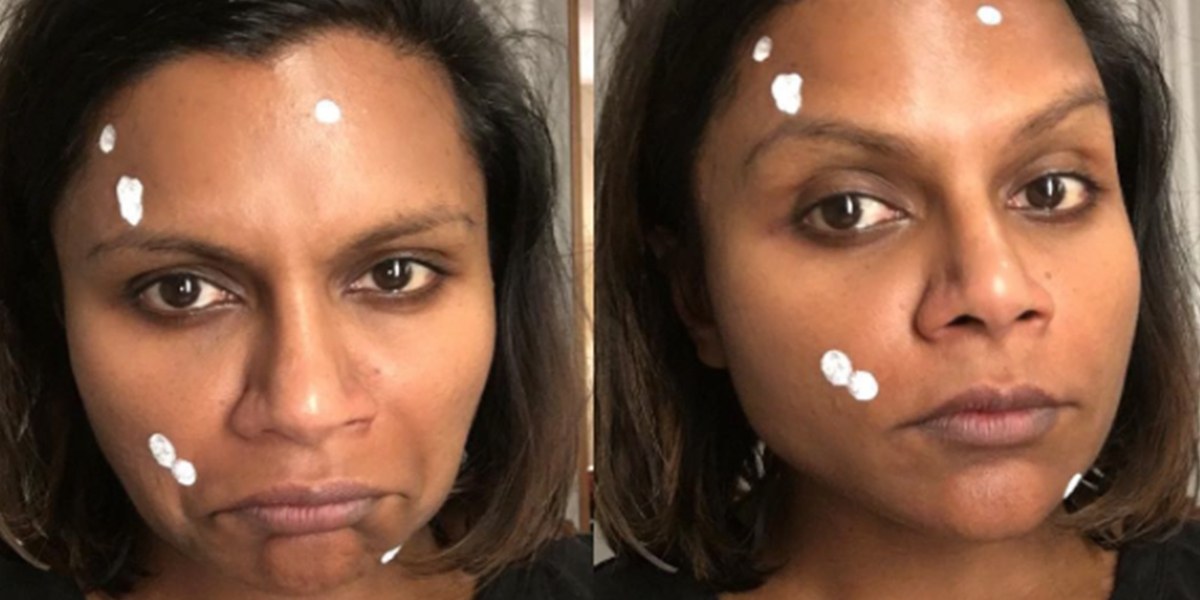
So your zinger of a pimple finally went away. (Congratulations!) But before you put away your concealer, look again. You might be dealing with some side effects, like a new dark spot right where the offender in question was. It’s an acne scar, and it’s like your zit’s final kiss-off.

Dermatologists would first like us to know that what most of us consider acne scars—that is, the residual marks following a popped pimple—aren’t always scars (since scars imply permanence). Most derms refer to the subsequent discoloration as stains, marks, or blemishes. And the good news? These are usually temporary.

“Red marks or blemishes are the result of smoldering inflammation left behind by the active pimple,” says Kenneth Howe, M.D., a dermatologist at Wexler Dermatology. “These marks will fade, but that can take a long time, and it’s frustrating.” Popping your zit will definitely lead to marks even darker than this (think purple) that last longer, too. So if you’re prone to them, consider it yet another reason to keep your hands off. Another common stain are dark spots, or hyperpigmentation. These crop up more often in those with darker skin tones—and, similarly to red marks, get worse when you squeeze them. But even that’s not enough to avoid them. “Deep cysts can cause pigment, even if you restrain yourself from touching,” says Howe.

True acne scars, on the other hand, permanently alter the texture of your skin. They’re usually divvied up into three categories—boxcar, rolling, or icepick—which denote the shape of the dent in your skin. Usually, “the only effective treatments are in-office procedures,” says Howe. And if you’re thinking lasers, like Fraxel and Accupulse, and surgical procedures, you’re right, and possibly psychic.

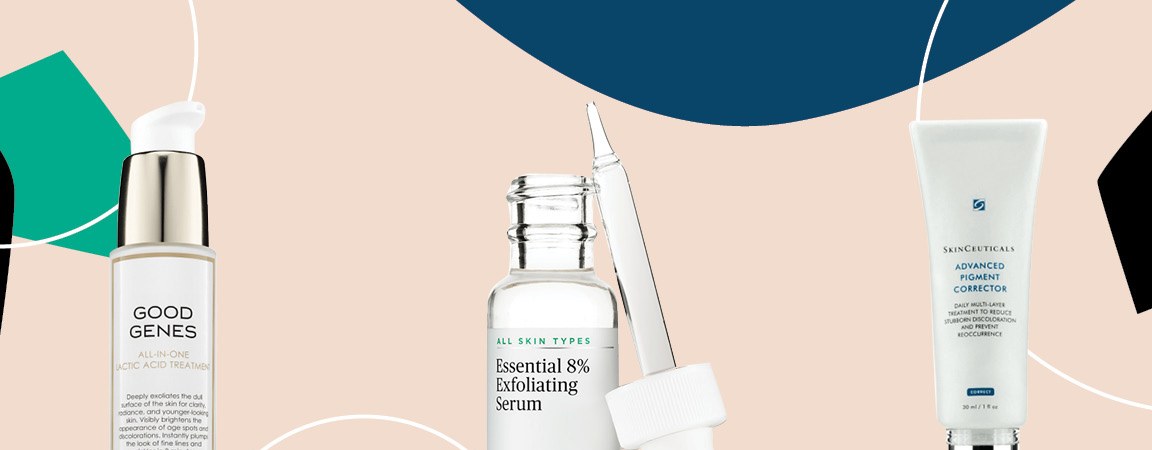
That doesn’t mean it’s a lost cause. Certain topical ingredients can address discoloration, minor textural scars, and, in some cases, both. Click through to see what the derms recommend if you’re going to DIY it.


Source link

Categories
Health

Adult Acne: The Unfair Reason You Have It in Your 20s and 30s


There are a lot of things I don’t miss about being a teenager: My chemistry teacher’s sarcasm, basketball practice, the challenge of sitting in a school hallway in extra-low-cut Frankie B. jeans (it was 2004, but what was I thinking!?), curfews. There’s another thing, however, that I’d like to add to that list—that’s somehow lingered with me well into adulthood (I’m 28). And that’s acne.

Here’s the thing: I honestly feel like I don’t have an excuse for adult acne. I’ve been working as a beauty editor since I graduated college, and with this job I have access to the best skin care pros in the world. I get regular peels. I do light laser treatments. I’ve been prescribed multiple rounds of antibiotics. I take Spironolactone, a mild blood pressure medication that’s prescribed off-label for acne, as it suppresses androgens. But—aside from the seven blissful years when I took a combined oral contraceptive pill that gave me The Clearest Skin Ever—I’ve always broken out. (The pill also gave me a blood clot, so relying on it for my skin is no longer an option. Cool!)

As a result, I’m always in some way working to prevent a fiasco with my at-home skin care routine. I exfoliate every night with Lancer The Method: Polish Blemish Control, $75, which has purifying tea tree oil, before cleansing; I use Skinceuticals Phyto Corrective Gel, $66, to control breakout-related inflammation; and I alternate between Tammy Fender Purifying Lucent Masque, $215, and Eminence Hungarian Herbal Mud Treatment, $46, once a week to keep my pores clear. I even do this thing where I wash my face after shampooing and conditioning my hair because I’m paranoid the fragrance and ingredients like silicones in hair products is yet another trigger. All of it combined keeps my breakouts mostly under control, but I still deal with more pimples than I’m cool with—on my cheeks, chin, back (as I write this story I have a cute one on my cheek). It’s getting old.

And it turns out, I’m not alone. Adult acne (the kind that occurs in women 25 and above) haunts many of my closest friends—and, to varying degrees, effs up their lives. “I’m the perfect candidate for your story,” my friend Laura joked when I mentioned I was working on a piece about adult acne. She’s taken Accutane twice, and still relies on Spironolactone, like me, to minimize breakouts. “I was getting cystic acne—it wasn’t all over my face but I’d have two or three large cysts at a time. I will never forget when I met my husband’s family and I had two huge zits on my chin and cheek; I was so embarrassed,” she told me on the phone. “I had already been on Accutane once at that point. I was 35 or 36 at the time and I was like, ‘Why am I 35 and still getting acne?’ I assumed that I should have normal clear skin; I wanted that. But even after the second round of Accutane, I still got occasional cysts—they’re just embarrassing and huge—so I started taking Spironolactone. It helps a lot.”

Then there’s my friend Sarah, who is dealing with acne for the first time in her life. “I’m beside myself,” she told me in an email. “I NEVER broke out as a teenager, but now that I’m an adult and experience real stress, I do. I feel like I’m too old to have zits and I get really embarrassed. I’ve definitely canceled plans because of a breakout.” Same, girl.

My college roommate Eve, on the other hand, has more or less accepted zits as a part of life. “As a teenager they made me a bit depressed, but I’m less self-conscious about my skin now,” she explained. “I like to focus on the overall condition of my skin. But it does take longer to get ready if I have to cover pimples up!” Whether you’re cool with your acne or not, spending extra time covering up your zits is yet another thing we don’t need in our lives.

So why are we still breaking out? Truth is, the answer isn’t completely clear. “Unfortunately, we don’t totally understand the difference in the cause of acne in teens versus adult acne,” New York City-based dermatologist Dr. Joshua Zeichner says. “The main causes of acne are skin oil, acne-causing bacteria on the skin, sticky skin cells blocking your pores, and inflammation. Hormonal fluctuations, stress, and diet all likely play a roll as well.” One potential difference: “Where you’re a teenager your hormones are naturally fluctuating and you can’t control it,” Jordana Mattioli, a medical esthetician in NYC says. “But when you’re an adult your hormones are fluctuating because of things like inflammation and stress.” (More on that later).

The good news: We’re constantly discovering new ways to treat acne. There’s a lot of research underway about how the microbiome—the massive colony of bacteria and organisms that live on our skin (gross, I know, but also kind of cool)—might affect skin conditions like acne and rosacea. Differin launched the first ever over-the-counter topical retinoid this January—and it’s less than $13. And we’ve come a long way from the old school method of dehydrating your face and using only “oil free” in an effort to keep skin smooth. Below, Zeichner and Mattioli share their top tips on the best, most up-to-date approaches to dealing with acne as a grown-up. Read them, try them, and know this: You’re not alone!

First, cut the heavy creams.
Indulging in over-the-top skin care is something I’m personally guilty of. I mean, is there anything better than slathering your skin in a rich, yummy cream right before bed and binging on Netflix? Good skin care makes up for lack of sleep, right? “Once women hit 21, they automatically start buying anti-aging products,” Mattioli explains. “But most are too rich for their skin type. They’re designed for mature skin that doesn’t produce as much oil as it used to.” Whoops! Instead, try this ultra-lightweight moisturizer from Belif, $38, that seriously packs a punch.

Spot treat with your products.
Heard of multimasking? You can do the same thing with your skin care products, Mattioli says. In other words, if your skin isn’t dry on your forehead, go ahead and skimp a little on moisturizer there. “I’ve been dealing with acne my entire life and if I don’t keep it under control, I will be a breakout mess,” she says. “I only moisturize where I need it.”

Err on the side of gentle.
Layering a 10-percent benzoyl peroxide acne treatment all over your face may seem like a great idea—and you might actually wake up with clear(er) skin. But you’ll likely also be incredibly inflamed. “More is not always better, especially with acne,” Zeichner says. “Higher concentrations of ingredients like benzoyl peroxide have been shown in studies to be no better, but certainly more irritating, than lower concentrations.” Kate Somerville’s Anti Bac Clearing Lotion, $42, for example, is far more gentle at 5 percent.

Pick the right spot treatment.
Consider what type of acne you have: Do you have scary red bumps? If so, it’s likely bacteria causing the inflammation and you’ll need something that combats it, Mattioli says. “Benzoyl peroxide kills acne-causing bacteria and reduces inflammation,” Zeichner explains. Our pick? Try Clinique Acne Solutions Emergency Gel-Lotion, $19.62. If you have blackheads and whiteheads, on the other hand, you’ll want something with salicylic acid (which comes in 1- to 2-percent formulations), like this super-affordable one from The Ordinary that’s just $5.30. “It helps remove excess oil and exfoliates dead cells from the skin’s surface,” Zeichner says.

Do light therapy.
It used to be that you needed an appointment for an LED light treatment—or you could try the smaller at-home lights that take 45 minutes to treat your face. Neutrogena’s Light Therapy Mask, $34.99, uses a mixture of red and blue LED lights and takes just 10 minutes. Dr. Dennis Gross just launched a futuristic at-home version called DRx SpectraLite FaceWare Pro at a far more luxe $435. “Red light has been shown to be anti-inflammatory while blue light kills acne-causing bacteria,” Zeichner explains. Bonus: It makes for a hilarious selfie.

Simplify, simplify, simplify.
Mae West might have quipped that “too much of a good thing can be wonderful,” but that philosophy shouldn’t apply to your acne treatment game plan. “Applying too many products and washing your face too often causes more harm than good,” Zeichner says.

Check your diet.
“Dietary factors like high glycemic index foods have been shows to aggravate acne in predisposed people,” Zeichner says. “The increased sugar load promotes inflammation that in turn leads to breakouts.” Mattioli recommends cutting back on processed sugary foods in favor of anti-inflammatory options like wild fish, nuts, and fresh fruits and sticking with organic, hormone-free meat and dairy.

Try yoga.
Seriously. Most of my friends listed stress high on the list as the cause of their breakouts, and it’s true: Crazy amounts of stress do indeed affect your hormones. “Stress causes hormonal fluctuation that increases oil production and leads to acne breakouts,” Zeichner says. “Anything you can do to minimize stress—yoga, meditation—can help.”

Don’t pick.
As tempting as it is to try to be your own esthetician in your bathroom, you must fight every single urge to squeeze. “Acne in adult women tends to be angry, underground pimples.” Zeichner says. “They are inflamed and cannot be easily opened by picking. It leads to more harm than good, a disrupted skin barrier, inflammation, and potential scarring.”

If all else fails, see a derm.
If you’ve tried everything and you’re still breaking out, get thee to a dermatologist. Zeichner’s go-to solutions for adult acne in women: Aczone, an anti-inflammatory gel that “clears pimples while causing almost zero irritation” and Spironolactone (my personal favorite).

Related Stories:

8 Things You Should Never Do When You Have a Zit

How to Get Rid of Acne Fast: 11 Breakout Treatments That Actually Work

How Microneedling Treatments Saved My Skin


Source link
Categories
Health

Kendall Jenner Says Suffering From Acne Was 'Debilitating' For Her


This year, Kendall Jenner seems to be more open to sharing details of her life than ever before—even if said openness is part of a new business partnership. It all started after her mom, Kris Jenner, created quite the internet stir over a teaser about her daughter telling her “most raw story” yet. Earlier this month, during the night of the Golden Globes, Jenner revealed that she’s the new face of Proactiv, a skin care line focused on treating acne.

So…this wasn’t exactly the sort of revelation the world was hoping for from the model, but acne is a part of her life and, based on a new Instagram post, it’s something that she’s struggled with, both publicly and privately, for some time. “While there are much bigger problems happening in the world, suffering from acne for me was debilitating,” Jenner wrote. “It’s something that I’ve dealt with since I was a young teen and has caused me to feel anxious, helpless and insecure. As humans, I don’t think we share our insecurities enough because we live in a time where being ‘perfect’ is the standard. We curate our life online and pick the pretty moments to post.” Through dealing with that insecurity, she says she was able to develop a thicker skin.

Jenner says she wants to help the younger generation understand that everything and everyone is not perfect, despite what it may look like in your social feed: “My goal is to open up a dialogue around skin positivity.”

Of course, with all things Kardashian/Jenner, there will likely be some backlash. Sure, she’s being paid to talk about a product. But the fact that she’s suffered from acne and taking a lot of public criticism for her skin issues is absolutely true. People who feel bad about the appearance of their skin may not walk red carpets every day, but they do walk into offices and meetings and dates and may feel the same emotions as Jenner.

And when you think about it that way, a skin positivity conversation doesn’t sound like a bad thing at all.

Related Stories:
Kendall Jenner Finally Made That Big Announcement—And It’s About Her Acne
The ‘Acne Positivity’ Movement Is Taking Back the Shame From Breakouts
Lorde Calls Out the Annoying Advice People Always Give Women With Acne


Source link

Categories
Health

How to Get Rid of a Pimple Fast: 12 Dos & Don'ts of Fighting Acne


There’s nothing like a big angry zit to light a fire under your skin care regimen. Whether it’s chronic picking, trolling Instagram for a cure-all spot treatment, or frantically Googling “how to get rid of a pimple fast,” a breakout always feels like a call to do something. (And of course, the breakout always happens the day before a party where you know you’ll run into two exes and five frenemies.)

If you’re looking for a strategy to make an acne flareup calm down this second, we’ve got you. We talked to top dermatologists to find out exactly what to do when acne strikes and you’re in a major hurry to get rid of it. Read on for the do’s and don’ts of calming the inflammation and healing the irritated skin on the double.

1. Do ice the zit.

If you’ve got a swollen pimple on your face that’s causing pain, reach for an ice cube. Wrap it in a thin cloth and sit it on the offending spot for three to four minutes. Repeat throughout the day to relieve pain and temporarily reduce swelling.

2. Do apply a paste made of crushed aspirin.

Aspirin contains salicylic acid, which is a top-shelf acne fighter by all accounts. Applying a paste made of aspirin immediately removes excess oil and dead skin. In other words, it helps to unclog and dry out your angry pore, while simultaneously reducing swelling and redness. It’s one of the home remedies that dermatologists recommend, and it even helps reduce pain at the application site. To make an aspirin paste, crush an aspirin with a spoon and swirl it with a few drop of water, creating a paste. Then, apply it directly to the pimple.

3. Don’t pick your face.

We know you’ve heard this, and we also know you’re dying to do it. But according to Josh Zeichner, M.D., director of Cosmetic and Clinical Research in Dermatology at Mt. Sinai, picking tends to cause more harm than good. It can cause what Dr. Zeichner terms “trauma” (!) on your skin, which in turn leads to “inflammation, infection, and potentially a scar.” Translation: It’ll take that annoying spot twice as long to disappear. So hands off.

4. Don’t overdry the affected area.

It’s not the chemical you use, it’s the amount you use, says Neal Schultz, M.D., a Manhattan derm. “People think if a little salicylic or glycolic acid is good, more is better,” he says. “It gets to the point that the active ingredient irritates the skin, making it scaly and flaky and red.” To prevent irritation, try a lower concentration of active ingredient once you’ve already broken out. Dr. Zeichner recommends checking your label for a concentration of benzoyl peroxide around 2.5 percent. One that really works: Paula’s Choice Clear Regular Strength Daily Skin Clearing Treatment ($17).

5. Do tone down on toner.

When you have a, shall we say, disturbance in the force, any astringents can “disrupt the skin barrier and cause inflammation and irritation,” says Dr. Zeichner. Unless you have very oily skin, skip the zit itself when you’re doing this step in your skin care routine. (And in that case, a gentle toner like Avene’s Eau Thermale, $20, is your best bet.)

6. Do use makeup with salicylic acid.

Slathering makeup over a breakout seems like a necessary evil: You want to hide the offender in question, obviously, but it can feel like you’re also suffocating it. But certain formulas can actually address pimples while providing coverage. “Salicylic acid is a common acne ingredient that is useful in preventing or treating pimples and can be found in several makeup brands,” says Rachel Nazarian, M.D., a dermatologist at Schweiger Dermatology. Clinique Acne Solutions Liquid Makeup ($29) is a classic for a reason, though ELF Cosmetics Acne-Fighting Foundation ($6) makes for a great budget pick. For touch-ups, try a concealer with it, too, like It Cosmetics Bye Bye Breakout Full-Coverage Concealer ($28).

7. Don’t wear makeup with pore-clogging ingredients.

For all the salicylic acid out there, there are certain ingredients to steer clear of. “People who suffer from acne should avoid makeup that contains mineral oil or lanolin,” Dr. Nazarian says. “These ingredients are comedogenic, meaning they have a high likelihood of clogging pores and triggering acne.” Check the labels to make sure your complexion products don’t contain either.

8. Do layer your beauty products properly.

No surprise if your instinct is to simply cover your pimple with as much concealer as you can get your hands on. But to zap a zit, it’s better if you take a few steps first. “Starting with a clean face, apply a thin layer of oil-free moisturizer [try Neutrogena Oil-Free Daily Moisturizer, $8, and then small amount of acne medication to your entire face,” says Dr. Nazarian. She’s a fan of gels with adapalene, since they regulate skin cells to prevent clogging of pores. Her favorite is ProactivMD Adapalene Gel 0.1% ($36), which, she notes, “can be applied very nicely under makeup.”

9. Don’t lose track of your trigger foods.

Is chocolate your enemy? Are late-night McDonald’s runs getting the better of your skin? These so-called trigger foods don’t affect everyone, but Dr. Schultz warns that you should keep tabs on whether certain foods tend to correspond with sudden onset breakouts. (For example, there’s been a recent connection between skim milk and acne.) The hard part, of course, is avoiding whatever it is that’s making your skin spazz.

10. Do resist the urge to squeeze.

“It’s never a good idea to squeeze a pimple,” says Elizabeth Tanzi, M.D., founder and director of Capital Laser and Skin Care and assistant clinical professor at George Washington University Medical Center. What is okay? Drawing out a big pimple once the whitehead is poking through your skin. Dr. Tanzi recommends using a washcloth with hot—“but not scalding”—water, to excavate the puss before applying your spot treatment.

11. Don’t believe every DIY hack you see.

While it’s tempting to mix up a cure-all witches’ brew of whatever drying agents you have in the house, Dr. Tanzi says she sees a lot of irritation from DIY skin care products. Even toothpaste isn’t the remedy it was when we were teens. According to Dr. Zeichner, triclosan (the ingredient in toothpaste that has antimicrobial properties) is rarely used these days. But if you are in a pinch and need to DIY it, here are some tips that are actually legit—and derm-approved.

12. Don’t opt for a stronger cleanser.

Swapping your usual face wash for something harsher seems like an obvious fix. Not quite. Your cleanser needs to be gentle so topical products can penetrate your skin, says Dr. Schultz. It’s best to stick to your regular skin care routine with a hydrating cleanser, like CeraVe Hydrating Face Cleanser ($15), until the breakout disappears, then see a dermatologist if you think you’re in need of a full-time acne cleanser.

For more advice on treating acne, don’t miss:
The Best Face Serums for Acne, According to Derms
The Totally and Completely Unfair Reason You’re Still Breaking Out in Your 20s and 30s
The Best Ways to Treat Every Single Type of Acne Imaginable
This Genius Concealer Hack Will Keep Pimples Hidden All Day Long


Source link

Categories
Health

The Best Face Serums for Adult Acne, According to Derms


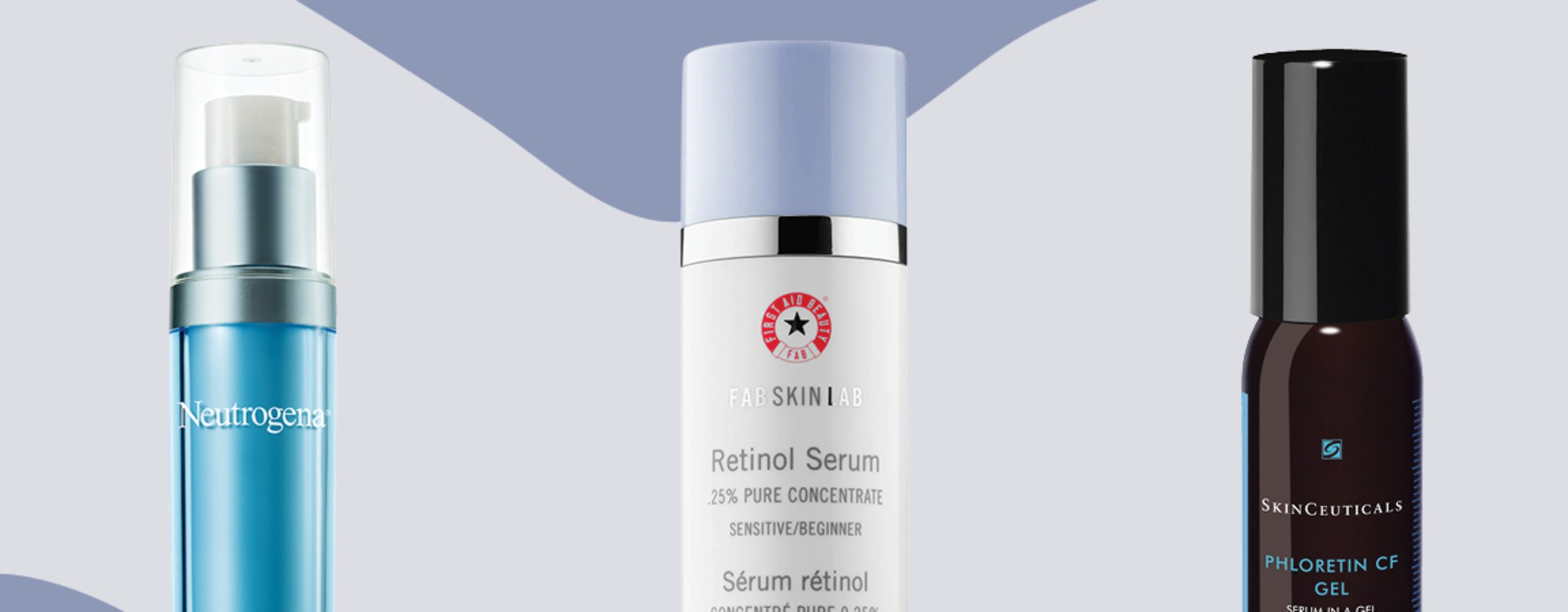
Here’s a serum, there’s a serum—wherever you find yourself browsing an aisle of skin care options, you’ll almost definitely find a collection of little bottles promising to Terminator-style destroy whatever ails you. They talk a big game and usually cost a quarter of a month’s rent, since most serums rely on a potent range of active ingredients to moisturize where you’re dry, brighten where you’re dull, or exfoliate where acne’s left its mark. But all the marketing in the world doesn’t make it less frustrating when you use a serum day after day, only to see no change. It’s betrayal, plain and simple. To avoid the pain, we emailed trusted dermatologists far and wide for their opinion on the most pressing of subjects: the best face serums for acne-prone skin. Cheers to the eight below, and say hello to clearer days.


Source link

Categories
Health

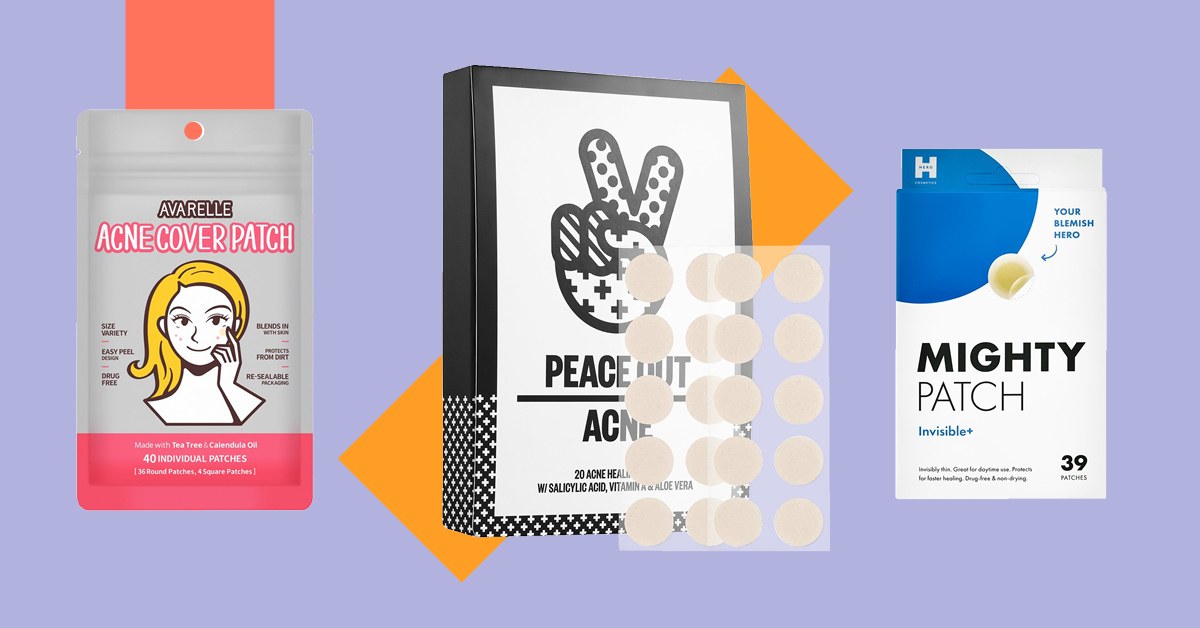
The 8 Best Acne Patches to Get Rid of Pimples Overnight


Although I’ve spent a better part of my career writing about my skin care, I first became obsessed when I started getting hormonal breakouts at 14. I’ve burned through tubes of benzoyl peroxide and salicylic acid gels—burning a few acne scars into my face in the process—and bottles of acne-relieving toners, all in an attempt to control the monthly cyst or two.

But because these products were so harsh on my sensitive skin—and did nothing for those under-the-skin monsters—I was forced to experiment. I spent more and more time scouring online for the best acne treatments out there. And that’s when I discovered acne patches late one night on an Amazon crawl, the medication-free pimple stickers that completely changed my complexion and perspective. Specifically, it was the reviewers who sold me on the NexCare Acne Absorbing Covers ($5, amazon.com), as they were heralded as particularly efficacious at treating cystic, hormonal acne that doesn’t normally respond to spot treatments—exactly the kind of zit that becomes my monthly nemesis and the kind that should never, ever be squeezed.

The instructions were simple: Clean the area, apply the patch, then wait. Once its color turns from clear to white, you take it off. NexCare recommends you leave the sticker on for several hours, but say they work best while you sleep. So I washed my face one night, slapped two on and hit the sack. The next morning, the stickers were white, as promised. You could literally see that they had worked like sponges to suck out the oil and gunk, leaving both zits far less inflamed with one practically disappearing. It was like magic, but not.

When I asked Joshua Zeichner, MD, the director of cosmetic and clinical dermatology at Mount Sinai Hospital in New York City, about acne patches, he explained that the majority of them (including my beloved NexCare patches) are made of hydrocolloid, and quite similar to topical wound treatments. “Hydrocolloid dressings are used in medicine for their ability to enhance wound healing—they can stick to the skin, form a protective seal over a wound, and absorb excess fluid,” he says. “These same properties make them useful for treating conditions like acne. Think of a pimple as a skin wound of sorts. Applying the hydrocolloid bandage over it can help protect and calm the inflamed skin, allowing it to heal.”

From then, I became an acne patch evangelist, preaching their incredible prowess to literally anyone who would listen. And although the NexCare stickers were my first love, I’ve since found a slew of different brands that have completely changed my skin care game. I don’t use over-drying lotions anymore, and the patches literally work overnight on about half of my pimples, maybe a few days for the big mamas.

Ready to try them yourself? Regardless of how big or angry your zit is, these are the eight different acne patches I’ve personally tested and will sing the gospel of.


Source link