Categories
Health

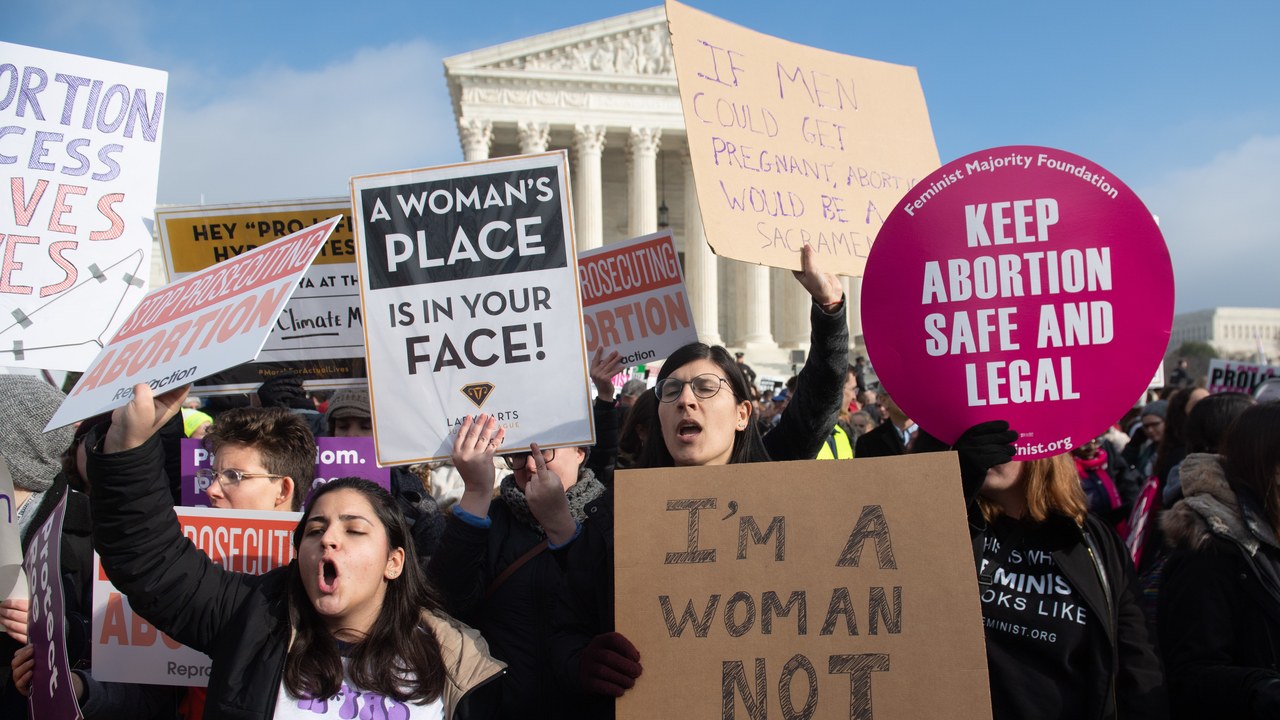
With the Alabama Abortion Ban, Republicans Push to Challenge Roe v. Wade and Strip Women of Their Rights


“If we are arguing personhood,” said Eric Johnston, the president of the Alabama Pro-Life Coalition, “then it does not matter how a child is conceived.” Late last night, Alabama passed a total abortion ban passed in the state after an amendment that would have made an exemption to the law in cases of rape or incest failed. (The ban does have an exemption for cases in which a woman’s life is in danger.) Johnston had helped draft the bill. If it’s signed into law and allowed to take effect, doctors who perform abortions on women at any stage of pregnancy could face 99 years in prison.

In the lead up to the vote, Republican Rep. Terri Collins was even clearer, arguing that “[o]ur bill says that a baby in the womb is a person.” Collins is a cosponsor on the bill, which she hopes will help overturn Roe v. Wade. In Alabama, as in Georgia and Ohio, which both passed extreme abortion bills earlier this month, a clump of cells now has more rights than an adult woman—or, as CBS News pointed out, an sixth grader. Under the Ohio law, for example, a pregnant 11-year-old rape victim would no longer be allowed to have an abortion.

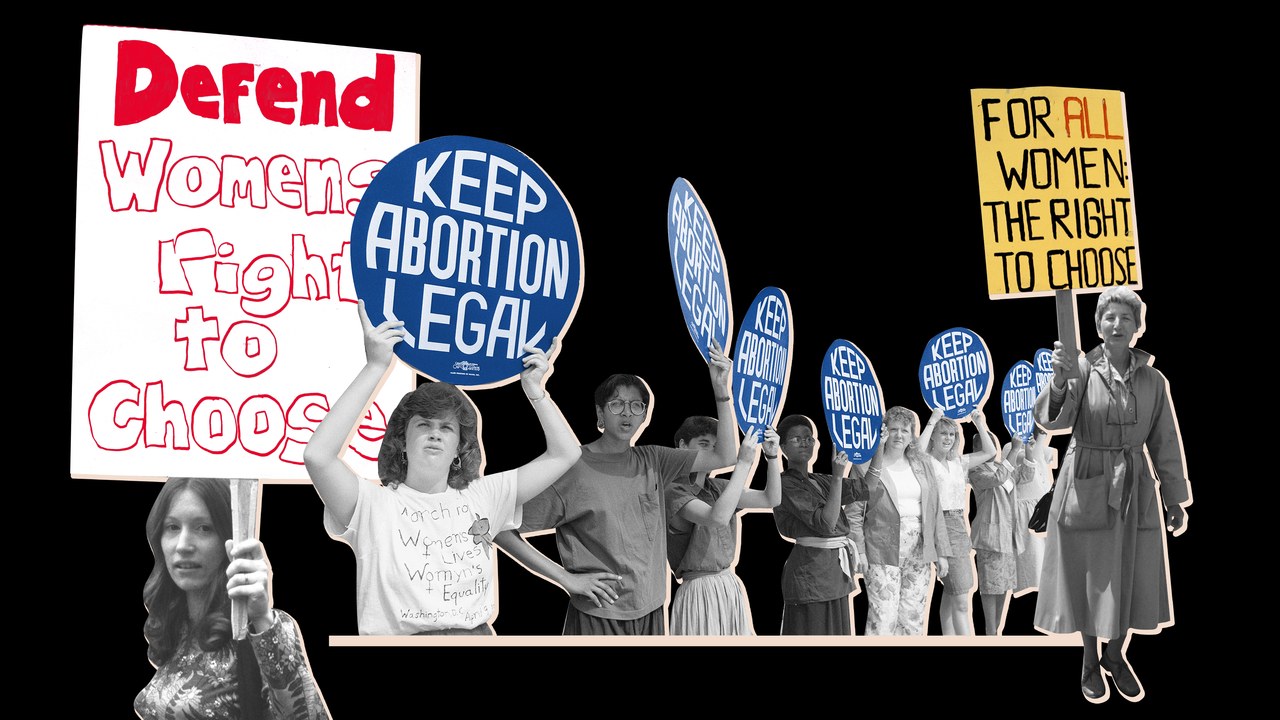
Yes, ICYMI: Republicans want to overturn Roe. They want to take away the right to have a safe abortion. They want to send us right back to America pre-1973. But it’s not just about Roe. Under Donald Trump, a man who’s had a lot of sexual relationships with a lot of women who aren’t his wife, the GOP has declared an open war on women’s reproductive health. It seems we can’t reach the end of a week without a new crisis, some gruesome legislative nightmare explicitly crafted to rein in our rights. It’s 2019, and Republicans have an unquenchable thirst for the Handmaid’s Tale agenda.

Lately, the crusade has taken the form of “heartbeat bills,” which ban abortion before most women even know they’re pregnant at around six weeks. (That’s a little after one late period, although presumably most of the men who wrote these bills are unfamiliar with how menstruation works.) Other efforts have attempted to defund Planned Parenthood, which provides life-saving mammograms and pap smears to millions of people, using a sneaky Title X “Gag Rule.” But inevitably, there’s more to come. The GOP has one goal when it comes to women—strip us of our rights to reproductive health care and the freedom to live the lives we choose.

Since the appointment of Supreme Court Justices Brett Kavanaugh and Neil Gorsuch, state and local Republicans have doubled down on their plan to regulate women’s bodies. And why not? For the first time since Roe v. Wade was decided in 1973, the makeup of the court is so conservative that it’s entirely possible the decision will soon be struck from the books.

We could scream ourselves hoarse, calling out how highly strange and deeply hypocritical it is that the supposed party of small government wants to squeeze itself inside women’s uteruses. Or we could acknowledge what’s really going on here: It’s not a set of ideological principles that motivates the Republican Party. It’s a desire to control women, to limit our possibilities and our potential, to beat back the gains of feminism and civil rights, and to do all that on a platform of coercion, intimidation, and misinformation. Of course, there are some good actors in the Republican Party (likely Catholics) who truly believe that life begins at conception. I don’t believe that, but at least I understand where those people are coming from. Most anti-choice sentiment isn’t that.

Source link

Categories
Health

Women's Reproductive Rights Should Matter to Companies, Per New Research from NARAL and the Harris Poll


Earlier this month, we marked Equal Pay Day. In press releases and on social media, companies across America committed themselves to closing the gender pay gap and touted the importance of women’s empowerment and equity. In the era of the Women’s March, the unprecedented surge of women’s participation at the polls in 2018, and the record numbers of women that those women elected in the midterms, women’s advancement should be top of mind for companies right now.

Standing up for women’s rights is not only ethical. It’s also good business, with consumers eager to spend their dollars with companies that align with their values. Still, a critical aspect of this conversation continues to be overlooked: reproductive freedom. Reproductive freedom means that no woman can be fully empowered in the workplace if she cannot control her own body and decide her own destiny. This includes the ability to access birth control and abortion care, to go to work and not face discrimination while pregnant, and to have paid family leave to care for a new child.

To millions of working Americans, this isn’t some abstract fight about social issues. These are bread-and-butter issues that affect their ability to continue their education, rise up in their career, and plan for their future. And it couldn’t be any clearer that the American people expect businesses to take reproductive freedom seriously, too. A new report from the Harris Poll on behalf of NARAL Pro-Choice America suggests that staying silent on reproductive freedom may be a missed opportunity for companies. The poll, which surveyed 1,271 employed adults, indicates that companies should be just as vocal about and supportive of reproductive freedom as they are when it comes to the many other issues they stand up for, including equal pay, LGBTQ rights, and voting rights.

When women have the autonomy to choose if, when, and how to have children, they can build healthier families who are more resilient in times of economic downturn, which helps our communities grow stronger and companies prosper. The bottom line is supporting reproductive freedom is good for business. When women are provided essential benefits, productivity goes up and employee retention and loyalty increase. Over 70 percent of those polled acknowledge that reproductive freedom is tied to women’s overall empowerment and equality.

In the last two years, 29 states have passed over 100 laws denying women access to basic reproductive healthcare, including abortion care. Federal efforts to limit access to birth control, such as the Trump administration’s “domestic gag rule” that dismantles Title X, the nation’s birth control and reproductive health program, threaten the reproductive healthcare of millions of women. And if we can’t assume women’s rights are protected at the federal level, it’s up to all of us to ensure reproductive freedom is safe in our communities. In short, the leadership of the corporate community right now is absolutely critical.

We saw the power of the corporate community when more than 50 business leaders in Georgia spoke up as the state legislature considered, and then passed, a law that bans abortion at six weeks—before most women even know they are pregnant. The people who signed were leading with values. They were standing up for women and in line with the majority of Americans who want to keep access to abortion care. According to the survey, over 67 percent of respondents feel it is important for their employer to take a stand on reproductive freedom, including abortion. And 60 percent of employees reported that they would be more loyal to a company that offers coverage for prenatal care, family planning, and abortion care.


Source link

Categories
Health

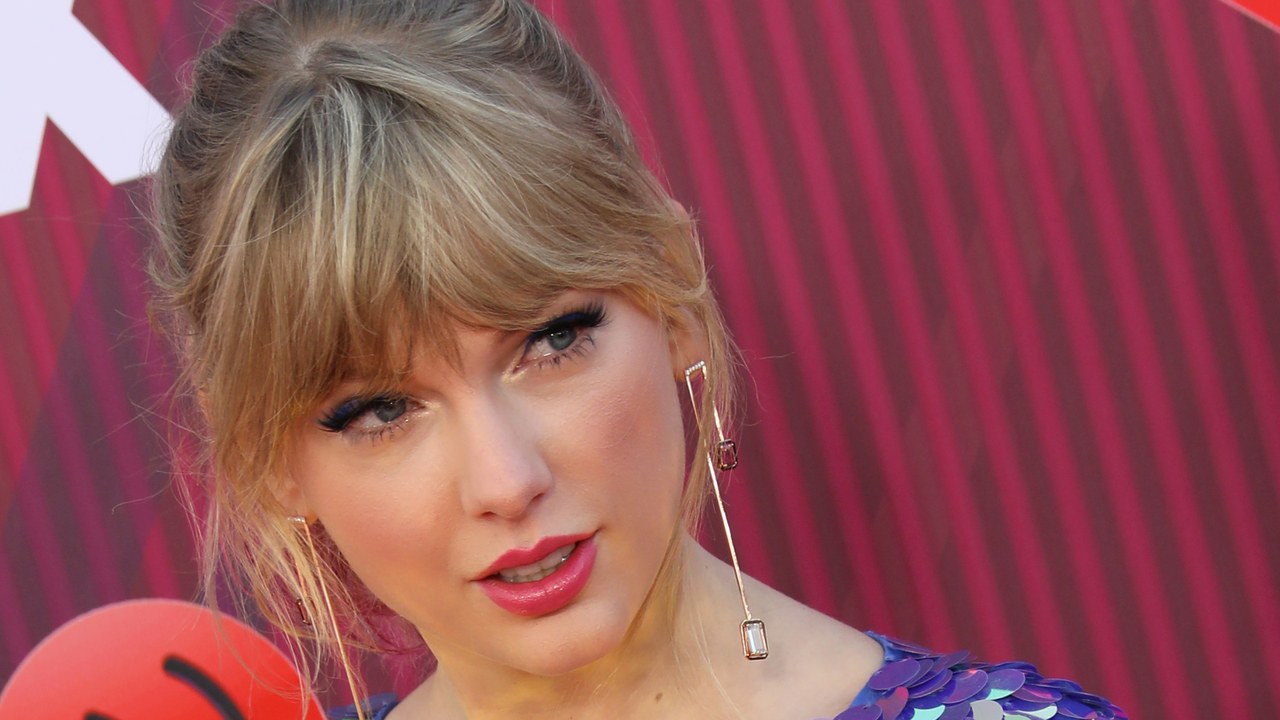
Taylor Swift Just Made a $113,000 Donation to Support LGBTQ+ Rights


Last month Taylor Swift gave fans what was essentially a State of the (Swift) Union via an essay for Elle titled “30 Things I Learned Before Turning 30.” It was a refreshingly honest piece that covered everything from her love of Command tape to the disbandment of her infamous “squad.”

She also talked about getting more involved in politics—something some critics felt should have happened sooner. “I saw so many issues that put our most vulnerable citizens at risk, and felt like I had to speak up to try and help make a change,” she wrote. Now she’s literally putting her money where her mouth is by donating $113,000 to a group called the Tennessee Equality Project that advocates for the equal rights of LGBTQ people in the state.

The donation came with a handwritten note to the organization’s leader, Chris Sanders, from Swift explaining why she wanted to get involved, which he posted on Facebook. “I’m writing you to say that I’m so inspired by the work you do, specifically in organizing the recent petition of Tennessee faith leaders standing up against the ‘slate of hate’ in our state legislature,” she wrote. “Please convey my heartfelt thanks to them and accept this donation to support the work you and these leaders are doing. I’m so grateful that they’re giving all people a place to worship.”

The Tennessee Equality Project is currently fighting against a number of bills including one that allows adoption agencies to discriminate against same-sex couples based on religious beliefs as well as a “bathroom” bill that many believe could lead to transgender discrimination. “Taylor Swift has been a long-time ally to the LGBTQ community,” Sanders said in the Facebook post. “She sees our struggle in Tennessee and continues to add her voice with so many good people, including religious leaders, who are speaking out for love in the face of fear. Tennessee Equality Project is honored and grateful to reveal Taylor Swift has made a donation of $113,000 to support our efforts at this critical moment.”

Of course, longtime Swift fans will note the use of her favorite number—13—in the donation amount. There was also lots of Twitter love for Tay’s support of the LGBTQ community, including from Ellen Degeneres who tweeted, “@TaylorSwift13, this lit up my heart.”


Source link

Categories
Health

A Case That Could Seriously Undermine Abortion Rights Is Before SCOTUS


Justice Brett Kavanaugh’s confirmation, which officially cemented a conservative majority on the Supreme Court, sparked a lot of questions. Namely: What will happen to abortion rights? With a new case heading to the Supreme Court, the answer may not be far off.

Earlier this week lawyers brought a case before SCOTUS that could have major consequences for the future of Roe v. Wade. Here’s the rundown: The Center for Reproductive Rights filed an emergency motion, asking the Supreme Court to block legislation that would make getting an abortion in the state more difficult. The law, passed in Louisiana, requires doctors performing abortions to have admitting privileges at a nearby hospital and will go into effect on Monday unless SCOTUS steps in. If they don’t, it will mean fewer clinics will be able to provide abortions. (As it stands, Louisiana has only three abortion clinics in the entire state.)

It would be a major threat to women in Louisiana seeking abortion care, because most women would have to travel over 150 miles to get an abortion. Translation: “The right to accessing legal abortion could be virtually extinct [in Louisiana],” says TJ Tu, a lawyer with the Center for Reproductive Rights who is working on the case.

But that’s just the beginning. If the Supreme Court doesn’t issue a temporary block on the law, or if they refuse to hear an official appeal later this year, it will send a powerful message to state lawmakers: SCOTUS isn’t defending Roe v. Wade.

Since Kavanaugh’s confirmation, there’s been a lot of talk over whether the Supreme Court will overturn Roe v. Wade. But that’s not the most serious threat to a woman’s right to choose, according to legal experts. States are passing legislation that openly defies the landmark ruling, banking on the hope that a conservative Supreme Court will endorse those policies—either by declining to hear appeals on lower-court case rulings, or backing those that do make it to the court. From Alabama to Ohio, laws effectively stripping women of the right to safe, legal abortion are racking up. “Antichoice legislators have effectively declared open season on women’s constitutional right to an abortion,” Tu says.

That’s why the Louisiana law (and whether it’s struck down by SCOTUS) is so important. “It shows courts can effectively gut the right to abortion without overturning Roe,” Tu says. “This has been the fear of advocates for years—that concern is becoming a reality.”

This isn’t the first time an abortion-related case has been brought to the Supreme Court since Kavanaugh was confirmed. In December SCOTUS declined to rule on two cases involving Planned Parenthood. “They may have decided this is not the year to stick their necks out following [the controversy over] Kavanaugh,” says Carol Sanger, a professor at Columbia Law School and author of About Abortion: Terminating Pregnancy in Twenty-First-Century America.

This case, which will probably end up on the docket for the next session of the Court if the justices decide to hear it, will likely be too important for SCOTUS to pass up, says Tu. And it raises serious questions, he says, about whether standing precedents on abortion matter to the judges. “Even justices that have disagreed with some recent abortion cases have said it’s important that precedents are followed and that lower courts do what the Supreme Court has ruled,” he says. In other words, the pending case gets right to the heart of the legal fight over Roe: Should previous rulings like Roe v. Wade be respected and upheld? “This case puts that question directly to the justices,” Tu says.

So what does this mean for the future of abortion rights? Tu says the Louisiana case is the canary in the coal mine. “It’s the product of a decades-long effort by antichoice legislators in that state to effectively kill the right to abortion without overturning Roe,” he says. “And if they can do it Louisiana, they can do it anywhere.”

Macaela MacKenzie is the senior health editor at Glamour. Follow her on Twitter @MacaelaMack.


Source link

Categories
Health

Watch Kamala Harris Expertly Question Supreme Court Nominee Brett Kavanaugh on Reproductive Rights


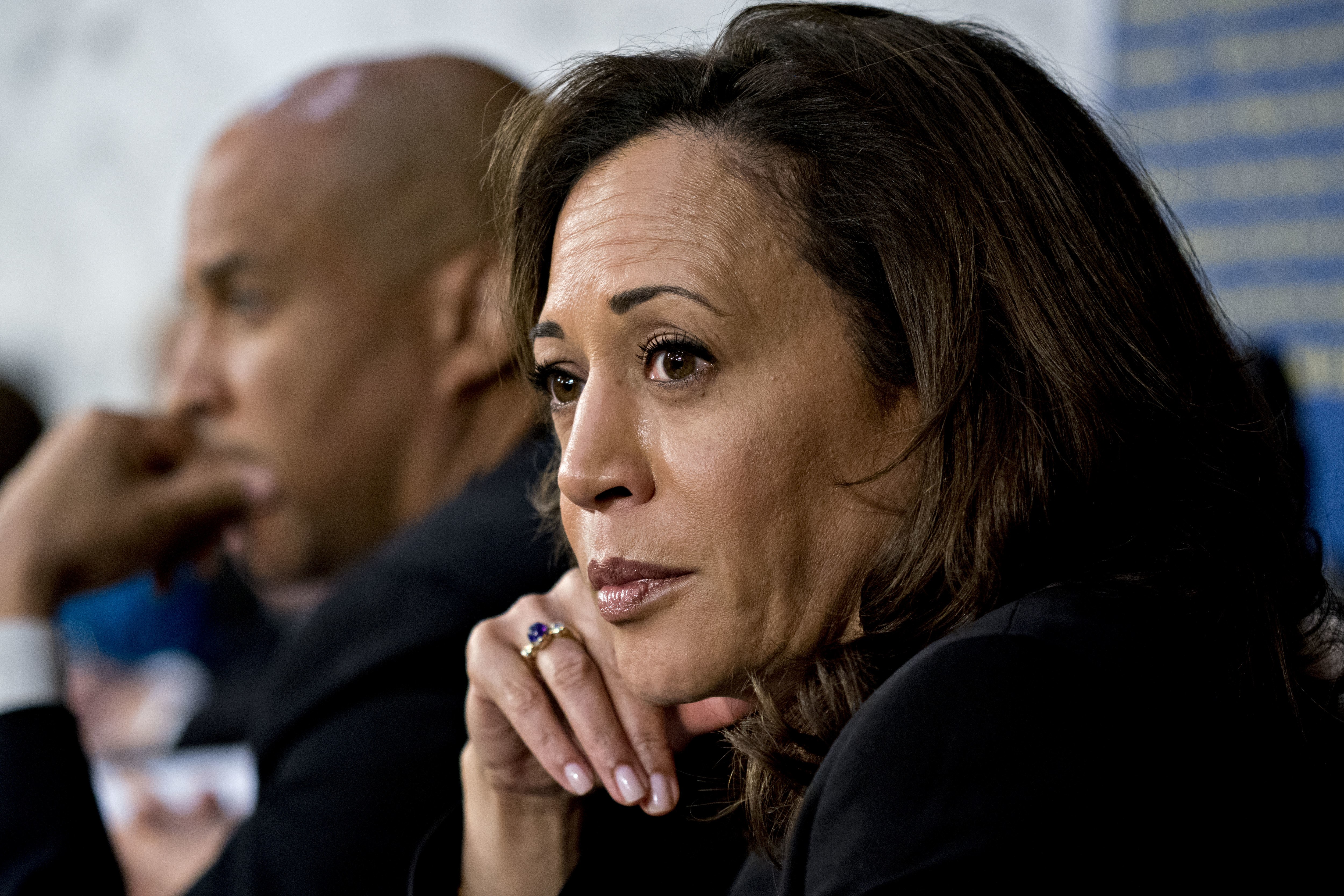
The second day of the Brett Kavanaugh Supreme Court confirmation hearings went late into the night Wednesday, but Senator Kamala Harris (D–Calif.) was ready when it was her time to question President Trump’s nominee for the highest court in the land.

As a former prosecutor (and former attorney general of California), Harris has perfected her cross-examination technique, and it is quite a sight to behold. Watching her line of questioning in Senate hearings has become a thing to watch. But there was one question in particular that had many women across the country cheering from their living rooms.

“Can you think of any laws that give the government the power to make decisions about the male body?” Harris asked Kavanaugh. When he offered to answer a more specific question, she clarified, “Male versus female.” Then she repeated the question.

Kavanaugh stumbled over his words and finally responded: “I’m not thinking of any right now, Senator.”

There it is, right there—the crux of the frustration for women (and men) who believe in reproductive freedom. There is no comparable situation where the government gets to make bodily decisions for men in this country.

His answer is one of concern for those watching to see how Kavanaugh handles questions about women’s reproductive freedom. In an interview with Glamour shortly after Trump announced his nomination, New York Senator Kirsten Gillibrand expressed her fears that women would seek illegal abortions if the conservative judge was confirmed.

“We are at the brink of not having reproductive freedom in this country, not having the ability to decide when and how many children we’re going to have,” Gillibrand told Glamour. “This nominee believes that a boss should decide whether I get access to birth control…. We should fight back with everything we have—because everything’s at stake.” And Washington Senator Patty Murray told Glamour that a Kavanaugh confirmation would create “a court [with] five men on it who will overturn Roe v. Wade.

Kavanaugh continued to evade discussion of his views on Roe v. Wade when asked by Harris whether he believed that a woman’s right to privacy included her right to terminate a pregnancy. He danced around the issue of nominee precedent, saying that he should not comment on specific cases and the importance of judicial independence. (While Kavanaugh has been quoted as saying Roe v. Wade is “settled law,” a 2003 leaked email provided to The New York Times and published Thursday shows the judge challenging whether the case was “settled law of the land.”)

Harris didn’t just grill Kavanaugh on women’s rights; she also spent eight minutes on the Mueller investigation of possible collusion with Russia and asked Kavanaugh if he believed there was blame on both sides (referencing Trump’s response for the violence in Charlottesville, Virginia, last year during a white supremacist rally). He evaded concrete answers on both issues. “I am not here to assess comments made in the political arena, because the risk is I’ll be drawn into the political arena,” Kavanaugh said regarding Charlottesville.

Twitter was very much here for Harris’ tough questions and no-nonsense approach to the hearings.

The hearings continue today with more questioning from the members of the Senate Judiciary Committee.

Related Stories:

Here’s Where Supreme Court Nominee Brett Kavanaugh Stands on Key Women’s Issues

The Kavanaugh Hearings, Day 2: If He Doesn’t Make the Supreme Court, He’d Make a Great Real Housewife


Source link

Categories
Health

What Brett Kavanaugh's Supreme Court Nomination Could Mean for Your Abortion Rights


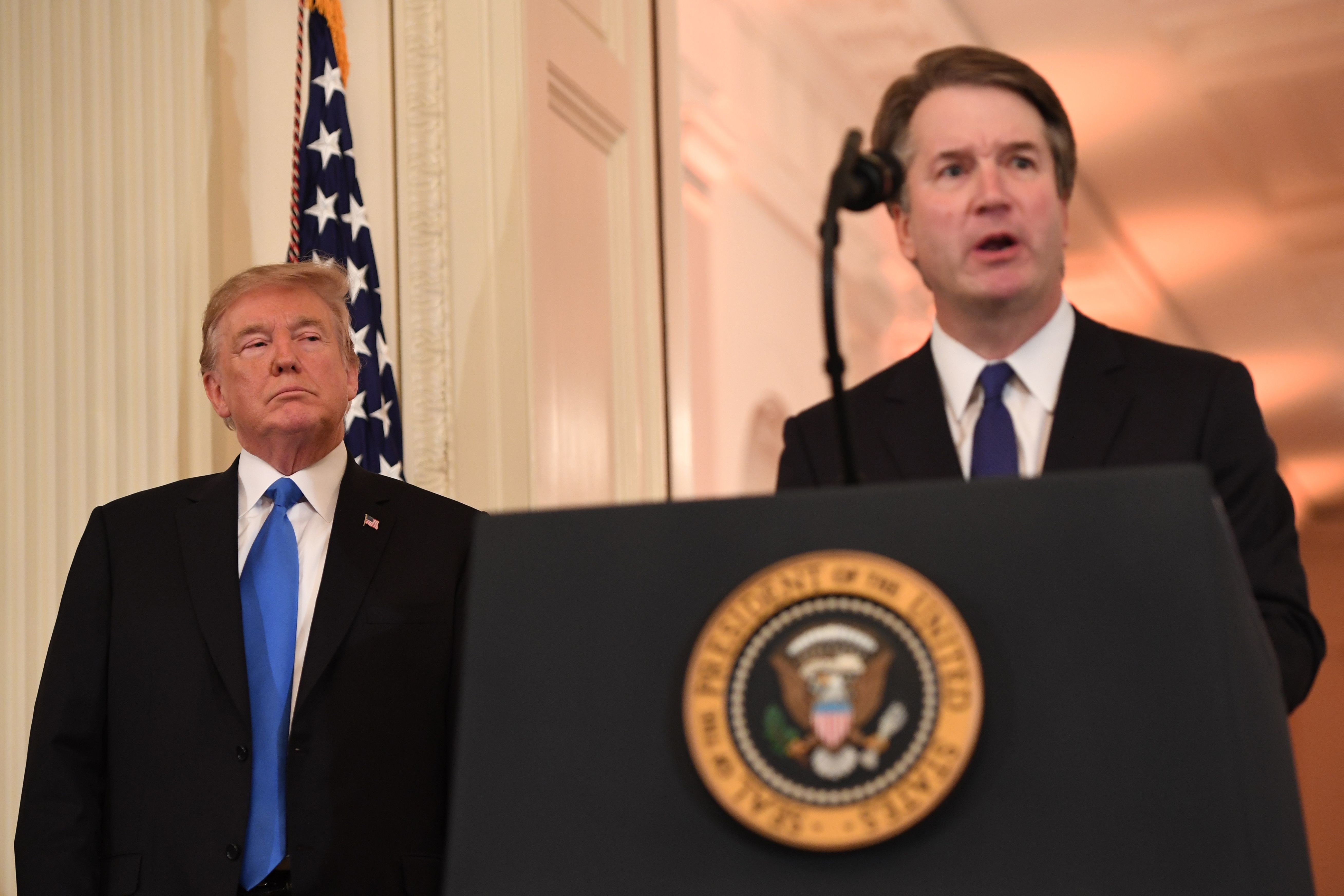
President Donald Trump on Monday night nominated conservative Brett Kavanaugh to serve on the Supreme Court, tilting the top tier of the American judiciary to the right without changing its gender balance.

Kavanaugh, a 53-year-old federal judge on the D.C. circuit, is the president’s choice to replace retiring Justice Anthony Kennedy.

“There is no one in America more qualified for this position, and no one more deserving,” Trump said before introducing Kavanaugh.

Kennedy’s departure raises new questions about the future of American abortion law. While he had a conservative record coming into the job, Kennedy went on to side with liberals in key cases that reaffirmed the legal right to abortion enshrined by the court’s watershed 1973 ruling in Roe v. Wade.

“Mr. President, I am grateful to you and I’m humbled by your confidence in me,” Kavanaugh said. Trump’s new pick spoke at length about his warm relationship with his mother and his two daughters, as well as his wife, whom he met when they both worked at the White House.

Trump campaigned on a vow to tap pro-life judges for the Supreme Court. Shortly after taking office, he successfully nominated conservative Neil Gorsuch to fill the vacancy created by the death of Justice Antonin Scalia.

The president’s second SCOTUS pick is even more politically charged, coming amid a midterm election widely seen as a national referendum on how Trump is doing as president.

Trump chose Kavanaugh, of Maryland, from a roster of conservative judges that included Amy Coney Barrett, 46, who would have been the fourth woman seated on the current court and the only female conservative. He also considered, among others, Raymond Kethledge, a judge on the U.S. Court of Appeals for the Sixth Circuit for the past decade who was viewed as a potential “consensus choice,” and Thomas Hardiman, a strong proponent of gun rights and a finalist for the SCOTUS berth that ultimately went to Gorsuch.

After earning undergraduate and law degrees from Yale, Kavanaugh clerked for Justice Kennedy. He later worked for Kenneth Starr, the independent counsel who famously investigated President Bill Clinton, and as a top aide to President George W. Bush.

Sally Kenney, a Tulane political science professor and an expert on the judiciary, told Glamour in an email immediately following the announcement that Trump had nominated a judge “chosen” by the conservative Federalist Society “to replace the swing justice on the Court a few months before an election while many in his administration are under investigation.”

Kenney added, “Judge Kavanaugh is no consensus candidate, but rather a Republican partisan associated with the most divisive conflicts of our times. It is hard to see how this appointment advances the rule of law, protects constitutional rights, or guarantees equal justice under law.”

Cardozo Law School Professor Kate Shaw said Kavanaugh might refuse to say in Senate hearings if he favors overturning Roe v. Wade.

Other nominees have avoided giving a position on Roe, but Shaw, a former associate White House counsel, said lawmakers would be “justified” in pressing Kavanaugh on “what confirming him could mean for reproductive rights” given the 2017 case of an undocumented teen who sought an abortion while in federal custody.

Kavanaugh’s dissent in that case sounded an alarm about giving detainees a new right to abortion “on demand”—a phrase abortion-rights advocates call “coded” language that indicates support for overturning Roe.

Dawn Laguens, executive vice president of Planned Parenthood Federation of America, condemned the president’s choice: “We oppose the nomination of Brett Kavanaugh to the Supreme Court, and call on the Senate to do the same,” she said in a statement. “There’s no way to sugarcoat it: with this nomination, the constitutional right to access safe, legal abortion in this country is on the line.”

But some hardline abortion opponents have reportedly used the very same case to question whether Kavanaugh would truly be the kind of “solidly pro-life” justice they want on the bench.

Marjorie Dannenfelser, president of the pro-life group Susan B. Anthony List, praised the decision. “President Trump has made another outstanding choice in nominating Judge Brett Kavanaugh to replace Supreme Court Justice Anthony Kennedy, keeping his promise to nominate only originalist judges to the Court,” Dannenfelser said in a statement. “Judge Kavanaugh is an experienced, principled jurist with a strong record of protecting life and constitutional rights.”

Additionally, as NPR reported, Kavanaugh “also dissented in a case involving a challenge brought by religious groups to the contraception provision of the Affordable Care Act.” The rule, which “required religious groups to certify that they were exempting themselves from providing contraceptive services,” was eventually withdrawn by the Trump administration.

If confirmed, Kavanaugh promised to “keep an open mind in every case” and “always strive to preserve the Constitution of the United States and the American rule of law.”

Now that he’s made his pick, Trump’s nominee goes on to confirmation hearings held by the Senate Judiciary Committee. After that review, committee members make a recommendation on the candidate and send it to the full Senate.

Related Stories:

Trump’s Supreme Court Pick May Come From This List—Here’s Where They Stand on Women’s Issues.

Pro-Choice Organizations Launch the #OneInFour Campaign Ahead of President Trump’s Supreme Court Nomination


Source link