Categories
Health

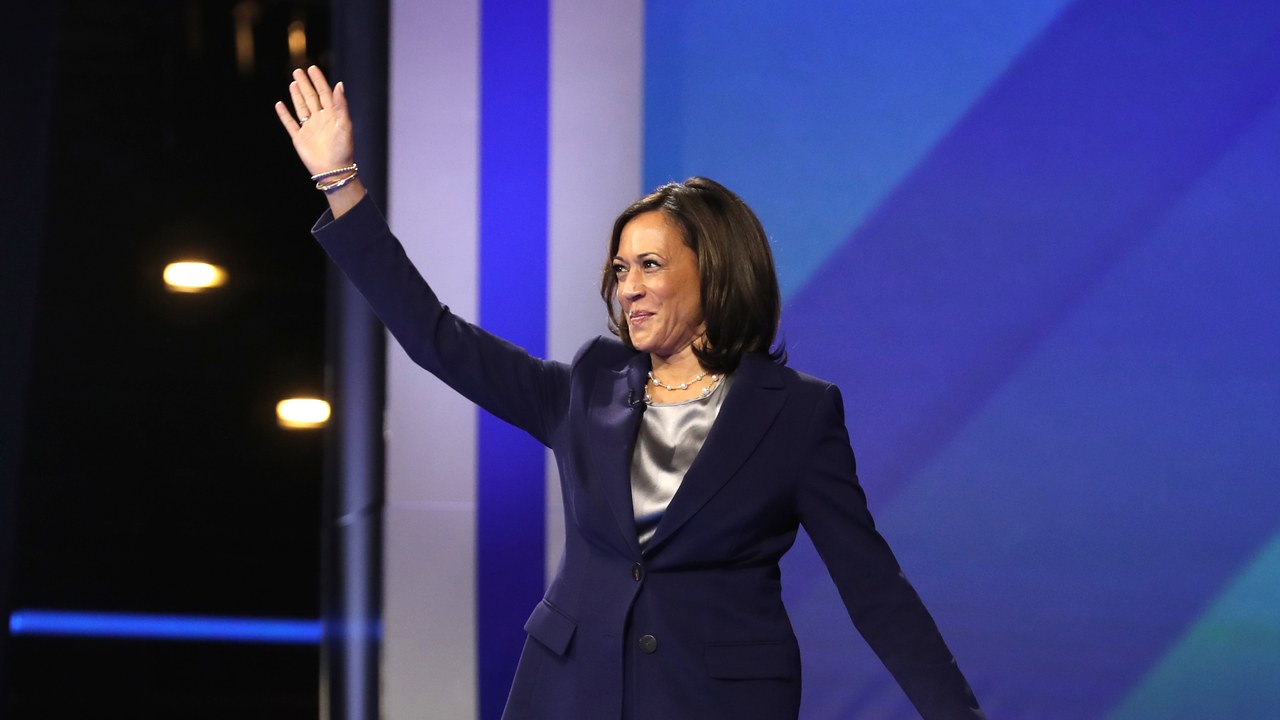
Kamala Harris Won't Be on Tonight's Debate Stage. No Matter Who Your Candidate Is, That Should Matter to You


To recap: While billionaire Michael Bloomberg, who entered the race in November, will be able to self-fund his new campaign, Castro has not been on the debate stage in months. Booker failed to clear the barrier for tonight’s event. Neither of the men, both non-white, have been able to raise enough money or garner enough support to make the cut. Gillibrand, like Harris, ended her campaign because she didn’t see a path to remain in the race. And over the past few months, Senator Elizabeth Warren (D-Mass.) has suffered in the polls, even after a significant rise over the summer. Each week, it seems, there’s some new speculation on whether or not her affect and approach will make her too unlikeable and unelectable for voters to support.

As critics have pointed out, those stories are published in the same publications that often lavish coverage on white men who remain in the race. (In April, media outlets gushed over Mayor Pete Buttigieg’s ability to speak Norwegian while seemingly ignoring Gillibrand’s complete fluency in Mandarin. And much has been made of the fact that Buttigieg was a Rhodes scholar, though far fewer have noted that Booker was too.)

Harris and Gillibrand both brought up issues, in their campaigning and during debates, that are less likely to be discussed in detail in their absence. Both women were unapologetic in their support of women’s reproductive freedom, for example, and both, in their advocacy, highlighted the relationship between systemic racism and sexism. Booker and Castro, who remain in the race but will not be on the debate stage, have also demonstrated a willingness to discuss women’s rights and how those issues are related to other concerns, such as immigration, mass incarceration, and gun violence.

During the first Democratic debate in June, for example, both Harris and Booker took former Vice President Joe Biden to task over his history of opposing school busing. Harris took the lead in the confrontation, referencing her own childhood experiences with segregation. Her direct approach, as well as her ability to draw on a personal narrative, won the night. After the debate, her poll numbers moved into double digits for the first and ultimately only time.


Source link

Categories
Health

Does Having A Baby At 35 Really Matter?


Becky S., who was 35 when she got pregnant, says she’s noticed that her age comes up a lot when she visits her ob-gyn too. “I think it’s kind of funny,” she says. “The doctors chuckle about it too. It seems ridiculous.” She says she has plenty of friends who have had babies in their forties: “I always thought I was kind of a young mom.” But there are risks to being pregnant at an “advanced” age. Serman had testing done for Down syndrome, which the American Congress of Obstetricians and Gynecologists recommends for pregnant women 35 and up and says she was “really stressed” about the results given all that she had heard about a having an increased risk of a baby with the condition due to her age. “When they called me to say that everything looked fine, I almost cried,” she says. “I was really scared.”

Kate also remembers being worried about her risk of having a baby with health complications. She and her husband had a “really intense” meeting with a genetic counselor at the hospital during her pregnancy, who laid out her birth-defect risks in a way that freaked her out. “If I had been given the choice, I would have rather not known,” she says. “What’s the point? You’re already pregnant. Is it really necessary to scare someone to death?”

Having babies at an older age isn’t without its risks. The odds of having a child with birth defects do increase with age, but it’s a steady increase—not something that suddenly spikes at 35. “It’s not like everything is fine at 34 and then something terrible happens at 35,” says Lauren Streicher, M.D., an associate professor of clinical obstetrics and gynecology at Northwestern University Feinberg School of Medicine.

Older moms are at a higher risk of having a miscarriage, gestational diabetes, and high blood pressure than their younger counterparts, says Christine Greves, M.D., a board-certified ob-gyn at the Winnie Palmer Hospital for Women and Babies. There’s also a higher risk of down syndrome. Women who are 35 have a one in 350 chance of having a baby with Down syndrome, per the National Down Syndrome Society, which offers up a chart that breaks down a woman’s risk by her age. Thanks to advancing technology, moms can have noninvasive prenatal testing, which can tell with 99 percent certainty whether the baby has trisomy 21 (a.k.a. Down syndrome), trisomy 13 (a chromosomal condition associated with severe mental disability and physical abnormalities), trisomy 18 (a chromosomal condition associated with abnormalities in many parts of the body), or other genetic complications, she says.

And, of course, your fertility is slowly declining over time as well. “I tell patients that, biologically, women are meant to have babies in their twenties, but I would never say that you have to have your baby before 35,” says Dr. Streicher. There’s only so much you can do about your egg count and quality as you get older—age is the number one determination of fertility—but Dr. Greves recommends eating a healthy diet, exercising, and avoiding smoking to prep yourself for a healthy pregnancy.

If you do start your family in your thirties and you want to have more than one kid, Dr. Streicher says you should probably plan to have them closer together than if you started having babies in your twenties. That said, don’t freak out about advanced maternal age, especially if you’re 35 or right around there. “I’m not seeing problems so much in women in their mid-thirties—they’re usually older,” Dr. Streicher says.


Source link

Categories
Health

Here's How to Have a Financially Healthy Relationship, No Matter Who's the Breadwinner


She Makes Money Moves is a new podcast from Glamour and iHeartRadio. Hosted by Glamour editor in chief Samantha Barry, the podcast shares intimate, unscripted stories from women across the country along with advice from financial experts to help guide those women—and women everywhere—forward. Download a new episode every Tuesday, then visit glamour.com/money for an article like this, with more insights from that week’s expert.


More women than ever before are the breadwinners in their households. According to the U.S. Census Bureau, 38% of wives out-earn their husbands. And while the aim should be to have a financial split that makes sense for each couple, research shows that this particular brand of imbalance can make some uncomfortable. So much so that some women lie about their earnings.

The New York Times has reported that in heterosexual marriages in which women earn more, wives will tell the Internal Revenue Service they earned 1.5% less than they actually do. Meanwhile their husbands will falsely claim to have earned 2.9% more than they do.

This week’s guest on She Makes Money Moves makes more than her husband. But the problem in their relationship isn’t that she has a bigger paycheck; it’s their different spending habits. Her husband is frugal, which makes her feel guilty when she spends money. She’s now expecting a baby and she’s worried she’ll feel even more reluctant to spend anything on herself once they have a child. To help her navigate her spending anxiety, Barry welcomed Shannon McLay, founder and CEO of the Financial Gym to the podcast. Here, McLay explores how to have a healthy financial relationship with your partner—no matter who’s bringing home the bacon.

Be up front about your money goals.

Have a conversation about both of your money goals. This will allow you and your partner to dream together and then plan together. You can discuss things like where do you see yourselves going in life? Do you want to own property? Do you want to have a family? Where do you want to live? Do you foresee any career pivots in the future? Is traveling a priority? All of these questions are important to answer and align on when deciding to enter (or stay in) a long-term committed relationship with someone. Especially when there’s an imbalance in income.

Get financially naked.

Couples are comfortable getting physically naked with each another, but more often than not they’re uncomfortable getting financially naked. Opening up about your finances is an important step in a relationship, and it’s one I encourage couples to do early and often. What does this mean? Each person should lay out their assets, debts, expenses, and personal financial goals they’re working on. Doing this can help ease any discomfort around deciding who pays for what, or how you plan your dates and vacations together. But more importantly it will help you understand one another’s priorities when it comes to your overall financial health.

Transition from viewing money as “mine” & “yours” to “ours.”

If you and your partner are working towards the same goals, then both of your incomes will feel like they are the tools getting you to those goals, together. Thinking about your finances as shared money going towards a shared future will make you and your partner feel less competitive and instead, more collaborative. Because if you’re constantly deciding how to split things up and the “fairness” of the division, the relationship can begin to feel more like splitting the bills with a roommate and not an intimate life partner.

According to a survey by Fidelity, the sponsor of She Makes Money Moves, 80% of women aren’t talking about money with the people closest to them. Today Glamour invites you to the conversation: Subscribe on Apple Podcasts, in the iHeartRadio app, or wherever you listen to podcasts, and join us as we help women raise their voices and make money moves.


Source link

Categories
Health

It's Black Women's Equal Pay Day. No Matter Who You Are, That Should Matter to You


It’s not quite a cause for celebration, but August 21 is Black Women’s Equal Pay Day, which marks the point in 2019 at which the average black woman’s wages at last catch up to what a white man earned in 2018.

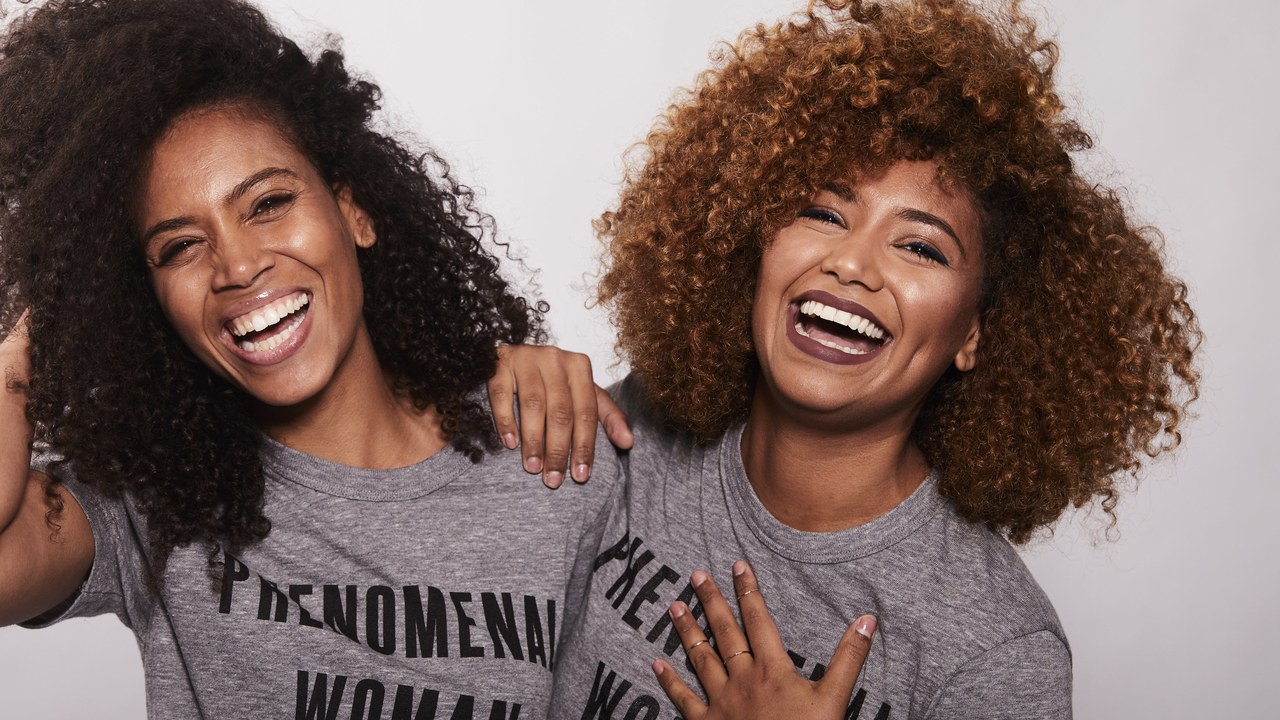
For women overall, it takes about 16 months to make what a white man makes in 12. But for black women, that number is higher. It takes 20 months to even out. Native American women won’t meet the benchmark until late September. Latinas will hit it in November. But to mark this, uh, inauspicious occasion, we invited Meena Harris, founder of the Phenomenal Woman Action Campaign, to interview Black Lives Matter cofounder Alicia Garza. Harris, who also serves as commissioner on the San Francisco Commission on the Status of Women and holds a leadership position at Uber, established the Phenomenal Woman Action Campaign to raise awareness about social causes in partnership with non-profit organizations that support women’s rights on the ground. Here, she and Garza chat about the gender wage gap, the economic importance and potential of black women, and what it means to be an activist.


Meena Harris: Today is Black Women’s Equal Pay Day (BWEPD) which, as you know, signifies the approximate day a black woman has to work into the new year to make what a white man made at the end of the previous year. Based on census data from 2019, black women are only paid 61 cents to every dollar that a white man makes. Can you talk about the significance of this as an economic issue?

Alicia Garza: When you hear statistics about the gender wage gap in America, we often hear that women make 78 cents on the dollar that white men make. Actually, those are statistics looking specifically at white women. What it points to is that the economy is organized by race and by gender all at the same time. There are communities who sit at the intersection, and one of those communities is black women. So, If we’re not looking at how the economy is organized by race and gender and the communities that sit at those intersections, when we try to develop policies or solutions to a pervasive problem, we will leave communities behind and black women are very susceptible to that.

We see this happen all the time with issues when they’re not viewed from an intersectional perspective. For Black Futures Lab’s 2019 Black Census Project, you looked at priority issues and concerns for black people across the country and found that the issue of low wages not being enough to support a family was the number one concern of black respondents. How does this map onto the wage gap for black women?

AG: First and foremost, what’s important to know is that black communities are rarely asked how and what we experience in the economy, democracy, and in our society. That’s why we set out on this project particularly in leading up to a major presidential election. Every time we see a presidential candidate come up on the stage, they’re talking about how they’re going to improve the economy. The reality is that not everyone is experiencing the economy in the same way.

Any policy or proposal that wants to tackle this issue has to look at how the economy is organized by race and by gender. We find when you start with the people who are experiencing the problem the worst and most frequently, it actually creates the most possibilities for everyone to rise.

So, we know that, when we do right by black women—particularly those who are primary breadwinners, particularly those who are also dealing with other economic issues like mass incarceration or inadequate schools for their children—and when we raise their wages, the entire country benefits. It’s not just about numbers. It’s about families and what’s keeping us up at night, and the solutions we know can help to change the lives of everyone in America.


Source link

Categories
Health

How to Invest Money, No Matter How Much You Have in the Bank


Women invest 40 percent less money than men do, according to a recent Wealthsimple survey. And it’s not just because we don’t have access to the funds (hello, pay gap) to invest: In another report, people were asked what they’d do with an extra $1,000. Women who responded were 35 percent less likely to invest it than men.

But when women actually do get in on the stock market game, they consistently earn higher returns than men, according to research from Fidelity. Yet many women still believe the stereotype that they aren’t great at investing—only 9 percent of women believed they were better investors than the guys. So at Glamour we’re issuing a challenge. Stop viewing the investment world as an old boy’s club, and go get that coin. Here are a few tips to help get you on your way.

Get in the habit

Just because you don’t have thousands of dollars to play with doesn’t mean you shouldn’t start investing your hard-earned money. “When you first start investing, establishing the habit is more important than the amount you actually invest,” says Stefanie O’Connell, a millennial personal finance author. “If you set a small amount of money aside on a consistent basis, you’ll be better able to scale your investment contributions when you’re able—when you get a raise for example. Investing as little as 1 percent of every paycheck can help you get started and learn more about investing while you do, without feeling like you have to give up a ton of money for your essential needs and short-term goals in the meantime.”

One of the best ways to start investing is with the options provided by your company. Maybe you can contribute to your corporate-sponsored 401K, or an alternative retirement plan. “You can elect to have a small percentage of your salary automatically set aside from each paycheck,” says O’Connell. “Even if you don’t have this option through an employer, you can set up regular, automated contributions on your own into accounts like a ROTH IRA. Automating is helpful because you don’t have to think about it. And when the money is automatically invested, you’re less likely to think of that money as available for spending.”

Find the right plan for you

There are a huge number of investment options to choose from. Whether you decide to chart a retirement plan, join a full-service brokerage firm—where they’ll guide you on how to invest money and advise you on stock options—or take a more DIY approach, the options are (almost) endless. But for first-time investors, Nicole Lapin, founder of The Money School, recommends working with a discount brokerage, which is a firm that buys and sells for you at a lower commission rate, but cannot give investment advice. “I’d go with a firm like E*Trade, TD Ameritrade, or Fidelity,” says Lapin. “These are typically do-it-yourself operations, and are much less expensive. For each trade you make, it’s only around a $4 to $5 fee. They’re a good way for investors seeking a low-cost, self-directed approach to investing to get in the door.”

And when you’re on the hunt for your brokerage firm, investing platform, or savings plan make sure you’re not biting off more than you can chew. “Most funds require an initial minimum investment that can vary between $500 to $5,000, which often discourages women from participating as it creates a barrier of entry,” says Kassandra Dasent, a financial consultant and owner of Minding Your Money, LLC. You don’t want to invest all of the money you’ve set aside during your first time out—this is a habit you’re getting into, remember!—so don’t go with a plan that will make you invest $2,000 to get started, if that’s all you have saved up. Consider your options. “Research online brokerage firms that will waive account minimums, if the individual is willing to set up automatic monthly investments, which can be as low as $25 per month,” says Dasent. “The latter option allows their money to be put to work immediately in the markets and encourages them to invest consistently.”

Stay on top of your portfolio

Once you pick a plan and enroll in automatic monthly investments it doesn’t mean your work is over. The financial landscape is constantly changing, and the stock market can be a volatile place. One day Snapchat is one of the highest stocks on the market, the next it’s plummeting. If you take your eyes off the prize, you could feel some serious consequences. That doesn’t mean you should buy and sell every time your investments rise and fall—riding out those swings can sometimes be the best course of action. But you shouldn’t ignore things completely. “Every year, if not more often, you should rebalance your overall investment portfolio to get your portfolio back in balance with the original allocation you determined fit for your goal and risk tolerance,” says Brittney Castro, founder and CEO of Financially Wise Inc. “When market volatility picks up, your portfolio can get unbalanced, which means you may be taking more or less risk than you think, hence more regular rebalancing may be needed. Work on determining the best rebalance strategy for your financial situation.”


Source link
Categories
Health

Women's Reproductive Rights Should Matter to Companies, Per New Research from NARAL and the Harris Poll


Earlier this month, we marked Equal Pay Day. In press releases and on social media, companies across America committed themselves to closing the gender pay gap and touted the importance of women’s empowerment and equity. In the era of the Women’s March, the unprecedented surge of women’s participation at the polls in 2018, and the record numbers of women that those women elected in the midterms, women’s advancement should be top of mind for companies right now.

Standing up for women’s rights is not only ethical. It’s also good business, with consumers eager to spend their dollars with companies that align with their values. Still, a critical aspect of this conversation continues to be overlooked: reproductive freedom. Reproductive freedom means that no woman can be fully empowered in the workplace if she cannot control her own body and decide her own destiny. This includes the ability to access birth control and abortion care, to go to work and not face discrimination while pregnant, and to have paid family leave to care for a new child.

To millions of working Americans, this isn’t some abstract fight about social issues. These are bread-and-butter issues that affect their ability to continue their education, rise up in their career, and plan for their future. And it couldn’t be any clearer that the American people expect businesses to take reproductive freedom seriously, too. A new report from the Harris Poll on behalf of NARAL Pro-Choice America suggests that staying silent on reproductive freedom may be a missed opportunity for companies. The poll, which surveyed 1,271 employed adults, indicates that companies should be just as vocal about and supportive of reproductive freedom as they are when it comes to the many other issues they stand up for, including equal pay, LGBTQ rights, and voting rights.

When women have the autonomy to choose if, when, and how to have children, they can build healthier families who are more resilient in times of economic downturn, which helps our communities grow stronger and companies prosper. The bottom line is supporting reproductive freedom is good for business. When women are provided essential benefits, productivity goes up and employee retention and loyalty increase. Over 70 percent of those polled acknowledge that reproductive freedom is tied to women’s overall empowerment and equality.

In the last two years, 29 states have passed over 100 laws denying women access to basic reproductive healthcare, including abortion care. Federal efforts to limit access to birth control, such as the Trump administration’s “domestic gag rule” that dismantles Title X, the nation’s birth control and reproductive health program, threaten the reproductive healthcare of millions of women. And if we can’t assume women’s rights are protected at the federal level, it’s up to all of us to ensure reproductive freedom is safe in our communities. In short, the leadership of the corporate community right now is absolutely critical.

We saw the power of the corporate community when more than 50 business leaders in Georgia spoke up as the state legislature considered, and then passed, a law that bans abortion at six weeks—before most women even know they are pregnant. The people who signed were leading with values. They were standing up for women and in line with the majority of Americans who want to keep access to abortion care. According to the survey, over 67 percent of respondents feel it is important for their employer to take a stand on reproductive freedom, including abortion. And 60 percent of employees reported that they would be more loyal to a company that offers coverage for prenatal care, family planning, and abortion care.


Source link