Categories
Health

A Case That Could Seriously Undermine Abortion Rights Is Before SCOTUS


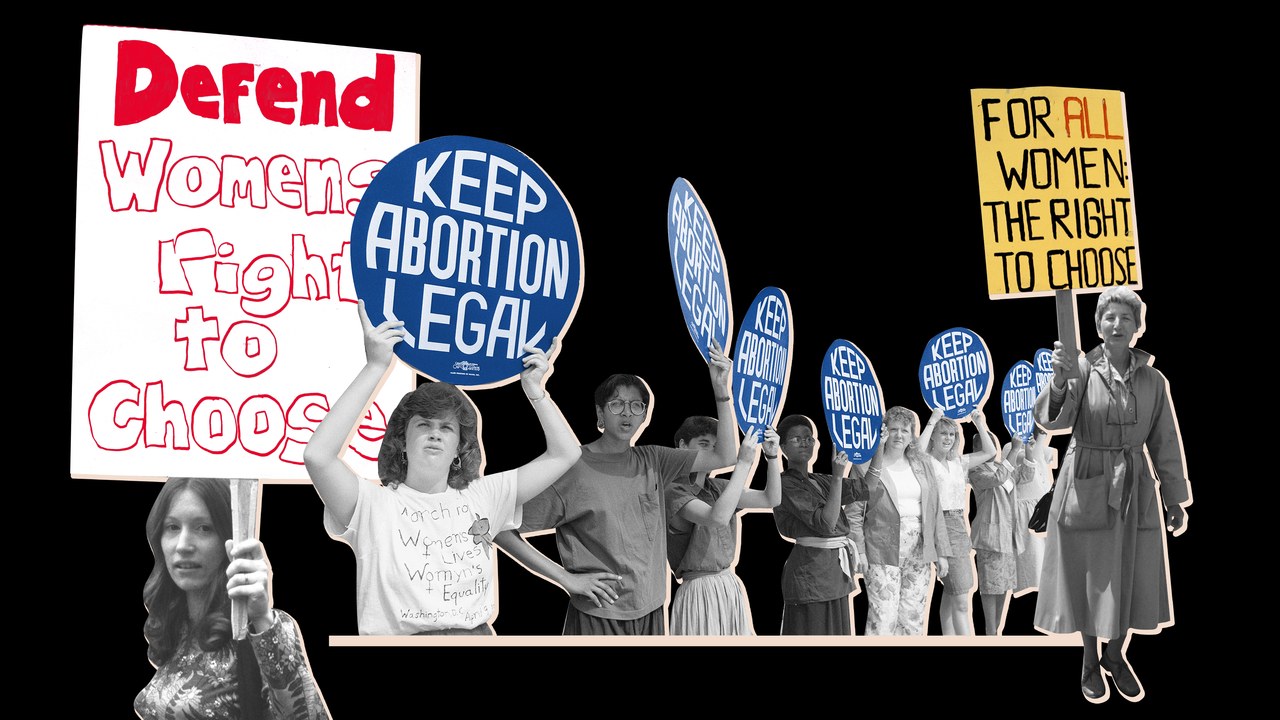
Justice Brett Kavanaugh’s confirmation, which officially cemented a conservative majority on the Supreme Court, sparked a lot of questions. Namely: What will happen to abortion rights? With a new case heading to the Supreme Court, the answer may not be far off.

Earlier this week lawyers brought a case before SCOTUS that could have major consequences for the future of Roe v. Wade. Here’s the rundown: The Center for Reproductive Rights filed an emergency motion, asking the Supreme Court to block legislation that would make getting an abortion in the state more difficult. The law, passed in Louisiana, requires doctors performing abortions to have admitting privileges at a nearby hospital and will go into effect on Monday unless SCOTUS steps in. If they don’t, it will mean fewer clinics will be able to provide abortions. (As it stands, Louisiana has only three abortion clinics in the entire state.)

It would be a major threat to women in Louisiana seeking abortion care, because most women would have to travel over 150 miles to get an abortion. Translation: “The right to accessing legal abortion could be virtually extinct [in Louisiana],” says TJ Tu, a lawyer with the Center for Reproductive Rights who is working on the case.

But that’s just the beginning. If the Supreme Court doesn’t issue a temporary block on the law, or if they refuse to hear an official appeal later this year, it will send a powerful message to state lawmakers: SCOTUS isn’t defending Roe v. Wade.

Since Kavanaugh’s confirmation, there’s been a lot of talk over whether the Supreme Court will overturn Roe v. Wade. But that’s not the most serious threat to a woman’s right to choose, according to legal experts. States are passing legislation that openly defies the landmark ruling, banking on the hope that a conservative Supreme Court will endorse those policies—either by declining to hear appeals on lower-court case rulings, or backing those that do make it to the court. From Alabama to Ohio, laws effectively stripping women of the right to safe, legal abortion are racking up. “Antichoice legislators have effectively declared open season on women’s constitutional right to an abortion,” Tu says.

That’s why the Louisiana law (and whether it’s struck down by SCOTUS) is so important. “It shows courts can effectively gut the right to abortion without overturning Roe,” Tu says. “This has been the fear of advocates for years—that concern is becoming a reality.”

This isn’t the first time an abortion-related case has been brought to the Supreme Court since Kavanaugh was confirmed. In December SCOTUS declined to rule on two cases involving Planned Parenthood. “They may have decided this is not the year to stick their necks out following [the controversy over] Kavanaugh,” says Carol Sanger, a professor at Columbia Law School and author of About Abortion: Terminating Pregnancy in Twenty-First-Century America.

This case, which will probably end up on the docket for the next session of the Court if the justices decide to hear it, will likely be too important for SCOTUS to pass up, says Tu. And it raises serious questions, he says, about whether standing precedents on abortion matter to the judges. “Even justices that have disagreed with some recent abortion cases have said it’s important that precedents are followed and that lower courts do what the Supreme Court has ruled,” he says. In other words, the pending case gets right to the heart of the legal fight over Roe: Should previous rulings like Roe v. Wade be respected and upheld? “This case puts that question directly to the justices,” Tu says.

So what does this mean for the future of abortion rights? Tu says the Louisiana case is the canary in the coal mine. “It’s the product of a decades-long effort by antichoice legislators in that state to effectively kill the right to abortion without overturning Roe,” he says. “And if they can do it Louisiana, they can do it anywhere.”

Macaela MacKenzie is the senior health editor at Glamour. Follow her on Twitter @MacaelaMack.


Source link

Categories
Health

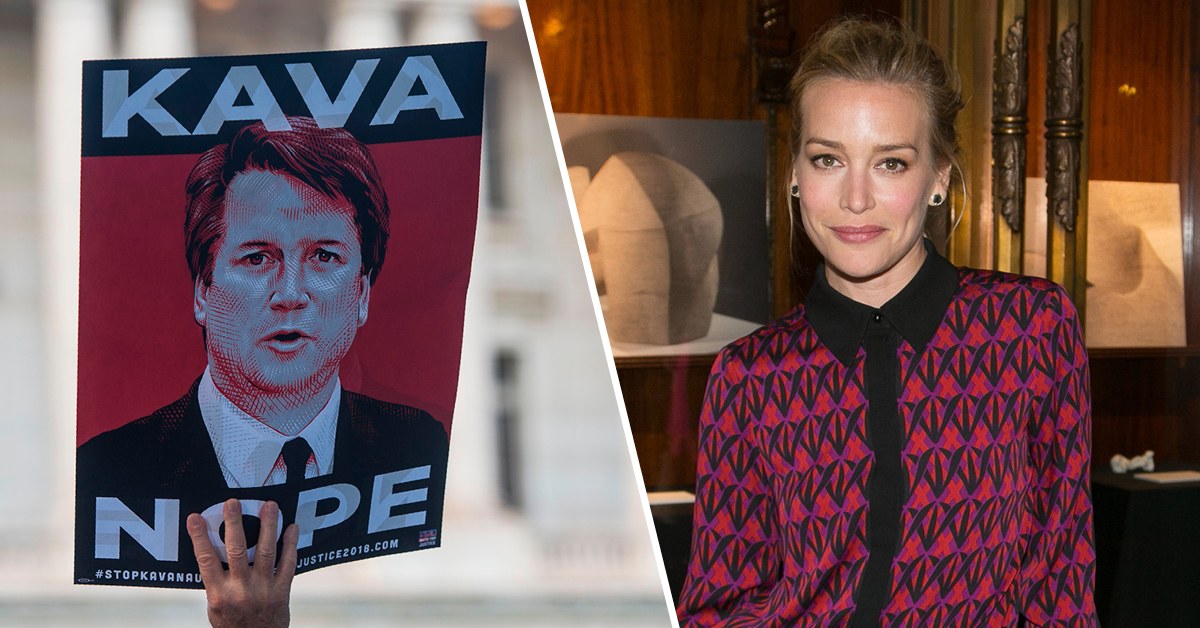
Piper Perabo: 'It Was a Privilege' to Get Arrested for Protesting Brett Kavanaugh's SCOTUS Hearing


Piper Perabo spent years portraying a CIA operative on Covert Affairs—but says this week was the first time she got busted in real life.

The actress, also known for her roles in Coyote Ugly and The Prestige, was among protesters who got hauled out of Supreme Court nominee Brett Kavanaugh’s volatile Senate confirmation hearing on Tuesday. And she’s damn proud of it, she tells Glamour.

“I felt like this was an opportunity for me to do something and stand up for all the women who have to be at work [or] take their kid to school [or] look after their elderly parents,” she says by phone, after she paid a fine to be released. “It was a privilege to get arrested [to] speak out against this and to stand up for women’s equal rights.”

President Donald Trump’s pick to replace retired swing Justice Anthony Kennedy has galvanized protesters who say Kavanaugh’s appointment would mean a titanic lurch to the right for the Supreme Court. The conservative jurist could not only roll back the abortion protections of Roe v. Wade, they say, but turn back the clock on health care, labor, and voting rights.

Kavanaugh, in his Tuesday opening statement, told lawmakers, “I don’t decide cases based on personal or policy preferences.” He has also called Roe a matter of “settled law.” That’s scant reassurance to his critics, especially because Trump has vowed to choose pro-life judges.

So, how’d it all go down for Perabo and the other women protesters who took a day off from their responsibilities to protest?

While many watched a livestream of the hearing on televisions and electronic devices, Perabo says she showed up early to get a seat in the Senate Judiciary Committee’s hearing room. At times, she says, the protest scene got a little surreal: “I could see women who were dressed as the handmaids [with] the red cloaks and the white caps,” she recalls, referencing the dystopian Hulu series The Handmaid’s Tale, whose first season was based on the Margaret Atwood novel about women living in subjugation under a patriarchal society.

At the hearing, “We took turns standing up and saying why we were protesting, and then we were arrested,” she says. Perabo’s line: “I said [the president is an] unindicted co-conspirator in a criminal investigation, and I don’t think a president should be able to appoint judges until that’s been resolved.”

Perabo hadn’t even finished her second line before the Capitol Police had her out the door. Officers took her belongings, cuffed her, and put her in a van with other demonstrators. “I wasn’t going to resist arrest. I’d never been arrested before. I was a little nervous,” she confesses.

“They kept bringing down elevators full of women into the basement where the white vans were [to take people] to the police station,” Perabo says. “One of the cops said, ‘Aren’t there any men coming down?’ And one woman said, ‘No! It’s all women, all day.'”

Perabo says she was charged with disorderly conduct and released after paying a $35 fine: “My mom texted me, and she was like, ‘I think people are getting arrested at the hearings. Could you call me and let me know you’re OK?’ and I was like, ‘This is a weird day,” she adds. “I called her right back and [told her], ‘I did get arrested, but everything’s fine.’”

Perabo says she had the chance to fly to D.C. for the protests because she’s between acting jobs and her husband is filming in Utah. For Jennifer Epps-Addison, demonstrating also meant time apart from her spouse—on their anniversary, no less—but much more than that.

“This is really personal for me. Three years ago, my husband was diagnosed with multiple sclerosis. Thank G-d for the Affordable Care Act [and] President Obama’s work,” says Epps-Addison, who’s president of the social justice group Center for Popular Democracy.

The couple had planned to take a trip together to mark their eighth anniversary. Instead, Epps-Addison ended up flying to D.C., disrupting the Kavanaugh hearing and getting “tackled pretty hard by four officers” as she was dragged out along with protesters, including Women’s March leader Linda Sarsour.

“It is life or death,” Epps-Addison, who is convinced if Kavanaugh makes it to the bench, her 40-year-old husband “will not have [the] same rights to the same quality of life that he deserves and that we have,” tells Glamour.

Heidi Sieck, founder of the civic platform #VoteProChoice, also agrees it was “absolutely” worth getting arrested to challenge Kavanaugh in defense of “reproductive freedom,” which she calls “a foundational issue” that affects “women and men and families and transgender folk” and is tied to racial and economic justice.

“There is so much to lose. And listen: I have no illusions that those men in power have every intention of winning,” Sieck told Glamour after the Senate demonstration. “They will not be deviated from their their path. [They] have the majority on their side. They have process on their side. And who are we if we don’t stand up?”

When it comes to Kavanaugh, she says, “it’s so clearly obvious that this man will roll back all of our reproductive rights” based on his past rulings.

“We did what we could to stand up and have our voices heard. I don’t know if they’re listening, but it’s one of those things that has to be done. We cannot just let this go by.”

Protesting and pressuring lawmakers can help, Perabo says, but here’s her advice: If you want real change, vote — and help others get to the polls.

“Even some simple reminder can cause more people to vote,” Perabo says. “Make sure you ask your co-worker if they’re voting, [and ask] your partner. Does an elderly neighbor need a ride? Can you watch your elderly neighbor while their kids go to vote? Let’s make it more of a conversation with our civic participation.”

The Kavanaugh hearings—and possibly the protests—continue Wednesday. Keep up with the latest on the confirmation hearings, here.


Celeste Katz is senior politics reporter for Glamour. Send news tips, questions, and comments to celeste_katz@condenast.com.

MORE: Must-See Protest Photos from Brett Kavanaugh’s Supreme Court Confirmation Hearings


Source link

Categories
Health

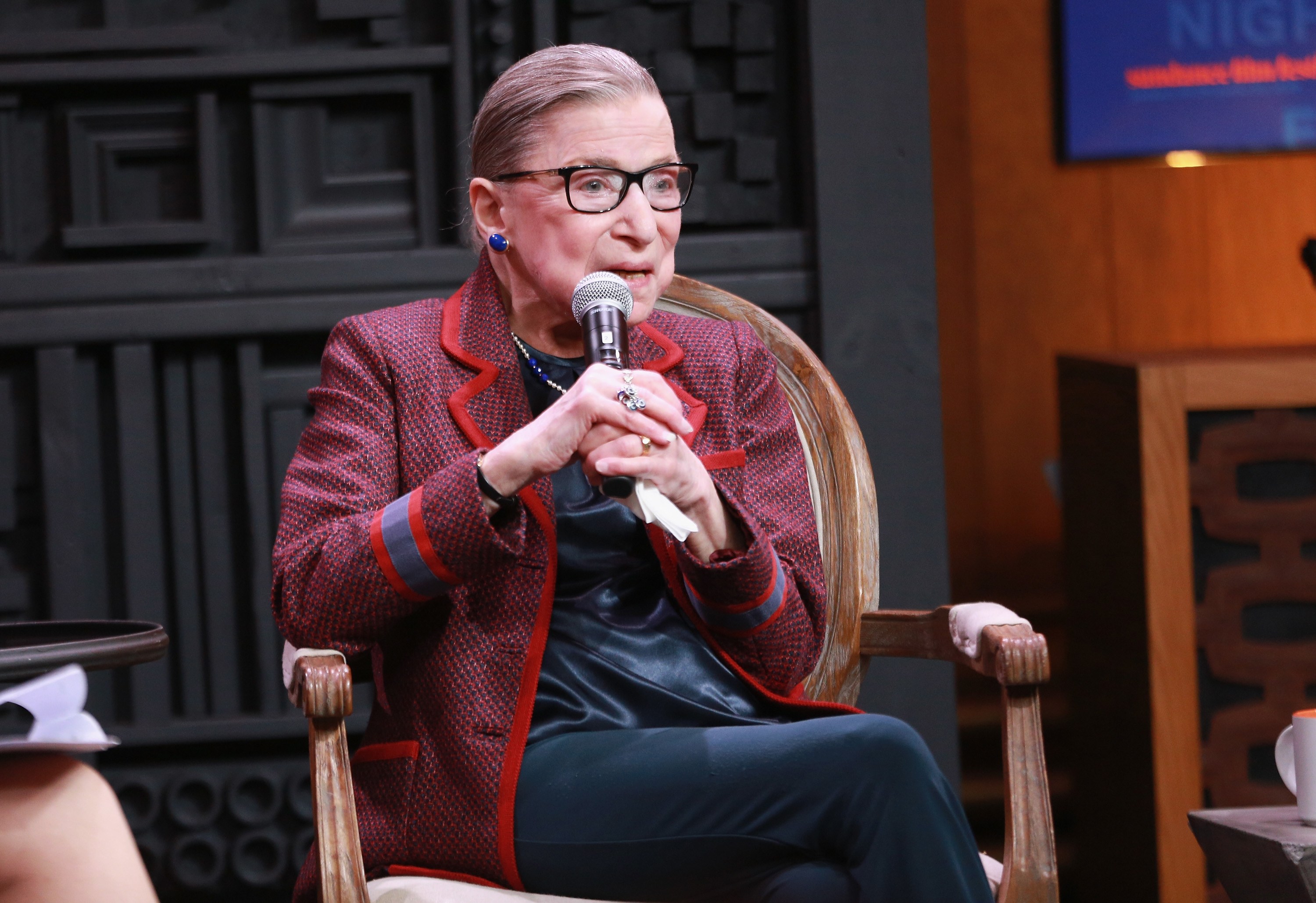
Twitter Users Promise to Protect Justice Ruth Bader Ginsburg at All Costs After SCOTUS Shakeup


After Supreme Court Justice Anthony Kennedy announced his retirement from the bench this week, questions quickly surfaced about what his exit means for the future of women, people of color and the LGBTQ community, whose rights are often on the line in high-profile cases that come before the justices.

But there was one other person the internet immediately focused their attention on: Ruth Bader Ginsburg.

Kennedy’s retirement sent Twitter into a full panic spiral, as people worried that perhaps RBG, who is 85, might also be planning her exit. Ginsburg is the oldest Supreme Court Justice, and she’s already five years past the average age at which most Justices have retired.

“Protect RBG at all cost!” tweets flying across social media read, with many users promising to send her vitamins, prayers, and even 24/7 security detail. “I’m buying Ruth Bader Ginsburg an Anytime Fitness membership, 10 years of Vitamins, and a lifetime of Smoothies…” one Twitter user wrote. “I’m becoming an organ donor but only if my organs are going to Ruth Bader Ginsburg,” someone else said.

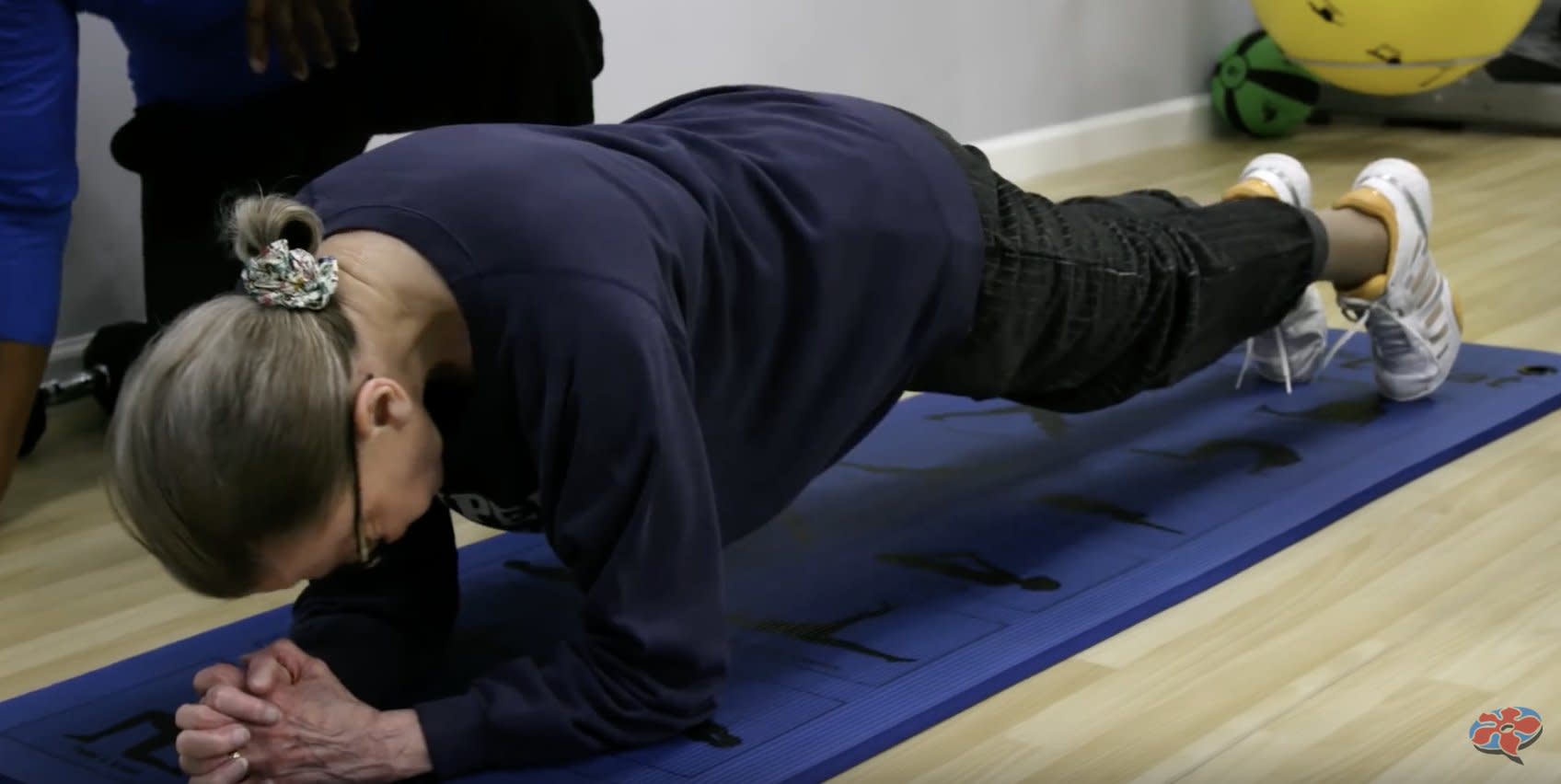
The good news for nervous RBG fans is that she’s still going strong. While many predicted she might call it quits during the Obama administration, the planking heroine of an octogenarian has kept on. She even hinted earlier this year that she hoped to follow the path of former Supreme Court Justice John Paul Stevens, who retired at the age of 90. According to the Los Angeles Times, she also said that she’s in “very good” health and that “as long as I can do the job full steam, I will be here.”

Plus, there’s recorded proof of her fitness level here, which means Twitter users can rest easy.

While the world went full-blown Liam Neeson in Taken over the Notorious RBG, she was busy reacting to Kennedy’s news like the boss she is. Kennedy, who was considered the Supreme Court’s key swing vote, could throw off the conservative-liberal balance of the bench with his retirement, but there was no trace of anxiety in Ginsburg’s sweet tribute to him.

“I will miss the pleasure of his company at our Conference, his helpful suggestions on circulating opinions, his recommendations of art exhibitions to visit with my chambers staff, and much more,” she said in a statement. “For the good he has done during the 43 years he has served as a member of the federal judiciary, he has earned a rousing Bravo.” She also called Kennedy a “true gentleman, a caring jurist and a grand colleague in all respects.”

What a class act. (But also, please never retire.)

Related Stories:

A Reminder That We Won’t Need a Full Repeal of Roe v. Wade for Abortion to Be Restricted

How Justice Anthony Kennedy’s Retirement From the Supreme Court Could Erode Women’s Rights


Source link