Categories
Health

Meghan Markle's Mom, Doria Ragland, Is Reportedly Planning to Move to the U.K.


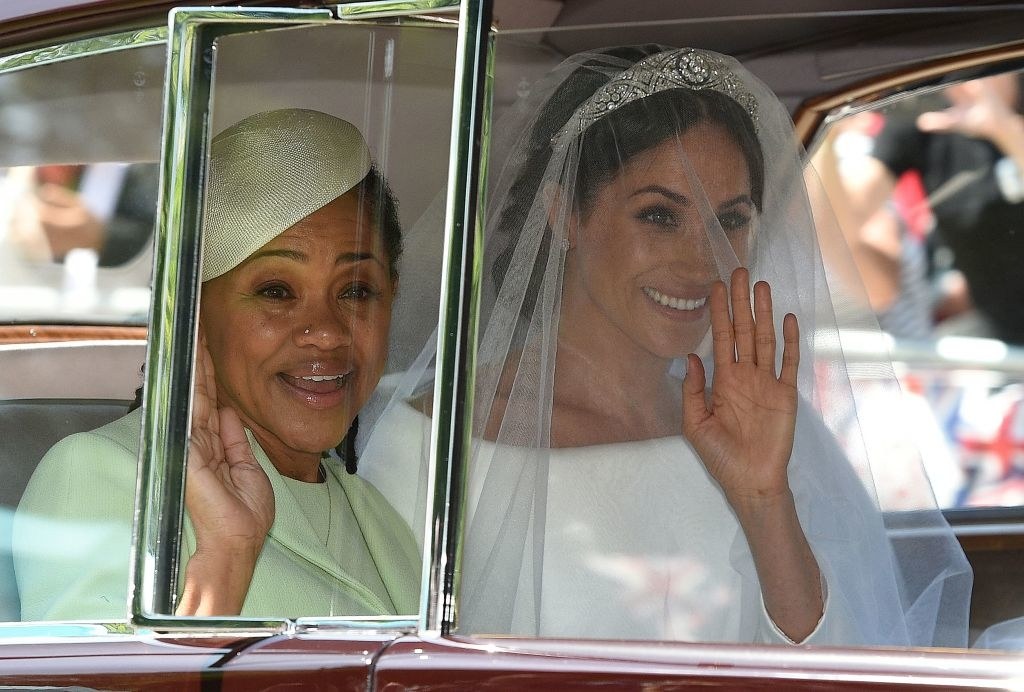
One of the most heartwarming moments of the royal wedding had to be when the cameras zoomed in on Meghan Markle‘s mom, Doria Ragland, just for a moment to capture how moved she was by the event. Ragland supported her daughter from the beginning of her big day, riding next to her in a Rolls-Royce to the wedding service at St. George’s Chapel and beaming proudly the entire time.

Now, it seems Ragland might be planning to stay at her daughter’s side for good: According to the Sunday Express, Ragland is planning to move to Britain just in time for her 62nd birthday to be closer to Markle. Sources tell the Sunday Express that the move could happen as early as next month—and that Ragland is reportedly completely stoked.

“She fell in love with England and told me when she got back that it’s somewhere she believes she too could happily live,” a source told the Sunday Express. “I think this has been coming for a while. Even before the wedding she told me how she misses her Megs so much she would do anything to be closer to her, especially now Meghan will be starting a family of her own.”

Ragland currently lives in California, where she teaches yoga and does social work for the geriatric community. Markle used to blog about her mom often back when she kept up her lifestyle website The Tig and once wrote a sweet tribute to her mom:

“Dreadlocks. Nose ring. Yoga instructor. Social worker. Free spirit. Lover of potato chips & lemon tarts. And if the DJ cues Al Green’s soul classic “Call Me,” just forget it. She will swivel her hips into the sweetest little dance you’ve ever seen, swaying her head and snapping her fingers to the beat like she’s been dancing since the womb. And you will smile. You won’t be able to help it. You will look at her and you will feel joy. I’m talking about my mom,” the now-Duchess posted in 2014.

The two are clearly super close, and it makes sense Ragland would want to be near her only child. There’s no official confirmation or announcement from the Palace yet, but from what we know, she already has a friend in Prince Harry, who described her as “amazing” in a BBC interview. Another one of Ragland’s new pals could also be the Queen, who she said she loved meeting at the royal wedding.

Related Stories:

The Genius Reason Why Meghan Markle Wears Her Shoes Too Big

Here’s a Home Video of Meghan Markle Pretending to Be Queen From 1990

These Are the Secret Nicknames Meghan Markle and Prince Harry Call Each Other


Source link

Categories
Health

After Losing My Mom, I Didn't Know How to Be a 'Bride'


The dresses were whites and creams, lacy and chiffon, and a stranger stood beside me, zipping me into gown after gown. “How exciting,” the stranger said. “The happiest day of your life!”

I cringed.

“Oh, beautiful,” my aunts said, clapping, as I walked out to model the dresses. I spun and sashayed, blew kisses. My aunts were lovely, as were the gowns. But I already knew I’d never buy one of these things everyone had traveled so far to see me try on.

My partner and I had decided to get hitched. That was the good news: the love! But there was a lot about weddings that I didn’t understand. Changing your name to your husband’s, wearing white to mark your virginity, being “given away” to another man by your father—many of the traditions seemed more like market transactions. I told my stepdad the only way I was comfortable being given away was if he also included a herd of goats. He thought I was kidding.

In our wedding, everything will be different, I thought. All new traditions! Everything equal! All about us! We began planning. How could we avoid the wedding industrial complex? How could we remain unwaveringly clear about our core values?

I did a bunch of online research. “For a feminist wedding, give your bridesmaids different style dresses!” the advice said. Have the bride stand to the right of the altar while the groom stands to the left! Wear a cream dress instead of white! I was baffled. The suggestions seemed just one degree off of a completely traditional wedding.

I didn’t know exactly what I was looking for, though I had an idea that maintaining a rigid set of principles was a cornerstone. I tried to start somewhere small. When my partner’s sister asked what her 3-year-old son, who would be in the ceremony, should wear, I said, “Let him wear anything he wants.”

“You’re going to regret that,” she said. I could hear the stress in her voice. Maybe the kind of feminism I wanted had to do with individual strength of character. “This is your day,” the internet told me. “Stick with your gut.”

I learned about feminism from my mom. I only know a few things about her wedding to my dad. I know she wore an antique kimono that she found in a vintage shop somewhere in Seattle.

And then I got a call from my future mother-in-love (her term, and how sweet). She wanted help figuring out what to wear. She sent over pictures. And did I tell her I was a feminist and she should decide her own outfit depending upon whatever values she held dearest? I did not. I told her we were thinking coastal colors, and that her dress was very, very pretty.

But I’m still a feminist, I thought. And then I thought: I’m not sure what being a feminist actually means to me.

I learned about feminism from my mom. I only know a few things about her wedding to my dad. I know she wore an antique kimono that she found in a vintage shop somewhere in Seattle. I know it was December, that they passed a giant chalice of wine between the guests. Everyone took a sip to bind the love together.

I know a bit more about my mom’s second wedding to my stepdad. I was three, so remember little, but there’s a VHS tape. It took place in a small clearing in a Redwood forest, the enormous trunks four times the width of any person. The officiant was a woman who did not follow any religious or traditional text. My mom had sewn her own dress out of the fabric she hand-painted for her business, ribbons of it, in pale pinks and purples, overlapping to the ground. She wore a crown of dried flowers.

There’s so much more I want to know about her weddings, but I can’t ask. My mom has been dead ten months.

A ritual becomes meaningful through intention and repetition. The book a father reads to his kid on Christmas. A walk in the park with your lover every Saturday. I didn’t understand for a long time that one reason the rituals used in most wedding traditions felt so meaningless to me is that they weren’t part of my family. My mom’s two funky weddings were the legacies I knew. Her sensibility was what I believed to be true. Her values. Like girl power. Rejecting the word “bitch” entirely. Never being beholden to a man for financial stability. These were the lessons my mom taught me.

As I’d begun planning, my mom’s two sisters, my lovely aunts, said they’d like to be with me while we went wedding dress shopping. I considered this, what it would signify to them if I said no. I didn’t especially want to wear a wedding dress, and the shopping tradition wasn’t important to me, but maybe it was to them. Maybe a feminist wedding included not just the things my partner and I wanted for ourselves, but a careful consideration of others as well?

I wanted a cheap dress because I wanted it to come from a thrift store after a day gallivanting around with my mom

We went to the mall. A very nice mall. Expensive. Not exactly what I’d classify as feminist or anti-wedding-industrial-complex, but hey. I tried on stunning dresses that cost between eight hundred and two thousand bucks. What I said to my aunts when I was done, what felt true, was that I couldn’t morally square spending that kind of money on a piece of clothing to wear once. They were baffled. Why had we come, then, to this store? Why had they driven hours to meet me here?

I couldn’t finish the second half of my desire: I wanted a cheap dress because I wanted it to come from a thrift store after a day gallivanting around with my mom. How could I say that? What I wanted was a ghost of a memory from years before. I wanted us to wander through vintage shops, picking up dolls with matted hair and missing eyeballs while we browsed, making them tell jokes to one another. I wanted to be trying on ugly hats with my mom and using rusted metal pokers to tap each other on the shoulder. I imagined her best parts, her funny, wild self, sauntering down crammed aisle after crammed aisle.

In my dress shopping fantasy, the dress was beside the point.

My aunts and I left the store empty-handed. None of this was their fault. They tried to be what they thought I wanted, and I tried to be what I thought they wanted. Without my mom around, they were trying to fill in. I loved them for that. What was a feminist to do?

One night, my aunt confessed that she and her mom, my grandmother, had never really known what to do with my mom. She was always so different than they were, a painter, a non-sorority-sister, a weirdo, an adventurer.

Maybe they thought I could be a more understandable stand-in for the daughter and sister they lost. On the surface, I was. I’d tried to blend in while my mom tried to stand out. Encouraging me to have a more traditional wedding might be a way to make me someone they could connect to.

But leaning into the weird, into the invitations we painted and Trader Joe’s flowers we wanted to use—that’s who I was. My mother’s daughter.

The months leading up to the wedding were rough, full of holes and shadows and my inability to tell anyone what I actually wanted or, really, to understand it myself. My partner was loving and flexible, willing to talk through whatever came up, eager to forego any traditions that didn’t feel good. Still, I was nervous for the actual day. I thought I may hide beneath the bathroom sink, weeping.

I told a few friends this. I was so consumed by who wasn’t present that I didn’t really pay attention to the five or six very good friends who checked on me often, asked if I needed help planning. I wish I’d paid better attention to them. Let their love through my cracks. There’s no right way to be sad, but my head was buried so deep in the sand of grief, I forgot sometimes to even tell my partner how glad I was to be committing to him. No other person has brought me more joy, even through what felt like a desert of loss.

We had pie for dessert and no champagne toast. I kept my name. Our mixed gendered wedding crews wore coastal colors, and my new adorable nephew donned a bowtie. Our officiant was a tree scientist.

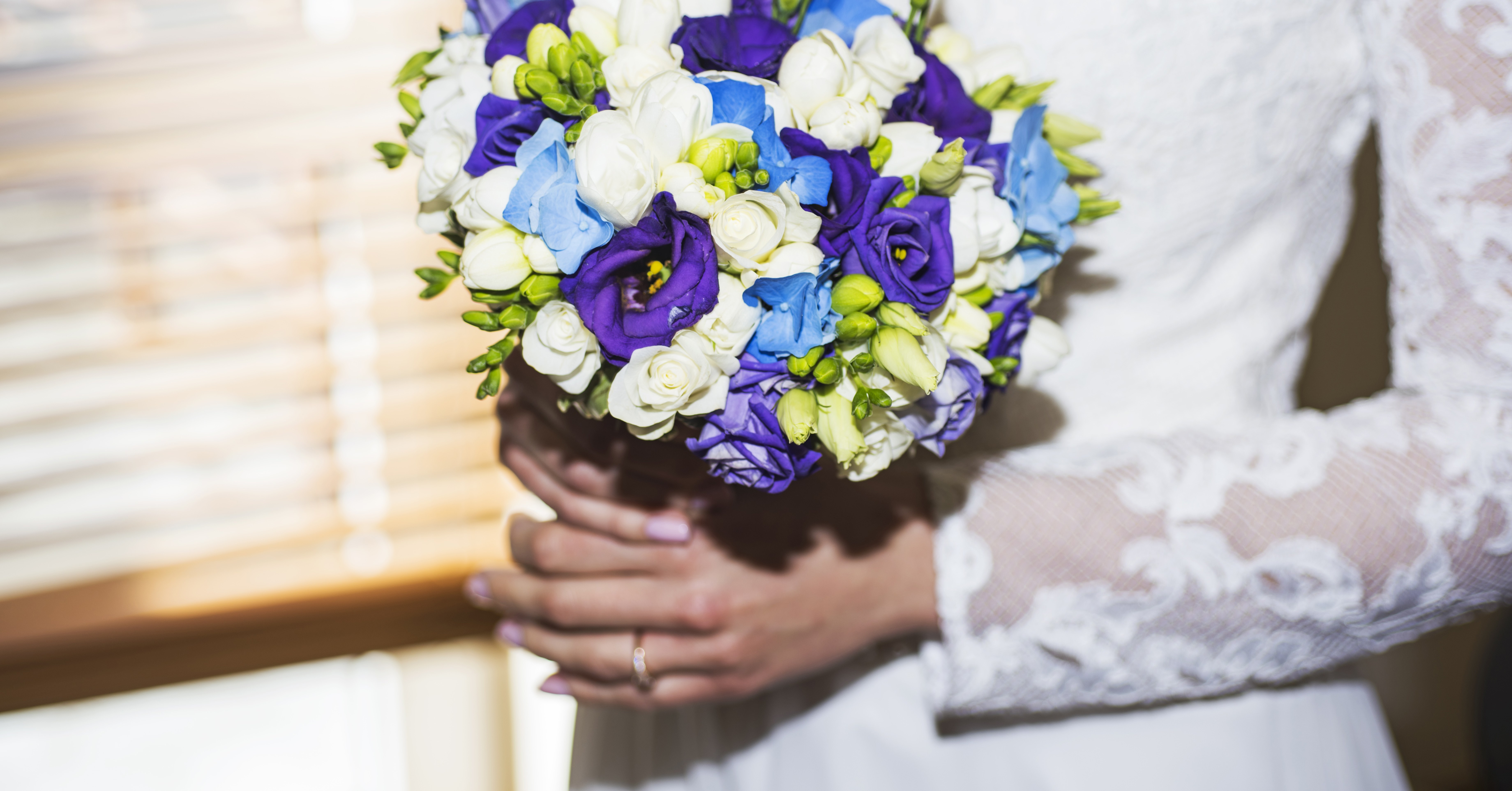
When the day arrived, my partner and I walked down the aisle hand in hand. I made bouquets from Trader Joe’s flowers with girlfriends I adored, drank boxed wine.

We had pie for dessert and no champagne toast. I kept my name. Our mixed gendered wedding crews wore coastal colors, and my new adorable nephew donned a bowtie. Our officiant was a tree scientist. I wore one of those beautiful off-white lacy dresses I tried on—purchased once it went on super sale.

One aunt arranged a string of bay leaves and yellow-orange roses on a little altar we’d made, and built table centerpieces in old silver pitchers. They were stunning. The other aunt led us in a women’s prayer. Just before the ceremony, twenty-five women, friends and family, stood with me in a circle. They offered advice and love and jokes and wisdom. Look around, my aunt said. I did. The faces of so many people I loved shone back. I could feel something physical, tangible, like taking a deep breath in the mountains after a long hike. I don’t know exactly what it was, but I think it had to do with the power of so many incredible women bound together, however temporary. We are here to support you. If you ever forget that, we will remind you.

In the end, the wedding was wholly us in a wild, expansive, compromised hootenanny of love and hilarity. What feminism meant to me changed. It began as hard-lined abstract principles with me in the center, and came to mean something bigger, more complicated, something about strength with flexibility. Of doing whatever felt right for us, while still remembering that no matter what, we were lucky enough to be within the circles of incredible women and men in our lives. I smiled the whole damn day.

I’m still not sure what kind of feminist I am—a mediocre one, probably. But I’m trying. My mom taught me that. Even though she wasn’t there, she was everywhere.

Tessa Fontaine is the author of The Electric Woman: A Memoir In Death-Defying Acts, which chronicles the season she spent in a circus sideshow as well as her memories of the mother who taught her how to live fearlessly and on her own terms.


Source link
Categories
Health

Cecile Richards: My Mom Inspired a Generation of Women, Including Me


“What was it like having Ann Richards as a mother?” People always ask me this question. They’ll come up to me and recite a favorite line from her keynote speech at the 1988 Democratic National Convention—“Ginger Rogers did everything Fred Astaire did, she just did it backward and in high heels!”)—or reminisce about the day she became the first woman elected governor of Texas.

Here’s my answer: Being Ann Richards’s daughter was both exhilarating and daunting. My mom was demanding of herself and everyone around her, and she knew that women only got what they fought for—nothing more, nothing less. She insisted on hard work, and a lot of it.

This Mother’s Day I’m thinking even more than usual about what my mom would have to say about the world today. (One of my great regrets: that she died before having a chance to bring her wit to Twitter!) I know she would have loved that, with the last gasps of the patriarchy in full throttle, women of every age and background are standing with each other, demanding nothing less than full equality. As someone who spent her life making sure women made progress—economic, political, cultural—I know Mom would be at the ramparts with us: knitting her pussy hat, helping women running for office, marveling and rejoicing at the explosion of activism across the globe.

Mom used to remind us: ”When my grandmother was a girl, the only people who couldn’t vote under Texas law were ‘idiots, imbeciles, the insane, and women.’” Yet two generations later, Mom was elected governor of Texas. She got there by sheer determination, and she wasn’t about to let anyone else half-step it in their own life. When my children were born, Mom made it clear she wasn’t the “baking cookies kind of grandmother.” Instead, she always asked each child if they were the smartest one in class. If they said no, she wanted to know why not.

Mom saw so many changes in her lifetime. In particular, she was overjoyed by the passage of Title IX, which gave girls the opportunity to play competitive sports. Watching her granddaughter Hannah pitch through a tough inning of softball or her granddaughter Lily coxswain for the rowing team was a marvel. Mom also cherished her time at University of Texas Lady Longhorns basketball games, where she cheered loudly with her friend Congresswoman Barbara Jordan. If you closed your eyes, you might have mistaken the two of them for teenagers.

When someone asked what she would have done if she’d had a second term as governor, [my mother] said, “I would have raised more hell.”

But of all the issues Mom cared about, women’s ability to control their body and make their own decisions about childbearing was number one. Like every mother I know, Ann Richards found it unconscionable that her daughters, much less her granddaughters, might have fewer rights than she did—and she was not about to let that happen. She often opined about politicians’ obsession with what was going on in other people’s bedrooms. It was no surprise that her first full-time campaign job was for Sarah Weddington, who (at 26) had successfully argued Roe v. Wade before running for state legislature.

Mom was 47 when she decided to run herself. After she won, she became adamant that women shouldn’t wait for an invitation or until they had the perfect résumé. She’d say, “Cecile, this is the only life you have. There aren’t any do-overs. So whatever new chance comes your way, jump at it.”

When I got a call inviting me to interview for the job as president of Planned Parenthood, I almost didn’t go to the interview. I did what any grown woman would do: I called my mother. When I listed all the reasons I wasn’t qualified, she wasn’t having it. “Planned Parenthood is the most important women’s health care organization in the country—how exciting!” she said. “If you don’t try for this, you’ll regret it forever.”

This month, when I left Planned Parenthood after 12 years as president, I was more grateful than ever to Mom for believing in me even more than I believed in myself.

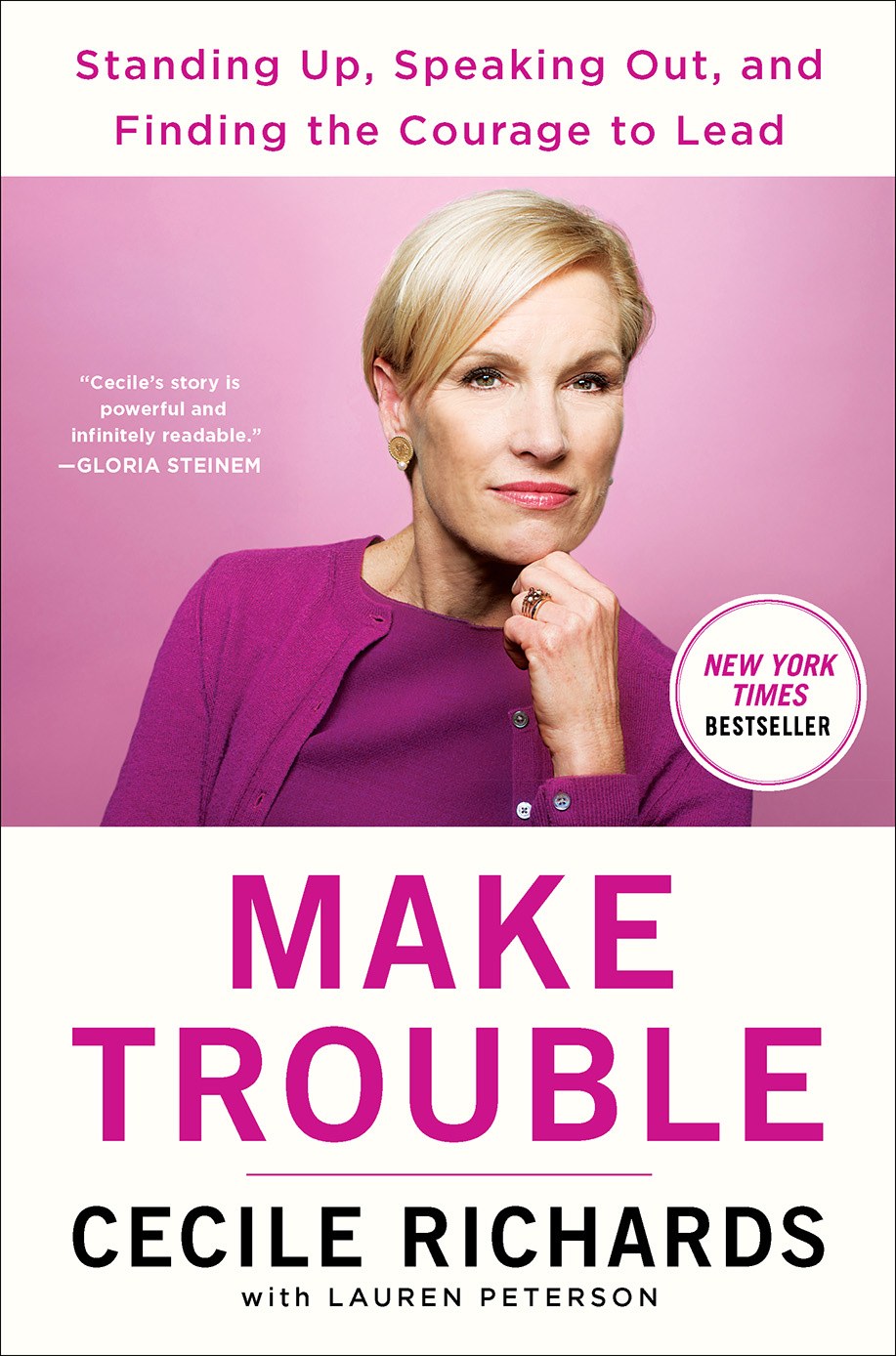
To me, this is the theme of Mother’s Day. Over the last year and a half, I’ve met mothers and daughters who are organizing together, going to town halls together, speaking out together, and doing things they never could have imagined doing before. There are the daughters I’ve met on book tour, who proudly ask me to sign a copy of Make Trouble for their troublemaking mother. The sheer determination of women across America to come together, support each other, run for office, and declare #TimesUp is nothing short of historic. I’m sorry Mom didn’t live to see this moment, and be part of it. But I think of her daily, and how she helped deliver us to to this moment.

So today I hope mothers and daughters everywhere will take a page from Ann Richards’ book. When someone asked what she would have done if she’d had a second term as governor, she said, “I would have raised more hell.”

These are words to live by.

Cecile Richards is the former president of Planned Parenthood Federation of America and Planned Parenthood Action Fund. She is also the author of the New York Times best-seller Make Trouble: Standing Up, Speaking Out, and Finding the Courage to Lead (Touchstone), on sale now.


Source link

Categories
Health

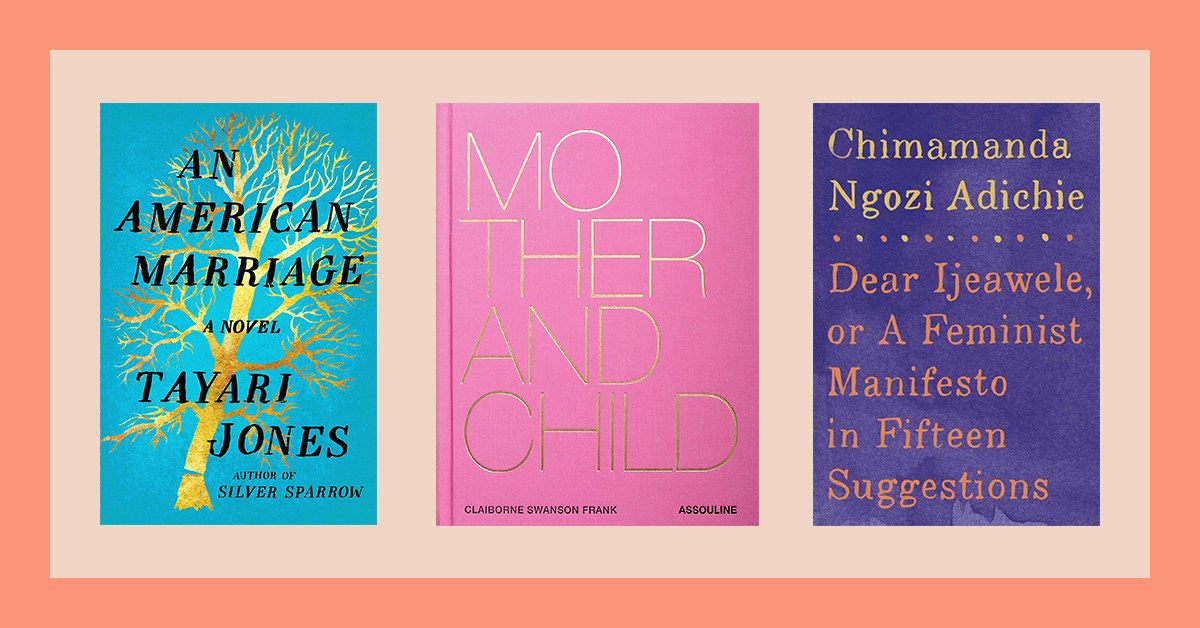
10 Books to Buy Your Mom For Mother's Day That She'll Actually Read


Books are pretty standard Mother’s Day presents. I’ve certainly given them to my mom before, but here’s the thing: I’m, like, 98 percent sure she hasn’t read any of them. I don’t know if it’s because I picked bad books or she just wasn’t in the mood to read, but facts are facts. The presents were worthless—and are now collecting dust.

I’m not ready to give up on books as a gift, though. The trick to giving your mom one for Mother’s Day is to stop thinking, “What books do parents like?” and just ask, “What’s a new, damn good book that I’d also read?” These 10 new-ish titles are exactly that. Not only will your mom love and read them, you’ll want to snag her copy the second she’s finished.


Source link

Categories
Health

Mother’s Day Gifts 2018: What to Get Your Mom for Mother’s Day


Mother’s Day always seems to be a time when we shower the women in our lives with clichéd gifts they likely neither want nor need. Sorry, but this is 2018, and most mothers simply do not need any of the following: an apron, measuring cups, potpourri, wall hangings that specifically say “mom,” or anything that’s suited to a 1950s housewife. This year why not get mama something she’ll actually be psyched to get, like a chic Gucci wallet, the softest silk pillowcase known to man, a beat-up leather travel bag, or a mini printer that spits out iPhone selfies photos instantly. Keep reading for more ideas—and you’re welcome.


Source link

Categories
Health

Selena Gomez's Mom Says She's 'Not Happy' Her Daughter Is Dating Justin Bieber Again


In recent weeks, rumors regarding the newly rekindled romance between Selena Gomez and Justin Bieber have been flying—particularly those speculating that the relationship between the on-again, off-again couple has been causing mounting problems between the star and her mother, Mandy Teefey. (Take, for example, reports that Gomez’s family didn’t invite Bieber to Christmas.)

But in a recent interview with Gossip Cop, Teefey shut down tabloid speculation that her daughter’s romance with Bieber has been causing a seismic rift between the mother-daughter duo. “Every mother and daughter has disagreements,” the producer—who worked alongside Gomez on the hit 2017 Netflix series 13 Reasons Why—told the outlet.

Teefey went on to explain that perceptions of her relationship with her daughter have been significantly skewed by gossip columns over the years—especially with respect to those that have cited either Gomez’s relationship with Bieber, or the fact that Teefey no longer professionally manages Gomez’s career, as the root cause for familial issues. Explained the Hollywood producer: “I do not control her the way it has been portrayed.”

But even though she denounced the fact that her daughter’s romance with Bieber was causing any particular issues at home, Teefey did take the conversation as an opportunity to voice her feelings on the relationship.

She says that while “Selena is an adult [who] can make her own choices,” she admittedly was “not happy” about the couple’s latest reunion. Although she’s ultimately not in favor of the relationship, Teefey does acknowledge that her daughter’s happiness is paramount. “Selena can live her life however she wants,” Teefey said, “as long as she is happy, safe, and healthy.”

Related Content:

Selena Gomez and Justin Bieber Put Their Relationship to the Test With a Sweaty Workout

Selena Gomez and Justin Bieber’s New Year’s Eve Together: What We Know

Selena Gomez and The Weeknd Split: Fans React on Social Media


Source link