Categories
Health

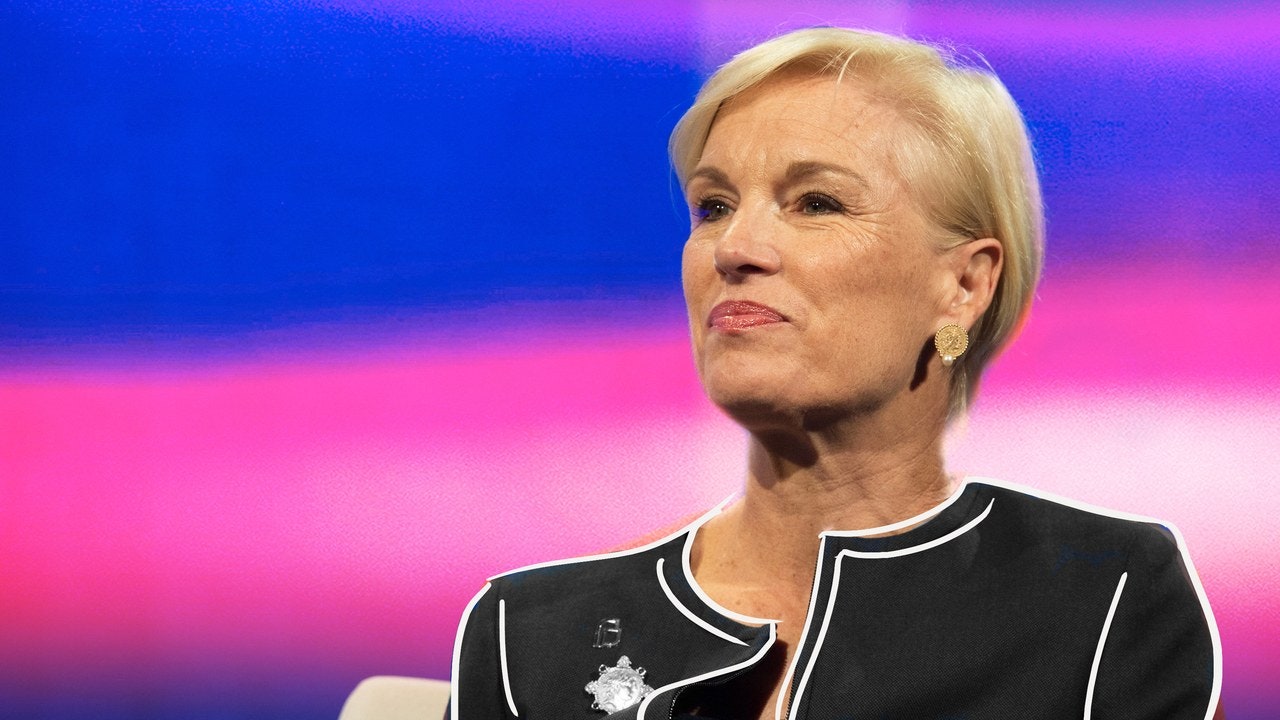
Everything Cecile Richards Knows, She Learned From Other Women


March 8 is International Women’s Day. To celebrate, we asked women like Jackie Aina, Cecile Richards, Andrea Mitchell, and more to reflect on how other women have lifted them up—mentored them, advised them, represented them, and above all showed them what was possible. We’ll be sharing their stories here all week.

After I graduated from college, I wanted to be a union organizer. And the first real job I had on the ground was in New Orleans, organizing with hotel workers. These women were making minimum wage, living in housing projects. They were often single moms or responsible for taking care of other relatives. Their jobs were physically very hard, but also emotionally very hard—working in the hospitality industry in a city like New Orleans is not that easy. And on top of all that, these women were willing to go out and try to organize a union. I still remember them. I was right out of college, and I can remember their names now—Ella Curtis, Aubrey Carr. These are women whose lives were nothing like mine, and they were the bravest, most affirmative, most life-loving women I had ever met.

I have always been attracted to people who understand that power and prestige and notoriety aren’t really worth anything unless you can share with others. A lot of those people have been women. When I started working in the labor movement, men really ran things. But if you went out into the field, you’d find these pockets of women getting organized and changing the face of labor. When I later went to work for now-Speaker Nancy Pelosi, I found in her someone who never forgot why she was in office and who always remembered the people that she was there to represent. That was important to me. With Planned Parenthood, I tried to take the same approach.

I’ve had so many opportunities in my life, but the time I spent working with nursing home workers, janitors, and healthcare workers still stands out. I was so fortunate to work with them and to learn so much from them. It’s kept me honest, I think. Working in the non-profit space, or even sometimes in the political space, I think people talk a lot about how hard their jobs are. And when I started working in those spaces, I could tell people, “Listen, until you’ve cleaned 14 rooms on a shift in a hotel, you don’t know what hard work is.” Sometimes, that’s been to my detriment. But it has always helped me check my privilege. I remind the people that I work with that we have had choices in every career decision we have made, and most women do not. Working with those women for so many years who had very few options in terms of how they could make a living and still wanted to fight for better conditions for everyone—that has just carried me for my entire life.

I spent last week in South Carolina and heard a lot of people talking about national politics. But I learned when I was an organizer and at Planned Parenthood that so much change happens on the local level. One of the last things I got to do before I left Planned Parenthood was attend a ceremonial ribbon cutting on a health center in Charleston for Planned Parenthood, and that center is right now able to provide abortion services and transgender-care services. It’s a reminder that even when the focus is on a presidential race, there are still meaningful opportunities to make a difference, whether it’s volunteering at a shelter or volunteering on a local campaign or running for school board. That’s how big things start to change.


Source link

Categories
Health

Cecile Richards: Words of Advice to Christine Blasey Ford, Ahead of Her Testimony


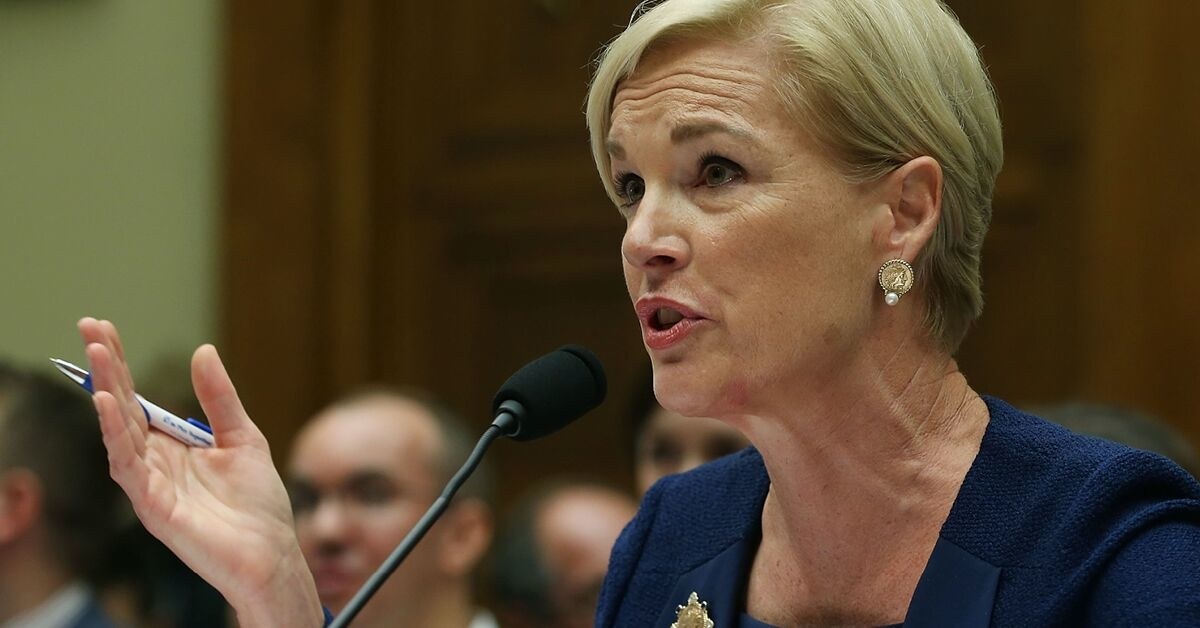
*In 2015, Cecile Richards, then the president of Planned Parenthood, appeared before the House Oversight and Government Reform committee and testified for close to five hours. (The showdown came after an anti-choice group recorded abortion providers in secret as the professionals discussed the sale of fetal tissue. Republicans used the videos to defend their wish to strip Planned Parenthood of the close to $450 million it receives in federal funds, none of which is used to paid for abortion services.)

In front of the congressmen, Richards explained how Planned Parenthood puts federal dollars to work, defended the organization’s research practices, and endured the endless GOP-led offensive with her usual grace and patience.*

This week, as Dr. Christine Blasey Ford prepares to appear before the Senate Judiciary Committee to level her accusations of sexual assault against Supreme Court nominee Brett Kavanaugh, Richards draws on her experience on the Hill to assure Dr. Blasey Ford of at least this one truth: You are not alone.


Dear Dr. Blasey Ford,

I can’t imagine what you’ve been through over the past two weeks. The behavior of some United States Senators who sit on the judiciary committee has underscored how brave survivors must be to weather the hostility and public shaming they too often face. Senator Lindsay Graham (R-SC) has likened your decision to come forward to a drive-by shooting and 84-year-old Senator Orrin Hatch (R-Utah) has said you must be “mixed up.”

Nevertheless, it seems, you persist. I hope you have also felt the flood of sympathy and solidarity from women and men across the country—including many of us for whom your experiences sound all too familiar. If and when you walk into that Senate hearing, you will not be alone; we’ll be with you.

In anticipation of your possible testimony, I have been reliving my own five hours before a hostile Republican-led committee that wanted to end access to Planned Parenthood.

It probably won’t surprise you to hear that the name of the game that day wasn’t fact-finding. There was no search for the truth. Instead, it was an opportunity for hostile men in Congress to grill me on everything from my salary to my competency to my memory—and overall, to humiliate and shame me. And all of this on national television.

But as unpleasant as those hours were, I had on my side two things the hostile congressmen did not.

First, the one in five women in America who have been to Planned Parenthood, who depend upon the organization for life-saving health care, gave me courage that day. I knew they were standing with me, just as millions of women and men across the country are standing with you—including the many women in America who have themselves been sexually assaulted. When you speak, you speak for all of us.

Second, and most importantly, what you have on your side is the same thing I was armed with: the truth. No amount of bullying and finger-pointing can take that away. Even if the Republican leadership in the U.S. Senate doesn’t want to hear that truth, you will tell it, and the American people will be listening and cheering you on.

And know this: After my hearing, not only did I feel better for speaking our truth to power—I couldn’t walk down the street without someone stopping me and thanking me. The same will be true for you. And though your detractors may be loud, in the end, their anger will be overwhelmed by the love and support from women everywhere.

We believe you. We are with you.

In Solidarity,

Cecile Richards

Author and former president, Planned Parenthood Federation of America


Source link

Categories
Health

Cecile Richards: My Mom Inspired a Generation of Women, Including Me


“What was it like having Ann Richards as a mother?” People always ask me this question. They’ll come up to me and recite a favorite line from her keynote speech at the 1988 Democratic National Convention—“Ginger Rogers did everything Fred Astaire did, she just did it backward and in high heels!”)—or reminisce about the day she became the first woman elected governor of Texas.

Here’s my answer: Being Ann Richards’s daughter was both exhilarating and daunting. My mom was demanding of herself and everyone around her, and she knew that women only got what they fought for—nothing more, nothing less. She insisted on hard work, and a lot of it.

This Mother’s Day I’m thinking even more than usual about what my mom would have to say about the world today. (One of my great regrets: that she died before having a chance to bring her wit to Twitter!) I know she would have loved that, with the last gasps of the patriarchy in full throttle, women of every age and background are standing with each other, demanding nothing less than full equality. As someone who spent her life making sure women made progress—economic, political, cultural—I know Mom would be at the ramparts with us: knitting her pussy hat, helping women running for office, marveling and rejoicing at the explosion of activism across the globe.

Mom used to remind us: ”When my grandmother was a girl, the only people who couldn’t vote under Texas law were ‘idiots, imbeciles, the insane, and women.’” Yet two generations later, Mom was elected governor of Texas. She got there by sheer determination, and she wasn’t about to let anyone else half-step it in their own life. When my children were born, Mom made it clear she wasn’t the “baking cookies kind of grandmother.” Instead, she always asked each child if they were the smartest one in class. If they said no, she wanted to know why not.

Mom saw so many changes in her lifetime. In particular, she was overjoyed by the passage of Title IX, which gave girls the opportunity to play competitive sports. Watching her granddaughter Hannah pitch through a tough inning of softball or her granddaughter Lily coxswain for the rowing team was a marvel. Mom also cherished her time at University of Texas Lady Longhorns basketball games, where she cheered loudly with her friend Congresswoman Barbara Jordan. If you closed your eyes, you might have mistaken the two of them for teenagers.

When someone asked what she would have done if she’d had a second term as governor, [my mother] said, “I would have raised more hell.”

But of all the issues Mom cared about, women’s ability to control their body and make their own decisions about childbearing was number one. Like every mother I know, Ann Richards found it unconscionable that her daughters, much less her granddaughters, might have fewer rights than she did—and she was not about to let that happen. She often opined about politicians’ obsession with what was going on in other people’s bedrooms. It was no surprise that her first full-time campaign job was for Sarah Weddington, who (at 26) had successfully argued Roe v. Wade before running for state legislature.

Mom was 47 when she decided to run herself. After she won, she became adamant that women shouldn’t wait for an invitation or until they had the perfect résumé. She’d say, “Cecile, this is the only life you have. There aren’t any do-overs. So whatever new chance comes your way, jump at it.”

When I got a call inviting me to interview for the job as president of Planned Parenthood, I almost didn’t go to the interview. I did what any grown woman would do: I called my mother. When I listed all the reasons I wasn’t qualified, she wasn’t having it. “Planned Parenthood is the most important women’s health care organization in the country—how exciting!” she said. “If you don’t try for this, you’ll regret it forever.”

This month, when I left Planned Parenthood after 12 years as president, I was more grateful than ever to Mom for believing in me even more than I believed in myself.

To me, this is the theme of Mother’s Day. Over the last year and a half, I’ve met mothers and daughters who are organizing together, going to town halls together, speaking out together, and doing things they never could have imagined doing before. There are the daughters I’ve met on book tour, who proudly ask me to sign a copy of Make Trouble for their troublemaking mother. The sheer determination of women across America to come together, support each other, run for office, and declare #TimesUp is nothing short of historic. I’m sorry Mom didn’t live to see this moment, and be part of it. But I think of her daily, and how she helped deliver us to to this moment.

So today I hope mothers and daughters everywhere will take a page from Ann Richards’ book. When someone asked what she would have done if she’d had a second term as governor, she said, “I would have raised more hell.”

These are words to live by.

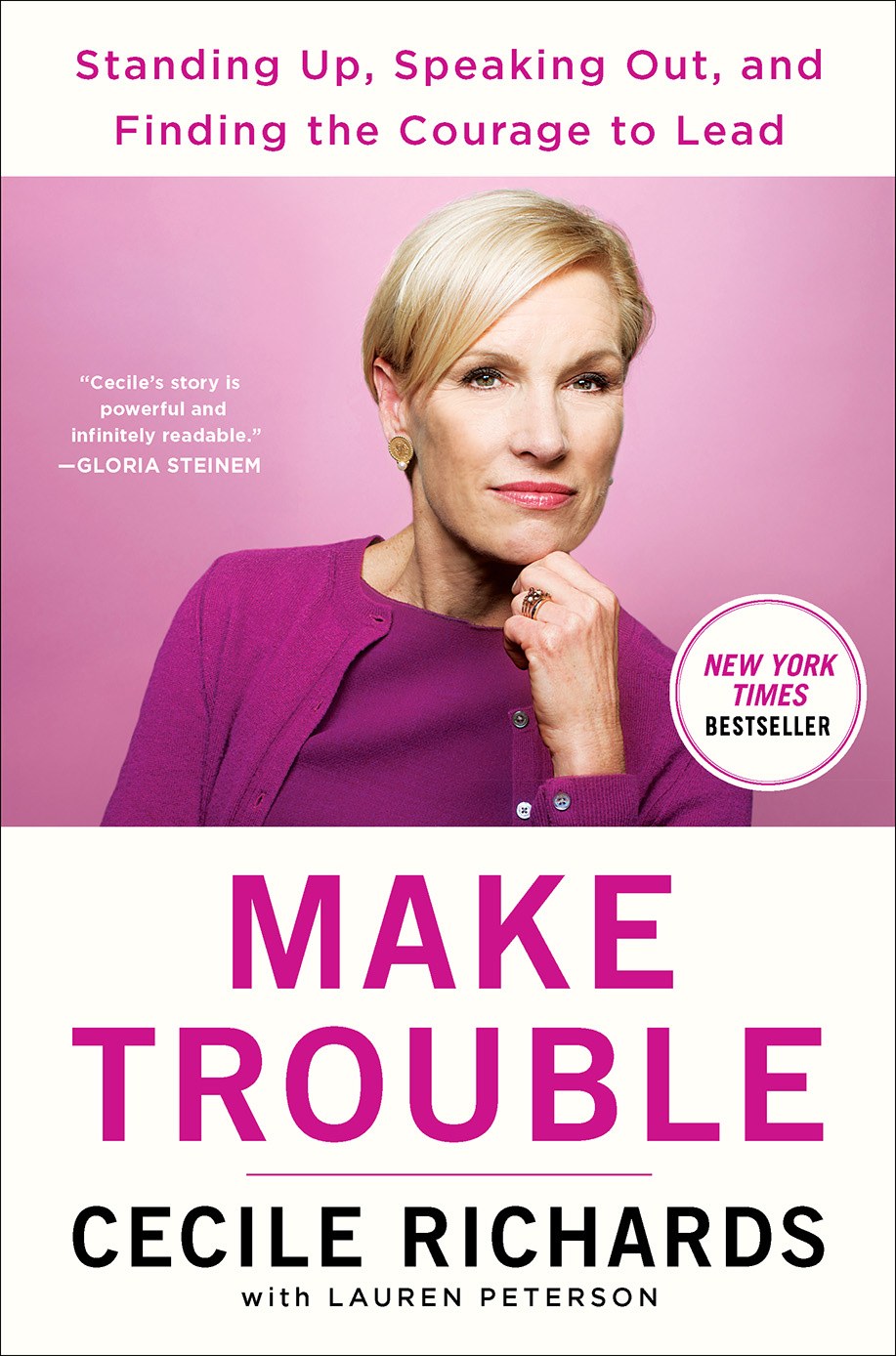
Cecile Richards is the former president of Planned Parenthood Federation of America and Planned Parenthood Action Fund. She is also the author of the New York Times best-seller Make Trouble: Standing Up, Speaking Out, and Finding the Courage to Lead (Touchstone), on sale now.


Source link

Categories
Health

How Planned Parenthood Moves Forward, Sans Cecile Richards


Abortion is on thin ice in America. Mississippi passed a 15-week abortion ban this March, the strictest in the nation (unless Louisiana succeeds in pushing through its copycat bill). In Indiana, a new law requires doctors to report any abortion complications to the state—including some patient information. And over in Tennessee, they want to build a monument to unborn children. Meanwhile, Planned Parenthood, which has been central to the fight for safe, legal abortion, is losing its leader. After more than a decade at the helm, Cecile Richards is stepping down this week. The organization has yet to name a replacement.

“It’s kind of a best of times and worst of times moment,” executive vice president and chief brand and experience officer Dawn Laguens, 53, tells me in a compact conference room at Planned Parenthood’s New York headquarters, a week before she would unofficially step up to be the face of the 101-year-old organization.

Best, she says, because teen and unintended pregnancies are at some of the lowest rates in history, a result of more widely available contraception under Obamacare; and the abortion rate is down, too. But the Trump administration, building upon decades of conservative politics, could roll back those gains.

“In many places, women are losing care,” says Laguens. “Not just abortion, which [conservatives] do everything they can to make as difficult, as stigmatizing, and as costly as they possibly can, but also losing access to what we know are preventive services that are really important. And so for many women in many states, it’s one of the most difficult times.”

Laguens experienced some of that difficulty first-hand when she had an abortion after an unplanned pregnancy in college. “There was stigma and fear of telling my family, and I remember struggling to figure out how to have the funds to pay for it,” she says. “But I didn’t have laws, like we do today, that make it almost impossible.”

Planned Parenthood is not going softly into this dark night. “We’re going to fight and do everything we can to reverse that course; to change who’s in power between now and 2020,” Laguens says. In the last two months the organization has announced two massive pushes ahead of the upcoming midterm elections: With Planned Parenthood Votes, Planned Parenthood Federation of America (the legal-activism arm of the organization) announced a $20 million offensive in March to support pro-choice candidates and connect with voters online in eight key states. In mid-April it kicked off Win Justice, a $30 million program—as big as anything it took on ahead of the 2016 presidential elections, Laguens says—to mobilize voters in Florida, Michigan, and Nevada specifically.

Together with Center for Community Change Action, Color Of Change, and the Service Employees International Union, they’ll be working to engage people of color and young people—who are more likely to change their views in support of abortion rights than older Americans are, according to new research—and be sure they get to the polls.

“We are paying the price for the elections in 2010; this is their long shadow,” Laguens says. Redistricting and major Republican victories back then ushered in candidates who support the policies that are stripping women of access to care right now. What care women are able to get, says Laguens, “is all dependent on their zip code. That’s not how America’s supposed to be designed. We are really clawing our way back to any kind of democracy that actually reflects the true viewpoints of people in this country.” A majority of Americans, for example, believe in the right to safe, legal abortion.

Laguens has had a good mentor to help her prepare for this big step: She’s an old friend of Cecile Richards’s. When Cecile’s mother Ann Richards ran for governor of Texas more than 25 years ago, Laguens’ wife, Jennifer Treat, was the finance director on the campaign, and the women have been vacation-together close ever since.

“I came into this role because I saw that whole set of forces building, I saw what Cecile was trying to do here,” Laguens says. Now she’s motivated by the recent wave of female candidates running for the first time, the seismic event that has been Me Too, and two million new supporters of Planned Parenthood in the last year, including 350,000 teens. “These are big, big forces that are being unleashed in the culture,” she says. “This is women’s moment.”

The New Orleans native, who’s lived and worked in D.C. for more than a decade, is unwaveringly buttoned up and on-message. But her roots aren’t gone; she still pronounces the word “fair” in a syncopated, Southern-sounding two syllables. (“They used to say abortion should be safe, legal and rare; it needs to be safe, legal, and fair,” she says.) And it’s when she’s talking about her pal Cecile that Laguens really relaxes into her folksy sensibility; she guffaws that her pie crust will never touch that of master-baker Cecile Richards (“She is not patient for change, but she is patient for pies.”).

Something the friends and erstwhile co-workers do share in common is being moms to multiples—Richards has 27-year-old twins, and a 30-year-old daughter, who Laguens says are like big cousins to her 19-year-old triplet daughters. When she first joined Planned Parenthood eight years ago, she says she joked, “I had three pre-teen girls—where else was I going to work?” (Yes, she was constantly bringing condoms home and leaving them around the house; yes, this was embarrassing for the girls.)

“The patriarchy is wobbling.”

It’s easy to see Laguens heading off budget attacks from Mike Pence, or salvaging a soured relationship with the Susan G. Komen foundation (both things she helped accomplish at Planned Parenthood). She honed these leadership and community building skills all the way back at Louisiana State University, as speaker of the student assembly, and then as campaign director for the Louisiana Coalition Against Racism and Nazism, working against David Duke, before running her own firm as a media consultant and strategist. (“All of these ‘isms’ are in the same root,” she says, and she’s always been “feisty” about fighting for justice.) As for those of us attempting to beat back all of the “isms” plaguing us in 2018? She says: Stay focused.

“We kind of get distracted by the Trump administration seeming like a circus or, ‘They can’t get anything done!’” she says. “When it comes to attacking women’s health and reproductive health access, they’re getting a lot done. And in one year, they have been pushing policies the likes of which we’ve never seen before.”

Indeed, the Trump administration came in guns blazing, and circus-like though it may be, it has not let up. For example, in April the administration announced plans to shift sex-ed funding toward abstinence-focused programs, and replaced Obama-era language protecting all FDA-approved methods of birth control with recommendations for “fertility awareness.” (Which only has a real-world efficacy of 76 to 88 percent, according to the American College of Obstetricians and Gynecologists.)

The administration also recently released its first annual report on human rights, which has been scrubbed of any mention of reproductive rights. “The patriarchy is wobbling,” Laguens says. “And a lot of what we’re seeing now is them trying to shove stuff under it to hold it up, whether that’s a literal wall on the border to a legal wall around a woman’s body and access.”

Planned Parenthood has a three-pronged focus for chipping away at these walls: The Action Fund, which handles all the political bad-assery for which Laguens puts on her “organizer hat” is only one part. At its core, Planned Parenthood is a healthcare provider, serving 8,000 people every single day from 56 affiliates in over 600 locations across the country, where it offers cancer screenings, HPV vaccines to girls and boys, and even some specialized gynecological care. This never falters, Laguens says, no matter the political climate. And then there’s education: Planned Parenthood is the largest sex-ed provider in the country, serving 7 million people online per month, and will be doubling down on its digital presence in the near future.

The latter is crucial to how Laguens defines the organization, and it’s always finding the latest tools to keep up with that mission. Right now they’ve got a free period-tracking app with the kind of health advice people in large swaths of the country can no longer access. They rolled out a chat/text service to answer sexual health questions privately, online, which fielded an astounding 22,000 questions in March—more than half from young people of color. And they released a virtual reality film that they believe can change viewers’ hearts and minds about engaging in clinic harassment—and they’ve got survey data to back that up.

Now, they just need a president.

So will that be Dawn Laguens? She’s whip-fast with a no: “Don’t tell anyone, but I already have the best job at Planned Parenthood.”


Source link