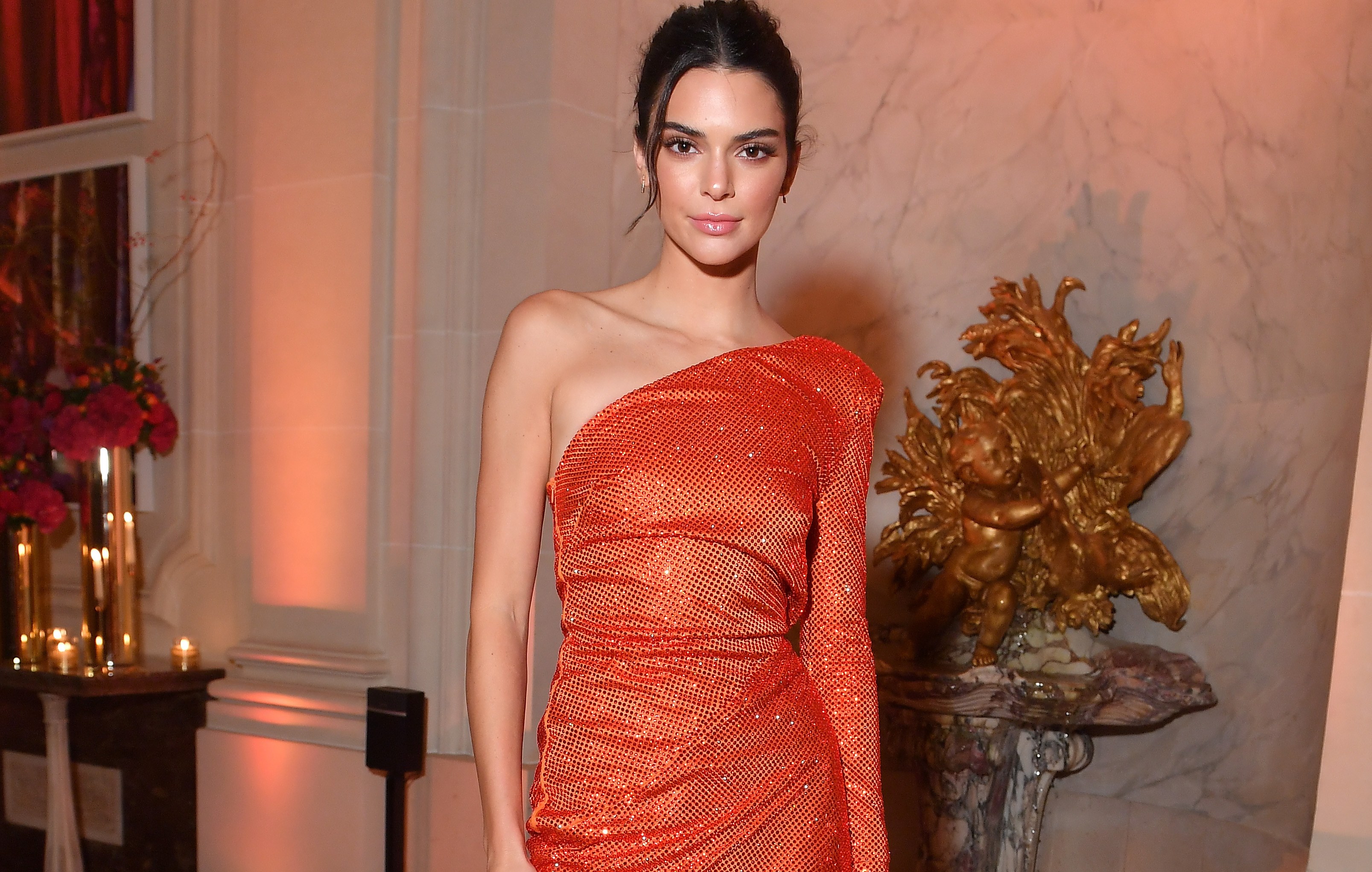
Kendall Jenner is doing a lot of things in her latest Instagram post. She’s sitting inside what looks like the richest bathroom on Earth, naked, with a towel around her head. She’s drinking wine. She has her knees contorted in a way that would send me to the emergency room if I attempted. A very uncomfortable-looking floral pillow is placed on her marble sink, its purpose unknown. Does Kendall lounge on that pillow? Is it just for decoration? Does she scream in it whenever Rob Kardashian re-gifts her Christmas presents? Who knows!
What Kendall isn’t doing in these two photos, however, is napping. You know about napping, right? It’s the third greatest activity of all time, only bested by “brunch” and “mindlessly watching old Friends episodes on Netflix.” Napping, for the uninitiated, is when you sleep in the middle of the day for a short period of time. It typically involves pillows, blankets, and probably a mattress or couch. Unless you’re some kind of witch, you can only do it when you’re unconscious. Naps are fun and cozy and one of the last good things we have in 2018.
I take a lot of naps. Catch me every Saturday between 1 P.M. and 6 P.M. napping. I’m basically an expert, which is why I’m confident that what Kendall is doing on Instagram isn’t napping. Why is it, then, that she captioned her post, “I love naps?”
Is Kendall confused, or does “napping” mean something completely different in the Kardashian-Jenner universe? Maybe Kendall, Kylie, Kim, Kourtney, and Khloé’s definition of “napping” is drinking wine in the shower. They do so much, after all (to name a few of their endeavors: reality TV shows , video games, songs called “Jam”). Maybe “quiet bathroom time with wine” is the closest thing they can get to actually sleeping.
If only Kendall knew what naps actually were, though. Who’s going to tell her about them? Kris Jenner? Scott Disick? Maybe Stormi Webster should! Babies know all about naps. Sleeping during the day is one of the few absolute joys we still have on this planet. I hate that Kendall is missing out. Just imagine how powerful she’d be if she napped like us mortals! Contrary to what the Kardashian-Jenners might believe, they’d actually get more done. Kendall would 100 percent write another sci-fi novel if she started napping. Do it for the Pulitzer, girl! We need you.
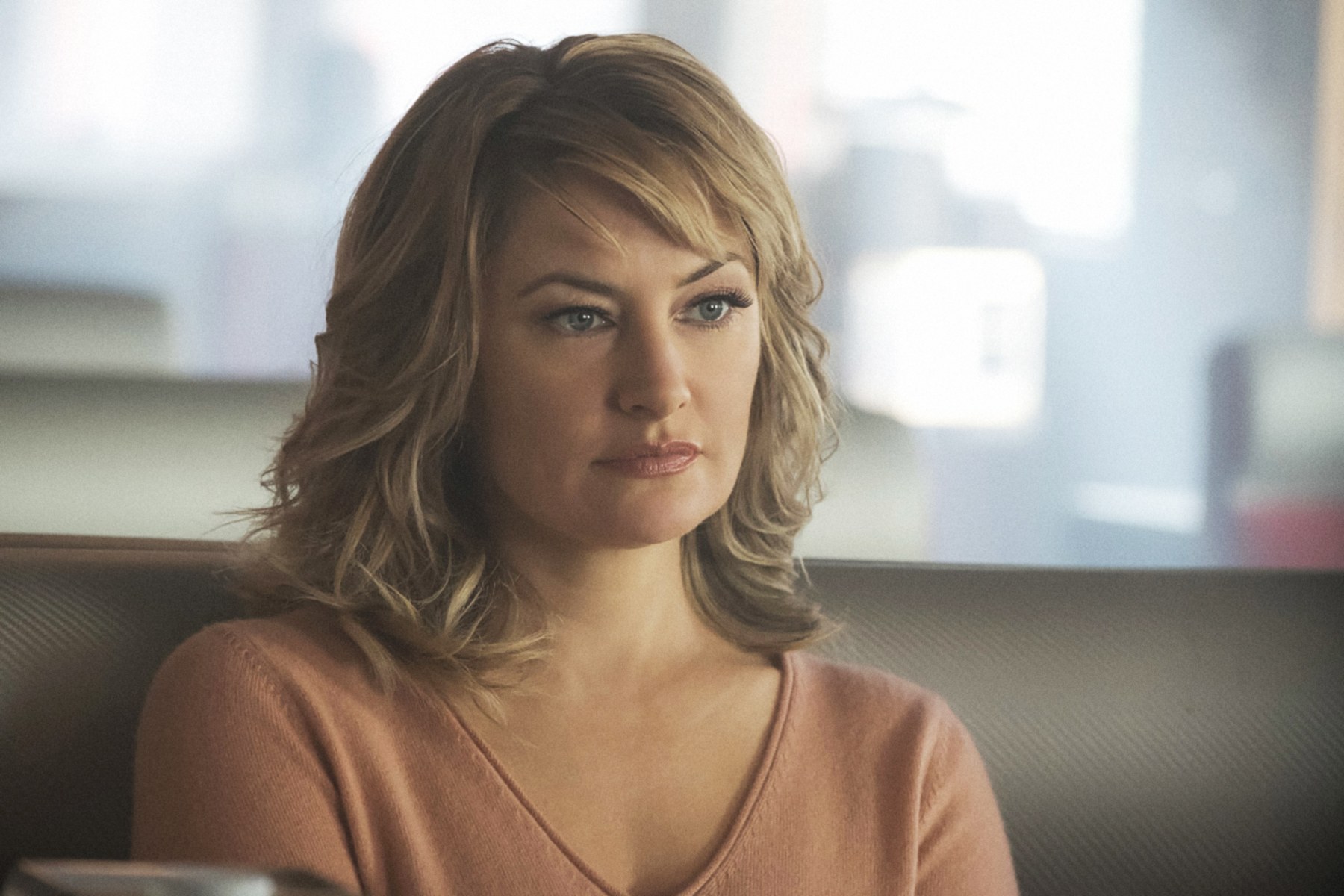
Something is happening on Riverdale this season that’s more exciting than Archie’s abs. No, I’m not talking about Cheryl and Toni’s relationship—though that’s amazing and deserves 20 minutes of screen time per episode, minimum—or anything to do with the Black Hood. (Spoiler alert: It’s Hal Cooper! Except not spoiler alert because even the most casual viewers called that back in November 2017.) I’m talking, of course, about the cult storyline teased during the season two finale. (Warning: Spoilers ahead.)
You remember it, right? Shaken up by the realization her husband is a masked murderer, Alice Cooper decides to meet Edgar Evernever, leader of “The Farm,” a spiritual group that her daughter Polly joined in the second season. We don’t know much about “The Farm,” except it more or less caused Polly to cut out Alice and Betty from her life completely. She returns to her mom and sister at the end of season two, though, to convince them to join “The Farm.”
And she’s halfway successful. In the season three premiere, we learn that Alice is all about “The Farm.” Her hair is different. She’s talking different. She even thinks it’s a good idea for Betty to burn her diaries because, according to Edgar, they’re keeping her in the past when she needs embrace the future. Betty’s attitude toward Polly, her mom, and “The Farm” can basically be summed up with this GIF:
All Betty wants to do is ride in Archie’s weird jalopy and swim in some dirty pond, but nope, Alice and Polly are determined to convert her to “The Farm.” They do a little digging and find out Betty’s been lying about seeing a therapist and is forging Adderall prescriptions (???) as a post-Black Hood coping mechanism. Obviously, Betty wants nothing to do with them when they confront her about this, so she storms off, makes out with Jughead a ton, and returns to the most bonkers scene in Riverdale history.
“The Farm” has convened in Betty’s backyard and is doing a seance that involves Alice dropping Polly’s twins in a fire. Betty then sees the twins shoot up in the air—as if they’re flying—before she collapses into a seizure. That’s literally how the episode ends. I know! What the hell? Was this real? Was it a hallucination?
“That is the exact question that Betty is trying to figure out in the second episode,” Riverdale showrunner Roberto Aguirre-Sacasa tells Glamour about this jaw-dropping ending. “‘What did I see? What part of that is real? Was all of it real? Even if it was a hallucination, where did it come from? What caused the seizure?’ There’s so many things to unpack, and very soon other people are also seeing crazy things.”
“We love urban legends like the Slender Man and stuff like that, so we wanted to tell a really creepy and twisted cult or satanic murder story, so we did a lot of research about cults and we looked at a lot of stuff like that,” Aguirre-Sacasa says in regards to “The Farm’s” origin. “Season one we did a more traditional murder mystery, season two we did a more traditional serial killer, so [now] we wanted to do something a little darker and more twisted this season.”
If you’re thinking, “Wow, this sounds way more interesting than any time Jughead’s appeared on screen ever,” you’re exactly right. This cult plot line is, hands down, the greatest thing to happen to Riverdale since it made Cheryl an Olympic archer. The above synopsis is just a small taste of the true insanity that unfolds during the premiere.
If only the episode focused more on it. Unfortunately, we still have to put up with a storyline involving Jughead going across Ghoulie lines (groan) to rescue the Serpents’ dog . We also have to deal with his narration and the fact that he wears the same white tank top in basically every scene. Thankfully, the cult narrative is potent enough to make even the most ridiculous Jughead line bearable.
There are seriously so many directions this story can go. Alice and Polly could force Betty to join “The Farm” against her will, only for Shirtless Archie and Bow-and-Arrow Cheryl to rescue her. Or what if Betty puts on her black wig, murders Edgar, and Veronica helps her dispose of the body? And then Betty returns the favor by helping Veronica take out Hiram Lodge! Murder! It’s the bread and butter of Riverdale!
Actually, wait, I know exactly how this plot should unfold: Betty joins “The Farm,” likes it, and Cheryl has to come in with her vicious, vicious words and bring her back to reality. Just throw in Hot Sheriff Keller randomly lifting weights, and you have the best parts of Riverdale all in one narrative. Fingers crossed Jughead’s scowling plays second fiddle to this all season. It’s what we deserve.
Riverdale airs Wednesday nights at 8 P.M. ET on The CW.
Two sources confirmed to Variety today that Maroon 5 is performing at the 2019 Super Bowl Halftime Show, and I’m just wondering if “Maroon 5” is a new way to spell “Jennifer Lopez.” Because there’s no way the NFL would deny the greatest living entertainer who hasn’t done the halftime show yet the opportunity to perform, right? Surely, the suits who make this decision are aware the Internet really wants to see Jennifer Lynn Lopez take the stage on that fateful night. The receipts are everywhere. (See below.)
I cannot fathom a scenario in which human beings would pass up the woman who just did this at the 2018 MTV Video Music Awards in favor of Adam Levine. (No offense, Adam Levine. I’m sure you understand.) Oh, and did you know there are seven men in Maroon 5? So not only does their name promote a color that only looks good on 2004 Ford Explorers, it’s a straight-up lie! Sorry, but I just don’t trust them to entertain me on a night where I’m already lying to everyone about my interest in football. Is there anyone out there? Because it really is getting harder and harder to breathe.
But do you know who I trust implicitly? Jennifer Lopez. Jennifer Lopez has always had the country’s best interests at heart. Remember when she let James Corden text Leonardo DiCaprio off her phone? So patriotic. Or when she hosted a taco night in a bedazzled outfit? An American hero. And never forget the fact she’s singlehandedly responsible for getting everyone on board with Pitbull. She’s a miracle worker, and we don’t deserve her.
[embedded content]
Actually, I take that back: We do deserve her—at the Super Bowl Halftime Show. That’s the only setting fitting enough for Lopez’s seismic talent, which continues to be ignored. Last year, we sat through Justin Timberlake performing in fringe camouflage.
Will Maroon 5 7 perform a spontaneous dance break set to Aretha Franklin’s “Respect?” No. Will they flip their long hair to Rihanna and DJ Khaled’s song “Wild Thoughts” just because they can? Surely not. Will they sing their smash hit “Jenny From the Block” in a newsboy cap? Negative. Do you know who would potentially (read: definitely) do all those things if she performed at halftime? Jennifer Lopez. And yet we’re sleeping on her again.
[embedded content]
All jokes aside, Maroon 5 is a supremely talented band, and they’ll no-doubt put on a great halftime show. For all we know, Lopez might have been asked to perform and she turned down the gig (though she did say in February 2017 she’d love to do it if asked). It’s just laughable at this point that a performer of her caliber hasn’t been tapped to put on the greatest show on Earth. She’d definitely deliver.
Maybe Adam Levine & Friends will bring out Lopez for the last chunk of their show, like Katy Perry did with Missy Elliott in 2015. If they don’t, catch me watching Jennifer Lopez videos for six hours to lick my wounds. In fact, I’m about to do just that right now—and create a petition for only J.Lo to do the 2020 halftime show. Let’s get loud.
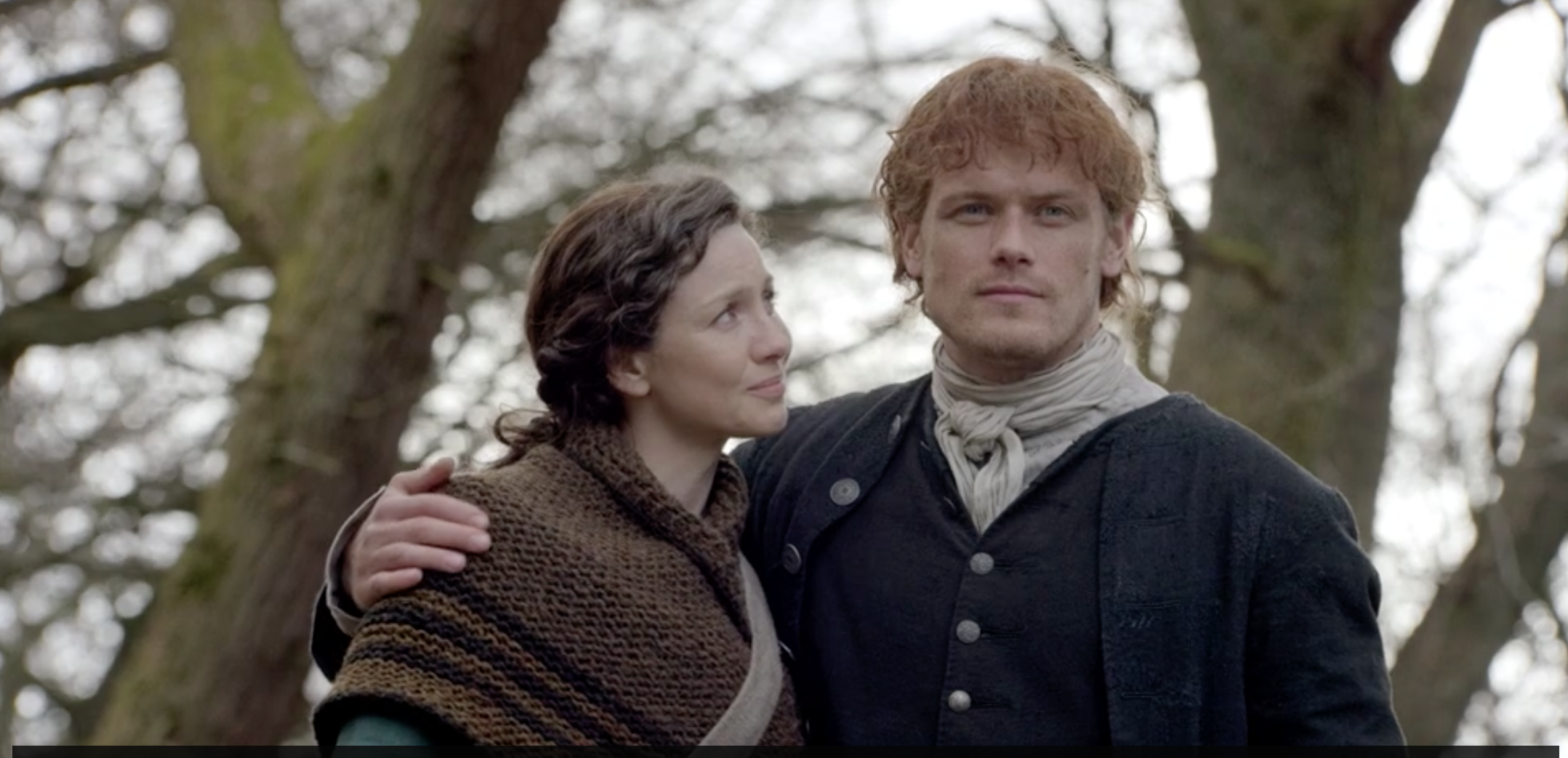
Get excited, Outlander fans: Your first look at season four is here, and it’s good. “Good” meaning dramatic, of course, which is the trademark of this hit Starz series.
Before you check out the trailer, below, here’s a quick refresher on where Claire (Caitriona Balfe) and Jamie (Sam Heughan) left off in season three: They’ve washed up ashore in what is now the state of Georgia and they’re looking to start a new life. Jamie suggests relocating to North Carolina, which seems like a good idea…until it’s not. Claire and Jamie are quickly plagued with literally every problem you can think of: angry villagers wielding torches, thieves, outlaws, and menacing aunties who give death stares. (OK, just Jamie’s aunt, and who knows, she may turn out to be great—but I’m already scared of her.) Claire also finds a message from the future in the form of silver tooth filling. A tooth filling! What message is this future person trying to send? Oral hygiene is important?
Anyway, I’m hooked. Watch the trailer for yourself, below:
Unfortunately, this trailer isn’t as steamy as fans probably would’ve liked, so fingers crossed season four turns up the passion a little bit more. It is, after all, how Outlander hooked so many fans in the first place.
However, Balfe thinks the show’s reputation for being sexy is a bit misguided. “It’s funny, because there’s probably less sex in our show than people think. It’s just when we do it, we try to empower these two characters to represent this meta-physical and all-encompassing love, so we get branded as ‘It’s so sexy.’ But if you look at the amount of episodes that it features in, it’s not in every single one,” Balfe told Glamour.
Outlander season four returns to Starz in November.
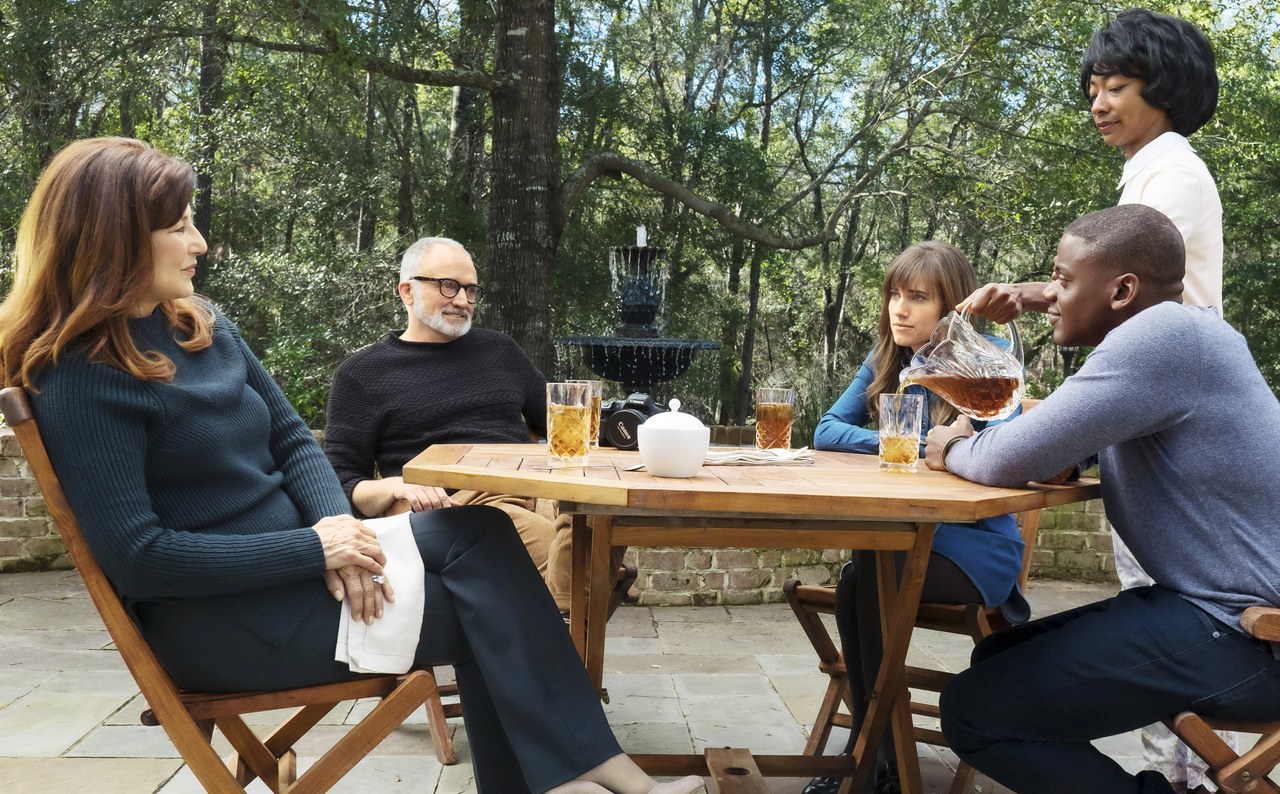
Here we were, eight months after our first date, driving to my boyfriend’s family’s country house for a weeklong visit. We were like the interracial couple in Get Out: I was a young black woman, riding in my boyfriend’s Prius to one of the whitest states in America, not knowing what to expect. I had read countless articles on dating across racial lines, and many more about class, but not much is out there about the intersection of the two. I was nervous about meeting his family for the first time, but as a woman of color with middle-class roots, I also worried how I would fit in with folks who were not just white but upper-class with Harvard Ph.D.s.
I imagined being alone in the dark woods of Maine with limited Wi-Fi service, surrounded by stacks of old New Yorkers and well-off, liberal white folk who probably could recite more of the latest Ta-Nehisi Coates book than I could. My career as a journalist covering politics and policy had given me a glimpse into this upper-crust world, but that wasn’t the same as dating into it. As we passed signs for Kennebunkport, where the Bush family has their summer homes, I wondered whether I would somehow end up in the “sunken place” or, more likely, a place that felt just as lonely, isolated, and distant.
PHOTO: Universal/Courtesy Everett Collection
“I recognized the similarities” to Get Out, Allen writes of meeting her boyfriend’s family for the first time.
When I first met Peter through a dating app, I didn’t know anything about his background. What attracted me was how similar we seemed: He had a graduate degree, a commitment to social justice, liberal parents who never married, and chronic lateness issues, just like me. We had a good first date at a random Irish pub in midtown Manhattan, until he took me up on my less-than-sincere offer to split the bill. I wondered whether or not to go out with him again (I’m a modern woman, but I still believe that if a man asks you out on a first date, he should pay). In the end, I decided it made zero sense to penalize someone for being broke, which I convinced myself Peter was. He was a public school teacher who lived in the Bronx. He talked about Marxism and socialism and believed in a revolution for the working class.
I must have been blinded by love, because as we continued dating I missed all the obvious signs that pointed to his wealth. I thought nothing of Peter’s debt-free Ivy League degree. His apartment was in the South Bronx (a changing neighborhood in the poorest borough of New York City), but it had 14-foot ceilings and views of the Manhattan skyline.
Peter and I talked a lot about race—it was hard not to. Black Lives Matter dominated the headlines; a certain presidential candidate ranted about Mexican rapists coming to America; and white supremacy and Nazism, ideas I thought had forever fallen out of favor, began to rise, even among millennials. I told Peter of my ambivalence about dating across racial lines when the country was so polarized. I explained my worry about somehow abandoning my race by dating him, my desire for chocolate-brown babies, and my fear that I couldn’t write about issues in the black community with someone white on my arm. I was honest with him about my concern about being a fetish or some sort of rebellion against his parents. And we still managed to fall in love, bonding over our love of political debate, obsession with used Toyota Priuses, and affinity for cooking homemade dinners. Our talks about race were often uncomfortable, but we seemed to be having all the conversations that “woke” young people were supposed to have to make sure we didn’t repeat the mistakes of generations past.
“I’d had a glimpse into this upper-crust world, but that wasn’t the same as dating into it.”
Then one day, after six months of dating, I started to Google-map the directions from Peter’s apartment to a friend’s place in Brooklyn but couldn’t remember his exact address. I knew the name of his building, though, and my Google search pulled up an article about the apartment next door to my boyfriend’s, which was for sale. The headline said it was the most expensive apartment in the neighborhood—nearly a million dollars—and it was clear from the pictures it wasn’t even as nice as Peter’s. My mouth dropped open. For the first time I realized that my sweet, socially conscious activist boyfriend was rich. I asked Peter about it, and he explained that he wasn’t exactly rich, but his family had some money and helped him get the apartment and live above the means of an average teacher. I felt betrayed. Angry. I didn’t even know at what or whom. But it stung.
Because class is not as immediately obvious as race, it is often harder to talk about, says Jessi Streib, Ph.D., a sociologist who studies class at Duke University. “People are like, ‘Well, we both went to college. We have jobs. Why would it matter what class we grew up in?’ ” she says. That was true for me and Peter. I’d told him that I grew up middle-class, went to college, and owned a home—often superficial signs of having “made it”—and he’d said the same of his background. I didn’t pry any further, and he never disclosed anything that would make me assume otherwise.
I had dated white men before, and while I couldn’t relate to their racial privilege, most of them had struggled financially, and we had that common thread to at least superficially unite us. But with Peter things weren’t the same. After I found out about his financial status, I felt that I couldn’t relate at all. He knew nothing about the stress of choosing a college because of cost, or what it was like to be maxed out on credit cards and denied for loans. And while I remained blissfully in love, I worried about how these differences would impact our lives.
I stumbled through many of these initial conversations about class with Peter. I got mad at him, mad at America, mad at seeing what it meant to be a young, white, rich man in this country. Sometimes I couldn’t tell whether he was benefiting from his race or his class—or both. I became hyperaware of how it all impacted Peter’s world. There was that illegal turn no one pulled him over for, the lawyers he could hire to help him out of a jam, the stocks he could cash in if he ever lost his job. And although I sometimes forget about his privilege because he can be hilariously cheap (the bumper on his 13-year-old car is held together with tape), there are other, subtle traits that reveal the advantages he has had: the confident bass in his voice when he talks to police; his freedom to move to any new neighborhood he wants, just to get a bigger and nicer apartment. He walks through the world as if no one has ever told him no (and he confirms they haven’t), whereas I walk through the world like no one has ever told me yes (and many times they haven’t). Sometimes it all makes me want to scream.
And some days I do. We’ve had it out because one of his elite peers asked whether my mom and I were “well traveled,” clearly implying that we’d been too poor or uneducated to leave New York, while Peter stood by and said nothing. Then there was also the time he started “helping” me cook dinner, and took over the stove and told me how to grill the shrimp. It led to a three-hour fight about how white men with power are always telling women—especially women of color—what to do and taking up all the air in the room.
Our fights may seem petty, and some would say they’re not even technically about race and class (a friend pointed out that the shrimp fight was probably about gender), but they were always about who has power in our society and who doesn’t, things that are important to me to hash out. And slowly we began to do just that. Our fights turned into deeper conversations about our pasts and feelings. We didn’t just do things like go to the Museum of African American History in Washington, D.C. (though, yes, we did that), but we began to have the really tough discussions about how class impacted his life and privileged him, about what a true ally looks like. For him, I think it meant things like taking a back seat at meetings, learning how to speak up for marginalized folks when necessary, fostering deep relationships with a diverse range of people. And for me, it meant dealing with my own class privileges while also trying to openly and honestly articulate my frustrations and feelings.
We still don’t have all the answers. As I was writing this piece, a white acquaintance of his used the N-word in front of me. I was outraged. Peter said he didn’t hear it but then immediately asked if I wanted him to speak to his friend. It felt to me like we were making progress.
Speaking of progress: Later this year I will move to the South Bronx to live with Peter. I love him more than anything in the world, but I recognize I’ll be living in an expensive loft apartment, funded in part by his family money, in a building that used to be a factory—the type of place where my grandparents once might have worked in the same Bronx community as far back as the 1940s. I constantly feel guilty about it.
I loved my childhood in New Jersey, but I often wonder if my family—had they been allowed to accumulate the same wealth as Peter’s, or been given middle- and upper-income jobs instead of struggling away under Jim Crow segregation laws—would have stayed in the Bronx and lived in the penthouse apartment. If law enforcement didn’t constantly chastise black people, would we have that same confident bass in our voices when a policeman approaches? Would my dreams have been different?
“Our fights may seem petty, but they were always about who has power in our society and who doesn’t.”
As someone who believes in a more equitable world, I wrestle with what my presence in a place like this will mean. I never envisioned any Disney fairy-tale-princess-like life, and this certainly isn’t that, but I have to admit that I am benefiting from Peter’s privilege. He has helped me hail cabs (drivers have come under fire for illegally refusing to pick up people of color), uses his account to rent Airbnbs when we travel (some renters discriminate based on race), talked to police when I needed to file a report after a car accident.
I feel icky about all of this, like, “Do I need some white dude taking care of me?” I turned down his offer to give me a loan, not because I didn’t need it but because it challenged that whole independent-woman idea I was taught to embrace while growing up. I wasn’t Cinderella. I didn’t need Peter to get me out of some so-called hood—I was living in my second home (which I own) in the New Jersey suburbs! But this relationship has made me question what exactly people like Peter are supposed to do with their privilege. One time, soon after I found out about the cost of his home, I asked why he couldn’t buy a more modest apartment and use his remaining funds to start a community nonprofit. But I’m not really sure what the answer is.
LaDawn Black, a relationship expert based in Baltimore, says that while unions bridging race and class often present problems, those aren’t insurmountable. “Initially you’re trying to figure out the race thing, but then you step into a bigger pool of ‘the way I was raised versus the way you were raised. So how do we live? How we do vacation? How do we educate our children?’ If success looks a certain way for you but it looks totally different for your partner, you need communication on a higher scale,” she says. Being able to talk to each other about these issues is key, says Black, as is having a supportive partner who validates your feelings, loves who you are, and can help you understand their world and family. So too is accepting that you’ll both make mistakes and have misunderstandings. It’s also imperative to recognize that both parties bring value to the relationship. “A lot of times we obsess over stepping into what we consider the better world,” she says. “Don’t be so concerned about preparing for that world that you forget the fact that your world is pretty fascinating too.”
Riding up to the Maine country house that first time, my real fear was not whether I would connect with my boyfriend’s family, but that they would be judging me. Thanks in no small part to my strong relationship with Peter, his family welcomed me with open arms. I didn’t end up in the sunken place or feel alone (there were, however, a few New Yorkers lying around). I know couples who’ve dealt with similar divides who say that once they fell in love, all of these worries disappeared. That hasn’t been the case for me, but it’s also led Peter and me to work harder to talk about these issues. Through it all, we’ve stopped pretending our differences don’t matter—instead we’ve learned how to understand them and appreciate them.
Reniqua Allen is an Eisner Fellow at the Nation Institute. Her book, It Was All a Dream, about black millennials and success, will be out in January.
This story is featured in the September 2018 issue of Glamour. Lead image: Getty Images, Art by Sarah Olin
Back in 1992, years before Sarah Michelle Gellar starred in the WB series, my aunt Joann introduced me to Buffy the Vampire Slayer. I was wary at first that the film, which starred Kristy Swanson as the titular character, would feature just another stereotypical teen cheerleader. Instead, I saw a fighter, a badass slayer of monsters. I was hooked.
And now, more than twenty years later, the franchise is getting another update. Last week at Comic Con, according to The Hollywood Reporter, 20th Century Fox Television announced that a revival is in development with a black woman in the lead role. Joss Whedon, who created the WB series, is set to executive produce, with Monica Owusu-Breen as showrunner.
There’s been controversy around this decision, though. Critics argue that rebooting franchises with a black lead deprives people of color of their own original stories. “Hollywood, stop doing lazy gender and race bent reboots and shit,” Vulture writer Angelica Jade tweeted. “It isn’t progress. It’s insulting as if black people can’t lead popular works with their own mythology.”
“Any African-American actress who enters this role is forever going to be known as ‘Black Buffy,’ and that’s something I find frustrating,” Princess Weekes wrote on The Mary Sue.
The blowback was loud enough that showrunner Owusu-Breen responded on Twitter. “For some genre writers it’s Star Wars. Buffy the Vampire Slayer is my Star Wars,” she wrote. “Before I became a writer, I was a fan. For seven seasons, I watched Buffy Summers grow up, find love, kill that love. I watched her fight, and struggle and slay. There is only one Buffy. One Xander, one Willow, Giles, Cordelia, Oz, Tara, Kendra, Faith, Spike, Angel… They can’t be replaced. Joss Whedon’s brilliant and beautiful series can’t be replicated. I wouldn’t try to.”
She continued, “But here we are, twenty years later… And the world seems a lot scarier. So maybe, it could be time to meet a new Slayer… And that’s all I can say.”
I’m with Owusu-Breen. As a black, female fan and as a writer, I see this as an opportunity to tell a fresh and timely story. It’s not something I take lightly: Following the Buffy series was a long ride of ups and downs—and I mean heavy downs—but being a part of the Buffy (specifically, Spuffy) fandom has changed the course of my life. Reading and writing fan fiction about the characters made me a better writer, and I’ve met some of my dearest friends in fandom chat rooms. I’ve even interviewed some of the cast (James Marsters, Clare Kramer, Mercedes McNab, Amber Benson, and Mark Metcalf). Today, I run Whedon World on Facebook, and I’m an admin on the largest Buffy group on Facebook (we have over 80,000 members).
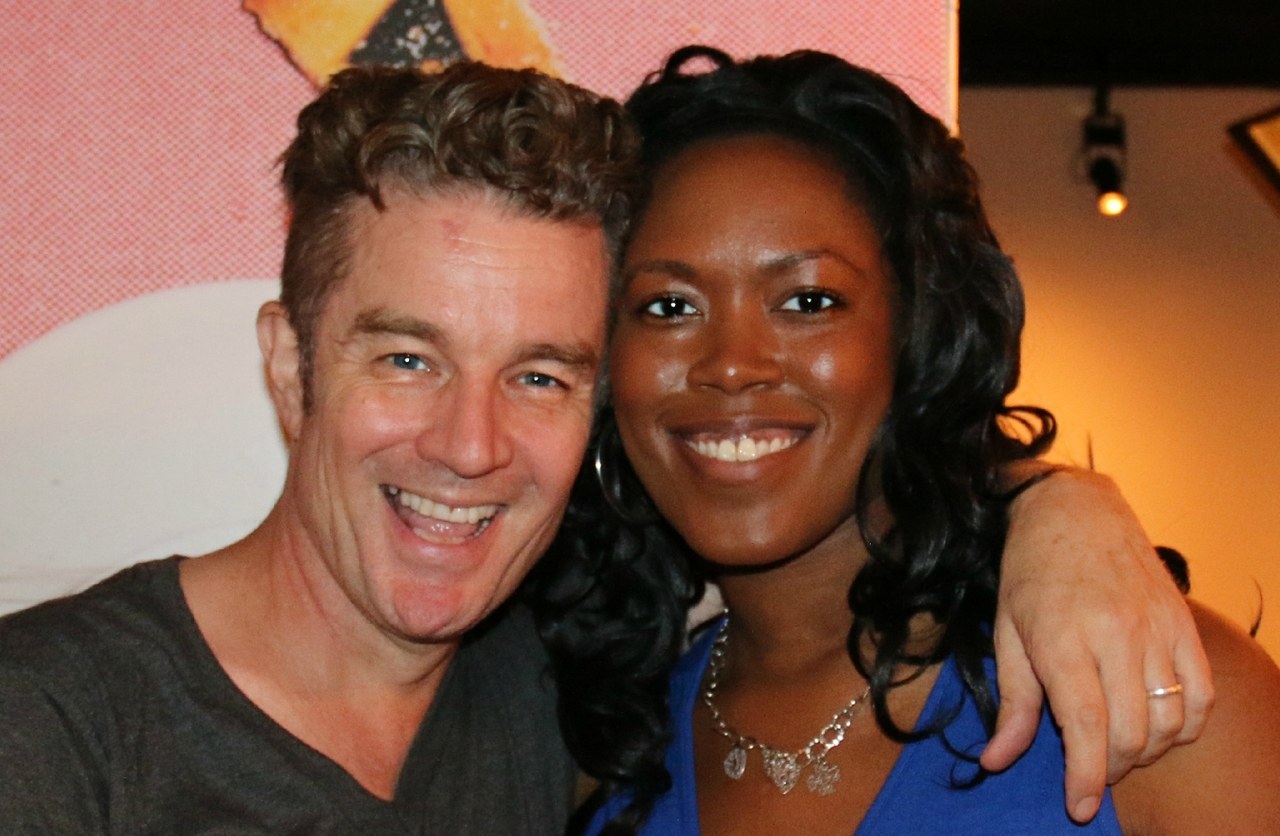
PHOTO: Courtesy of Jill Robi
Me with James Marsters a.k.a. Spike
Buffy has changed—and made better—so many things for me. So when it comes to this reboot, why would I want to deprive a new generation of experiencing that too? (I also want a Spike movie starring James Marsters, but I’ll save that argument for another day.) There’s a whole new audience out there waiting for content like this. I’d also argue that the current political and social climate will simply not allow for the same plots to be rehashed. In Owusu-Breen’s hands, this could be something that’s updated, elevated, and more relevant for today.
Buffy is a cult hit, sure, but is the fandom so shrew to think that’s all it can ever be? Whedon clearly feels differently, given his involvement as executive producer, and I agree: I’m excited that Buffy Summers is coming back. If you don’t want to show up for her, I get it, but others will—and I’ll be right with them.
Jill Robi is a San Diego-based writer from Chicago, currently working on her next novel. Learn more at houseoffangirl.com.