Categories
Health

Don’t Be Mad, but I’m a Feminist Who Decided to Write a Book About Men


I’ve always felt feminism to be like a block party: euphoric, emancipating, jubilant, and open to all. I often fear that many women in my generation think about it instead like a speakeasy: closed, password-protected, and open to the already enlightened.

The narrowing of feminism has presented itself in subtle and not so subtle ways. A few years ago, when I was on a panel and suggested that making the world better for women involved a plan for generating better men, the rhetoric I received was shocking, but familiar. “I don’t care about men,” one of the panelists said. I heard the retort and a round of applause from the audience and sat there dumbfounded. A few months ago, when I suggested that an abortion rights movement that is in peril should remind people that men who get women pregnant also benefit from a women’s right to choose, I was told that “there’s something slightly demeaning about framing women’s fundamental human rights as worthwhile because men have ‘personally benefited’ from them.” When I advised a Western government on a gender equality ministry program and suggested moving a sliver of the resources currently budgeted for girls over to boys to reach them how to be feminists, I was told none of the existing gender equality budget could go to them. For the last five years, when I’ve told people I am working on a book about how we need to develop a new kind of man in order to secure our freedom as women, I was routinely ridiculed. “Yes, because we don’t hear enough about men,” came the sarcastic sneer.

I am all for a feminism that decenters men. I am all for a feminism that puts women’s voices front and center. I am all for a feminism that seeks structural change and expects men to surrender power, but more and more I’m alarmed at a feminism that has no plan for men at all.

It wasn’t always like this for me. I too used to dismiss men’s role in the feminist movement. Men betrayed, harassed, assaulted, and traumatized me before I was even old enough to kiss one. I had to change schools due to violent bullying from the boys in my class. My experience with the opposite sex is far from unique. In fact, it’s shockingly normal and far worse for girls who aren’t white, middle-class, and able-bodied. In the United States, more than one in three women report domestic abuse from a partner in their lifetime. And in an average month, at least 52 women are shot and killed at the hands of an intimate partner. These are men women know. Never mind the men we don’t know.

To put it simply, women have been hurt and harmed by men for centuries, so as they’re enjoying increasing liberation, worrying about their oppressors isn’t on the agenda. It’s not like we don’t still have work to do on our own behalf. Despite major wins, poverty is still so feminized that the gender wealth gap is expected to take more than two centuries to close. Programs that benefit women have had to endure the steepest cuts under the Trump administration. Even in the make-believe world Hollywood creates to distract us from the grim world we live in, women are less likely to be protagonists and speak half as much as men do. Given that women already get a smaller slice of the pie, there is a legitimate concern that dedicating resources to men is shortchanging women.
Source link

Categories
Health

11 Best Face Mists That Don’t Feel Like a Waste of Money


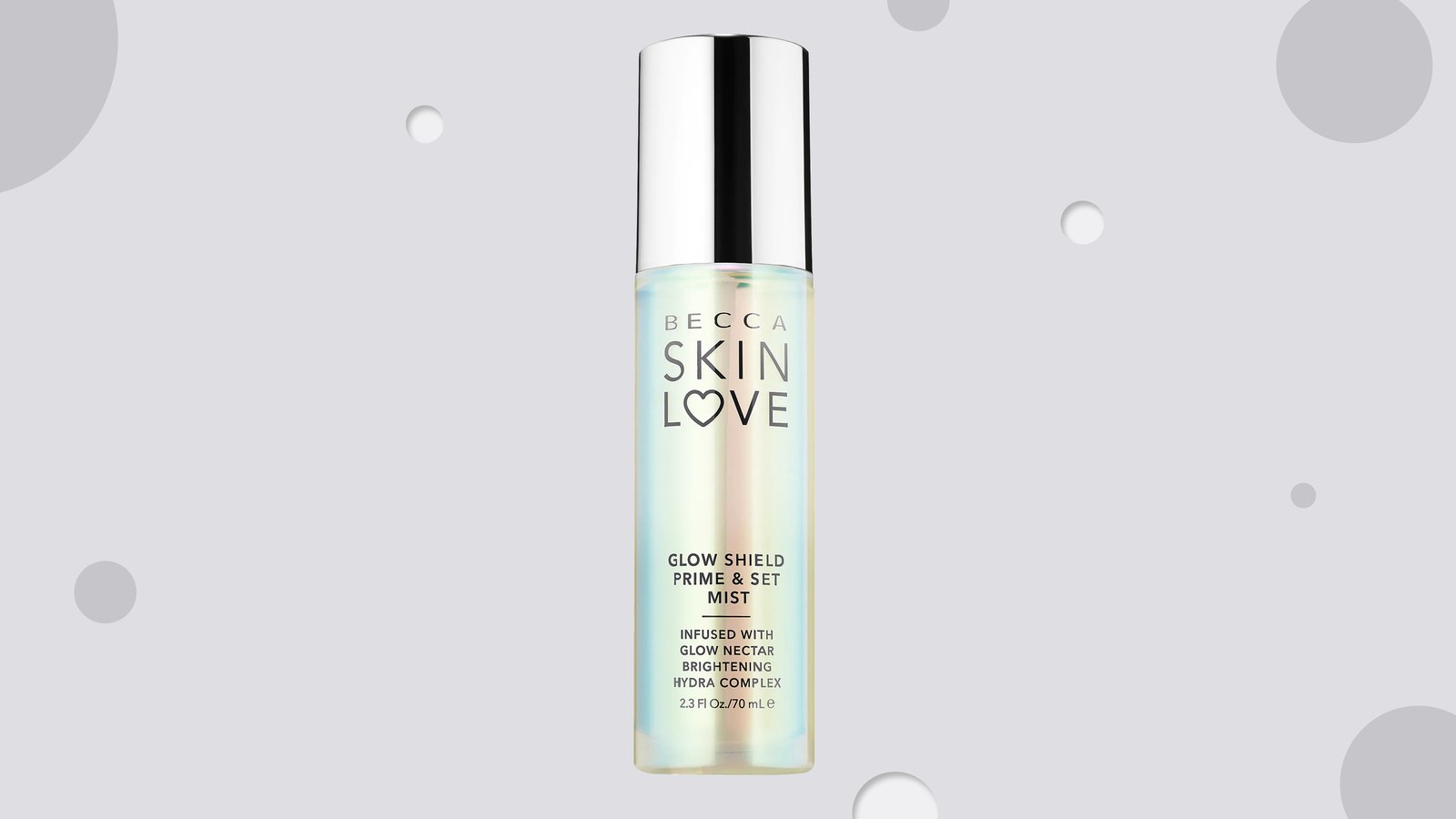
There are two types of people in this world: those who swear by face mists and others who brush them off as overpriced bottles of water. Ask anyone in the first group and they’ll swear by the healing powers of a good thermal water or the therapeutic effects of a spritz infused with essential oils. And don’t even get them started on rose water. Most people probably fit into the second group, though—many even within the halls of Glamour. Our hypothesis? They just haven’t found their perfect match. So we gathered dozens of face sprays and put them in the hands of our staffers to get their honest opinions on which they deem to be the most worthy of their money. Because while there are plenty of options out there that probably are a scam, these face mists are so much more than that.


Source link

Categories
Health

There’s a Very Awkward Fact You Don’t Know About Emilia Clarke’s ‘Game of Thrones’ Sex Scenes


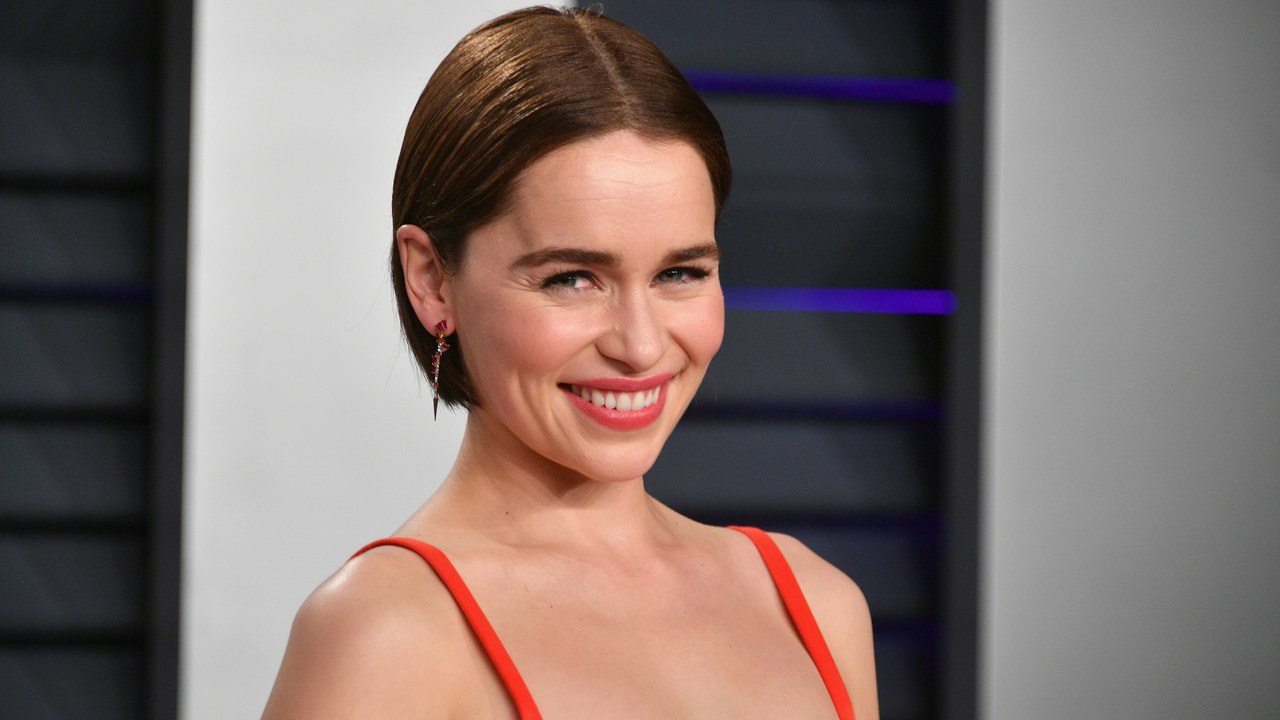
Game of Thrones is famous for many things: surprise beheadings, complex political machinations, dragons, and, yes, sex scenes. Over the course of the past eight seasons, there have been a lot of them—many involving actress Emilia Clarke, who plays the mother of dragons, Daenerys Targaryen.

Honestly, I can’t even imagine filming something so intimate in front of a crew of people. But Clarke revealed last night on Jimmy Kimmel Live that there was another factor that made her feel even more awkward than usual: Her brother works in the camera department on the show. Most of the time, Clarke says it’s “brilliant” to have family around, but not so much when it came time to shoot her sex scenes with Kit Harington, who plays Jon Snow.

“Yeah, there’s some days when he’s like, ‘Oh, I’ll swing by’ and I’m like, ‘No, it’s good! You can stay there,'” Clarke says. When Kimmel asked who would be more embarrassed in that situation, Clarke emphatically answers, “Definitely him.” Oof. Luckily, it seems she was able to keep him away on those days.

The actress also revealed she “felt a little weird” when it came time for Harington to ride a dragon, but that he was sure he could do it easily. “He was kind of arrogant about it,” she says. “But that’s when I learned that men riding dragons is like a whole other thing than a lady who rides a dragon. [It’s] a little more uncomfortable for them.” To this, Kimmel responded, “Because of the human testicles,” which, fair point.

[embedded content]

Next up: Dany, Jon, and their dragons appear to be heading to King’s Landing to take on Cersei and her army. We can’t wait.

While we wait for Sunday night to arrive, you can watch Clarke’s full interview in the video, above.


Source link

Categories
Health

No, You Don’t Have to ‘Justify’ Your Anxiety


“I have a question for the ‘Anxiety Girl.’”

This is how I was referred to at a recent well-being event. While not exactly what I imagined, being defined by anxiety—how very sexy—is how my career has transpired. I have no degree in psychology. I am no doctor. I have not unearthed a magical cure for stress and anxiety (if only). But I do have heaps of firsthand experience with the crippling shit show that anxiety can be. It’s made me kind of an expert in learning how to own it.

When I was in my twenties, I went through what I now describe as a mental breakdown (still such scary words to put together). I seemingly had everything going for me—great friends, great boyfriend, great job, great life. I didn’t have a “reason” to be anxious. Why couldn’t I just snap out of it? Why couldn’t I get my shit together? Sure, I had stress, but who doesn’t? Everyone else was handling it, or so it seemed on Instagram; why couldn’t I?

Despite having a lot going for me, for which I was both lucky and grateful, I fell apart. There was no majorly obvious trigger: I made the move from a job that I loved into a new one that didn’t suit me on many levels, and as such, I began to experience stress. So what, right? We’ve all been there. But the little ball of stress in my stomach quickly grew arms and legs. What started as containable anxiety about a new job gathered at an avalanche-like pace. It became anxiety about what this would mean for my career. Anxiety about what this would mean for my relationship, anxiety about paying my bills. Ultimately, though, it became anxiety about what people would think about me: I had everything going for me—what reason did I have to break down?

When I did broach the subject, people told me to get some perspective, to remember it could always be worse, to buck up, as if my adrenal glands could simply be convinced to switch off with the right attitude adjustment. I felt that, compared with those who go through really hard times like the loss of a loved one or another life-altering trauma, I had no right to fall apart.

At first, I thought—as is characteristic of anxiety—that I was completely alone in my struggle, but I soon learned more women feel this way than I could possibly count. Two years ago I published my first book, Owning It: Your Bullsh*t-Free Guide to Living With Anxiety, and I started talking about my anxiety a lot. When Owning It became an international best-seller, I heard from scores of women dealing with the same shame cycle I was in. They had objectively good lives and didn’t feel like they were “allowed” to have anxiety.

It’s an anxiety-shame cycle that goes a little like this: We don’t feel that we have a good enough reason to “justify” our feelings of anxiety, which just creates more anxiety. Anxiety about our anxiety! As a result, we continue to self-stigmatize, serving only to increase the anxiety we’re feeling, and so the cycle repeats. Not ideal.

What I now realize is that is bullshit. Bullshit for me, bullshit for you, bullshit for anybody else experiencing anxiety for “no good reason.” The reality is that anxiety doesn’t simply discriminate based on life circumstances—it’s not a members-only club for which you have to have been dragged through the emotional trenches—but I didn’t understand that until I began to peel back the layers of the brain to understand how stress and anxiety actually work.


Source link

Categories
Health

The Women’s March Is This Weekend. You Don’t Have to Go, But You Can’t Give Up.


In a little under two years, the Women’s March has gone from a cornerstone of the #resistance to a controversial event filled with problematic figures. We’re just 24 hours from the March and sponsors continues to lose sponsors; in just the past two weeks the Democratic National Committee, the Southern Poverty Law Center and EMILY’s List have all stepped back. I am not here to rehash issues with the Women’s March and its leaders, which have been explored here and examined elsewhere. (I could add, however, that those issues were not helped when this week co-chair Tamika Mallory appeared on The View and once again refused to disavow Nation of Islam leader Louis Farrakhan.) But in all seriousness, it doesn’t help to go backward. We need to look forward.

The question is what now? What do we do when out idols are torn down? The easiest answer is back off. March in the literal opposite direction and retreat into our homes, back into our “normal” lives with a million demands and responsibilities. Some women (in all likelihood, white women) might look at our modest gains over the past few months and feel satisfied. We won back the House of Representatives! Watching Nancy Pelosi become Donald Trump’s worst nightmare is a delight!

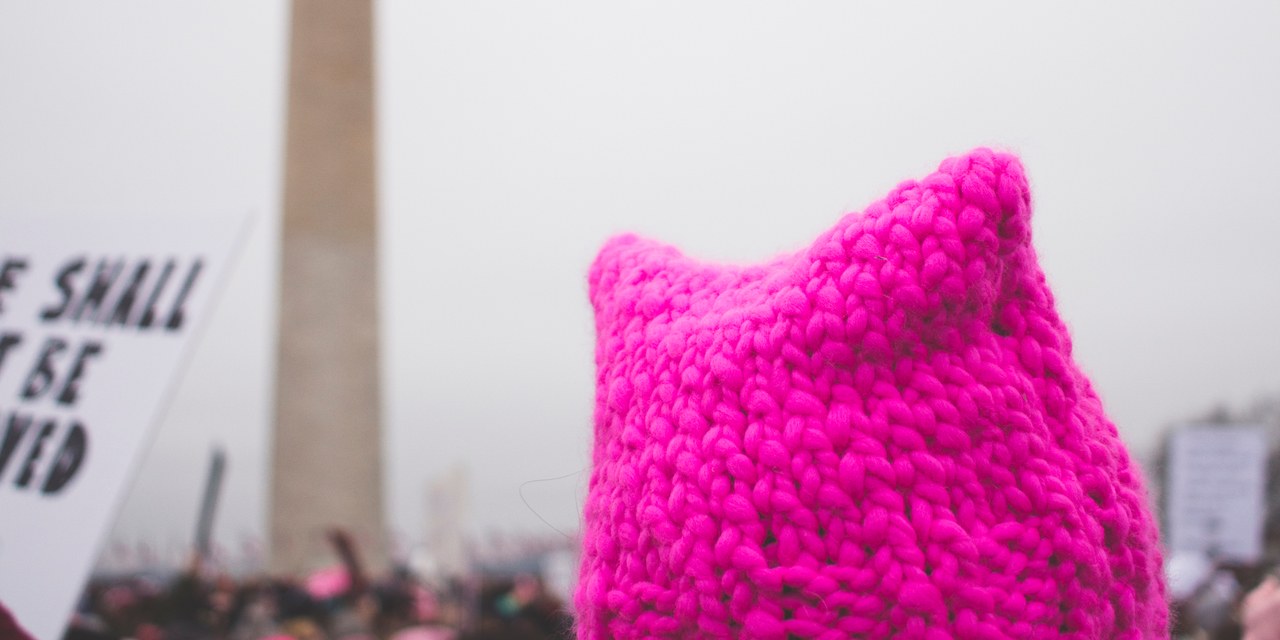
Some people might wonder, “What do we need to march for? Aren’t we back on the right track?” Spoiler: We aren’t. We still have far to go to restore the balance in American democracy. We have a 2020 election coming up, a president desperate to lift sanctions on Russiaand a Republican Party obsessed with spending 27 billion dollars on a border wall that some of their own members have said they don’t need. There is no time to mourn our pink hats. Now is the time to redouble our efforts. Generations of activists will tell you that consensus is impossible and that the real work of coalition is hard.

As a Jewish woman, to me coalition building doesn’t mean walking arm in arm with women who can’t seem to apologize for or reckon with anti-Semitism, but it does mean figuring out how to remain 100 percent committed to the principles that the Women’s March stood for.

As a Jewish woman, to me coalition building doesn’t mean walking arm in arm with women who can’t seem to apologize for or reckon with anti-Semitism, but it does mean figuring out how to remain 100 percent committed to the principles that the Women’s March stood for, even if the march itself is no longer a form I want my activism to take. The Women’s March gave a group of disenfranchised people a means to have their voices heard. It was a conduit for activism. That work continues.

In January 2016 a lot of us didn’t know the first thing about how to enact change. Many of us had never volunteer at any political organization whatsoever. I had just started to get involved in the Arena, an organization that trains progressive candidates and their staffers. I now serve on Arena’s board, but before 2015 I was just a presidential election-season Democrat who cared about elections every four years, if that. I was not alone. Many of us didn’t know how to get involved. In fact many of the grassroots organizations we look to now for guidance and galvanization didn’t even exist, and a lot of Americans (again, a lot of white liberals) were traumatized by an election that had not gone the way we thought it would.

The world has changed a lot since the election of Donald J. Trump. There has been an activism renaissance and there are now tons of activist organizations working to push for change—from Flippable, which focuses on state legislature to Swing Left, which takes aim at congressional and state-house races to Indivisible, which seeks to help Americans get involved in advocacy work, and Run for Something, which supports young people running for office. And groups like Sister District and EMILY’s List have redoubled their efforts under Trump. All of these organizations give citizens who care opportunities to enact change. If the Women’s March has let you down as a Jewish woman or otherwise, that’s no reason to give up on the hard, crucial work of activism. Nor is it an excuse to avoid hard conversations with people about anti-Semitism, racism, ableism, anti-LGBTQ rhetoric, and on and on. All it means is that the Women’s March served a unique purpose in 2017, rallying millions of women nationwide to think bigger than themselves and get used to showing up and speaking out. Two years later, we’re still here, and we can find new ways to be loud.

The Women’s March served a unique purpose in 2017, rallying millions of women nationwide to think bigger than themselves and get used to showing up and speaking out. Two years later, we’re still here, and we can find new ways to be loud.

Complacency is how we ended up with a President Trump. The idea that we didn’t need to take action, that the government would take care of itself. That we didn’t need to learn from black women, and join in their fight. That good would always defeat bad no matter how much effort we did or didn’t put in. Democratic institutions, it turns out, do not run like a perpetual motion clock. And they weren’t perfect to begin with, either.

Perhaps the legacy of the Women’s March is that a lot more of us could change the world than we’ve been led to believe. A 28-year-old can start the year as a bartender and end it as an congresswoman, if she puts in the time and work. Two Muslim women and two Native American women can get elected to the House of Representatives, not because people have warmed up to the idea of change, but because these women insisted that we do and then stood up to be the first.

It’s never about one march, even a great march. The power never rests with the organizers, no matter how accomplished they are. We are the march. We are the leaders. We all have so much more to do. More protests to attend. More campaigns to support. More voices to lift up. More races to run. More organizations to support. We don’t need to despair over imperfect leaders, we need to step up. Activism isn’t just hats. Activism is about change, real change. In homes and offices. In state legislatures. In the White House. We’re just getting started.

Molly Jong-Fast is the author of three novels. Follow her on Twitter at @mollyjongfast.


Source link

Categories
Health

11 Non Toxic Nail Polishes That Don’t Chip Immediately


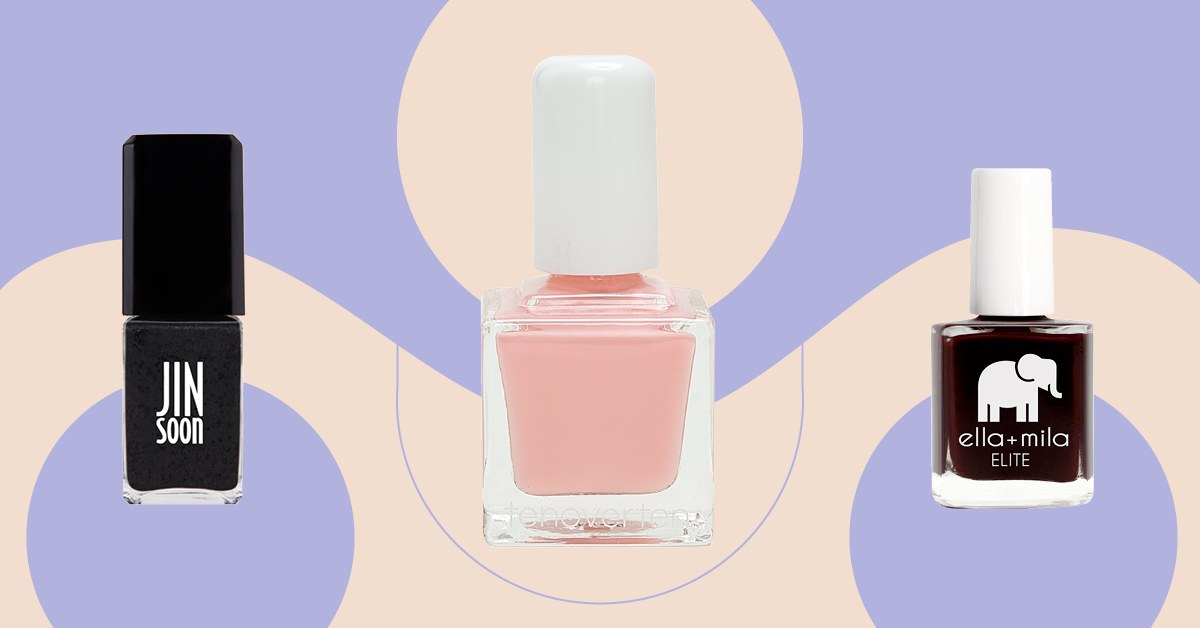
In the world of beauty, the word “toxins” has lost most meaning. Same with “non-toxic,” because the two words don’t have concrete, universal definitions. With nail polish, however, ingredients are becoming slightly more transparent. Brands have started to take note about the use of potentially harmful chemicals like formaldehyde, toluene, dibutyl phthalate (the “big three”), along with others like formaldehyde resin, camphor, ethyl tosylamide, and xylene. When a formula is free of those additives, that’s when you’ll see three-, five-, seven-, eight-, or nine-free written on the label. And while being cognizant of using safe(r) products is important, the trade-off shouldn’t be a disappointing non-toxic nail polish experience. Happily, it no longer is. Glamour‘s staff got down to testing a spate of chic, thoughtful formulas, and came away impressed with the below.


Source link