Categories
Health

Bombshell Review: The Fox News Drama Gives a Revealing Look at the Toxic Sexism of Roger Ailes


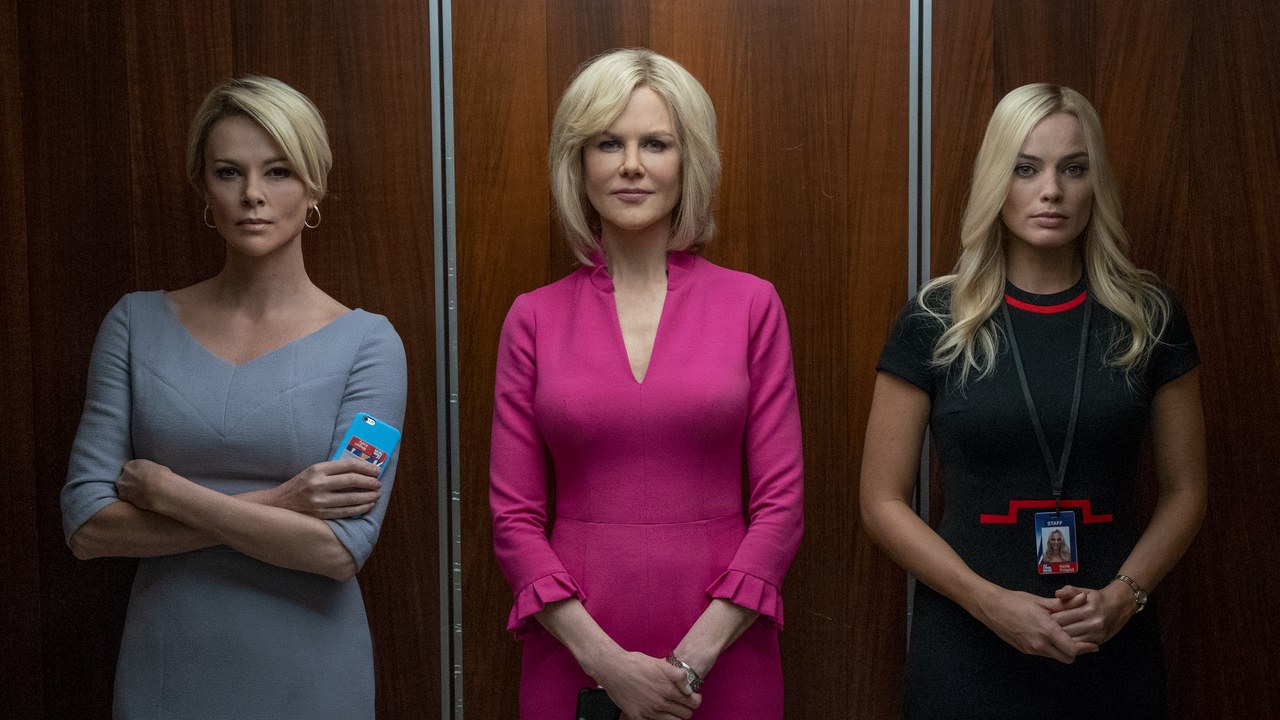
With Kelly as narrator, Bombshell breaks the fourth wall with asides to the audience (of a colleague who lasciviously compliments her dress as she walks through the Fox newsroom, Kelly says he’s not a creep, he’s just “ambitious”). That, along with the brusque, overly-explanatory style—a signature of writer Charles Randolph—falls flat. The device works in Randolph’s explanation of the 2008 financial crisis, The Big Short, because of the complexity of the financial system, but here, the asides are unnecessary and distracting.

Margot Robbie’s terrific Kayla, an “evangelical millennial” and aspiring anchor, is the most heartrending part of the film. While her character isn’t strictly true, she’s an amalgam of all the women Ailes subjected to his lechery, the ones who, unlike Carlson or Kelly, didn’t have enough star power or leverage to share publicly what had happened to them. One of the most crushing scenes in Bombshell is when Kayla breaks down telling her co-worker—the fantastic Kate McKinnon, who plays a (fictional) closeted lesbian producer—she “gave in” to Ailes.

More than anything, that’s what Bombshell gets right: the agonizing position workplace harassment puts women in. Carlson, in the movie and in reality, eventually settles the suit for $20 million, with the caveat that she’s forbidden from discussing what happened. (The real-life Carlson is now campaigning to end the use of nondisclosure agreements and forced arbitration that prevent women from speaking up.)

Near the end of the movie, Kayla ticks off the list of never-ending questions for women who’ve been harassed. What did I do to bring this on? Will I always be seen as a victim? If I come forward, will this define me? As in real life, the film leaves them unanswered.

Rebecca Nelson is a magazine writer based in Brooklyn. Her work regularly appears in The Washington Post, ELLE, GQ and many other publications.
Source link

Categories
Health

Body-Shamers Are Leaving Toxic Comments on a Photo of Kylie Jenner—Again


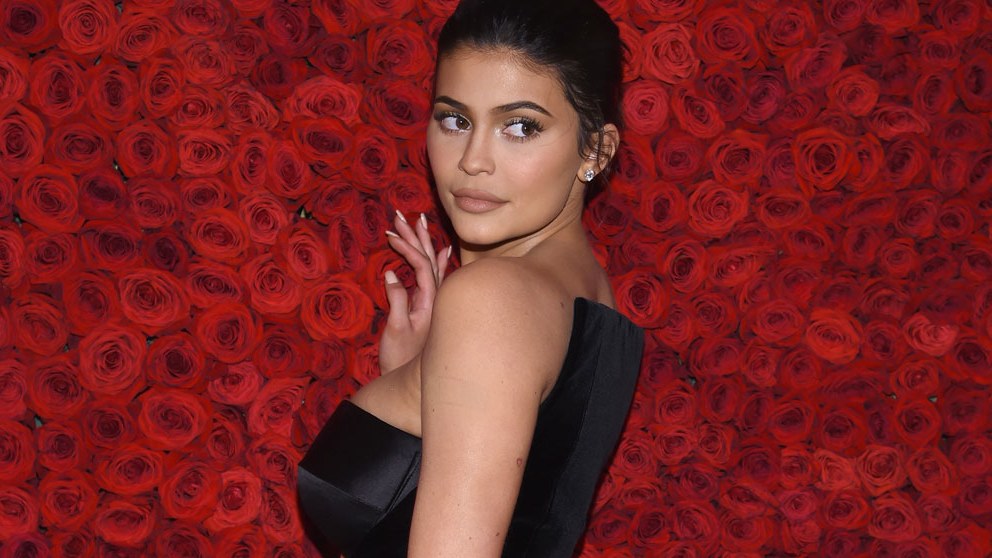
Kylie Jenner might be both a billionaire and a high-profile reality TV star, but she’s also a person—a person who’s currently facing a wave of derogatory and inappropriate comments from body-shamers on Instagram. While she’s been celebrating her 22nd birthday in Italy, Jenner’s also been sharing photos from the trip on both her personal account and the official accounts for her many cosmetics and skincare brands. In them, she’s sunning herself in a bikini, joined by a package of her skincare products. Trolls took the photo as permission to make comments about Jenner’s body—specifically, her butt.

Commenters rudely compared Jenner’s curves to a full diaper. “Time to change your diaper, baby girl,” one person said in the comments. “I think your diaper is full,” another commented.

The commentary only went downhill from there. Other users chimed in to question whether Jenner’s body is “natural.” “I remember when you looked like a surfboard,” one said.

One hero emerged from the toxic comment wasteland to set the others in place: “Comments like yours is [sic] what makes people want to do things differently with their bodies,” they wrote.

Of course, one kind comment doesn’t cancel out the damaging effects of several negative ones—and we’ve seen the movie before: Celebrity wears a swimsuit, celebrity decides to take a picture, body-shamers come out of the woodwork to throw in their unnecessary two cents. But frequency doesn’t make this cycle any more excusable.

Nothing about a picture of the media mogul in a swimsuit warrants the comments that body-shamers made (or comments about her body at all), and Jenner doesn’t owe anyone an explanation about procedures she may or may not have had, nor does she deserve gross barbs about her body’s shape on Instagram. If she wants to talk about her body—which she has—she will. Otherwise, let her be.


Source link

Categories
Health

What Sweetbitter Gets Right—and Wrong—About Toxic Restaurant Culture


“[I think] Sweetbitter can’t tell the difference between making a joke about how a piece of ginger looks phallic and blatant racism and sexual harassment,” says Sophie*, 29. She’s worked as a barista, waitress, and bartender over the years and has, along with the other women interviewed here, watched the first season of the show.

In the real world, Sophie says she’s experienced harassment with disturbing frequency: She remembers seeing a chef snap the exposed thong of a server who had bent over to pick something up. In another incident, Sophie says she went to her boss, a restaurateur who encouraged staff to report harassment, in tears over the harassing texts a male coworker had sent after they got in an argument at work. The coworker was disciplined, and the texts stopped.

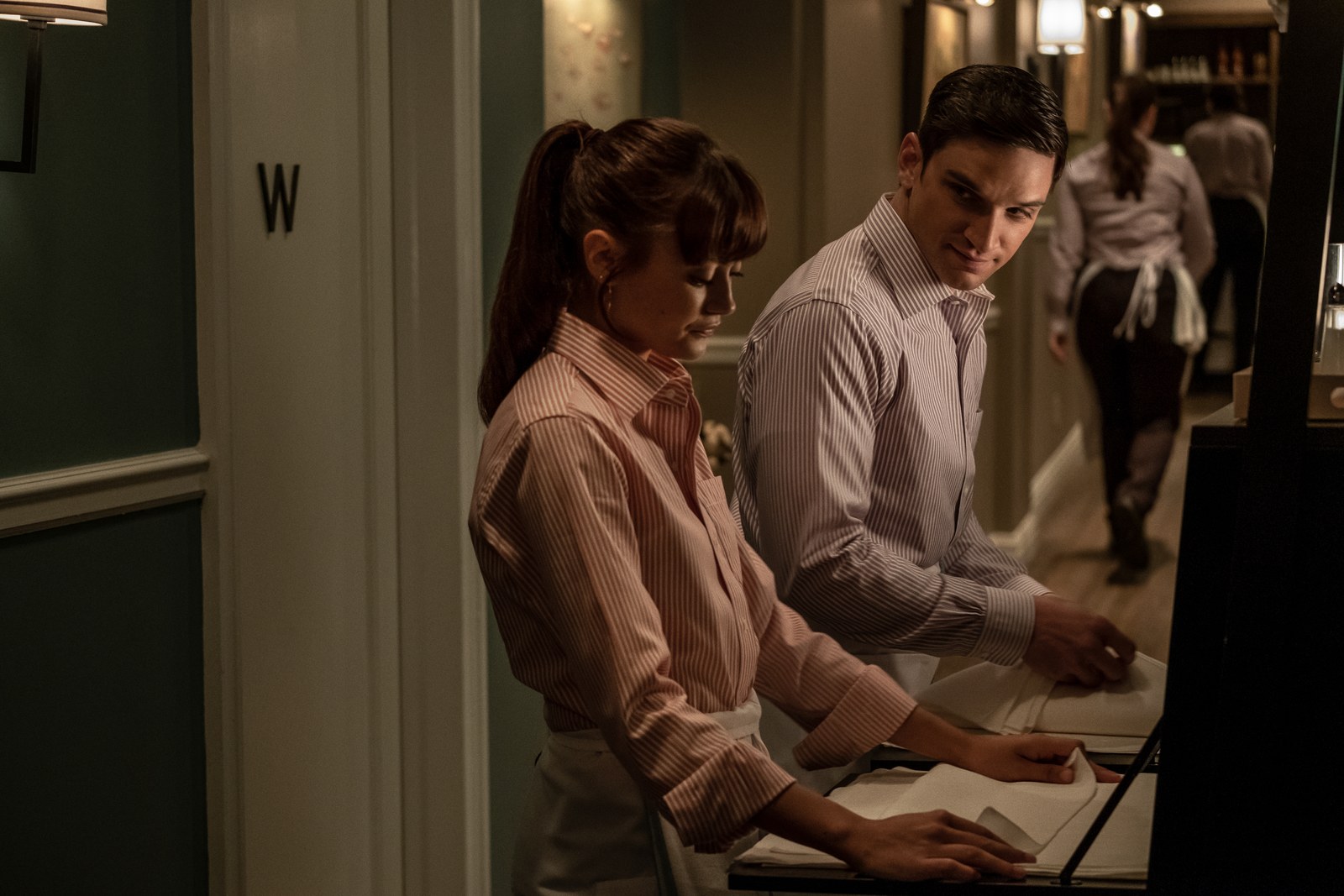
Macall Polay/STARZ

To Sophie, the most demoralizing aspect of restaurant work is actually mistreatment from customers—an issue which Sweetbitter addresses more directly in season two. One memory still makes her shudder: While working as a cocktail waitress, a customer commented that her “bra fit really well.” She felt she couldn’t tell him off without risking her job.

Sweetbitter focuses on sexual tension and partying, but it doesn’t really show how draining and demeaning it can be to work in the industry,” Sophie says. “Being treated like you’re second class or like you’re an idiot [by customers] gets exhausting.”

Lilly*, 29, has worked in food service for over a decade. She says one of her biggest challenges has been watching women, herself included, get overlooked for raises and promotions while male colleagues confidently sought out and were awarded these accolades. And like Sophie, she’s dealt with abusive customers.

“I was talked down to, spit at, shamed, and made to feel ‘less than’ for no other reason than my job. Classism is alive and well,” she explains. “Tess is an earnest twenty-something who always looks adorable. That was not my reality. I felt disgusting and mortified constantly.”

Sweetbitter does get a lot right, though. “I thought the way Tess was objectified seemed pretty accurate,” Lilly says. “She’s young and therefore immediately the target of aggressive flirtations. She’s also constantly navigating unwritten rules. I do think the show captures that sense of being brand new and entering a fully-formed universe.”

The scenes in which the staff enjoy free drinks at the bar after the restaurant’s closed are also familiar to the women I talked to. Sophie recalls feeling pressured to participate in these nightly rituals to build camaraderie amongst the team. Once, she agreed to take shots with a fellow server in the bathroom during dinner service, worried she’d alienate her coworkers if she refused. When they were caught, she nearly lost her job.


Source link

Categories
Health

Pixar's New Short Film Purl Takes on Toxic Bro Culture at Work


Pixar movies have long been as popular with adults as they are with the children they’re created for. Who didn’t bawl their eyes out during Inside Out or Up, regardless of how old you are? But the first offering from Pixar‘s new SparkShorts program, Purl, was made specifically with us adults in mind. The animated short is a searing takedown of toxic bro culture in the workplace.

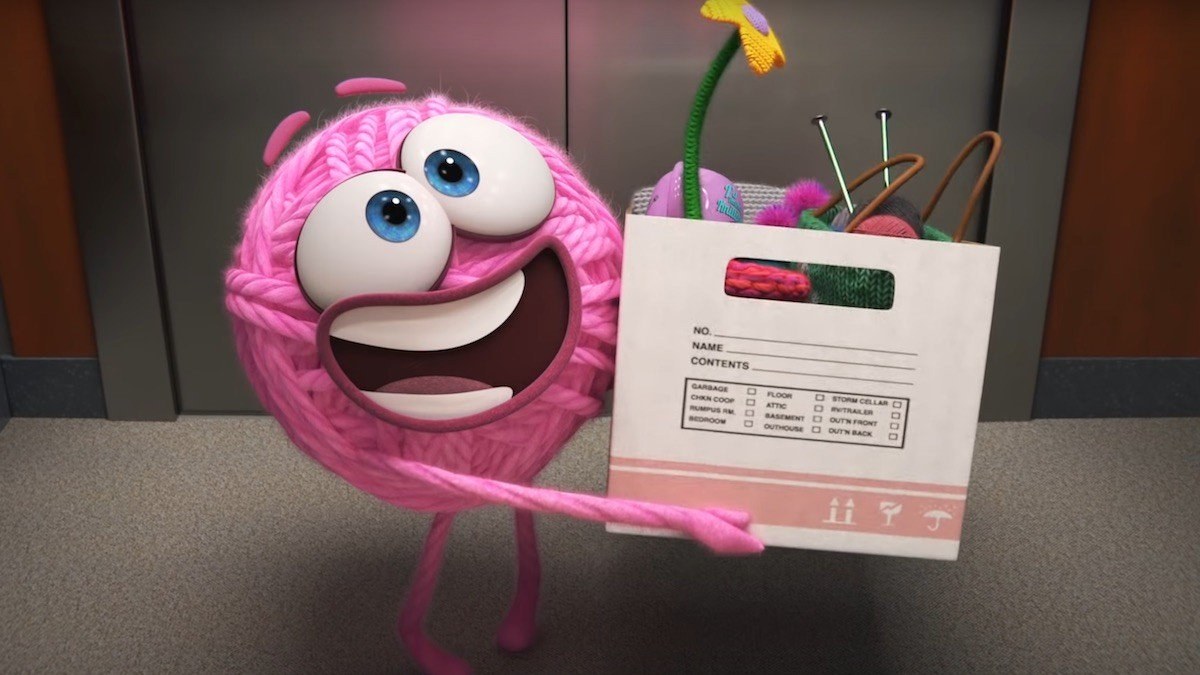
The film centers on Purl, a talking ball of pink yarn, who is the newest hire at the aptly-named B.R.O Capital. We follow Purl through her first day at work, and watch as she navigates a sea of white men clad in suits. These dudes make dirty jokes, love happy hour, and act more like they’re pledging a frat than conducting a business meeting. After she’s consistently ignored at the water cooler, talked over, and shut out of drinks with her coworkers, Purl decides to conform to her office’s culture to fit in. She changes her appearance, parties with the boys, and tells borderline misogynistic jokes.

While Purl’s wise-cracking, one-of-the-boys persona makes her a hit at the office, it doesn’t take long until she’s confronted by the fact that she’s only further perpetuating their harmful behavior. When a new hire—another ball of yarn—shows up on the floor, Purl’s first instinct is to ignore her and stick with the boys. But she soon realizes that she must stand in solidarity with the new yarn ball, in order to make her transition to B.R.O Capital easier than Purl’s.

In a flash forward, we see the office has become a much more inclusive place thanks to Purl. There are now just as many yarn balls as men in suits, and they work in perfect harmony. The ending can feel like an oversimplification of how to combat men behaving badly in the workplace—if the 2017 criticism of Pixar’s own “boys-club” work culture is any indication, this is extremely difficult terrain to overcome—but the film is still a powerful example of what it feels like to be an outlier at work. Whether you’re a woman, trans, a person of color, or a ball of yarn, Purl is an extremely relatable symbol for the need for diversity in the workplace.

Kristen Lester, the first-time filmmaker of Purl, wrote the film for this very reason. “A few times during my career in animation, I would be in situations similar to those in the short and I would feel very alone,” she tells Glamour. “I hoped that by making the short people would watch and know that they are not alone and that being accepted for who you are is possible.”

Many women have already taken to Twitter to share how much the film resonated with them. “I feel so seen by this Pixar “Purl” short about diversity! I even have girly desk decorations too, and it took me years to feel comfortable putting them out. Purl could be any woman in tech, we all know that feeling of trying to fit in with the boys,” one wrote. Another tweeted, “#PURL is all of us girls trying to fit in a man’s world. Pixar has done a lot but nothing hits me as close as this short.”

You can watch the film in its entirety, here.

[embedded content]

Samantha Leach is an assistant culture editor at Glamour. Follow her on Twitter @_sleach.


Source link

Categories
Health

11 Non Toxic Nail Polishes That Don’t Chip Immediately


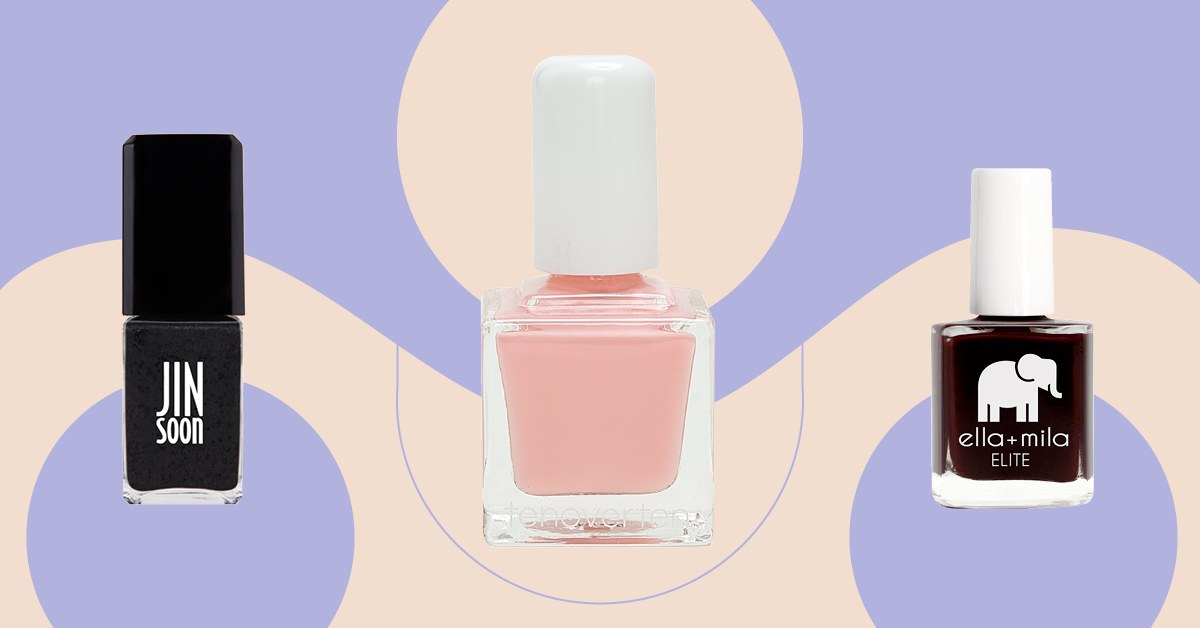
In the world of beauty, the word “toxins” has lost most meaning. Same with “non-toxic,” because the two words don’t have concrete, universal definitions. With nail polish, however, ingredients are becoming slightly more transparent. Brands have started to take note about the use of potentially harmful chemicals like formaldehyde, toluene, dibutyl phthalate (the “big three”), along with others like formaldehyde resin, camphor, ethyl tosylamide, and xylene. When a formula is free of those additives, that’s when you’ll see three-, five-, seven-, eight-, or nine-free written on the label. And while being cognizant of using safe(r) products is important, the trade-off shouldn’t be a disappointing non-toxic nail polish experience. Happily, it no longer is. Glamour‘s staff got down to testing a spate of chic, thoughtful formulas, and came away impressed with the below.


Source link

Categories
Health

The Quiet, Impressive Way A Star Is Born Challenges Toxic Male Egos


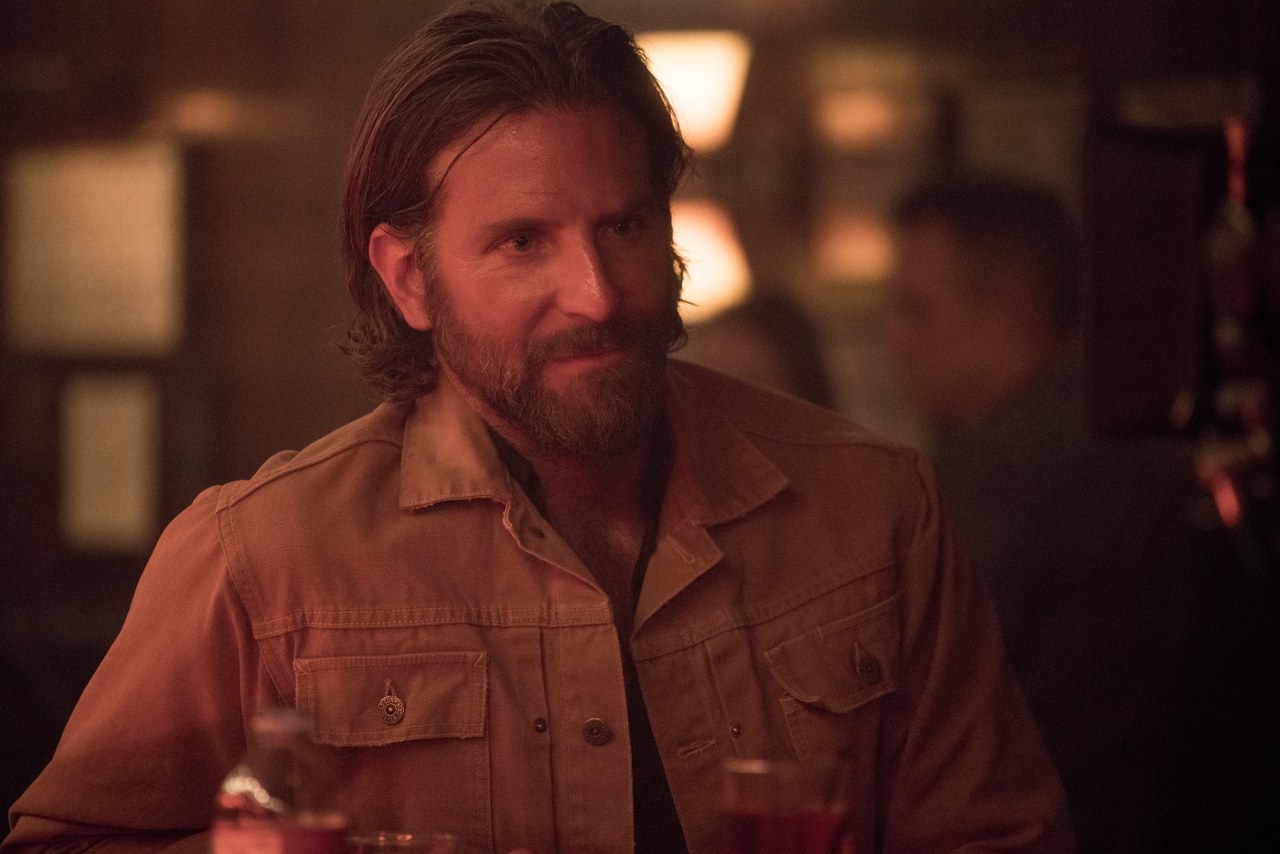
One of the most surprising moments in A Star Is Born has nothing to do with the core storyline. It’s a small moment in which Bradley Cooper’s character, alcoholic rock star Jackson Maine, autographs the fake breasts of a drag queen named Emerald, played by RuPaul’s Drag Race vet Willam.

For context: Jackson had stumbled into the gay bar looking for his next drink, but doesn’t leave when he realizes a drag show is taking place. Instead, he sticks around and sees—and hears—Ally (Lady Gaga) for the first time. What follows is an electric conversation, made even more dynamic by Emerald and the other fabulous drag queens who surround them.

What stuck out to me was how Jackson is unfazed by the queens. He chats and bonds with them in a seemingly authentic way, which brings me back to his exchange with Emerald. It’s witty and bombastic, but also important. Rarely in pop culture do we see straight men—let alone weathered country singers—be so comfortable with queerness. Think about how the football players on Glee treated Kurt (Chris Colfer) when he showed up to school in women’s clothes, or the mocking comments Chandler (Matthew Perry) made about his drag queen father on Friends for just two examples.

PHOTO: Warner Bros.

Jackson Maine (Bradley Cooper) in A Star Is Born

But his “wokeness” goes far beyond just tolerance. Jackson also isn’t afraid to indulge in a little flamboyancy himself. At the beginning of the film, for example, he’s enamored with the Edith Piaf-inspired eyebrows Ally wears to perform “La Vie En Rose.” So enamored, in fact, that Ally later tapes them onto him while they canoodle in the bathtub. (She also paints his nails, and then they have sex.) This may seem minuscule, but it’s still novel to see such a guy’s-guy be at ease wearing makeup. These scenes are incredibly liberating and say something significant about Jackson: Yes, he’s masculine, but he’s certainly not toxic.

That’s a critical distinction to make because up until this point, all the male leads in the A Star Is Born films have been. “Jackson Maine” has essentially been played three times in the past: by Kris Kristofferson in 1976, by James Mason in 1954, and by Fredric March in 1937. It’s difficult to say how these characters would have behaved in queer settings because there aren’t openly LGBTQ+ characters in the older movies. However, their toxic masculinity flares up in a completely different capacity.

In all three earlier versions of A Star Is Born, the rock-star character grows to resent the success of the woman he helps break into showbiz. That resentment is only fueled by his addictions, leading to devastating and destructive outbursts. This happens in the latest iteration of A Star Is Born too, but the source of Jackson’s resentment isn’t that Ally is eclipsing him: It’s that she’s losing her identity—or so he thinks.

As Ally’s music stardom rises, a record executive swoops in and revamps her entire image, dyeing her hair and swapping her soulful ballads for generic dance-pop. It’s a nuanced transition, though: Ally does put her foot down in some instances, proving she has some degree of autonomy over the changes in her career. But there are definitely compromises she makes, and that’s what pushes Jackson over the edge. He genuinely believes in Ally and what she has to say.

[embedded content]

“The difference between Jack and the other guys [from the A Star Is Born movies] is he doesn’t resent her success whatsoever,” Bill Gerber, one of the producers of the new A Star Is Born, tells Vanity Fair. “He’s upset that she’s not being true to her voice, and what he fell in love with, and the kind of music she wanted to create. It’s her pop turn that starts the rift between them, not her success.”

The other A Star Is Born men want their female partners to be successful, sure, but not at the expense of their own egos. Cooper’s Jackson Maine doesn’t have one, though. He’s comfortable, even encouraging, of Ally having the spotlight, which is a refreshing update to this age-old story. Also refreshing—albeit heartbreaking—is how Jackson only begins his downfall when he feels like Ally is selling out. All he wants to do is amplify her voice; that’s a very poignant thing to show on screen, especially now.

Too often in our current climate we see women shamed for having a voice—or worse, pressured into silence. The music industry, in its own subversive way, tries to do this to Ally, and it infuriates Jackson. She’s completely capable of standing on her own, as evidenced by the final scene, but it still feels satisfying to watch a man fight this hard for a woman to use (and keep) her voice.

A STAR IS BORN

PHOTO: Warner Bros.

Ally (Lady Gaga) and her friend Ramon (Anthony Ramos) in A Star Is Born.

Is Jackson a flawed character? Absolutely. He breaks Ally’s heart and trust multiple times in the movie, but he’s never anything but supportive of her dreams. That’s crucial. Ultimately, Jackson’s alcoholism is his downfall—not the fact that he can’t deal with Ally’s supersonic success. It’s sad, but it’s not misogynistic.

That lack of ego is why A Star Is Born is so exciting to watch, and a welcome reprieve from the adaptations that came before it. The movie is a triumph, full stop. Cooper and Gaga give powerful, skilled performances; the music is thrilling; and there’s a central narrative that captivates you from beginning to end. But interwoven between the thrills is a sharp commentary on masculinity. We can certainly learn something from Cooper’s Jackson Maine: a tragic hero with horrible vices but a warm, open heart. “Maybe it’s time to let the old ways die,” he sings at one point in the movie—and everyone, men in particular, should heed that advice.

Christopher Rosa is the staff entertainment writer for Glamour.


Source link