Categories
Health

Read Viola Davis' Incredible Acceptance Speech at Glamour's 2018 Women of the Year Awards


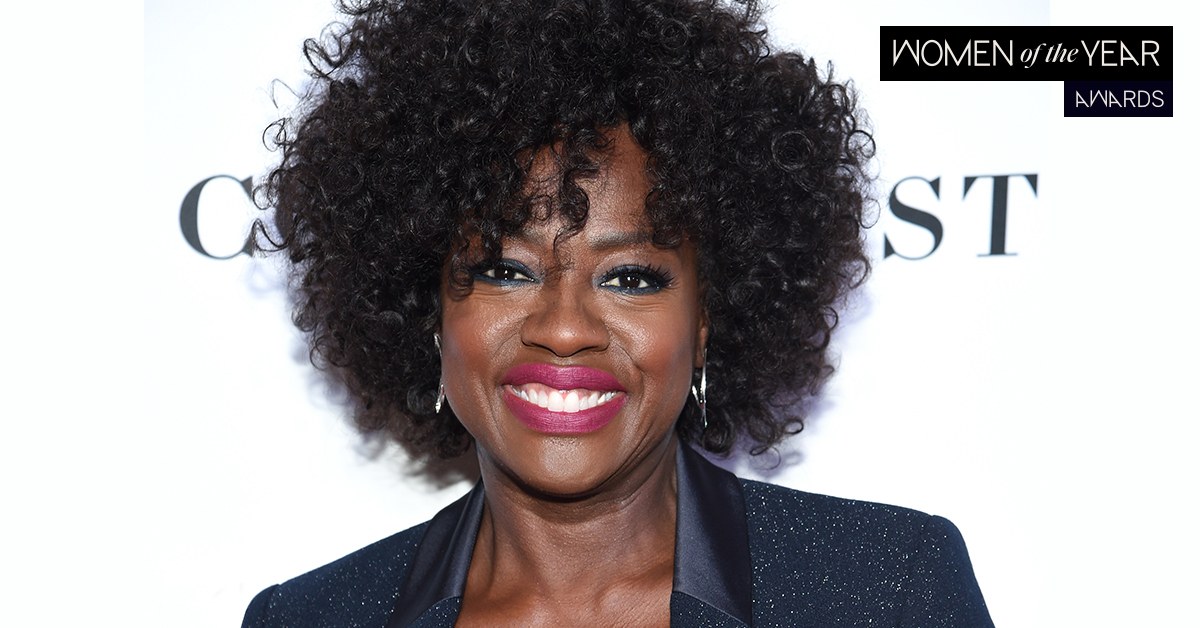
On Monday night, November 12, Viola Davis was honored as one of Glamour‘s 2018 Women of the Year in New York City. The actor delivered an important, inspiring speech to the audience that’s necessary reading. But first, she was introduced by Steve McQueen, who directed her upcoming movie Widows. “The truth, the whole truth, and everything but the truth, so help me God. That is Viola Davis,” he said, before introducing the actress.

Read Davis’ full speech, below:

“Chrissy Teigen ruined it for me. I actually don’t have much to say. I just find it so interesting that some of the greatest myths come out of people just dying to themselves and being resurrected. It always starts with a death. It always starts with just hitting rock bottom and having nothing left.

You know, I came from a story where I didn’t feel just less than or I just didn’t have a voice or not pretty. I felt invisible. I came from a long line of women who felt invisible. And they’re the ones who attempted to throw me an invisible rope. Courage is just fear said with prayers. And I feel that it takes a great deal of courage to hit bottom and feel invisible and then to share one’s story. But it’s in the sharing of the story in front of people who have empathy that kills shame. And once that shame is killed, guess what? You’re running. When I look at the zeitgeist today and look at what is happening with women in terms of sexual assault, in terms of poverty, in terms of politically what’s happening, I think to myself the change and the shift that needs to happen is the internal. It’s finding the courage to own one’s story. To say and wake up one day and feel, like, ‘Damn, I’m not perfect. Sometimes I don’t feel pretty. Sometimes I don’t want to slay the dragon. Sometimes the dragon I’m slaying is myself, but damn it, I am worth it. I don’t have to barter for my worth. I don’t have to pay someone for it. I came out of my mom’s womb worthy.’

Courage is just fear said with prayers. And I feel that it takes a great deal of courage to hit bottom and feel invisible and then to share one’s story.

At 25, which was a time in my life that I was at Juilliard, and they basically said, ‘You’re overweight. You’re going to play a matriarch your entire life. What kind of roles can you play, Viola?’ And I thought to myself, ‘Oh my God, I know I’m an actor. I know that’s what I was born to do. That’s what’s going to make my life worthwhile. I know I have something in me.’

There was no one to give me the answer. So I remember I took a trip to Africa, that was paid by Juilliard, by the way, so I have to give them some credit. And I studied the dance, music, and folklore of four different tribes just for a very short period of time. And I went into a village of the Mandinka tribe. One day there were these group of women that came through the tribe, and they were dressed in oversized clothes, oversized shoes. They painted their faces. They had drums, and they had huge calabashes of food. They were screaming at the top of their lungs. Just screaming. They yell. They kept screaming like that and they kept making funny faces, rolling their eyes.

And soon, other people came out of their houses, and pretty soon you saw hundreds of people gathering around them. Hundreds of them. They passed the calabash around of food and they all just slopped it in their mouths. And they slopped it and they ate it and passed it around. And then all those people were screaming. So loud I couldn’t hear myself. I was like, ‘What the hell is this? What ritual is this?’ I later found out these were women who were infertile. And the biggest blessing you could have as a woman in the Gambia was to have a child. These women felt that the reason why they hadn’t be blessed with a child is because God didn’t hear their voice, that God didn’t see them. So the ritual was about as making as much noise as you could possibly make so God could hear it and pour down a blessing.

Be willing to own your story and share it.

We don’t have that ritual here. We pray for connection. We pray to be seen. We pray that somehow that invisibility cloak will be unleashed and reveal us. I say it is up to me to lift that veil and to show you and to have the courage and the vagina to not have to get it together to show up. To show up imperfectly and beautifully and messily as I am. And it’s that truth that connects me to everyone in this room. It is that that that allows you to unleash your story and do the same. You know lighthouses don’t go around the island just shining their light and saving people. They just sort of stand there, shining. That’s what I choose to do with my work. I just choose to be me. And I think that is something that we can all do.

Native Americans would kill the Buffalo and take out the heart and eat it—sort of internalized courage, the courage and the guts to just slay dragons. Biggest dragons I think you can slay is yourself. I’ll tell you 70 percent of women now. There’s been a 70 percent spike of suicide in young women. One of the main reasons is images of on the Internet of women sharing their beautifully perfect life. That’s a known fact, according to the CDC. I say if perfectionism is driving the car, then shame is riding shotgun and fear is that nagging backseat driver.

Be willing to own your story and share it. I’ll tell you one thing: You might as well put the bow and arrow behind you and the sword, because you will be the most courageous person in the world. That’s what my work inspires. That’s what my production company inspires.

My tribe, the people who scream up to the Gods for me, and give me hope are my posse right here: my Lisa, my Estelle, my beautiful Julius. My love of my life, my Genesis, my Elizabeth.

Thank you so much Glamour. Glamour magazine. Thank you for this honor. I kind of have an issue with the word ‘icon.’ Just a little bit! But if it means that you feel like I represent anything and that I inspire anybody to do anything. It’s like they say, you don’t die until the last person who has a memory of you dies.”


In her Women of the Year profile, Davis remembered the early days of her career, when she was a student at Julliard: “I was angry a lot… Nobody asked me to do [classical roles] as a black actress.” Many “bad performances” (her words) and small parts later, her role in 2008’s Doubt would catapult her to wide acclaim and grant her more opportunities and agency as a performer. Now, she can not only help create those narratives (via her company with husband Julius Tennon, JuVee Productions) but also inspire those following in her footsteps. As her How to Get Away With Murder co-star Aja Naomi King said: “To be a black actress, and to have watched the evolution of her career, it’s altered the way I have looked at this entire industry. Every time she wins, it feels like success for all of us. Because here’s the face of this beautiful, tall, striking, dark-skinned, natural-hair-wearing black woman who is basically saying, ‘I dare you to tell me no.'”

Catch up on all the 2018 Women of the Year happenings here.

Related Stories:

Why Viola Davis Says She Regrets Doing The Help

Viola Davis Won’t Let Her Daughter Dress Like a Princess Unless She Has Natural Hair
The Quiet Power of Viola Davis


Source link

Categories
Health

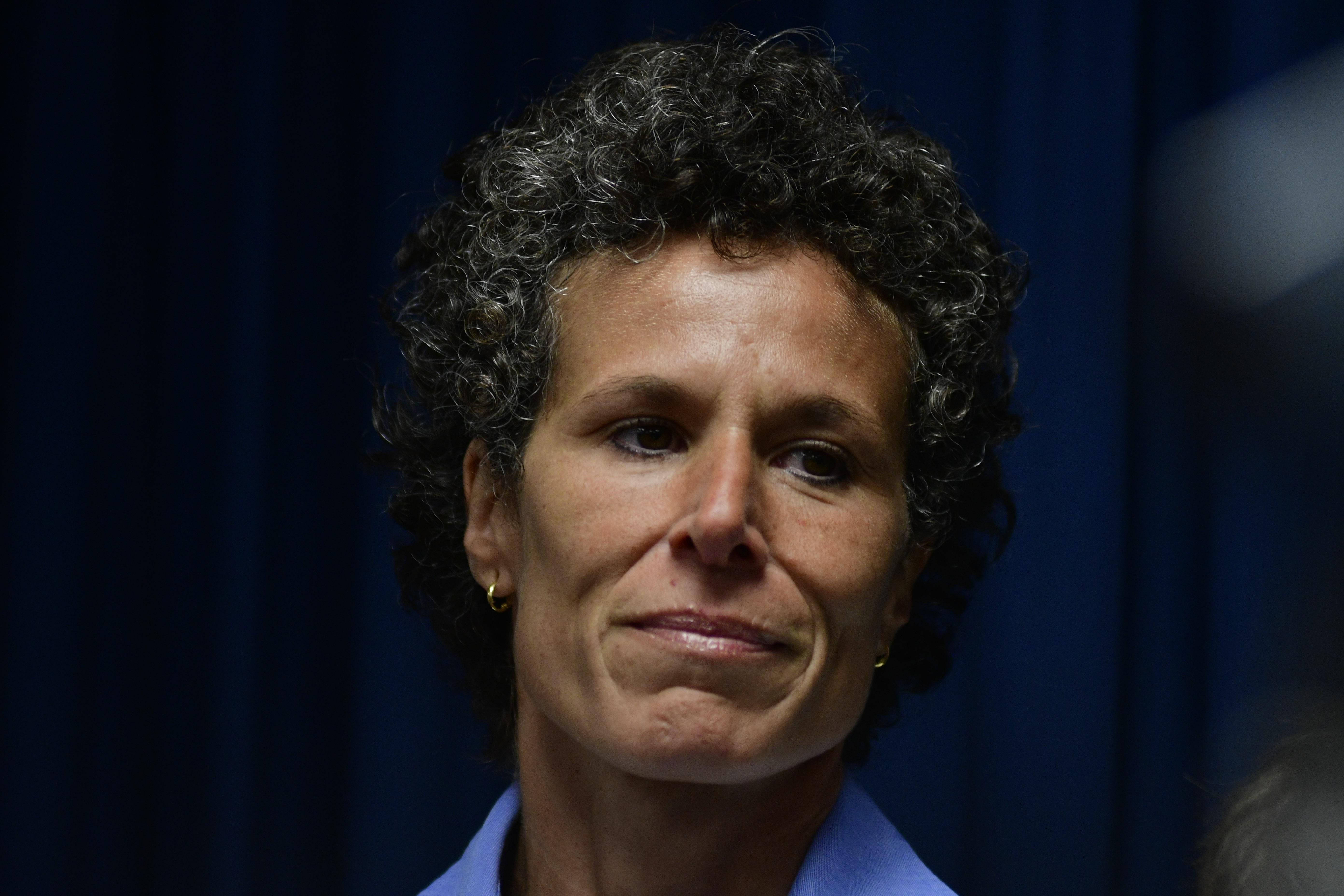
Read Andrea Constand's Powerful Impact Statement About Bill Cosby


Bill Cosby was sentenced to three to 10 years in a Pennsylvania state prison on Tuesday afternoon, which will hopefully bring some amount of closure to the many women who have accused the comedian of assault over the years.

The victim in the case that resulted in Cosby’s conviction—Andrea Constand—has bravely told the story of how Cosby drugged and assaulted her many times in the lead-up to this day. As part of the sentencing hearing, she submitted a lengthy, written impact statement in which she details how the assault has deeply affected her life, while thanking those who’ve supported her along the way.

“Bill Cosby took my beautiful, healthy young spirit and crushed it,” she writes.

“Instead of looking back, I am looking forward to looking forward. I want to get to the place where the person I was meant to be gets a second chance.”

Read the full transcript of her powerful statement below:

To truly understand the impact that sexual assault has had on my life, you have to understand the person that I was before it happened.

At the time of the assault, I was 30 years old, and a fit, confident athlete. I was strong and skilled, with great reflexes, agility and speed. When I graduated from high school in Toronto, I was one of the top three female high school basketball players in Canada. Dozens of American colleges lined up to offer me basketball scholarships, and I chose the University of Arizona.

For four years, I was a shooting guard on the women’s basketball team, scoring up to 30 points a game. It was an amazing time in my life, and I learned a lot, developed a circle of really good friends, many of them teammates, and travelled around the U.S. to compete.

The only downside was that I missed my family, and developed severe homesickness. When it started to affect my studies and training, my dad came up with the idea to move his own father and mother to Tucson.

My grandparents were in their late 60s when they gamely agreed to move more than 2,000 miles to help me adjust to life away from home. They were retired after selling their Toronto restaurant business, and figured the warm, dry climate would suit them anyway. I had always enjoyed a special relationship with my grandparents. Not only had I grown up in their home, but I spoke Greek before I spoke English. They got an apartment close to mine, and I was there most days, talking and laughing over my favorite home-cooked meals. The homesickness quickly evaporated.

After I graduated from the University of Arizona with a degree in communications, I signed a two-year contract to play professional basketball for Italy. Going pro took my athletic training to a whole new level. Once again, I thrived in the team atmosphere, and enjoyed traveling Europe although we rarely saw more than the basketball venues and the hotel rooms where we slept.

When my contract ended, my former coach from the University of Arizona encouraged me to apply for a job as Director of Operations for the women’s basketball team at Temple University in Philadelphia. It was a busy, challenging position that required me to manage a lot of logistical details so that others could focus on training the team for competition. I also made all the travel arrangements and went to tournaments with the team and support staff.

It was a great job but after a few years, I knew I wanted to pursue a careering in the healing arts, my other passion. I also wanted to work closer to home, where I would be reunited with my large, extended family and friends.

I knew who I was and I liked who I was. I was at the top of my game, certain that the groundwork provided by my education and athletic training would stand me good stead whatever challenges lay ahead. [sic]

How wrong I was. In fact, nothing could have prepared me for an evening of January 2004, when life as I knew it came to an abrupt halt.

I had just given my two-month notice at Temple when the man I had come to know as a mentor and friend drugged and sexually assaulted me. Instead of being able to run, jump and pretty much do anything I wanted physically, during the assault I was paralyzed and completely helpless. I could not move my arms or legs. I couldn’t speak or even remain conscious. I was completely vulnerable, and powerless to protect myself.

After the assault, I wasn’t sure what had actually happened but the pain spoke volumes. The shame was overwhelming. Self-doubt and confusion kept me from turning to my family or friends as I normally did. I felt completely alone, unable to trust anyone, including myself.

I made it through the next few weeks by focusing on work. The women’s basketball team was in the middle of the Atlantic 10 tournament, and was traveling a lot. It was an extremely busy time for me, and the distraction helped take my mind off of what had happened.

When the team wasn’t on the road, however, I was in the basketball office at Temple, and was required to interact with Mr. Cosby, who was on the Board of Trustees. The sound of his voice over the phone felt like a knife going through my guts. The sight of the man who drugged and sexually assaulted me coming into the basketball office filled me with dread. I did everything my job required of me but kept my head down, counting the days until I could return to Canada. I trusted that once I left, things would go back to normal.

Instead, the pain and anguish came with me. At my parents’ house, where I was staying until I got settled, I couldn’t talk, eat, sleep or socialize. Instead of feeling less alone because I was back home with my family, I felt more isolated than ever. Instead of my legendary big appetite and “hollow leg” ― a running joke in my family ― I picked at my food, looking more like a scarecrow with each passing week. I was always a sound sleeper but now I couldn’t sleep for more than two or three hours. I felt exhausted all the time.

I used the demands of my new courses to opt out of family gatherings and evens, and to avoid going out with friends. As far as anyone could tell, I was preoccupied with my studies. But the terrible truth about what had happened to me ― at the hands of a man my family and friends admired and respected ― was swirling around inside me.

Then the nightmares stared. I dreamed that another woman was being assaulted right in front of me and it was all my fault. In the dream, I was consumed with guilt, and pretty soon, that agonizing feeling spilled over into my waking hours too. I became more and more anxious that what had happened to me was going to happen to someone else. I grew terrified that it might already be too late, that the sexual assaults were continuing because I didn’t speak out.

Then one morning I called my mother on the telephone to tell her what had happened to me. She had heard me cry out in my sleep. She wouldn’t let me put her off, and insisted that I tell her what was wrong. She wouldn’t settle for anything less than a complete and truthful explanation.

Reporting the assault to the Durham Regional police in Toronto only intensified the fear and pain, making me feel more vulnerable and ashamed than ever. When the Montgomery County District Attorney outside Philadelphia decided not to prosecute for lack of evidence, we were left with no sense of validation or justice. After we launched civil claims, the response from Mr. Cosby’s legal team was swift and furious. It was meant to frighten and intimidate, and it worked.

The psychological, emotional and financial bullying included a slander campaign in the media and left my entire family reeling in shock and disbelief. Instead of being praised as a straight-shooter, I was called a gold-digger, a con artist, and a pathological liar. My hard-working middle-class parents were accused of trying to get money from a rich and famous man.

At the deposition during the civil trial, I had to relive every moment of the sexual assault in horrifying detail in front of Mr. Cosby and his lawyers. I felt traumatized all over again and was often in tears. I had to watch Cosby make jokes and attempt to degrade my sense of shame and helplessness, and at the end of each day, I felt emotionally drained and exhausted.

When the case closed with a settlement, sealed testimony and a nondisclosure agreement, I thought that finally ― finally ­― I could get on with my life, that this awful chapter in my life was over at last. These exact same feelings followed me throughout both criminal trials. The attacks on my character continued, spilling over outside the courtroom steps attempting to discredit me, and cast me in false light. These character assassinations have caused me to suffer insurmountable stress and anxiety, which I still experience today.

I still didn’t know that my sexual assault was just the tip of the iceberg.

Now, more than 60 other women have self-identified as sexual assault victims of Bill Cosby. We may never know the full extent of his double life as a sexual predator but his decades-long reign of terror as a serial rapist is over.

I have often asked myself why the burden of being the sole witness in two criminal trials ad to fall to me. The pressure was enormous. I knew that how my testimony was perceived ― that how I was perceived ― would have an impact on every member of the jury and on the future mental and emotional well-being of every sexual assault victim who came before me. But I had to testify. It was the right thing to do, and I wanted to do the right thing, even if it was the most difficult thing I’ve ever done. When the first trial ended in a mistrial, I didn’t hesitate to step up again.

I know now that I am one of the lucky ones. But still, when the sexual assault happened, I was a young woman brimming with confidence and looking forward to a future bright with possibilities. Now, almost 15 years later, I’m a middle-aged woman who’s been stuck in a holding pattern for most of her adult life, unable to heal fully or to move forward.

Bill Cosby took my beautiful, healthy young spirit and crushed it. He robbed me of my health and vitality, my open nature, and my trust in myself and others.

I’ve never married and I have no partner. I live alone. My dogs are my constant companions, and the members of my immediate family are my closest friends.

My life revolves around my work as a therapeutic massage practitioner. Many of my clients need help reducing the effects if accumulated stress. But I’ve also trained in medical massage at Memorial Sloan-Kettering Cancer Center in New York, and often help cancer patients manage the side effects of chemotherapy and radiation. I help many others too ― people with Parkinson’s, arthritis, diabetes and so on. Some of my clients are in their 90s. I help them cope with the ravages of old age, reducing stiffness, aches and pains.

I like my work. I like knowing that I can help relieve pain and suffering in others. I know that it helps heal me too.

I no longer play basketball but I try to stay fit. Mostly, I practice yoga and meditation, and when the weather is warm, I like to pedal my bike up long steep hills.

It all feels like a step in the right direction: away from a very dark and lonely place, toward the person I was before all this happened.

Instead of looking back, I am looking forward to looking forward. I want to get to the place where the person I was meant to be gets a second chance.

I know that I still have room to grow.

I would like to acknowledge some of the people who have helped me get here today. I will always be grateful for their counsel, friendship and support.

First of all, my lawyers Dolores Troiani and Bebe Kivitz. These two smart, courageous women have been there for me since the beginning. Without them, I would never have been able to navigate this legal and emotional minefield.

I will also be eternally grateful to Kevin Steele, the District Attorney for Montgomery County, who had the guts to believe in me, in the truth, and for trusting that the justice system could get things right ― even if the process had to be repeated.

I also want to thank Mr. Steele’s incredible team of professionals, including assistant district attorneys Kristen Feden and Stewart Ryan, detectives Richard Shchaffer [sic], Mike Shade, Harry Hall, Jim Reape, Erin Slight, Kiersten McDonald, victim services, and many others, for their passion for justice, their skill, and their hard work and perseverance despite the odds.

Thank you to the jurors for their civic duty and great sacrifices.

Thank you to all of the friends, old and new, who have stood by me. You know who you are, and each and every one of you has made a huge different. Please know that.

Last but not least, I want to thank my incredible family: my mother Gianna, and my father Andrew, my sister Diana, her husband Stuart, and their beautiful daughters – my nieces Andrea and Melanie. Thank you for proving over and over again if there’s one thing in my life you can always count on, it’s family.

MORE: Bill Cosby Sentenced to 3 to 10 Years in Prison for Sexual Assault


Source link

Categories
Health

Read This Before Asking Why Christine Blasey Ford Waited to Tell Her Brett Kavanaugh Story


On Monday, the #MeToo movement will get its highest wattage moment yet when psychology professor Christine Blasey Ford and Supreme Court nominee Brett Kavanaugh testify in front of Congress about one night in Maryland over 36 years ago.

Ford’s lawyer calls what happened an “attempted rape,” involving Kavanaugh shutting her in a bedroom, pinning her down while pawing at her bathing suit, and clapping a hand over her mouth when she screamed; Kavanaugh says he “categorically and unequivocally” never did anything of this sort to Ford or anyone else.

Monday’s hearing is being touted by lawmakers as a chance to find out the truth. But it’s also going to be, in many ways, a public trial for the woman who accused Kavanaugh. With rape culture and victim shaming working overtime, as it so often does in our society, a familiar question will be on the table: Why did she wait so long to come forward?

Conservatives are already teeing up the argument that jumping on a girl and pawing at her is the type of every day occurrence that shouldn’t make headlines. “Sorry, but having a drunk 17 year old BOY grope you at a teenage party is not newsworthy!” one Twitter user posted this week. And by the standards of 1982, when the alleged incident occurred, they’re right. That adds context when considering Ford’s decision to keep the experience to herself. Back then, the phrase “date rape” was newly minted in the lexicon and not widely used. Boys did whatever they wanted to girls. And girls mostly accepted this as the natural order of the species. “Boys will be boys,” explained a lawyer for three high school football players in Glen Ridge, N.J. who sexually assaulted a mentally disabled 17-year-old girl with a baseball bat and a broom handle in 1993.

Back then, as I chronicled in my book Blurred Lines: Rethinking Sex, Power, and Consent on Campus, Americans didn’t consider anything that wasn’t a violent assault by a stranger to be rape. Even intellectuals in the 1980s and 1990s didn’t take sexual assault all that seriously—they treated it more as a philosophical koan of sex relations than an important social issue. In David Mamet’s Oleanna, a play about a feminist college student who accuses her professor of rape, he calls her “frightened, repressed, confused . . . abandoned young thing of some doubtful sexuality who wants power and revenge.” Controversial academic Camille Paglia, extremely popular in those decades, argued that masculine sexual aggression was normal, and a woman’s only choice was to protect herself; to say otherwise, she declared later, was to join a brigade of “fanatical sex phobes.”

In our era of #MeToo reckoning, these voices have become quieter and things have finally started to change. But things haven’t changed enough for one woman’s word to be believed simply on its own without corroborating evidence. Or without the argument that her experience has timed-out—that statue of limitations exist when it comes to trauma.

If history is any indication (or Justice Clarence Thomas’ defense when accused of sexual harassment during his Supreme Court confirmation hearings in 1991) Kavanaugh is going to use the usual playbook to defend himself: calling himself a standup fellow—or, as Kellyanne Conway said, “a man of character and integrity”—and explaining he’s shocked, simply shocked, by this character assassination. He’ll talk about being raised right by his parents and point out that he’s a “carpool dad” for his two daughters, hoping that their mere existence will act as a shield against accusations against a member of their sex. But most importantly, he’ll talk about whether Ford told anyone at the time what happened that night.

No one who understands the nature of trauma and sexual assault thinks that it’s a big deal when women don’t tell an authority for months or years about an assault. Not every woman wants to upend her life in the pursuit of justice, or even deal with criticism about “playing the victim” from their peers or institutions. Couple that with an era where women, if something bad happened with a guy, would likely keep it to themselves due to the blasé attitude surrounding sexual violence and the permission boys and men had to engage in it. A cool Gen-X girl brushed off anything untoward, knowing there was no percentage in calling a boy out because even if a few of her friends believed her, the rest of the school would not. And how could they? In the 1980s, there were no tools and very little language to identify or corroborate assault.

As a friend who went to high school in the 1980s posted on Facebook this week, what might have happened to Ford “happened all the time when I was growing up and no doubt still does.”

“This is such a common story,” she wrote. “This happened ALL THE TIME. What also happened all the time was that women who this happened to didn’t really talk about it much because, see above.” Whether Kavanaugh is confirmed to the Supreme Court or sent off to play endless rounds of golf, one thing we know is that women aren’t being quiet about this any longer. But in addressing sexual misconduct, we must also grapple with our past and understand that the experiences of women of a certain age group cannot be examined without historical context. We cannot dismiss claims with the lazy excuse that “that’s how it was then.”

In fact, in cases like Ford’s, there’s no excuse to resort to old victim-shaming tropes. We have the tools, now. We must use them.


Vanessa Grigoriadis is the author of Blurred Lines: Rethinking Sex, Power, and Consent on Campus, out October 2018, and a contributing writer at The New York Times magazine and Vanity Fair.


Source link

Categories
Health

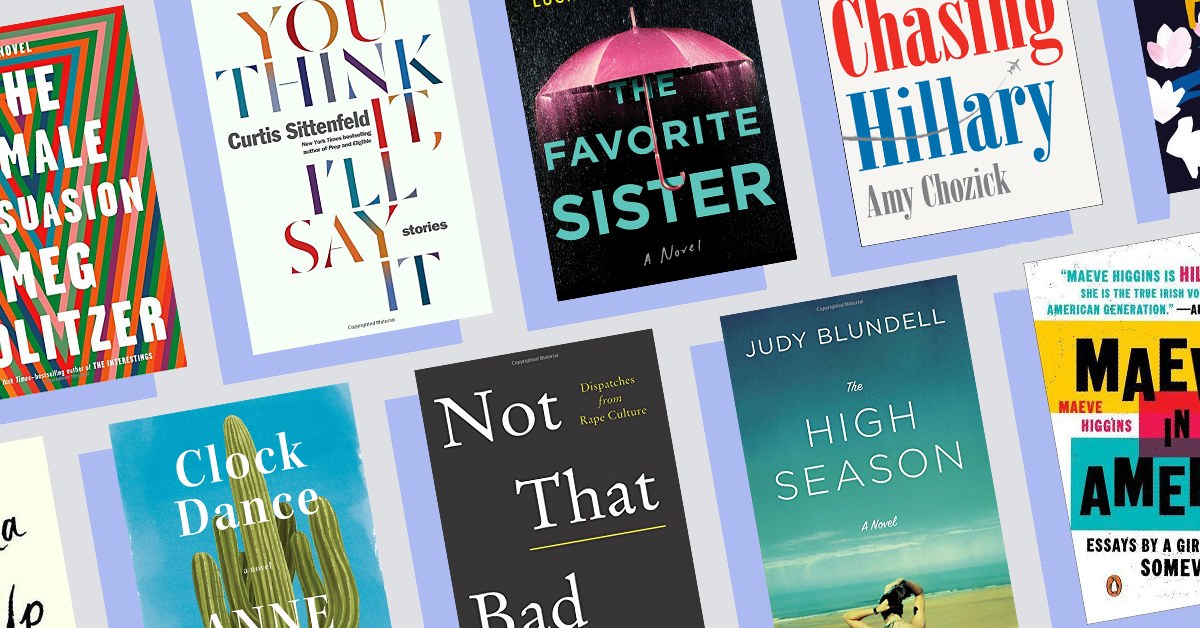
Best Books Summer 2018: What to read this season


Summer reading. Are there two more beautiful words in the English language? The porch, the beach, the pool; the smell of sunscreen and hot sand; the taste of ripe blueberries and a big glass of rosé—it all adds up to the perfect time to curl up or stretch out with a book. And just so you don’t have to trouble yourself with any difficult decisions, here are 17 worth reading this season.


Source link

Categories
Health

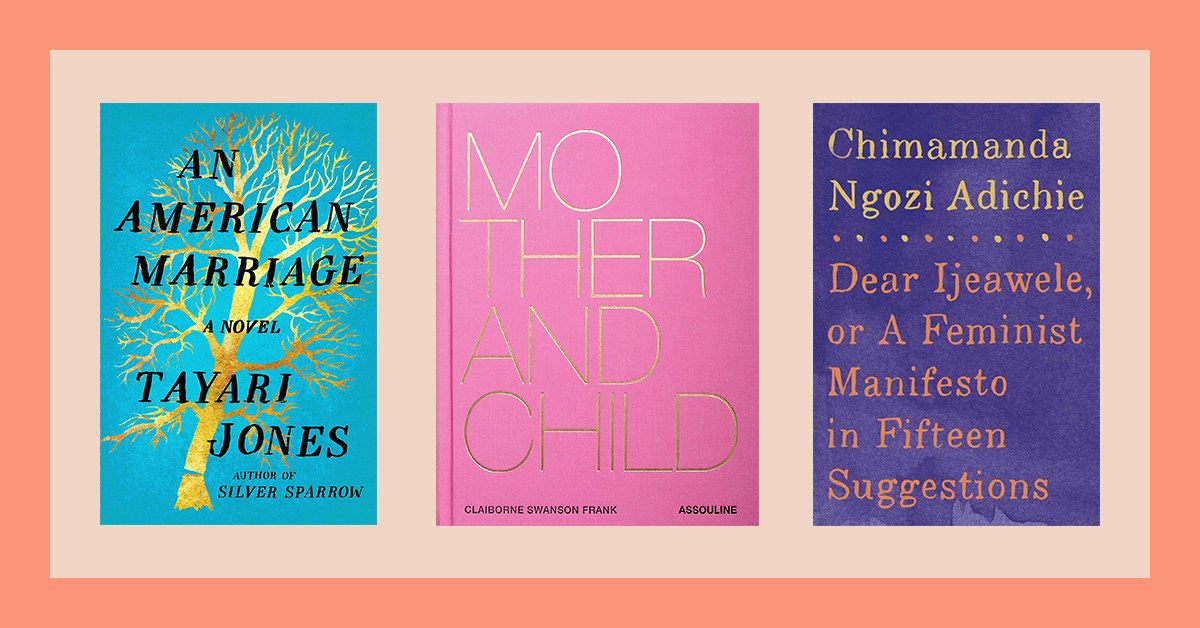
10 Books to Buy Your Mom For Mother's Day That She'll Actually Read


Books are pretty standard Mother’s Day presents. I’ve certainly given them to my mom before, but here’s the thing: I’m, like, 98 percent sure she hasn’t read any of them. I don’t know if it’s because I picked bad books or she just wasn’t in the mood to read, but facts are facts. The presents were worthless—and are now collecting dust.

I’m not ready to give up on books as a gift, though. The trick to giving your mom one for Mother’s Day is to stop thinking, “What books do parents like?” and just ask, “What’s a new, damn good book that I’d also read?” These 10 new-ish titles are exactly that. Not only will your mom love and read them, you’ll want to snag her copy the second she’s finished.


Source link

Categories
Health

Hillary Clinton Read 'Fire and Fury' at the 2018 Grammys


The 2018 Grammy Awards were full of surprises: Kesha and SZA were both snubbed; Nick Jonas kept dreams of a Jonas Brothers reunion alive; and Hillary Clinton put in a pretty convincing bid for a second Grammy. That’s right: The former secretary of state and presidential candidate popped up in a pre-taped segment during Sunday night’s ceremony in which a handful of stars read from Fire and Fury, Michael Wolff’s controversial new book about President Donald Trump’s first year in office.

The clip, in which Grammys host James Corden pretended to be searching for the next winner of the Best Spoken Word Album award, started with John Legend reading an excerpt about Trump’s reported habit of leaving midway through important meetings because he’s “bored,” followed by Cher talking about the POTUS’s signature bird’s nest–like hairdo, Snoop Dogg reading a claim that Trump did not enjoy his own inauguration, Cardi B being surprised to learn that he reportedly prefers to be in bed by 6:30 p.m., and DJ Khaled basically turning his lines into one of his hit songs (“another one!”). The last person to audition kept the book in front of her face as she read the first few lines, but after James declared her the best reader, she lowered the book to reveal that she was, in fact, Hillary Clinton.

“That’s it! We’ve got it! That’s the one,” James declared. Hillary, who won the spoken word award for the audiobook version of her 1996 book It Takes a Village, replied, “You think so? The Grammy’s in the bag?” “In the bag!” James confirmed.

Though the Grammys audience screamed and cheered when Hillary appeared onscreen, not everyone was thrilled with her cameo in the video. Nikki Haley, the current U.S. ambassador to the United Nations, tweeted her distaste for the segment. “That part ruined the Grammys. Such a shame,” she wrote in response to one person who expressed their love for Hillary’s part. Nikki went on, “I have always loved the Grammys, but to have artists read the Fire and Fury book killed it. Don’t ruin great music with trash. Some of us love music without the politics thrown in it.”


Source link