Categories
Health

This Former Glamour Cover Model Is Banning the Words “Skinny” and “Fat”


In August 1991, Catherine McCord appeared on her first cover of Glamour *magazine (followed by the coveted September issue cover a year later). A successful model in the ’80s and ’90s, McCord also appeared in campaigns for Victoria’s Secret and Calvin Klein. Now in her mid-40’s, she’s the founder of heathy-eating website, Weelicious, and organic family-friendly food delivery service, One Potato. McCord is also a mom of three—two girls and a boy—and is navigating what it means to be a parent in the digital age. Particularly, how to make sure her kids avoid some of the pitfalls she experienced working in looks-based industry.

Here, in what she calls a “beautiful, full-circle” moment (“Glamour was my first cover, and it’s so dear to who I am and what did it for me,” she says), she opens up to West Coast editor Jessica Radloff about those lessons and more.


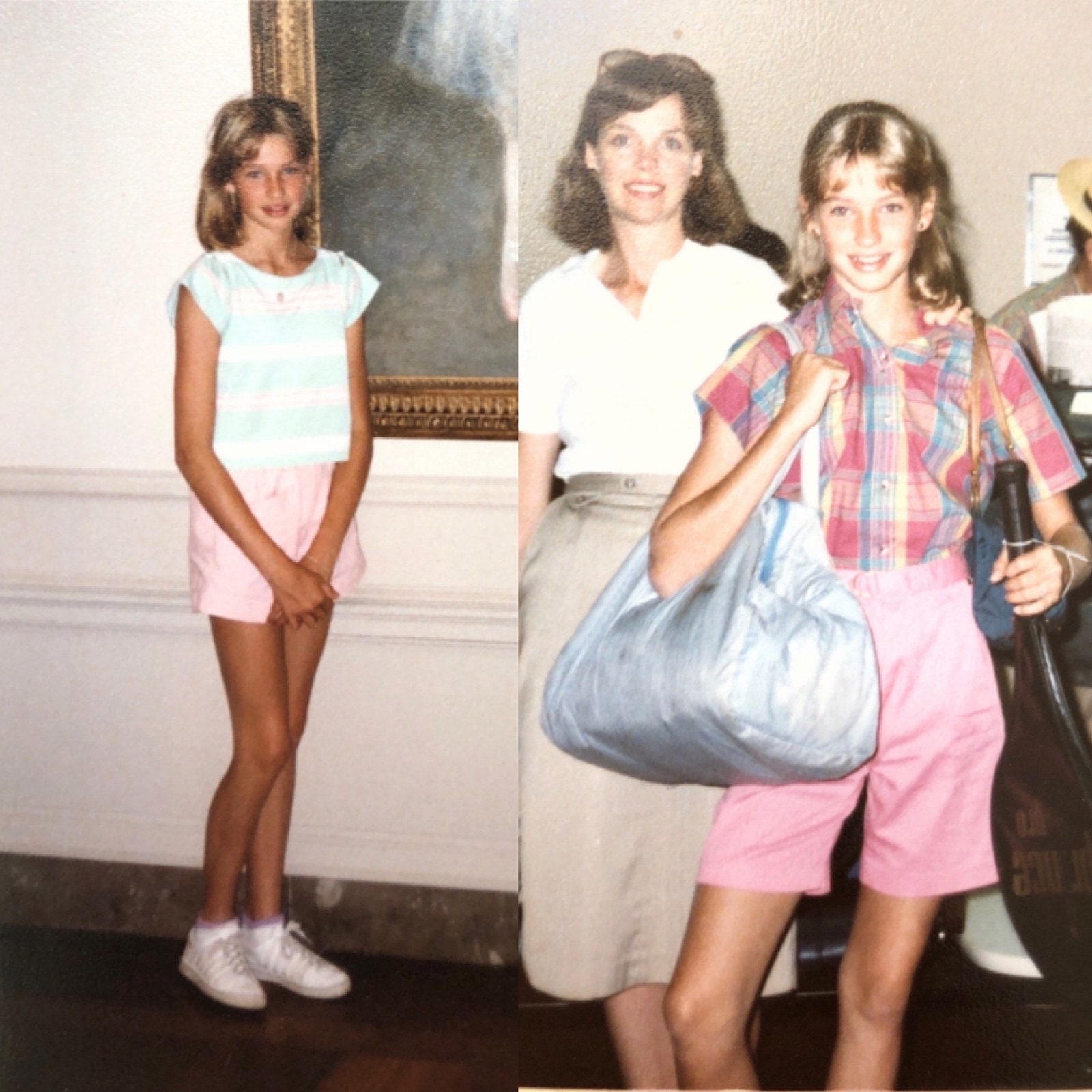
Up until I was 13 or 14, I was long legs Lucy. It was, ‘Oh, you’re so skinny,’ or ‘Oh, you’re so tall.’ And people didn’t mean it in a good way. I was 5’11 and there was a lot of teasing, which was so painful. I always wanted to be cute and shorter. But then when I hit high school, it all changed. People started saying, ‘She’s so pretty!’ I didn’t necessarily trust those comments, but people started encouraging me to try modeling and eventually, I agreed. I ended up winning the best personality award in a prestigious modeling contest, and that helped build up my confidence. I could do this, I thought.

Catherine in her pre-teen years.

Catherine McCord

At the end of senior year of high school, I started doing runway modeling, which is basically the equivalent of throwing your clothes off every two seconds. My body, and being comfortable in it, became such a big focus. Eventually, I started modeling for Victoria’s Secret and doing lingerie shoots. The focus on my body got even more intense. Before my first VS runway show, I booked a lymphatic drainage treatment to help me lose every ounce possible. I roll my eyes now, but when you are walking on a runway in your underwear, it definitely makes you self-conscious.

Still, I loved eating. In fact, I was fascinated with food. But I also remember the diet craze feeling pretty inescapable.

In my late teens, I worked out six days a week. I started exercising for the right reason, to feel stronger, but it became about burning calories and abusing my body. I would stay on the treadmill for an hour, and honestly, no one needs to be on a treadmill that long. I felt that I was losing control, and a lot of that was because I had no control over my life. I was always told where to go, what to do, and traveling all over.
Source link

Categories
Health

Demi Lovato Is Dating Model Austin Wilson: Here's Everything We Know


Demi Lovato has been keeping a low-profile lately, recently sharing that her central focus right now is music and her health. Still, she had one semi-public romance with Bachelorette contestant Mike Johnson earlier this year that started when she joking posted a photo of him on her Instagram Story that said, “Mike, I accept your rose.” Their fling reportedly fizzled out, but now it seems Lovato has found a more serious relationship with a new guy named Austin Wilson— and she’s taken it to Instagram.

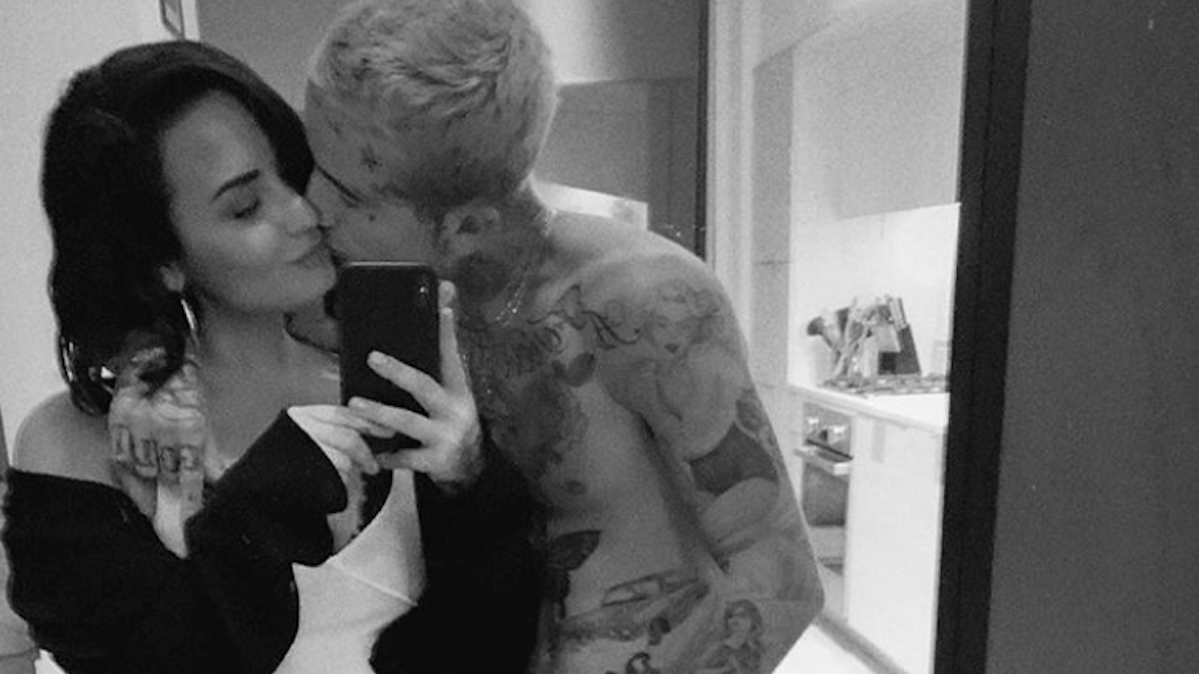
Lovato posted a black-and-white shot of Wilson kissing her on the cheek, captioning it, “My ❤️…” Wilson also shared an image of the two of them together and wrote a similar message: “My love.” The internet immediately started buzzing, with people wondering who the new mystery man is. What we know so far is that he’s a 25-year-old model who’s worked for brands like the men’s skincare line Baxter of California. His dad is the Dogtown Z-Boy skater-turned-denim designer George Wilson.

It’s unclear how the couple met, but they seem to have a few friends in common, including the late model Thomas Trussell III. Lovato got a small tattoo to honor his life, while Wilson posted a note on Instagram mourning his death.

The new relationship comes at a time when Demi Lovato says she’s getting ready to launch new music. She opened up about this at the Teen Vogue‘s 2019 Summit in Los Angeles, her first interview in about a year, and made it clear how excited she is to share new work with fans.

“Genuinely, I just want people to remember that I’m a singer. A lot of the things that have been through have [outshone] my success in the music industry. I just want people to remember that that’s what I want to give to the world, so please focus on that and not the other things,” she said. “It’s important to remember that I am so cautious this time around of jumping back into things. I’ve really decided to take my time with things. When the time is right to release new music, I will, and nobody is more anxious than me. “


Source link

Categories
Health

Victoria's Secret Will Feature Its First Size-14 Model in New Collab With Bluebella


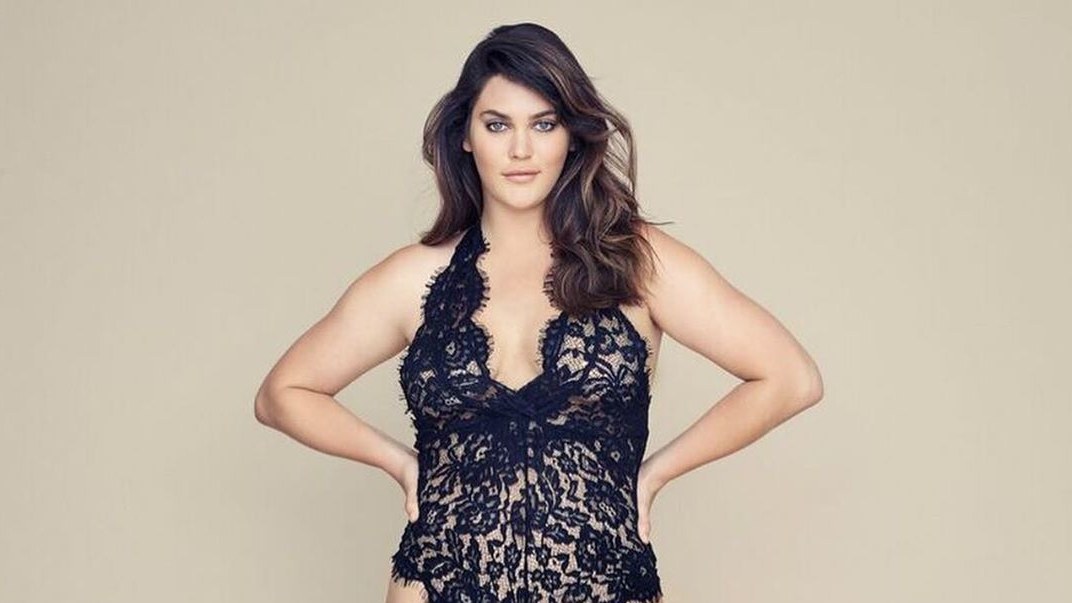
On Friday, October 4, Victoria’s Secret launched a partnership with London-based lingerie company Bluebella—and for the first time in VS history, the brand will feature a size-14 woman in its campaign. The model, Ali Tate Cutler, says she hopes her involvement will pave the way for other plus-sized models in the future.

Bluebella is also known for its campaigns that feature and celebrate diversity in an effort to promote inclusivity.

The new collab with VS also comes after transgender model Munroe Bergdorf starred in Bluebella’s 2019 lingerie campaign, Love Yourself, before publicly criticizing Victoria’s Secret for its refusal to use trans models on the runway.

You might recall that in 2018, during an interview with Vogue, Ed Razek, former chief marketing officer of Victoria’s Secret parent company L Brands, made controversial comments regarding transgender and plus-size models. At the time, he said didn’t think the annual fashion shows should feature “transsexuals” because “the show is a fantasy.”

The company has since made attempts to re-brand itself given the public’s demand for better representation.

It seems they may have found that in Cutler, who told E! how “surreal” it is to represent women who want to wear beautiful lingerie every day.

“I never expected that I was going to see an image of myself on the wall next to these top supermodels that I have been looking up to since I was a little girl,” she told the outlet. “It feels amazing, I feel on top of the world.”

“I feel like they are headed in the right direction and they are listening to their audience who have requested to see more women of diverse shapes and sizes,” she continued. “I think if they continue to head in that direction they will be on to a jackpot because that is reflective of what the average woman is in America.”


Source link

Categories
Health

For Model Halima Aden, World Humanitarian Day Is Personal


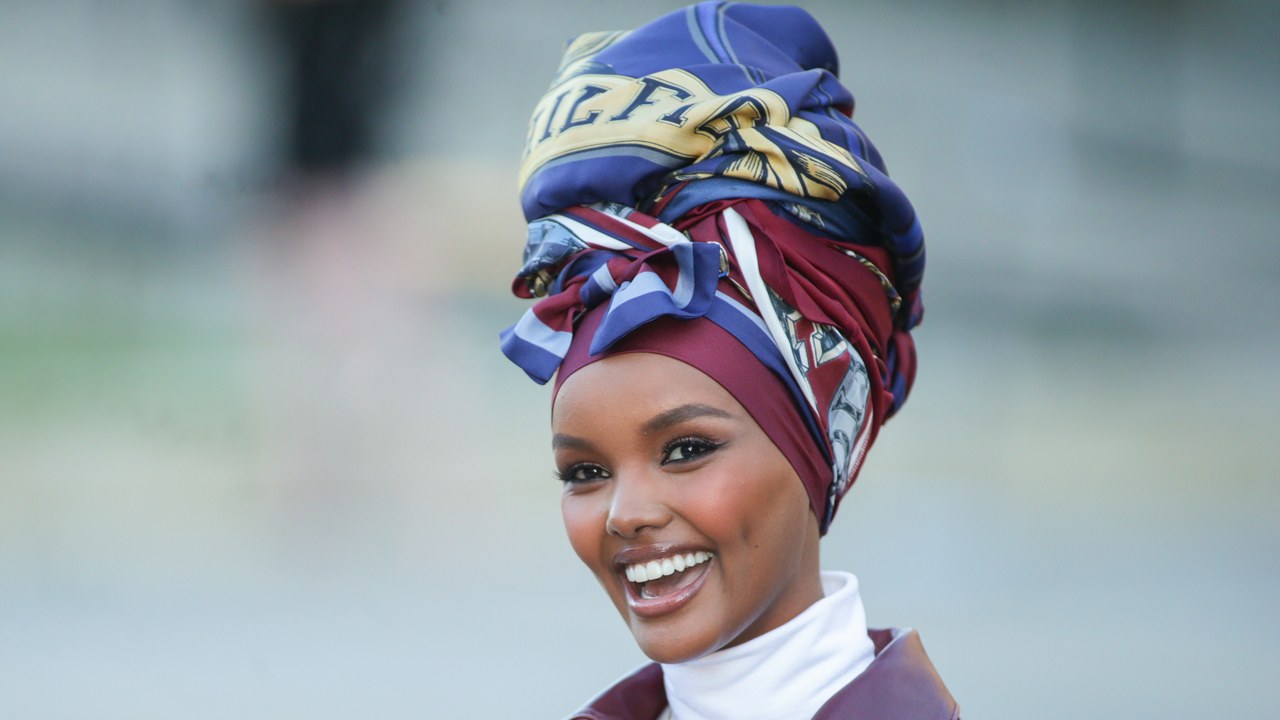
To most who know or have heard of me, I’m Halima Aden, model. But long before I was the first model to wear a hijab on the cover of a major magazine or the first woman to wear a burkini in Sports Illustrated, I was just a child in the Kakuma Refugee Camp in Kenya, where my family resettled after fleeing the civil war in Somalia. My childhood was happy, despite bouts of malaria and nights where I couldn’t sleep due to hunger. Through it all, I knew that I was safe.

That isn’t the case for all refugees.

This month I traveled with UNICEF USA to Italy, where I met with migrants and refugees who have been through hell. Since 2014, more than 70,000 unaccompanied minors have arrived, and 86 percent of them are 16 and 17. Imagine that: These kids aren’t thinking about getting their driver’s licenses or going on first dates. They are thinking about taking a journey that will put their life at risk to escape conflict, trafficking, and other crimes against humanity.

The route is not an easy one. After walking through the desert for weeks or months, they face a harrowing passage across the Mediterranean Sea that one in 11 people do not survive. When they reach the shores of Italy, they are safer, but their troubles are not behind them.

At a UNICEF-supported reception center in Palermo, I met with eight resilient young women who survived the journey but are still waiting to receive legal documentation. I met with Petra, who made the trek to Italy without any family but continues to light up rooms with her infectious laugh. I met with Gabby, who has experienced pain and violence that no girl should ever know but has the voice of an angel that could move anyone to tears. I met with Patience, who has been waiting for documentation in Palermo for almost two years but whose conviction has never wavered.

“We refugee girls in Italy have a bright future and want a bright future and have plans to become something amazing in life. We don’t want to stay at the reception center,” she told me. “We want jobs and we know we need education to make that happen. Living here is not easy, but every day I work to show the Italian community that we are capable of being a part of this country. We are not just depending on their documents; we have skills, we have ideas, and we want to change the world.”

Patience wants to become a lawyer one day. She knows nothing will be handed to her and that she needs to optimize every opportunity that is presented to her to make her dreams come true. But she needs our help. Unaccompanied minors like Patience need to be protected from exploitation and violence and provided access to psychosocial support. Lawmakers around the world must take action to combat the root causes of violence and poverty pushing children and adolescents to flee. And it’s our responsibility to stand up for what is right and to remember that no matter their status, their location or their background, children are children.

We must use our collective voice to remind those empowered within our governments that there is no place for politics when it comes to children. As a former refugee, I implore you to remember that and support organizations like UNICEF that are working to make sure children all over the world have opportunities not just to survive, but to thrive. We will all be richer for it.


Source link

Categories
Health

Valentina Sampaio Is Reportedly Victoria's Secret's First Openly Transgender Model


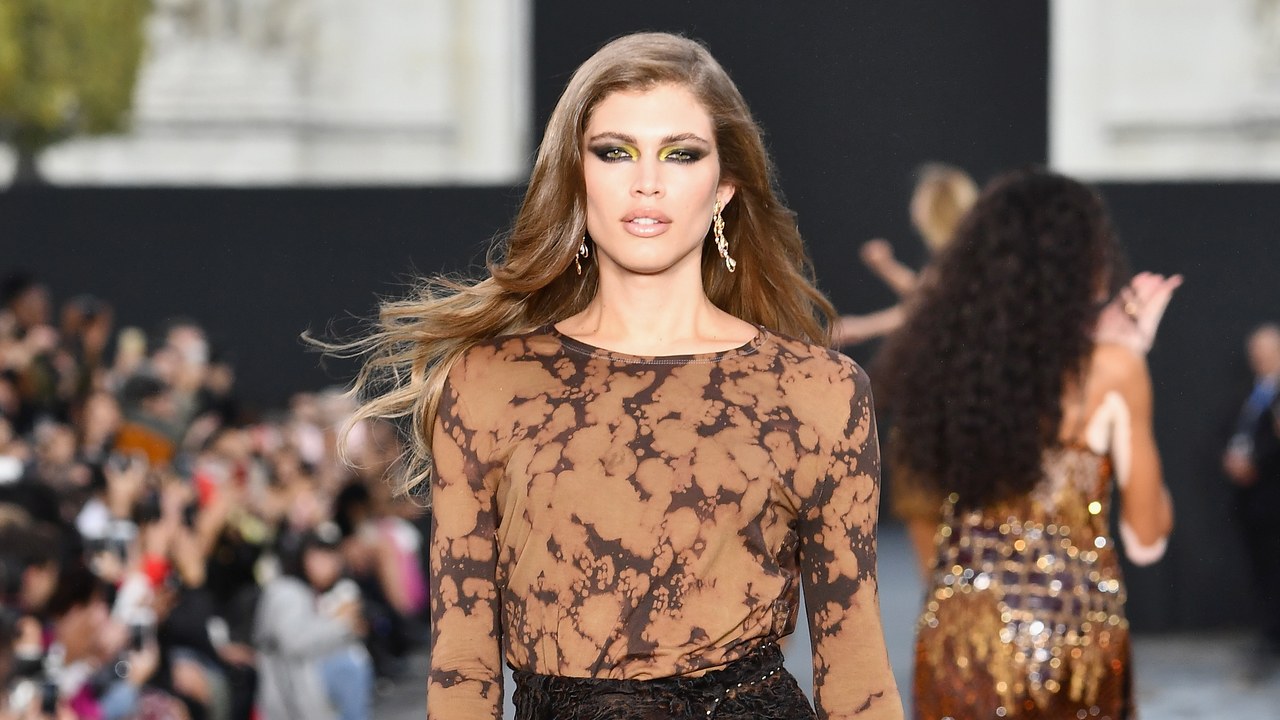
Valentina Sampaio is making history once again: She’s reportedly the first openly transgender model to work with Victoria’s Secret. Sampaio broke the news herself on Instagram on Friday (July 2) by posting a pic of herself in a fluffy bathrobe: “Backstage click @vspink ??,” she captioned the photo, adding a string of hashtags: “#bastidores #new #vspink #campaign #representatividade #diversity #beauty #selfie #model #life #fashion #usa #vstorm #valentinasampaio #bomdia.” According to a statement from the company, the Brazilian model and actress is featured in the the back-to-campus campaign for Victoria’s Secret PINK.

Sampaio’s post received a ton of support, including congrats from Victoria’s Secret Angel (and fellow Brazilian) Lais Ribeiro, who posted how happy she was about the news on Twitter, and Laverne Cox, who wrote “Wow finally!” in the comments of Sampaio’s Instagram.

Sampaio posted a video of herself to Instagram as well, seeming to reference her milestone in the caption—and the PINK campaign again in the hashtags. “Never stop dreaming genteee ???,” she wrote. “#staytuned #bastidores #new #vspink #campaign #representatividade #diversity #beauty #selfie #life #fashion #usa #vstorm #valentinasampaio ?✌?”

Victoria’s Secret came under fire last year for comments made by its chief marketing officer, Ed Razek, during an interview with Vogue. When he was asked about why the company didn’t include transgender or plus-size models in its shows, he responded that he didn’t believe they should be featured, calling the show a “fantasy.”

Trans models like Carmen Carrera and Leyna Bloom have publicly expressed their desire to walk for Victoria’s Secret. In 2013, Carrera was the subject of a Change.org petition, which received more than 35,000 signatures, asking the company to make her the brand’s first transgender model. Last April, Bloom launched a Twitter campaign to be the first trans woman of color to walk the show’s runway.

Sampaio herself is no stranger to advocating for representation. She was also the first trans model on any Vogue cover, appearing on the March 2017 cover of Vogue Paris (she also appeared on the covers of Vogue Brazil and Vogue Germany later that year). “Her accomplishment comes despite recent setbacks for the LGBT community in Brazil—including a spike in hate crimes and killings of LGBT people,” Buzzfeed wrote in a profile of her in June 2017. “Though the reality for most trans women in Brazil differs sharply from Sampaio’s, her ascent to fashion’s most coveted spot is seen both as a milestone and the mark of a new normal for transgender people in her industry.”


Source link

Categories
Health

Model Aaron Philip Celebrates Red Lipstick and Her Disability


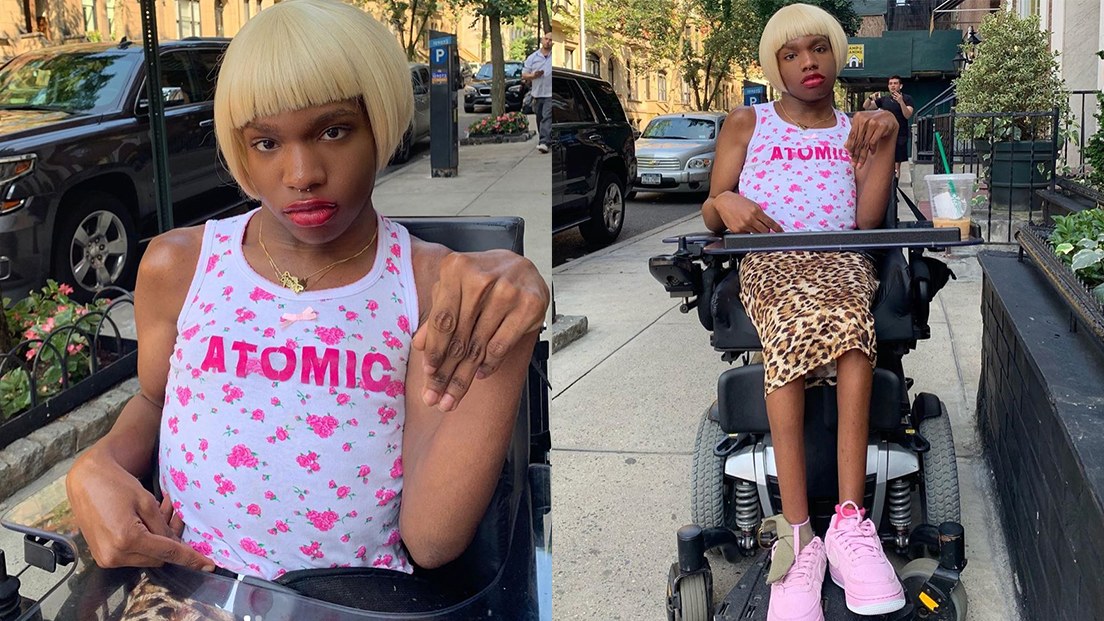
The process of applying lipstick often requires little more than muscle memory. Some outline their lips for precision. Others do a casual swipe and blot. It’s a routine one could easily take for granted, but Aaron Philip doesn’t. The Antigua-born 18-year-old is now based in New York, where she’s broken boundaries as the first black, transgender model with a disability to be signed by a major agency (Elite Model Management). Her meteoric rise over the last several months has seen her grace the cover of Paper magazine, land her first New York Fashion Week show, and graduate high school in June. The model, who was born with cerebral palsy, has also made a point to apply her own lipstick along the way. And through the seemingly commonplace task, she has found new ownership over her identity. This is her story, as told to writer Gina Marinelli.

I’d never gotten into makeup until this past year, when I started experimenting with my look. I didn’t care for it much because I wasn’t comfortable enough with myself to do so. As a person with a disability, I had no idea what I would be in for or what I was doing. And as someone with intercepting identities, I had to look inward and find where I would be comfortable with makeup. This past Fashion Week back in February, I had an awakening.

I finally felt comfortable enough to revamp my image and—even though femininity and masculinity are a construct—start looking more traditionally feminine. I wanted to resemble Sky Ferreira, Blondie, Courtney Love, and Foxy Brown. I bleached my hair and eyebrows. I also wanted to look like Island ladies because a lot of women tend to wear lipstick in the Caribbean. I combined all the things I love into the way I project myself to the world.

I actually bought my first lipstick weeks before my high school graduation. My ex-paraprofessional went with me to Sephora one day and got me MAC Red Lipstick. It was my graduation gift, and I couldn’t wait to wear it.

June was busy for me because of Pride Month. I was constantly getting my makeup done and spent a month with that lipstick in my bag. When you have others doing your makeup all the time—for events, photoshoots, bookings—you start to take notice. They line my lips before they fill them in, and they keep going over until the color pops. They use a lot of reds and purples, the types of colors that complement my skin tone. I don’t even think they notice that I’m noticing everything.

One day, when I finally had some downtime with my best friend, I tried applying it by myself for the first time. We were in her apartment on the Upper West Side in New York City just having a girls’ day. She pointed out that she had I handheld mirror I could use, so I pulled out my red lipstick.

My disability is physically very spastic. It can be hard to move my muscles in a way that I want to. It’s not fluid or easy to do things like lift up my hand to my mouth. It’s always easier when I’m in front of a mirror. The hardest part is lining my lips because I don’t want to get it all over my face, but I learned how to master that. Then I just fill in my lips and make sure they look even. If you want to make it spicy, you can put a gloss on top.

After that time, I did my lipstick on the way to a party a couple weeks ago. I combined my MAC lipstick with my Marc Jacobs lip gloss for that glossy, lush color. I wanted to share it on social media—my community online, these are my loved ones. I learned how to do something that’s important to me, and I care enough about them to share this part of me.

I don’t get the opportunity to talk that much about disability, but I realize how important it is that I do. When I talk about it, people understand my everyday life. Lipstick is now becoming part of that everyday life. I’m practicing. As a person with a disability, makeup is not easy, but I’m learning how to work my way around it. I’m having fun; it’s not a burden or a problem. I want to celebrate beauty and disability. People with disabilities are often made to not feel beautiful; people think that we can’t do things that make us feel beautiful, but that’s untrue. I hope other people—other women with disabilities, especially—can find some solace in my story. I know it can be hard.


Source link