Categories
Health

This Former Glamour Cover Model Is Banning the Words “Skinny” and “Fat”


In August 1991, Catherine McCord appeared on her first cover of Glamour *magazine (followed by the coveted September issue cover a year later). A successful model in the ’80s and ’90s, McCord also appeared in campaigns for Victoria’s Secret and Calvin Klein. Now in her mid-40’s, she’s the founder of heathy-eating website, Weelicious, and organic family-friendly food delivery service, One Potato. McCord is also a mom of three—two girls and a boy—and is navigating what it means to be a parent in the digital age. Particularly, how to make sure her kids avoid some of the pitfalls she experienced working in looks-based industry.

Here, in what she calls a “beautiful, full-circle” moment (“Glamour was my first cover, and it’s so dear to who I am and what did it for me,” she says), she opens up to West Coast editor Jessica Radloff about those lessons and more.


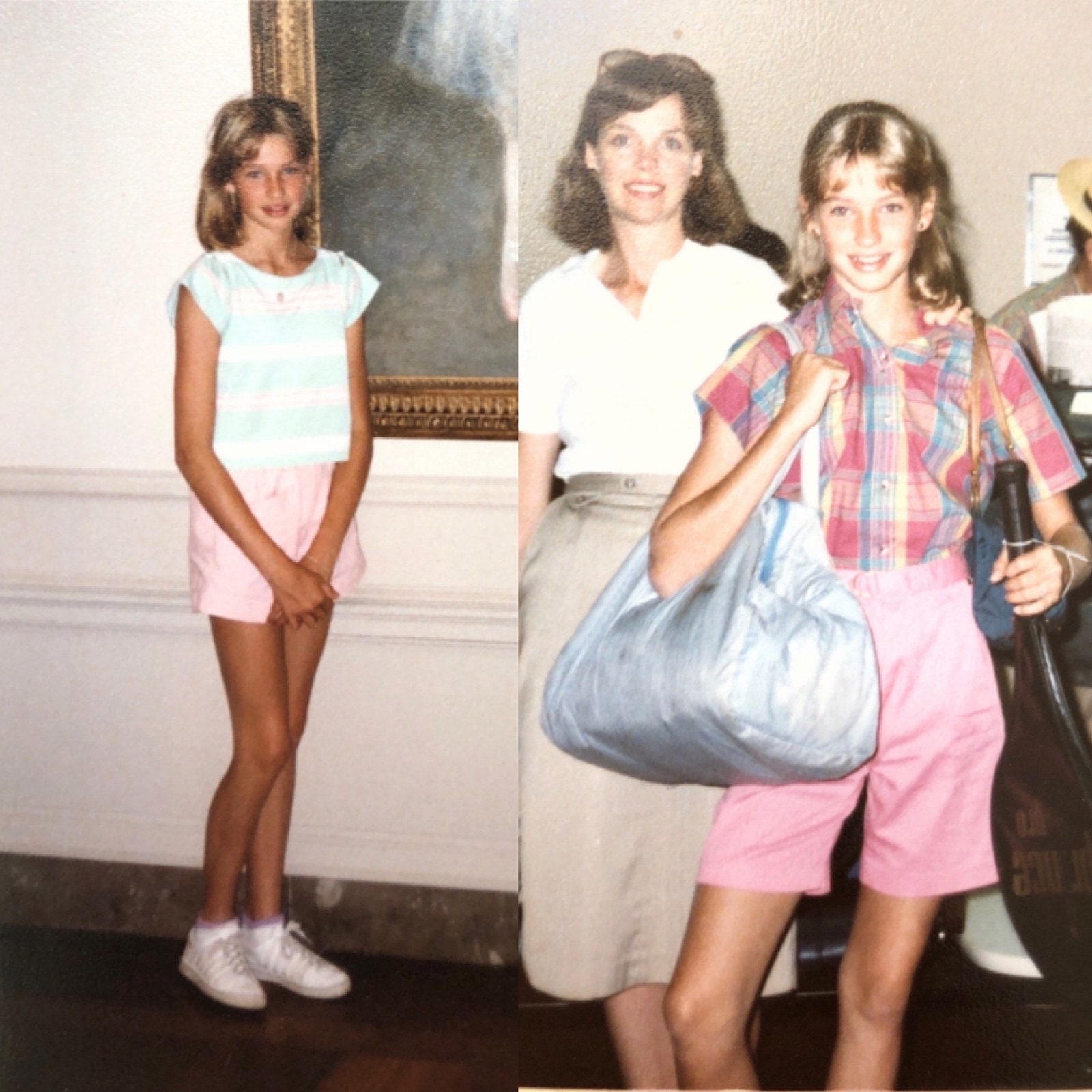
Up until I was 13 or 14, I was long legs Lucy. It was, ‘Oh, you’re so skinny,’ or ‘Oh, you’re so tall.’ And people didn’t mean it in a good way. I was 5’11 and there was a lot of teasing, which was so painful. I always wanted to be cute and shorter. But then when I hit high school, it all changed. People started saying, ‘She’s so pretty!’ I didn’t necessarily trust those comments, but people started encouraging me to try modeling and eventually, I agreed. I ended up winning the best personality award in a prestigious modeling contest, and that helped build up my confidence. I could do this, I thought.

Catherine in her pre-teen years.

Catherine McCord

At the end of senior year of high school, I started doing runway modeling, which is basically the equivalent of throwing your clothes off every two seconds. My body, and being comfortable in it, became such a big focus. Eventually, I started modeling for Victoria’s Secret and doing lingerie shoots. The focus on my body got even more intense. Before my first VS runway show, I booked a lymphatic drainage treatment to help me lose every ounce possible. I roll my eyes now, but when you are walking on a runway in your underwear, it definitely makes you self-conscious.

Still, I loved eating. In fact, I was fascinated with food. But I also remember the diet craze feeling pretty inescapable.

In my late teens, I worked out six days a week. I started exercising for the right reason, to feel stronger, but it became about burning calories and abusing my body. I would stay on the treadmill for an hour, and honestly, no one needs to be on a treadmill that long. I felt that I was losing control, and a lot of that was because I had no control over my life. I was always told where to go, what to do, and traveling all over.


Source link

Categories
Health

Virginia Prisons Are Banning Female Visitors From Using Tampons


A new policy brought forward by the Virginia Department of Corrections, which says women cannot wear tampons if they are visiting an inmate, is raising eyebrows of many who believe it to be a violation of privacy and health rights.

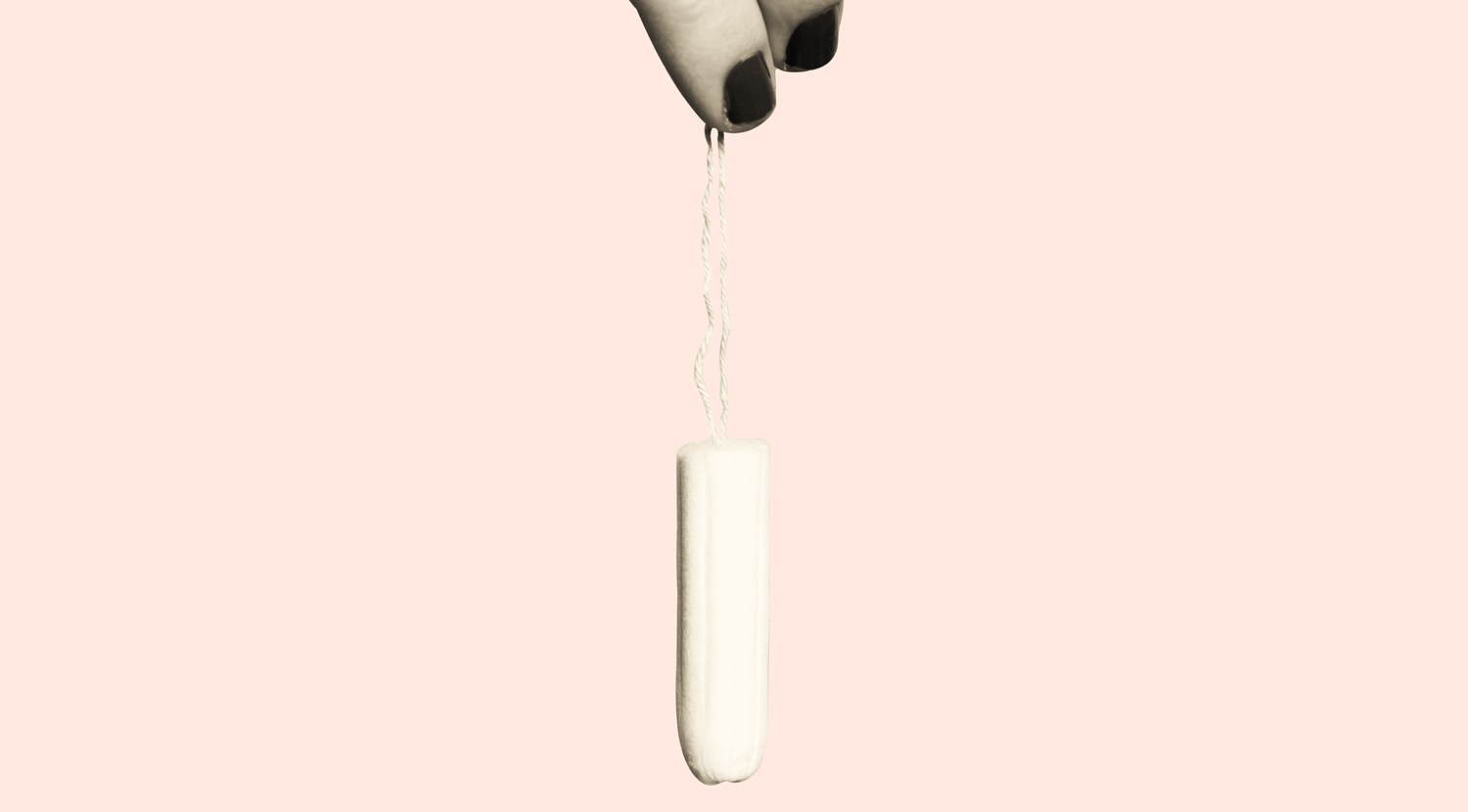
Beginning next month, any woman visiting an inmate at one of the state’s prisons will be barred from wearing a tampon or a menstrual cup. Instead, they will be offered menstrual pads.

The department says that the rule is necessary in an attempt to cut down on contraband entering the prison. “If someone chooses to visit a Virginia Department of Corrections inmate, he or she cannot have anything hidden inside a body cavity,” Department of Corrections spokesperson Lisa Kinney told the Richmond Times-Dispatch. “There have been many instances in which visitors have attempted to smuggle drugs into our prisons by concealing those drugs in a body cavity, including the vagina.”

Female staff members and prisoners’ attorneys are exempt from the policy.

In a letter sent to visitors and inmates at the Nottoway Correctional Center last week, Warden David Call said the policy stems from concerns that feminine hygiene products could be “an ideal way to conceal contraband.”

Opponents of the policy fear that it will further complicate the visiting process for families of inmates. And just think about how a young woman would feel in this situation, having her privacy violated over a natural bodily function.

Claire Guthrie Gastañaga, executive director of the ACLU of Virginia, said in a statement that “a policy like this one that requires those who wish to visit people who are incarcerated to set aside their dignity and health is simply unacceptable.”

“We call upon Department of Corrections Director Harold Clarke to immediately clarify DOC policy for visitors at all state prisons and to direct wardens at the Nottoway Correctional Center and other facilities to reverse any policy or practice that limits the visitation rights of visitors who are menstruating without regard to which hygiene product they choose to use,” the statement continued.

“That’s such a violation,” Jana White, a co-founder of the Virginia Coalition for the Fair Sentencing of Youth told the AP. “I can’t understand why we, the loved ones, have to go through this.”

Related Stories:

Inside a Radical Experiment to Transform the Lives of Incarcerated Women

Alice Johnson Is Free, But Is the Trump Administration Actually Committed to Criminal Justice Reform?


Source link