Categories
Health

The Women of the WNBA Just Scored a Historic Victory In the Fight for Equal Pay


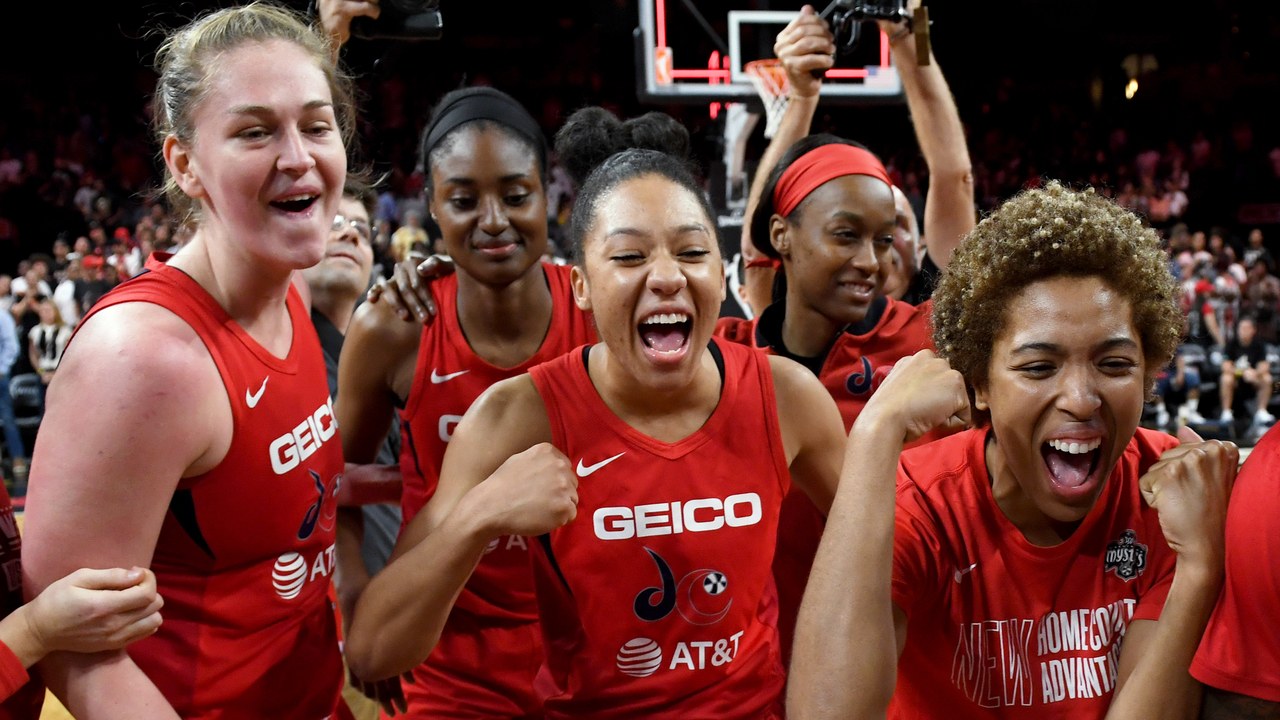
This summer was huge for the fight for equal pay—thanks largely to the very high-profile crusade of the US Women’s Soccer Team leading up to and following their World Cup victory. But the battle for equal pay and playing conditions isn’t just happening in soccer. It’s sweeping the world of sports—and the women of the WNBA just won big.

For over a year, the players have been fighting for fair pay and play—bigger paychecks and better benefits—and today, thanks to a new eight-year collective bargaining agreement, they’re about to see it starting with the 2020 season. “The 2020 CBA features significant investments by the league and its teams aimed directly at increasing player salary and compensation, improvements to the overall player experience, resources specifically designed with the professional female athlete in mind, as well as a commitment to implement an integrated marketing plan league-wide,” the league said in a press release.

First, there’s the straight-up salary situation. There will be 53% increase in total cash compensation, which is made up of base salary, performance bonuses, prize pools for new in-season competitions, and league and team marketing deals. Under the new agreements, the top players will be able to earn over $500,000, which is triple the number of the previous deal. Other players will have the chance to earn between $200,000 and $300,000.

This is historic. As the release notes, the women of the WNBA will average a six-figure salary for the first time in league history.

But this isn’t just about the money, though that is obviously important. The CBA also guarantees a better player experience when it comes to travel, guaranteeing an individual hotel room for each player and an upgraded class of plane travel. It’s an issue that’s plagued women across sports as male athletes get the first class treatment and female athletes are on the ultra-budget plan. (Can you imagine asking Steph Curry or LeBron James to bunk up with someone on the road or cram into a coach seat on the way to a game? No, you cannot and these elite athletes should not be forced to do so either.)

The WNBA will also institute new maternity and child care policies. For example, players will receive their full salaries while on maternity leave, a new annual childcare stipend of $5,000, safe and private spaces for nursing mothers, and an up to $60,000 reimbursement for veteran players to offset the costs of adoption, surrogacy, egg freezing or fertility/infertility treatment. Players will also have access to enhanced mental health benefits, education and counseling related to domestic/intimate partner violence, and career development support that could include off-season job opportunities with league partners.

These changes still don’t amount to equality, but they’re a huge an important step—one that could be a model for female athletes across sports. In negotiations between the players and the WNBA, “we found common ground in areas that confirmed the league’s and the players’ intentions to not only make meaningful improvements in working conditions and overall professional experience, but also to improve the business with strategic planning and intentional marketing that will keep the WNBA front and center year-round,” said Nneka Ogwumike, president of the WNBA Players’ Association.

Let this be a sign for more progress for all women in the workplace in 2020.


Source link

Categories
Health

Latinas Have the Last ‘Equal Pay Day’ of the Year. These Women Want to Do Something About That.


It’s not quite a cause for celebration, but November 20 is Latina Equal Pay Day, which marks the point in 2019 at which the average Latina’s wages at last equal what a white man earned in 2018.

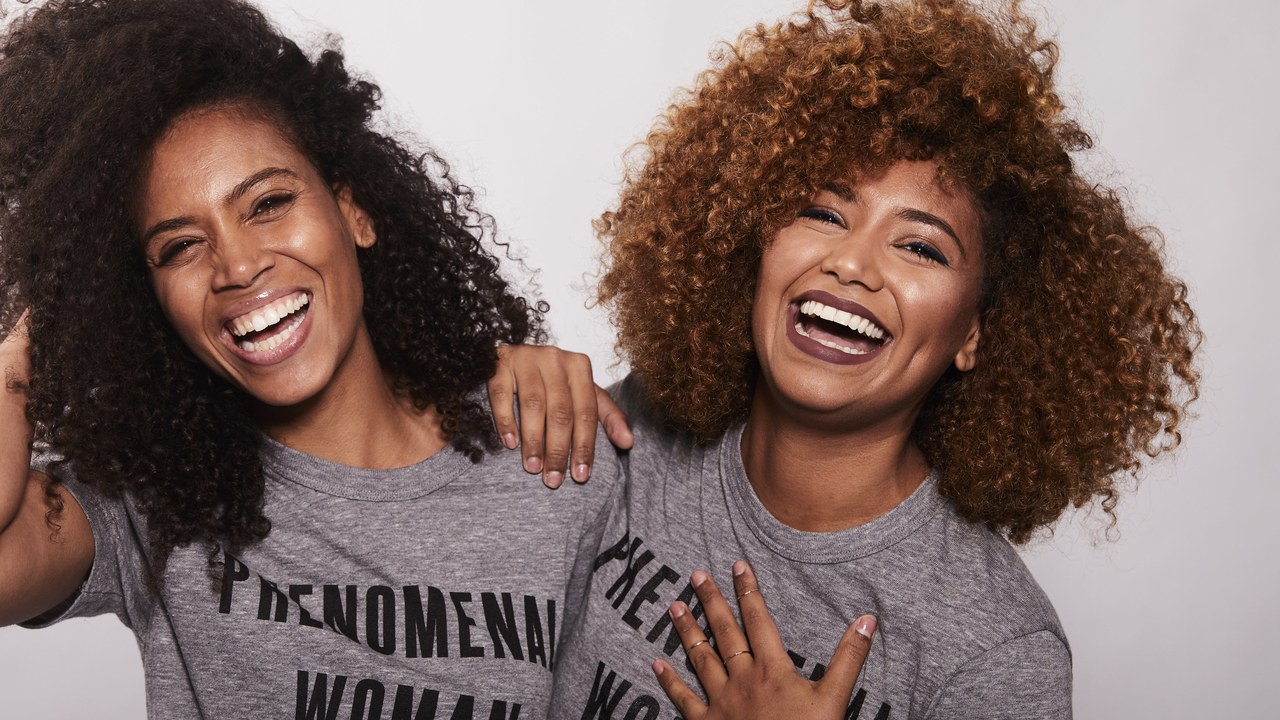
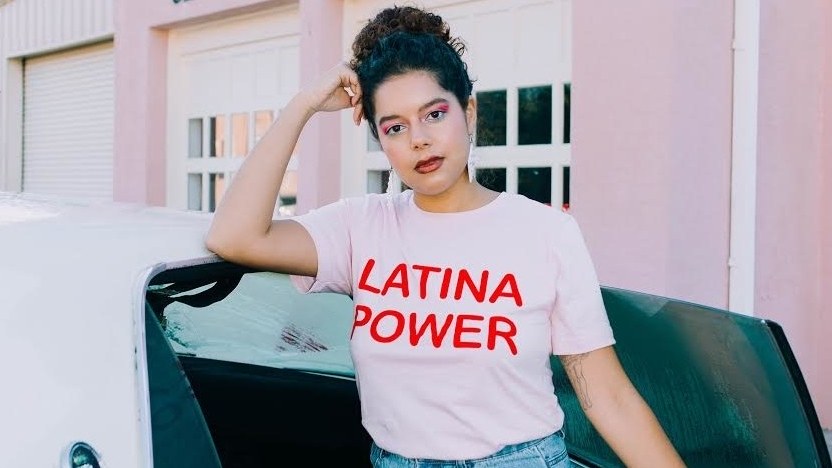
For women overall, it takes about 16 months to make what a white man makes in 12. But for Latina women—whose “Equal Pay Day” is the last observed of the year—that number is much higher. It takes nearly 23 months to even out, with Latina’s typically earning only 54 cents for every dollar a man makes. To mark this…inauspicious occasion, Phenomenal Woman Action Campaign founder Meena Harris—who spoke with Alicia Garza for Black Women’s Equal Pay Day—sat down with Jen Zeano, creator of the popular JZD Latina Power shirt line and founder of her own brand, Jen Zeano Designs. Here, Harris and Zeano chat about their new collaboration, Phenomenal x Latina Power, what it means to be a queer entrepreneur, and the strength she finds in her Latinx community.


Meena Harris: Latina Equal Pay Day is not a celebratory day. It’s about recognizing that we still have have a very long way to go in terms of pay equity. Latinas experience the widest gap. What does equal pay and equity mean to you?

Jen Zeano: It means being able to close those gaps. For so long we’ve kind of settled into the fact that we are never going to get paid equally to our white counterparts. But now that I’m a business owner, I’ve surrounded myself with more Latina business owners. Also people working in the field, like attorney or nurses, that are not getting paid what they should be getting paid. We have to do more. Growing awareness of [the gap] is one of the most important things. A lot of people don’t even know that we get paid so much less, and that it makes it so hard for us to create that generational wealth that everybody so deeply craves.

We have to work 10 times harder to try to get [generational wealth] and create these new normals for our families. One of my biggest goals in life is that I want to be one the last generations [in my family] that struggles to pay rent. We shouldn’t struggle to pay rent but unfortunately, so many in our community struggle to pay rent every month. Getting out of that, I feel, is one of the most important things that we have to do.

Harris: One thing that is really important to the Phenomenal Woman Action Campaign is intersectionality. Recognizing that for folks who have multiple identities, it can mean layered discrimination. In your case, you’re not just Latina, you are also LGBTQ. I think it’s amazing that you and your wife, Veronica Zeano, are building this company together. What is it like being a queer Latinx entrepreneur and building a business with your wife?

Zeano: It’s so much. I feel like being a queer Latina in itself has been a journey in a way. When I first came out to my parents, they weren’t super understanding. It took a couple of months for them to come around. And my wife hasn’t had a relationship with her parents in more than five years because they couldn’t come to terms with the fact that she’s married to a woman.

We have been so blessed that our community has been so supportive. We’ve been super open about it. People that follow us and are familiar with our brand know that it’s both of us running the business and they have been super super supportive and always amazing. I surround myself with people who are also queer Latinas. So that always creates a really empowering community. But it’s also been really difficult because when you have to meet potential business partners, or you have to meet people you want to collaborate with, it’s almost like you always have to “come out.” You never really know how they are going to take it.


Source link

Categories
Health

Read Every Word of Michelle Williams' Powerful Emmys Speech About Equal Pay


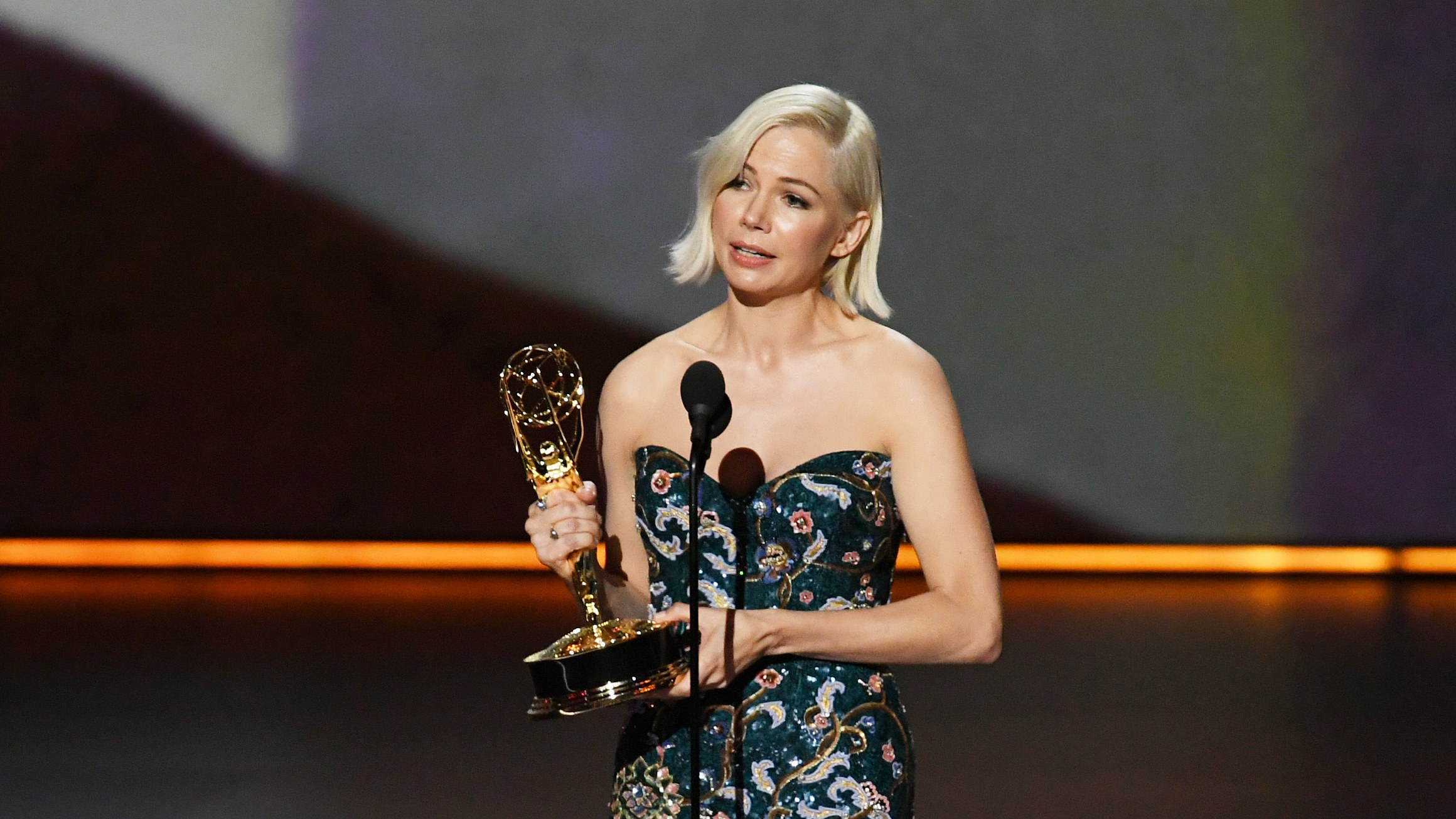
On Sunday, September 22, Michelle Williams won the Emmy for her performance of Gwen Verdon in the FX drama miniseries Fosse/Verdon. And once on stage to give her acceptance speech, she dedicated her time to a very important cause: equal pay.

“Thank you so much to the television academy for this and to the incredible cast and crew who have worked so hard to make this TV show, especially you Sam Rockwell. I know how hard you worked,” she began. “I see this as an acknowledgment of what is possible when a woman is trusted to discern her own needs, feel safe enough to voice them, and respected enough that they’ll be heard.”

Williams then explained that every time she asked for anything she needed in order to do her job—big or small—she heard “yes” in reply. “When I asked for more dance classes, I heard yes,” she said. “More voice lessons, yes. A different wig, a pair of fake teeth not made out of rubber, yes.”

She continued, “All of these things, they require effort and they cost more money. But my bosses never presumed to know better than I did about what I needed in order to do my job and honor Gwen Verdon.”

More important, they didn’t just support her with props and lessons. They supported her with equal pay.

“And so I want to say, thank you so much to FX and to Fox 21 studios for supporting me completely and for paying me equally because they understood that when you put value into a person it empowers that person to get in touch with their own inherent value. And then where do they put that value? They put it into their work,” she said. “And so the next time a woman and especially a woman of color—because she stands to make 52 cents on the dollar compared to her white, male counterpart—tells you what she needs in order to do her job listen to her. Believe her. Because one day she might stand in front of you and say thank you for allowing her to succeed because of her workplace environment and not in spite of it.”

She finished the speech with a shoutout to her daughter. “Matilda, this is for you, like everything else.”

Fans quickly took to social media to share their praise for Williams’ speech.

“That Michelle Williams speech belongs on a plaque,” one tweeted. “Michelle Williams thank you for acknowledging that there is a far greater wage gap for women of color than literally everyone else including white women,” another noted.

Celebrities including Kerry Washington and Debra Messing also took to Twitter to celebrate Williams.

Fans also called out how supportive Williams’ best friend, Busy Phillips, was during the speech:

Backstage, Williams spoke out more about equal pay. “I’d know from the inside how difficult it was to feel like you were ever really getting ahead. And no matter how many accolades [I got], I couldn’t make it translate into long-term security, so the discrepancy with All the Money in the World illustrated not just a larger point for me, a woman of privilege, but how difficult it is for women of all [backgrounds],” she told press. “When you look at all numbers, 52% on the dollar is what a hispanic woman will make compared to a white male.”

For the record, Williams is spot on with her speech. August 21 marks Black Women’s Equal Pay Day, the point in the year when the average black woman’s wages finally equal what a white man earned the year before. It’s time we all start talking more about pay disparity—on the Emmys stage and off.


Source link

Categories
Health

It's Black Women's Equal Pay Day. No Matter Who You Are, That Should Matter to You


It’s not quite a cause for celebration, but August 21 is Black Women’s Equal Pay Day, which marks the point in 2019 at which the average black woman’s wages at last catch up to what a white man earned in 2018.

For women overall, it takes about 16 months to make what a white man makes in 12. But for black women, that number is higher. It takes 20 months to even out. Native American women won’t meet the benchmark until late September. Latinas will hit it in November. But to mark this, uh, inauspicious occasion, we invited Meena Harris, founder of the Phenomenal Woman Action Campaign, to interview Black Lives Matter cofounder Alicia Garza. Harris, who also serves as commissioner on the San Francisco Commission on the Status of Women and holds a leadership position at Uber, established the Phenomenal Woman Action Campaign to raise awareness about social causes in partnership with non-profit organizations that support women’s rights on the ground. Here, she and Garza chat about the gender wage gap, the economic importance and potential of black women, and what it means to be an activist.


Meena Harris: Today is Black Women’s Equal Pay Day (BWEPD) which, as you know, signifies the approximate day a black woman has to work into the new year to make what a white man made at the end of the previous year. Based on census data from 2019, black women are only paid 61 cents to every dollar that a white man makes. Can you talk about the significance of this as an economic issue?

Alicia Garza: When you hear statistics about the gender wage gap in America, we often hear that women make 78 cents on the dollar that white men make. Actually, those are statistics looking specifically at white women. What it points to is that the economy is organized by race and by gender all at the same time. There are communities who sit at the intersection, and one of those communities is black women. So, If we’re not looking at how the economy is organized by race and gender and the communities that sit at those intersections, when we try to develop policies or solutions to a pervasive problem, we will leave communities behind and black women are very susceptible to that.

We see this happen all the time with issues when they’re not viewed from an intersectional perspective. For Black Futures Lab’s 2019 Black Census Project, you looked at priority issues and concerns for black people across the country and found that the issue of low wages not being enough to support a family was the number one concern of black respondents. How does this map onto the wage gap for black women?

AG: First and foremost, what’s important to know is that black communities are rarely asked how and what we experience in the economy, democracy, and in our society. That’s why we set out on this project particularly in leading up to a major presidential election. Every time we see a presidential candidate come up on the stage, they’re talking about how they’re going to improve the economy. The reality is that not everyone is experiencing the economy in the same way.

Any policy or proposal that wants to tackle this issue has to look at how the economy is organized by race and by gender. We find when you start with the people who are experiencing the problem the worst and most frequently, it actually creates the most possibilities for everyone to rise.

So, we know that, when we do right by black women—particularly those who are primary breadwinners, particularly those who are also dealing with other economic issues like mass incarceration or inadequate schools for their children—and when we raise their wages, the entire country benefits. It’s not just about numbers. It’s about families and what’s keeping us up at night, and the solutions we know can help to change the lives of everyone in America.


Source link

Categories
Health

Real Women Open Up About Discovering They Weren't Receiving Equal Pay


Eventually, my group’s creative director—a woman—noticed there was a huge gap between my salary and my male colleague’s. She corrected it by giving me a raise, and also adjusting both of our titles. I was happy.

After that, we hired on a male creative director who was favorable toward his male employees. He promoted the male designer to a senior level, and boosted his salary by another $20,000. He didn’t promote me—and only adjusted my salary by $8,000. I spoke with my creative director plenty of times about this pay issue during our one on one meetings, and he’d cut me off after I would say something like, “Oh, there’s stats out there that females get underpaid next to their male coworkers,” with “Well, that’s not true anymore.”

He told me that me that my male coworker spoke up more and was very vocal, whereas I’d been maintaining and making clients happy. He said he wanted me to work on pitching to clients more and then we could discuss a promotion. So I tried to pitch more, but it never happened. In fact, the one chance I had at running a meeting with a client, the male creative director took over the entire thing! He didn’t even give me a chance to speak. Eventually, I left the company and vowed to never let that happen to me again. — Karen, advertising, Tampa

My boss felt bad I was paid less, but said the company didn’t have the budget to fix it.

Salary: $70,000; Pay Gap: $20,000: I was a section editor at a magazine, and my male colleague had a similar title. The main difference, though, is that I ran a team and was in charge of producing both daily and long form content for the website, while also curating and editing an entire print section. He, on the other hand, didn’t have any print responsibilities and also didn’t run a team.

I found out that he was being paid $20,000 more than me through a coworker, who had been told firsthand. I’ve always tried to be pretty transparent about how much I make, because I think the idea that it’s “impolite” to talk about money is perpetuated by men who don’t want to be confronted with a pay gap—and therefore feel morally responsible for fixing something that they benefit from. Like, if they don’t know then it can’t really happen, right?

My first thought upon finding out was embarrassment, to be honest. I don’t know why, I just felt kind of humiliated. Like maybe I wasn’t doing a good job, even though I was doing so much work and my team seemed to really like me. But then I got pissed. I was well-regarded by my superiors and the people who reported to me, I was doing the job of two people—two actual people!—and I was making less than someone with far fewer responsibilities? That made me mad.

I brought it up at my next review, which was maybe a couple months later. I don’t recall my exact words, but I basically said that I wanted a raise and deserved one, and that I knew what my male colleague was making. The difference in our responsibilities was pretty evident, so just my knowing about it underlined the point. And my manager was aware that it was unfair, and was even sympathetic about it. But unfortunately, I was told they were on a budget freeze, and couldn’t offer to give me more until at least the end of the year. I waited a few months and when the money never materialized—and a few other issues arose—I finally quit.


Source link

Categories
Health

Chrissy Metz: From 81 Cents in the Bank to Equal Pay on 'This Is Us'


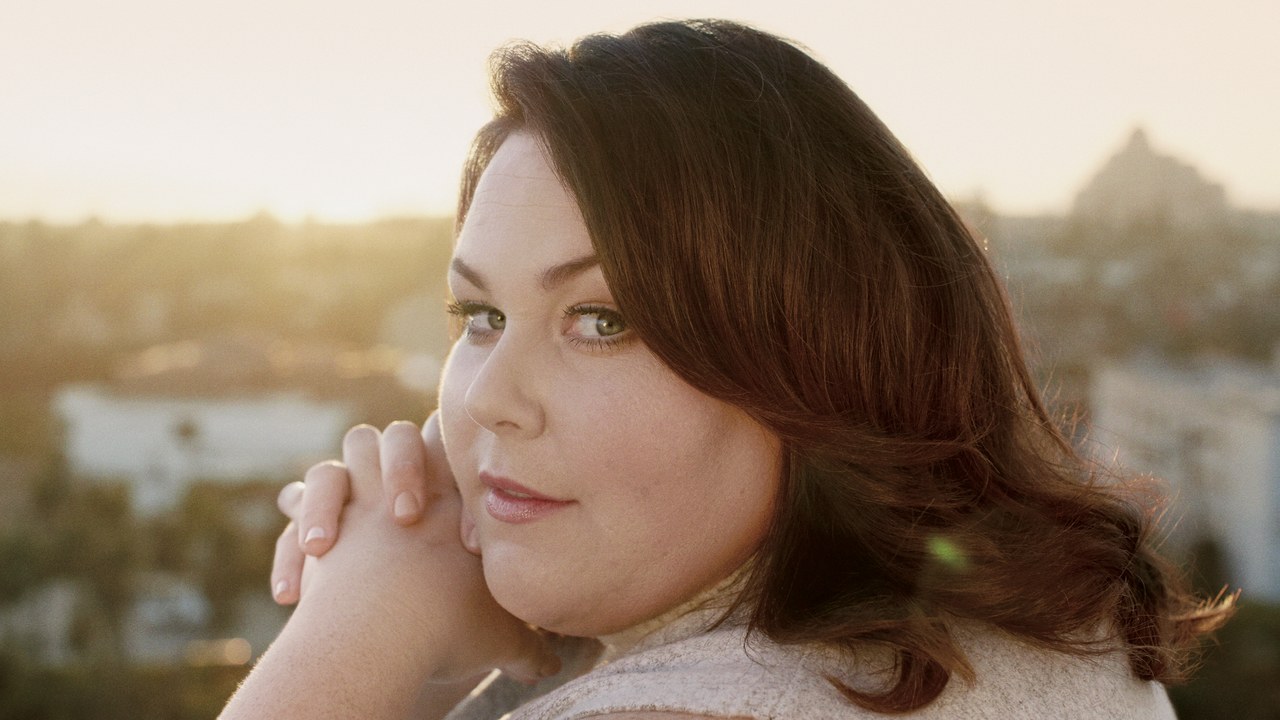
The anecdote has reached mythic proportions: Before Chrissy Metz, 38, made it in television, she lived with six women in a cramped two-bedroom apartment. She had to borrow gas money to get to auditions and lived on a steady diet of dollar-store ramen noodles, all while racking up massive debt (nearly $12,000 worth.) When fate at last intervened, with Metz landing the role of Kate Pearson on This Is Us, she had 81 cents in her bank account.

But while the gig was a personal game-changer, Metz was the rookie on set. In the first and second seasons, she made much, much less than her cast mates. While she earned $40,000 per episode, veteran actor Milo Ventimiglia took home $115,000, according to The Hollywood Reporter.

Metz didn’t make a fuss. After all, even earning a steady paycheck as an actress had seemed so inconceivable. She’d grown up watching her mom skip meals. Before she landed This Is Us, she collected unemployment checks. And even now, she’s one of the few plus-size women with a leading role on television. Metz felt fortunate just to have a seat at the table. “For the first two years, I thought, ‘Oh I should just be grateful,’” Metz tells Glamour. “But then I realized, ‘I think I’ve done ok, and now it’s time [to negotiate].’”

After the second season of This Is Us, with two Golden Globe nominations under her belt (and the collective chorus of women who’ve stood up to demand more in here ear), Metz decided she was done just being grateful. “It was everything, collectively,” she says. “Our audience’s [support], other women standing up for themselves, and just feeling like, ‘Ok, I’ve been recognized for the work that I’ve done—not entitled, but recognized, and maybe it’s ok [to ask].’”

With the tremendous success of This Is Us—it’s the biggest drama on broadcast TV—Metz’s cast mates also came to the conclusion that it was time to revisit their contracts. But this time, the beloved Pearson clan banded together. Now Ventimiglia, Mandy Moore, Sterling K. Brown, Justin Hartley, and Metz receive identical checks. What does equal pay mean to Metz? A cool $250,000 per episode, which amounts to $4.5 million per season, according to The Hollywood Reporter. Metz credits her co-workers for the tenor of the process: “We all understood where everyone was coming from. It felt really respectful and professional and nice to know that if I need to, I could do it again.”

But the newfound zeros at the end of Metz’s paycheck haven’t changed her financial philosophy. She doesn’t have to reach too far back in her memories to recall what it felt like not to be able to afford rent, let alone a new pair of shoes. Lately, she’s trying to feel comfortable living in a “gray area” in relation to her wealth. “It’s about not being so tight that you’re not enjoying what you worked really hard for, but also not spending all of it just because you have it,” she says. “It’s sitting in that gray area of like, well, this is what I’ve learned from my past experiences, my parents, and this is what I’m going to have to do in order to have a different life.” For Metz, this means evaluating her purchases. While she’s reluctant to spend a lot on more disposable items, like clothes, Metz has built a beautiful home for herself—and fills it with the kind investment furniture she never had as a child.


Source link