Categories
Health

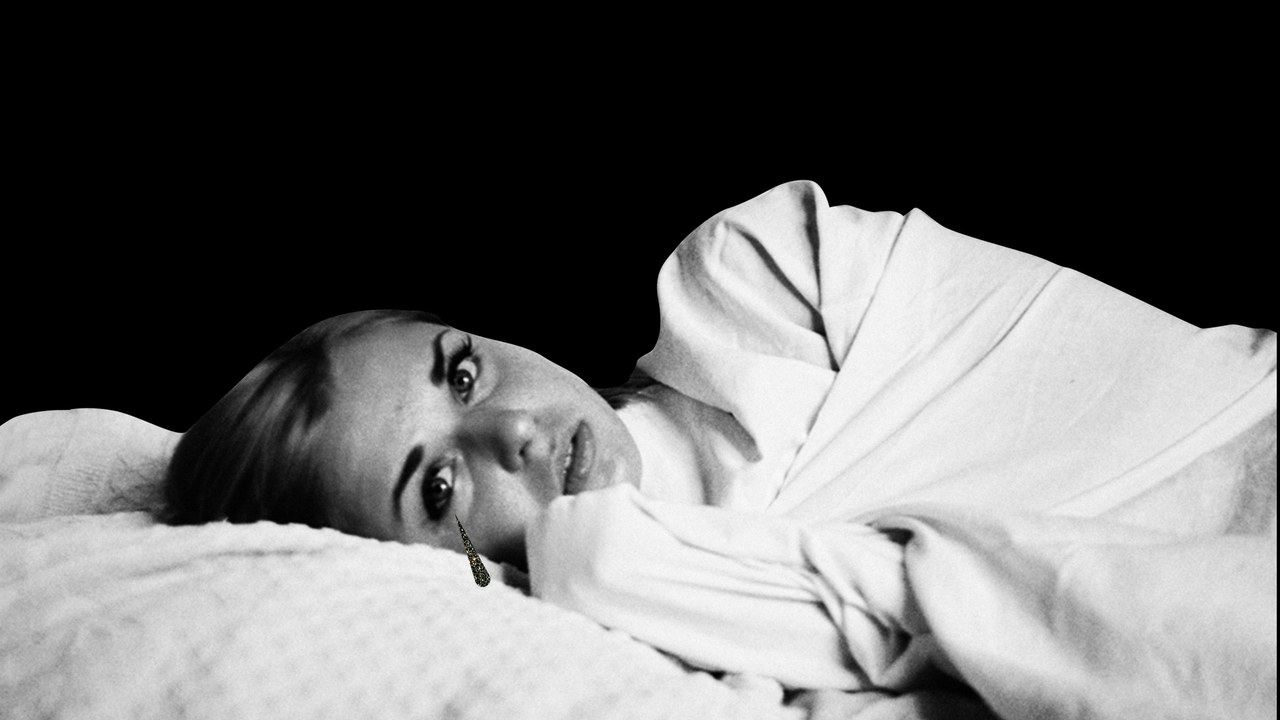
Crying After Sex Isn't Uncommon—And Women Deserve to Know Why


The first sign that my three-and-a-half year relationship was over was that we stopped making love. We didn’t stop having sex (though our passion had definitely cooled) but we stopped having any real connection in bed. When we did do it, it felt obligatory—a compromise to satiate my libido so I’d stop nagging him. It was obvious—at least to me—my partner wasn’t into it and it felt like he had no interest in whether or not I got off.

As a result, sex started to feel dirty and overly complicated. What had once been my favorite thing on planet Earth, now felt like a chore. After a few months of feeling like a sexually needy burden, plagued by guilt over my high sex drive and disinterested parter, I began experiencing what I would later find out sexologists call post coital dysphoria: a sudden and unexplained sadness, even crying, after sex.

If you haven’t experienced it, let me tell you: PCD is the worst. Post-sex, your body is drowning in a sea of feel-good chemicals like oxytocin and dopamine—which is why every single article on the internet says orgasms make you feel good. But I felt like crap after sex, especially when I either got off during or finished myself off after. Orgasms left me bereft and inconsolable, overwhelmed with anxiety over why I felt so terrible after something that should have been so great.

This post-orgasmic phenomenon is way more common than you might think—research on PCD is still pretty scarce but one study published in the Journal of Sexual Medicine found nearly 50 percent of women surveyed have felt the post-sex blues at some point. (Men can experience it too.) It’s believed that about 2 percent of women experience it regularly.

Researchers aren’t 100 percent sure why some people experience this hardcore crash of emotions after sex, but it likely has something to do with our body’s reaction to all the hormones and emotions that come with sex, according to sexologists. “I believe that when an orgasm takes place, it triggers a release. For most, it’s a stress release but for others, they find their body also releasing tears, emotions, and aggressiveness,” says Sunny Rodgers, a certified clinical sexologist and sex coach in Los Angeles. In this way, it’s often linked to past sexual trauma, she says.

This is exactly what it felt like for me. Every time I orgasmed, it was like I was releasing the deep emotional anguish of my failing relationship. It was sorrowful, painful, and depressing. Instead of riding a wave of pleasure, I would roll over and quietly weep until I fell asleep, lost in my own head and heartache.

When the relationship finally ended, so did the PCD—or so I thought. For awhile, I would have casual sex with decent men and women and feel completely fine afterwards. I still cried myself to sleep over my breakup, but I wasn’t sad after sex—sex finally felt pleasurable again.

Before long, I found myself spending time with someone new who made me feel things I didn’t think I’d ever feel again. The sex was amazing and he was lovely and kind. But one night, after some of the truly head-over-heels sex—the kind that only happens in the glow of an budding relationship—my post-coital dysphoria came back with a vengeance. In the aftermath of my orgasm, I felt totally despondent, like I had fallen to the bottom of a well. After my boyfriend fell asleep, I crept into the living room where I stayed awake for hours crying.


Source link

Categories
Health

Watch Joe Biden Comfort a Crying Meghan McCain Over Father's Cancer Diagnosis


Since John McCain announced that he was diagnosed with glioblastoma brain cancer earlier this year, many politicians have rallied around the senator from Arizona and wished him a speedy recovery, including Joe Biden. The former vice president knows firsthand how difficult it can be to watch a family member suffer from cancer; his son Beau died in 2015, also from glioblastoma.

During a visit to The View on Wednesday to promote his new memoir, Promise Me, Dad, which centers around Beau’s cancer fight, Biden comforted John’s daughter and View co-host Meghan McCain in a very emotional moment. “I think about Beau almost every day, and I was told that this doesn’t get easier,” McCain said, through tears. Biden then sat beside her, holding her hand to offer her support and words of reassurance. “One of the things that gave Beau courage was John. Your dad took care of my Beau,” said Biden. He continued, “If anyone can make it, your dad [can].” Biden, who has devoted his time since leaving office to aiding cancer research, listed many promising medical discoveries that scientists are testing currently and offered a bit of scientific hope for anyone going through the same devastation as the McCain family.

Biden also touched on the special relationship he has with John McCain. “Her dad is one of my best friends,” he said. “We’re like two brothers who were somehow raised by different fathers or something, because of our points of view.” He even recalled a time that McCain told him to “get the hell off” the ticket in 2008. John McCain reacted to the moment on social media, tweeting a message to the Bidens. “Thank you @JoeBiden & the entire Biden family for serving as an example & source of strength for my own family,” he wrote.

In a confusing and often troubling current political climate, it’s a very rare and personal moment between two families, on opposite sides of the aisle, coming together.

Related: Joe Biden Had the Best Message of Support for Julia Louis-Dreyfus


Source link

Categories
Health

Amal and George Clooney Gave Out Noise-Canceling Headphones on a Plane to Block Their Twins' Crying


It is a truth universally acknowledged that it’s majorly stressful—for parents and nearby passengers alike—to travel with a newborn baby. But new parents Amal and George Clooney, of course, have already mastered the art of flying with two infants on an international flight.

Sources told Page Six that during a recent flight to the UK, the Clooneys “gave all the first-class passengers noise-canceling headphones” just in case their 6-month-old twins Ella and Alexander started crying in midair. The headphones were reportedly emblazoned with the logo of Casamigos, Clooney’s tequila company, and came with a note “apologizing ahead of time” for any noisiness from the twins. Among the recipients of the headphones was Quentin Tarantino, per the insider, but the new parents’ preparedness was all for naught. “The babies didn’t make a peep!” the source said.

Amal and George Clooney aren’t the first air travel experts to distract their fellow passengers from any potential tantrums with material goods. Other parents have passed out ear plugs, goody bags, and gracious notes. And during a flight from New York City to Long Beach, California, around Mother’s Day in 2016, JetBlue actually rewarded passengers every time a baby cried: For each cry sesh, passengers received a voucher for 25 percent off a future JetBlue flight. Needless to say, tears and tantrums on the cross-country flight were met with cheers and applause rather than eyerolls and grumbles.

Related Stories:

Amal and George Clooney Donated $1 Million to Fight ‘Violent Extremism’ in the U.S.

We Finally Know How Amal and George Clooney Met, and It Was Love at First Sight

George Clooney Opens Up About Having Twins With Amal: ‘It’s Going to Be an Adventure’


Source link

Categories
Health

I F*cking Love Crying, So Stop Telling Me Not to Do It


One afternoon, when I must have been about eight, my mom told me to stop crying. I don’t remember what I was crying about, but I do remember that I responded: “But I’m already trying so hard not to!” By that young age, I’d already learned that I should hold back my tears. That when I was upset, I had to first and foremost consider the people around me so that I didn’t make them upset.

That’s how it’s been ever since. Personally? I love crying. Whether it’s out of happiness or sadness or the impact of a big realization hitting me or something else I can’t describe, I feel more in touch with whatever I am feeling when I cry. Crying allows me to process that emotion and learn from it. If I don’t, the feeling gets trapped in me and just won’t go away. But some people do not appreciate that I cry so often, so I constantly feel pressured to keep my tears in for their comfort.

I was probably in my teens when it hit me that I cried more than most people. As a six-year-old, I stayed up crying for several consecutive nights because my former babysitter had taken another job. At nine, I cried because I realized that one day, my stuffed animals wouldn’t mean so much to me. I probably cry at least once a week now. Last month, I cried because I read that Chloe Grace Moretz’s dog died, (her second deceased pet in a month!). A few weeks before that, I stopped in the middle of sex to cry because “Don’t Look Down” by Martin Garrix came on and it was just pulling at my heartstrings.

In all these instances, I wanted to cry. I know how to hold back tears if I’m in a professional setting or can’t for some other reason, but I enjoy the release. Sometimes, when I’m in a bad mood, I even search for touching articles or videos because I know I’ll feel better once I cry.

Not everyone feels that way. I always wish my boyfriend, who says he hasn’t cried since he was in the single digits, would cry in front of me. Meanwhile, he wishes I wouldn’t do it so much. Once, when I said I was just trying to connect with him, he said, “then you shouldn’t cry.” Where did we get the idea that crying in front of people blocks them off? In my experience, it brings them closer together.

The more people take issue with my crying in front of them, the less comfortable and in touch they seem to be with their own emotions. Maybe they’re afraid that engaging with me while I’m crying would force them to face feelings they don’t want to face. And that’s fine. They don’t have to.

But I’m tired of them projecting that discomfort onto me. People who tell me to stop crying aren’t actually trying to make me feel better. They know the feelings will be there whether I cry or not. They just want me to help them avoid emotions because emotions make them uncomfortable. But for me, not crying is too big a sacrifice to make for other people’s comfort.

I’m also sick of reassuring people that I’m crying out of happiness, not sadness. Because a lot of my tears can’t really be attributed to either. Often, I’m just moved. Sometimes, I’m having a breakthrough. And when I am crying out of sadness or anger, that’s not a bad thing. Feeling these feelings is not going to lead to anything disastrous! In fact, it’ll probably only lead me to greater healing and self-understanding. But not if I pretend to be happy for someone else’s sake.


Source link

Categories
Health

A Little Girl Wore a Pantsuit to Meet Hillary Clinton and Now We're Crying


Name a more iconic duo than Hillary Clinton and this pint-sized fan who came to meet her. We’ll wait.

At an event in Brooklyn promoting her children’s book, It Takes a Village, Clinton came face to face with a little girl in an incredible white pantsuit—an homage to the former presidential candidate’s signature campaign outfit. If you’re prepared to cry out an ocean of tears, feast your eyes on the photo:

Clinton shared the tweet on her own timeline, writing, “Great to be back in Brooklyn sharing #ItTakesAVillage with readers of all ages!”

It Takes A Village is a 28-page picture book adaptation of Clinton’s 1996 book of the same name. In it, a group of people set out to build a playground on an empty plot of land. “We all have a place in the village, a job to do, and a lot to learn,” Clinton writes in the book.

It was released the same day as Clinton’s much-anticipated election memoir, What Happened.

If this photo is any indication, one thing is certainly clear: Clinton may have lost the race for the White House, but her fans are still as supportive as ever.


Source link